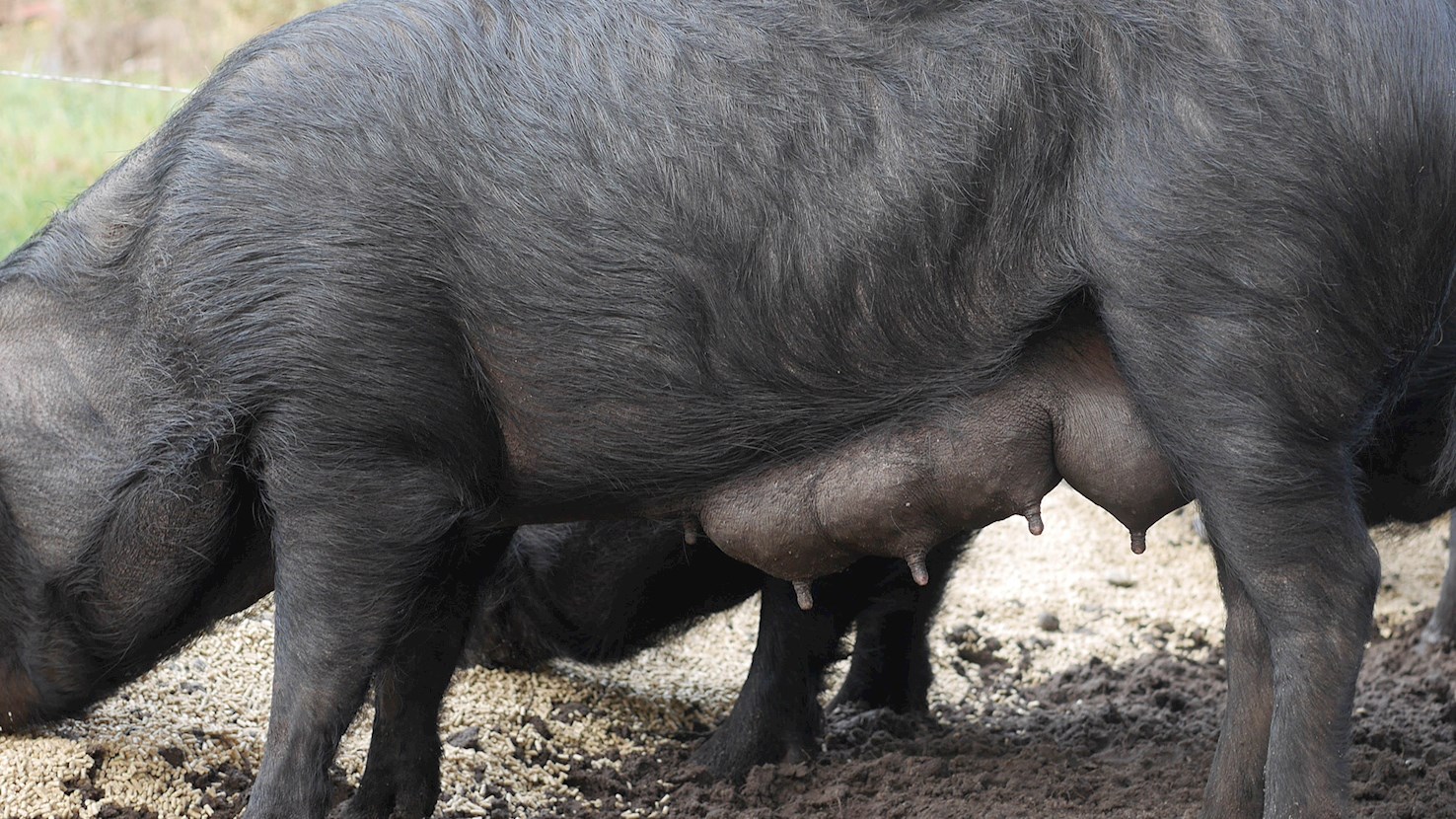
Porc noir de Bigorre is pork meat coming from Gascon Noir de Bigorre pigs, the oldest breed of pigs known in France. Their meat is marbled with intramuscular fat and surrounded by an outer layer of white fat. Once cooked, the fat surrounding the topside melts, resulting in a slightly fibrous, yet very tender, juicy, and soft meat with an intense flavor.
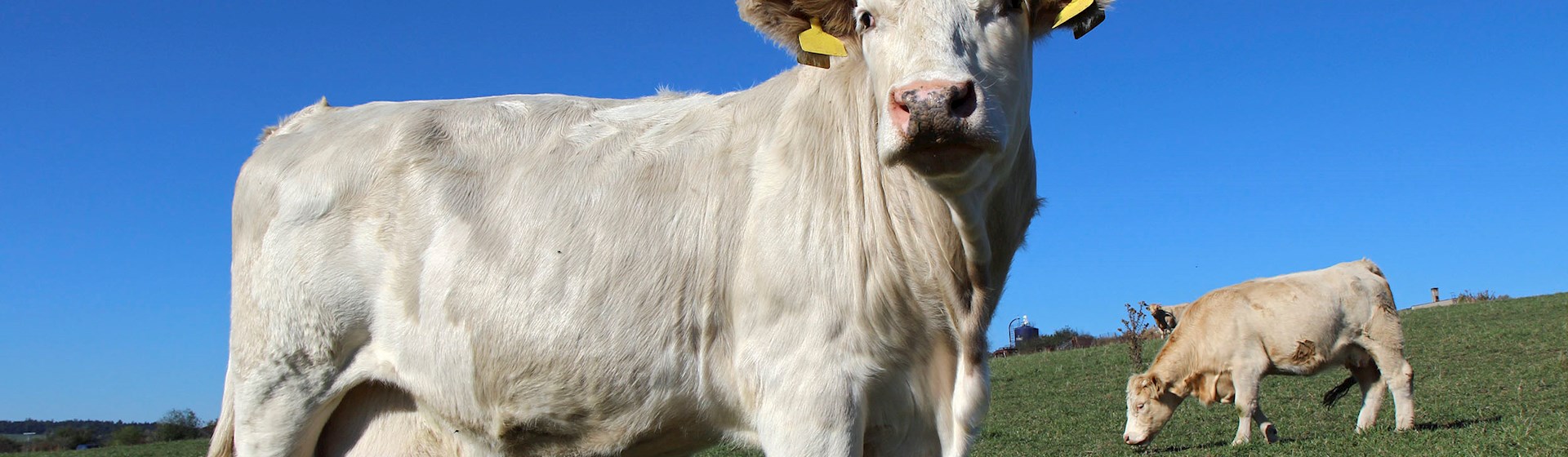
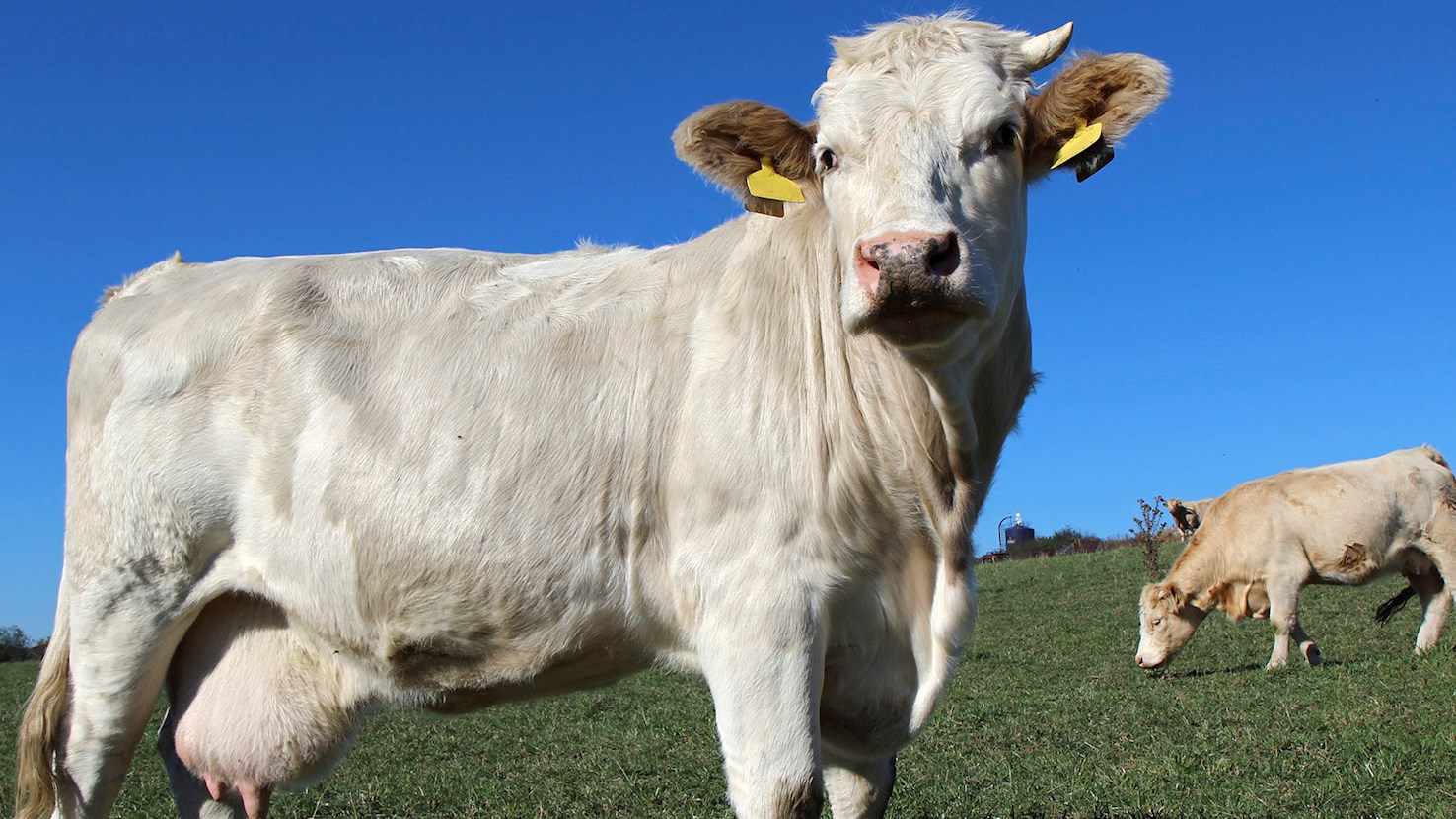
Génisse Fleur d'Aubrac is fresh meat from the animals that are a cross breed from the Charolais and Aubrac breeds of beef. The animals mostly have a light white color, but retain some of the black colors of the Aubrac breed. They benefit from both the rusticity of the Aubrac breed and a fine muscle development from the Charolais breed. The Fleur d'Aubrac heifer is slaughtered at an age between 24 and 42 months and is fed on its mother's milk until weaning when it feeds on the grassy pastures. The meat is tender, juicy and hearty due to the careful raising of the animals. Try a roasted entrecôte with butter, garlic and thyme.
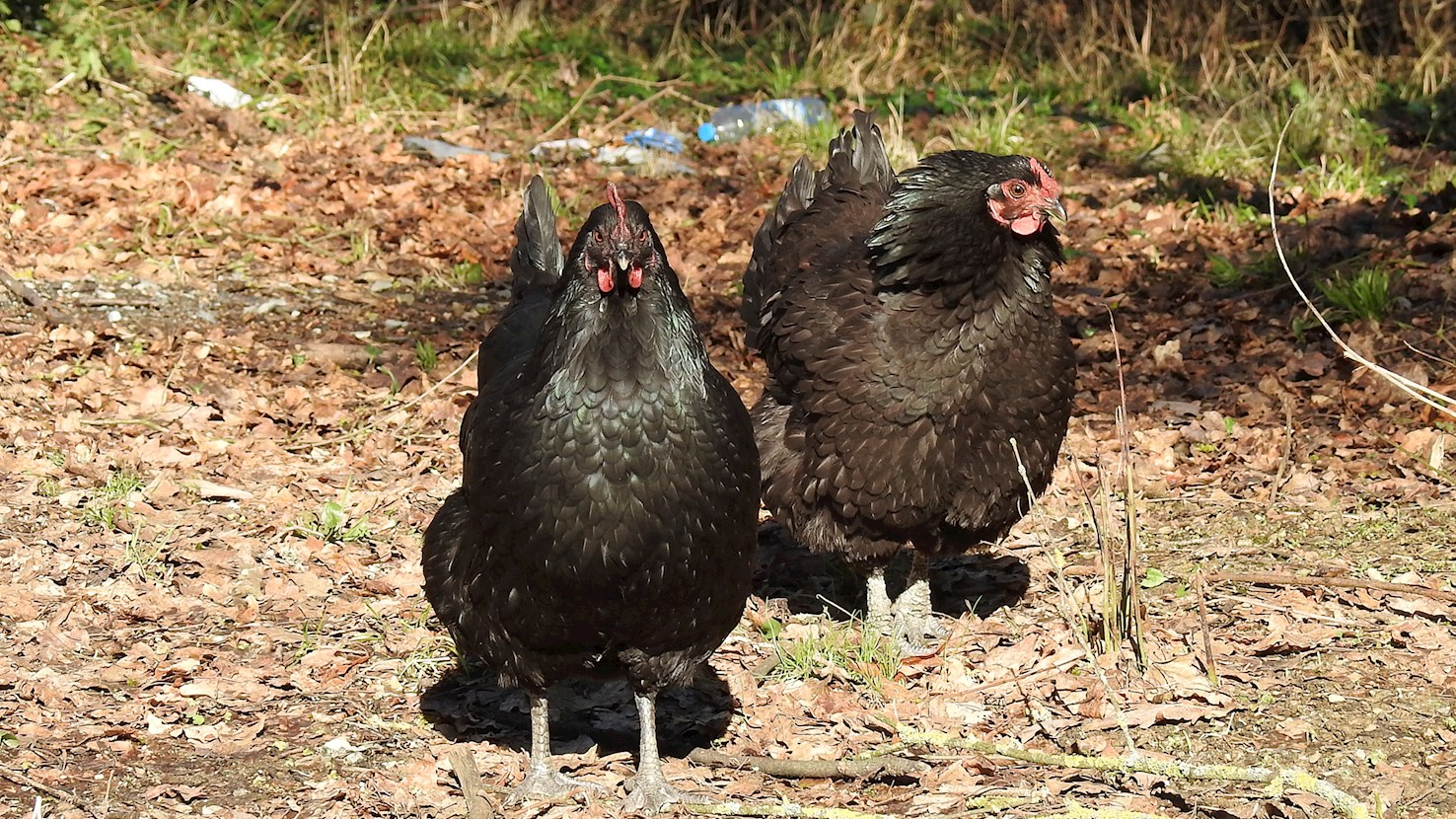
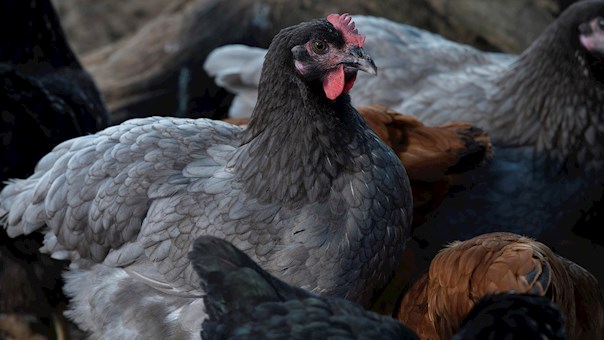
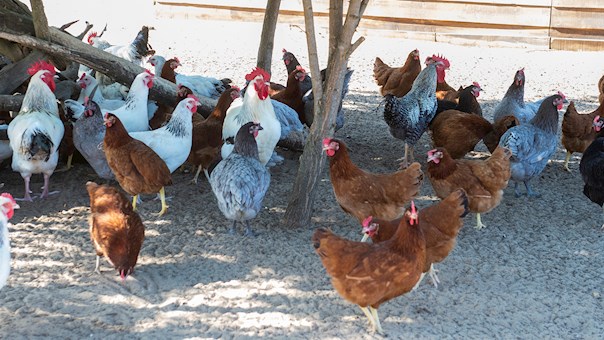
Poule noire de Caussade is a small-sized chicken breed originating in France. Its roots go back to at least the mid-19th century, when agricultural competitions in 1869 already described it as “much appreciated,” and by 1905 a formal breed standard was established, followed in 1911 by the founding of the Caussade poultry club. Over time the breed nearly vanished with the rise of industrial poultry strains, and by 2014 only about 60 breeding females had been counted, prompting dedicated conservation efforts. The Poule noire de Caussade is raised in extensive outdoor systems: birds are kept in large open runs where they forage freely, fly readily (often perch in trees), develop strong pectorals and a slim skeleton, and are accustomed to both cold and heat. The standard describes the rooster at an average 1.5 to 2 kg (3.3-4.4 lb) (or up to 2.5 kg / 5.5 lb) and the hen slightly smaller; plumage is glossy black, comb red and upright for the rooster (inclined for the hen), tarsal color slate-grey, legs and body finely built. Among its variations one can find differences in size (some specimens closer to 2.5 kg, others more modest), differences in rate of lay (hens average 150-180 eggs per year, white-shelled with a large orange yolk and scant white), and small variations in plumage gloss or comb shape depending on lineage. A distinctive characteristic of the poule noire de Caussade is its combination of meat quality and rustic adaptability: despite its modest size it produces fine white meat, often described as close in taste to game, and the birds remain hardy when kept outdoors, unlike many modern breeds. The meat is eaten roasted whole or as parts (breast, thighs) in fine restaurants, often paired with high-quality ingredients such as Quercy truffle, and is best matched with bold Southwest French red wines, perhaps Gaillac or Cahors, and served with simple rustic sides—country bread, butter-washed potatoes or a light green salad—to highlight the chicken’s lean, refined flavor.
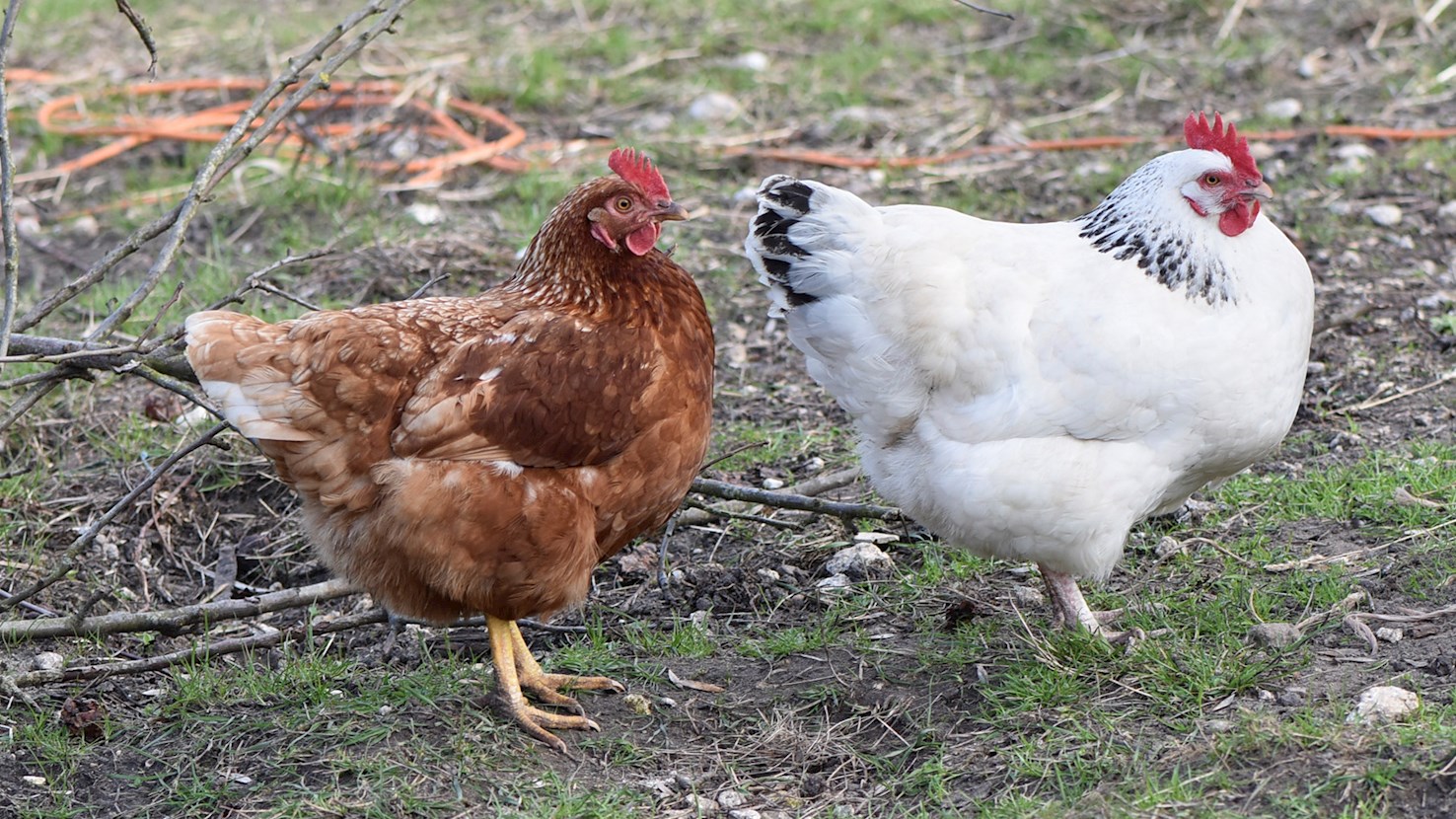
Poule Gasconne is a heritage breed of chicken from France raised for both meat and egg production. Its roots date back to at least the sixteenth century when it was cited as the bird used in the celebrated dish poule au pot by Henri IV; the breed was documented from 1860 onward in the Gers, Haute-Garonne and Tarn-et-Garonne. Its breed standard was finalized between 1907 and 1920, highlighting its dual-purpose performance, with good laying ability and substantial meat yield. The breed’s numbers fell steeply in the 1950s with the advent of industrial hybrid layer and broiler strains, but revival efforts began when the association “La Poule Gasconne” was formed in 2003, and in 2008 it was registered as a Slow Food Foundation “Sentinel of Taste”. In raising poule Gasconne birds are reared outdoors in low-density flocks, allowed to forage freely in grassland and scrub, and fed a mixed diet of cereals and pasture. Hens reach about 1.8-2.3 kg (4-5 lb), roosters 2.5-3 kg (5.5-6.6 lb), and hens produce roughly 200 eggs of around 60 g (2 oz) annually. Capons are sometimes produced by castrating roosters and rearing them for an extended period (up to eight months) to develop firm flesh and fine texture; they may be dry-plucked and wrapped in dyed woad cloth for festive sale. Variants of the breed include the standard black-plumaged version with slate-blue sheen, and bantam (naine) forms weighing around 900 g (2 lb) for roosters or 800 g (1.75 lb) for hens—with smaller size but the same genetic line. Some farms breed specifically for eggs, others for capons or meat birds raised for special events, but all adhere to free-range, slow-growth criteria. A unique feature of the breed is its combination of rustic foraging ability, slow growth and heritage identity which underlies its appeal in the revival of heritage poultry. Poule Gasconne chickens are best used in simple preparations that showcase their flavour: hens or capons are roasted whole with local vegetables, served winter-style with lentils, cabbage or potatoes, or used to make the iconic poule au pot with chicken, vegetables and broth. They pair well with light red wines from south-western France—such as Cahors or Madiran—that have sufficient structure to complement the rich meat, or with rosés that cut through the flesh’s richness while allowing for the bird’s dual egg-and-meat character to shine.
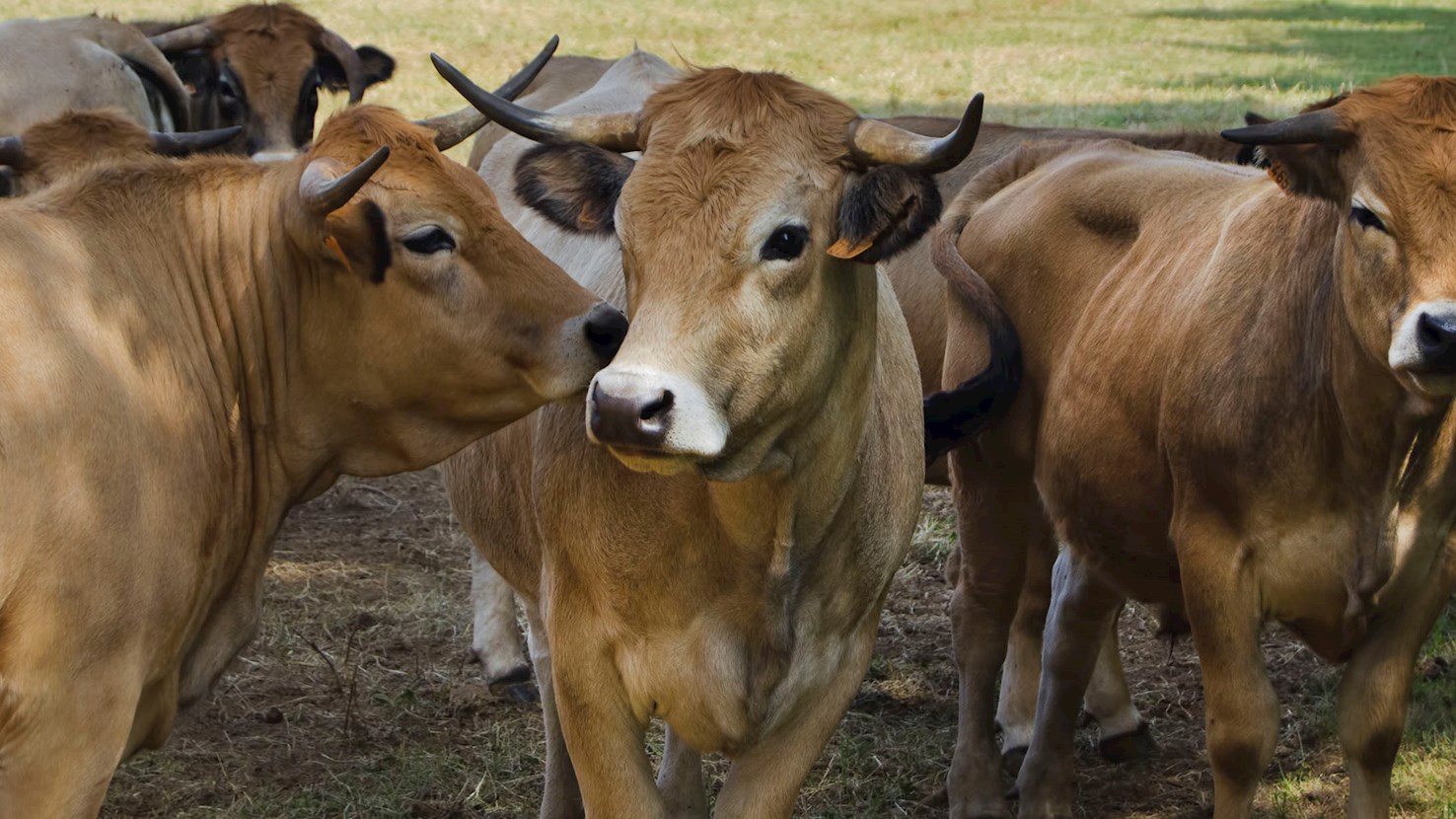
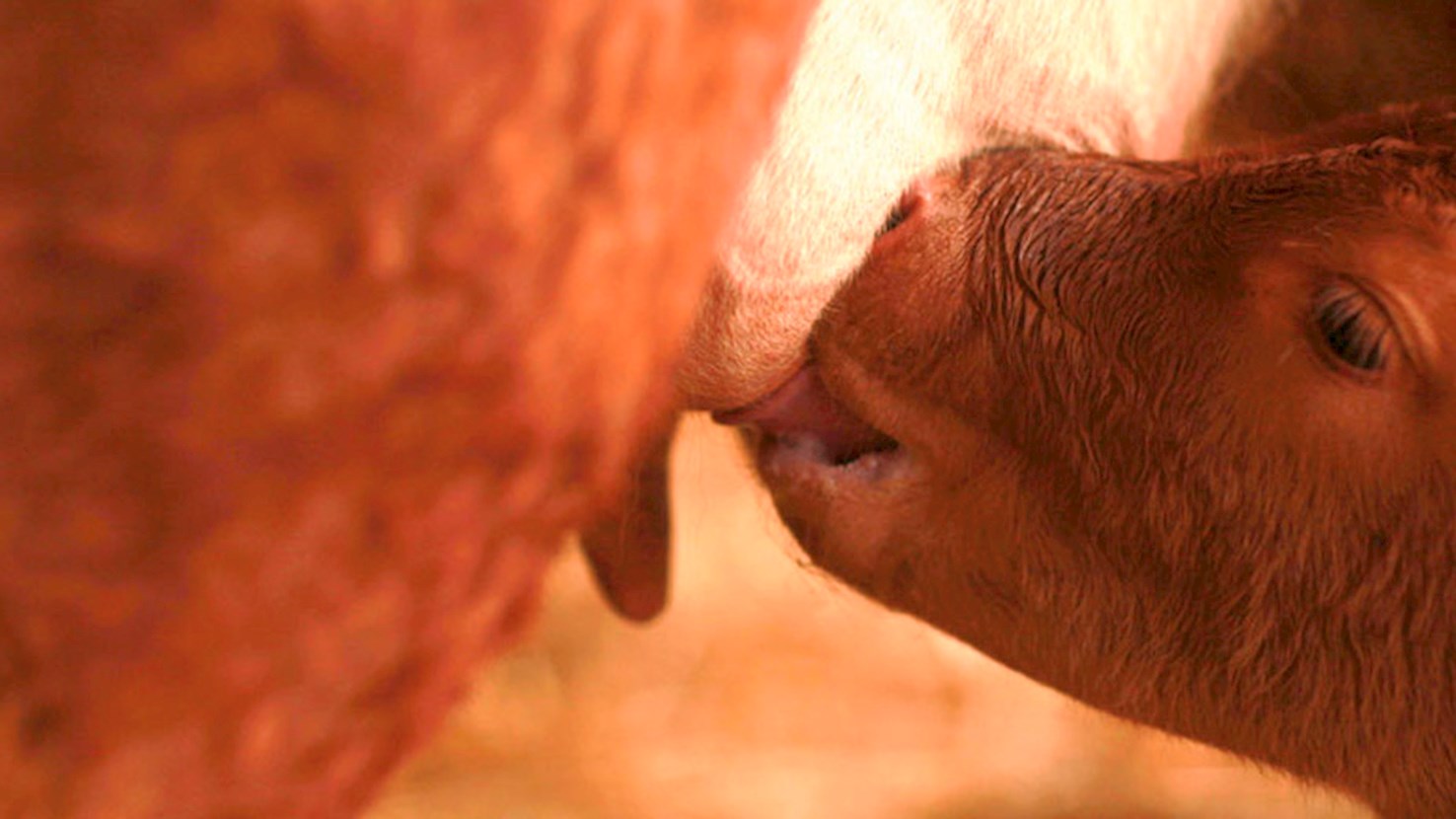
Rosée des Pyrénées Catalanes is white veal meat obtained from the Pyrenean Brown, Aubrac or Gascon hardy breeds or from the cross-breeding of the mothers of these breeds with males of the Charolais, Limousin or Blonded'Aquitaine breeds. The production area is located in the Catalan Pyrenees, which is a culturally and geographically homogenous area, despite belonging to two different states – France and Spain. The free-range calves remain with their mothers throughout their whole life and they feed exclusively on maternal milk and mountain pasture grass. They are processed unweaned when they are between five and eight months old and the minimum weight of marketed calves is 110 kg. The prized meat is tender and its color ranges from pink to light red and it is very rich in iron and low in fat thanks to the outdoor natural life of these calves.
Volailles du Lauragais is poultry that is slowly reared in the open air or free-range in the French regions of Aude and Haute-Garonne along with the neighboring districts. Poultry breeding in the area was aimed at the top end of the market, so Lauragais poultry is highly praised among the top local restaurateurs and often used in their menus. Lauragais duck and goose are a fundamental ingredient of the traditional regional speciality called cassoulet. Poultry meat from the region is so popular that there is even a capon fair of Saint Julia de Gras Capou, celebrating these animals with firm, tender and tasty flesh, although festive poultry is the speciality of Lauragais agricultural cooperative.
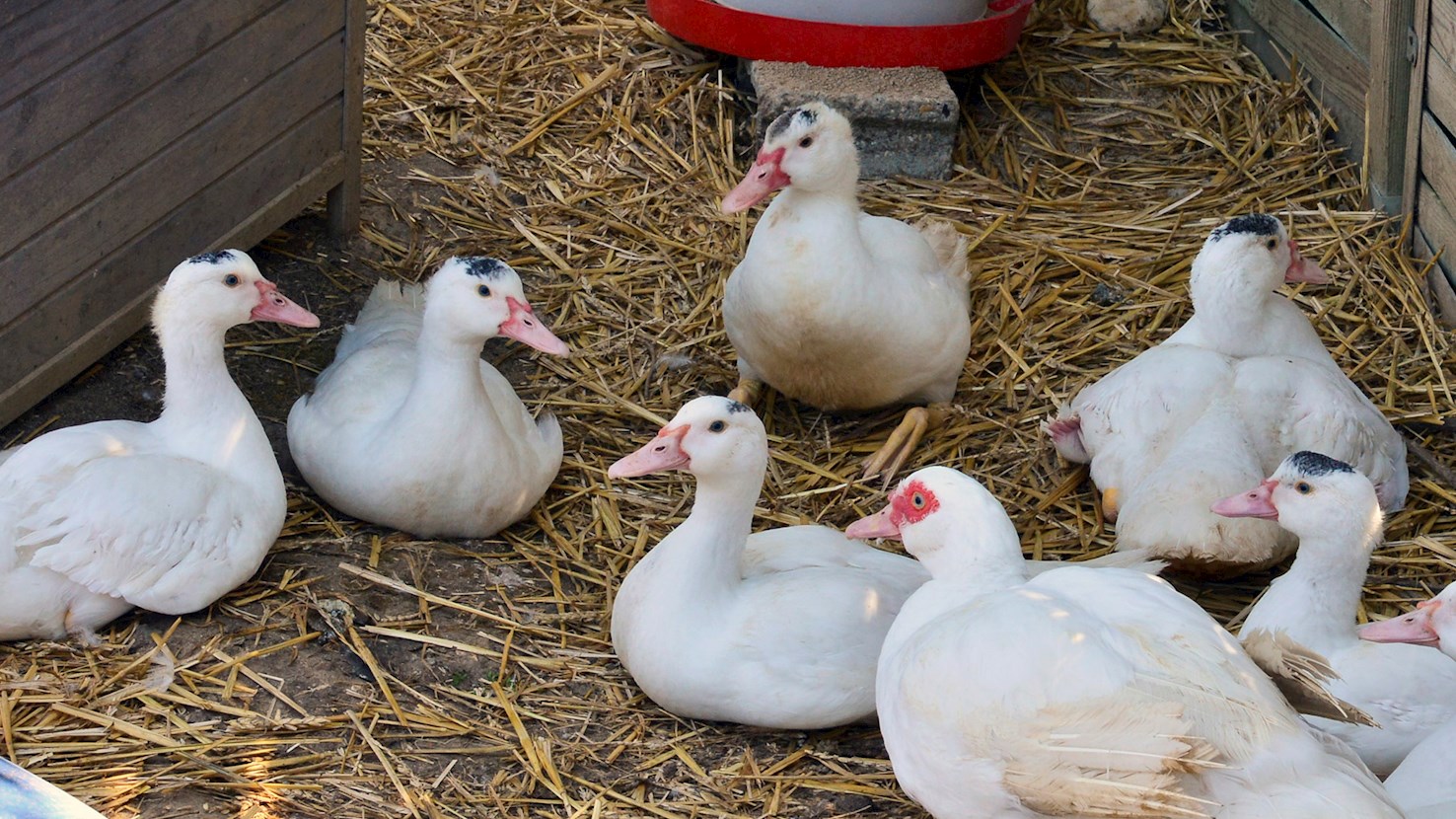
Volailles du Languedoc is poultry with tasty, flavorful and firm flesh and excellent organoleptic qualities, reared in the French regions of Gard, Hérault, Lozére and Bouches du Rhône and the neighbouring districts. The animals are reared in the open air or free-range and feed on a diet consisting mostly of cereals. They are slaughtered at an age close to their sexual maturity when they are at least 81 days old. Poultry breeding in the area rose to prominence as the wine-growing and chestnut production was in rapid decline, so the farmers chose to develop open-air poultry farm breeding since 1952. It was a success, and the Languedoc poultry won its first Red Label award in 1984, testifying to the superior quality of the meat. Prepare it roasted, with herbs, spices, sauces, vegetables or soft cheeses combined with potato purée.
Volailles de Gascogne is poultry reared in the open air in the Midi-Pyrenees, Atlantic Pyrenees and Lot-et-Garonne regions in France. The animals - chickens and capons - feed on cereals, where 40% must be maize, and they have a very early access to grassy meadows. The minimum age for slaughter is 801 days for chickens and 150 days for capons. The meat is flavorful, white and compact with a characteristic taste. Capon meat is especially tender and has fat veins throughout. The poultry was produced since in the 16th century, during the reign of King Henry IV, and was revived again in the 1970s, when the Gascogne hen became famous for its high-quality meat. Although it is used in many local recipes, it can also be prepared with aromatic herbs and wines, roasted with chestnuts, curry sauces, potatoes or dried fruit.
Veau d'Aveyron et du Ségala is fresh veal meat from young calves that are slaughtered before they are 10 months old. The calves must be born and reared in the French regions of Aveyron, Cantal, Tarn, Tarn-et-Garonne and Lot. They feed on their mother's milk from their birth, which is additionaly supplemented with cereals. As a result, the meat is tender, pink, very juicy and tasty, renowned for its qualities since the 19th century regarding consumers in South-East France and Paris. It is meant to be enjoyed either grilled, roasted or stewed and it is recommended to take the meat out of the refrigerator 30 minutes before cooking so that its supple texture is restored.
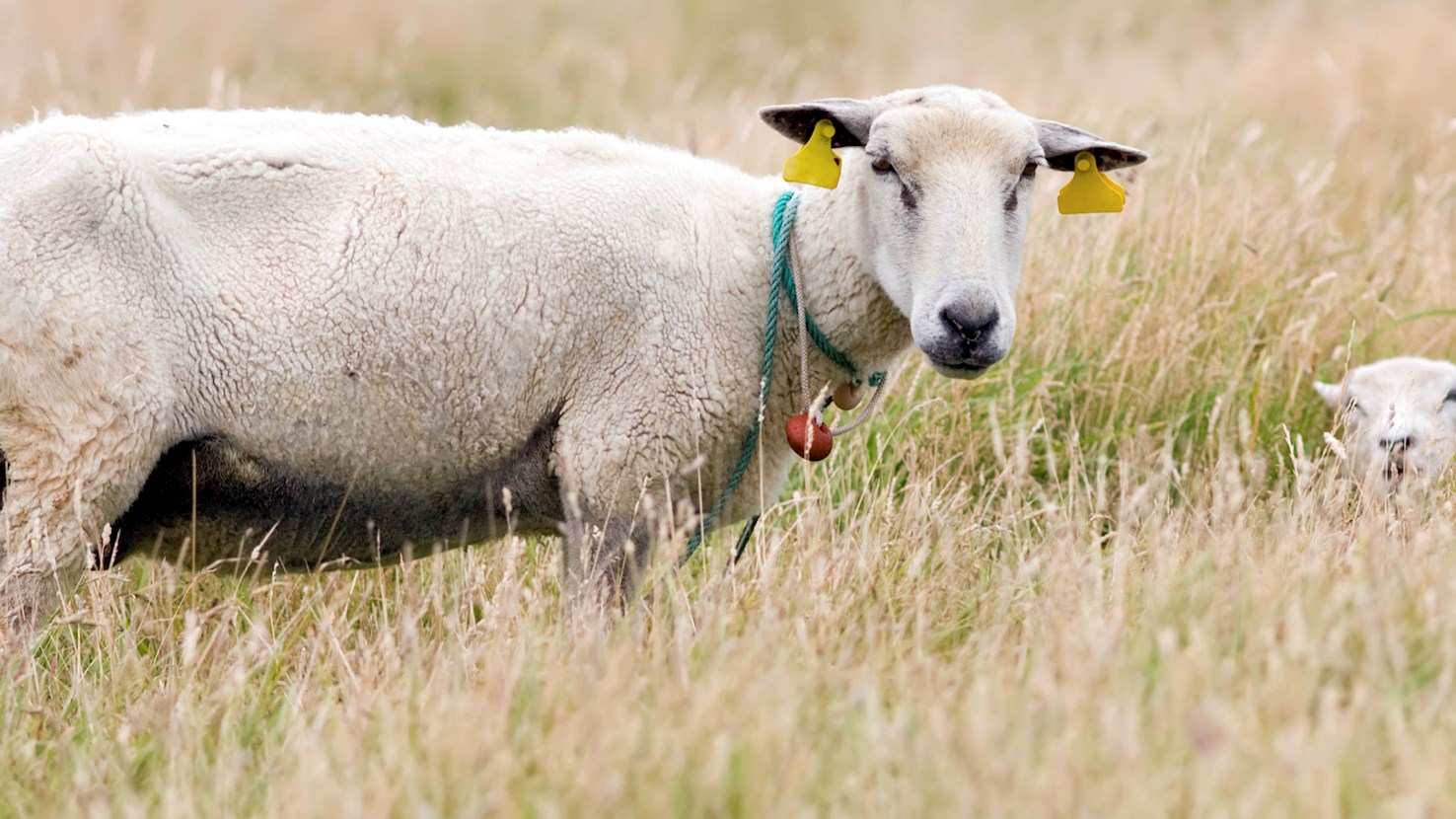
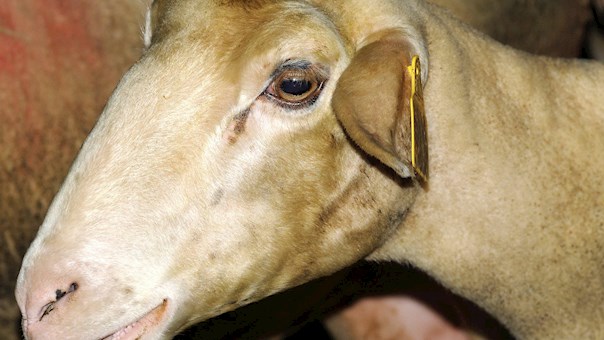
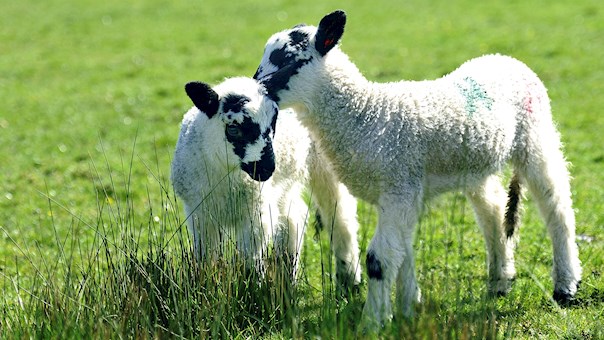
Agneau de Lozére is fresh lamb meat from the male and female Blanche du Massif breed of young lambs, their age right between suckling and adult, pasture fed lamb. They are born, reared and slaughtered in the French regions of Lozére, Cantal, Ardéche and Haute Loire. Because the sheep are highly adaptable to the harsh weather and can access hard-to-reach terrains, they feed on pastures with varied vegetation and their milk strongly influences the lamb meat. It is silky and pink-white in color with firm white fat, fine texture and with a delicate taste and scent of grass. Try thyme-roasted rack of Lozére lamb with vegetables for a true gourmet dish.
TasteAtlas food rankings are based on the ratings of the TasteAtlas audience, with a series of mechanisms that recognize real users and that ignore bot,
nationalist or local patriotic ratings, and give additional value to the ratings of users that the system recognizes as knowledgeable.
For the “Top 15 Occitan Fresh Meats” list until June 15, 2026, 4 ratings were recorded, of which 4 were recognized by the system as legitimate.
TasteAtlas Rankings should not be seen as the final global conclusion about food. Their purpose is to promote excellent local foods,
instill pride in traditional dishes, and arouse curiosity about dishes you haven’t tried.