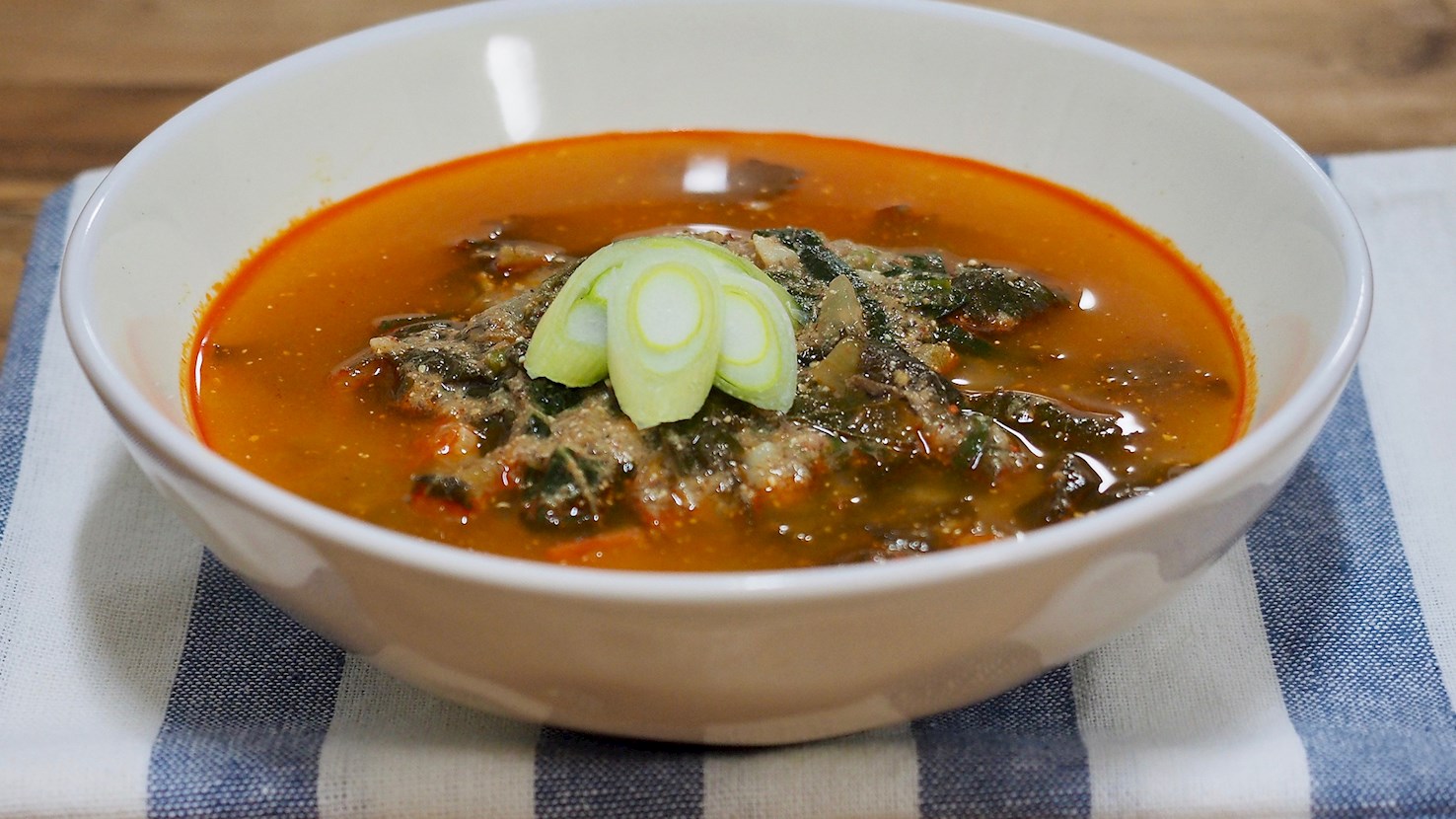
This hearty Korean soup consists of mudfish (loach), chili paste, soybean paste, and ginger, while the most common additions include various green vegetables such as mustard greens, scallions, and cabbage. In Seoul, the soup is prepared with the whole fish, but the most popular version comes from Namwon where the mudfish is typically ground. Chueotang is praised for its health benefits and is best consumed from July throughout November when the mudfish are in season. It usually comes served with rice and traditional Korean side dishes (banchan).
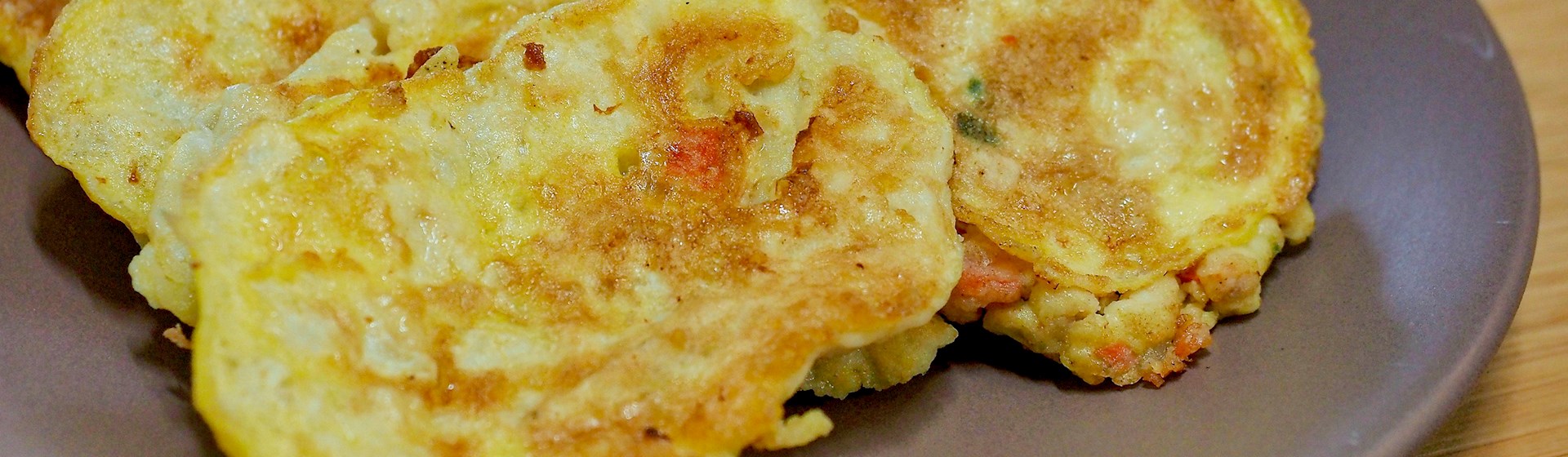
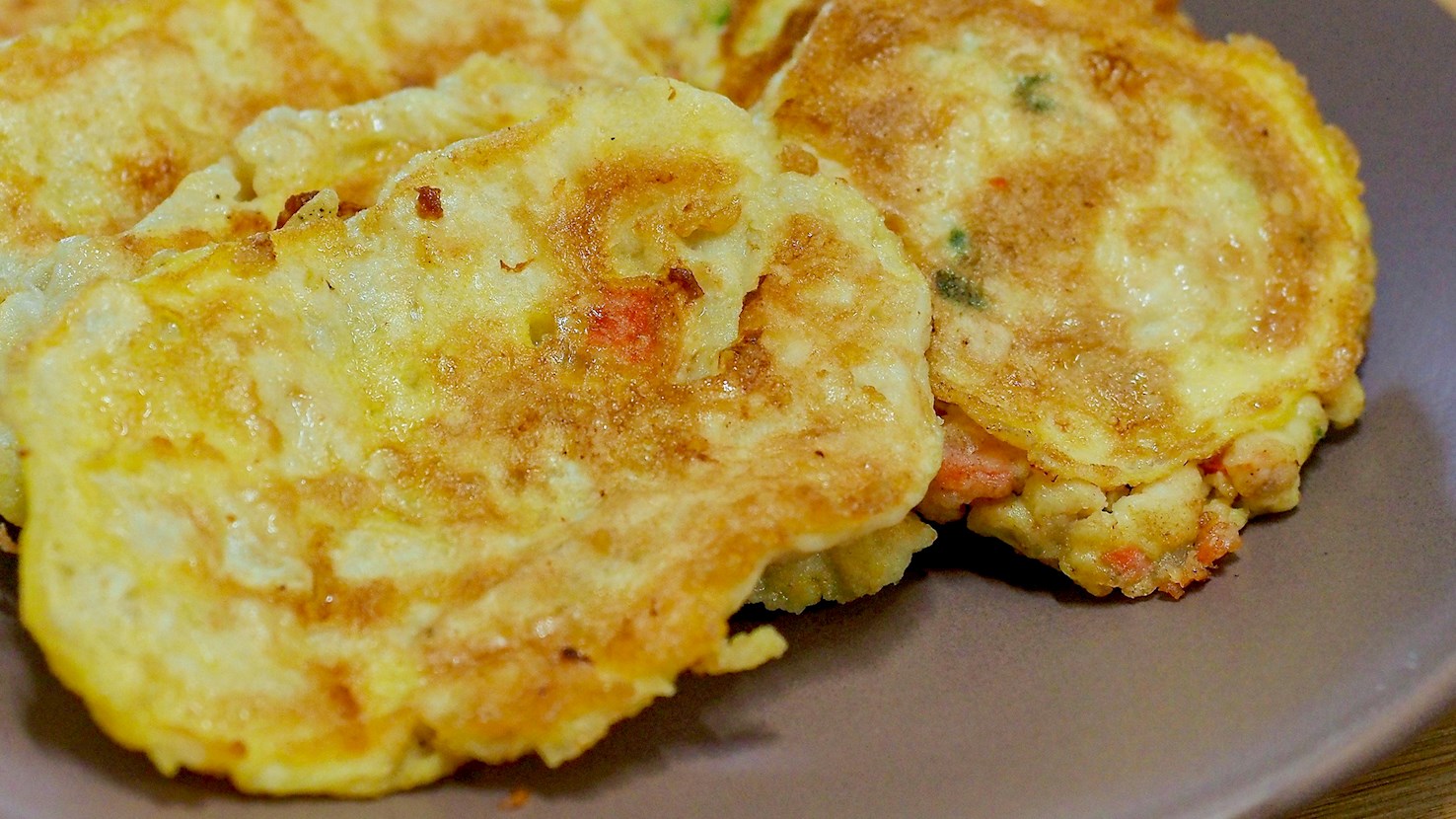
Daegujeon is a traditional dish originating from South Korea. This type of jeon (pan-fried battered food) is made with a combination of cod fillets, flour, eggs, garlic, scallions, salt, white pepper, and oil. The cod fillets are seasoned with salt, pepper, and garlic, coated with flour, and dipped into a mixture of beaten eggs and chopped scallions. Once battered, they are pan-fried in hot oil on both sides until golden brown. Daegujeon is served hot with a dipping sauce on the side. The sauce usually consists of soy sauce and vinegar.
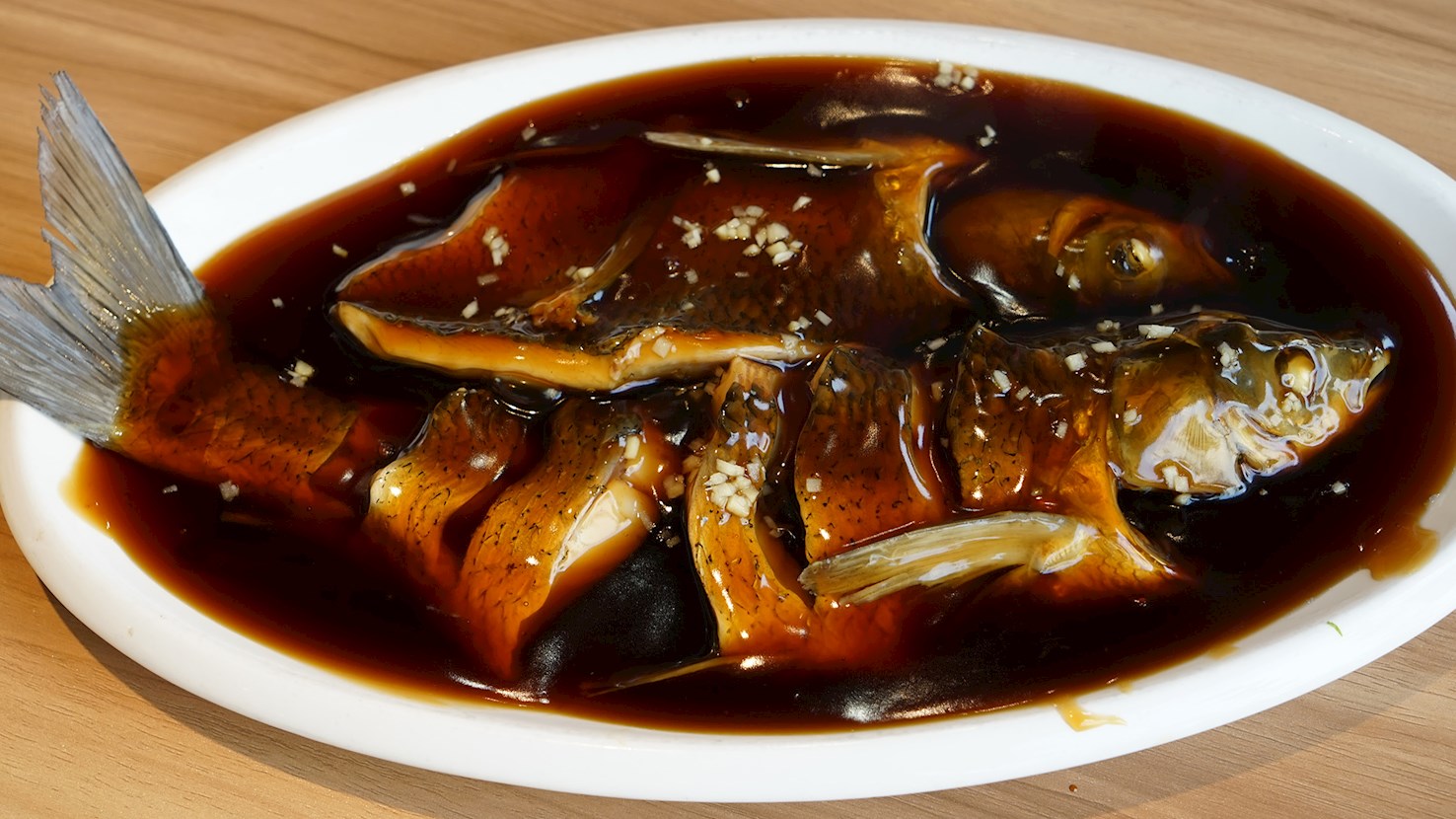
Xīhú cùyú is a West Lake vinegar fish dish from Hangzhou in Zhejiang Province, made with grass carp cooked in a sweet–sour sauce based on Zhejiang vinegar. It is closely associated with the waters around West Lake, where freshwater fish have long been central to local cuisine and where mild, clean-tasting carp provided a suitable base for sauces that emphasize clarity and balance. The dish formed in an environment where Zhejiang vinegars, especially those from nearby regions, were already established in household cooking, and Hangzhou cooks began preparing fish by first poaching or steaming it until just cooked and then coating it with a vinegar–sugar reduction that highlighted the fish’s natural flavor without masking it. Preparation begins with selecting a fresh grass carp, typically around one kilogram, cleaning it carefully, and cutting shallow diagonal slits along the body to ensure even cooking and better absorption of the sauce. The fish is either steamed or briefly cooked in hot water until the flesh sets, then removed and placed on a serving plate. A sauce is prepared separately by heating vinegar, sugar, a small amount of soy sauce, and sometimes rice wine, reducing the mixture until it becomes glossy and slightly thick. The hot sauce is poured over the warm fish so the flavor adheres to the surface while the interior remains tender. The dish is eaten in Hangzhou restaurants, banquet settings, and home kitchens, especially during seasons when fresh grass carp is plentiful. It is typically served with plain rice, mild vegetable dishes, or light broths that complement the sweet–sour profile. It pairs well with Longjing tea, which is native to the region, or with simple, non-aromatic white wines that do not compete with the vinegar’s flavor.
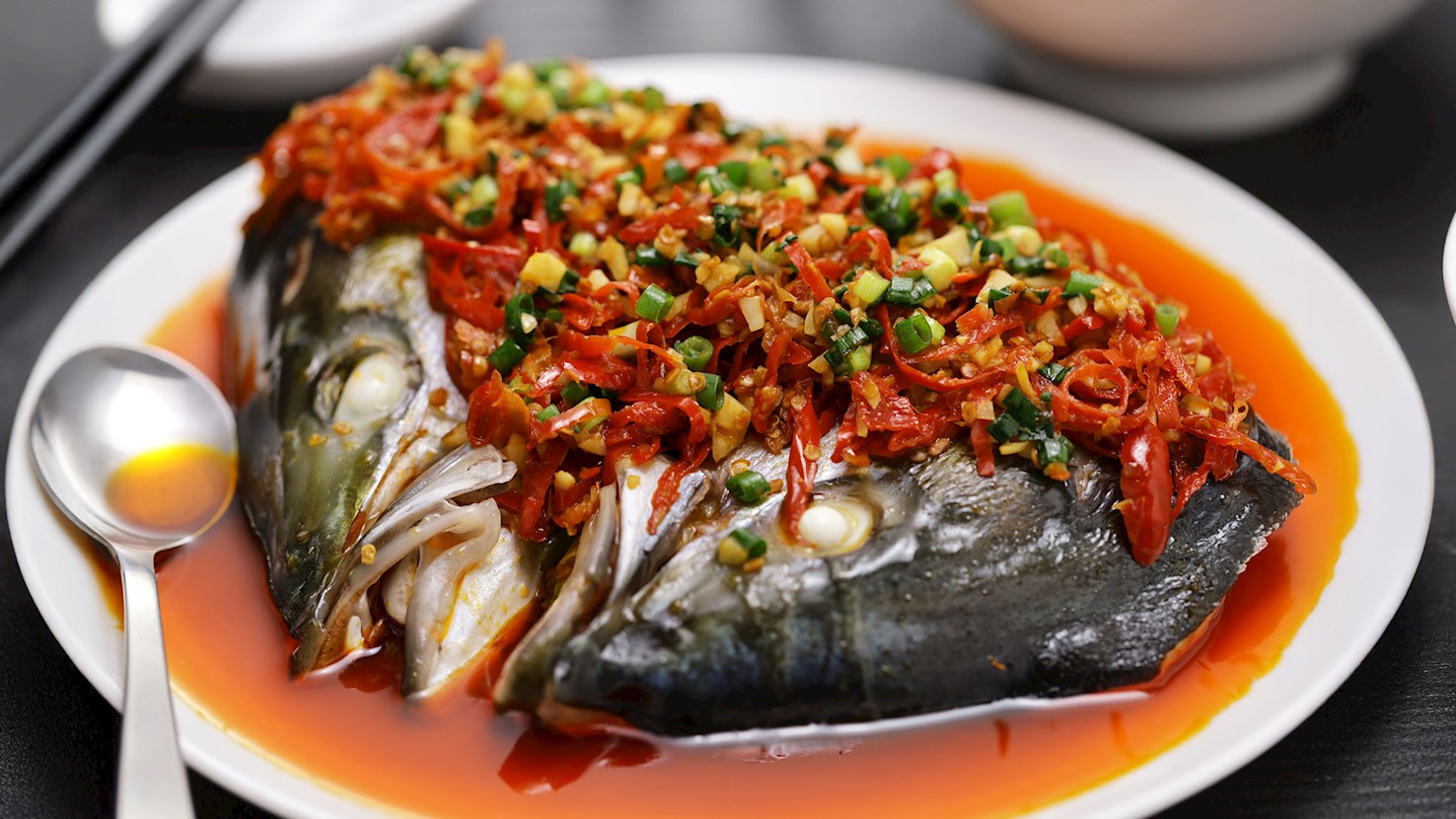
Duòjiāo yútóu is a renowned Hunanese dish, consisting of a large fish head steamed with chopped pickled chili peppers, aromatics, and seasonings to create a boldly flavored, spicy and savory centerpiece. The dish developed as part of the region’s broader river fish cooking culture, where freshwater species such as carp and bighead fish were widely available and often used whole. Fish head, in particular, was valued both for its delicate meat and for the collagen-rich textures prized in Chinese cooking. Over time, the combination of pickled chilies, a staple ingredient in Hunan kitchens, with steamed fish head became a signature preparation, celebrated in restaurants and home kitchens alike. Preparing duòjiāo yútóu begins with a large fish head, often from bighead carp, which is cleaned thoroughly and sometimes briefly marinated with salt, cooking wine, and ginger to eliminate any fishy odors. The defining element is the topping: finely chopped pickled red chilies known as duòjiāo, mixed with garlic, ginger, fermented soybeans, and sometimes a little oil to deepen the flavor. This mixture is generously spread over the fish head before it is steamed over high heat until the flesh becomes tender and infused with the sharp, tangy-spicy flavor of the chilies. After steaming, hot oil is often poured over the top to release the aroma of the seasonings and give the surface a glossy finish. The resulting dish is characterized by a balance of flavors: the richness of the fish, the brightness and acidity of the pickled chili, and the deep umami from the fermented elements, all intensified by the heat of the oil. One feature that sets duòjiāo yútóu apart from many other fish preparations is its emphasis on pickled rather than fresh chili, which adds layers of sourness and complexity beyond simple spiciness. It also reflects a broader culinary principle in Hunan cooking, where preserved and fermented ingredients are used to heighten natural flavors. The dish is usually served hot and shared communally, with diners picking the tender meat from around the head and cheeks, which are considered the most flavorful parts. It is commonly paired with steamed rice, which balances the intensity of the sauce, and sometimes accompanied by simple stir-fried greens or tofu dishes to round out the meal.
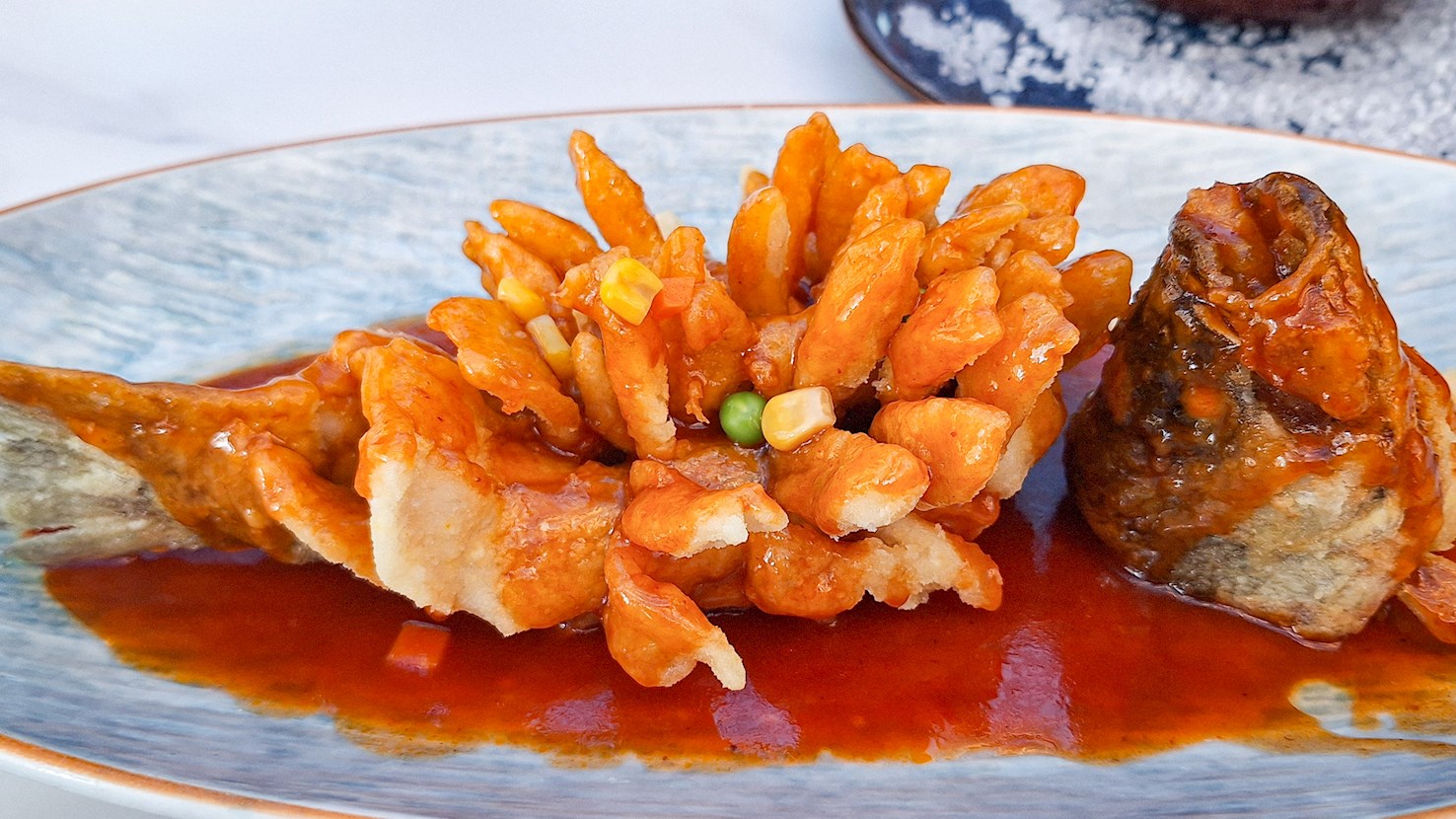
Sōngshǔ guìyú is a Jiangsu dish made from mandarin fish that is carefully cut, fried, and coated in a sweet and sour sauce, special because its precise preparation makes the flesh fan out like a squirrel’s tail while keeping a crisp texture and delicate flavor. Originating in Suzhou, it reflects the refined artistry of Jiangsu cuisine, where attention to knife skills, balance of taste, and visual presentation has long been valued. The dish became well known during the Qing dynasty, when Suzhou’s culinary culture emphasized both elegance and technical skill, and it soon became a highlight of banquets and formal gatherings. The preparation begins by cleaning the mandarin fish, leaving the head and tail intact while crosshatching the flesh so that it opens up when fried. After coating with starch, the fish is deep-fried until golden, puffed, and crisp, then served with a glossy sauce made from vinegar, sugar, soy sauce, and tomato paste or ketchup. This combination produces a dish that is visually striking and texturally balanced, with the crisp surface absorbing the tangy and sweet sauce. Today, it remains a centerpiece in Suzhou and across Jiangsu, often served at banquets, festivals, and family celebrations. It is eaten communally, shared at the center of the table, and continues to represent both the delicacy of freshwater fish and the craftsmanship of Jiangsu’s culinary heritage.
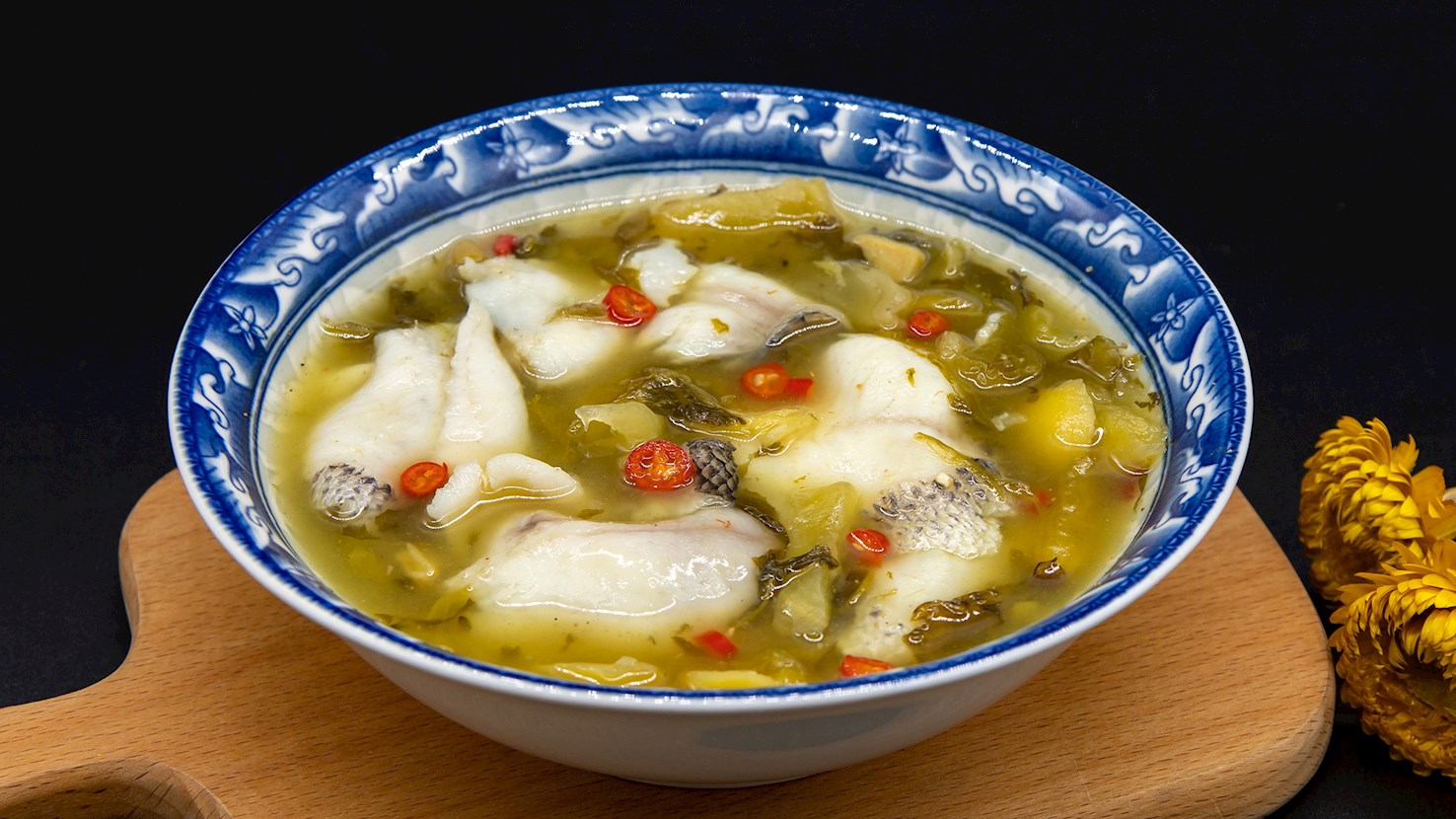
Suāncài yú is a Chinese dish originating from Sichuan province, known for its bright, layered flavors built around pickled mustard greens and freshwater fish. It embodies the balance of sourness and heat that defines much of the region’s cooking. The dish draws on the deep-rooted practice of fermenting vegetables, a technique that ensured food preservation through long, humid seasons and eventually became a culinary signature across southwestern China. Over time, cooks began combining the sharp tang of pickled greens with the tenderness of river fish, using the contrast to heighten both ingredients. As chili peppers and Sichuan peppercorns became integral to local kitchens, suāncài yú evolved into a dish that captured the province’s taste for intensity and precision in spice. Preparation begins with the fermentation of mustard greens, which are salted, pressed, and left to mature until they develop their distinctive sour aroma. The fish, usually grass carp or black fish, is sliced into thin fillets and briefly marinated to maintain its delicate texture. The broth is built by frying pickled greens with ginger, garlic, and dried chilies before water or stock is added, creating a fragrant base that is both pungent and clean. Once the broth reaches a rolling simmer, the fish is gently poached until opaque, absorbing the sour and spicy depth of the liquid. The dish is then finished with a generous layer of hot oil poured over chili and peppercorn flakes, releasing a sharp fragrance that marks its final note. It is typically served in a deep bowl, steaming and vibrant, with the fish submerged in the golden broth and flecks of red oil floating on top. Suāncài yú is eaten across China today, from family restaurants to urban dining tables, often shared communally as a centerpiece. It pairs naturally with plain rice, which softens its intensity, and with light side dishes such as cold bean sprouts or cucumber salad that refresh the palate between bites. In Sichuan homes, it is often part of a larger spread, accompanied by tea or mild grain spirits that echo its warmth without competing with it.
Taedong River grey mullet soup is a traditional clear soup that features pieces of flathead grey mullet. To make the soup, the cleaned fish (with skin intact) are cut into small pieces and salted before being boiled in water seasoned with black pepper and soy sauce. Once done, the clear broth with chunks of fish can be seasoned with additional salt and soy sauce, depending on individual preferences. The soup is then poured into serving bowls and sprinkled with chopped scallions or cilantro on top, and it is typically enjoyed while still hot, with various accompaniments such as garlic, peppers, tofu, or red bean paste. Flathead grey mullet was once abundant in the waters of the Taedong River, which flows through the country’s capital, Pyongyang, where this simple dish has been a part of the traditional local cuisine.
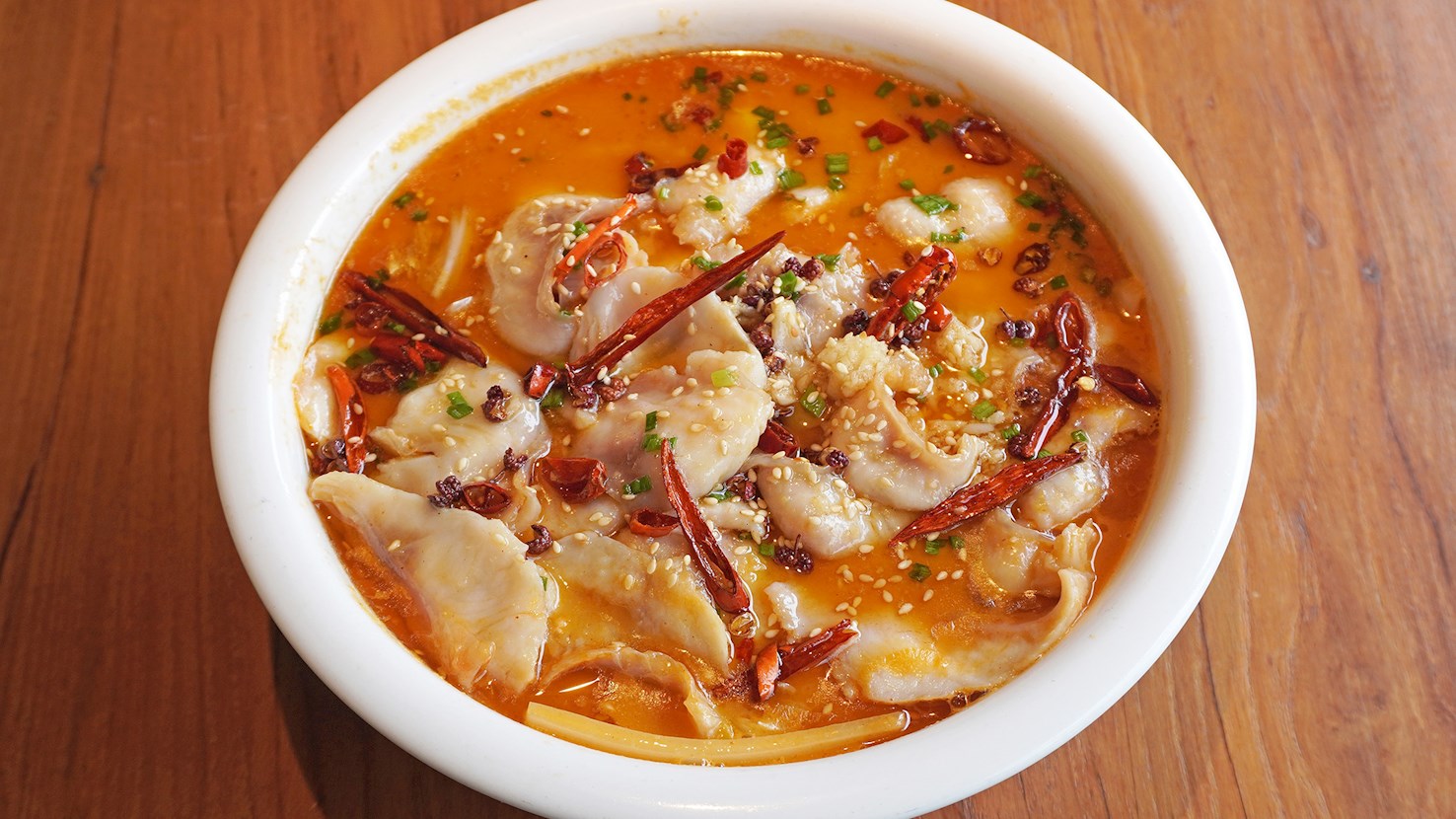
Shuǐ zhǔ yú is a Sichuanese fish dish known for its fiery broth, bold use of chili, and mouth-numbing Sichuan peppercorns. The name translates as “water-boiled fish,” but the method and seasoning make it much more complex than its name might suggest. The preparation begins by slicing freshwater fish fillets, usually grass carp or similar white fish, into thin pieces. These are marinated with salt, Shaoxing wine, and a bit of starch to keep the flesh tender. Meanwhile, a base is built by frying dried chilies, Sichuan peppercorns, garlic, and bean paste in oil to create an intensely fragrant sauce. Water or stock is added to form the broth, which becomes red and spicy. Vegetables such as bean sprouts or cabbage are often placed at the bottom of the serving bowl, then the marinated fish slices are quickly poached in the broth until just cooked. Finally, more dried chilies and peppercorns are scattered on top and doused with hot oil to release their aroma. One of the defining qualities of shuizhu yu is the layering of heat. Rather than being uniformly spicy, the dish offers a mix of fiery chili, numbing peppercorn, and savory bean paste that creates depth rather than just sharpness. The vegetables, cooked beneath the fish, absorb the broth and provide both texture and relief from the intensity. The method of pouring hot oil over the final dish also adds a dramatic fragrance that lingers as it is served. Today, shuǐ zhǔ yú is found not only in Sichuan but also in Chinese restaurants worldwide, often ordered as a centerpiece dish to share. It is typically eaten with plain steamed rice, which balances the strong flavors, and accompanied by other Sichuan dishes to complete a meal.
Chóngqìng kǎoyú is a spicy grilled fish dish from Chongqing, known for combining smoky grilling with the complex layers of Sichuan-style seasonings. It begins with whole freshwater fish, usually carp, catfish, or grass carp, which are cleaned, marinated, and grilled until the skin is crisp and the flesh tender. The grilled fish is then submerged in a bubbling broth of chilies, Sichuan peppercorns, garlic, ginger, and fermented bean paste, served still sizzling in a deep tray or pot. This method creates a dish that is both smoky from the grill and intensely flavored from the sauce, capturing the essence of Chongqing’s bold cooking style. The dish became popular in Chongqing in the late twentieth century when street vendors and small restaurants began offering grilled fish as a specialty. While grilling was not new, the combination of grilling first and then cooking the fish in a seasoned broth set it apart from other methods. This approach allowed the fish to retain the charred aroma while soaking up the richness of Sichuan spices, something that appealed to locals who favored fiery and complex flavors. From its origins in casual eateries, it quickly spread to become a highlight in hotpot-style restaurants across Chongqing and later in other Chinese cities. Today, Chóngqìng kǎoyú is widely eaten in Chongqing restaurants that specialize in spicy cuisine, often shared by groups at dinner. It has spread throughout China and is now found in many cities where Sichuan food is popular, as well as abroad in restaurants catering to fans of regional Chinese cooking. It pairs especially well with plain steamed rice, which balances the intensity of the broth, and with light cold dishes such as cucumber salad or pickled vegetables that refresh the palate. Beer is also a common companion, offering a cooling contrast to the heat.
Guǎngshì guìyú, often referred to as Cantonese-style steamed mandarin fish, is a celebrated dish from Guangdong province. It highlights the Cantonese preference for light seasoning and precise cooking methods that bring out the natural taste of fresh ingredients. The mandarin fish, known for its tender flesh and mild flavor, is a favored choice in this preparation because it steams quickly and retains its delicate texture. The dish became established in the culinary repertoire of Guangdong as steaming was widely practiced in the region, owing to the abundance of fresh seafood and the cultural value placed on maintaining purity of flavor. Cantonese cooks refined this method over time, making steamed fish one of the signature offerings at banquets, family gatherings, and restaurants. Its place in Cantonese dining reflects a focus on freshness, as live fish are often chosen directly from tanks to ensure quality before cooking. Preparation of Guǎngshì guìyú involves cleaning the fish thoroughly, scoring it lightly for even cooking, and placing it on a heatproof dish. It is typically steamed over high heat for several minutes, just long enough to cook through without toughening the flesh. Once steamed, the fish is topped with slivers of fresh ginger and scallions. A sauce made from soy, Shaoxing wine, and a touch of sugar is heated separately, often with a quick infusion of aromatics in hot oil, then poured over the fish to bring fragrance and sheen. The finished dish appears simple, yet it demands precision in timing, seasoning, and presentation.Today, Guǎngshì guìyú is eaten widely in Guangdong and in Cantonese restaurants around the world. It is served whole, placed in the center of the table to be shared among diners, often paired with white rice and other seafood or vegetable dishes.
TasteAtlas food rankings are based on the ratings of the TasteAtlas audience, with a series of mechanisms that recognize real users and that ignore bot,
nationalist or local patriotic ratings, and give additional value to the ratings of users that the system recognizes as knowledgeable.
For the “Top 11 Freshwater Fish Dishes in East Asia” list until June 15, 2026, 64 ratings were recorded, of which 54 were recognized by the system as legitimate.
TasteAtlas Rankings should not be seen as the final global conclusion about food. Their purpose is to promote excellent local foods,
instill pride in traditional dishes, and arouse curiosity about dishes you haven’t tried.