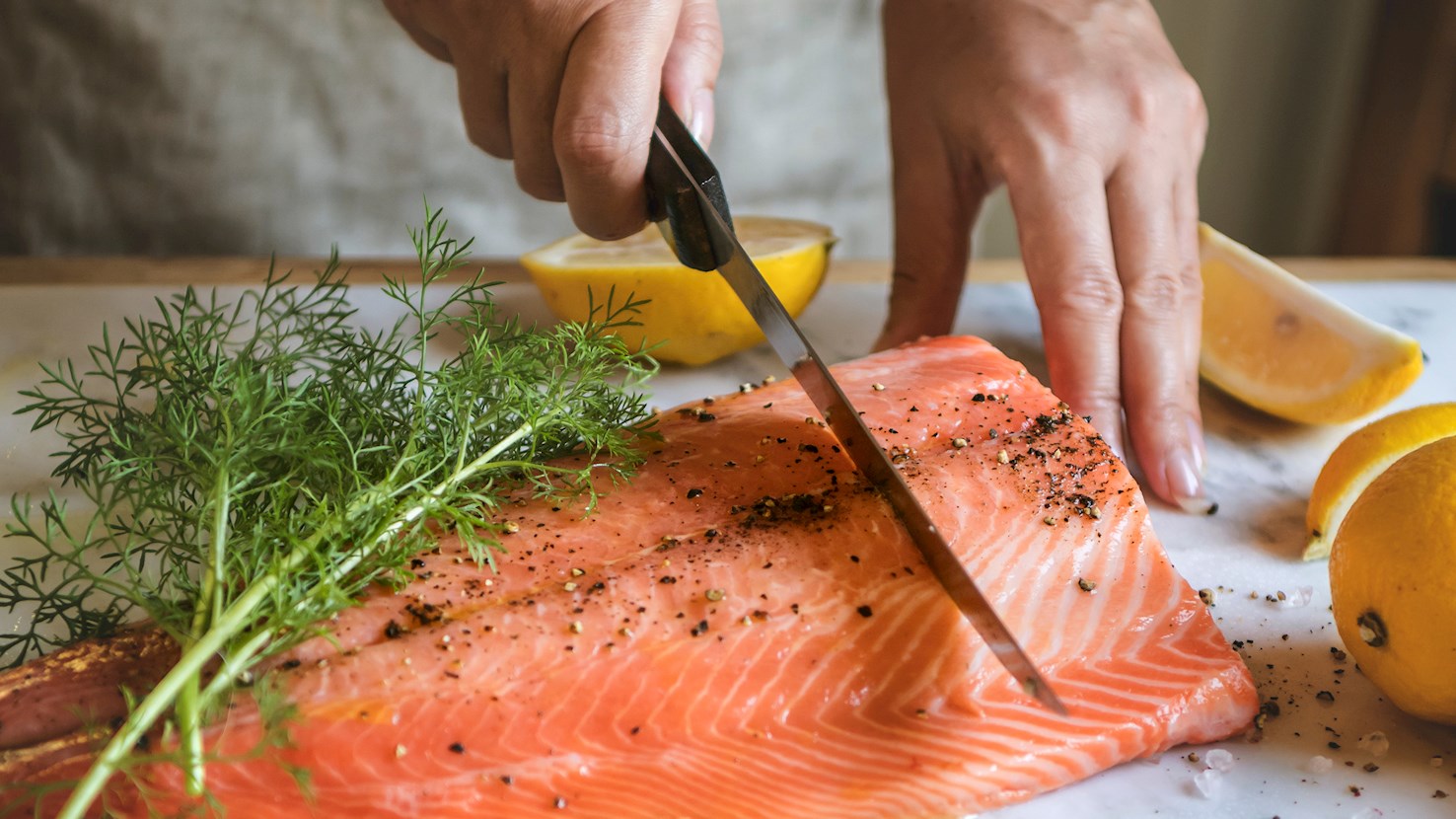
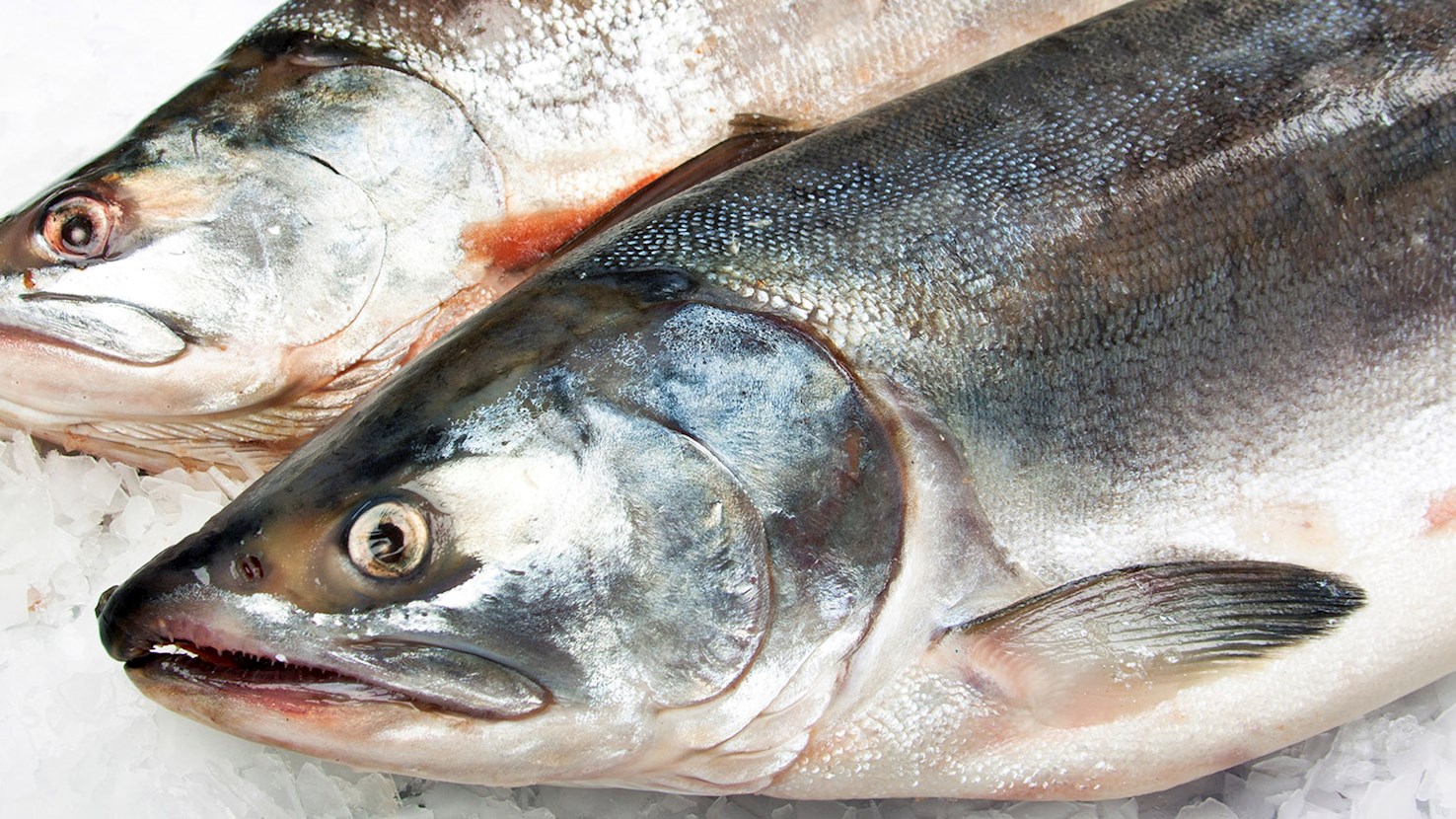
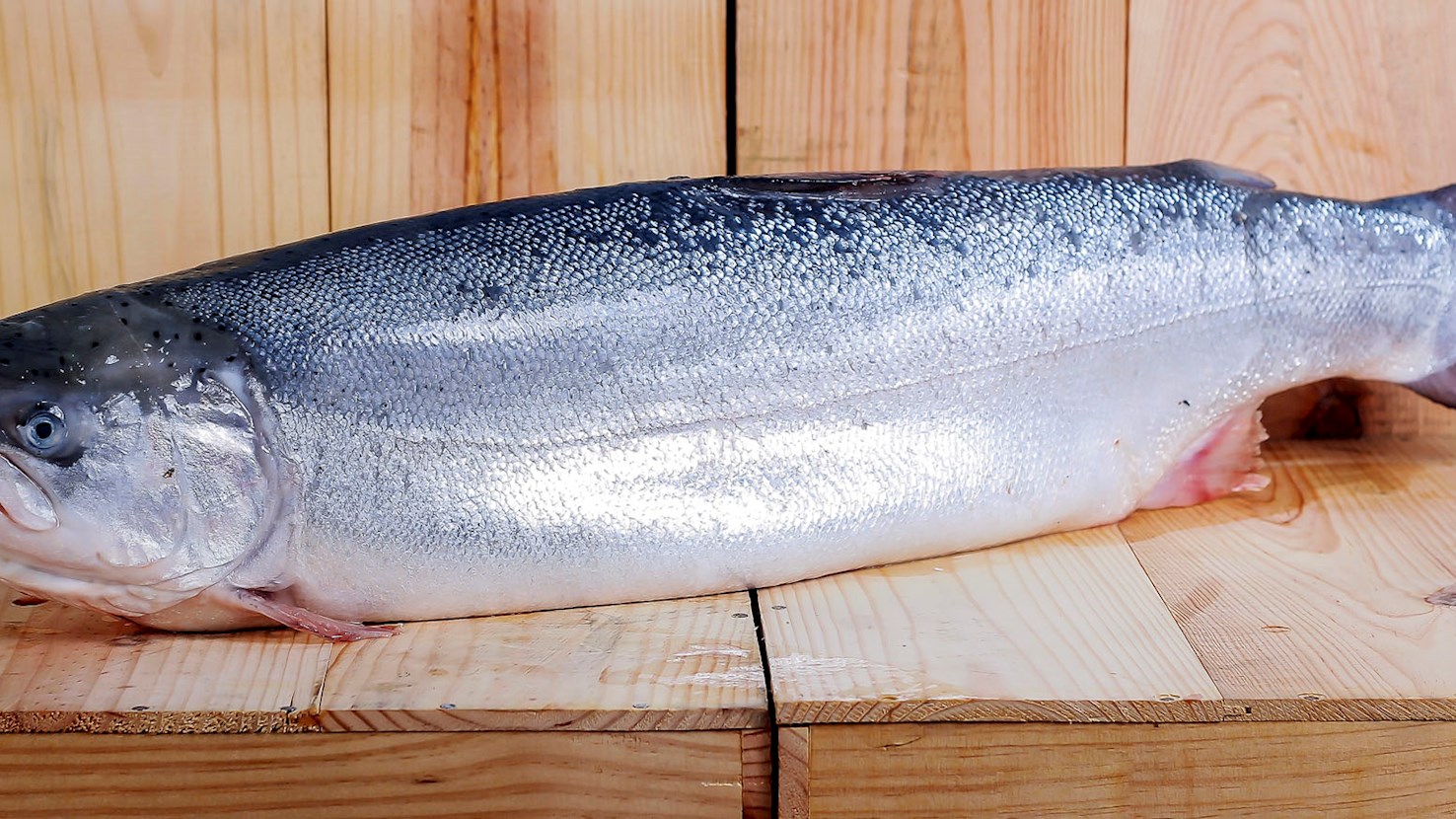
In Norway, Atlantic salmon takes up around 40% of all seafood that's exported from the country. Most of it isn't caught in the wild – the salmon is farmed in giant tanks that are moored off the coast. In order of decreasing amount, there is fresh whole salmon, frozen whole salmon, frozen salmon fillets, and fresh salmon fillets that are exported across the world. The great versatility, flavor, and high nutrient content are the reasons why Norwegian salmon rose to fame and it's popularity increased worldwide since the 1970s, when the world's first successfully farmed salmon was placed into a pen in a fjord outside Trodheim. Nowadays, the Norwegian salmon is used in anything from sushi, gravlax, burgers, and woks to fiskesuppe, wraps, tacos, and poke bowls.
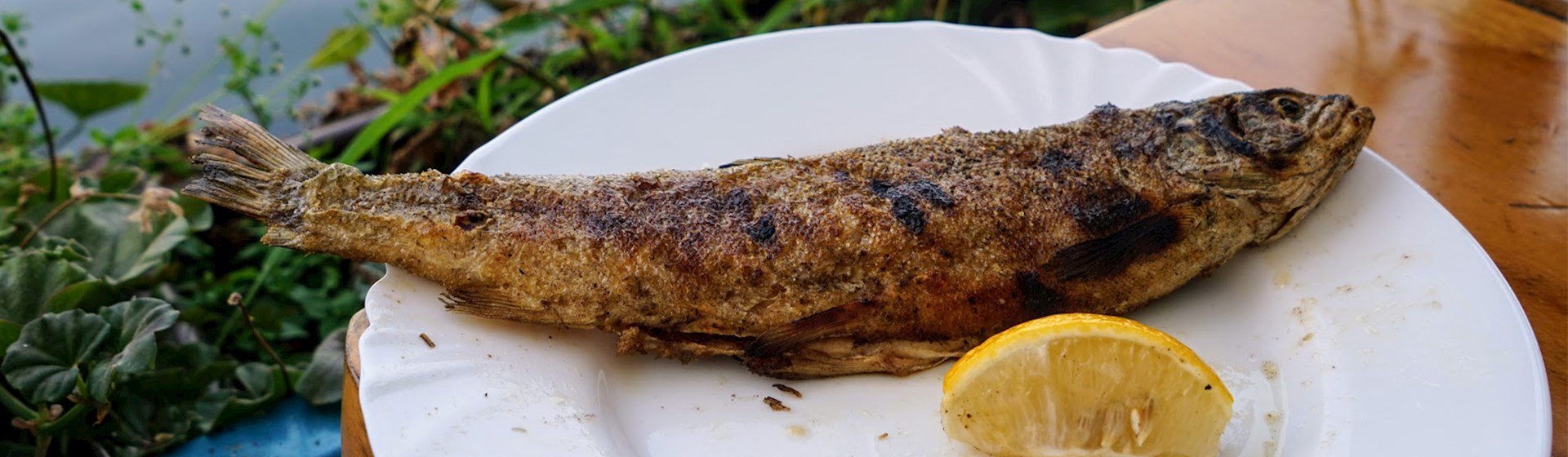
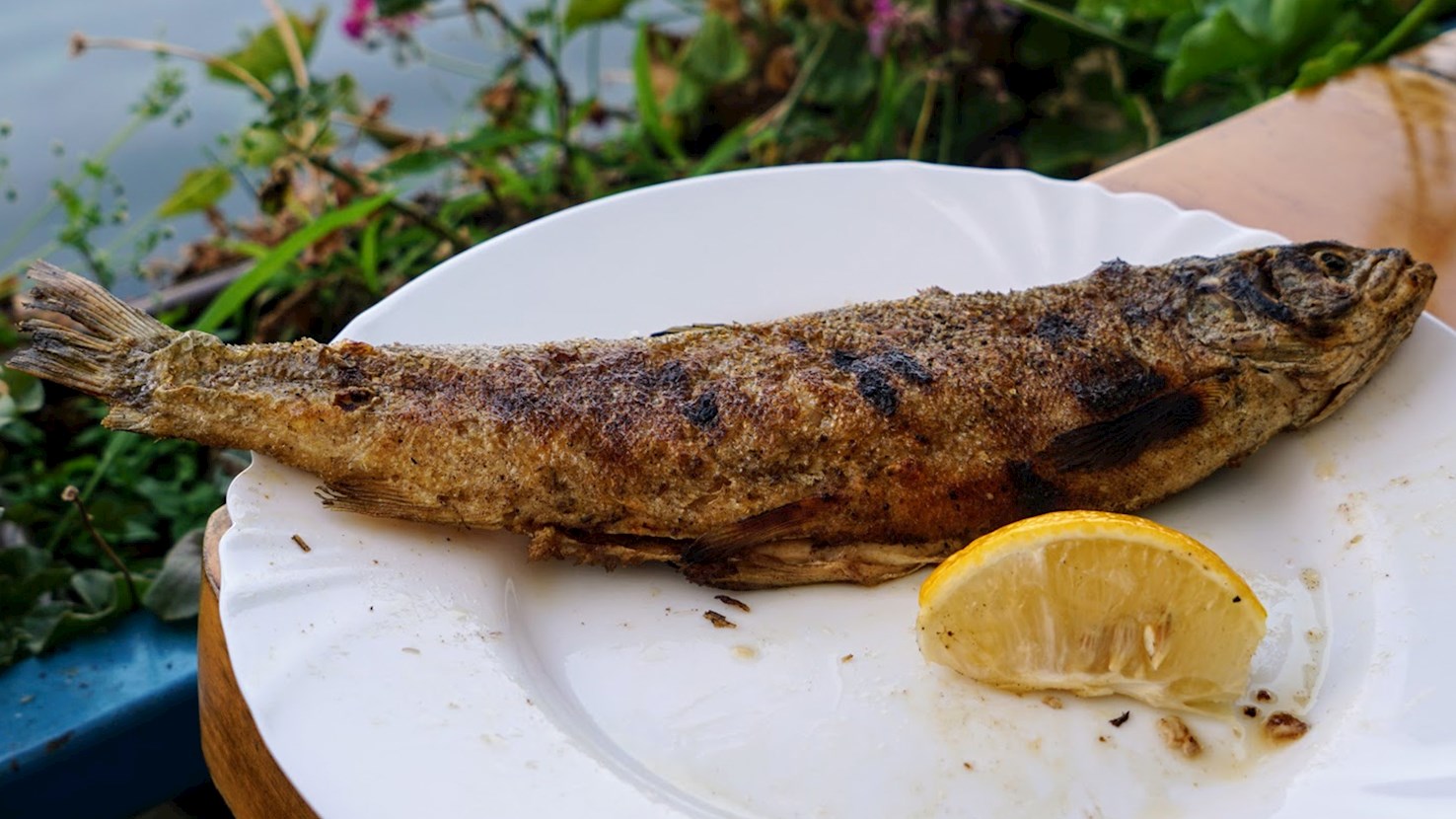
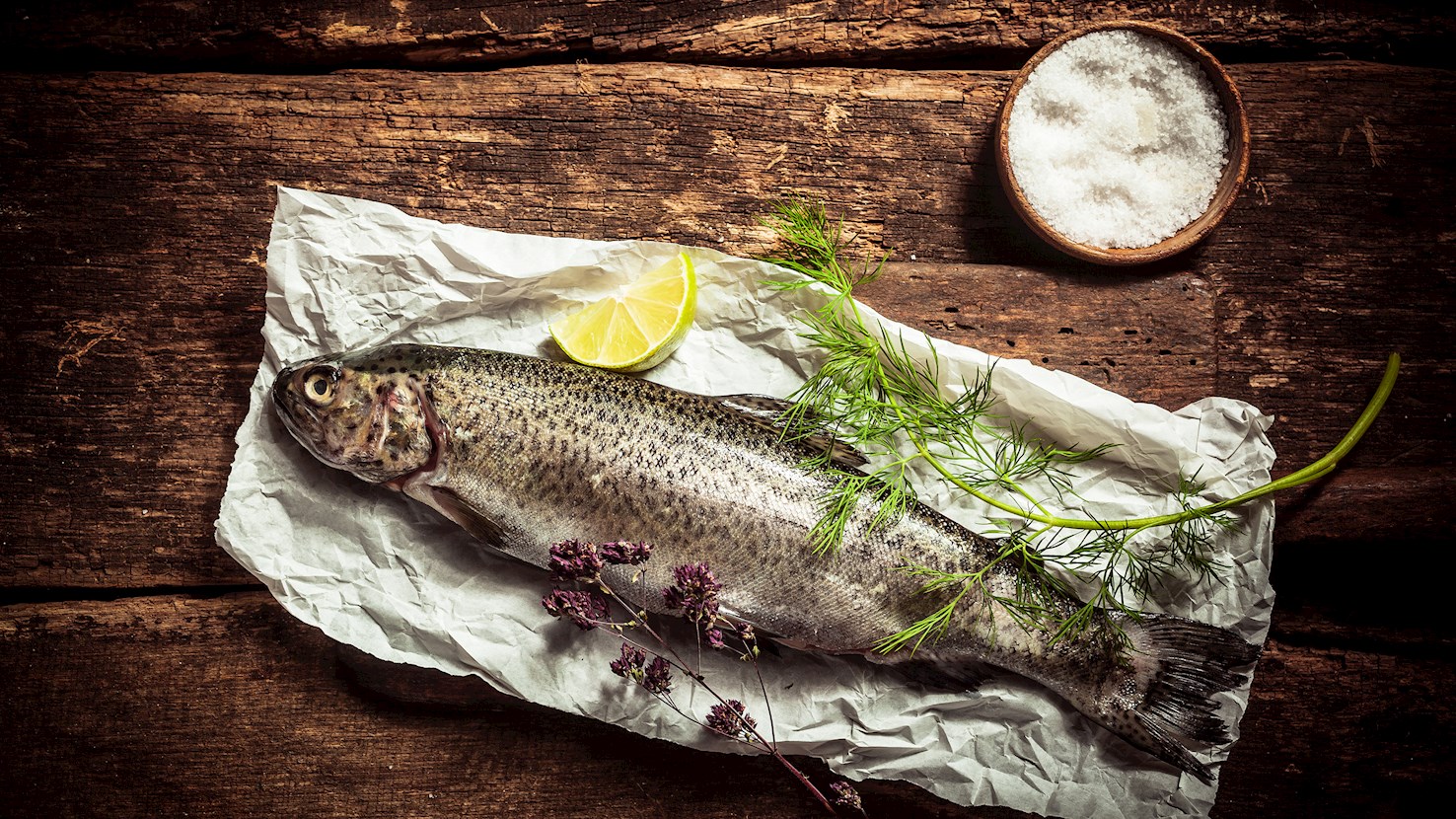
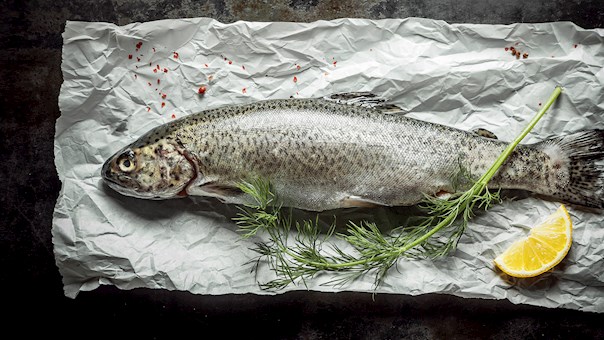
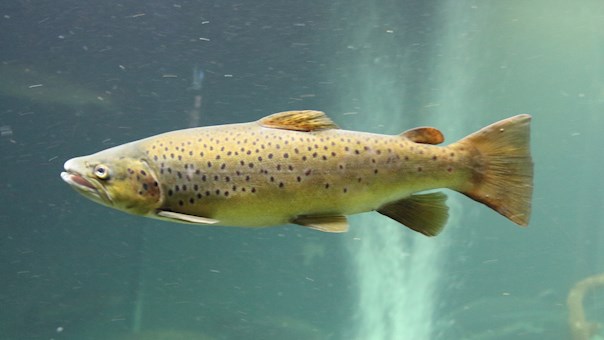
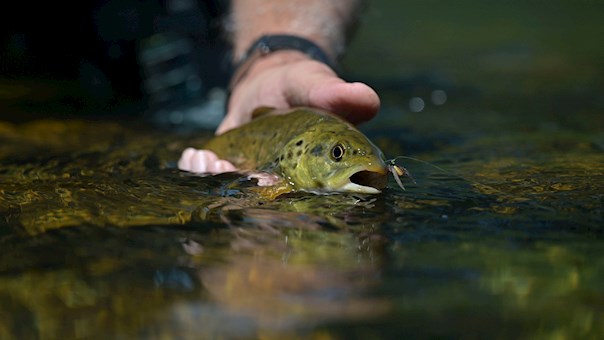
Ohrid trout is an endangered salmonoid fish that is praised for its delicately-flavored pink flesh. It inhabits the waters of Lake Ohrid, shared by Albania and North Macedonia, and the rivers leading to and from the lake. Although it is held in high esteem, it would be a crime against nature to eat the trout. Due to overfishing, poaching, and poor conservation methods, as of recently, the fish has been in danger of extinction. Four varieties of the trout have been distinguished, including Salmo balcanicus, Salmo lumi, Salmo aphelios, and Salmo letnica. The trout is considered a culinary delicacy, usually enjoyed on its own or used in a variety of hearty fish soups or other fish dishes. Dubbed as a living fossil, the fish has supposedly survived the ice age period due to the favorable microclimate of Lake Ohrid. Until 1991, the annual catch of trout was 220 tons, but since then, the numbers have significantly fallen. In 2005, the Macedonian government introduced a ban on catching Ohrid trout in their waters until 2014, but despite the legislation, in reality, not much was changed. Mainly, because similar conservation methods did not exist in the neighboring Albania where Ohrid trout was legally caught and sold, usually for an unreasonably low price. This opened up a new set of problems, including smuggling operations that made the trout available in Ohrid and other Macedonian cities.
Scottish farmed salmon belongs to the Atlantic salmon species. They are silver in color, firm to the touch (due to strong currents which ensure that they are constantly swimming), with a fibrous to smooth to even texture. After harvesting, the salmon is rapidly chilled, which is why it has a unique, consistent flavor. Scottish salmon is very health beneficial, and acts as a source of Omega 3 fatty acids, vitamins and minerals. It goes well with single malt whiskeys, lemon and creme fraiche.
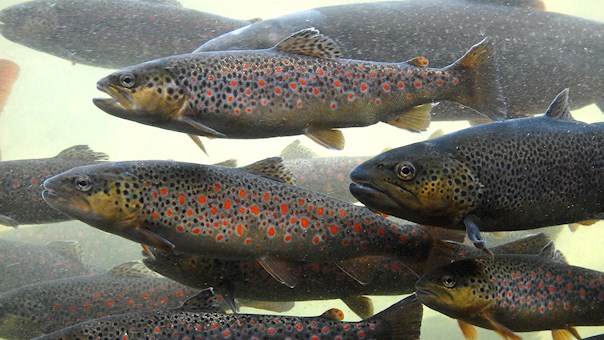
Sevani ischkhan is an endemic variety of trout found only in the Armenian lake Sevan. This salmonid fish is endangered, due to changes in the lake's level and the introduction of non-native fish species into the lake during the Soviet period. The trout has a distinctive flavor and a color that typically ranges from pink to yellow and is determined by its nutrition and the microclimate. The fish is considered a delicacy, and it is usually poached and flavored with bay leaves, fresh tarragon, and peppercorns. Other traditional dishes starring this fish call for grilling, frying, boiling, or braising the fish and combining it with wine, a variety of spices, pomegranate juice, and lemon juice, or filling it with fruits or nuts such as hazelnuts or almonds. In order to protect it, in 1976, Armenia's Council of Ministers decided to forbid commercial fishing of Sevani ishkhan. There are four main strains of Sevan trout, and while summer bakhtak and gegharkuni are mainly reared in hatcheries, winter bakhtak and bojak may be extinct.
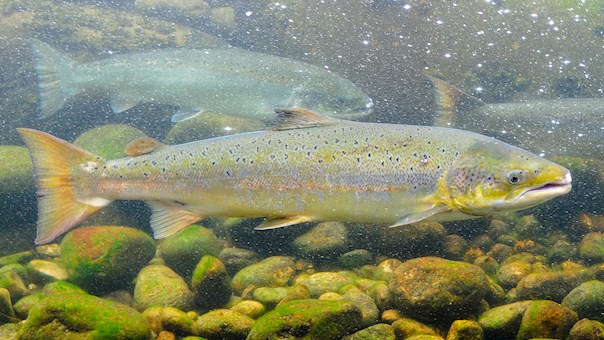
Scottish white salmon are silver, firm-fleshed fish beloning to the species Salmo Salar and caught, classified and boxed in ice on Scottish shores. Their flesh is deep pink in color, they have perfect markings without distortion on their tails and they smell very fresh, are moist and have a full, complex flavor. Scottish wild salmon can weigh from 1,5 kg to 20 kg. They must be caught in an environmentally friendly way, either with a net and coble, cruives or bag net, haaf and poke nets, and when sold, the salmon can be fresh, whole or boxed in ice.
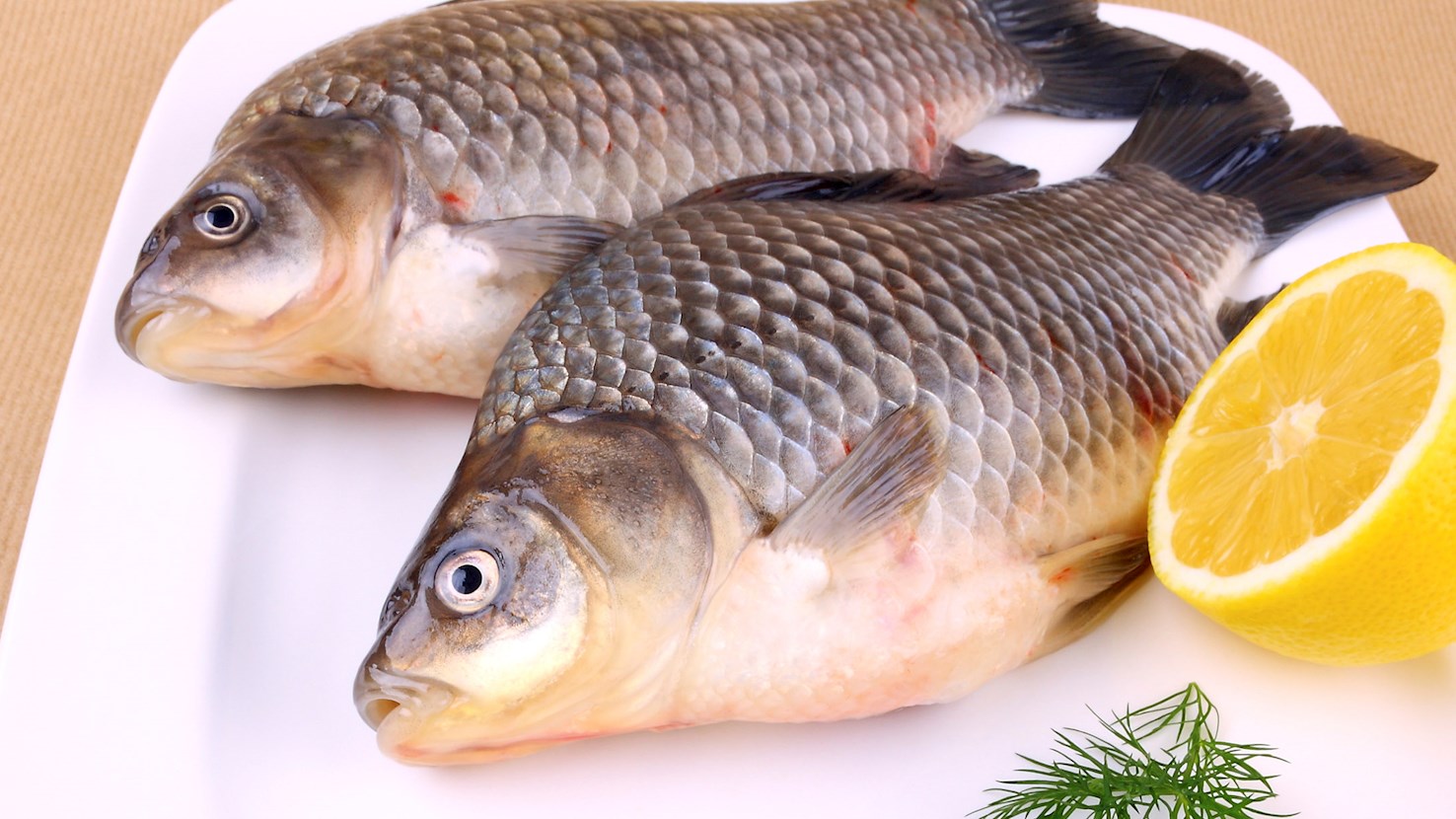
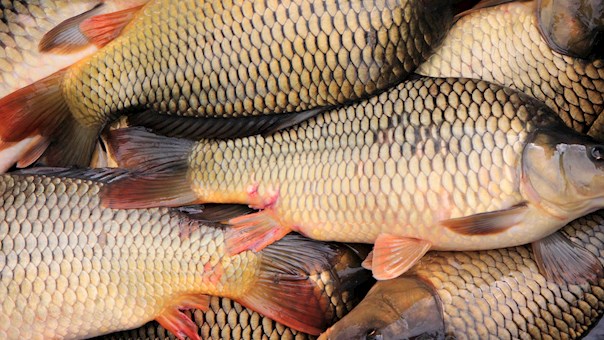
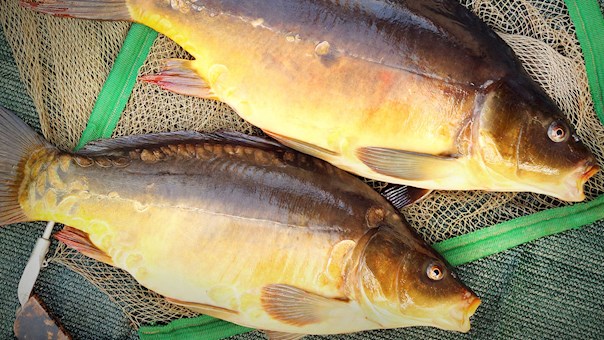
Known affectionately by many as the 'Franconian pond cow', carp is a Franconian national dish. In many areas, carp is bred in ponds and prepared in a number of traditional restaurants, usually either cooked in fat or in fish broth. It is quite popular as a food during Lent. The fish is very tasty, and can be prepared in many different ways; filleted, steamed for casseroles, boiled in soups, etc. In recent years, carp fillet in the form of crispy 'carp chips' has become a highly sought-after menu item. In honor of the carp, the region of Franconia has even developed a special bike path: the Franconian carp bike path runs through a landscape dotted with carp ponds, and provides cyclists with a great deal of information on fisheries and aquaculture in Franconia.
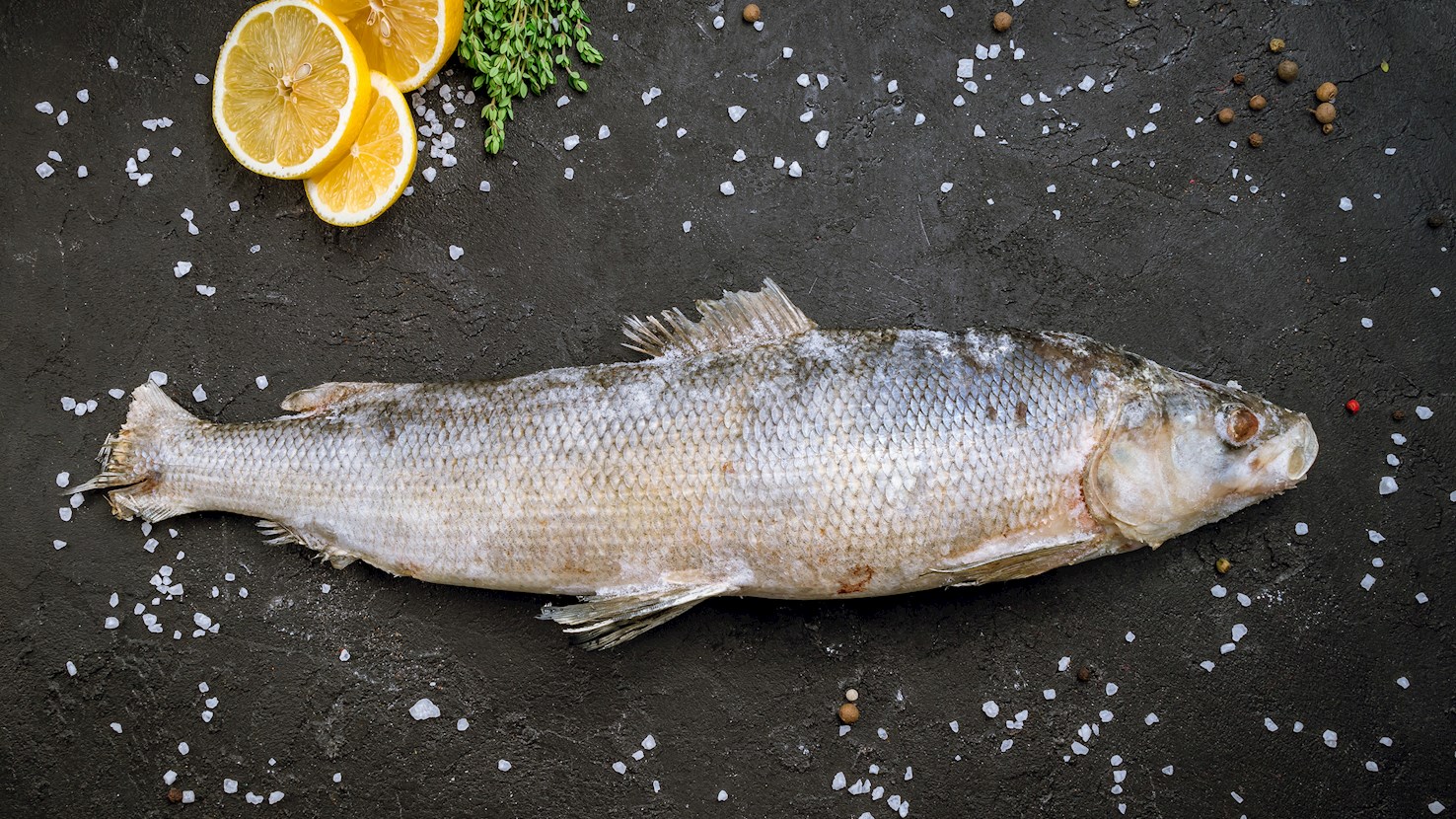
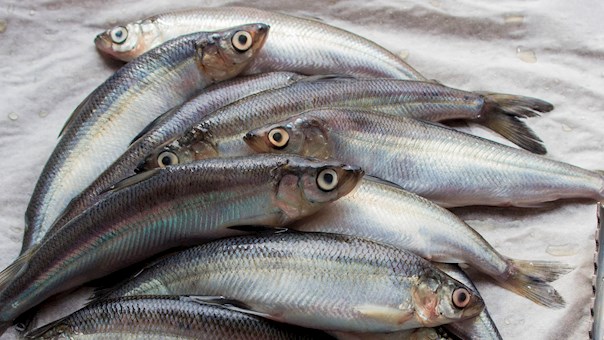
Muksun (lat. Coregonus muksun) is a species of freshwater fish native to Siberian Arctic waters, mostly inhabiting the rivers flowing into Kara and Laptev seas, and the lakes of Taymyr Peninsula. The fish can reach the lenght of up to 75 centimeters and weigh up to 8 kilograms, and is characterized by elongated silvery-blue body with a small head. The meat is tender and oily, with very little bones, and is praised for its taste and nutritional value. Muksun is one of the most important fish for the indigenous people of Russian Arctic and sub-Arctic circle, especially among the Khanty. It is traditionally eaten raw or frozen, sliced in thin stripes (like in the famous local dish stroganina), but it can also be cured by smoking and/or salting it. Due to overfishing, muksun is nowdays endangered, and fishing restrictions and bans have been placed in some parts of Siberia.
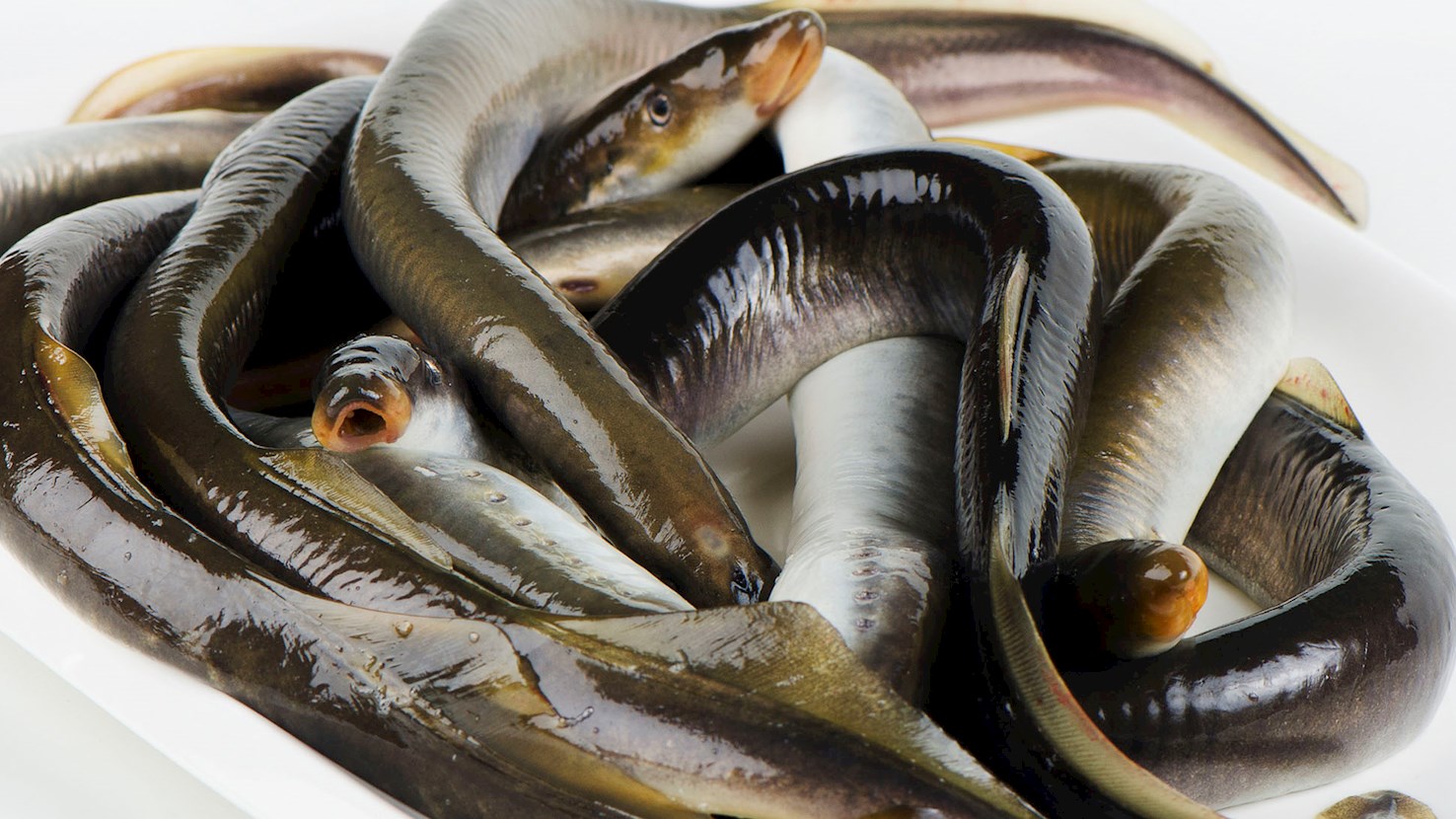
Carnikavas nēģi refers to river lampreys, both fresh and cooked in aspic. River lampreys are caught in the river Gauja in the municipality of Carnikava between August and February. They are fed in the wild and have a body long between 23 to 52 cm and are dark blue-green, blue-gray or green-brown. In comparison to fish from other rivers, they are clean and contain no sand. Lampreys are cooked over a coal fire and set in aspic in a 70% to 30 % ratio. Since the 17th century, lamprey fishing has been one of the main sources of income in the area. Traditional skills have been preserved and applied - fishermen are taught not to fish during the full moon and to fish in muddy water. Today Carnikava is the only place on the banks of Gauja where the fishing of lampreys is allowed. This municipality is known as the lamprey kingdom and has the fish featured on its coat of arms. Carnikava lampreys are promoted annually on Lamprey Festival, which attracts visitors from all over Latvia to eat and celebrate this fantastic fish.
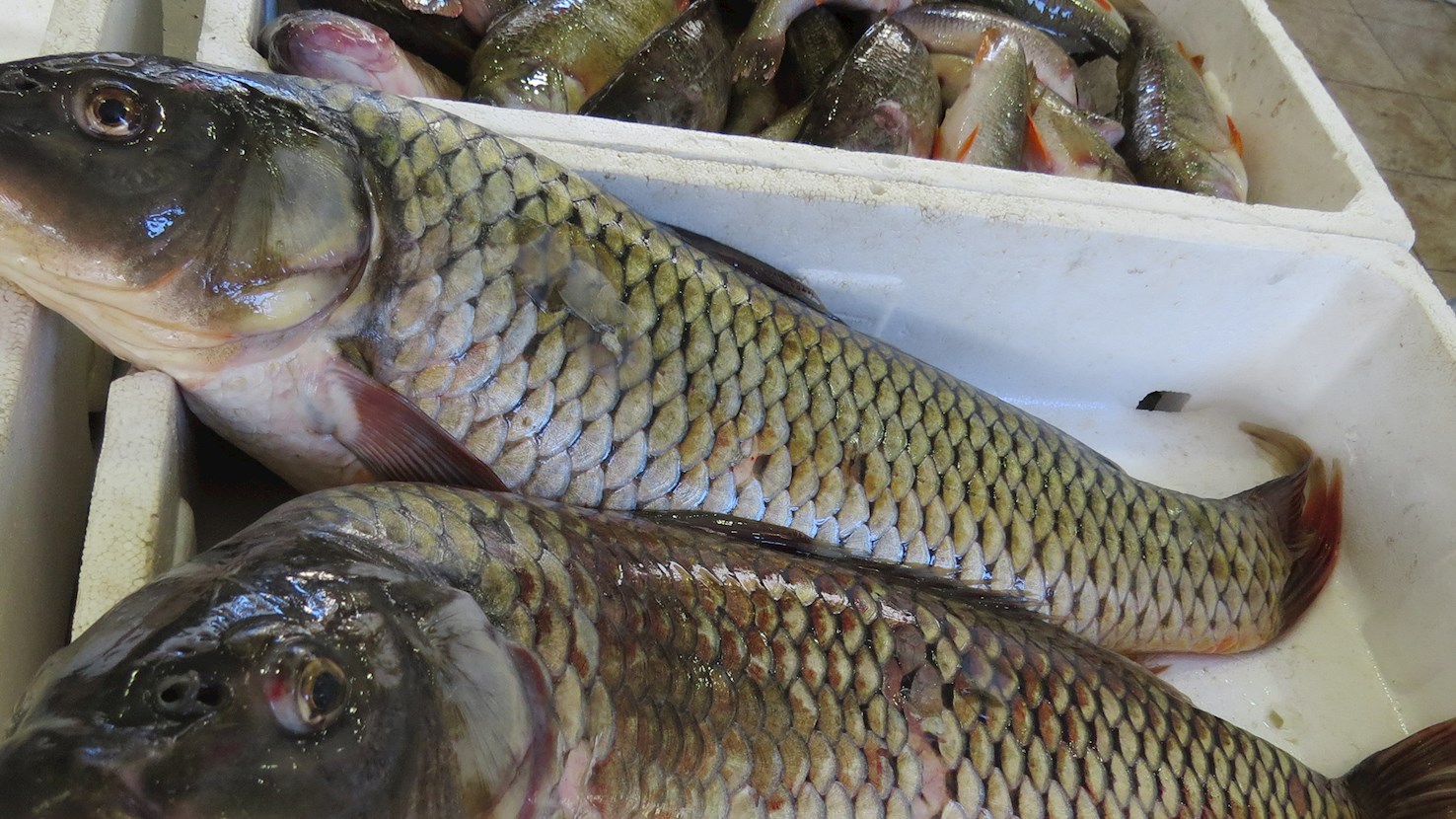
Grass carp (lat. Ctenopharyngodon idella) is a species of freshwater fish native to rivers and lakes in eastern Asia, from northern Vietnam to the Amur River on the Siberia-China border. Grass carp are large, with elongated, torpedo-shaped bodies. They usually have silvery to olive-green coloring on the back, fading to white on the belly. Adult fish can reach significant sizes, often measuring over a meter in length and weighing up to 40 kg (88 lbs) or more. True to its name, the grass carp primarily feeds on aquatic plants. It is a voracious feeder and can consume up to three times its own body weight in vegetation daily. This diet has made it a popular choice for aquatic weed control in some areas. The grass carp prefers slow-moving or stagnant water bodies with abundant vegetation. It is found in rivers, lakes, ponds, and canals. Grass carp are known for their unique spawning habits. They require long rivers for the development of their eggs, which are slightly buoyant and drift downstream until hatching. Grass carp is valued for its flesh in many culinary traditions. It's often cooked in various ways, including steaming, boiling, and stir-frying, and is known for its tender and flavorful meat.
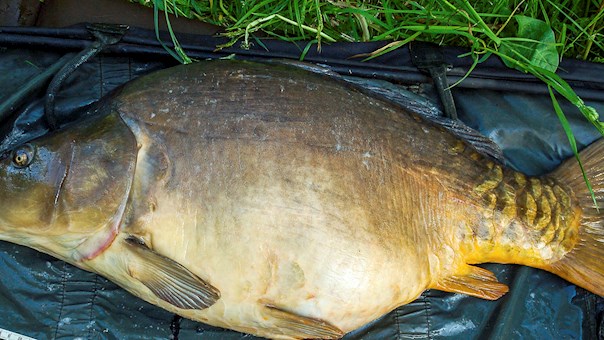
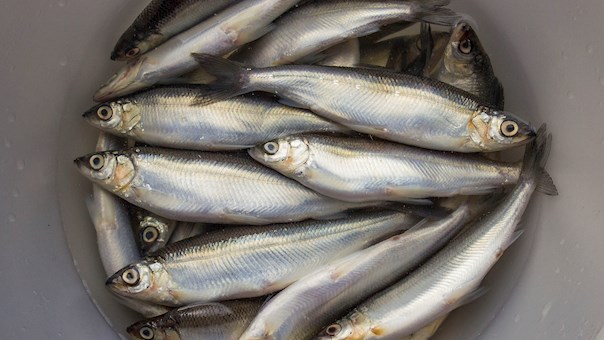
Carp, locally known as krap or šaran, is a freshwater fish that is endemic to Skadar Lake in southern Montenegro. Scientifically referred to as Cyprinus carpio, this fish is large and fatty, and it can reach up to 25-30 kg in weight. Along with bleak, the Skadar Lake carp account for more than 70% of the total annual catch in the lake, and they are one of the most attractive species for sport fishing in the region. Highly prized and of great economic value in the country, the carp is caught in both deep and shallow waters during the carp fishing season, which starts from June 1st and lasts till March 1st, while fishing of carp during the spawning season (from March through May) is strictly forbidden. Skadar Lake carp mainly feeds on crustaceans, clams, worms, plant seeds, snails, and various other water organisms. In Montenegro, the carp is traditionally preserved through a process that involves salt-curing and smoking with wild pomegranate or willow wood that imparts a unique aroma and a distinctive reddish color to the fish. Renowned for its flavor, smoked carp or dimljeni krap in Montenegrin is a culinary delicacy that is usually paired with local wine.
TasteAtlas food rankings are based on the ratings of the TasteAtlas audience, with a series of mechanisms that recognize real users and that ignore bot,
nationalist or local patriotic ratings, and give additional value to the ratings of users that the system recognizes as knowledgeable.
For the “Top 40 European Freshwater Fishes” list until July 01, 2026, 481 ratings were recorded, of which 350 were recognized by the system as legitimate.
TasteAtlas Rankings should not be seen as the final global conclusion about food. Their purpose is to promote excellent local foods,
instill pride in traditional dishes, and arouse curiosity about dishes you haven’t tried.