shutterstock

Top 59 Freshwater Fishes
in the World

Last updated on June 03, 2026

Best Freshwater Fish Types in the World
01

Norwegian salmon

4.6 ·

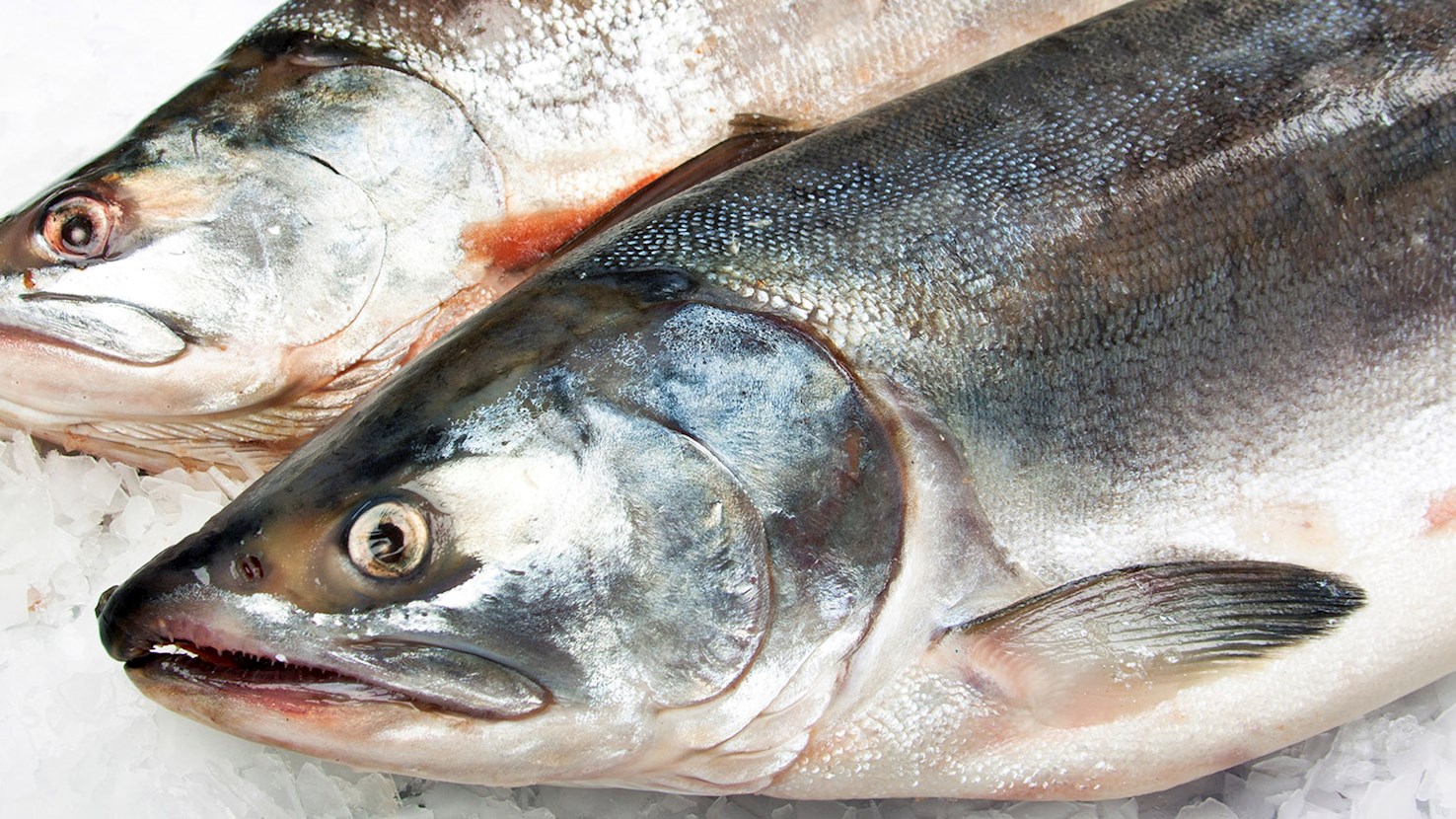
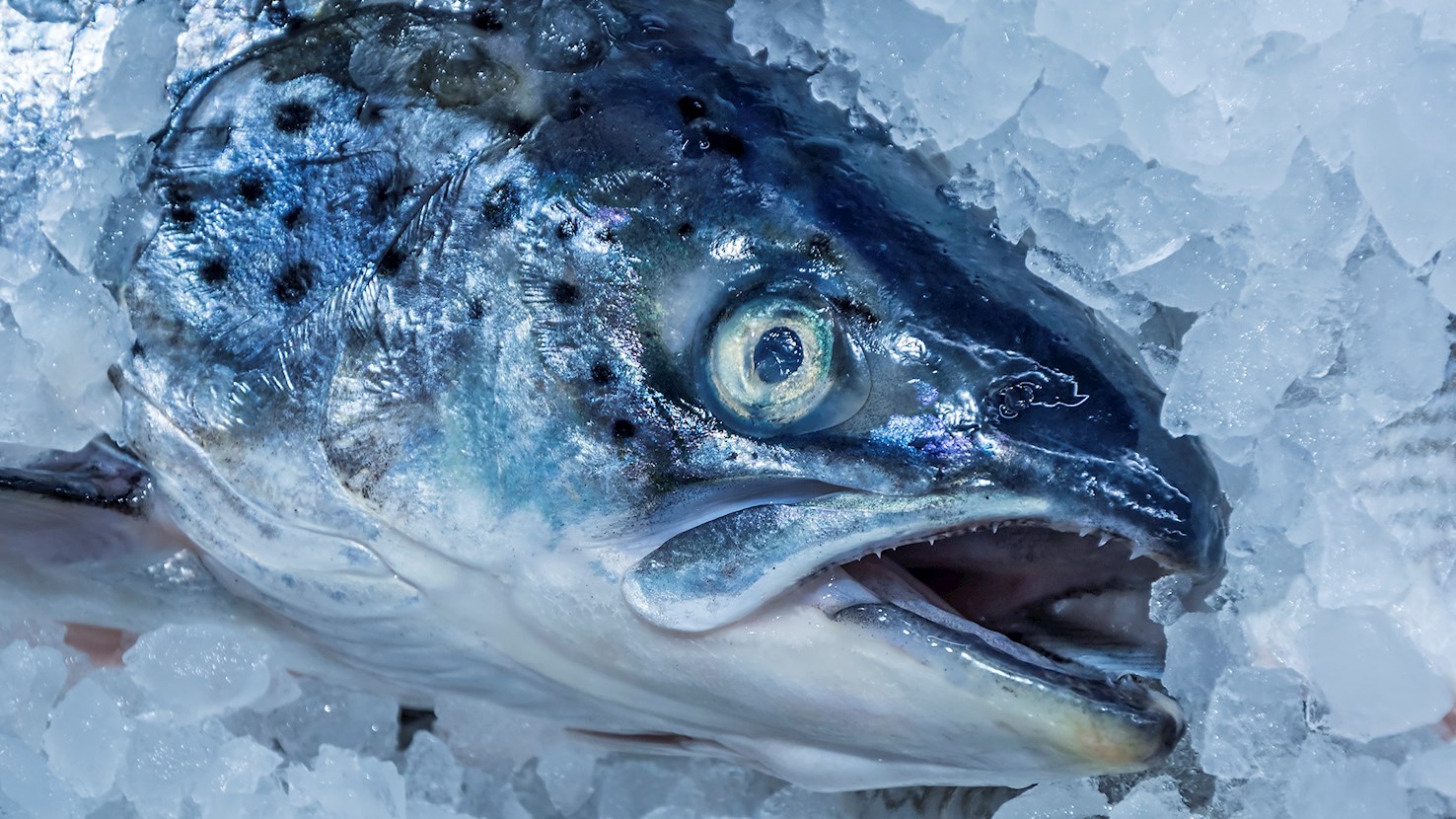
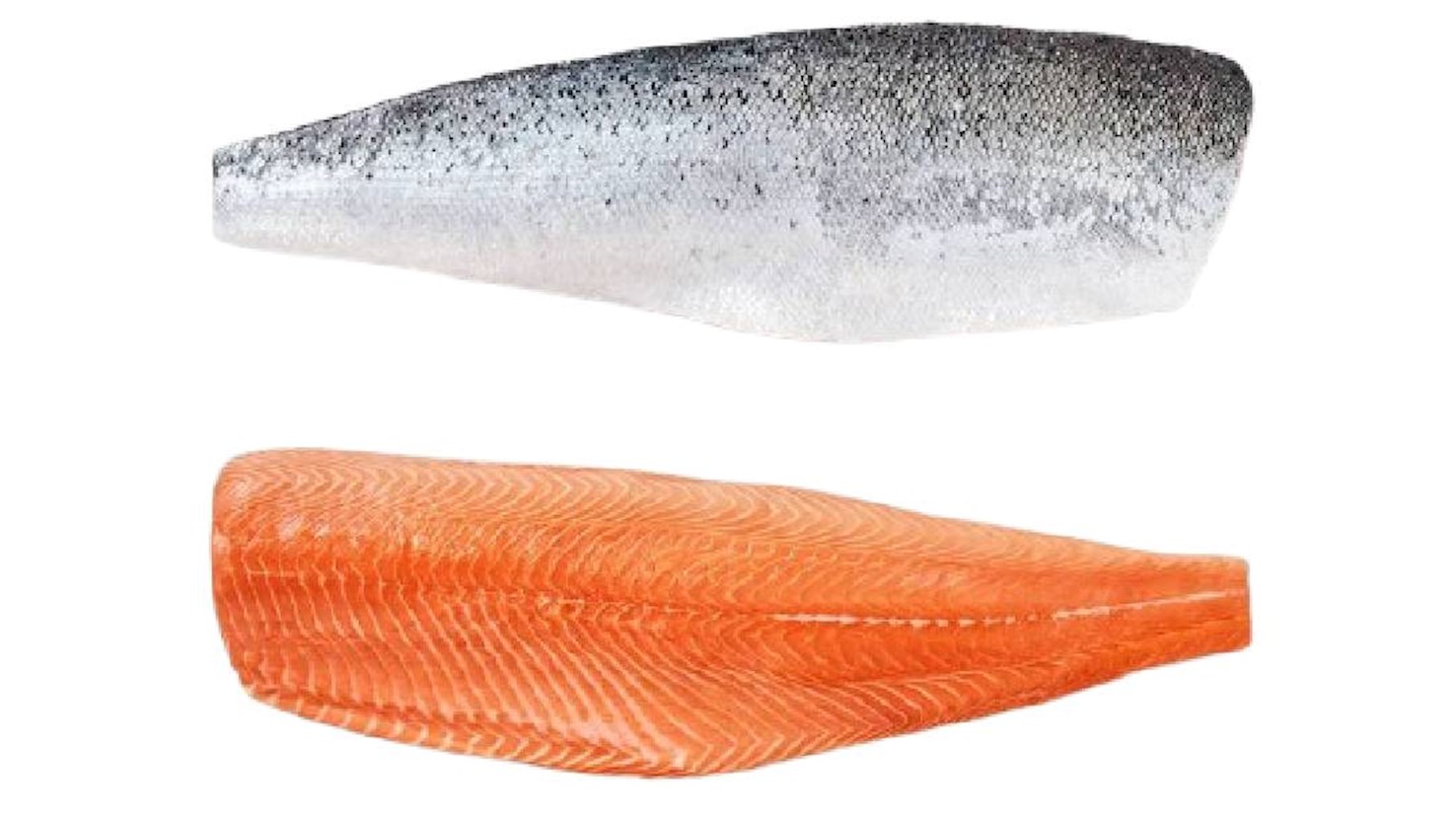
In Norway, Atlantic salmon takes up around 40% of all seafood that's exported from the country. Most of it isn't caught in the wild – the salmon is farmed in giant tanks that are moored off the coast. In order of decreasing amount, there is fresh whole salmon, frozen whole salmon, frozen salmon fillets, and fresh salmon fillets that are exported across the world. The great versatility, flavor, and high nutrient content are the reasons why Norwegian salmon rose to fame and it's popularity increased worldwide since the 1970s, when the world's first successfully farmed salmon was placed into a pen in a fjord outside Trodheim. Nowadays, the Norwegian salmon is used in anything from sushi, gravlax, burgers, and woks to fiskesuppe, wraps, tacos, and poke bowls.

02

Wild Alaska salmon

4.6 ·

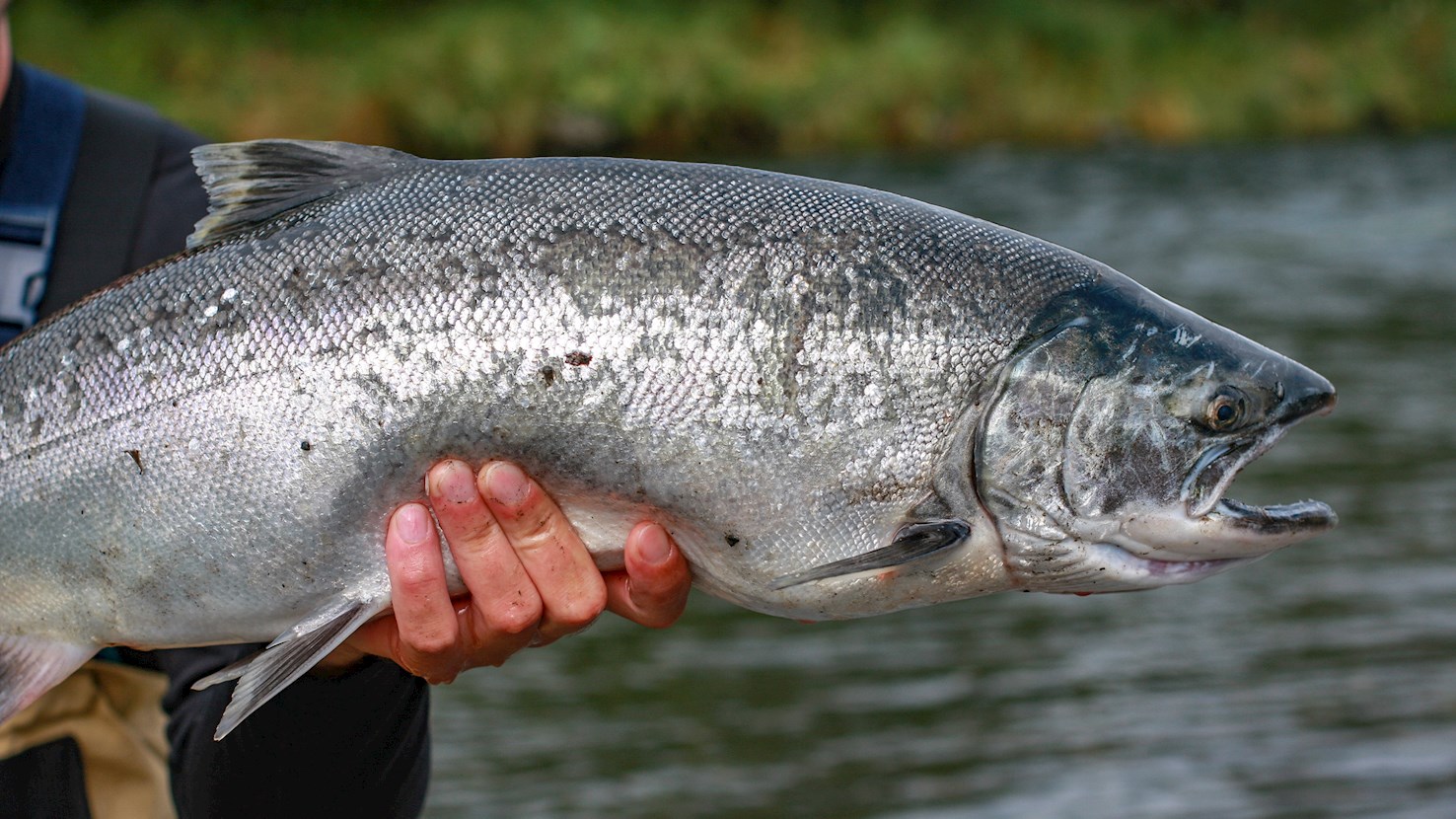
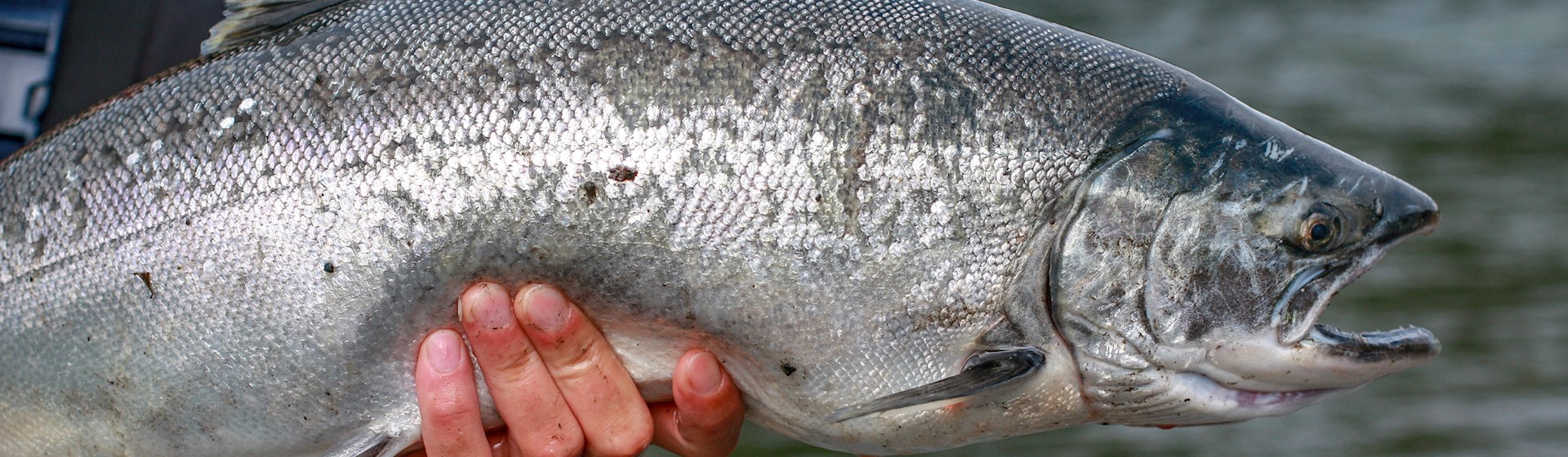
Five different species of wild salmon can be caught in Alaska: king, sockeye, coho, chum, and pink salmon. Each species has some defining characteristics: king salmon is often used for sushi, sockeye has a strong flavor, coho is known as a great-tasting salmon, chum salmon is valued for its eggs, and pink salmon is used for canning. Salmon is a very versatile fish that can be prepared in many ways: it can be baked, grilled, or smoked, and it’s good in stews, fish cakes, and salads. This highly nutritious fish is rich in vitamins, minerals, and omega-3 fatty acids, and consuming it reduces the risk of cardiovascular diseases.

03

Unagi

4.3 ·

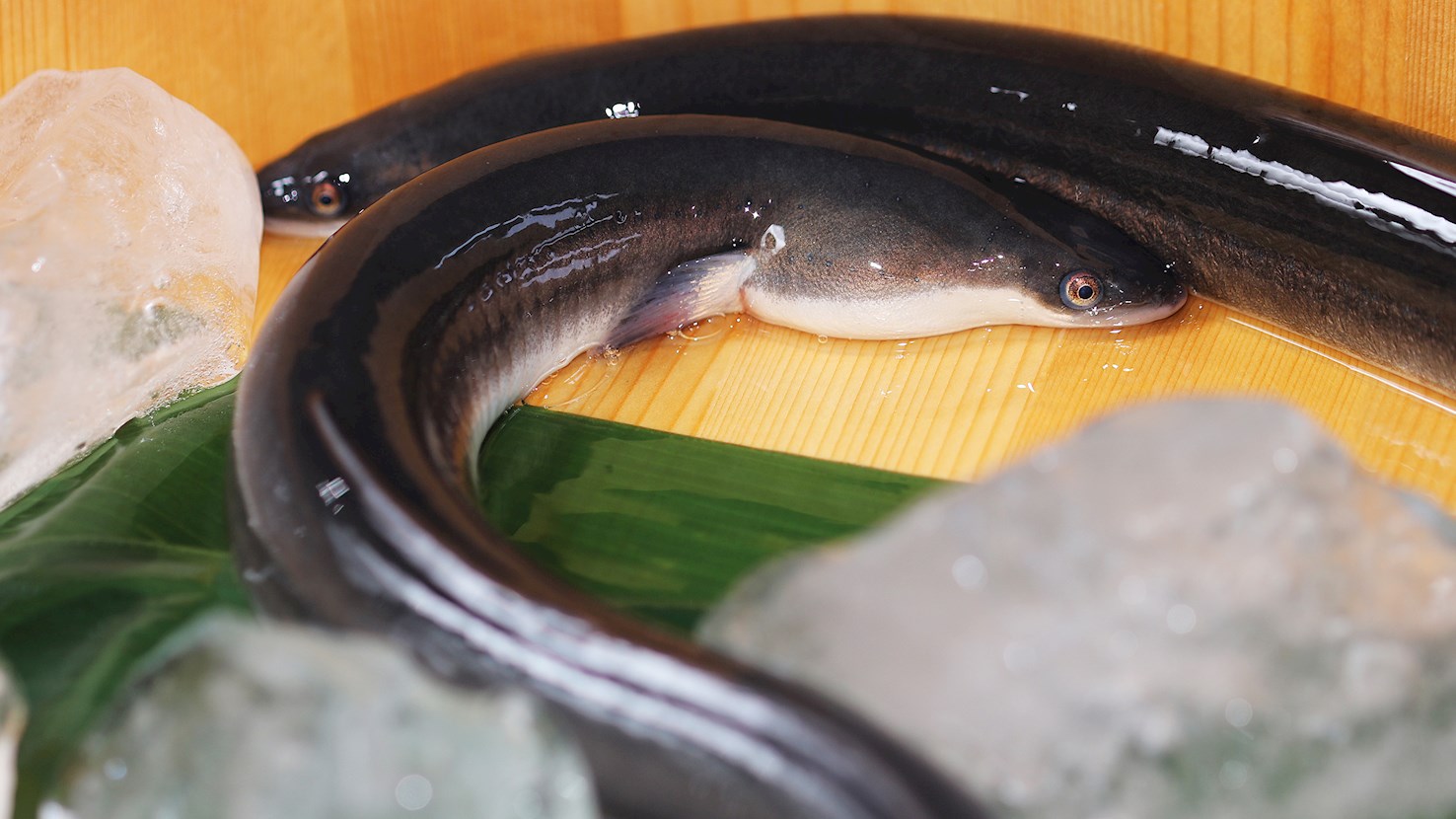
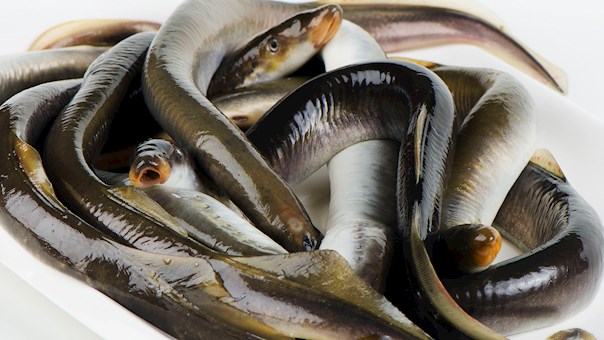
Unagi is the Japanese word referring to the freshwater eel, commonly used in Japanese cuisine. It is mainly consumed in the form of fillets, which are always grilled due to the presence of harmful toxins. The fillets are then spread with a sweet and salty sauce made with soy sauce, mirin, and sugar. Although unagi is consumed in the entire country, there are slight regional differences in the way the eel is cut and prepared. In Kanto region, the cuts are made from the back, and the fillets are grilled and steamed, while in Kansai the eel is cut from the stomach and the fillets are merely grilled. Depending on the preparation, unagi can range from crispy to chewy, but it always has a strong salty and semi-sweet taste. It is regarded as a delicacy and an expensive, luxurious ingredient that is mainly consumed in Japan, where the eel has been proclaimed an endangered species. Unagi is usually served on top of plain steamed rice, alongside pickles and sansho pepper, and it is often found as a part of intricate sushi creations served in sushi restaurants.

04

Ohrid Trout

4.3 ·

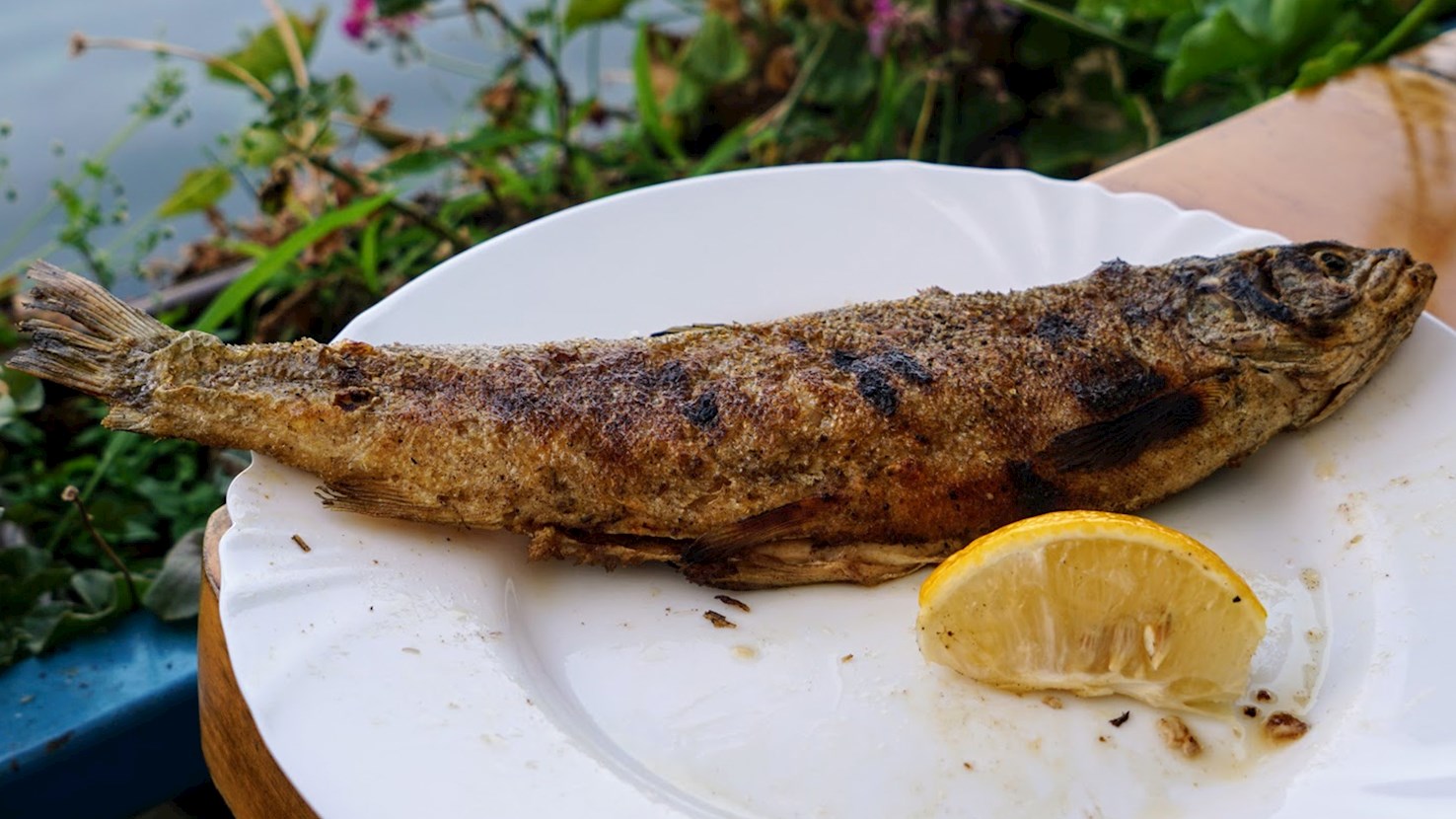
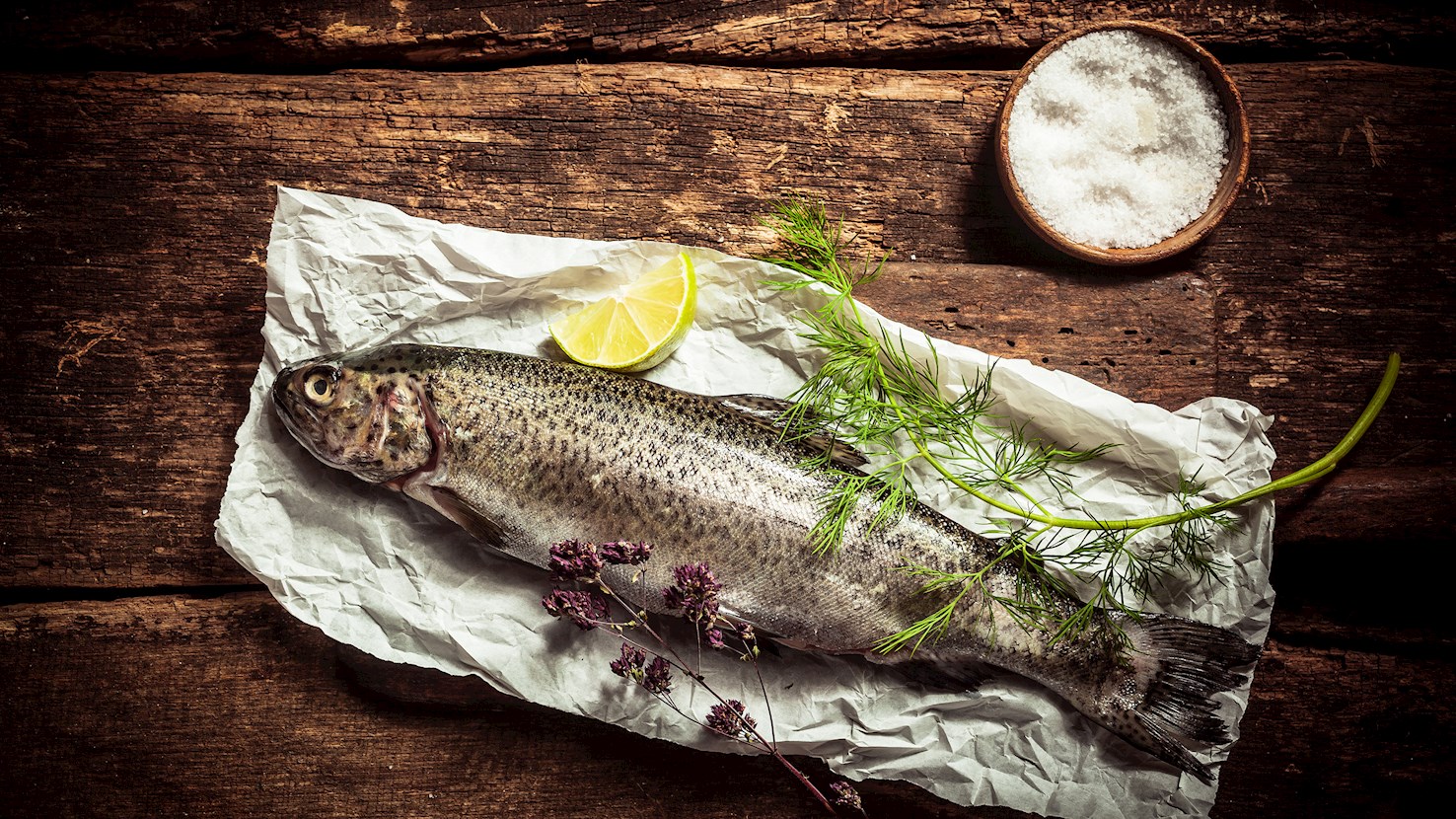
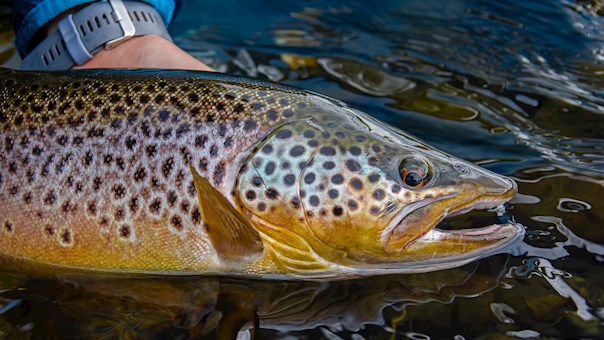
Ohrid trout is an endangered salmonoid fish that is praised for its delicately-flavored pink flesh. It inhabits the waters of Lake Ohrid, shared by Albania and North Macedonia, and the rivers leading to and from the lake. Although it is held in high esteem, it would be a crime against nature to eat the trout. Due to overfishing, poaching, and poor conservation methods, as of recently, the fish has been in danger of extinction. Four varieties of the trout have been distinguished, including Salmo balcanicus, Salmo lumi, Salmo aphelios, and Salmo letnica. The trout is considered a culinary delicacy, usually enjoyed on its own or used in a variety of hearty fish soups or other fish dishes. Dubbed as a living fossil, the fish has supposedly survived the ice age period due to the favorable microclimate of Lake Ohrid. Until 1991, the annual catch of trout was 220 tons, but since then, the numbers have significantly fallen. In 2005, the Macedonian government introduced a ban on catching Ohrid trout in their waters until 2014, but despite the legislation, in reality, not much was changed. Mainly, because similar conservation methods did not exist in the neighboring Albania where Ohrid trout was legally caught and sold, usually for an unreasonably low price. This opened up a new set of problems, including smuggling operations that made the trout available in Ohrid and other Macedonian cities.

05

Scottish farmed salmon

4.2 ·

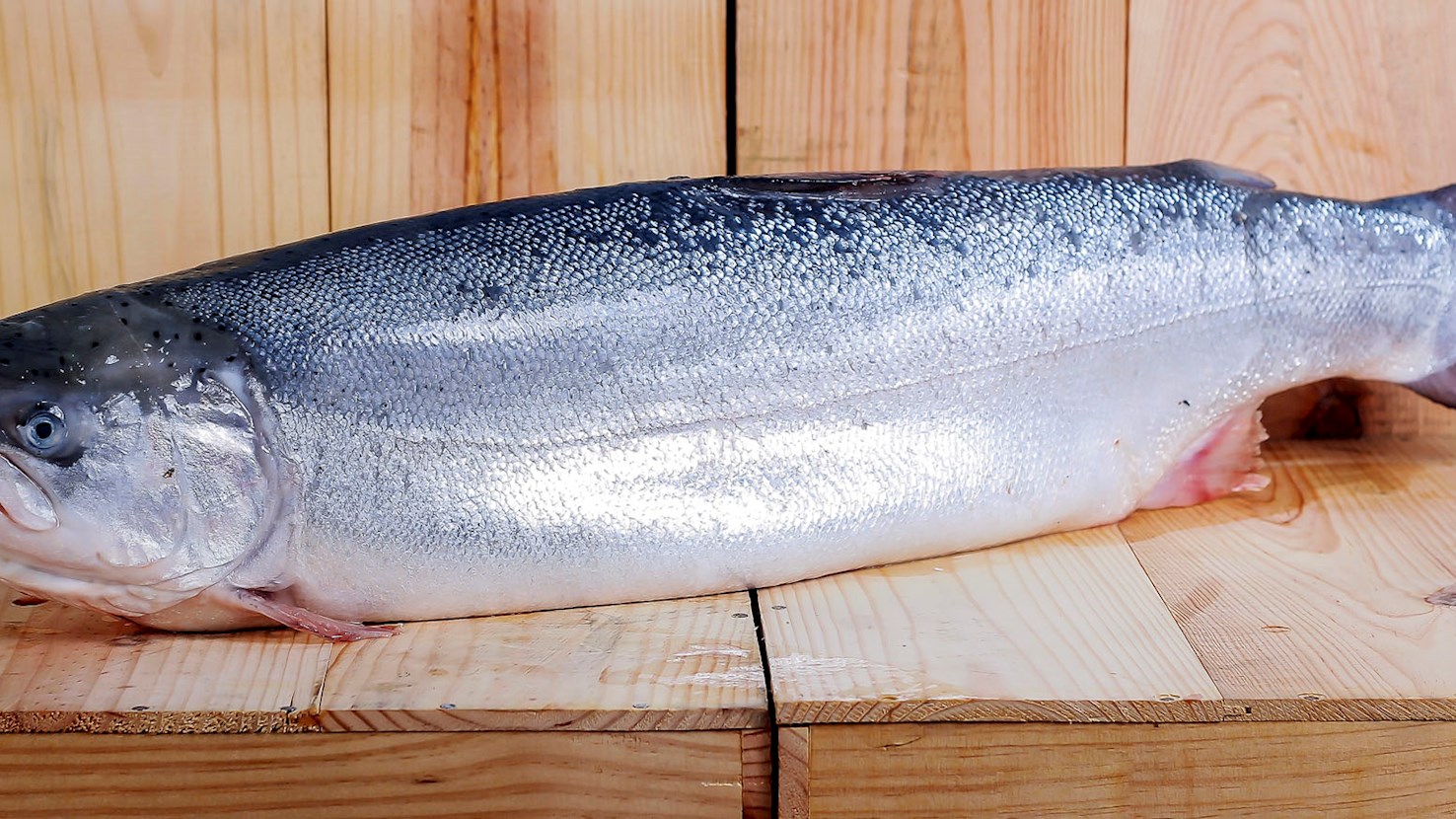
Scottish farmed salmon belongs to the Atlantic salmon species. They are silver in color, firm to the touch (due to strong currents which ensure that they are constantly swimming), with a fibrous to smooth to even texture. After harvesting, the salmon is rapidly chilled, which is why it has a unique, consistent flavor. Scottish salmon is very health beneficial, and acts as a source of Omega 3 fatty acids, vitamins and minerals. It goes well with single malt whiskeys, lemon and creme fraiche.

06

Tasmanian Atlantic salmon

4.1 ·

Tasmanian Atlantic salmon is a species of salmon that has been introduced in the pristine waters of Tasmania’s west coast and is locally grown in fish farms. The fish are raised within open-sea cages mainly in the Macquarie Harbor, and they are one of the most commercially important and highest-valued fishery products in Australia. The farmed salmon are internationally recognized for their superior quality, flavor, and texture, and they are also renowned for their high nutritional value as they represent a great source of high-quality omega-3 fatty acids, protein, minerals, and vitamins. The salmon’s extreme versatility paired with their silky, buttery texture and their rich flavor make these oily fish a favorite among gourmets and professional chefs around the world. Tasmanian Atlantic salmon are available in fish markets, local supermarkets, and deli stores, and various salmon specialties are served in numerous restaurants on the island and on the Australian mainland. Salmon farming in Tasmania has recently raised certain environmental concerns that have led to Tasmanian Atlantic salmon receiving a red "say-no" rating by the Australian Marine Conservation Society (AMCS).

07

Sevani ischkhan

3.9 ·

Sevani ischkhan is an endemic variety of trout found only in the Armenian lake Sevan. This salmonid fish is endangered, due to changes in the lake's level and the introduction of non-native fish species into the lake during the Soviet period. The trout has a distinctive flavor and a color that typically ranges from pink to yellow and is determined by its nutrition and the microclimate. The fish is considered a delicacy, and it is usually poached and flavored with bay leaves, fresh tarragon, and peppercorns. Other traditional dishes starring this fish call for grilling, frying, boiling, or braising the fish and combining it with wine, a variety of spices, pomegranate juice, and lemon juice, or filling it with fruits or nuts such as hazelnuts or almonds. In order to protect it, in 1976, Armenia's Council of Ministers decided to forbid commercial fishing of Sevani ishkhan. There are four main strains of Sevan trout, and while summer bakhtak and gegharkuni are mainly reared in hatcheries, winter bakhtak and bojak may be extinct.

08

Scottish wild salmon

3.9 ·

Scottish white salmon are silver, firm-fleshed fish beloning to the species Salmo Salar and caught, classified and boxed in ice on Scottish shores. Their flesh is deep pink in color, they have perfect markings without distortion on their tails and they smell very fresh, are moist and have a full, complex flavor. Scottish wild salmon can weigh from 1,5 kg to 20 kg. They must be caught in an environmentally friendly way, either with a net and coble, cruives or bag net, haaf and poke nets, and when sold, the salmon can be fresh, whole or boxed in ice.

09

Barramundi

3.9 ·

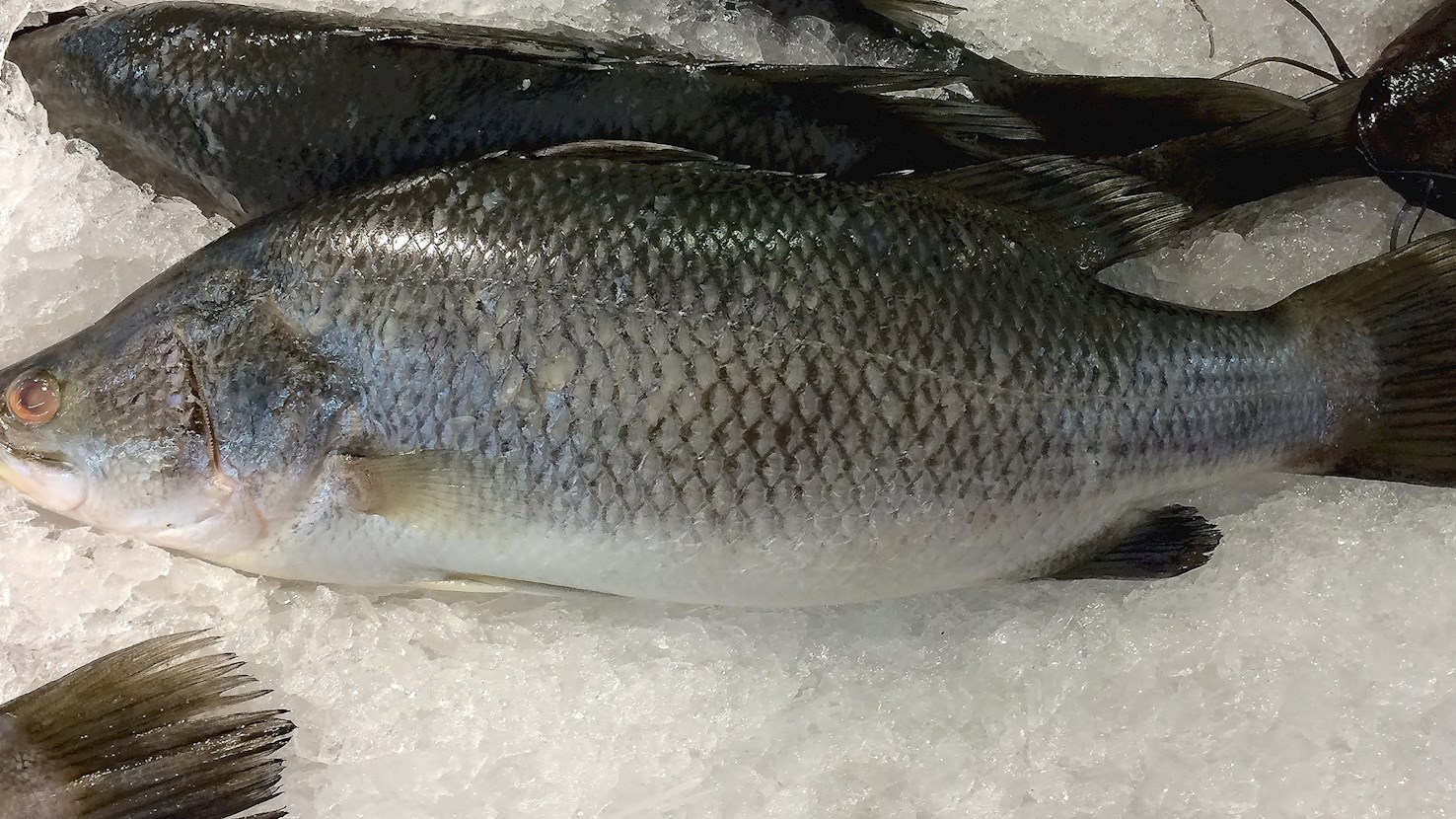
Barramundi is a catadromous fish that spends most of its life in rivers, and then migrates to estuaries in order to breed. After that, it returns back to the river. The fish is usually sold in cutlets and fillets, and it is characterized by a moist, firm flesh that is white to pink in color. Barramundi is quite versatile, so it can be steamed, baked, fried, or grilled. It's distributed from South Asia to Papua New Guinea and Northern Australia.

10

Pirarucu

3.8 ·

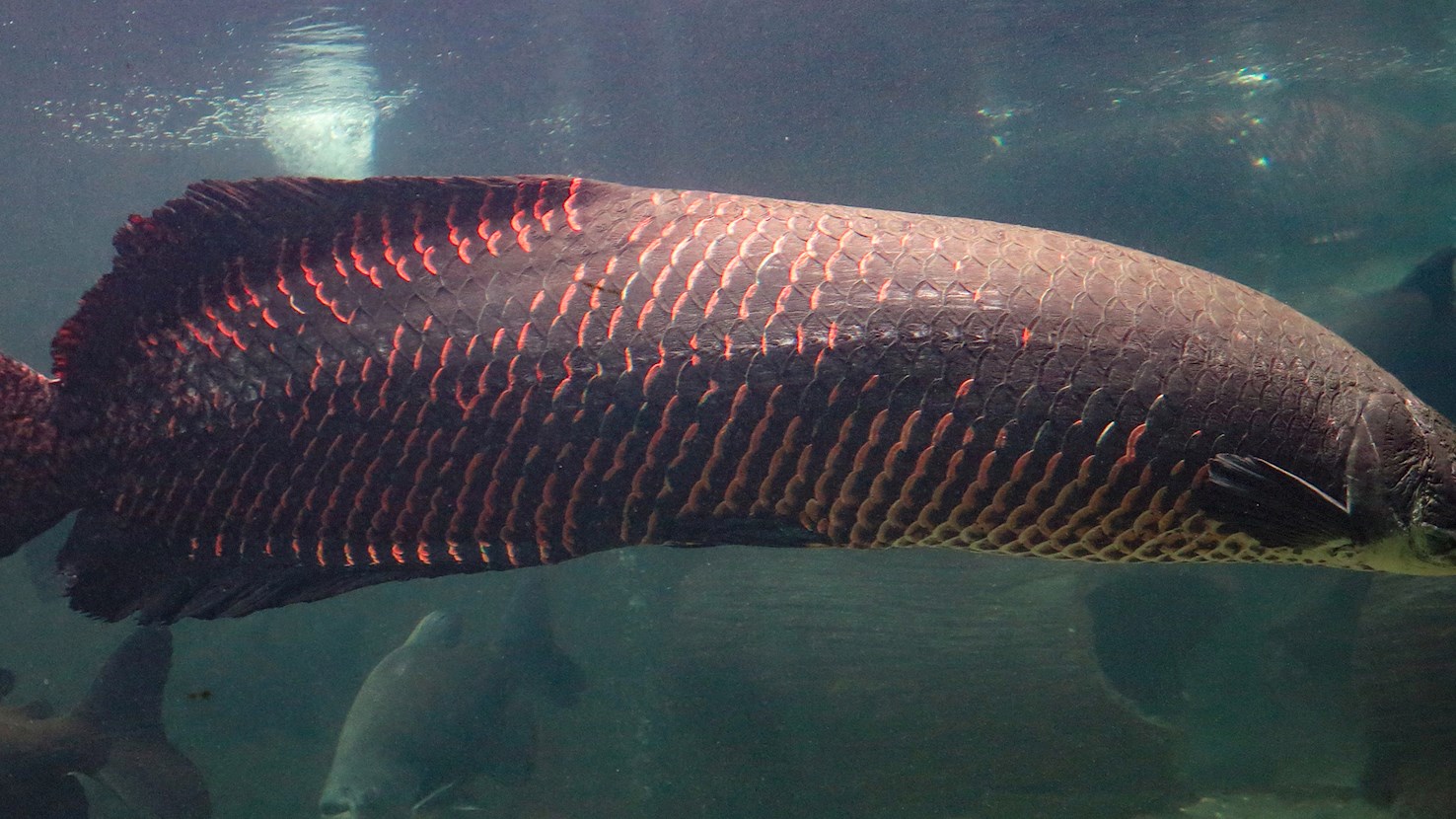
The pirarucu, also known as the arapaima or paiche is often dubbed "a living fossil", and is the second largest species of freshwater fish in the world, and it is believed to have been inhabiting the shallow waters of the Amazon River basin for millions of years. This air-breathing, torpedo-shaped fish is widely renowned for its firm, white, and succulent flesh, with a delicately mild and scrumptious flavor, making it a highly appreciated gourmet delicacy of Amazonian cuisine. Owing to its firm meat, the fish easily lends itself to a variety of cooking methods including grilling, roasting, baking, steaming, smoking, and pan-searing. Pirarucu is often used in the preparation of ceviches or cooked in a sauce of cocona (a tropical citrus fruit), and it is also said to taste delicious when breaded or battered before being pan-seared. Also referred to as pirarucu, this fish is available in markets and fine-dining restaurants throughout South America. Plummeting numbers of this fish (due to over-fishing) have led to various initiatives to preserve the species, and for now, these initiatives have successfully ensured paiche's safety

Best Freshwater Fishes in the World

01

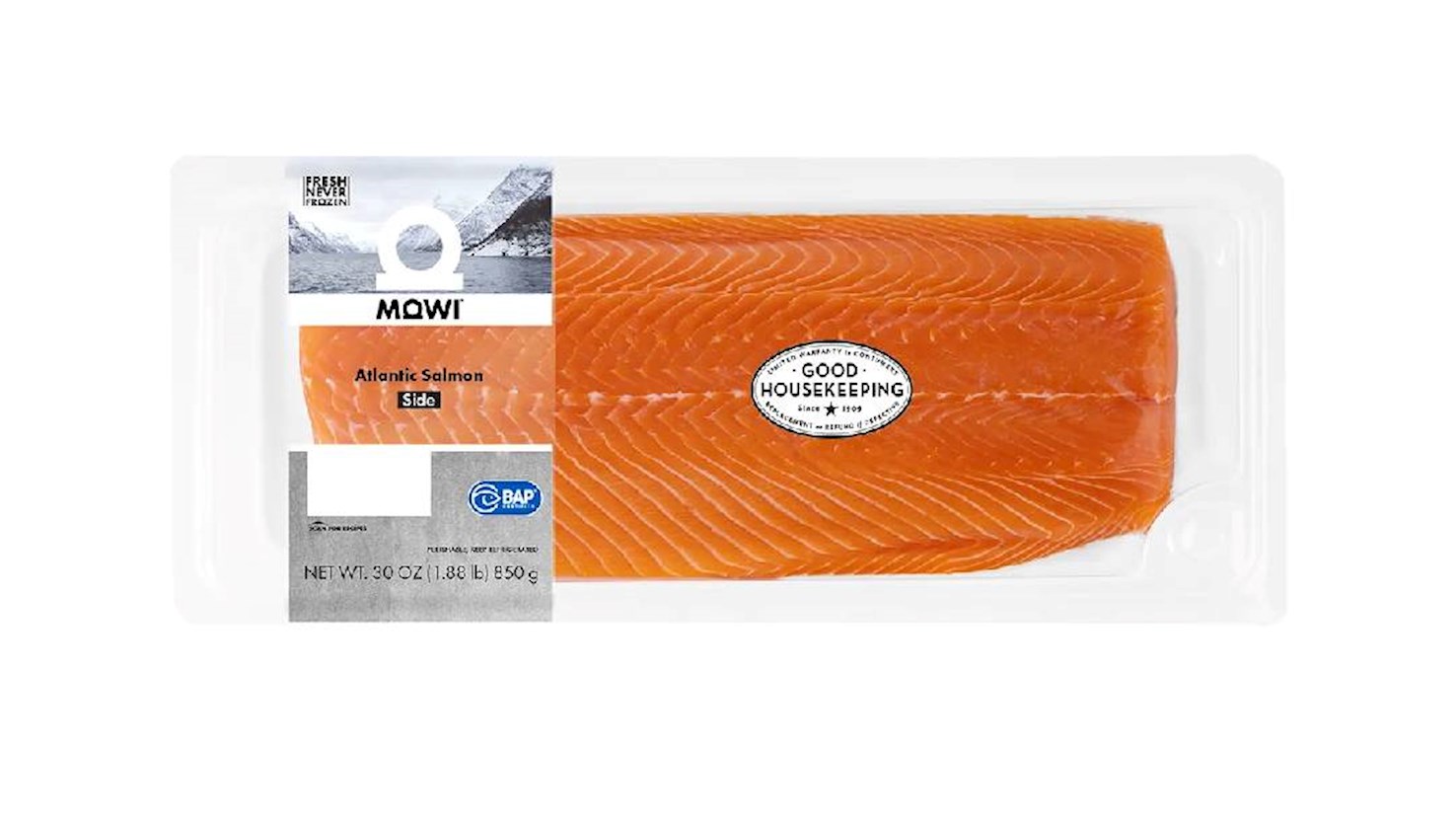
Mowi Canada West

5 ·
Mowi Canada West is a leading producer of Atlantic salmon in Western Canada, known for its strong commitment to sustainability and quality. Based in Campbell River, British Columbia, the company operates salmon farms along the coasts of British Columbia and Vancouver Island, producing approximately 23,000 tons of fresh and healthy Atlantic salmon annually. The company is dedicated to environmental stewardship, as demonstrated by the fact that all of its farms are certified by the Aquaculture Stewardship Council (ASC) and Best Aquaculture Practices (BAP). These certifications reflect Mowi’s commitment to transparency, innovation, and reducing its environmental footprint. Mowi Canada West is part of Mowi ASA, the world’s largest producer of farm-raised Atlantic salmon, offering seafood products in more than 70 countries. Their mission is to lead the "blue revolution" by producing sustainable ocean-based food, providing consumers with high-quality products while protecting aquatic ecosystems.
02

Grieg Seafood

5 ·
Grieg Seafood is one of the world’s leading producers of Atlantic salmon, committed to sustainable farming, innovation, and responsible stewardship of the environment. Their philosophy is centered on raising healthy, high-quality fish with minimal environmental impact, while actively supporting ocean conservation, local communities, and biodiversity. By combining modern technology with carefully monitored practices, Grieg Seafood ensures the highest standards of quality at every stage of production—from sea to table. Transparency, accountability, and continuous improvement are at the core of their operations. More than just a producer, Grieg Seafood is a partner in building a sustainable future for ocean-based food, delivering delicious, nutritious products with care and respect for nature.
03

Cooke Aquaculture

4.9 ·
Cooke Aquaculture is a family-owned company with decades of experience dedicated to the sustainable farming of seafood. Their mission is rooted in delivering high-quality, fresh, and responsibly produced food from the ocean, with a strong commitment to environmental care and community partnership. By combining modern technology with deep industry knowledge, Cooke Aquaculture maintains the highest standards throughout every stage of production—from farming to delivery. The company places strong emphasis on transparency, innovation, and continuous improvement to protect and preserve marine ecosystems. At the heart of their philosophy is a simple belief: healthy fish come from a healthy environment. That’s why they rely on sustainable practices and close collaboration with local communities to create seafood that is not only delicious but also responsible. Cooke Aquaculture is more than a producer—it’s a story of dedication, respect for nature, and a vision for the future of ocean-sourced food.
04

Barney Greengrass

4.8 ·
Barney Greengrass is one of New York City’s oldest and most respected appetizing institutions, founded in 1908 and closely associated with the Upper West Side. The business built its reputation on smoked and cured fish prepared according to traditional methods, with a strong emphasis on ingredient quality and precise handling. It is especially known for smoked sturgeon - earning the nickname The Sturgeon King - alongside nova-style salmon, smoked whitefish, herring, trout, and a focused selection of caviar. Barney Greengrass operates as both a delicatessen and a sit-down restaurant, preserving an unadorned, time-capsule interior that reflects early 20th-century New York deli culture. Service centers on classic pairings such as bagels, bialys, cream cheese, onions, and capers, without modern reinterpretation or stylistic embellishment. The preparation prioritizes balance, careful slicing, and restraint in salting and smoking rather than intensity. This consistency has made Barney Greengrass a reference point for traditional Jewish appetizing craftsmanship. Today, it stands as a living expression of New York’s smoked fish heritage, valued for continuity, technique, and authenticity rather than reinvention.
About this ranking

TasteAtlas food rankings are based on the ratings of the TasteAtlas audience, with a series of mechanisms that recognize real users and that ignore bot, nationalist or local patriotic ratings, and give additional value to the ratings of users that the system recognizes as knowledgeable. For the “Top 59 Freshwater Fishes in the World” list until June 03, 2026, 981 ratings were recorded, of which 654 were recognized by the system as legitimate. TasteAtlas Rankings should not be seen as the final global conclusion about food. Their purpose is to promote excellent local foods, instill pride in traditional dishes, and arouse curiosity about dishes you haven’t tried.

The initial list of top producers was compiled based on available reviews, awards, local recommendations, media and blog coverage, and consumer reviews. The list will be updated with ratings from TasteAtlas local ambassadors and TasteAtlas users.

Similar lists