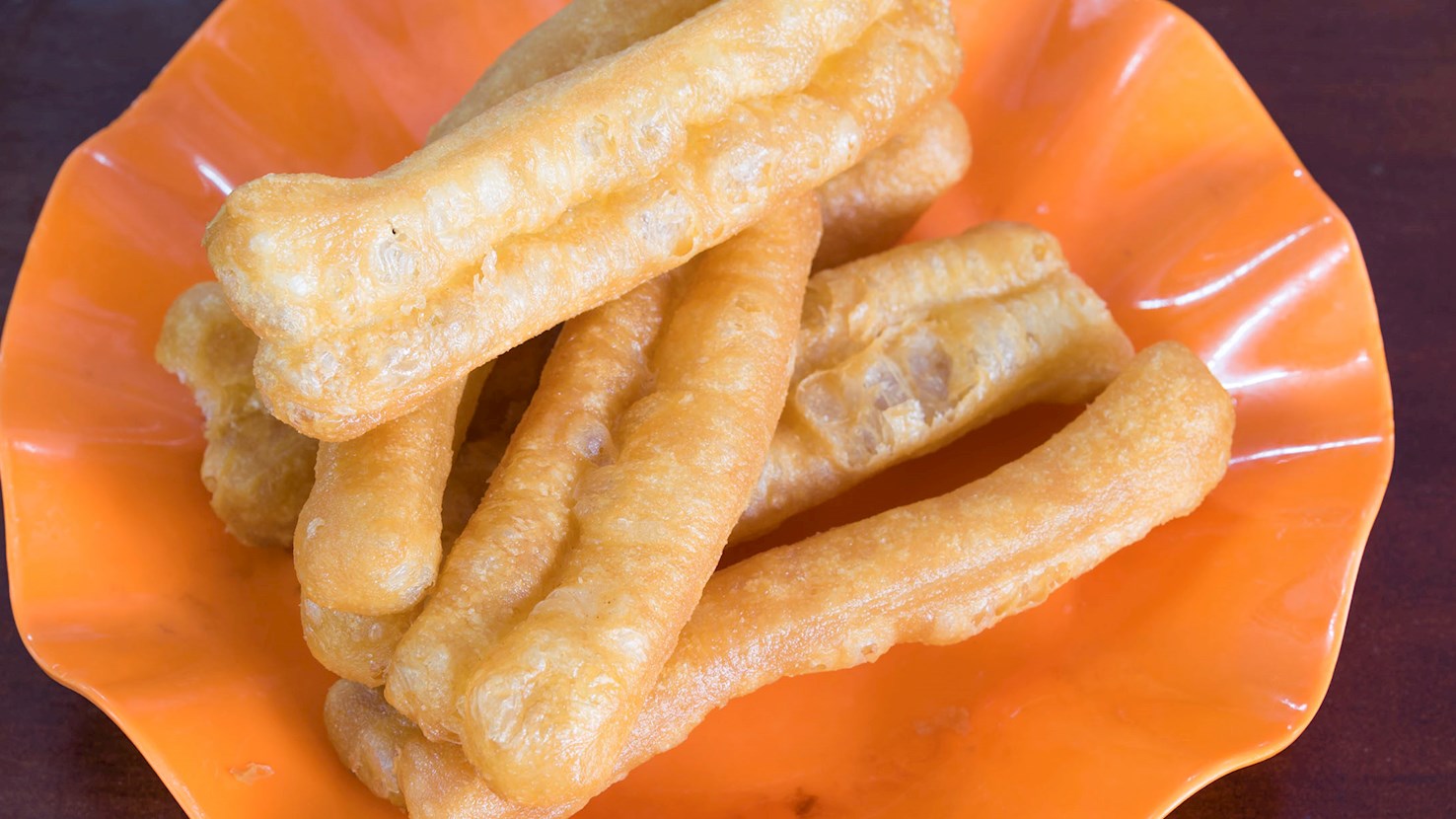
Youtiao is one of the most popular breakfast foods in China, consisting of Chinese breadsticks that are fried in pairs and connected in the middle. The result is a puffy snack that is crispy on the exterior and tender on the interior. Youtiao dates back to the Song Dynasty when the leader Qin Gui, under the influence of his wife, executed a general named Yue Fei, who was loved by the people. As a sign of protest, a cook made a pair of breadsticks that were shaped to resemble human beings (the leader and his wife), and symbolically deep-fried them in hot oil. That is how youtiao got its nickname - you zha gui, literally translated to deep fried ghosts. Today, the snack is usually accompanied by hot soy milk, rice porridge, or a soup filled with pork, beef, or shrimp.
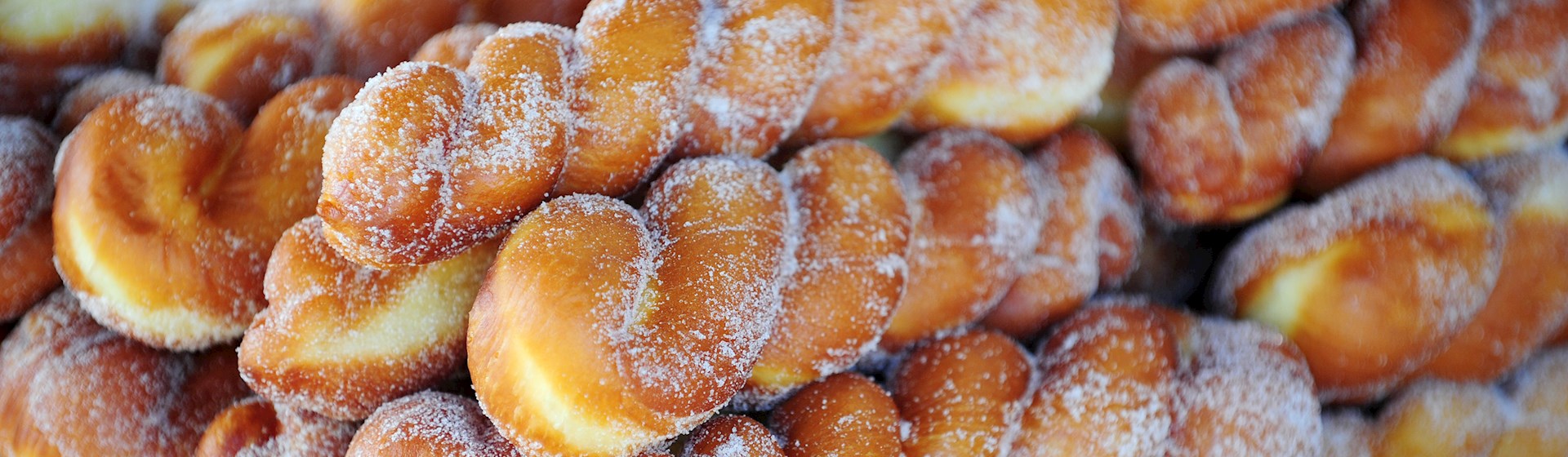
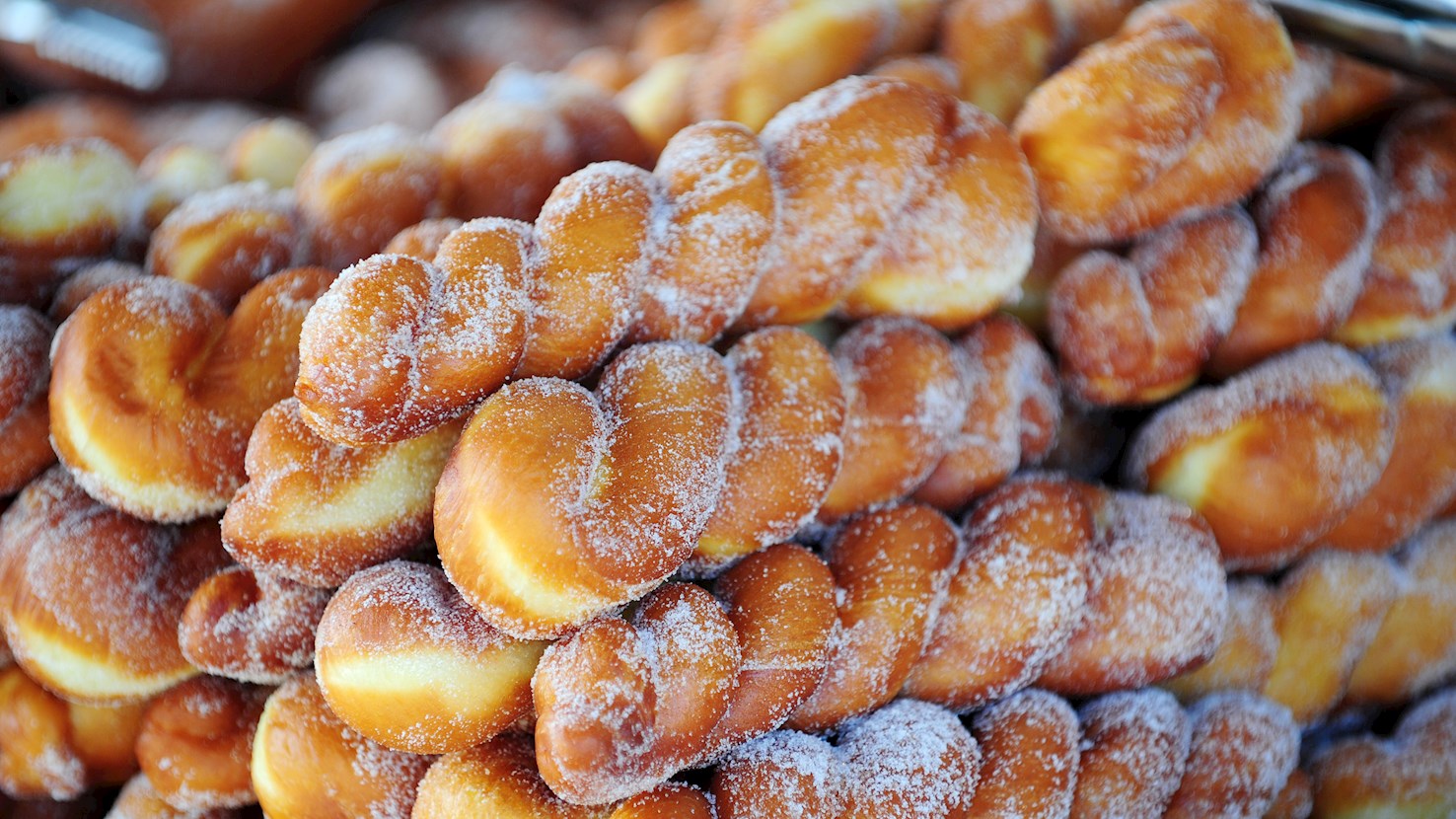
Kkwabaegi are traditional South Korean twisted donuts. They're usually made with a combination of flour, butter, sugar, milk, eggs, yeast, salt, corn oil, and cinnamon. Melted butter is mixed with milk, sugar, salt, eggs, yeast, and flour. The dough is kneaded, wrapped, left to rise, kneaded again, and left to double in size one more time. Pieces of dough are rolled into ropes that are twisted into short braids, and then fried in oil on both sides until golden brown. The twisted donuts are rolled in cinnamon sugar while still warm, and kkwabaegi is then ready to be enjoyed. These donuts can be found in most Korean bakeries.
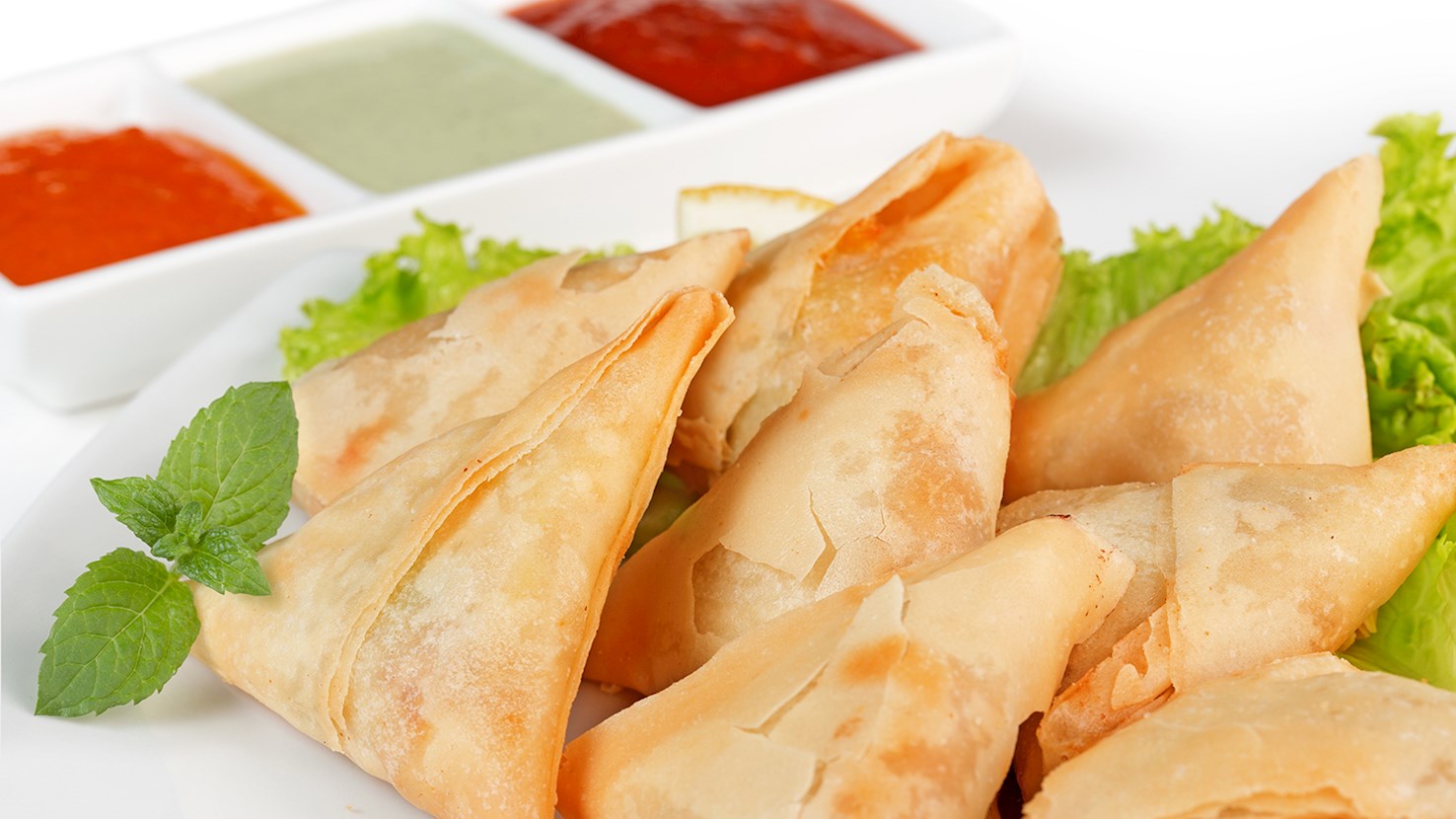
Curry beef triangle is a pastry originating from Hong Kong. In order to prepare it, the dough is shaped into a circle, then usually filled with a combination of ground beef, onions, garlic, curry powder, and peas. It is then folded into a triangle, sealed with beaten eggs, and fried in oil over high heat. If properly prepared, the outside should be thick, crunchy, and flaky while the interior remains succulent.
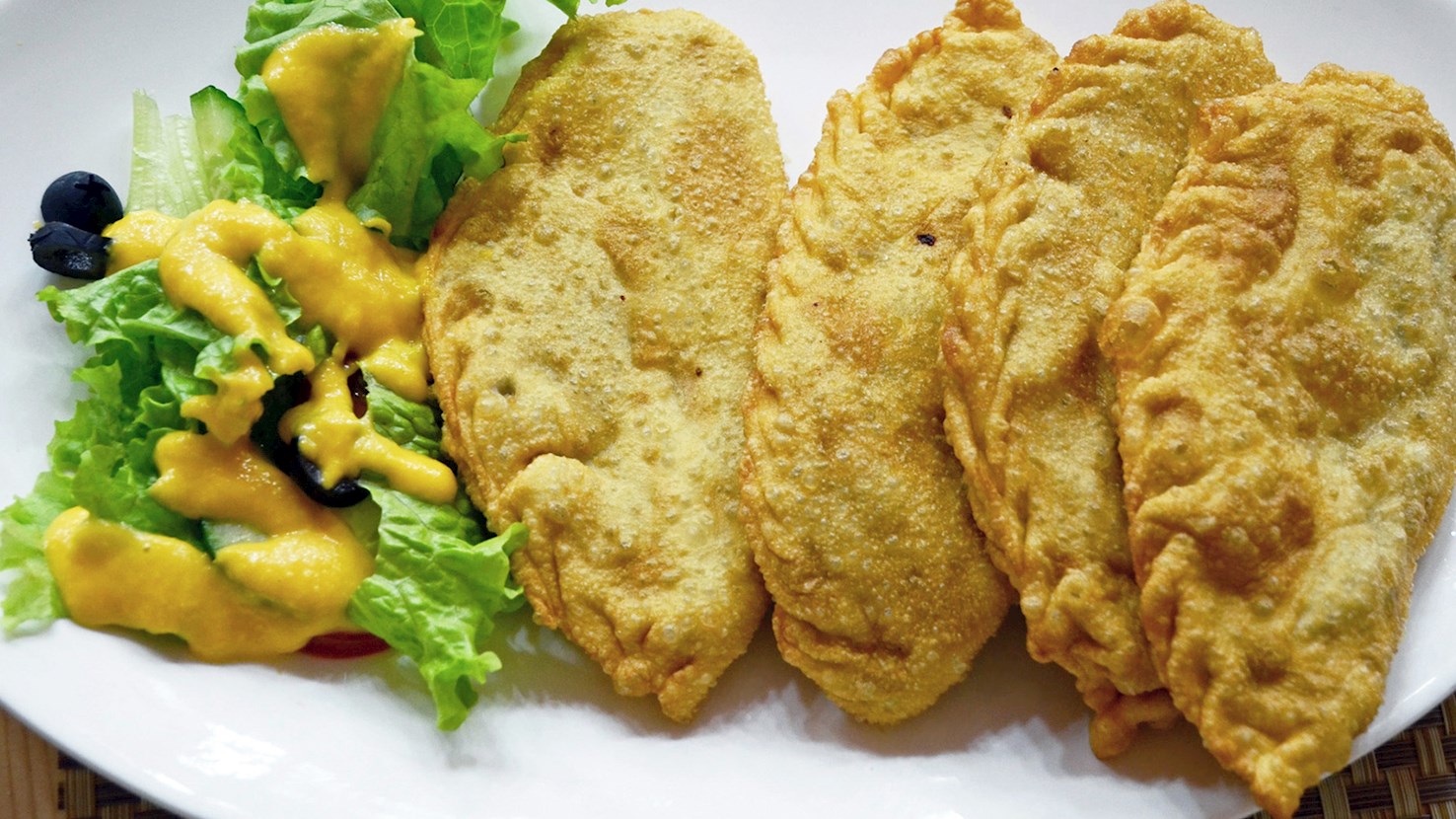
Khuushuur is a savory Mongolian pastry that is traditionally filled with a mixture of ground mutton and onions, but there are a few variations that include beef, garlic or peppers, as well as other vegetables. This crescent-shaped pastry is usually deep-fried and is meant to be eaten by hand. It is mostly enjoyed as street food, but it is also served in local restaurants, where the order usually includes four pieces of khuushuur accompanied by lettuce or pickles.
Cōng yóu bābā is a savory, donut-shaped pancake from Hunan province, known for its crisp exterior, soft interior, and aromatic scallion flavor. It is a popular street food and breakfast item, often eaten on its own or paired with noodles and soup, and is especially common in urban markets and small-town eateries where quick, satisfying snacks are part of daily life. Its name translates literally to “scallion oil baba,” referring to the two defining elements of the dish: finely chopped scallions and the oil in which it is cooked. The origins of cōng yóu bābā are rooted in the broader Chinese custom of frying dough as an accessible and filling food, a practice that dates back centuries. In Hunan, where scallions are widely used to enhance savory dishes, cooks adapted this technique to create a more flavorful and aromatic version of fried dough. Over time, the snack evolved from simple street-side sustenance into a recognizable specialty of the region, often linked to breakfast culture and market food stalls. Making cōng yóu bābā begins with a basic dough of rice flour, water, salt, and chopped scallions. The dough is kneaded until smooth, then shaped into small rings or flattened rounds with a hole in the center. These are shallow-fried or pan-fried in oil until golden and crisp on the outside while remaining soft and slightly chewy inside. The frying process allows the scallions to release their aroma into the dough and oil, resulting in a rich, savory flavor. Some variations include a touch of sesame oil for added fragrance or a sprinkle of salt on the surface just before frying. The finished bābā is typically served warm, either plain or accompanied by chili sauce, soy-based dips, or pickled vegetables. Cōng yóu bābā is most commonly eaten fresh off the griddle in morning markets, where vendors serve it as a quick breakfast to be eaten by hand. It is also a common side item with bowls of rice noodles or soup, where its savory flavor and slight crispness complement softer textures. In some areas, it is enjoyed with hot soy milk or congee, while in others it may be paired with spicy chili paste for added heat.
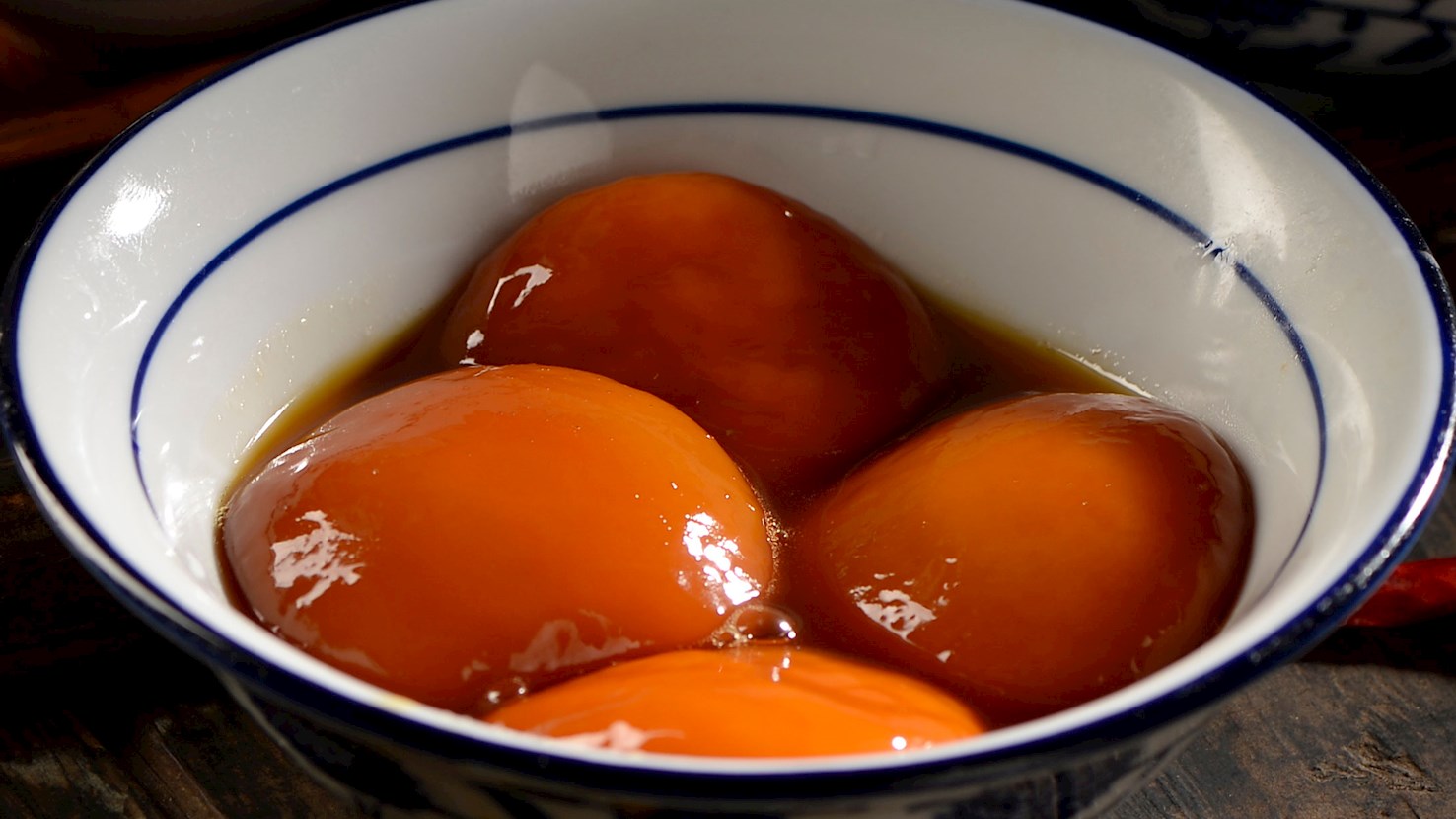
Táng yóu bābā is a sweet, sticky pastry from Xiangtan in Hunan province, known for its chewy glutinous rice dough coated in caramelized sugar syrup. Its name translates to “sugar oil baba,” referring to the two essential elements that define it: sweet syrup and fried dough. The dessert is especially popular during festivals, family gatherings, and celebratory occasions, where it is often served as a treat symbolizing happiness and good fortune. The origins of táng yóu bābā are closely linked to the food culture of central China, where glutinous rice has long been a staple ingredient in festive sweets and ceremonial foods. It is believed to have been developed by local families who sought to transform simple, readily available ingredients, rice flour, sugar, and oil, into a luxurious dessert. Over time, the recipe became a cherished part of regional celebrations, often associated with Lunar New Year feasts, weddings, and birthdays. Its texture and sweetness also reflect historical preferences in southern Chinese desserts, which favor chewy, slightly elastic pastries enriched with sugar and oil rather than baked goods. Preparation begins with glutinous rice flour mixed with water to form a soft, pliable dough, which is then shaped into small, round cakes or patties. These pieces are deep-fried in oil until golden and crisp on the outside while remaining tender and chewy inside. In a separate pan, sugar is gently melted into a syrup, often with a splash of water or maltose to achieve the right viscosity, and sometimes flavored with osmanthus or honey. The fried cakes are then tossed in the bubbling syrup, which coats them in a glossy, amber-colored layer that hardens slightly as it cools, forming a delicate shell that contrasts with the soft interior. Táng yóu bābā is most often eaten freshly made, when the sugar coating is still warm and slightly brittle. It is served on its own as a dessert or snack but is also enjoyed alongside tea, which helps balance its sweetness. In some regions, it is paired with lightly salted snacks or simple savory dishes to create contrast in a celebratory meal.
TasteAtlas food rankings are based on the ratings of the TasteAtlas audience, with a series of mechanisms that recognize real users and that ignore bot,
nationalist or local patriotic ratings, and give additional value to the ratings of users that the system recognizes as knowledgeable.
For the “Top 6 Fried Dough Foods in East Asia” list until June 15, 2026, 453 ratings were recorded, of which 167 were recognized by the system as legitimate.
TasteAtlas Rankings should not be seen as the final global conclusion about food. Their purpose is to promote excellent local foods,
instill pride in traditional dishes, and arouse curiosity about dishes you haven’t tried.