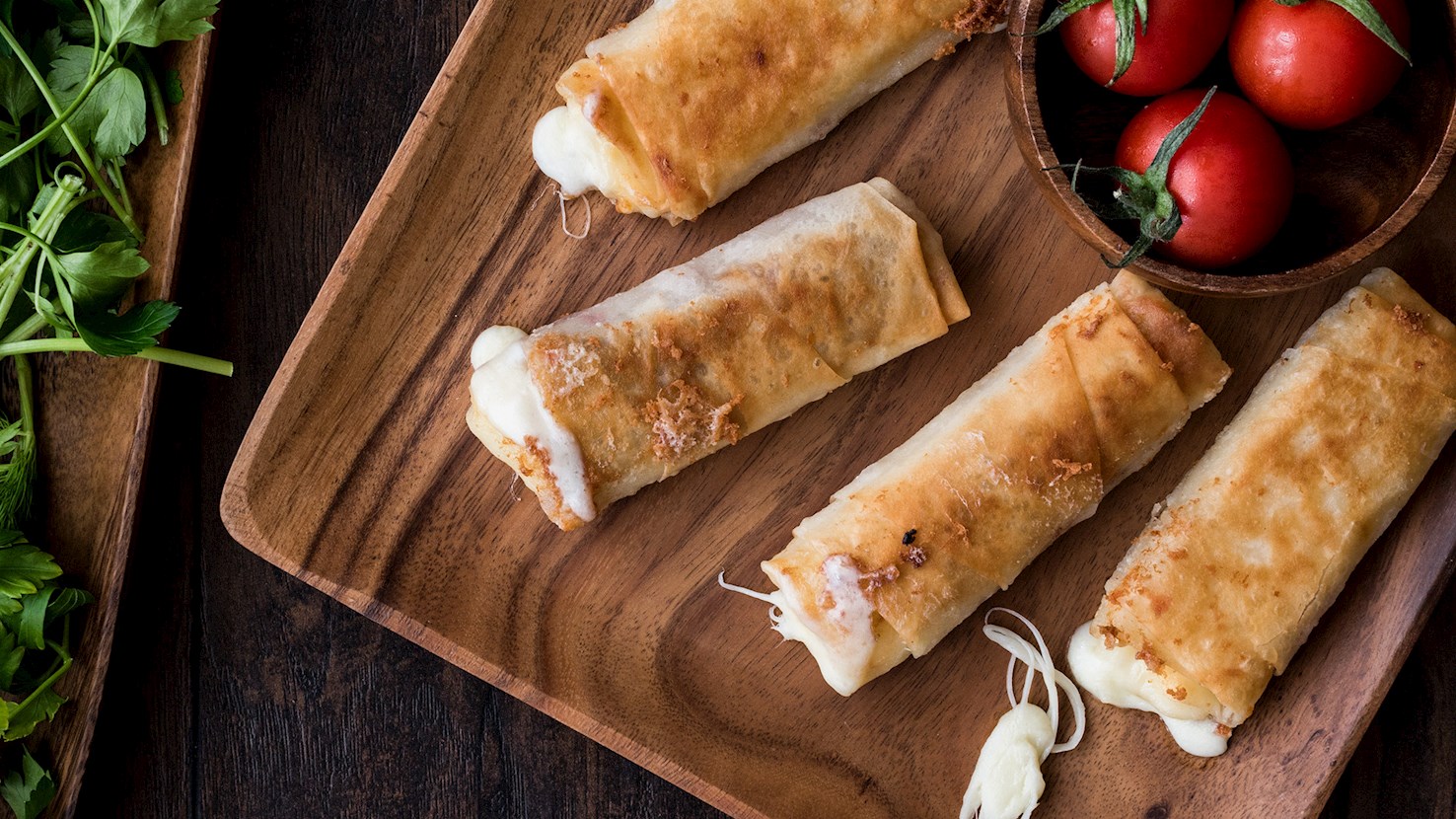
Paçanga böreği is a Turkish börek variety that's especially popular in the region of Anatolia and in Istanbul, where it's regarded as a traditional Sephardic Jewish specialty of the city. It's made by stuffing yufka or phyllo pastry with pastirma (salted, aged, dried beef) and kasar cheese. Apart from the basic ingredients, some people also like to add peppers and tomatoes to the filling. The dough is rolled, cut into rectangles, then fried. This börek can also be baked, but frying is the traditional method. Paçanga böreği is served hot and it's typically eaten as an appetizer.
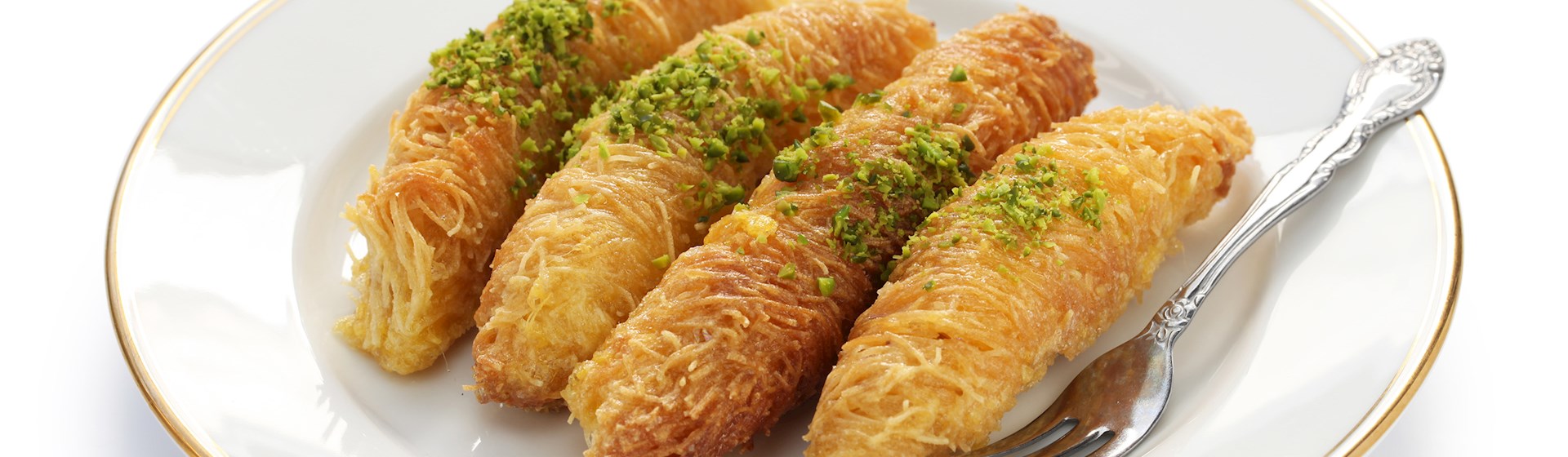
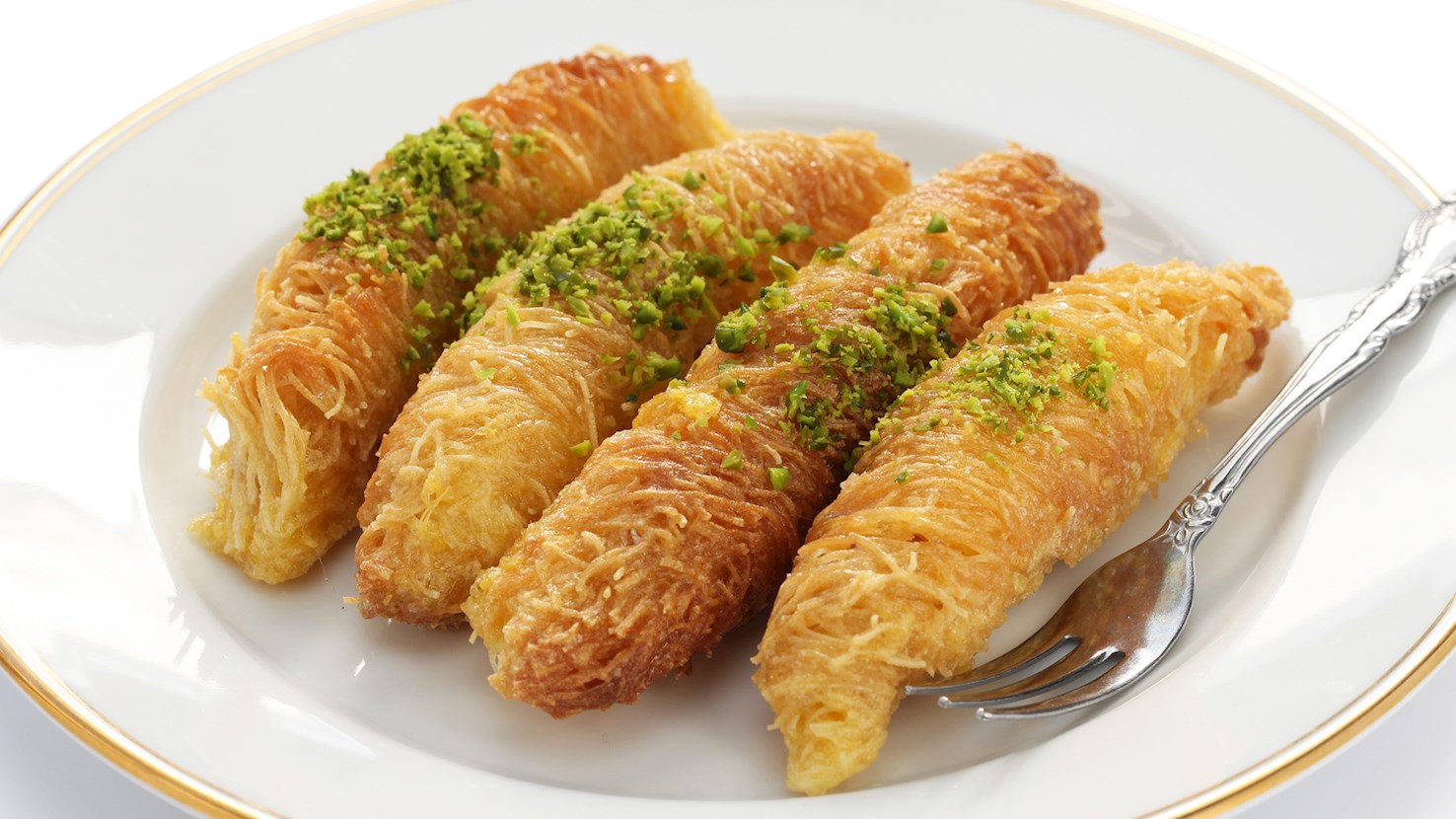
Hailing from Erzurum, kadayıf dolması is a Turkish dessert made with thin shreds of kadayıf dough that are wrapped around a nut filling. The dough is flattened and stuffed with roughly chopped or ground nuts before it is rolled into small elongated rolls that are coated in lightly beaten eggs before they are fried. The fillings usually include pistachios or walnuts, while kaymak—a type of thick clotted cream—is occasionally used as a garnish. Kadayıf dolması is doused in a thick lemon-flavored sugar syrup, and it is usually served topped with ground nuts. It is best enjoyed with a cup of tea on the side.
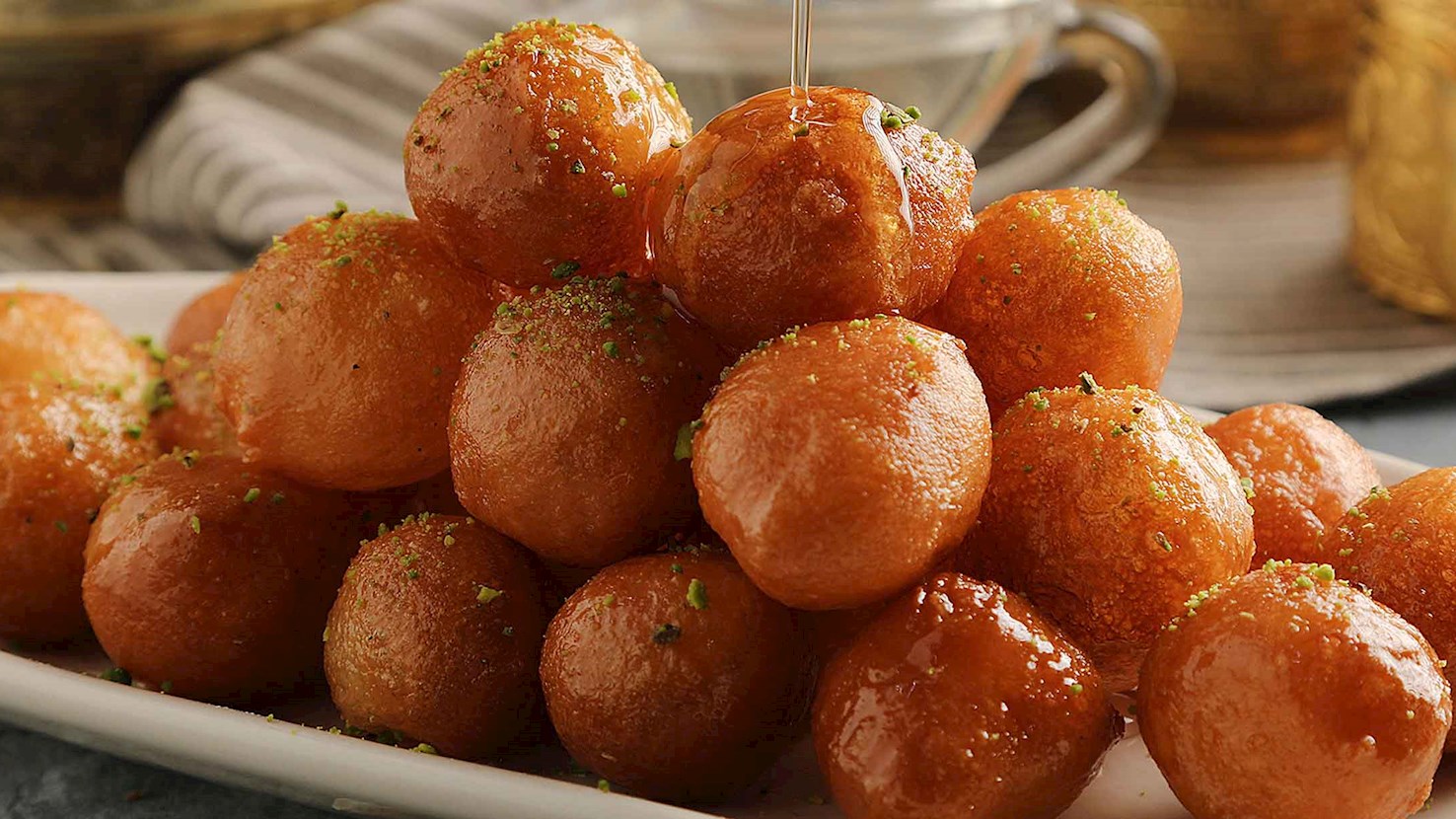
This internationally known, decadent, and sugar-packed dessert is usually made with a mixture of flour, sugar, yeast, and salt, which is deep-fried and then bathed in syrup or honey. The origin of lokma fritters is ancient but often debated. It is presumed that they first appeared in Greece or Turkey, though some suggest Arabic origin. The dish is considered to be one of the oldest recorded desserts in Greek history. It is said that the pastries were even given to winning Olympians as a treat and were called honey tokens. Loukoumades, or loukmades in Cyprus, can be found throughout the streets of Greece, in shops selling nothing else but this caloric dessert. Alternatively, loukoumades can be topped with Greek cheese, chocolate, sesame seeds, or walnuts. In Turkey, lokma fritters are best enjoyed while still warm. They are drizzled with honey or syrup and can occasionally be sprinkled with either ground cinnamon, walnuts, or pistachios. The name probably stems from from Arabic luqma, meaning bite or mouthful, and it is said that lokmas were first prepared in Turkey by the sultans' cooks in palaces of the Ottoman Empire, though the oldest documentation of a similar dish was even found in the tomb of Ramses IV. In some Middle Eastern and Levant countries, this dessert is known as luqaimat or luqmat al-qadi, which roughly translates as judge's mouthful. The deep-fried balls are usually covered with date syrup, honey, or flavored syrups, while some prefer them sprinkled with various seeds. They are also often flavored with saffron or cardamom. The dessert is traditionally made in the month of Ramadan, and consumed after iftar, or breaking the fast. The dish is also found in some African countries, where it appears under various names.
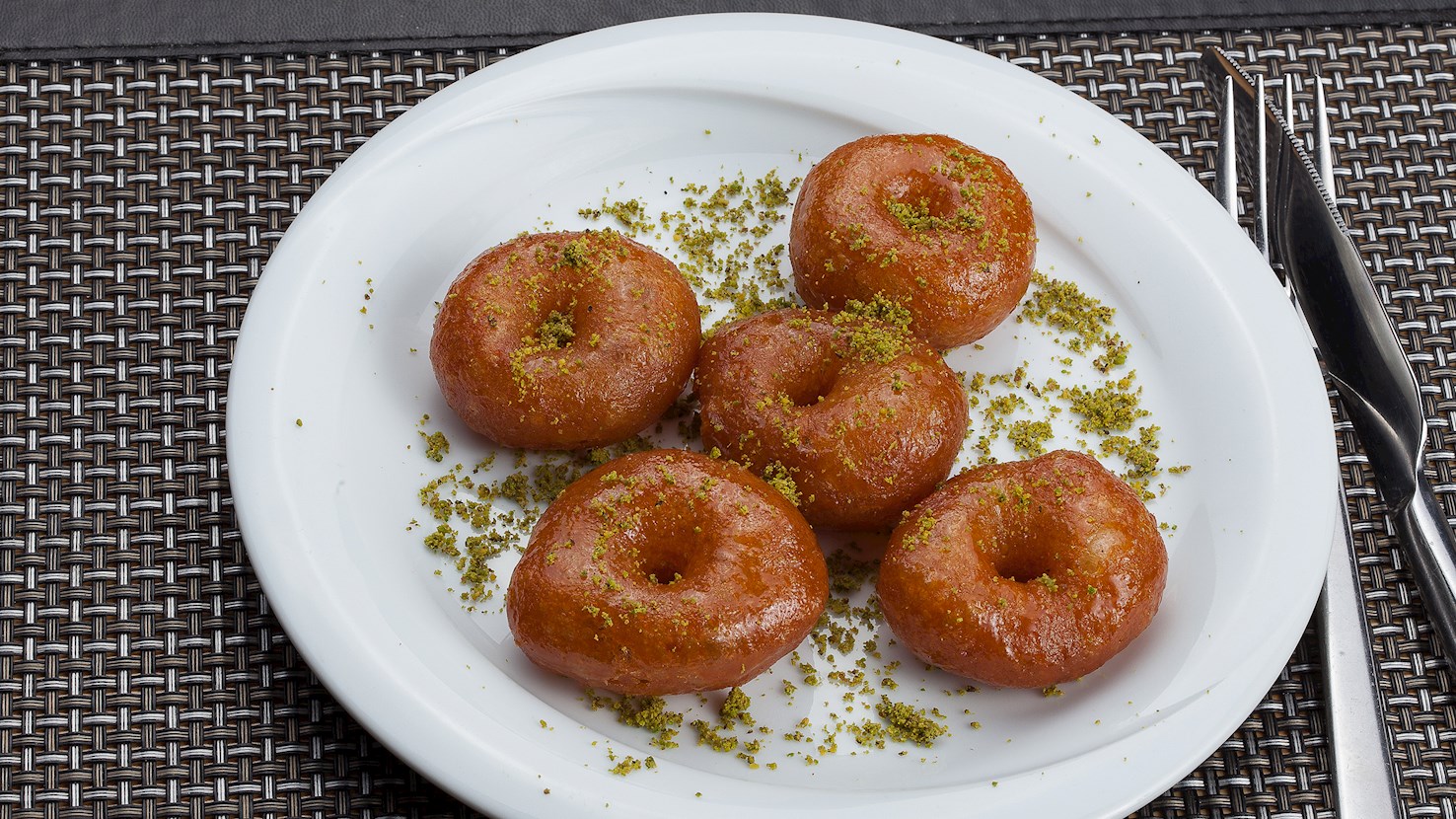
Hanım göbeği is a traditional sweet pastry originating from Turkey. It consists of choux pastry balls that are pressed in the middle to create a dimple, then deep-fried in hot oil and soaked in sugar syrup. The name of this sweet treat means lady's navel, hence the indentation in the middle of the pastry. The dough is made with a combination of flour, sugar, eggs, butter, and salt, while the syrup is made with a mixture of sugar, water, and lemon juice. The dough should be fried in oil over medium heat, and the pastry is then placed into cold syrup.
TasteAtlas food rankings are based on the ratings of the TasteAtlas audience, with a series of mechanisms that recognize real users and that ignore bot,
nationalist or local patriotic ratings, and give additional value to the ratings of users that the system recognizes as knowledgeable.
For the “Top 4 Turkish Fried Dough Foods” list until June 15, 2026, 881 ratings were recorded, of which 492 were recognized by the system as legitimate.
TasteAtlas Rankings should not be seen as the final global conclusion about food. Their purpose is to promote excellent local foods,
instill pride in traditional dishes, and arouse curiosity about dishes you haven’t tried.