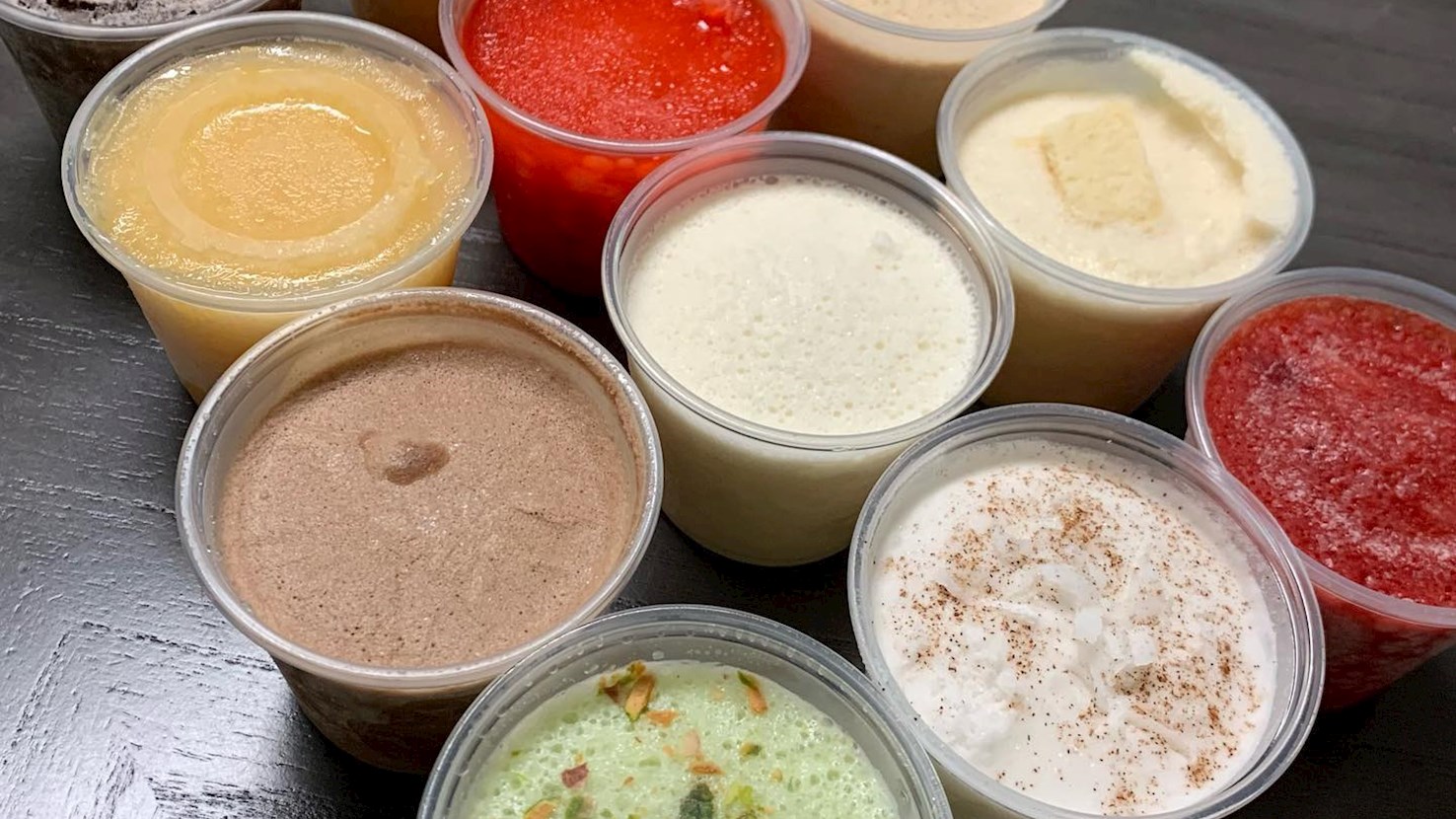
Limber is a Puerto Rican frozen treat consisting of coconut milk, pineapple juice, and sweeteners such as sugar. There are numerous variations, so it can also be prepared with mangos or raspberries. This dessert is named after Charles A. Lindbergh, who was the first pilot to fly across the Atlantic Ocean. When he flew to Puerto Rico, the locals offered him a frozen fruit juice, which he enjoyed, so the people named it Limber in his honor. Nowadays, Limber can be found at numerous roadside fruit stands and gas stations in Puerto Rico.
Soursop ice cream is a Caribbean dessert that is especially popular in Trinidad and Tobago. It is made with ripe soursop, water, cornstarch, condensed milk, salt, and sometimes a few splashes of bitters. After the combination has been churned, it is then stored in the freezer until firm in texture. This unique ice cream variety is enjoyed throughout the year.
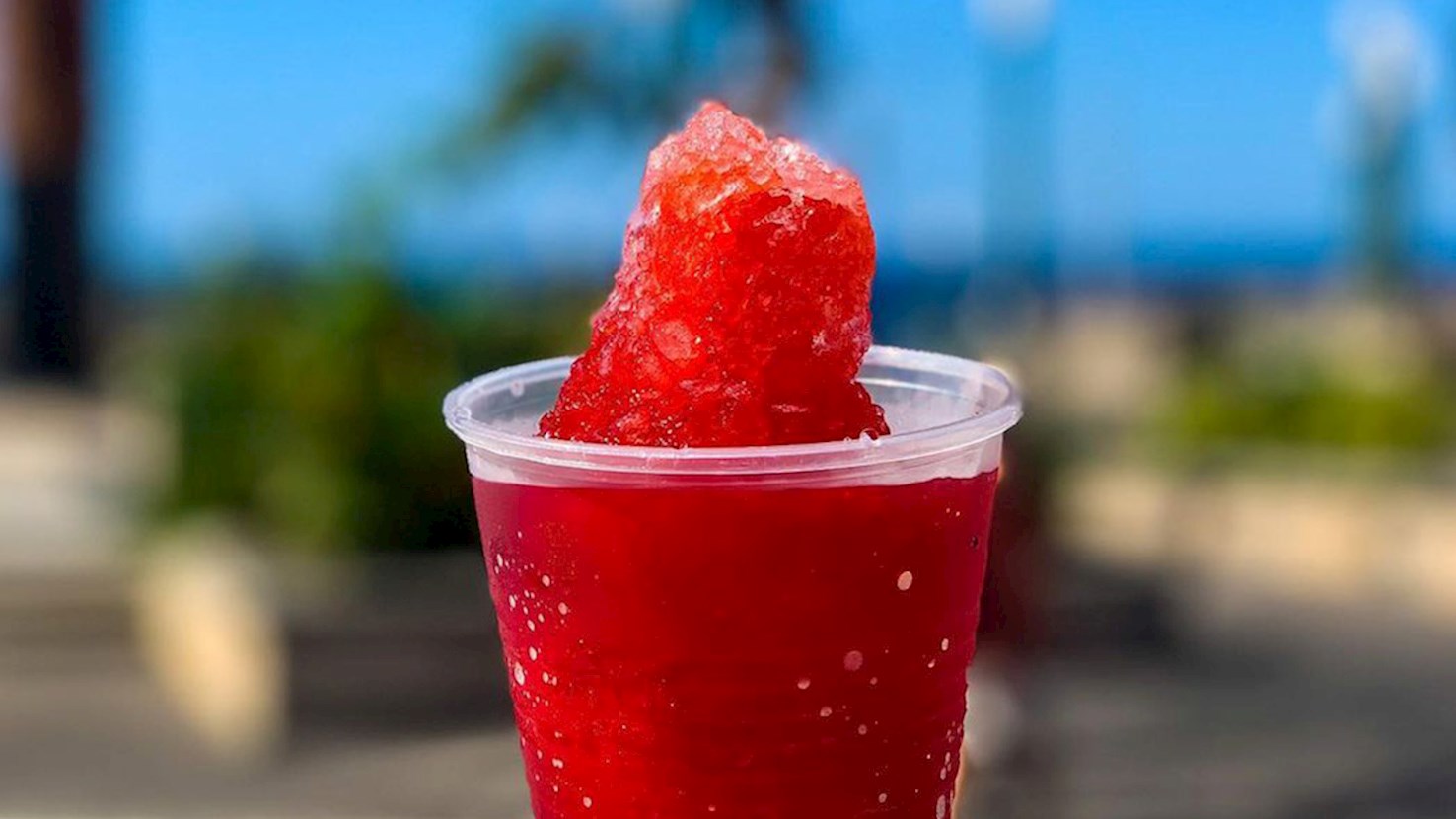
Piragua is a frozen dessert made from hand-shaved ice shaped into a pointed cone and covered generously with flavored syrup. Street vendors known as piragüeros traditionally sell it from small, brightly painted pushcarts carrying a large block of ice, bottles of syrup, and the tools needed to prepare each serving. Piraguas became firmly established in Puerto Rican street life in the early 20th century, although their exact date and place of origin are unknown. By the 1930s, the frozen treat was familiar enough to appear in records of Puerto Rican vocabulary, and the piragüero became a recognizable figure in town squares, neighborhoods, parks, and other busy public spaces. The name is commonly explained as a combination of the Spanish words pirámide, meaning pyramid, and agua, meaning water, referring to the distinctive pointed mound of ice. The word piragua, however, existed in Puerto Rican Spanish long before the dessert and had also been used for a type of canoe and other objects, so the precise development of the dessert's name is not completely certain. Traditionally, a piragüero keeps a solid block of ice inside the cart and shaves its surface by hand with a metal scraper. The resulting ice is finer than crushed ice but generally has more texture than very soft snow-like shaved ice. It is collected in a paper or plastic cup and shaped into the characteristic pointed mound that rises above the rim. Flavored syrup is then poured generously over the ice until it penetrates the shavings and collects toward the bottom of the cup. The syrups are generally made from water and sugar, flavored with fruit, extracts, or other flavorings rather than fresh fruit purée. Tamarind, coconut, passion fruit, guava, lemon, strawberry, and china, the Puerto Rican term for sweet orange, are among the flavors closely associated with piraguas. The syrups are usually brightly colored, though artificial coloring isn't essential to every traditional syrup. Piragua is eaten immediately, before the tropical heat melts the finely shaved ice. As it begins to melt, the syrup combines with the water at the bottom of the cup, producing a cold, sweet liquid that can be sipped through a straw or drunk directly from the cup. The piragüero and his cart are as much a part of the tradition as the dessert itself. Vendors traditionally push their carts through neighborhoods or set up near plazas, beaches, parks, schools, and festivals, shaving each piragua to order from the block of ice. Puerto Rican migration also carried the custom to cities in the mainland United States, especially New York, where piragüeros became a familiar summer presence in Puerto Rican neighborhoods during the 20th century.
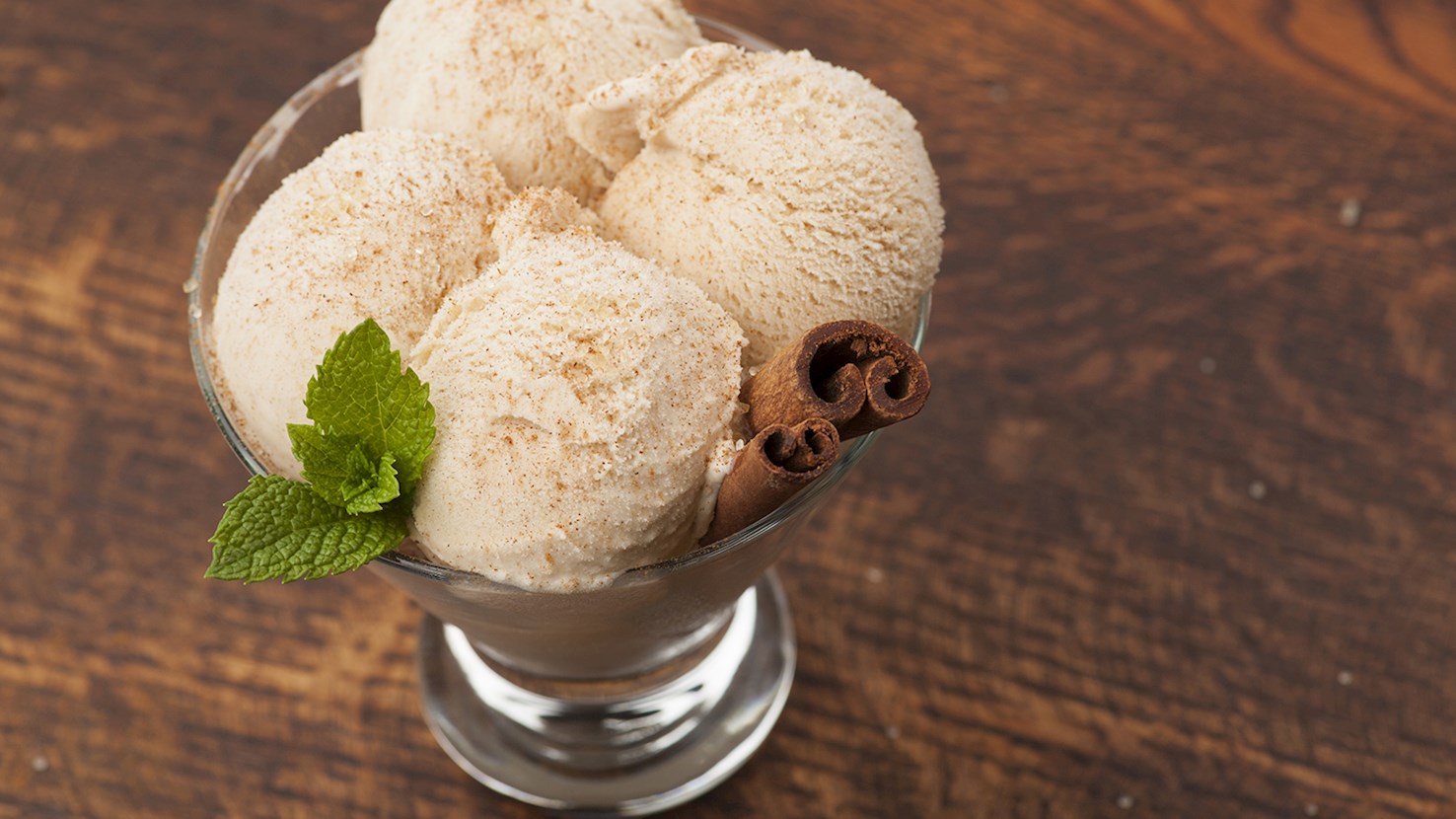
Nutmeg ice cream is the most popular dessert in Grenada, consisting of milk, heavy cream, sugar, egg yolks, and nutmeg. The important thing to know about the preparation of this unique delicacy is that the nutmeg should be freshly grated, instead of using the powdered varieties. When the ice cream is ready for consumption, it is recommended to serve it in cups, with cinnamon sticks as garnishes.
Trinidadian sucka bag is a frozen dessert from Trinidad and Tobago. Trinidadian sucka bag consists of a creamy, slightly sweet frozen mixture of coconut milk, condensed milk, evaporated milk, custard powder, sugar, vanilla or mixed essence and a touch of salt, poured into small clear plastic bags and frozen so the contents become firm yet scoopable straight from the bag. Its development comes from local home kitchens and small parlors where this treat was made to offer a cool refreshment in the island’s hot climate, becoming a familiar snack for children and adults during heat and at casual gatherings. Preparation begins by boiling custard powder in water and letting it cool, blending fresh grated coconut with water and straining to make coconut milk, combining the coconut milk with condensed and evaporated milk, stirring the custard into the milk mixture, adding brown sugar, essence and salt, straining the mixture again and then pouring it into small clear bags, sealing them tightly and placing them in the refrigerator until the liquid is fully frozen. Common variations involve substituting coconut with vanilla or other flavors such as rum and raisin, fruit or chocolate, adjusting sweetness, or adding coloring, while the defining element remains a creamy frozen fill inside small bags designed to be eaten directly. It is eaten frozen, typically held by the top and bitten or opened at a corner to suck or spoon out the contents, commonly offered at roadside stops, corner shops and local events, and it pairs naturally with cold drinks like fruit juice, coconut water or chilled soft drinks that complement its cool, sweet profile.
Soursop ice block is a unique Trini treat that is especially popular on extremely hot days. It is made with soursop pulp, water, condensed milk, and a small amount of bitters. The ingredients are simply blended together until smooth, then transferred to ice trays to freeze. After being frozen, this tasty ice cream is ready for consumption.
TasteAtlas food rankings are based on the ratings of the TasteAtlas audience, with a series of mechanisms that recognize real users and that ignore bot,
nationalist or local patriotic ratings, and give additional value to the ratings of users that the system recognizes as knowledgeable.
TasteAtlas Rankings should not be seen as the final global conclusion about food. Their purpose is to promote excellent local foods,
instill pride in traditional dishes, and arouse curiosity about dishes you haven’t tried.





What People Say