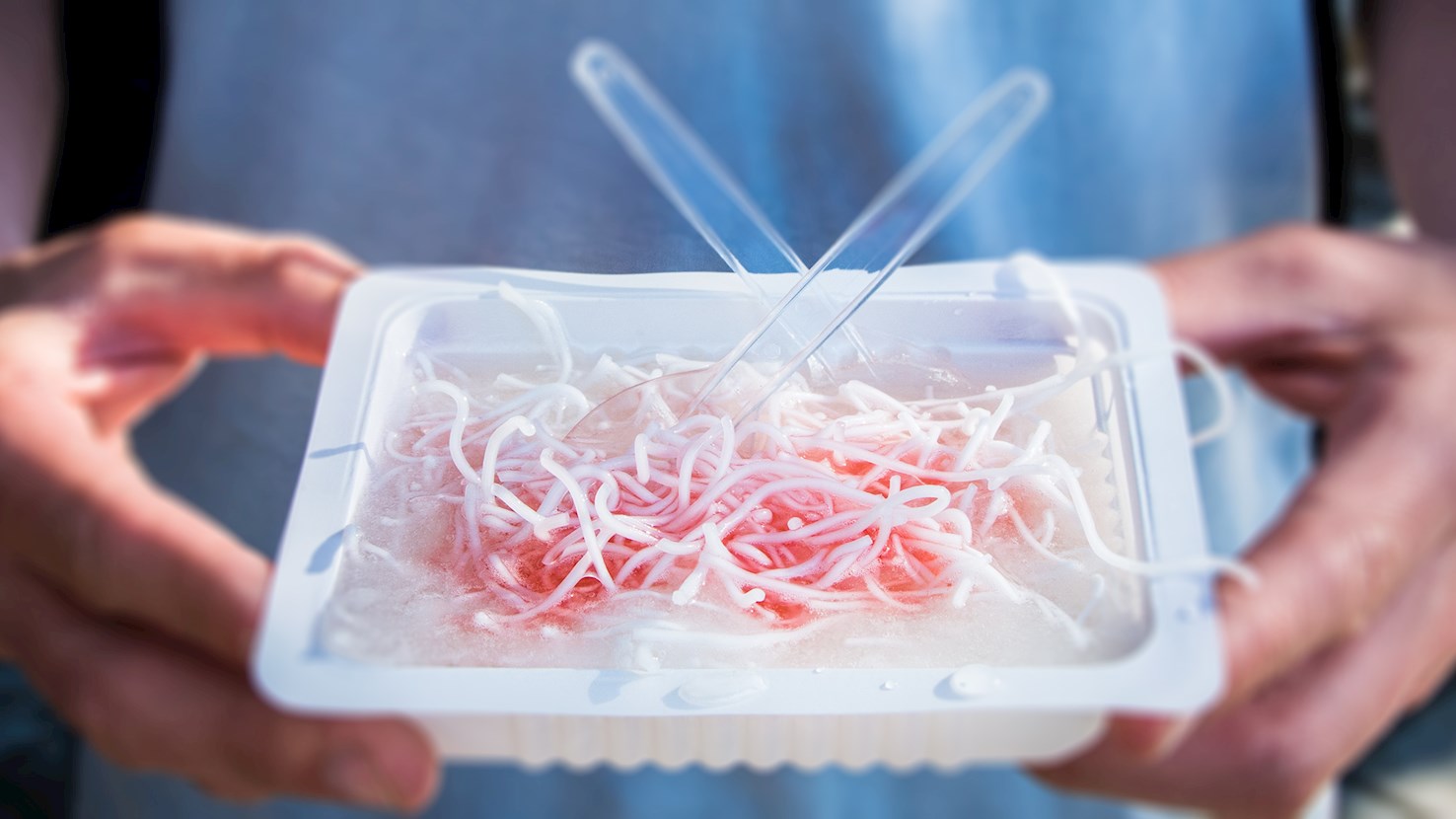
Faloodeh is an Iranian frozen dessert originating mainly from Shiraz, recognized for its combination of thin vermicelli noodles mixed into a lightly sweetened, semi-frozen syrup flavored with rosewater and lime juice. This distinctive confection stands out among Persian sweets for its refreshing, icy texture and delicate floral aroma. It has been part of Iran’s culinary identity for centuries and is still a popular way to cool down during hot seasons. The origins of faloodeh are believed to trace back to the ancient Persian Empire, where early forms of chilled desserts were prepared using snow from the mountains stored in yakhchals, the domed ice houses designed to keep ice and food cold. Over time, methods for freezing sweetened liquids evolved into more sophisticated recipes, with faloodeh emerging as a recognizable preparation by the medieval period. The dessert eventually spread along trade routes, influencing and inspiring similar iced dishes in South Asia and beyond. Preparation begins with rice starch, which is cooked into a smooth, thick paste, then pressed through a sieve to create delicate, noodle-like strands. These strands are cooled quickly to firm up their shape. Separately, a light syrup is prepared from water and sugar and infused generously with rosewater. Once the syrup is chilled, the noodles are mixed in and the mixture is partially frozen, stirred regularly to form a granular, slushy consistency rather than a solid block of ice. In some regions, a splash of fresh lime or sour cherry juice is stirred in for a tart edge that balances the sweetness. Faloodeh is served in shallow dishes or glass bowls, often garnished with extra lime juice or a drizzle of sour cherry syrup. Many shops offer it with a scoop of Persian saffron ice cream (bastani sonnati) on top, creating a contrasting blend of textures and flavors. Throughout Shiraz, it is sold in dedicated dessert parlors and from small stands, especially in the warm evenings when people gather outdoors to socialize and cool off.
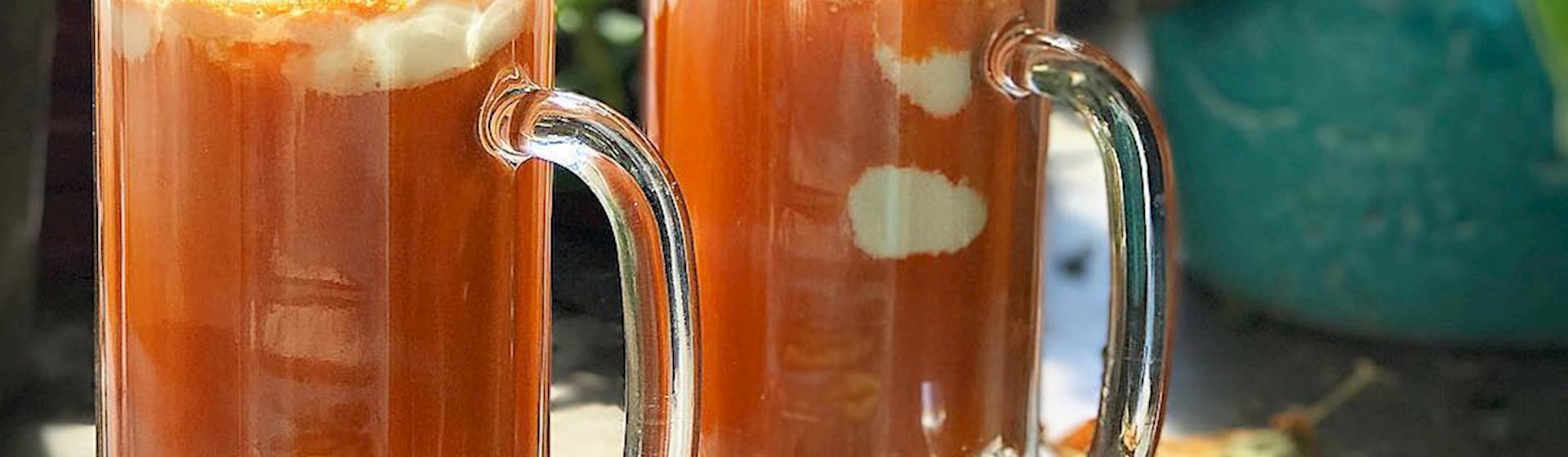
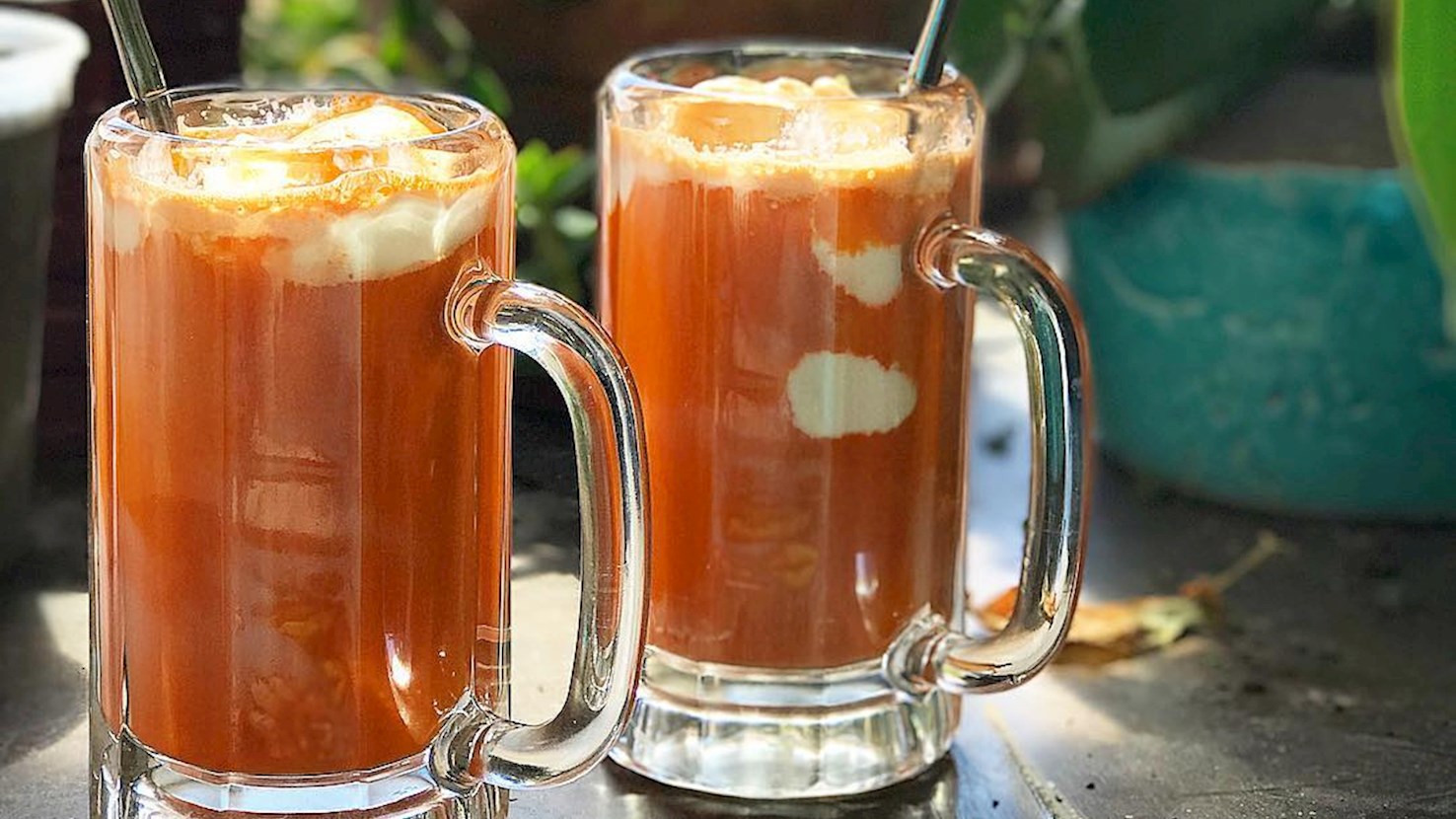
Havij bastani is a distinctive Iranian dessert beverage that combines carrot juice with ice cream to create a refreshing treat with both creamy and earthy flavors. This dessert is popular across Iran, especially in teahouses, juice shops, and during warmer months when its vivid color and rich sweetness offer a cooling respite. The name translates simply to “carrot ice cream,” and it is most commonly associated with Tehran and other large cities where juice culture has been an integral part of social life. The origins of havij bastani can be traced to Iran’s longstanding appreciation for fresh juices and dairy-based desserts. Throughout the 20th century, with the rise of modern cafes and ice cream parlors, carrot juice became a popular base for combining with creamy components such as bastani sonnati (saffron ice cream) or vanilla ice cream. As refrigeration and juicing equipment became more accessible, this combination was standardized into a menu item offered alongside other chilled beverages like faloodeh or sharbat. To prepare havij bastani, fresh carrots are juiced until smooth and slightly sweet. The juice is chilled and poured into tall glasses. A scoop or two of bastani sonnati or simple vanilla ice cream is gently added, creating a layered effect as the ice cream slowly melts into the juice. In some regions, a splash of rosewater or a sprinkle of cinnamon is used to enhance the aroma. Occasionally, crushed pistachios or slivered almonds are offered as a garnish. The dessert is served immediately with a straw and a long spoon to allow for sipping and scooping together. Havij bastani is enjoyed in cafes, juice bars, and even at home, often shared among family and friends as an afternoon refreshment or after a leisurely meal.
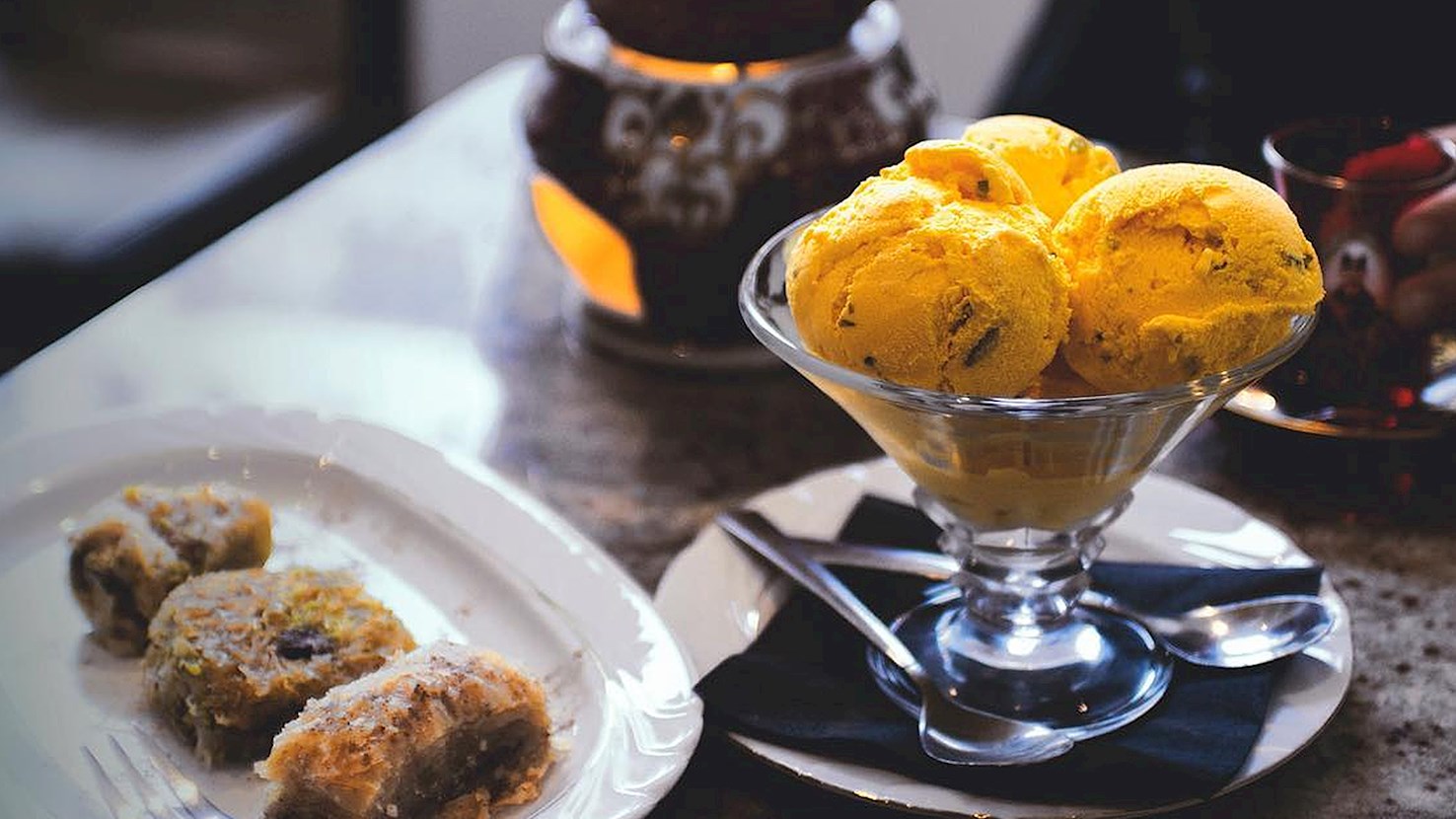
Bastani sonnati is a unique saffron-infused Iranian ice cream that was invented at the beginning of the 20th century by Akbar Mashti, the first ice cream vendor in Tehran. The name “bastani sonnati” means “classic ice cream,” emphasizing its status as a benchmark of Iranian confectionery. The base is a dense custard made by combining milk, cream, egg yolks, and sugar, then cooking it gently to achieve a smooth consistency. What sets bastani sonnati apart is the addition of saffron, rosewater, and ground cardamom, which infuse the ice cream with a vivid yellow color and a distinctly floral aroma. Salep, a flour derived from orchid tubers, is also incorporated, lending the mixture a stretchy, elastic quality similar to Turkish dondurma. Small pieces of frozen clotted cream, called makhloot, are sometimes folded in, creating pockets of rich creaminess in each bite. After churning, bastani is packed into shallow containers and stored at low temperatures to set. Before serving, it is often garnished with chopped pistachios, which add texture and contrast. In Iranian ice cream parlors, it is common to see bastani sonnati served alongside faloodeh, a frozen dessert made from thin vermicelli noodles in rosewater syrup. The combination of the creamy bastani and the icy faloodeh has become an iconic pairing in Iran. Unlike Western-style ice cream, bastani sonnati is known for its dense body and slower melt, which allows the saffron and rosewater aromas to linger on the palate. Many recipes are closely guarded by families or vendors, with proportions of salep and flavorings varying from one confectioner to another. Its production still relies on skill and careful handling to achieve the right balance of elasticity and smoothness.
TasteAtlas food rankings are based on the ratings of the TasteAtlas audience, with a series of mechanisms that recognize real users and that ignore bot,
nationalist or local patriotic ratings, and give additional value to the ratings of users that the system recognizes as knowledgeable.
For the “Top 3 Iranian Frozen Desserts” list until July 15, 2026, 400 ratings were recorded, of which 187 were recognized by the system as legitimate.
TasteAtlas Rankings should not be seen as the final global conclusion about food. Their purpose is to promote excellent local foods,
instill pride in traditional dishes, and arouse curiosity about dishes you haven’t tried.