


shutterstock

Top 43 Western European Frozen Desserts

Last updated on June 15, 2026
01

Gelato al pistacchio

4.4 ·

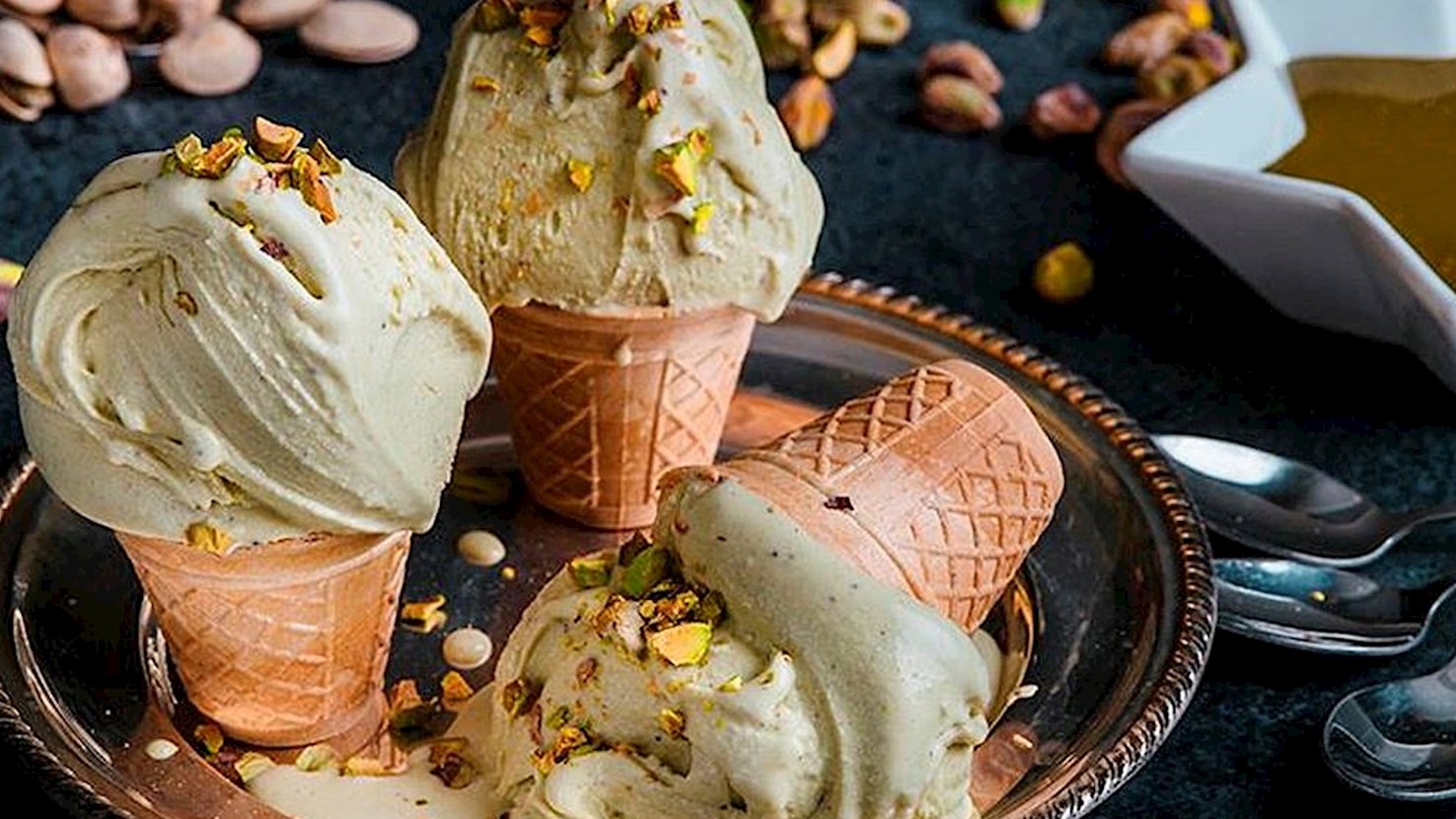
Pistachio is one of the most popular flavors of Italian gelato. A mainstay in every gelateria, in its original form, this frozen treat combines pistachio paste with the classic base of milk, cream, eggs, and sugar. Occasionally, crushed and toasted pistachios can be added, but the basic texture should always remain dense and creamy. Due to the high prices of pistachios and pistachio paste, many gelaterias nowadays opt for cheaper replacements, but the best pistachio is considered to be the grown in a small Sicilian town of Bronte.

02

Gelato alla nocciola

4.3 ·

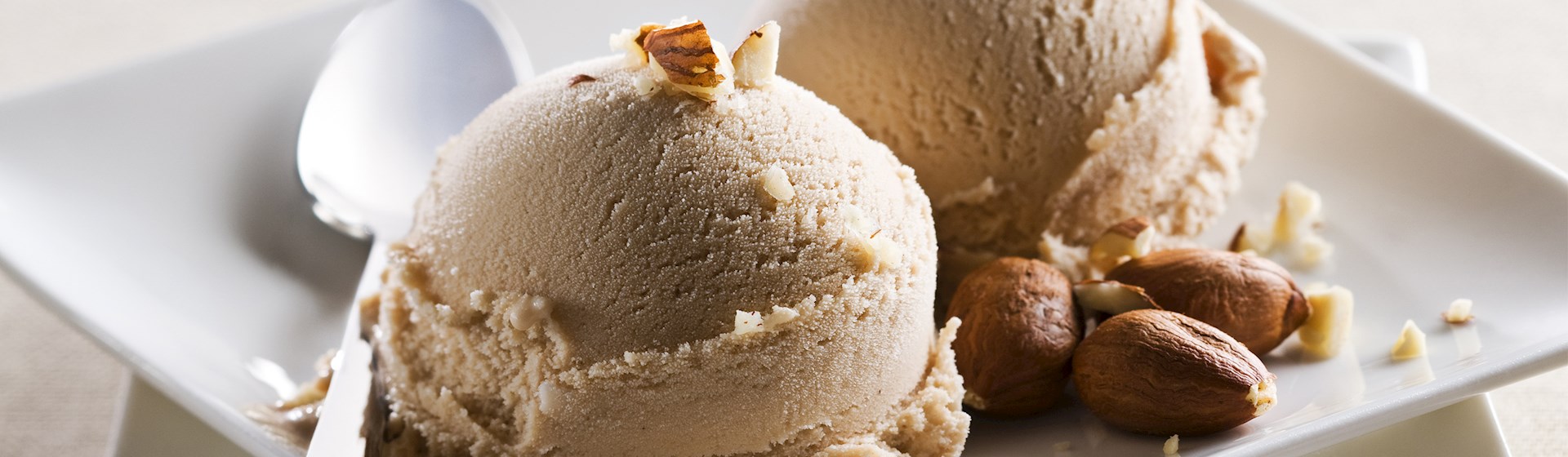
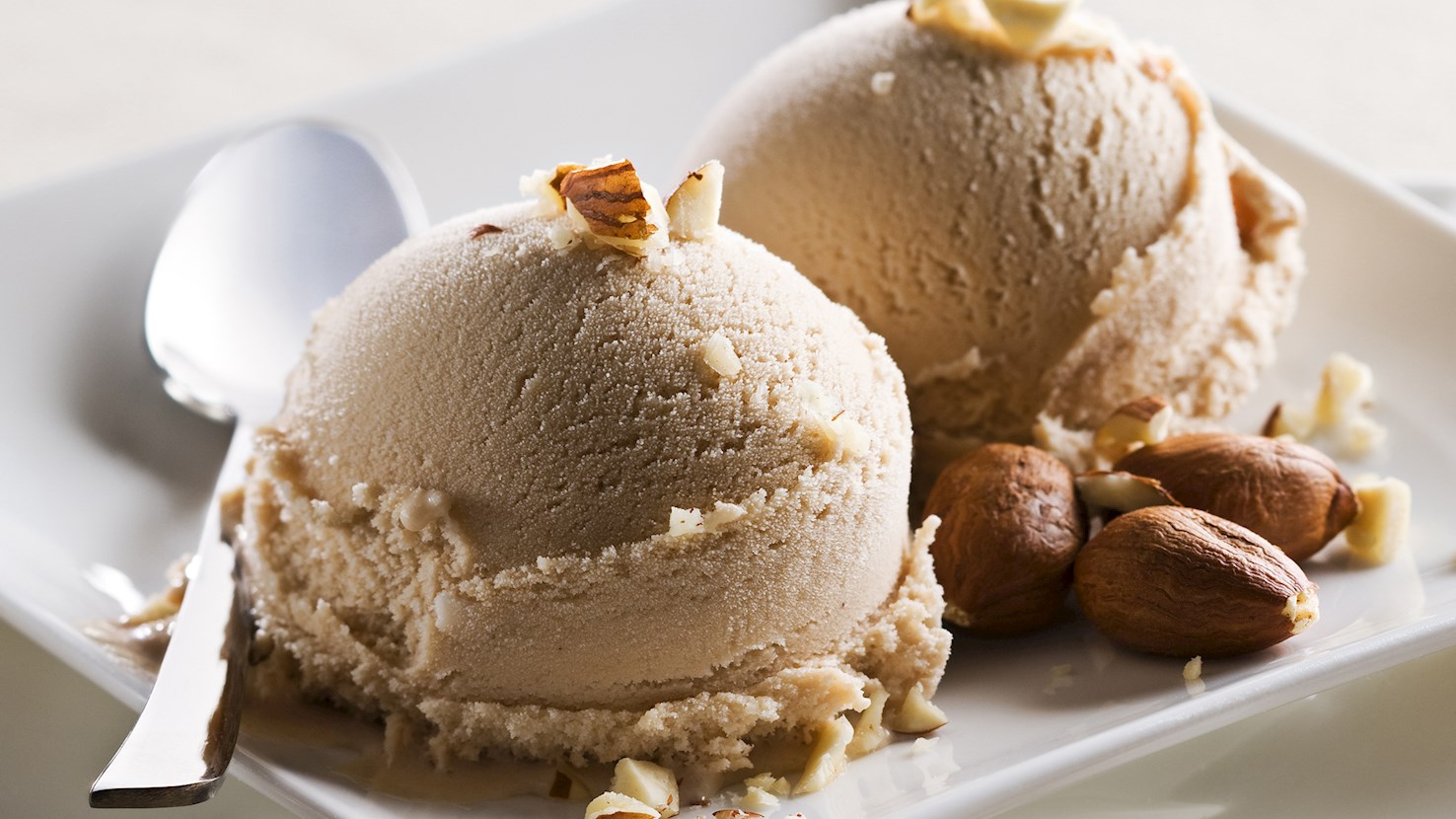
A staple at every Italian gelateria, nocciola is a classic hazelnut gelato. It is prepared with a fragrant hazelnut paste that is combined with a base of milk, cream, eggs, and sugar to create a creamy treat that is characterized by its nutty flavor. The best hazelnut gelato in Italy is produced from Piemonte hazelnuts, which are considered the finest variety for the confectionery industry. They provide the delicate, nutty flavor and the characteristic aroma. Nocciola or hazelnut gelato is often combined with chocolate to create bacio—another popular gelato flavor—but most gelaterias offer it on its own, as an essential addition to their offer.

03

Gianduia gelato

4.3 ·

This classic flavor combines hazelnuts and milk chocolate into a rich, smooth gelato. Though similar to the bacio flavor, gianduia is typically prepared with milk chocolate and does not incorporate crushed hazelnuts. It was modeled on gianduia, an iconic Italian cocoa, sugar, and hazelnut paste that was initially introduced in the 19th century. Similar to the gianduia confection, the gelato is also usually associated with Piedmont, a region famous for its hazelnuts, but it is commonly found in numerous gelaterias throughout the country.

04

Tartufo di Pizzo

4.2 ·

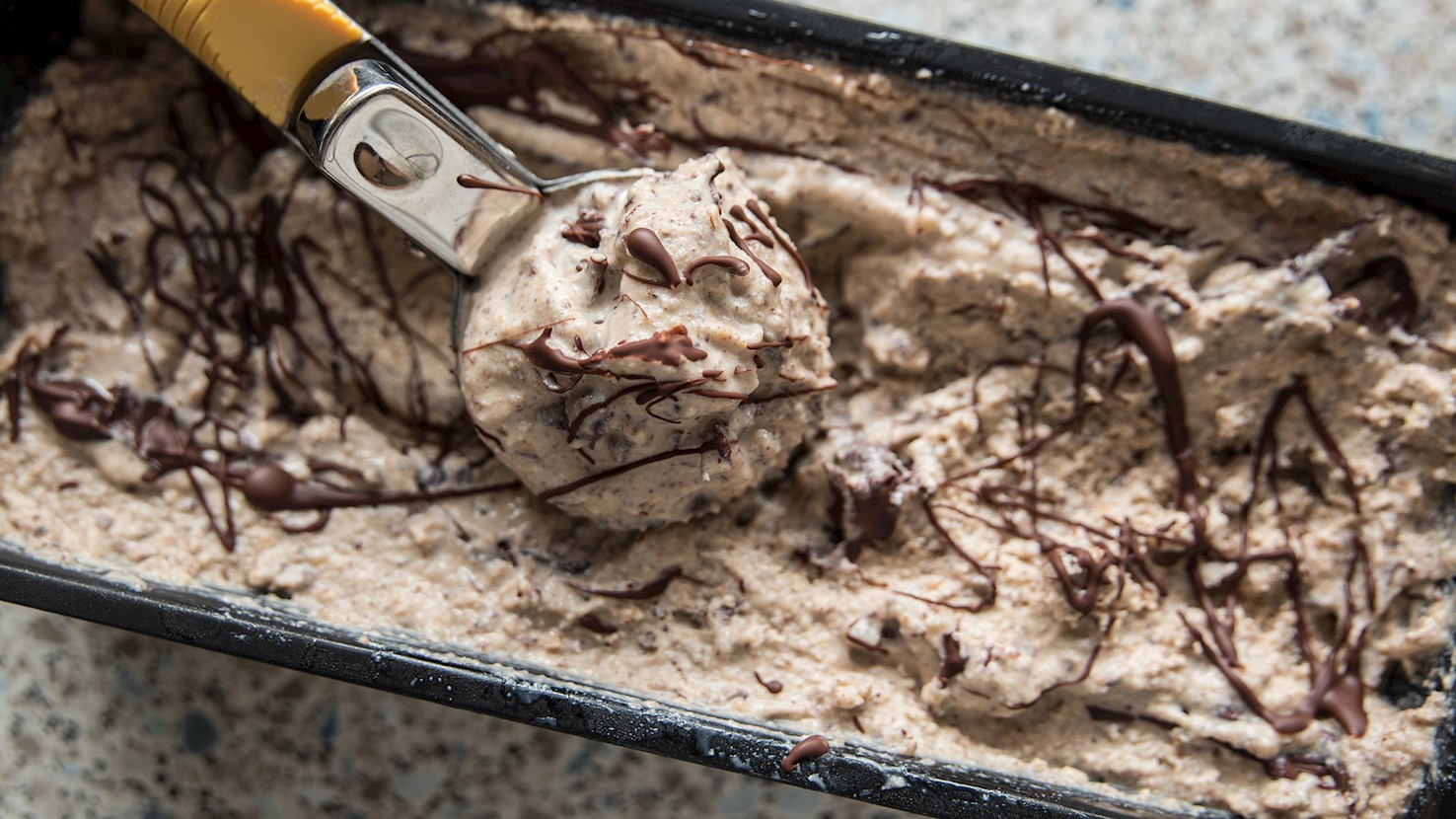
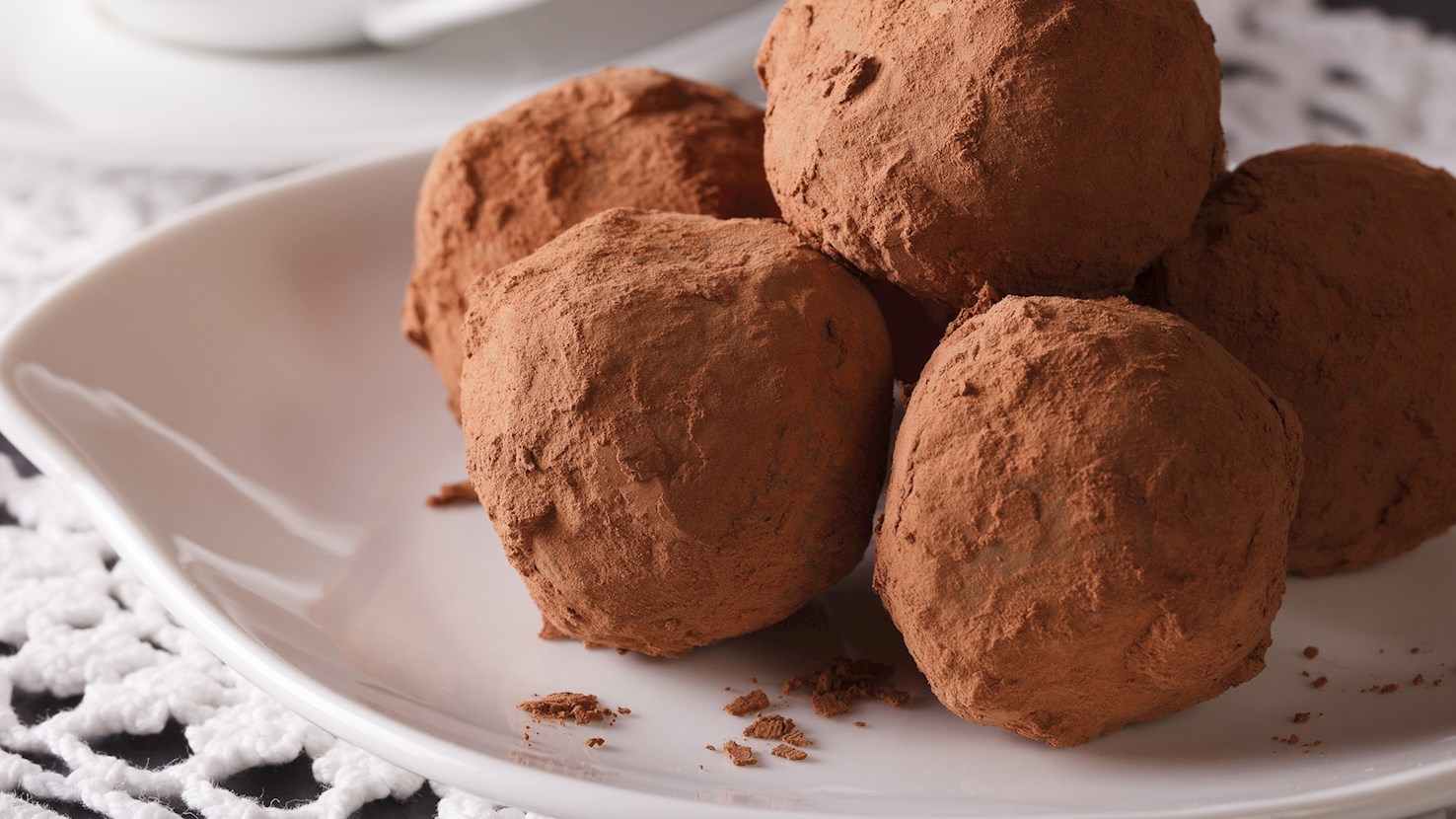
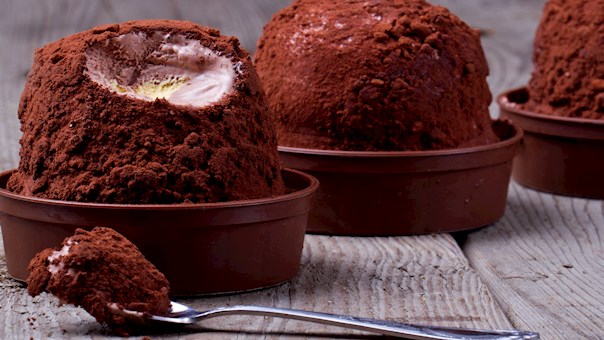
This classic Italian ice cream dessert hails from Pizzo, Calabria. It was supposedly invented in 1952, in Gelateria Dante, by a gelataio named Giuseppe De Maria, better known as Don Pippo. He used his hands to mold a mixture of chocolate and hazelnut gelato around a melted dark chocolate filling, then rolled it in some bitter cocoa powder. This frozen dessert is recognized as a traditional agricultural product of the region, and it has influenced the creation of many modern varieties that combine different types of gelato or additions such as almonds, walnuts, and even maraschino cherries.

05

Granita di mandorla

4.2 ·

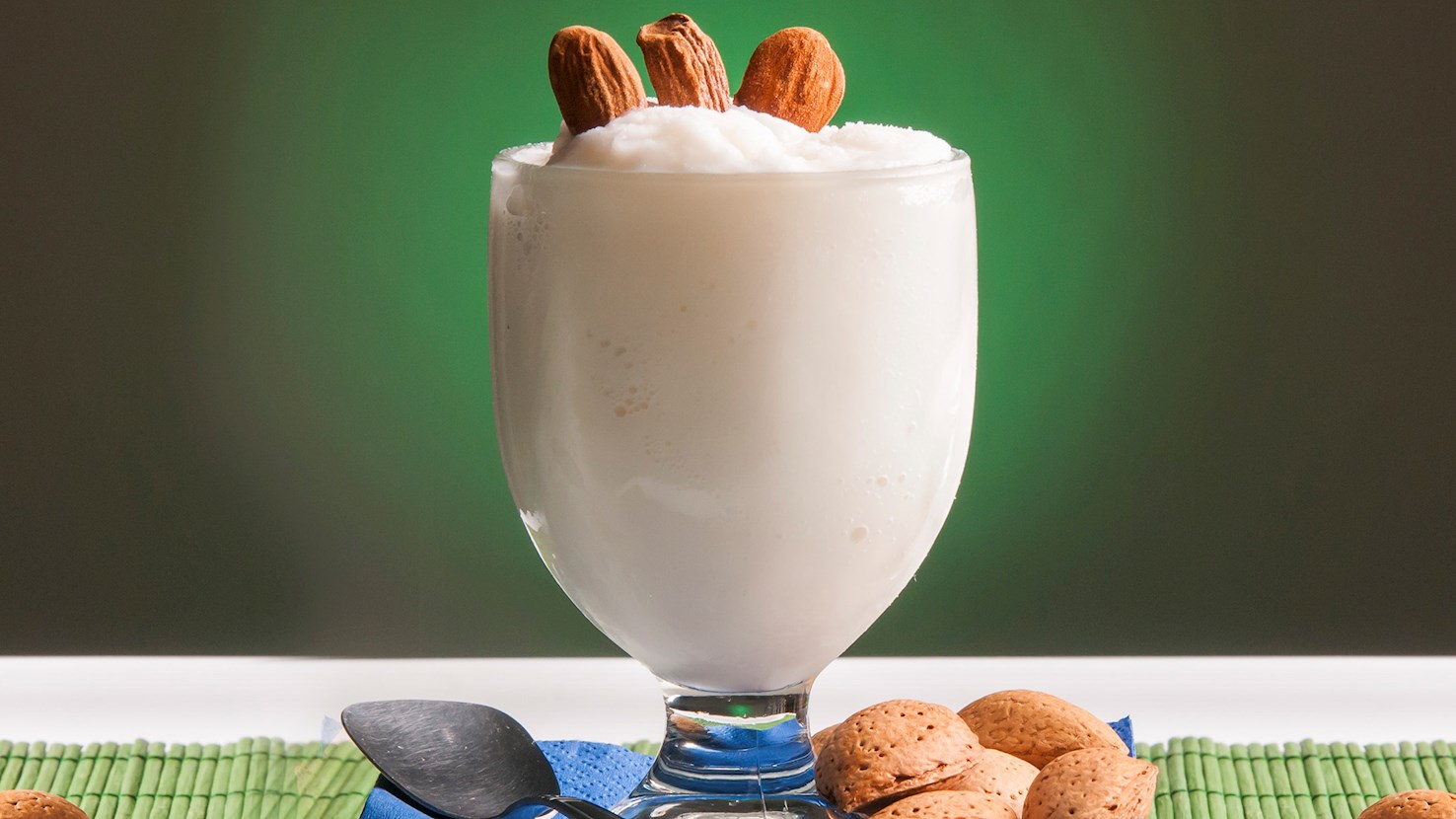
Granita di mandorla is a variety of Sicilian granita—a frozen dessert that comes in a wide array of flavors. This almond-based version can be made from scratch, using ground almonds, or with the already-prepared almond paste. The latter will usually be smoother, while the one prepared with ground almonds will have a slightly coarser texture. The ingredients are simply mixed with sugar and water, and the combination is then frozen. In Sicily, granita is often enjoyed for breakfast, and it is often served with Italian-style brioche (brioscia) on the side.

Best restaurants
06

Gelato al cioccolato fondente

4.2 ·

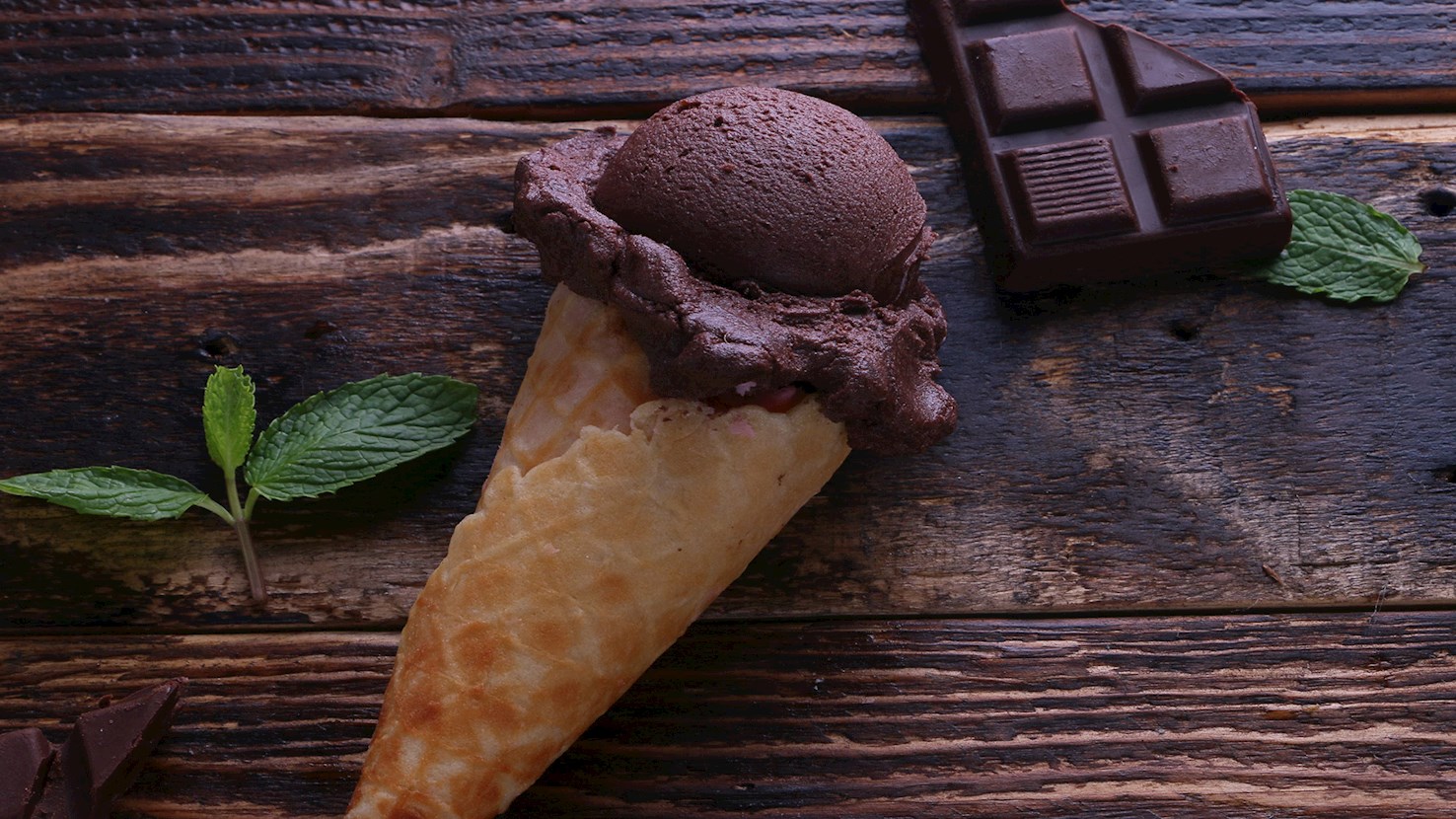
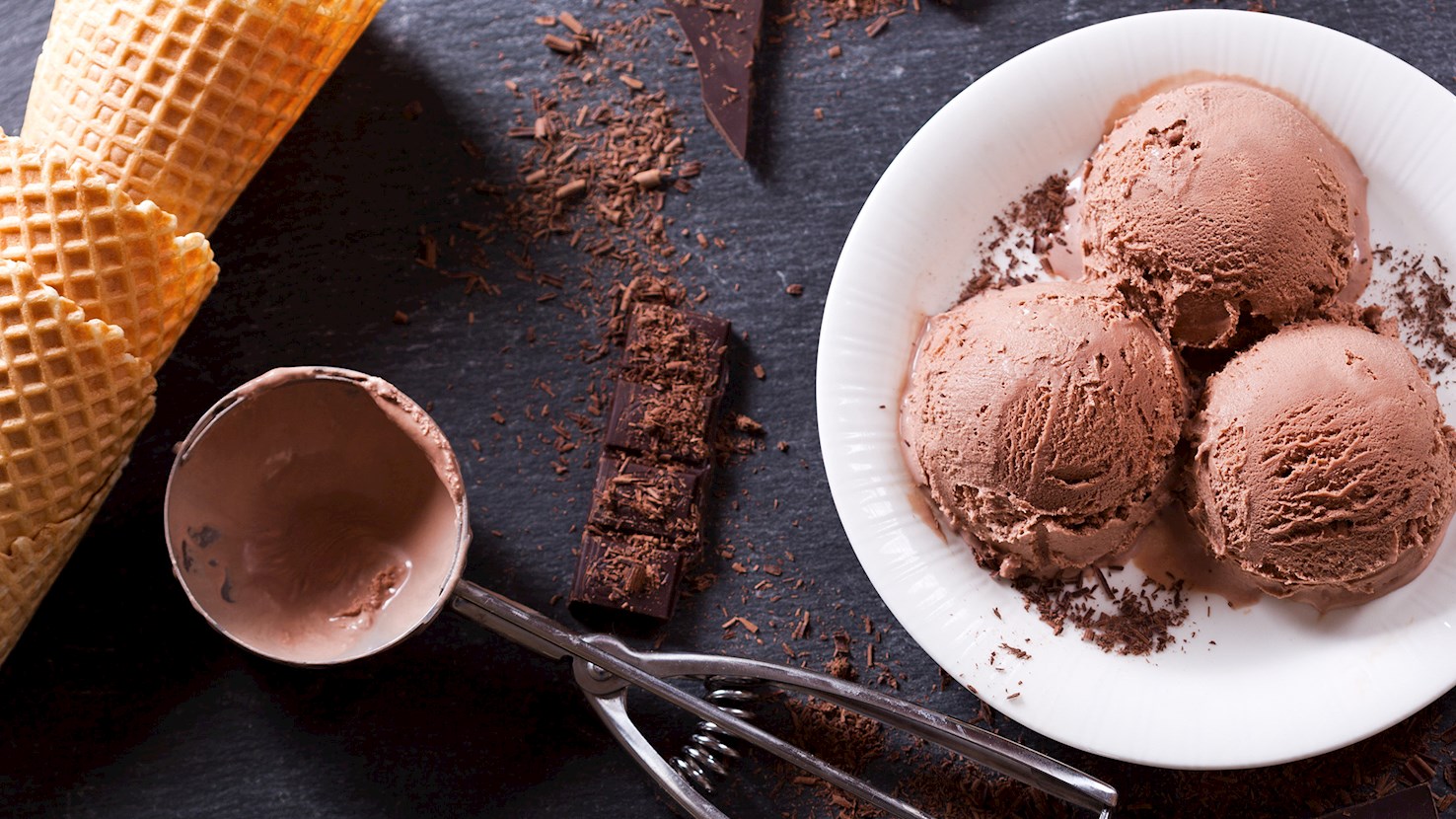
Cioccolato fondente denotes a classic dark chocolate gelato flavor that is characterized by a bold, lingering chocolate taste. It is prepared with high-quality chocolate that is combined with a base of milk, cream, eggs, and sugar. Sugar and milk perfectly complement the dark, tart chocolate making this gelato flavor one of the favorite options in many gelaterias. The variety that uses a higher percentage of dark chocolate usually goes under the name cioccolato extranoir.

07

Gelato al fior di latte

4.2 ·

Translated as flower of milk, this subtle gelato flavor is created with nothing more than milk, cream, and sugar. Though simple, it is considered to be one of the toughest varieties to master, because it offers clean, delicate flavors that are not overshadowed by additional ingredients. Because of this, it is a favorite among true gelato experts, although it is still relatively overlooked compared to the more elaborate gelato creations.

08

Bacio gelato

4.2 ·

Italian bacio is a classic gelato flavor that combines hazelnuts and chocolate. It was inspired by the famous bacio Perugina, a popular chocolate confectionery consisting of gianduja and chopped hazelnut filling, all topped with a whole hazelnut and coated in dark chocolate. The name translates to a kiss, denoting a combination of ingredients that perfectly complement each other. Similar to the confectionery product, this gelato variety is characterized by its pale brown color and a nutty flavor that is often elevated with the addition of chopped hazelnuts.

09

Affogato

4.2 ·

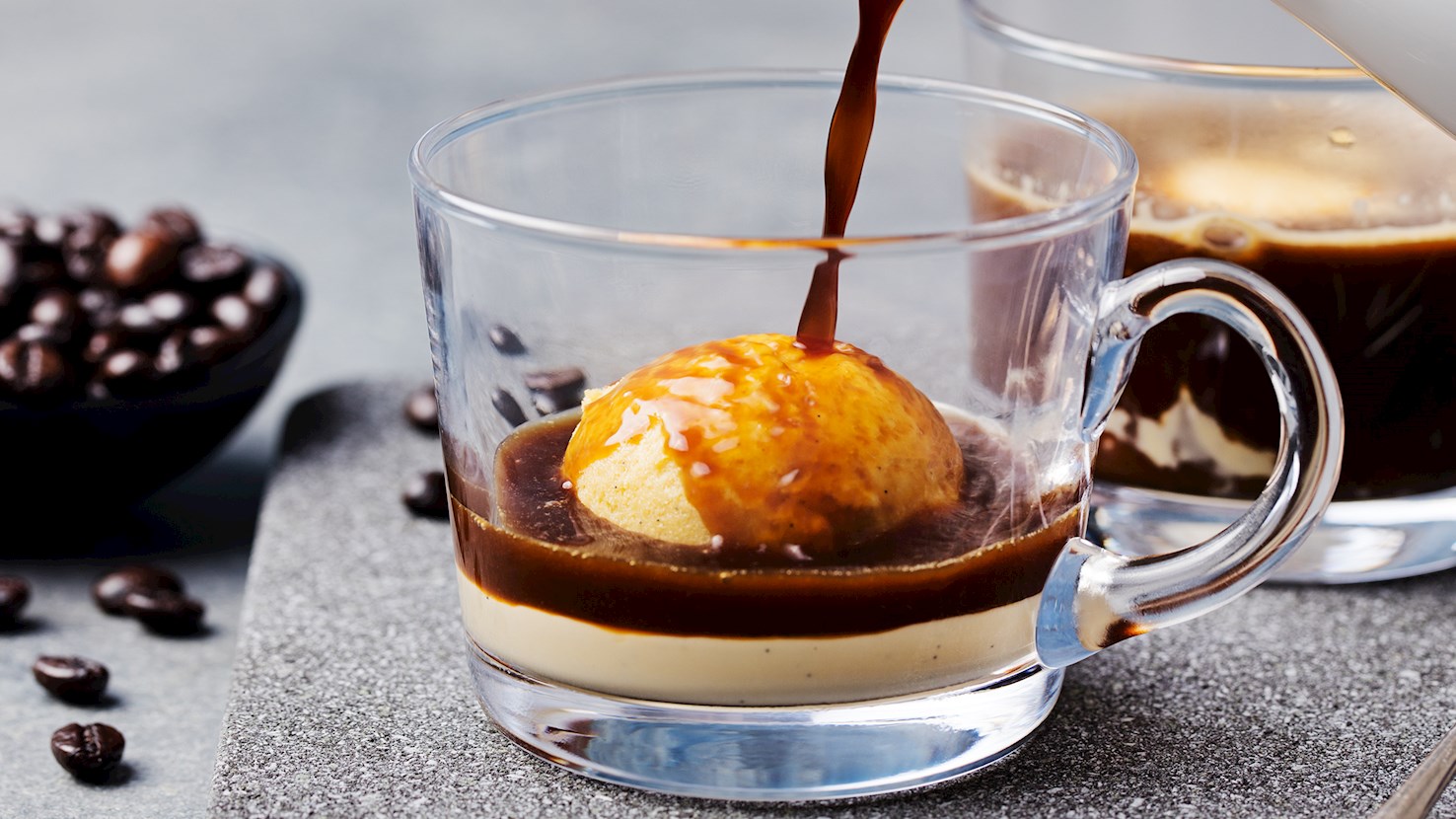
The authentic affogato combines two Italian classics: a shot of freshly brewed espresso and a scoop of vanilla or fior di latte gelato. Affogato translates as drowned, referring to the preparation process in which steaming espresso is generously poured over a scoop of gelato. The popularity of affogato has resulted in numerous variations that may include anything from fortified wines, different gelato flavors, or the addition of almonds and crumbled biscotti. Whether served in cups or dessert glasses, affogato can be slowly sipped or eaten with a spoon, and is best enjoyed after a big meal.

10

Gelato cioccolato

4.1 ·

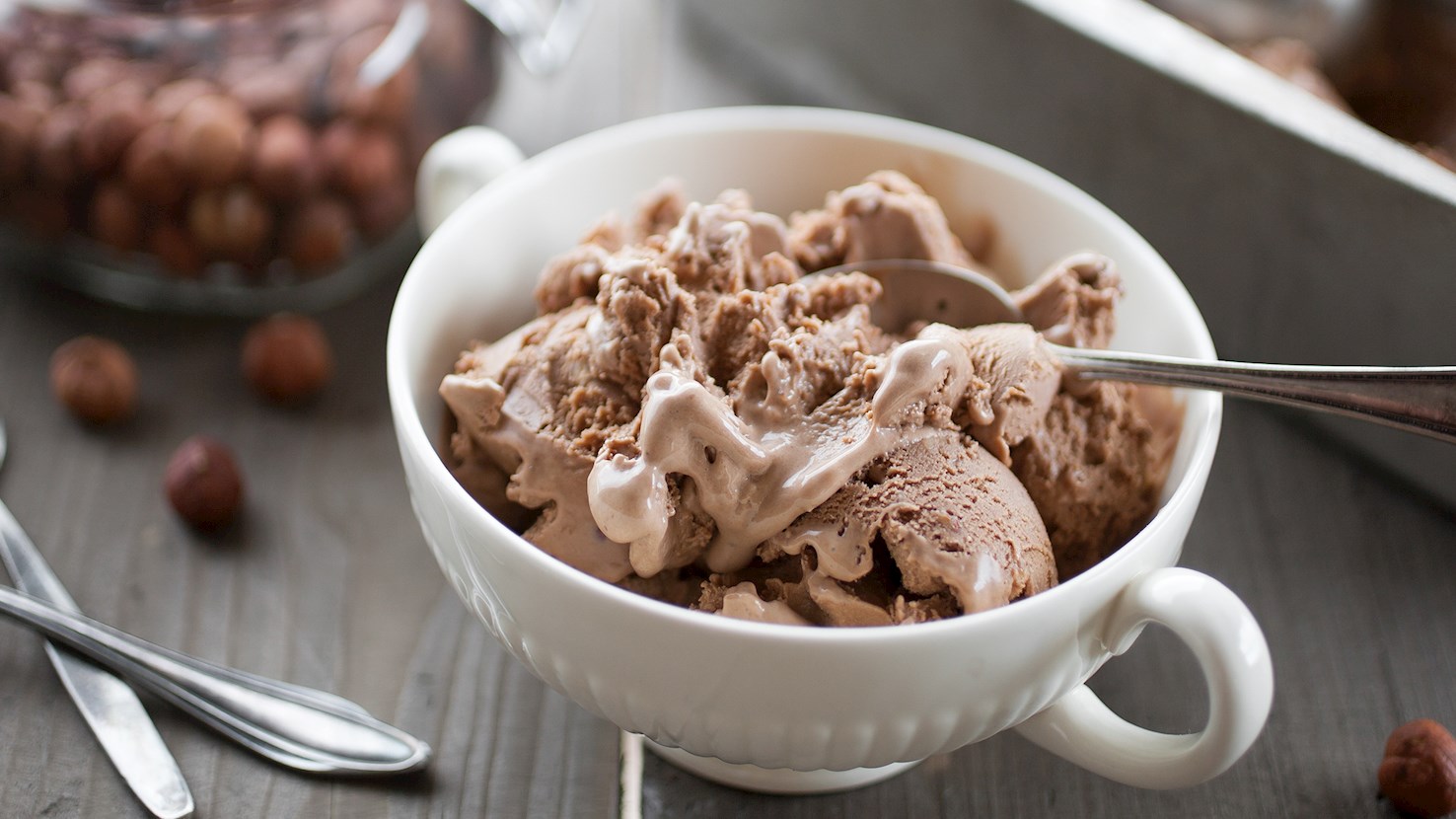
Cioccolato is a variety of Italian gelato that is prepared with chocolate and cocoa powder as the key ingredients alongside cream, sugar, and milk. The final product, if made properly and churned at low speed, should have a dense and velvety texture, and a rich, dark brown color. Not much is known about the origins of chocolate gelato, although it is a fact that the first frozen chocolate recipe had been published in Naples in 1692, in a book called The Modern Steward.

13

Gelato al limone

4.1 ·
14

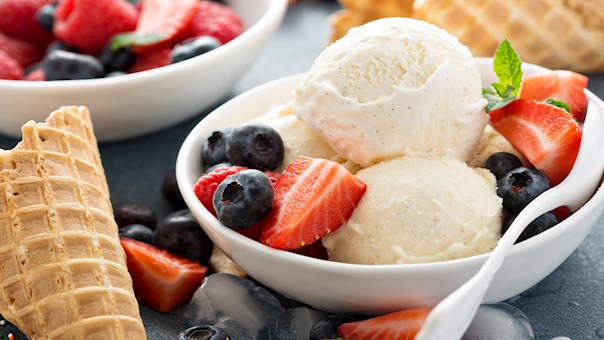
Gelato alla crema

4.1 ·
16

Granita

4.1 ·
17

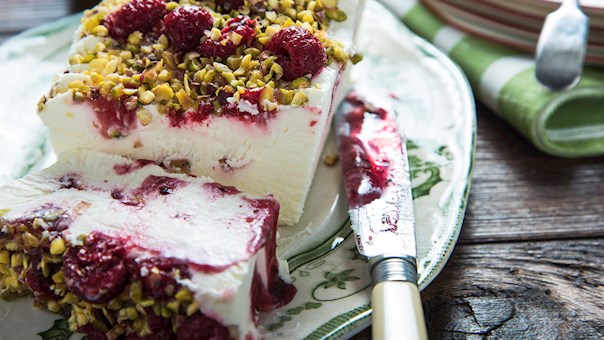
Semifreddo

4.1 ·
19

Tartufo

3.9 ·
20

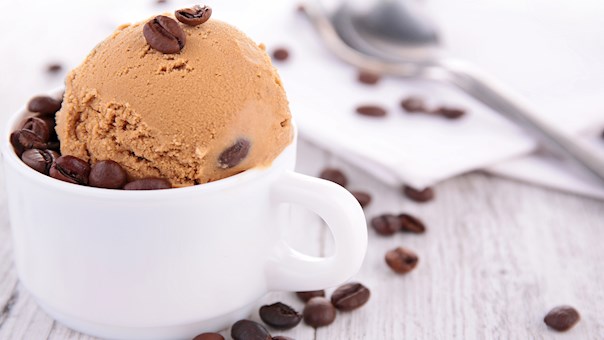
Gelato di caffè

3.8 ·
Read more
View all
View map
About this ranking

TasteAtlas food rankings are based on the ratings of the TasteAtlas audience, with a series of mechanisms that recognize real users and that ignore bot, nationalist or local patriotic ratings, and give additional value to the ratings of users that the system recognizes as knowledgeable. For the “Top 43 Western European Frozen Desserts” list until June 15, 2026, 4,431 ratings were recorded, of which 3,727 were recognized by the system as legitimate. TasteAtlas Rankings should not be seen as the final global conclusion about food. Their purpose is to promote excellent local foods, instill pride in traditional dishes, and arouse curiosity about dishes you haven’t tried.

Similar lists