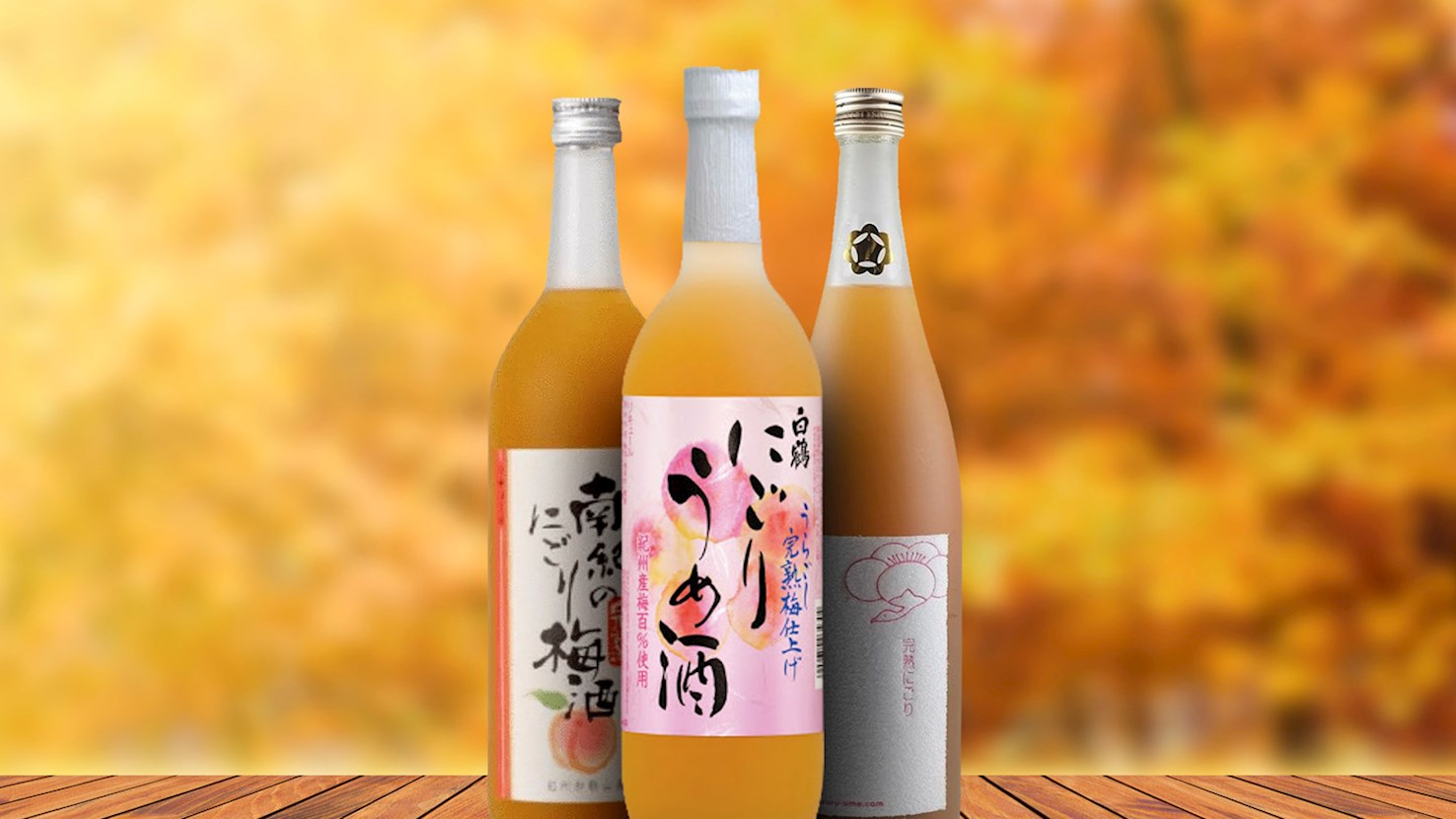
Top 5 Asian Fruit Liqueurs

Last updated on June 04, 2026

Best Asian Fruit Liqueurs

01

Akashi-Tai

4.3 ·
Awards
Bartender Spirits Awards - Gold (2023)

Best Asian Fruit Liqueur Types

01

Umeshu

4.3 ·

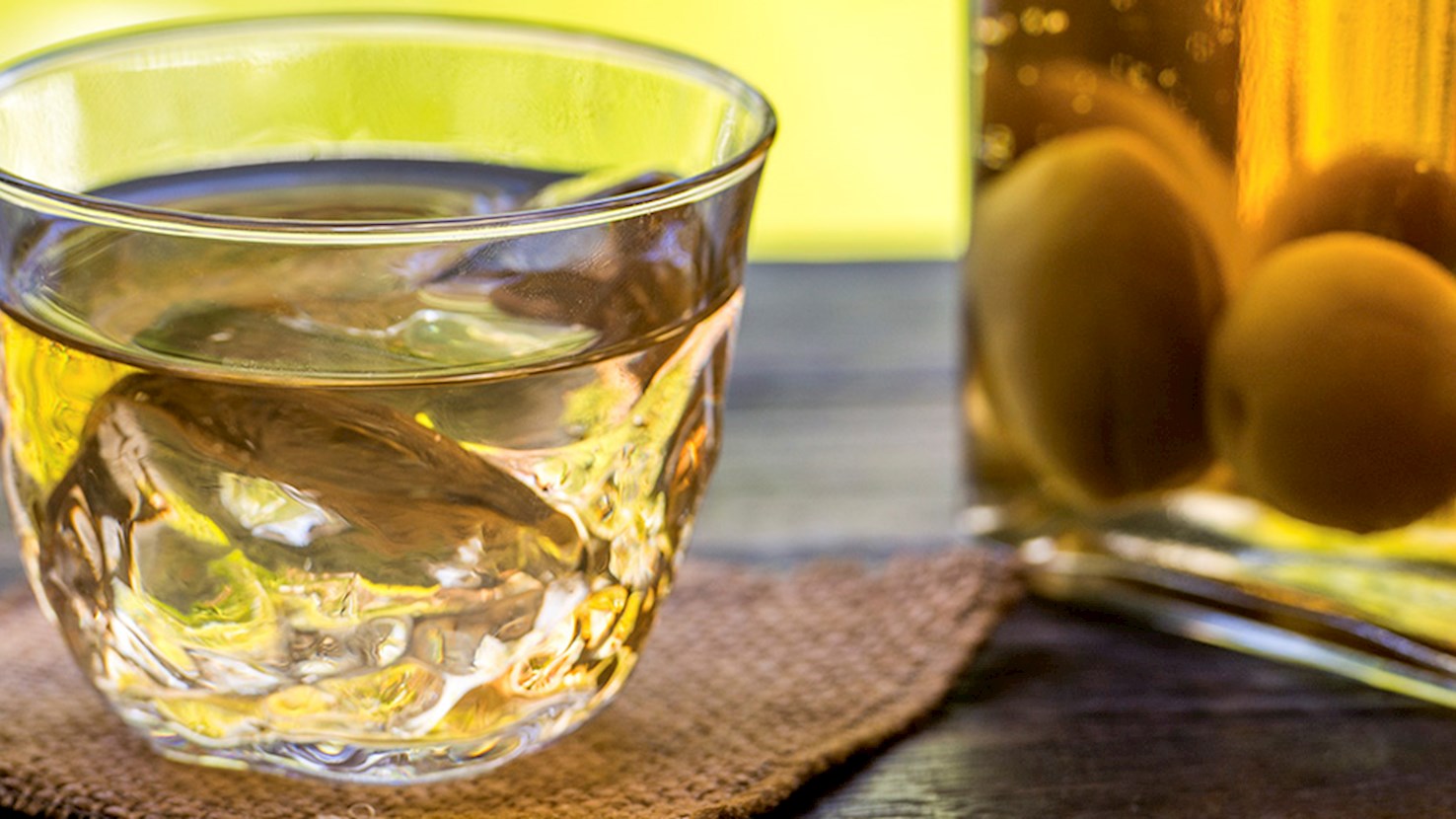
Umeshu is a Japanese liqueur made by macerating sugar and ume plums (Prunus mume) in alcohol. It is usually made with rock sugar and ripe or green ume plums, while the base is generally made with shōchū, though other neutral spirits can also be used. The result is a bittersweet liqueur with a fruity aroma. Apart from the classic version, umeshu comes in a variety of styles that may include other sweeteners such as honey or black sugar, while some add additional flavorings. Umeshu can be enjoyed straight, on the rocks, or diluted with water, tea, or soda. It also incorporates well in cocktails and typically has 10-15% ABV. Ume plums were brought to Japan from China and are botanically classified as Japanese apricot. Apart from umeshu, they are also pickled (umeboshi) and can be enjoyed as a condiment or a side dish. Umeshu is often homemade, but there are numerous commercially available labels.

02

Maesil-ju

3.6 ·

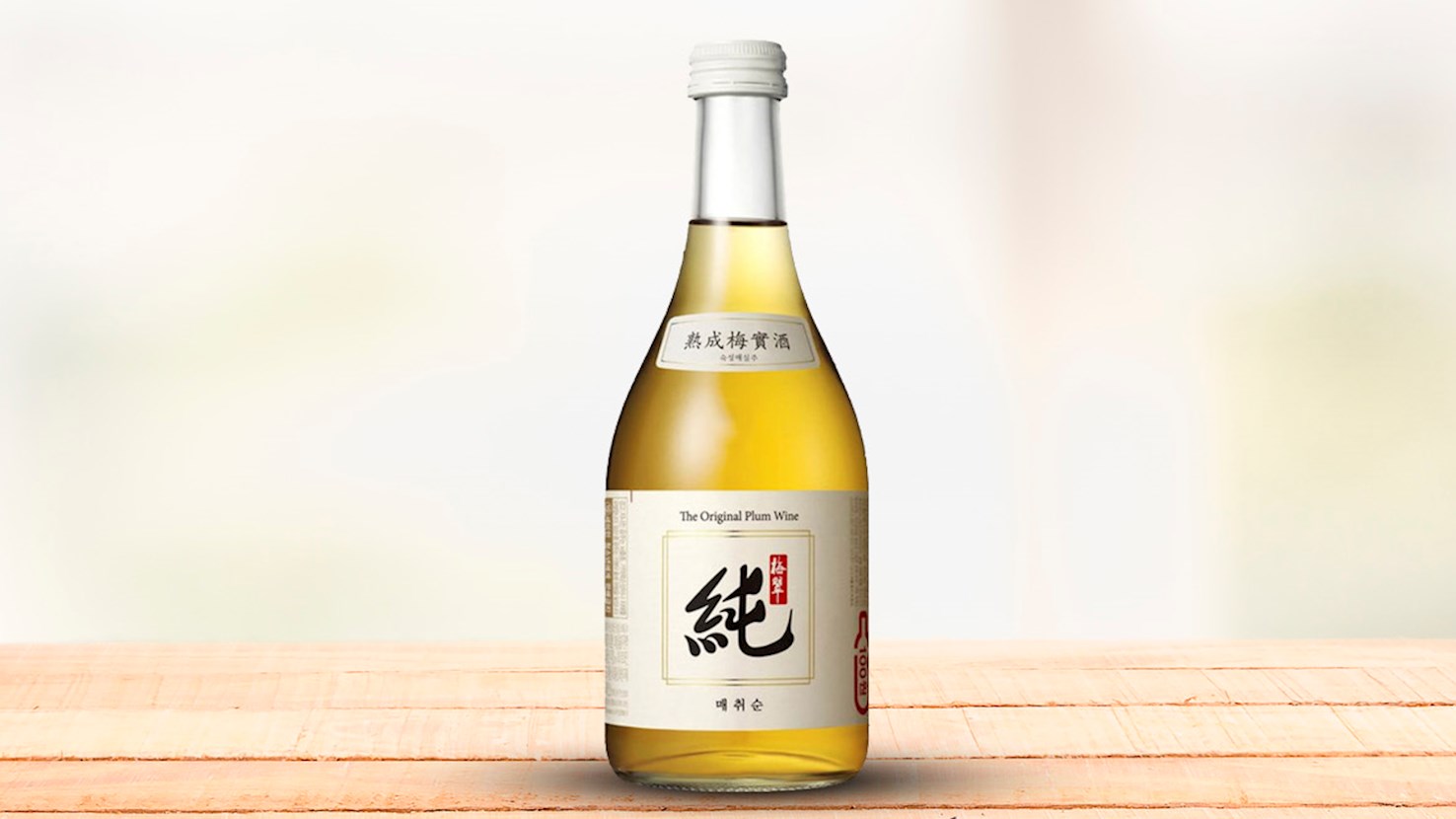
Maesil-ju is a traditional liqueur made with small-sized Asian plums (Prunus mume). Either unripe green or ripe yellow fruits can be used, sometimes even a mixture of both varieties. The drink is traditionally produced by steeping the fruit, together with sugar, in soju – traditional Korean spirit usually distilled from rice. The combination is macerated for at least several weeks until the beverage attains its distinctive golden color and bitter-sweet flavor. The fruit is usually strained, though several plums can be left inside jars or bottles. Maesil-ju is traditionally enjoyed neat, served in small shot glasses. It can pair well with seafood. The alcohol content typically varies around 14%.

03

Midori

3.4 ·

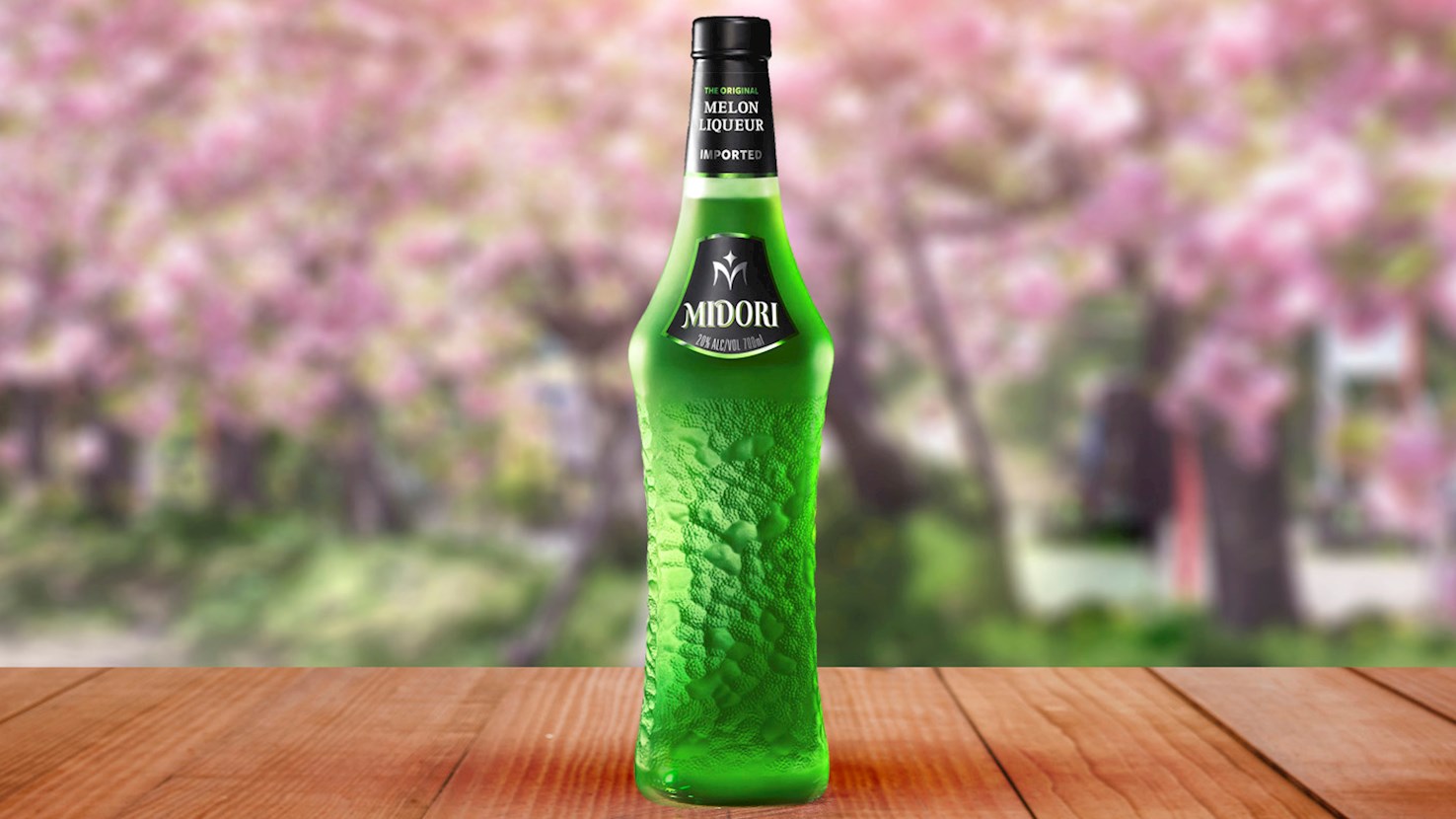
Midori is a vibrant green melon-flavored liqueur. It is made with a base spirit infused with yubari and musk melons, which are cultivated and sourced from Japan. The drink also includes sugar, brandy, and artificial coloring, which provides its distinctive green color. Midori is a clear and sweet liqueur with a subtle melon flavor. When it was released in 1964, it was initially named Hermes Melon Liqueur. The name Midori, which translates as green, was introduced in 1978. In the same year, the liqueur gained international attention after it was launched at the legendary ‘Studio 54’ in New York. Midori can be sipped on its own, but it is usually used as a cocktail ingredient. It goes especially well with citrus flavors, and it can be mixed with spirits, liqueurs, or fruit juice. Midori was initially solely produced in Japan, but some production was later moved to Mexico and France. It is bottled at 21% ABV.

04

Black Sugar Umeshu

n/a ·

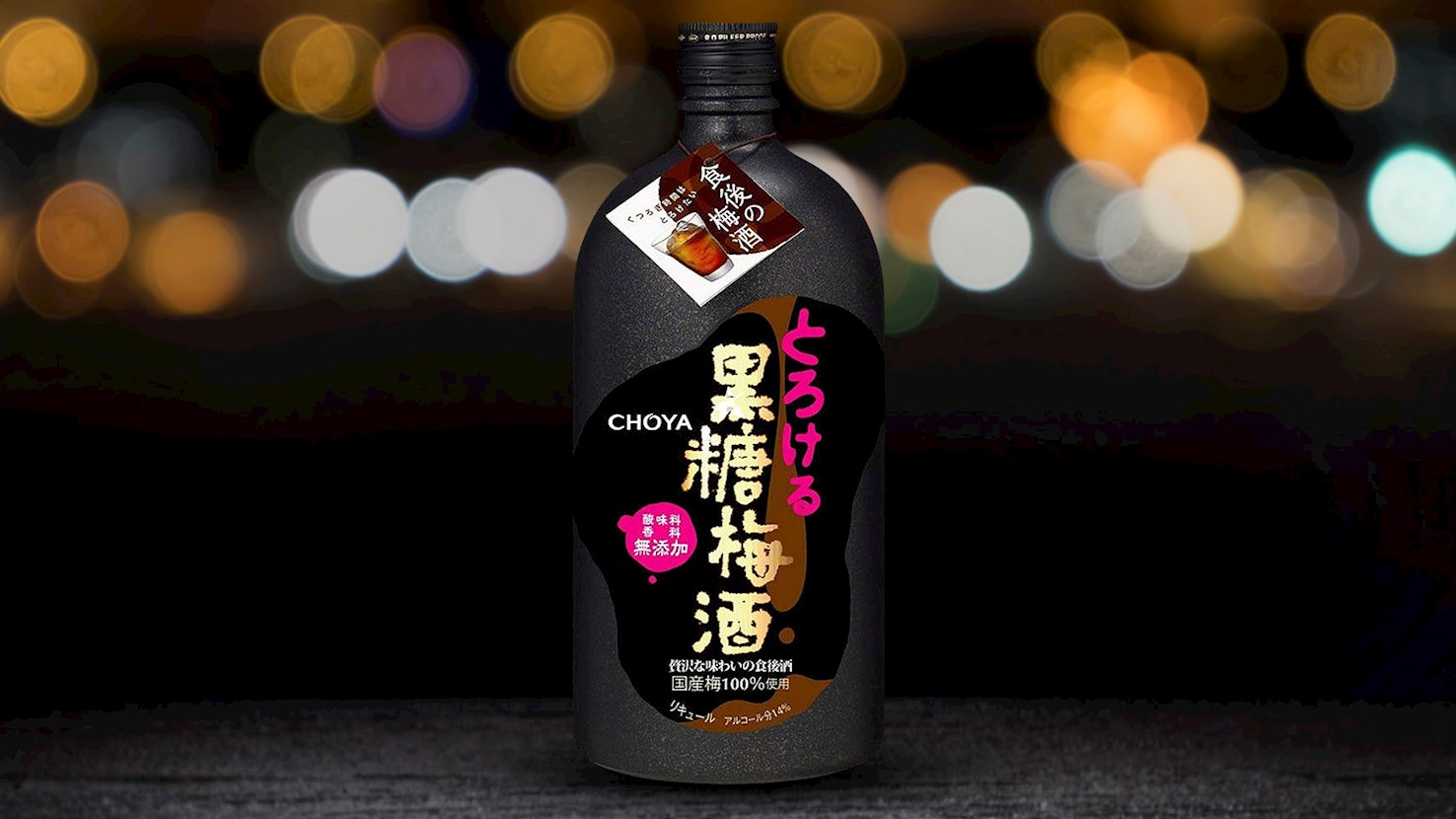
Umeshu is a type of Japanese liqueur made with ume plums—a fruit classified as Japanese apricot. Traditional umeshu is produced by macerating white rock sugar and yellow or green ume plums in neutral alcohol. Black sugar umeshu replaces rock sugar with kokuto, a distinctive type of black sugar produced in Okinawa. Kokuto is made by slowly boiling sugarcane until it transforms into a thick, dark syrup. The base is then dried, and it can be made into larger crumbs or fine powder. This sugar lends umeshu a distinctive darker color and a rich and complex flavor reminiscent of honey and dried fruit. Umeshu is best served well chilled. It pairs well with desserts, and it can also make a great after-dinner drink or an ingredient in cocktails and long drinks.

05

Nigori umeshu

n/a ·

Nigori is the unfiltered version of Japanese umeshu, a popular liqueur made with macerated ume fruit. Standard umeshu is produced by macerating ripe or green ume plums and sugar in neutral spirits, most commonly shōchū. Although most umeshu is filtered before consumption, some homemade and commercially produced versions skip this step, which results in a cloudy liqueur with a distinctive texture and a fruity, mellow flavor. Often puréed ume fruits will be added to the base. This liqueur should always be served well chilled. It can be enjoyed neat or on the rocks, and it also works well as an ingredient in cocktails and long drinks.

Read more
View all
View map
About this ranking

TasteAtlas food rankings are based on the ratings of the TasteAtlas audience, with a series of mechanisms that recognize real users and that ignore bot, nationalist or local patriotic ratings, and give additional value to the ratings of users that the system recognizes as knowledgeable. For the “Top 5 Asian Fruit Liqueurs” list until June 04, 2026, 142 ratings were recorded, of which 123 were recognized by the system as legitimate. TasteAtlas Rankings should not be seen as the final global conclusion about food. Their purpose is to promote excellent local foods, instill pride in traditional dishes, and arouse curiosity about dishes you haven’t tried.

The initial list of top producers was compiled based on available reviews, awards, local recommendations, media and blog coverage, and consumer reviews. The list will be updated with ratings from TasteAtlas local ambassadors and TasteAtlas users.

Similar lists