Top 25 European Fruit Liqueurs

Last updated on June 04, 2026

Best European Fruit Liqueur Types
01

Ginjinha

4 ·

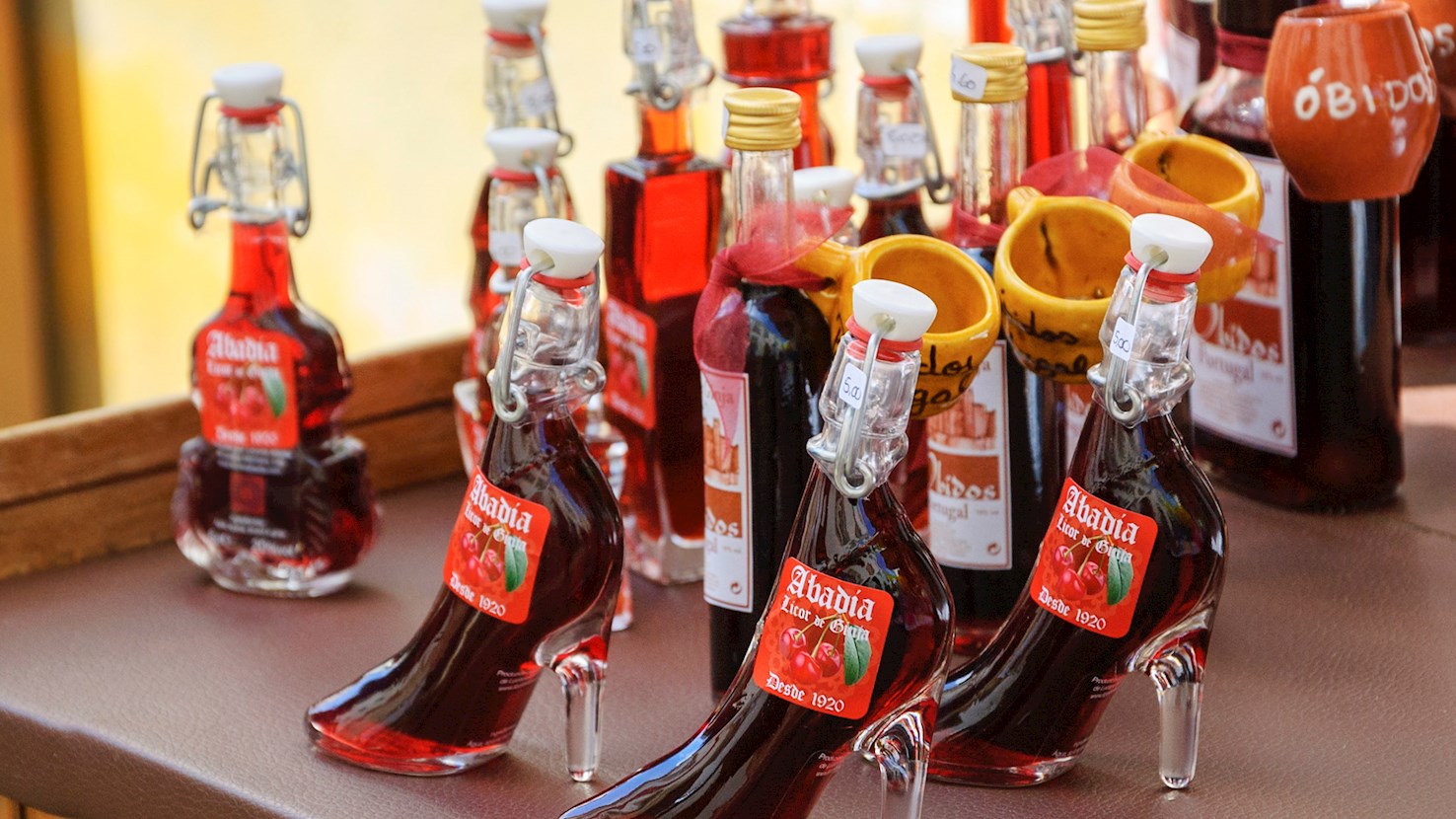
Ginjinha (Ginja) is a traditional sour cherry liqueur that is mostly associated with Óbidos and Alcobaça, but the drink is enjoyed throughout the country, and it is also especially popular in Lisbon and Algarve. The creation of the liqueur was inspired by the ancient recipes of Cistercian monks, and only fresh, natural products should be used, with no artificial preservatives. The liqueur is typically ruby red, subtly sweet with strong cherry aromas. It is best served as an aperitif or a digestif, preferably neat, in shot cups, and with or without the alcohol-soaked cherry. Ginja can also work well in cocktails and remains a true hallmark of the region. It is greatly appreciated by locals and foreigners alike.

02

Grand Marnier

3.8 ·

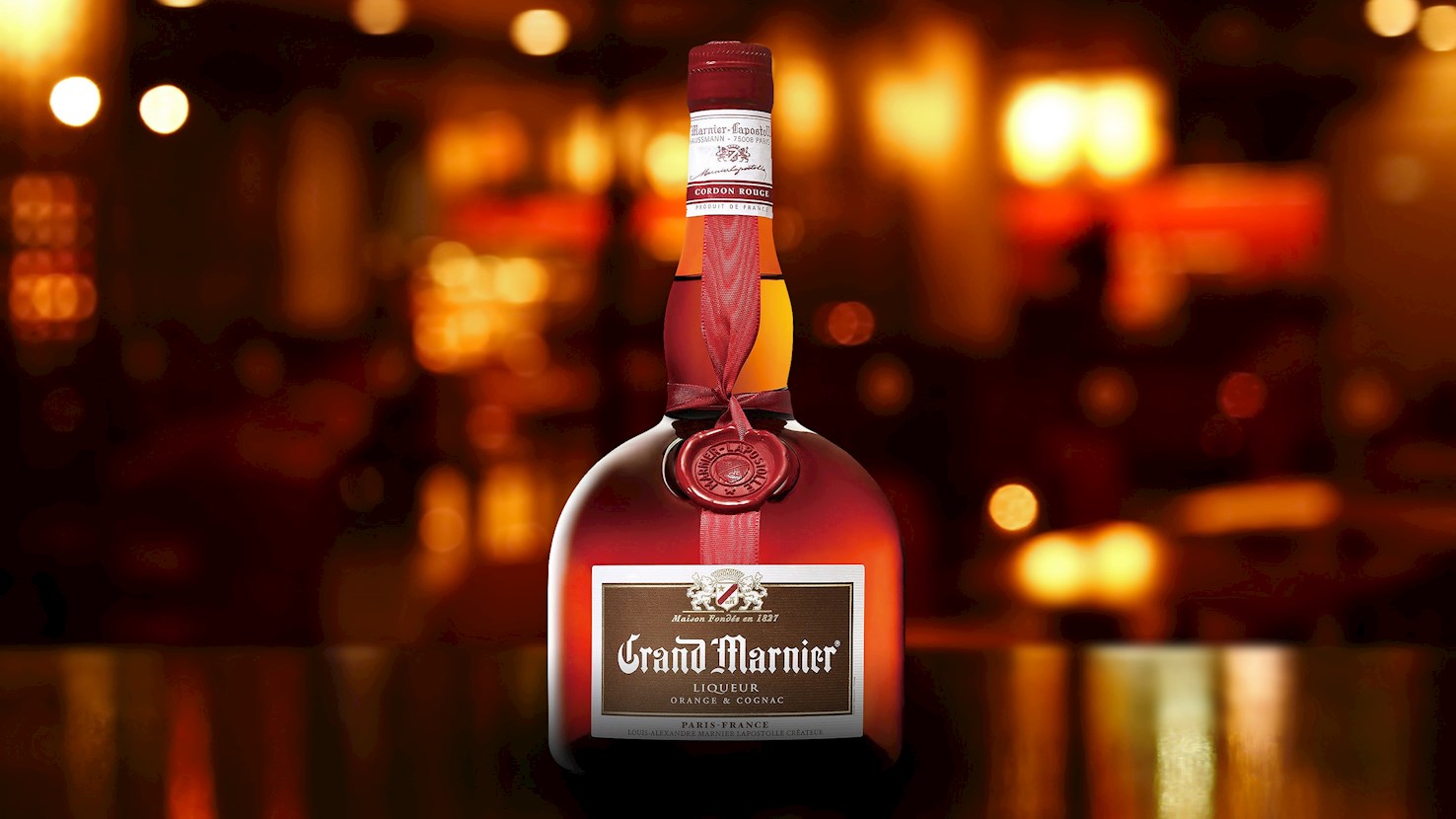
Created in 1880 by Louis Alexandre Marnier Lapostolle, Grand Marnier Cordon Rouge (lit. red ribbon) is a sophisticated blend of cognacs infused with the distilled essence of bitter oranges. In addition to Lapostolle's secret touch, the liqueur gets its incomparable roundness by slow aging in French oak casks. It can be enjoyed neat, used in mixed drinks, or even added to desserts. In France, Grand Marnier is one of the essential ingredients of the famous crêpes Suzette. Apart from the original Grand Marnier, there's also the Cordon Jaune version (lit. yellow ribbon) which is made with a base of neutral grain spirits.

Best producers
03

Limoncello

3.8 ·

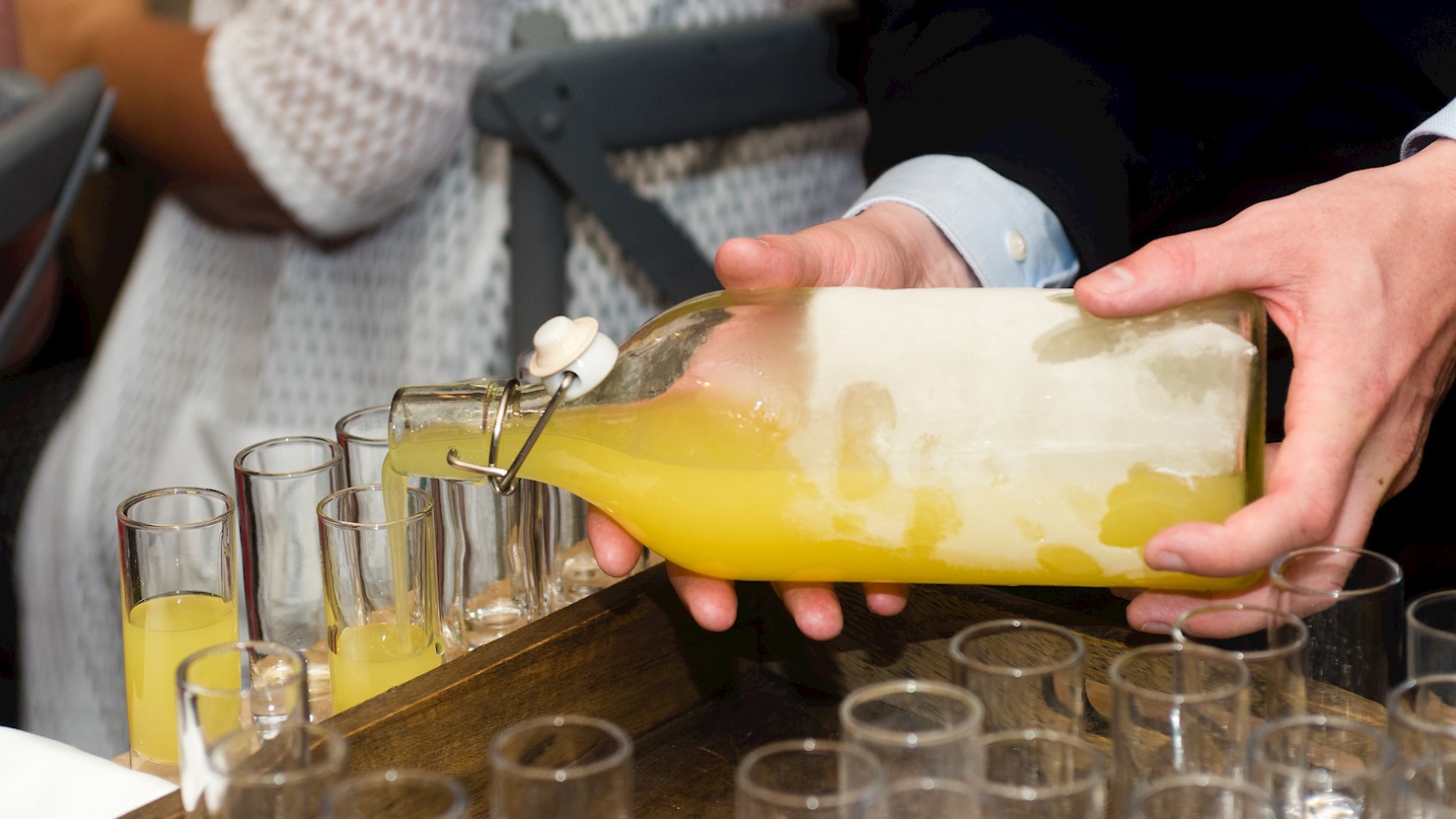
This Italian liqueur is made with lemon zest that is left to infuse in a neutral spirit. The combination is mixed with sugar and water, and it is then filtered after a resting period. Although it is enjoyed and produced throughout Italy, limoncello is usually associated with Sorrento, Amalfi Coast, and the island of Capri, where it was first patented in 1988. Limoncello is characterized by its vibrant yellow color, while its flavor is fresh, sweet, and aromatic, with strong citrus notes. It is usually enjoyed as an aperitif or a digestif, always well chilled and sometimes served in ice-cold glasses. As an ingredient, it is used in cocktails and long drinks, but it is also easily incorporated in various desserts.

04

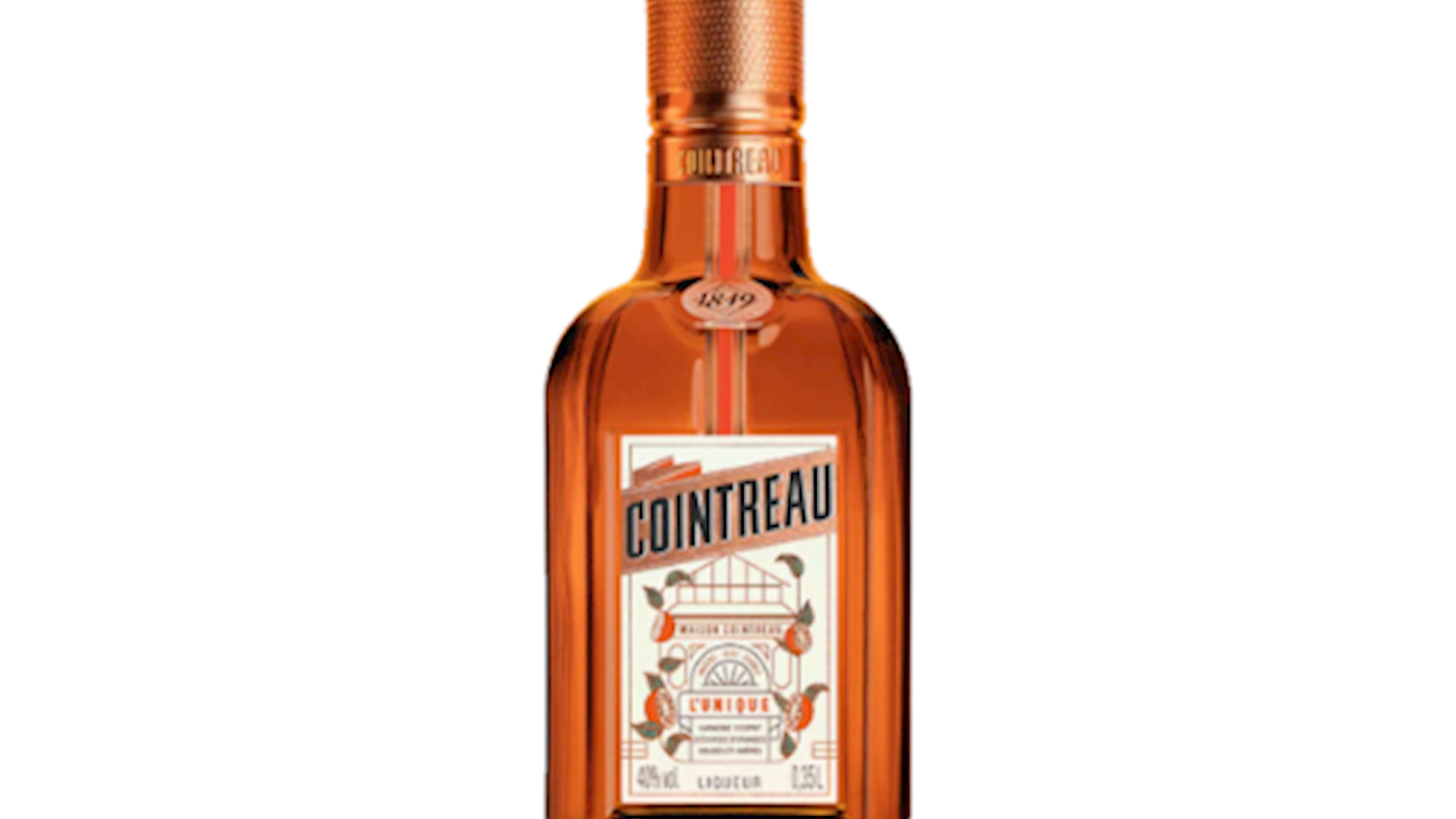
Cointreau

3.8 ·

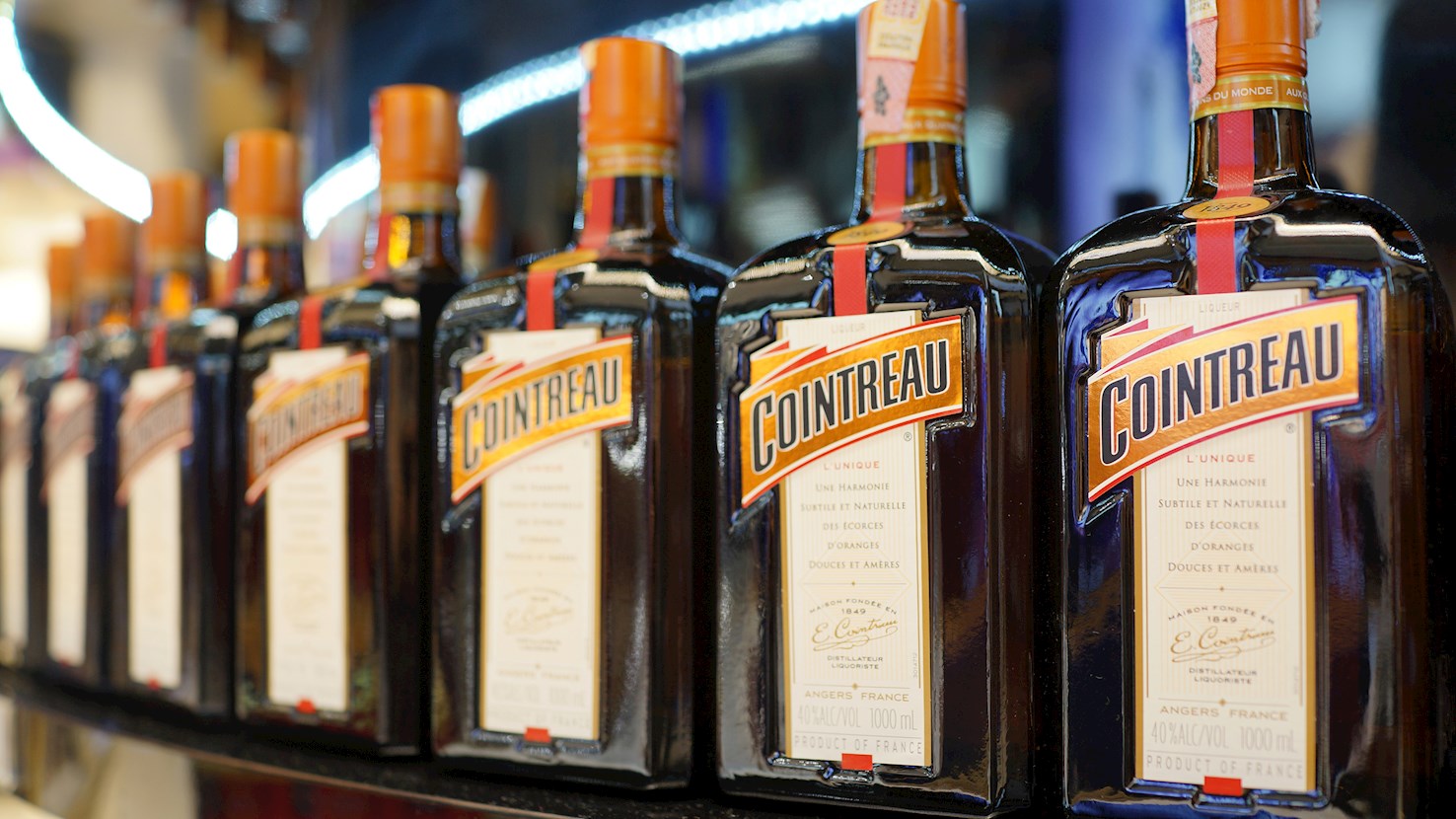
This classic triple sec was created by the Cointreau brothers, who managed to distill sweet and bitter orange peels to create a slightly sweet, fresh liqueur with incredibly concentrated flavor. The brand was first registered as triple sec in 1885, and since then it has remained one of the best-selling, premium options. Cointreau is mainly used as the essential ingredient in various cocktails such as the classics Sidecar, Margarita, or Cosmopolitan.

05

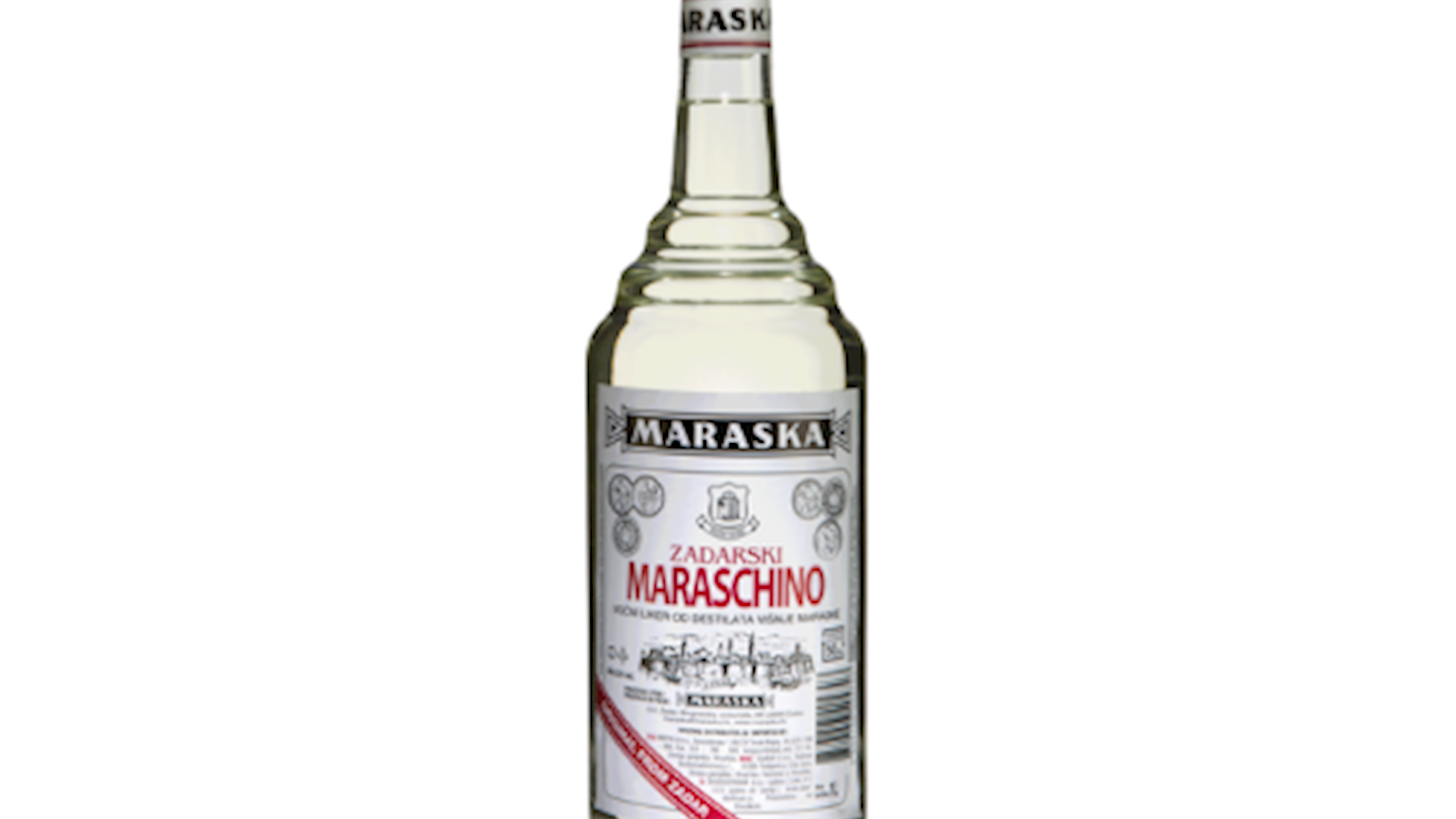
Maraschino

3.7 ·

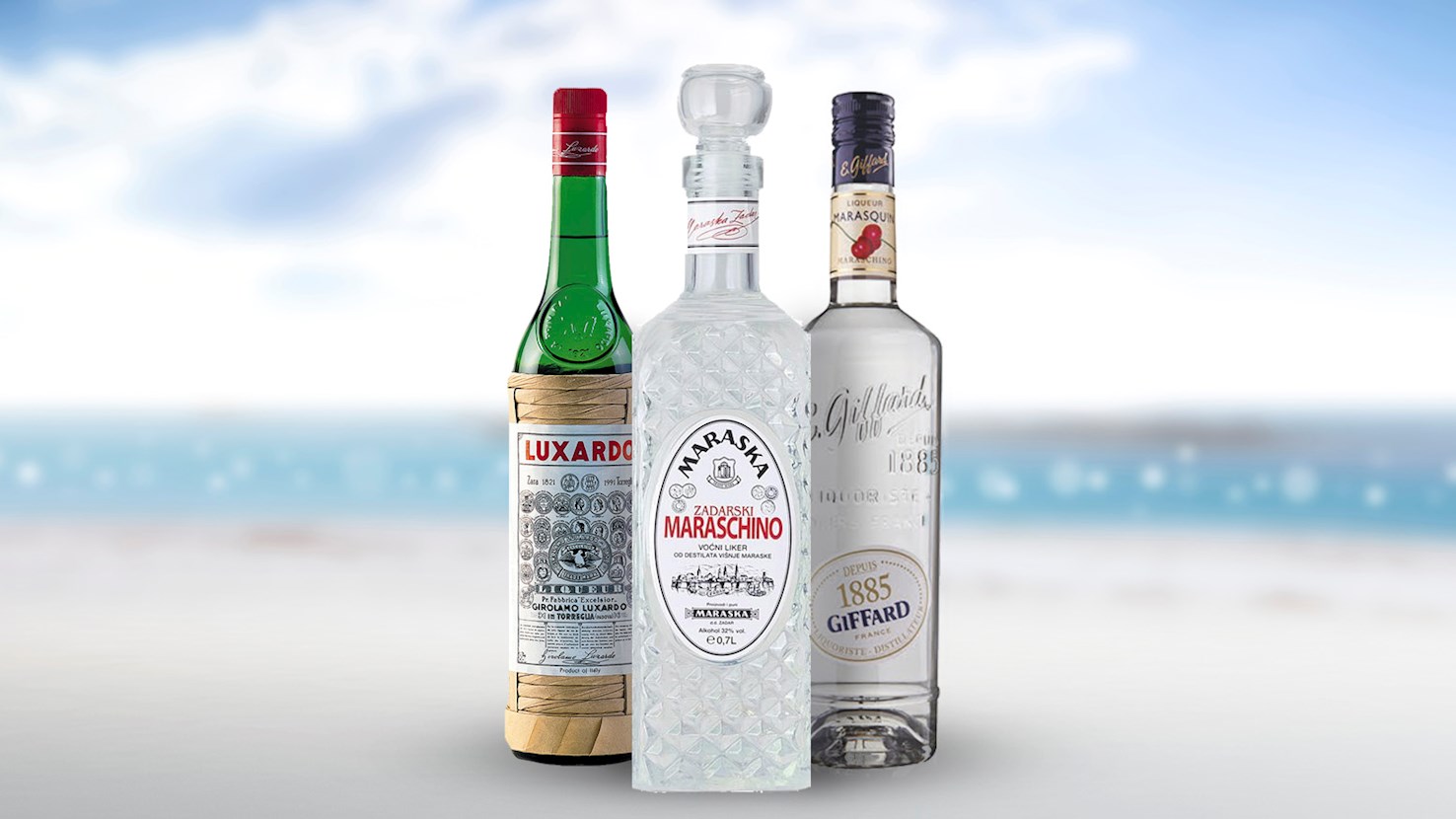
This clear cherry-flavored liqueur dates back to the 16th century when it was first made by Dominican monks in Zadar. It is produced from the fruits (including the pits) of Marasca cherries, which give Maraschino its unique, intense aroma, and subtle bitterness. The commercial production started in the 18th century by Francesco Drioli, while Dalmatia was still under the rule of Venetian Republic. In the mid-20th century, during political turmoil, the production was abruptly stopped, and the Yugoslav government later unified it under one enterprise, which would later be named Maraska. Present-day Maraschino is now produced in other regions and countries, namely Italy. It is usually enjoyed as a digestif, served neat or mixed with tonic water or orange juice. Maraschino also works well in cocktails, and it easily blends in a variety of desserts.

Best producers
06

Aperol

3.7 ·

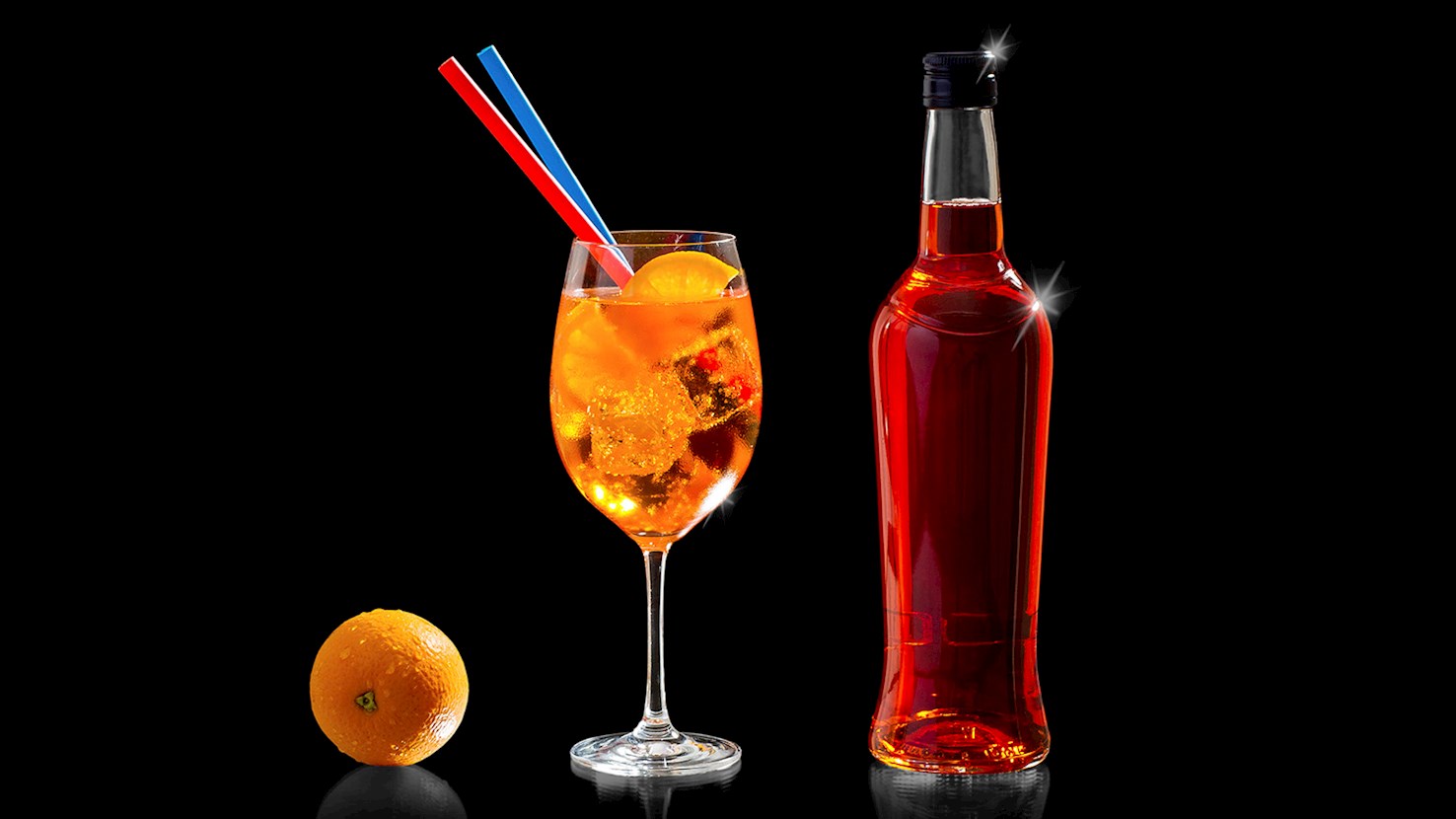
Hailing from Padua, this Italian liqueur was invented in 1919 by the Barbieri brothers. It has been produced following the original secret infusion that combines bitter and sweet oranges, rhubarb, herbs, and alcohol. It is characterized by its combination of bitter, fruity, and floral flavors and a low alcohol content of only 11% ABV. Aperol was initially invented as an apéritif, preferably served over ice, but it also pairs incredibly well with citrus or fruit juices, and soda. The most popular combination is undoubtedly Aperol Spritz—the fashionable, light apéritif that combines Aperol, Prosecco, and a splash of soda water.

07

Kitron

3.6 ·

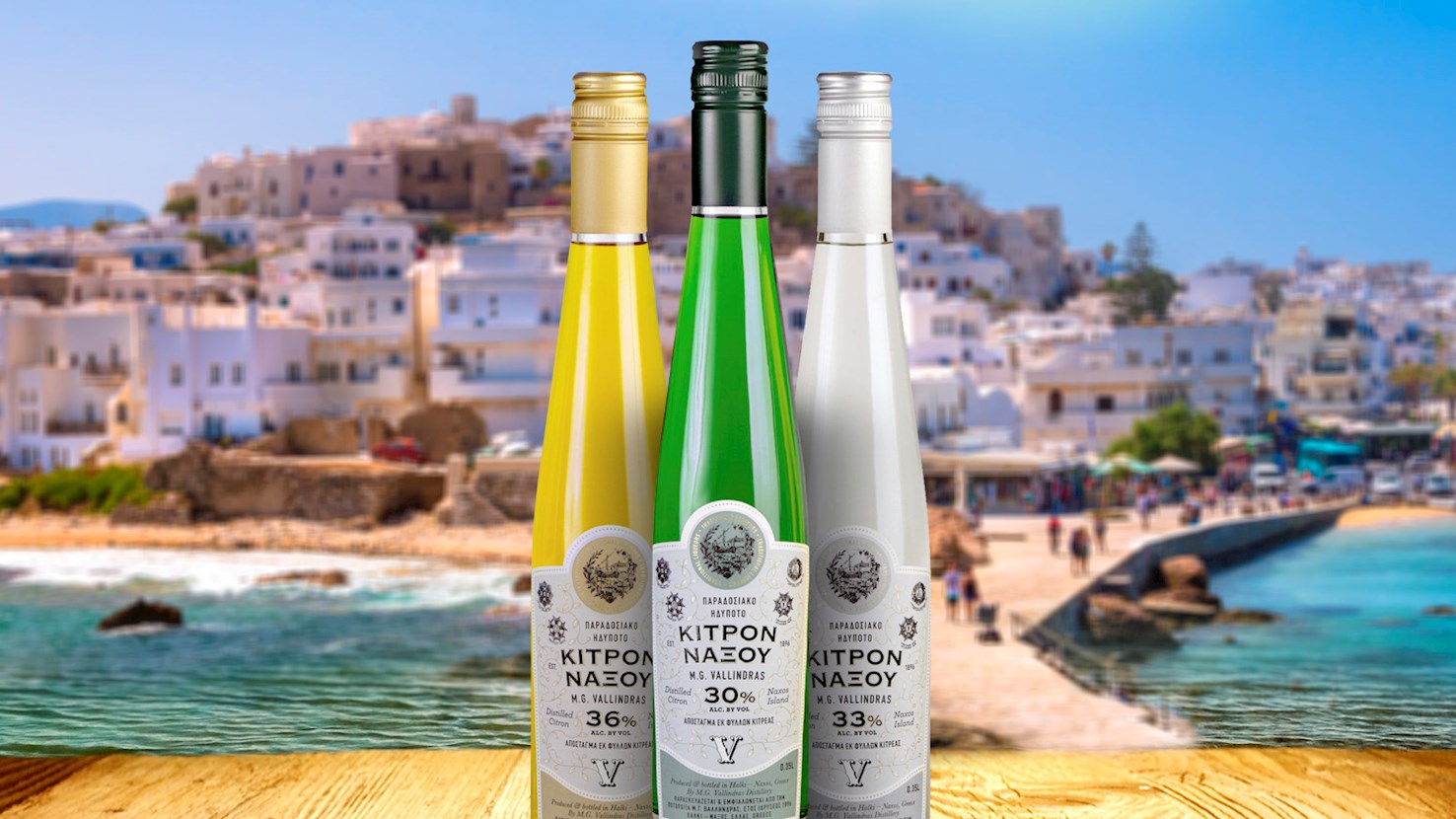
Kitron is a traditional citron liqueur hailing from the Greek island of Naxos. It is made from citron leaves (Citrus medica) that are macerated in neutral alcohol. The macerate is distilled, and the spirit is then mixed with sugar and water. Kitron typically comes in three versions that differ in color and strength. Green-colored kitron is the sweetest and has the lowest alcohol content (30% ABV). The colorless version is bottled at 33% ABV, while the strongest yellow-colored variety comes bottled at 36% ABV. Kitron has a distinctive citrusy aroma and flavor, and it is traditionally enjoyed as a digestif.

08

Licor 43

3.6 ·

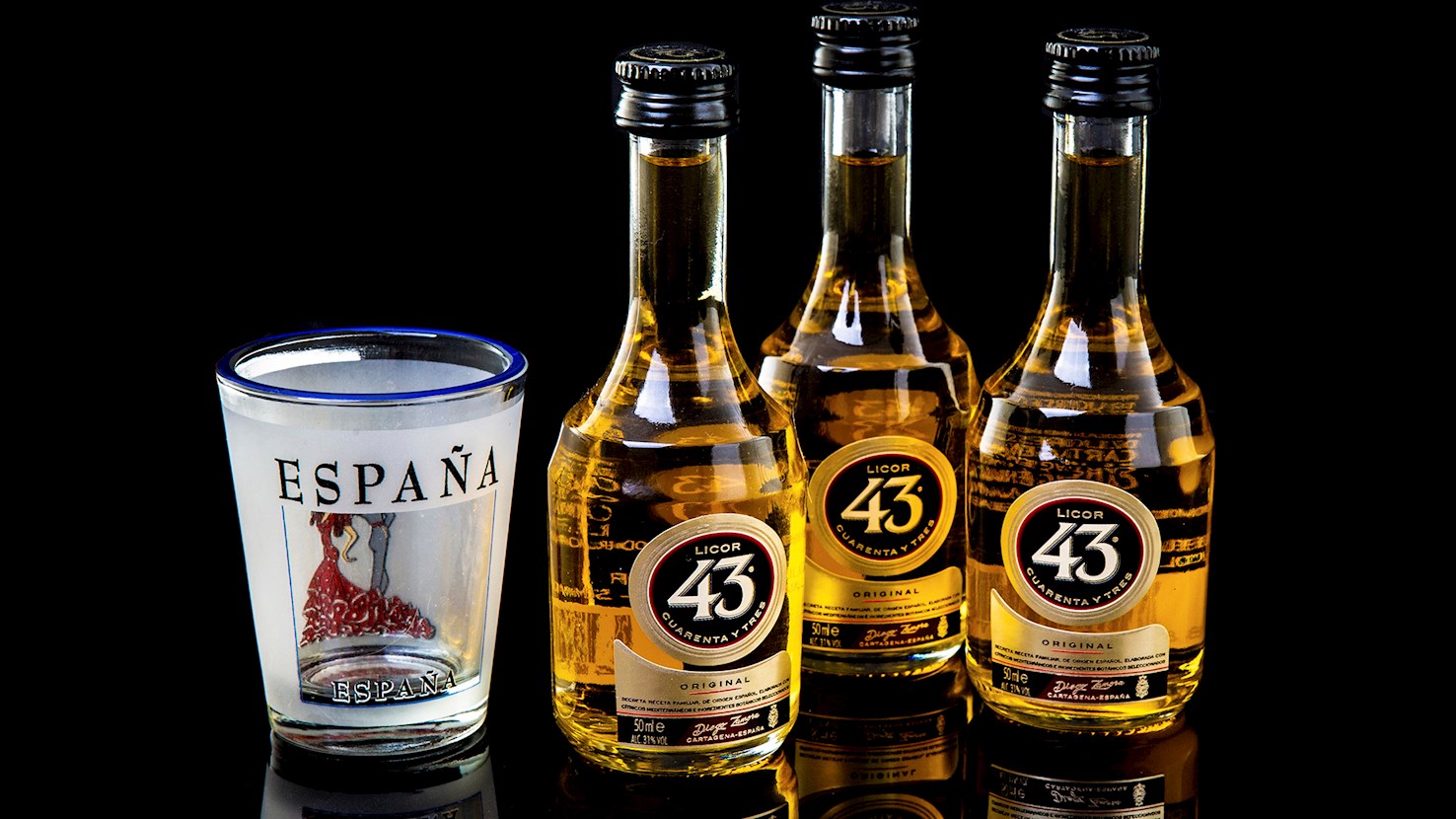
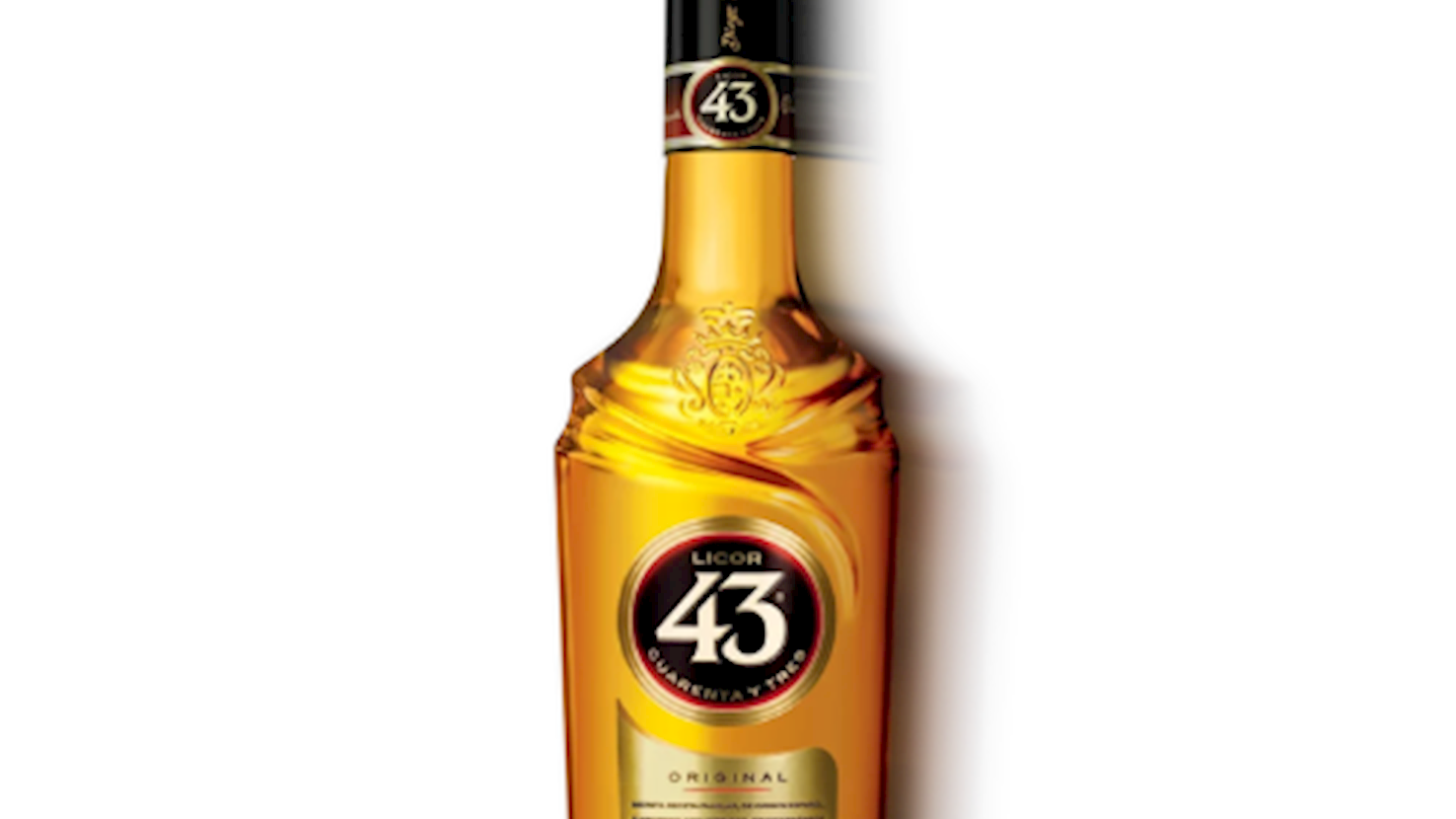
Also known as Cuarenta y Tres, which translates as forty-three, this sweet liqueur was first produced in the 1940s by Diego Zamora and other members of the Zamora family who claim that their recipe was based on an ancient liqueur known as liqvor mirabilis (marvelous liquid). Although the exact recipe is secret, the liqueur is made with precisely forty-three ingredients—hence the name. After it is aged and filtered, the final result is a smooth and dense golden-colored drink with aromas reminiscent of vanilla, citrus fruit, and spices. Licor 43 can be served well-chilled, preferably on the rocks and enjoyed as a digestif, but it is also commonly incorporated into cocktails and mixed drinks. It is used in coffee-based drinks such as barraquito and carajillo, but it also goes well with various carbonated drinks. Because of sweetness, it is also commonly used in desserts or as a topping for ice creams or custards. Licor 43 is bottled at 31% ABV.

Best producers
09

Triple Sec

3.5 ·

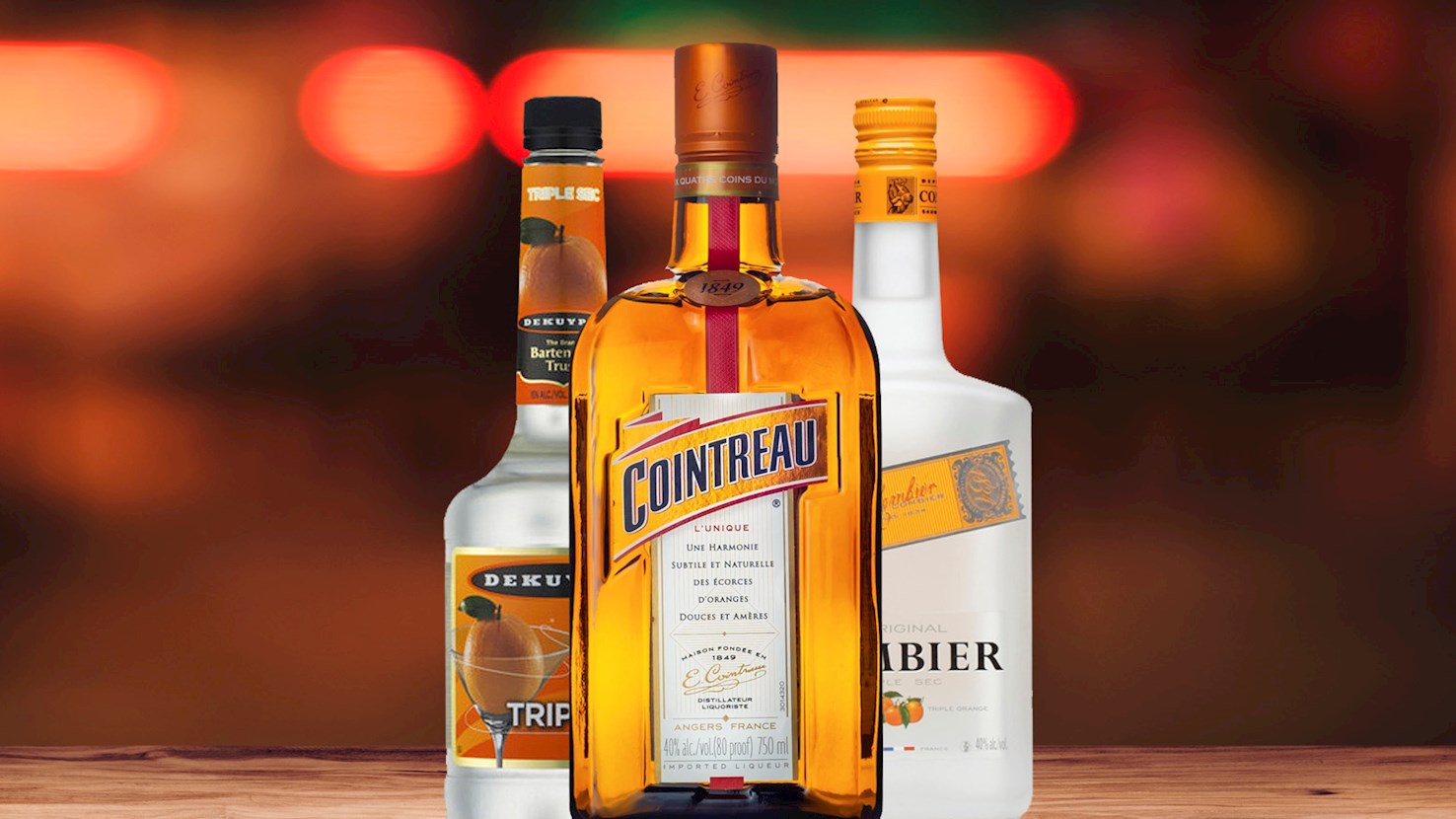
Triple sec is a French term for clear, orange-flavored liqueurs. They are traditionally distilled from a macerate of dried orange peels and a neutral spirit. The origin of triple sec is undoubtedly French, though it is disputed who was the first to use and market the term, as well as the true meaning of the name triple sec, which translates as triple dry. Combier distillery from Saumur claims that their triple sec is the earliest version, first made in 1834, though some name Cointreau as the original producer. Regardless, the two companies are still the biggest competitors and the most important triple sec brands. High-quality triple sec liqueurs will have a potent orange flavor as well as aromas of bitter oranges and orange blossom. They range from 20 to 40% ABV, though better quality versions tend to have higher alcohol content, which usually goes from 38 to 42%. Although they can be enjoyed neat or on the rocks, triple sec liqueurs are most commonly used in cocktails.

10

Picon

3.2 ·

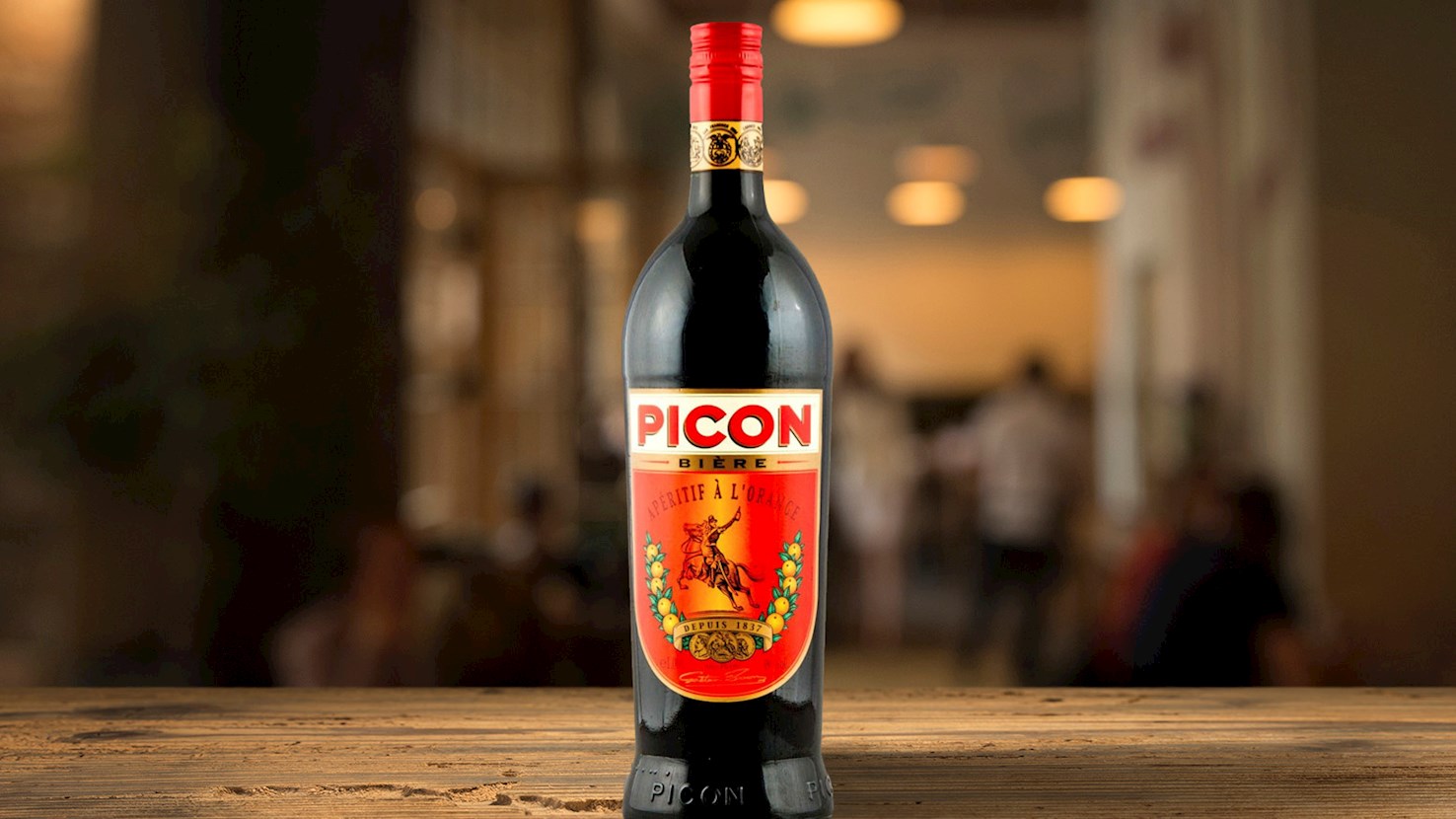
Picon is a bittersweet orange-flavored French liqueur, officially classified as a bitter, which is commonly paired with beer. It was created in 1932 by Gaétan Picon, who was an apprentice at a distillery before he was stationed in Algeria. Like many other French soldiers, he was exposed to malaria, and soon after he invented Picon—a combination of neutral alcohol, caramel, and various herbs and spices such as orange zest, gentian root, and cinchona bark (known to yield quinine which was an effective treatment against malaria). The drink was first produced in Algeria, but after he improved his formula and won a bronze medal at the London World's Fair in 1862, Picon relocated his factory to Marseille, where the drink is still produced. Picon is often mixed with white wine, while the combination of beer and Picon is a favorite in the French-speaking part of Belgium. Since 1995, Picon is produced as the original Picon bière—meant to be combined with beer—and as Picon club—intended to be mixed with white wine. Picon is mostly enjoyed in northern and eastern France, and apart from classic combinations, it is also commonly used as a cocktail ingredient.

Best European Fruit Liqueurs
01

Grand Marnier

5 ·
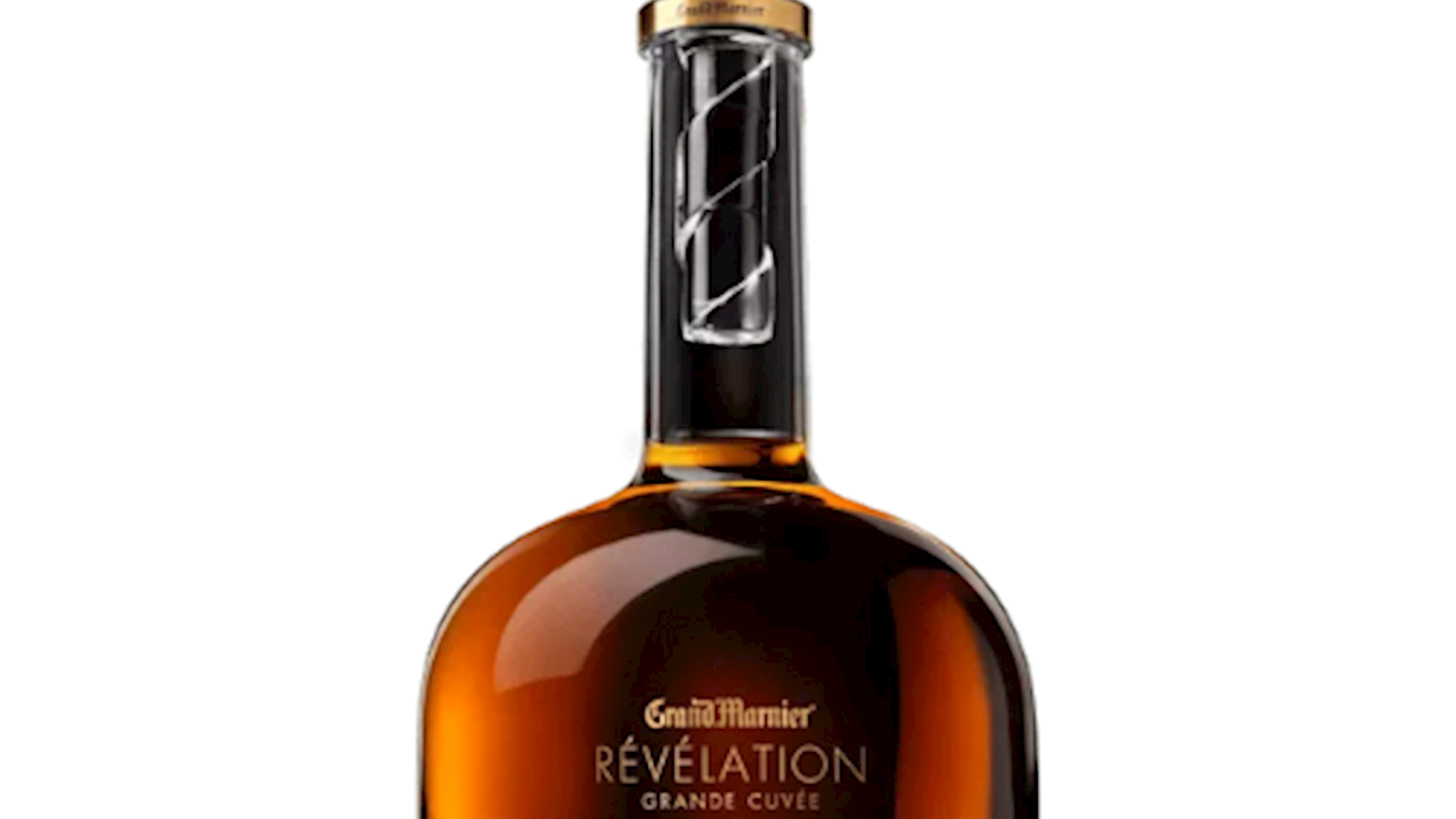
Grand Marnier is a French liqueur brand positioned from the outset at the intersection of luxury, craftsmanship, and enduring family tradition. The brand originated within the Marnier-Lapostolle family, built on a clear vision to combine fine French cognac with the essence of bitter orange - an approach that already in the 19th century set Grand Marnier apart from the then-common liqueurs based on neutral alcohol. Over the decades, the brand has developed a strong identity grounded in recipe consistency, strict control of raw materials, and a pronounced connection to French heritage. Grand Marnier is positioned as a premium, heritage brand, present both in classic bar culture and in high gastronomy and pâtisserie. Its visual identity-marked by the distinctive bottle, red ribbon, and seal-further emphasizes continuity and authority. Today, Grand Marnier is part of the wider luxury portfolio of the Campari Group, while retaining autonomy in production and brand communication. Rather than following trends, the brand relies on history, reputation, and a precisely defined style that makes it one of the most recognizable French liqueur brands on the global market.
Awards
IWSC- International wine & spirit competition - Spirit Gold (2024)
IWSC- International wine & spirit competition - Spirit Gold Outstanding (2024, 2023)
02

A de Fussigny

5 ·
A de Fussigny is a historic Cognac house founded in 1814 and located in the town of Cognac, along the banks of the Charente River. Its cellars benefit from the river’s natural humidity, which supports slow, even aging and contributes to a smooth, rounded style. The house works primarily with Fine Champagne blends, combining eaux-de-vie from Grande and Petite Champagne to achieve balance and aromatic depth. Production focuses on careful selection and maturation of eaux-de-vie in French oak, preserving fruit character while allowing complexity to develop gradually. The style of A de Fussigny Cognacs is generally elegant and approachable, marked by floral notes, ripe fruit, gentle spice, and well-integrated oak. Alongside traditional craftsmanship, the brand is also recognized for its modern presentation and contemporary positioning within the Cognac category.
Awards
SFWSC - San Francisco World Spirits Competition - Double Gold (2024)
ISC-International Spirits Challenge - Double Gold (2023)
03

Cointreau

4.9 ·
Cointreau is one of the most recognized names in the liqueur category, defined by its clear orange spirit known as triple sec. Founded in 1849 in Angers by Adolphe and Édouard-Jean Cointreau, the brand evolved from a family background in confectionery into a producer of fruit-based liqueurs, eventually refining a signature recipe that combines sweet and bitter orange peels with neutral alcohol. The result is a colorless liqueur with around 40% ABV, characterized by a precise balance of freshness, citrus intensity, and clean structure. Production relies on the careful selection and drying of orange peels followed by distillation in copper stills, using a method that has remained largely consistent over time. Cointreau has become a reference ingredient in cocktail culture, forming a core component in a wide range of classic recipes such as the Margarita and the Cosmopolitan, where it contributes both aromatic lift and structural balance. Its role is not limited to flavoring but extends to shaping the overall profile of mixed drinks through its clarity and intensity. As part of the Rémy Cointreau group, the brand maintains a strong identity built on consistency and technical precision. International recognition through numerous awards reinforces its long-standing position in the premium segment. Overall, Cointreau represents a focused approach to liqueur production, where a single formulation defines both heritage and global relevance.
Awards
USC- Ultimate Spirits Challenge - Chairman's Trophy (2022)
USC- Ultimate Spirits Challenge - Top 100 (2022)
04

Maraska

4.7 ·
Maraska is a Zadar-based distillery with centuries of tradition in crafting liqueurs and beverages made from the indigenous marasca cherry, the key ingredient in its most famous product - Maraschino liqueur. The company blends historical recipes and local heritage with modern technological processes, enabling the production of a wide range of alcoholic and non-alcoholic drinks, including fruit liqueurs, brandies, syrups, and juices. Maraschino is produced by distilling ripe marasca cherries together with their pits, stems, and leaves, which creates its characteristic almond-like aroma and rich fruity complexity. Today, Maraska operates from a modern facility in Zadar and is part of the Stanić Group, contributing to the brand’s stability and international reach. Maraska remains recognized as a custodian of Dalmatian liqueur-making tradition, offering products that combine authenticity, quality, and a long continuity of craftsmanship.
05

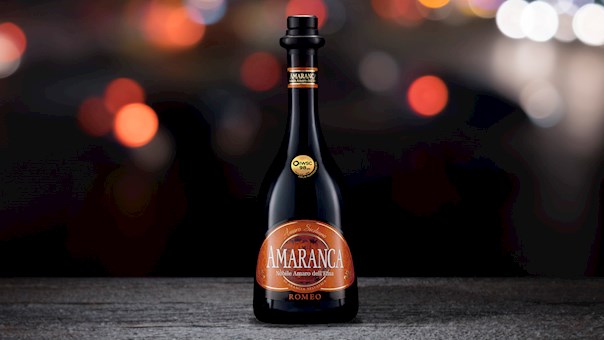
Romeo Vini

4.7 ·
Awards
IWSC- International wine & spirit competition - Spirit Gold Outstanding (2019)
06

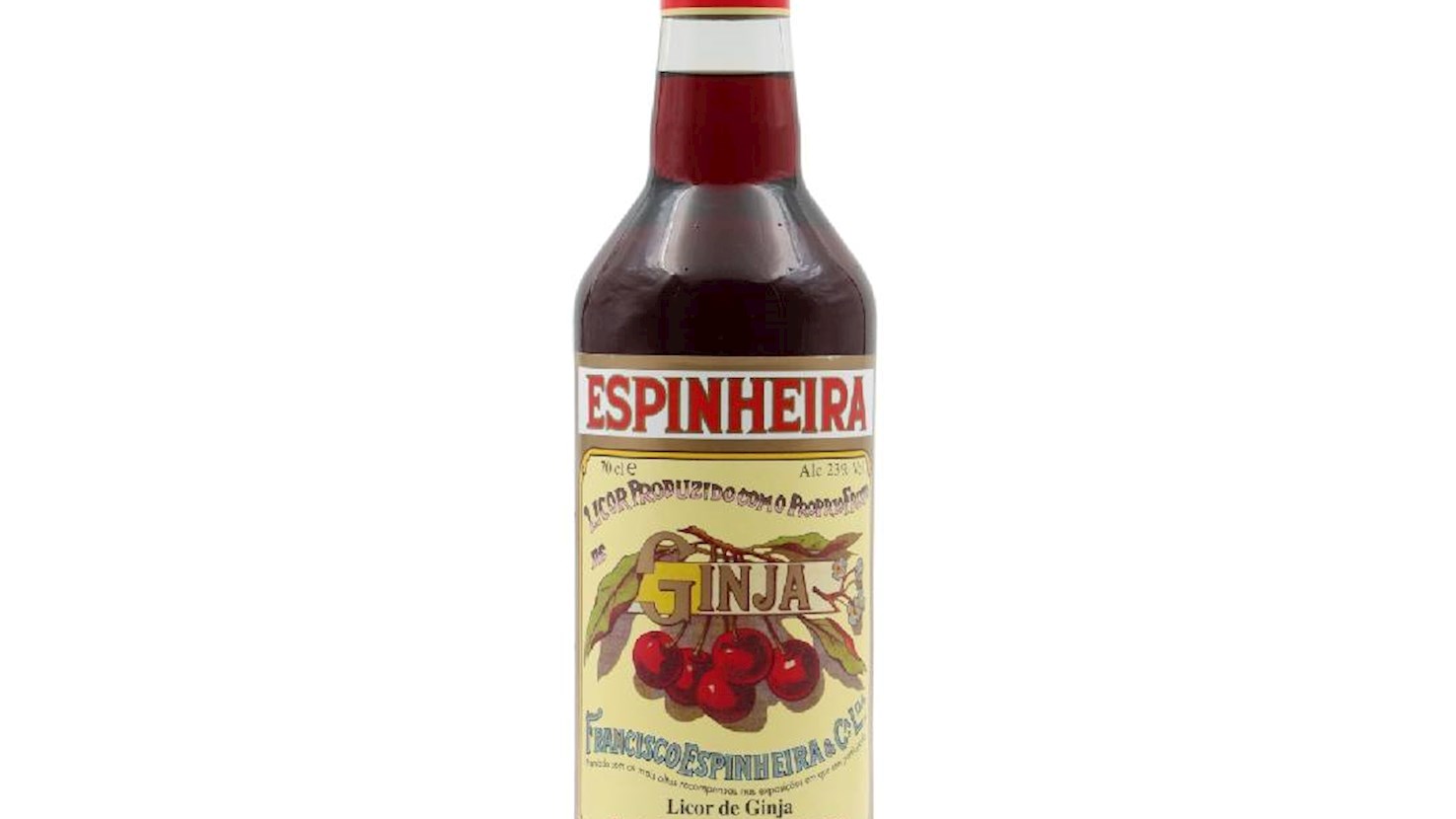
A Ginjinha

4.4 ·
A Ginjinha is a famous Portuguese bar and producer of Ginjinha (sour cherry liqueur) located in Lisbon, Portugal. Established in 1840 by a Galician monk named Espinheira, it is renowned for its iconic cherry liqueur made by infusing sour cherries (ginja berries) in aguardente (Portuguese spirit). The liqueur is traditionally served in a small glass, with customers asked if they prefer it “com ou sem elas” (with or without the cherry). This sweet-tart drink has become a symbol of Lisbon's cultural experience, drawing locals and tourists alike to enjoy a taste of this authentic Portuguese tradition.
07

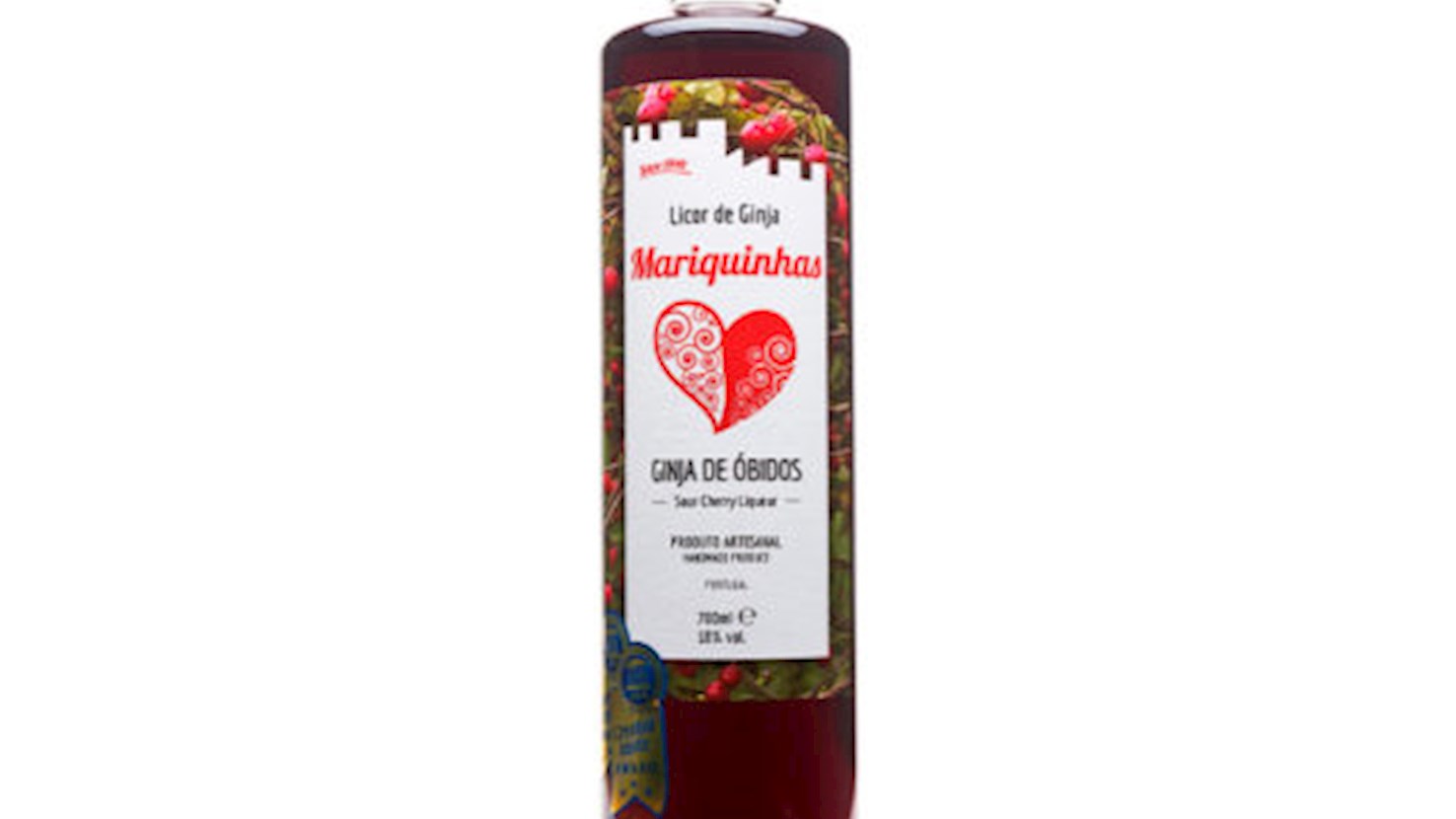
LicÓbidos

4.3 ·
LicÓbidos, a family-owned company established in 1949, produces Ginja Mariquinhas, a traditional Portuguese sour cherry liqueur. Cultivating over 22,000 sour cherry trees, they ensure self-sufficiency and maintain high-quality standards for their liqueur. Ginja Mariquinhas is 100% natural, free from artificial colorings and preservatives, offering a clear, ruby-colored appearance with an intense sour cherry aroma. The brand draws inspiration from Portuguese cultural elements like Fado music, filigree, and embroidery, reflecting the nation's rich heritage. Internationally recognized, Ginja Mariquinhas has received accolades for its authenticity and quality.
08

Pallini

4.2 ·
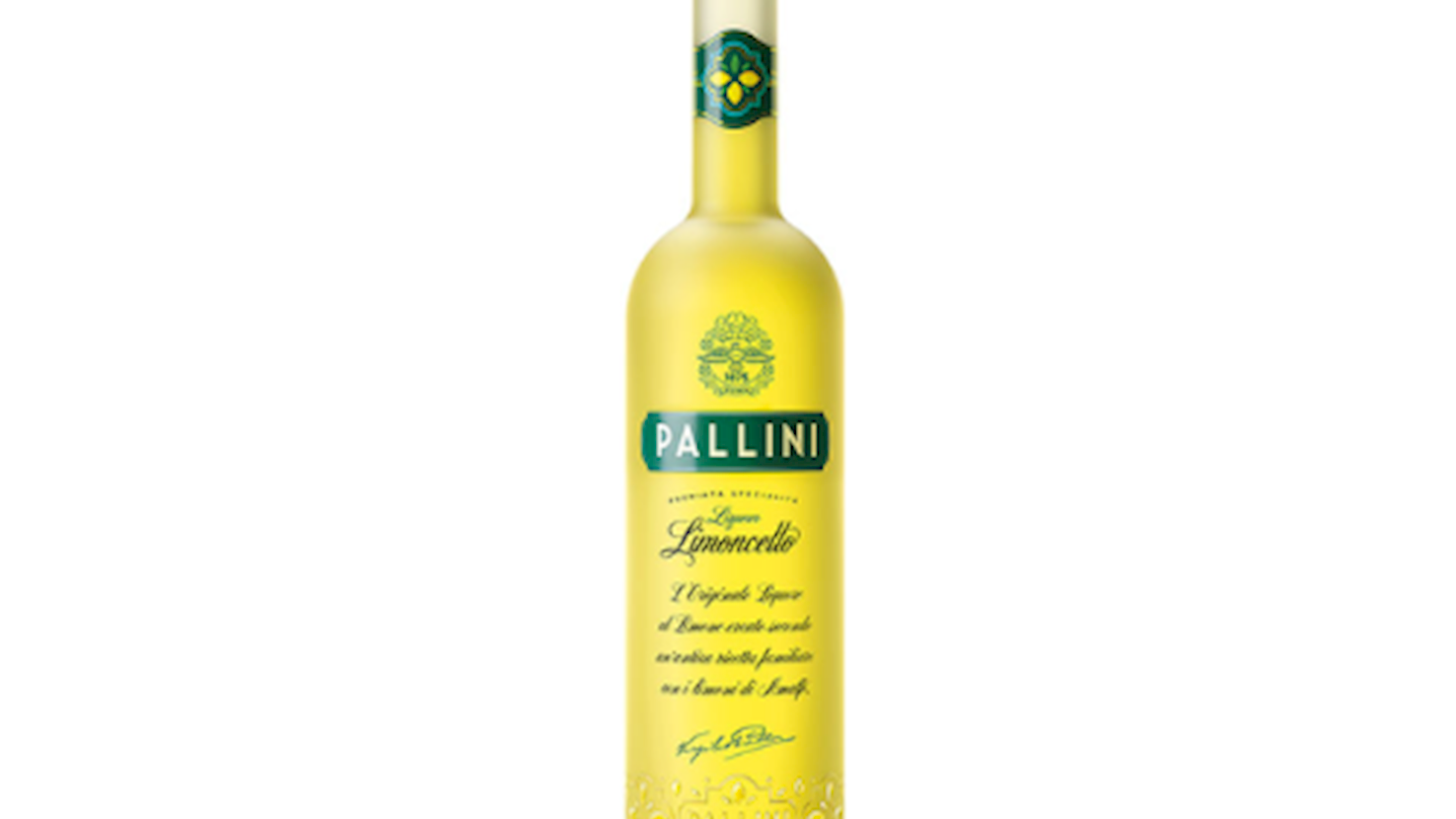
Pallini is one of the oldest and most renowned beverage producers in Rome, founded in 1875 by Nicola Pallini in Antrodoco, a small village in central Italy. The company is famous for producing high-quality liqueurs, particularly its iconic Limoncello, made from handpicked "Sfusato" lemons from the Amalfi Coast. Pallini exports its products to over 35 countries worldwide and is a leader in the Duty-Free segment and the U.S. market with its Limoncello. In addition to Limoncello, the company produces Mistrà, a dry anise liqueur celebrated as the perfect addition to espresso coffee, as well as Sambvca 313 and a wide range of syrups and other specialties. The company takes pride in preserving its family tradition and is dedicated to delivering the finest flavors in its products, combining fresh ingredients, modern processes, and meticulous attention to detail.
Awards
London Spirits Competition - Gold (2024)
10

Licor 43

4.1 ·
Licor 43 is a Spanish liqueur brand originating from Cartagena in the Murcia region, where it is still produced today. The modern version of the liqueur was introduced in 1946 by the Zamora family, who developed the recipe inspired by the ancient Roman drink known as Liqvor Mirabilis. The name Licor 43 refers to the 43 natural ingredients used in its secret recipe, which includes Mediterranean citrus fruits, vanilla, and a selection of aromatic herbs and spices. The liqueur is known for its golden color and its distinctive sweet and aromatic profile with prominent vanilla and citrus notes. Today it is produced by Zamora Company, a Spanish family-owned spirits company, and is distributed in more than sixty countries worldwide. Licor 43 is commonly enjoyed neat, over ice, or as an ingredient in cocktails and coffee-based drinks such as the popular Spanish Carajillo 43.
Awards
The Liqueur Masters - Master (2023)
Read more
View all
View map
About this ranking

TasteAtlas food rankings are based on the ratings of the TasteAtlas audience, with a series of mechanisms that recognize real users and that ignore bot, nationalist or local patriotic ratings, and give additional value to the ratings of users that the system recognizes as knowledgeable. For the “Top 25 European Fruit Liqueurs” list until June 04, 2026, 1,129 ratings were recorded, of which 922 were recognized by the system as legitimate. TasteAtlas Rankings should not be seen as the final global conclusion about food. Their purpose is to promote excellent local foods, instill pride in traditional dishes, and arouse curiosity about dishes you haven’t tried.

The initial list of top producers was compiled based on available reviews, awards, local recommendations, media and blog coverage, and consumer reviews. The list will be updated with ratings from TasteAtlas local ambassadors and TasteAtlas users.

Similar lists