shutterstock

Top 10 Italian Fruit Liqueurs

Last updated on July 15, 2026

Best Italian Fruit Liqueurs

01

Romeo Vini

4.7 ·
Awards
IWSC- International wine & spirit competition - Spirit Gold Outstanding (2019)
02

Pallini

4.2 ·

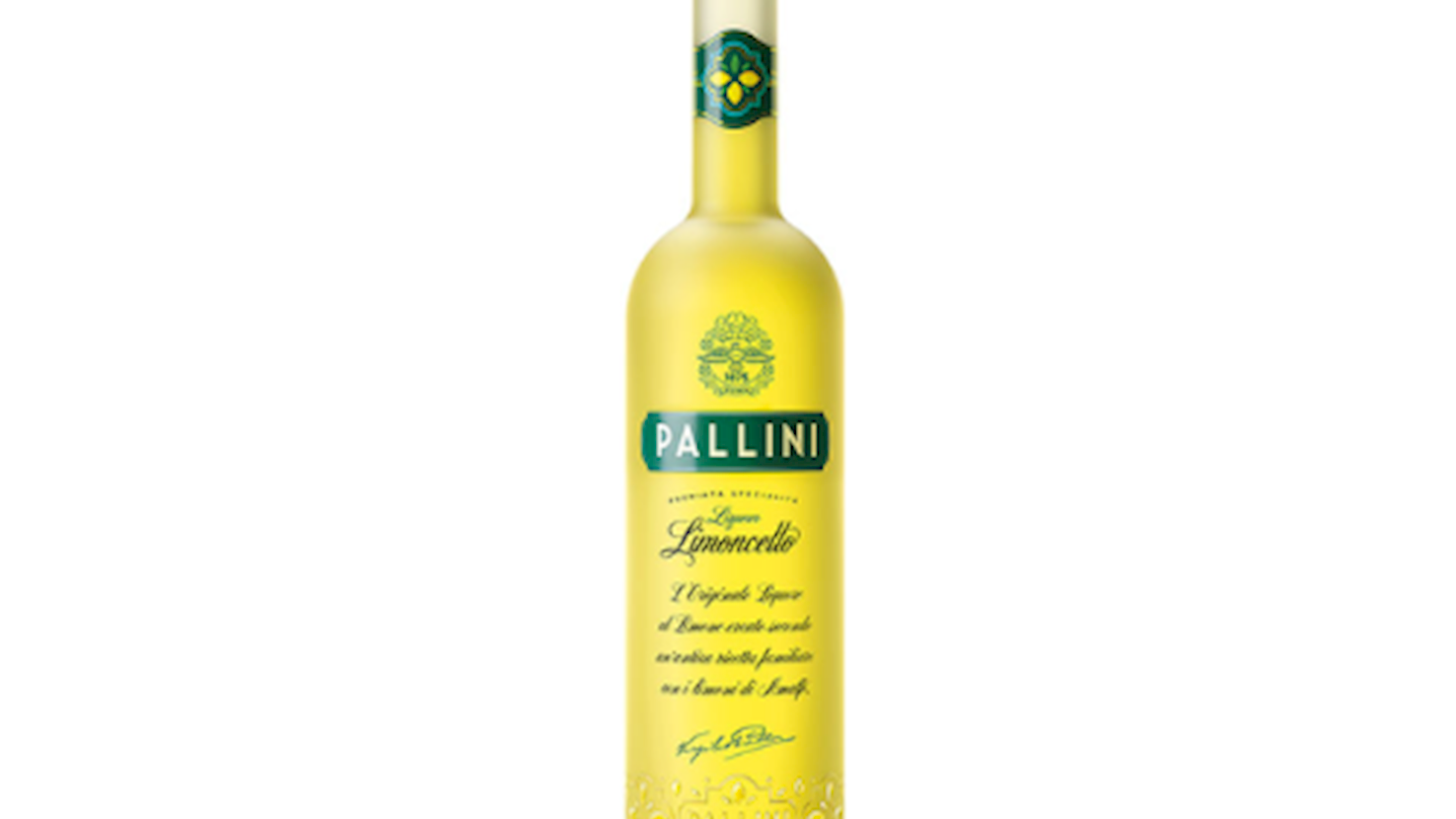
Pallini is one of the oldest and most renowned beverage producers in Rome, founded in 1875 by Nicola Pallini in Antrodoco, a small village in central Italy. The company is famous for producing high-quality liqueurs, particularly its iconic Limoncello, made from handpicked "Sfusato" lemons from the Amalfi Coast.

Pallini exports its products to over 35 countries worldwide and is a leader in the Duty-Free segment and the U.S. market with its Limoncello. In addition to Limoncello, the company produces Mistrà, a dry anise liqueur celebrated as the perfect addition to espresso coffee, as well as Sambvca 313 and a wide range of syrups and other specialties.

The company takes pride in preserving its family tradition and is dedicated to delivering the finest flavors in its products, combining fresh ingredients, modern processes, and meticulous attention to detail.

Awards
London Spirits Competition - Gold (2024)

Best Italian Fruit Liqueur Types
01

Limoncello

3.8 ·

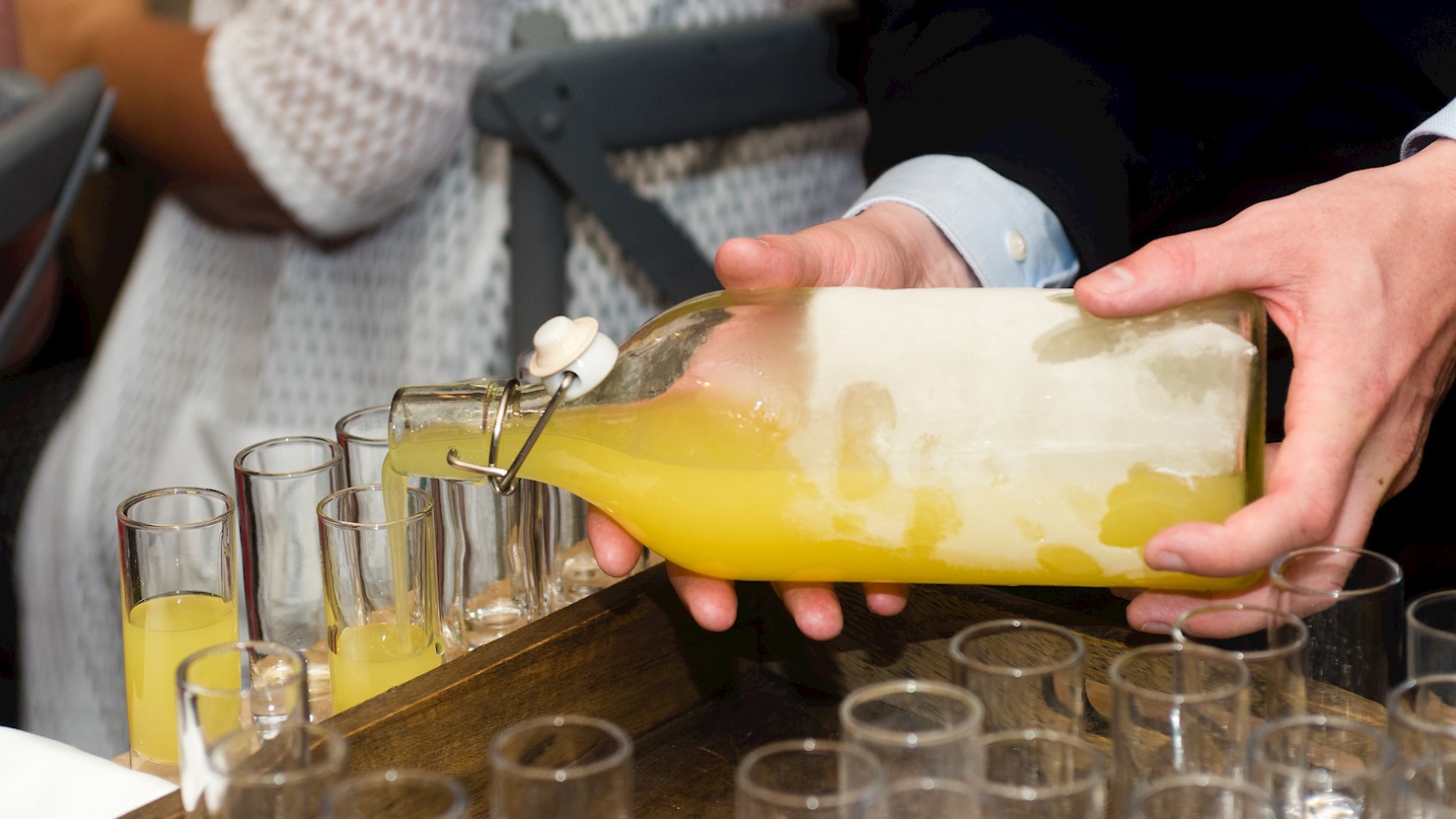
This Italian liqueur is made with lemon zest that is left to infuse in a neutral spirit. The combination is mixed with sugar and water, and it is then filtered after a resting period. Although it is enjoyed and produced throughout Italy, limoncello is usually associated with Sorrento, Amalfi Coast, and the island of Capri, where it was first patented in 1988. Limoncello is characterized by its vibrant yellow color, while its flavor is fresh, sweet, and aromatic, with strong citrus notes. It is usually enjoyed as an aperitif or a digestif, always well chilled and sometimes served in ice-cold glasses. As an ingredient, it is used in cocktails and long drinks, but it is also easily incorporated in various desserts.

02

Aperol

3.7 ·

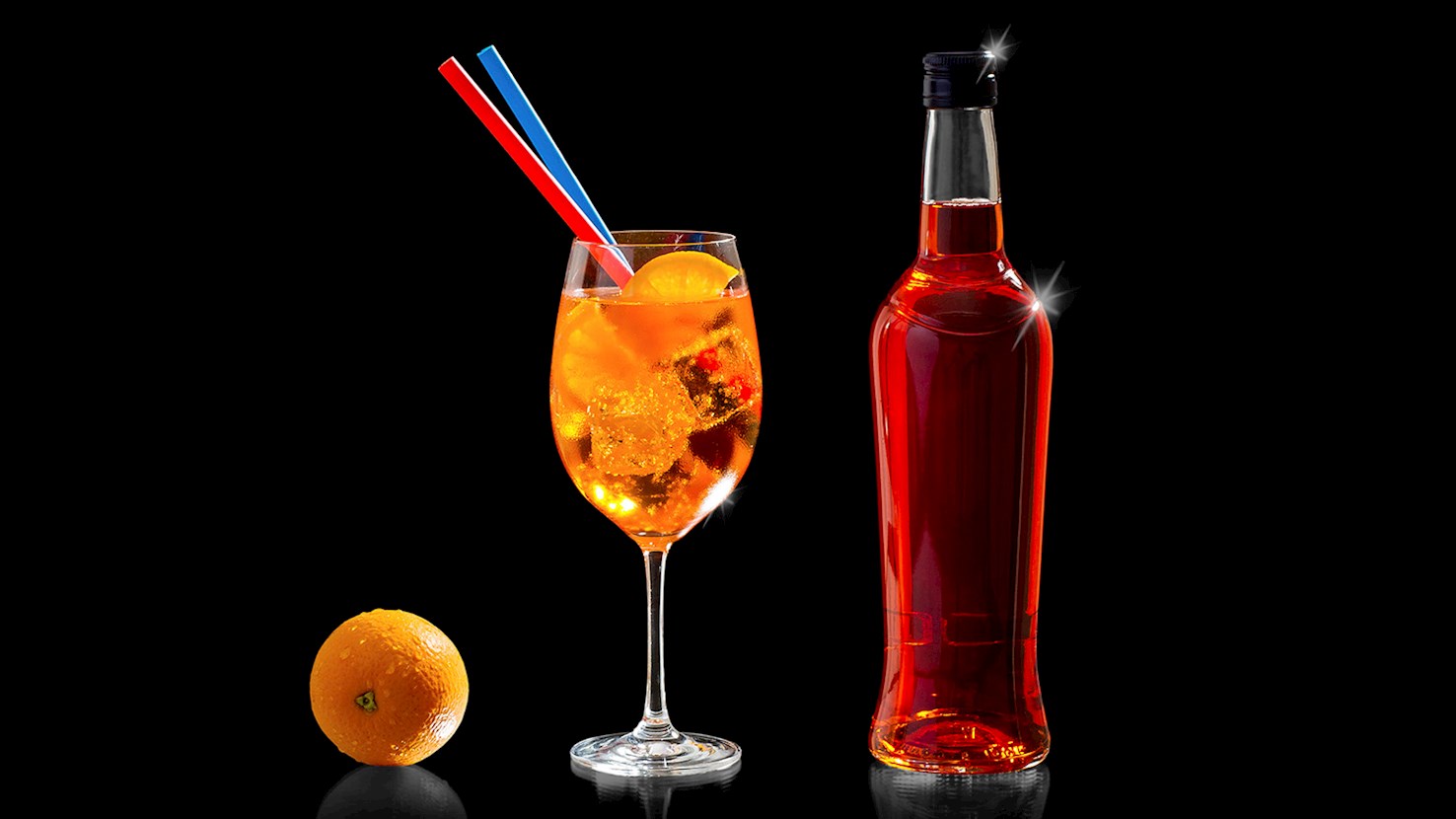
Hailing from Padua, this Italian liqueur was invented in 1919 by the Barbieri brothers. It has been produced following the original secret infusion that combines bitter and sweet oranges, rhubarb, herbs, and alcohol. It is characterized by its combination of bitter, fruity, and floral flavors and a low alcohol content of only 11% ABV. Aperol was initially invented as an apéritif, preferably served over ice, but it also pairs incredibly well with citrus or fruit juices, and soda. The most popular combination is undoubtedly Aperol Spritz—the fashionable, light apéritif that combines Aperol, Prosecco, and a splash of soda water.

03

Mandarinetto

n/a ·

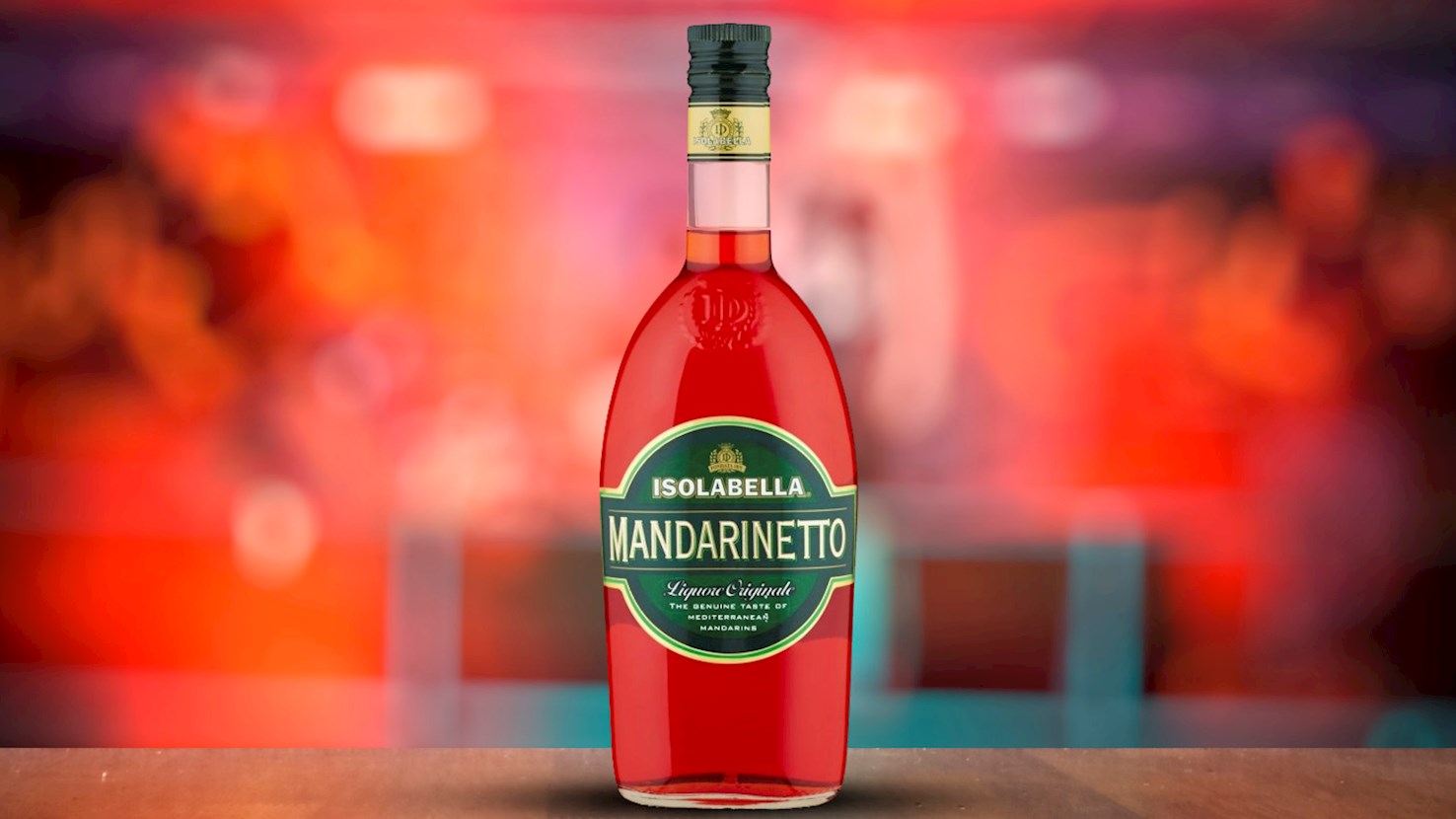
Mandarinetto is a traditional Sicilian liqueur made with fresh, organic mandarin oranges. It is prepared with freshly peeled mandarin skins macerated in neutral alcohol. The macerate is sweetened and mixed with water to reach the desired alcohol content. It is then strained and allowed to settle. The resulting bright orange liqueur is fresh and aromatic, with a distinctive citrus-like flavor. Mandarinetto can be served as a well-chilled digestif or a dessert ingredient.

04

Amaranca

n/a ·

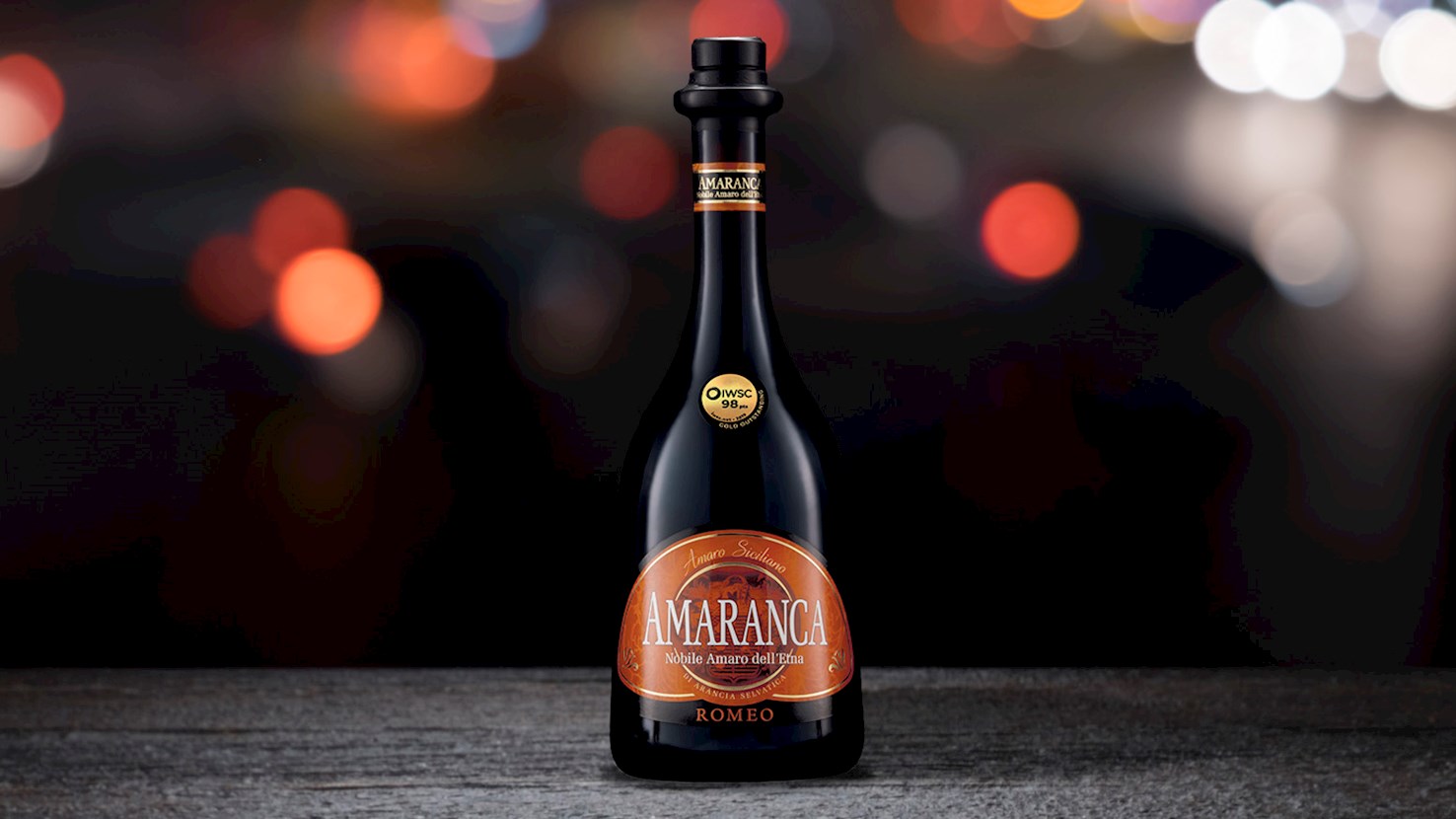
Amaranca is an award-winning orange-flavored amaro from Sicily that was inspired by an old family recipe. This artisanal liqueur is flavored with Sicilian wild orange (Citrus aurantium) and a herbal infusion made with various herbs and roots collected on the slopes of Mount Etna. Amaranca is a citrusy liqueur with subtle bitterness. The flavor and aroma are herbal and fruity. Amaranca is best served as an aperitif or a digestif. It can be enjoyed neat (preferably well chilled) or on the rocks and should be garnished with orange zest or fresh mint. Amaranca is produced by the family-owned Romeo Vini, a company with forty-year-long experience.

05

Zedda Piras

n/a ·

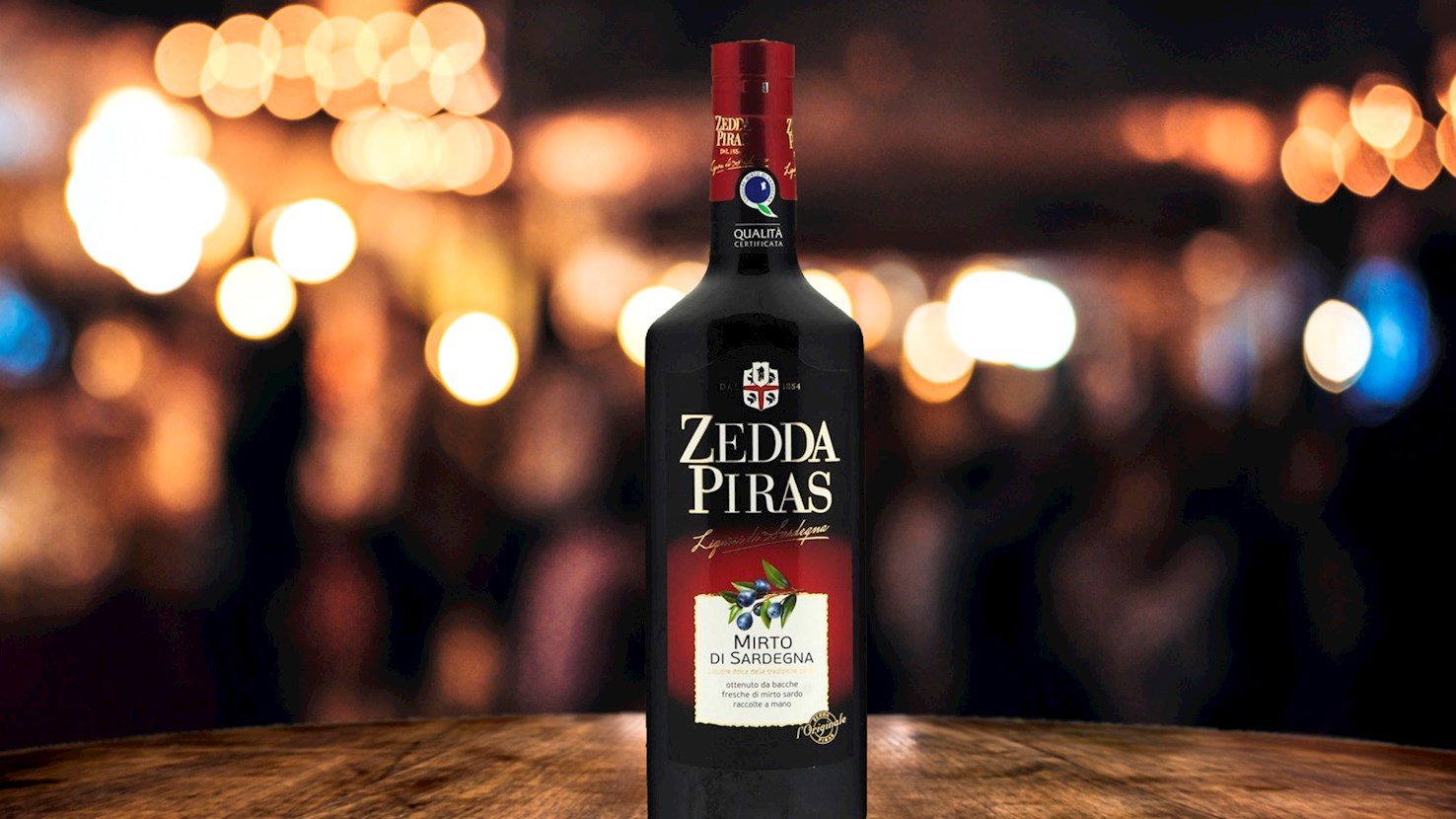
Zedda Piras is a myrtle liqueur that is produced on Sardinia. The exact recipe is not known, but small myrtle berries that grow wild across the island are the main ingredient. They are macerated in alcohol, and the macerate is then sweetened, filtered, and bottled. The liqueur is rich and smooth with an intense color and myrtle aromas. It was produced by the namesake company from Cagliari that was founded by Francesco Zedda. In the 1990s, the family-owned business has been taken over by Campari, but the production of this berry liqueur has not been changed. Zedda Piras is a great after-dinner drink. It is bottled at 32% ABV, and it is best enjoyed well-chilled.

06

Gran Gala

n/a ·

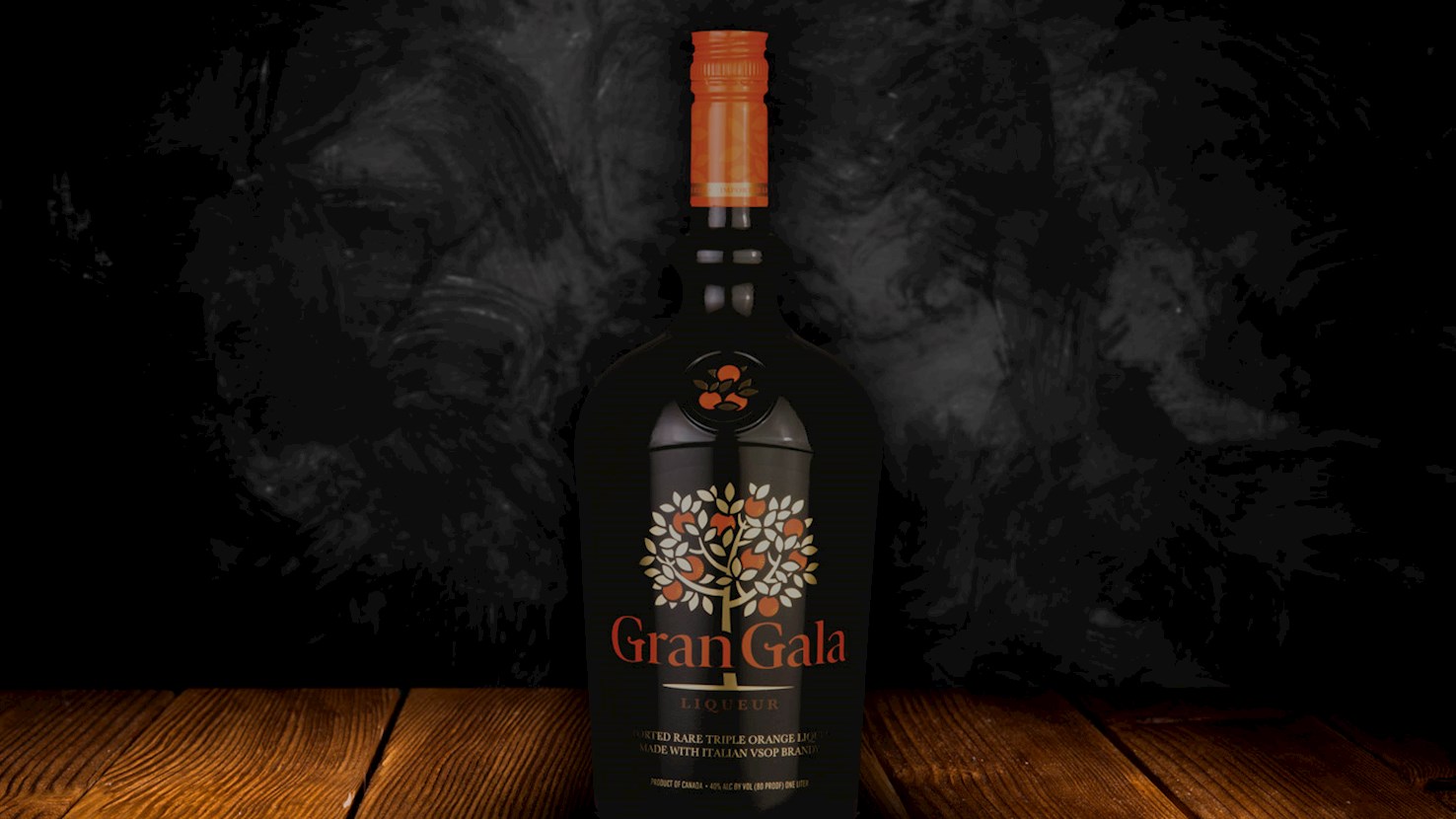
Gran Gala is a rich orange-flavored liqueur made with a brandy base. The drink has Italian origins—it was initially created in Trieste—but it is now imported and bottled by Sazerac. This velvety smooth liqueur blends the finest Italian VSOP brandy and fresh orange infusion. It is an amber-colored, full-bodied liqueur with an aroma reminiscent of fresh oranges, orange zest, and candied oranges. The finish is long and warming, with hints of caramel, vanilla, cocoa, and spices. This aromatic liqueur can be served neat, on the rocks, or in cocktails. It can also be used as a cooking ingredient.

07

Aurum

n/a ·

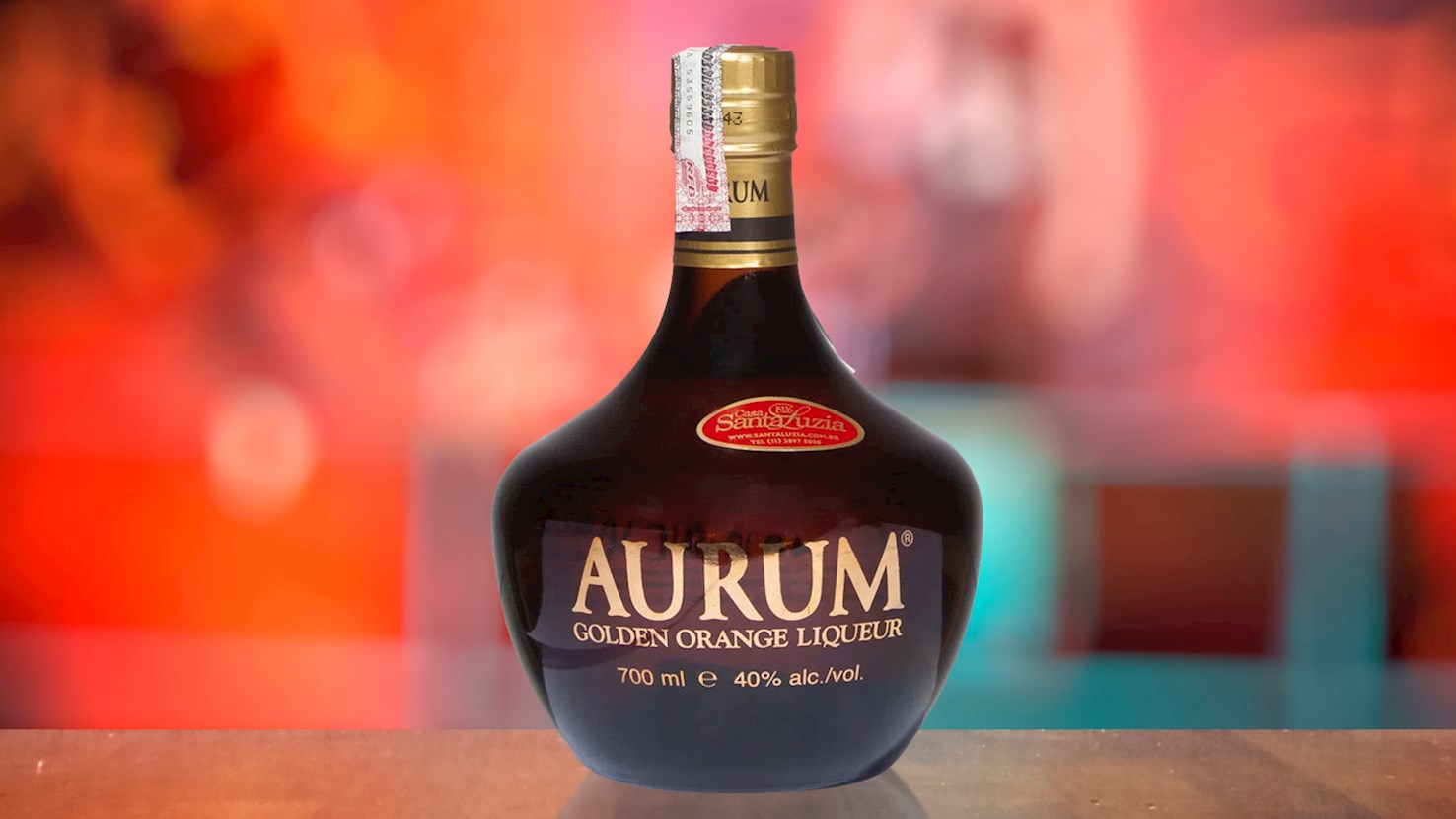
Aurum is a brandy-based, orange-flavored liqueur that hails from Pescara. It is made with aged brandy and an orange infusion, while the distinctive orange color is also attained with the addition of saffron. The liqueur is aged before it is bottled. Aurum is sweet and smooth, with a flavor and aroma dominated by orange notes. It was first created in 1925, and its name stems from Latin—aurum stands for gold, while aurantium translates as orange. Aurum is best served on the rocks, but it is also a great addition to desserts and ice cream.

08

Bargnolino

n/a ·

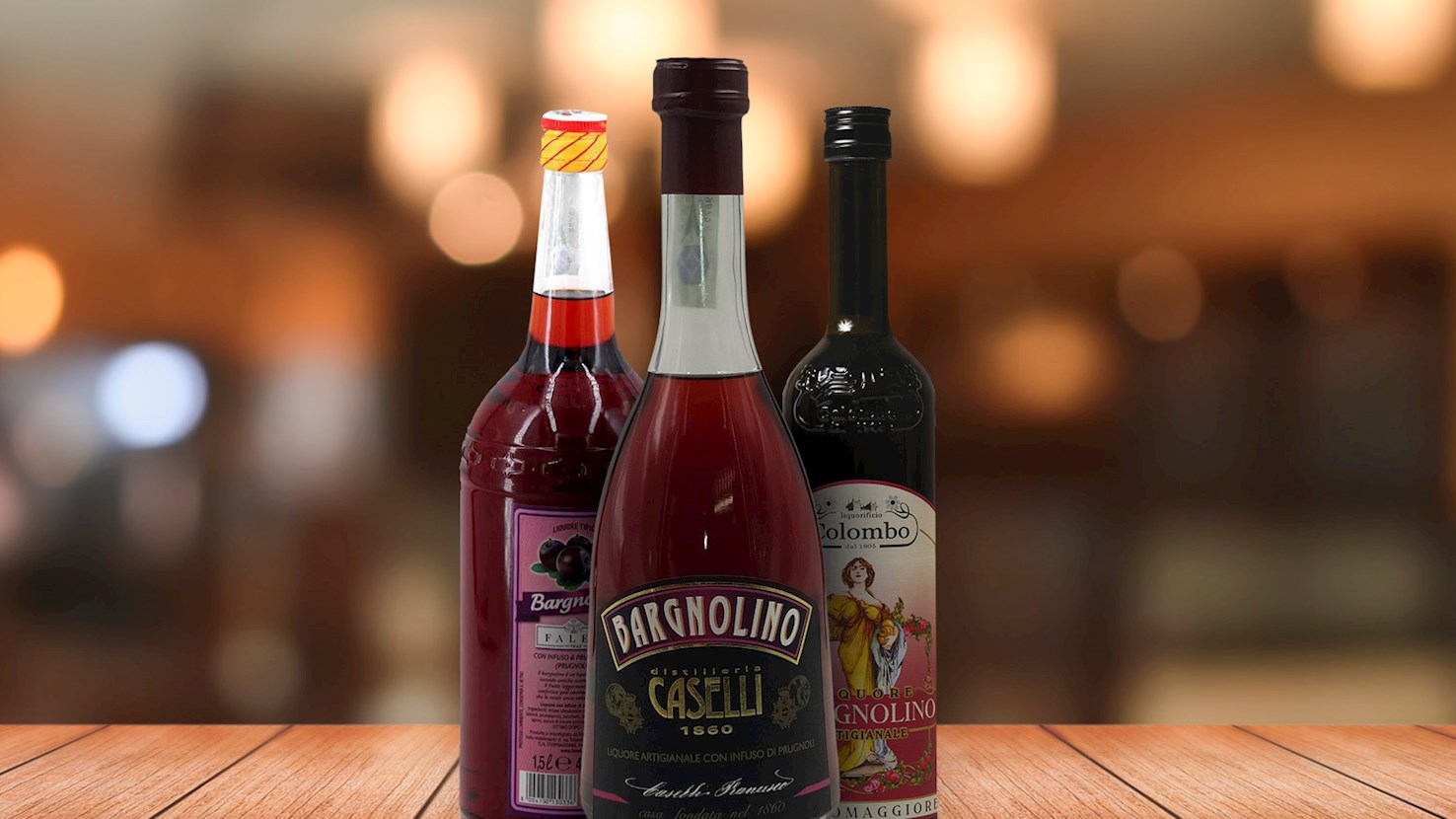
Bargnolino is an Italian liqueur made with sloe berries (blackthorn), locally known as bargnö or bargnòl. The liqueur is made by macerating sloes in a neutral spirit for several weeks. The macerate is then sweetened and diluted. There is no set recipe or an exact list of ingredients for bargnolino, and the recipes differ across the region and among the families. It usually includes wine and sometimes spices such as vanilla or cinnamon and citrus zest. The resulting drink is subtly sweet, with a distinctive mahogany hue. This liqueur is mostly associated with Parma and Piacenza. It is best enjoyed chilled, and it works best as an aperitif or an after-dinner drink.

09

Mirinello di Torremaggiore

n/a ·

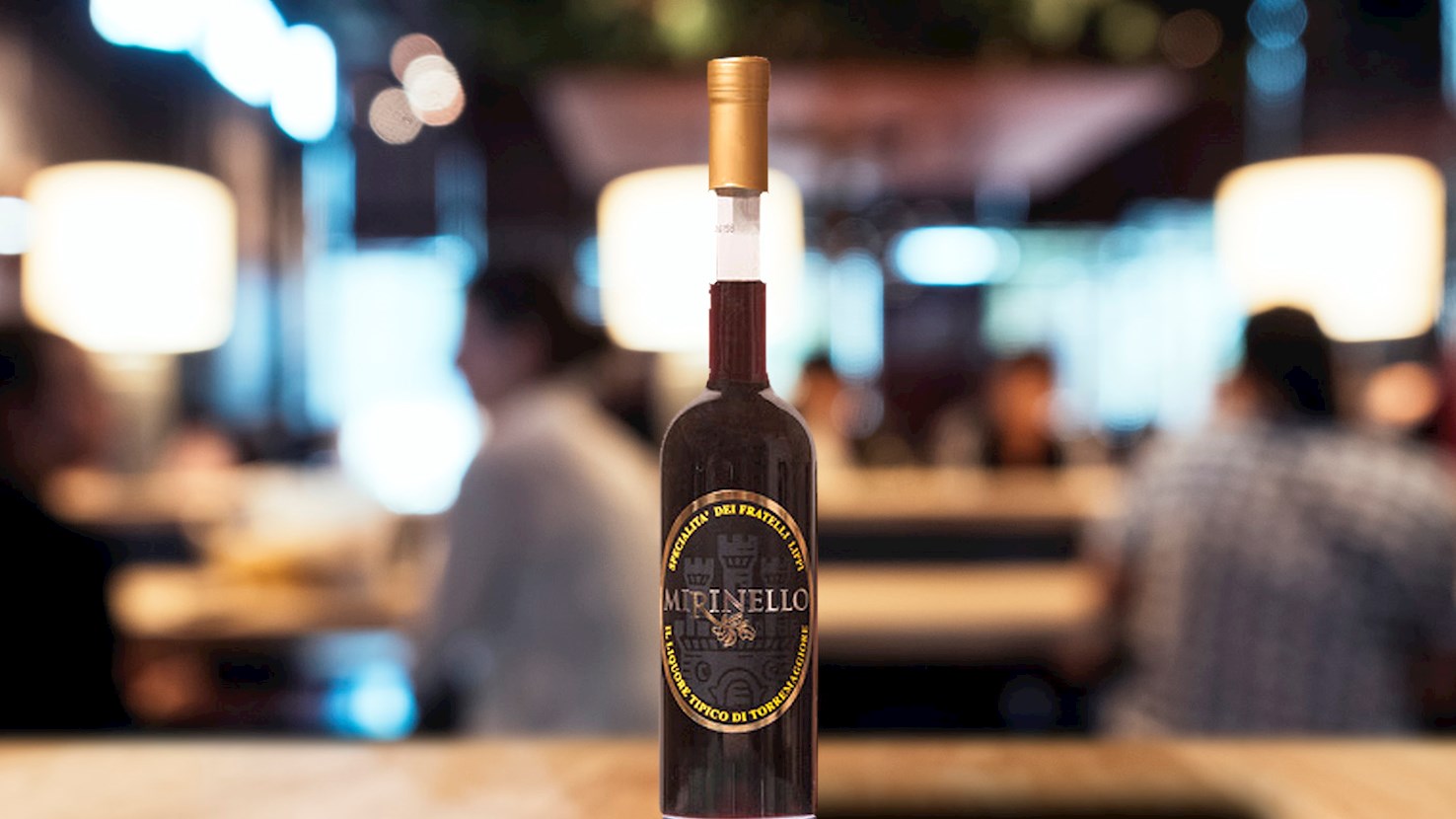
Mirinello is an Italian liqueur that is made with wild cherries that grow around Torremaggiore. The fruit of this cherry tree is small, and to make the liqueur, the cherries are traditionally picked by hand. They are then steeped in alcohol for at least a month, and the macerate is filtered and adjusted with sugar and water. The final result is a ruby red liqueur with flavors and aromas that are reminiscent of cherries and bitter almonds. Mirinello is best served as a digestif, but it can also be added to cocktails or desserts.

10

Nanassino

n/a ·

Nanassino is a type of Italian liqueur that is made with prickly pears (fichi d’India). It is traditional for Amalfi coast, Salento, and Cilento—where prickly pears are abundant and usually grow wild. Nanassino is made with the fruit that is typically collected at the end of August. The pears are macerated in alcohol, and the infusion is then filtered, sweetened, and its final flavor is altered with the addition of water. This liqueur is usually homemade. It can be enjoyed on its own or paired with desserts, but it also works as a flavoring in various local desserts.

Read more
View all
View map
About this ranking

TasteAtlas food rankings are based on the ratings of the TasteAtlas audience, with a series of mechanisms that recognize real users and that ignore bot, nationalist or local patriotic ratings, and give additional value to the ratings of users that the system recognizes as knowledgeable. For the “Top 10 Italian Fruit Liqueurs” list until July 15, 2026, 559 ratings were recorded, of which 488 were recognized by the system as legitimate. TasteAtlas Rankings should not be seen as the final global conclusion about food. Their purpose is to promote excellent local foods, instill pride in traditional dishes, and arouse curiosity about dishes you haven’t tried.

The initial list of top producers was compiled based on available reviews, awards, local recommendations, media and blog coverage, and consumer reviews. The list will be updated with ratings from TasteAtlas local ambassadors and TasteAtlas users.

Similar lists