Top 6 Iranian Fruit Products

Last updated on June 02, 2026

Best Iranian Fruit Products
01

Pariz Nuts

4.4 ·
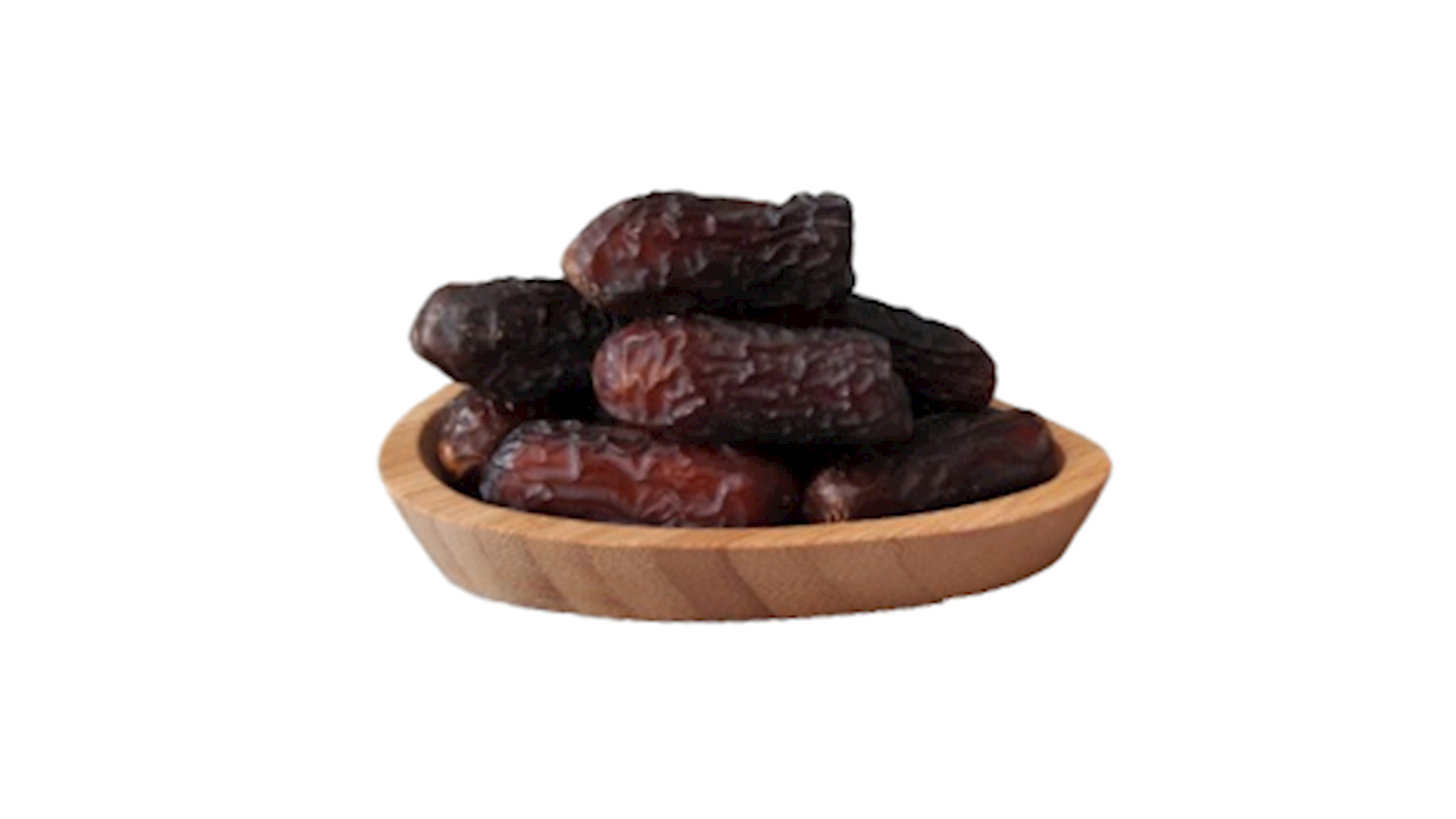
Pariz Nuts is a family-owned Iranian brand based in the city of Sirjan, in Kerman Province - a region globally recognized as the heart of pistachio cultivation. In addition to pistachios, the company exports dates, figs, and other dried fruits to markets across the Middle East, Europe, and Asia. Pariz Nuts is committed to sustainable agriculture, using minimal pesticides and preserving traditional processing methods that maintain the natural aroma and color of the products. The brand’s visual identity reflects a blend of tradition and modernity, with elegant packaging designed for the premium market segment. Through continuous investment in technology and close collaboration with local growers, Pariz Nuts sets a high standard for Iranian nuts on the international stage, offering products that embody authenticity, origin, and exceptional taste.
02

Ario

4.2 ·
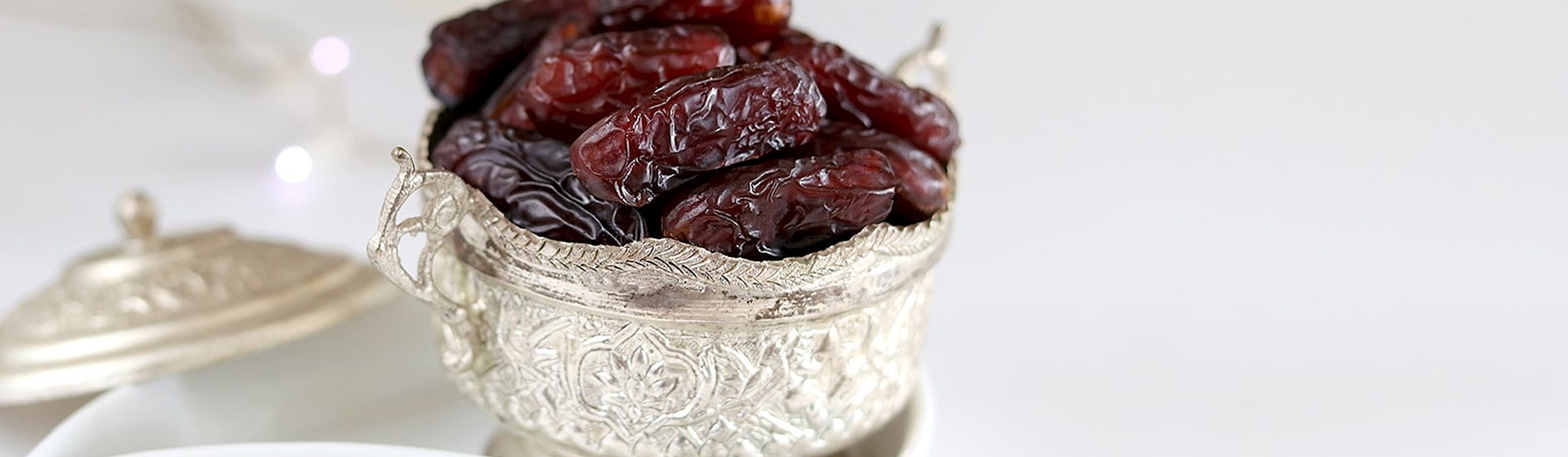
Ario is an Iranian company specializing in the export and distribution of premium-quality dates, headquartered in Iran with a long-standing presence in international markets. Its production encompasses a wide range of varieties that reflect the diversity of Iran’s climate - from the soft and juicy Mazafati dates from the Bam region, to the semi-dry Piarom from Hajiabad, and the dry Zahedi and Sayer varieties prized for their extended shelf life. Ario combines traditional harvesting techniques with modern technology for sorting, drying, and packaging, ensuring the preservation of natural flavor, color, and nutrients. The company operates modern cold storage and warehousing facilities that provide controlled conditions essential for maintaining the freshness of high-moisture varieties like Mazafati. In addition to whole dates, Ario also produces date-based products such as syrup, paste, sugar, and powder, which are widely used in the food and confectionery industries. Its philosophy is built on the harmony between tradition and innovation, respecting the natural ripening cycle and the local expertise in date processing. Ario Co. thus sets a benchmark for the Iranian date export industry - combining quality, authenticity, and a global outlook in every product.
03

Fadak Trading

4.1 ·
Fadak Trading is an Iranian company based in Tehran, founded in 2017, and specialized in exporting premium-quality Iranian dates. The company focuses on preserving the authenticity of Iranian fruit cultivation through careful selection of varieties and close collaboration with local growers. It offers a wide range of dates, each with its own distinctive flavor, texture, and nutritional profile. The fruits are hand-picked at their peak ripeness, then sorted and packed under controlled conditions to preserve their freshness and natural sweetness. The company maintains full control over the supply chain - from the plantation to the final packaging - ensuring consistent quality and product safety. In addition to dates, Fadak Trading exports dried herbs and fresh fruits in smaller quantities, complementing its portfolio of authentic Iranian agricultural products. The brand’s visual identity reflects its philosophy - minimalist, elegant packaging designed for the international market.
04

Aspad Tejarat Ayrik

4.1 ·
Aspad Tejarat Ayrik, also known under the brand name Hormanik, is an Iranian company specialized in the cultivation, processing, and export of premium date varieties, headquartered in Mashhad. Its portfolio includes more than 30 types of dates, among which Mazafati, Piarom, Kabkab, Zahedi, and Khassui stand out - each with its own distinct character, texture, and sweetness level. The dates are cultivated in various regions across Iran, allowing the brand to combine diverse terroirs and microclimatic conditions to achieve optimal quality. The company is dedicated to sustainable practices and full control of the production process - from harvesting and drying to sorting, packaging, and distribution. Special attention is given to preserving the fruit’s natural moisture and freshness, preventing sugar crystallization and loss of authentic flavor. Hormanik dates are known for containing no added sugars or preservatives, making them a preferred choice for health-conscious consumers and premium markets. Ayrik offers worldwide shipping and collaborates with wholesalers, retailers, and food manufacturers globally. Its business philosophy is based on combining tradition and modern technology while continuously improving quality standards. The Hormanik brand embodies the harmony between Iran’s natural richness and expertise in processing, making its dates among the country’s most esteemed export products. Ayrik aims to present Iranian dates as a product of high gastronomic value. Their market approach demonstrates how local agriculture can successfully connect with global consumers through quality, authenticity, and trust. This brand serves as a strong example of synergy between tradition, innovation, and the export potential of Iran’s agri-food sector.
05

Global Shokraneh Salamat

4 ·
Global Shokraneh Salamat is an Iranian company specialized in the production, processing, and export of the highest-quality date varieties, headquartered in Tehran. It originated from the Sayadi Zadeh family tradition dating back to 1920 and has operated in its modern form since the early 2000s, combining heritage with advanced food technology. The company is positioned in the premium market segment, focusing on hand-selected fruits and advanced packaging processes that preserve the natural freshness and appearance of the dates. Every stage of production undergoes strict quality control - from harvesting and cleaning to storage in climate-controlled facilities and hermetic packaging. Global Shokraneh Salamat operates under the broader Alamir Group, which brings together several affiliated companies in agriculture, food processing, and export, ensuring consistency and long-term product quality. Thanks to decades of experience, Global Shokraneh Salamat has built a reputation as a reliable partner for import-export networks, wholesalers, and distributors in more than 30 countries. Its dates are exported to Europe, North America, Asia, and the Middle East, where they are featured in delicatessens and gourmet retail assortments. Through continuous investment in technology and quality management, Global Shokraneh Salamat successfully combines the heritage of Iranian agriculture with the demands of modern global markets. The company emphasizes ethical business values, transparency, and social responsibility toward the community. Today, Global Shokraneh Salamat is recognized as a synonym for premium Iranian dates - natural, nutritious, and authentic.

Best Iranian Fruit Product Types
01

Khormâ-ye mozâfati (Mazafati dates)

3.9 ·

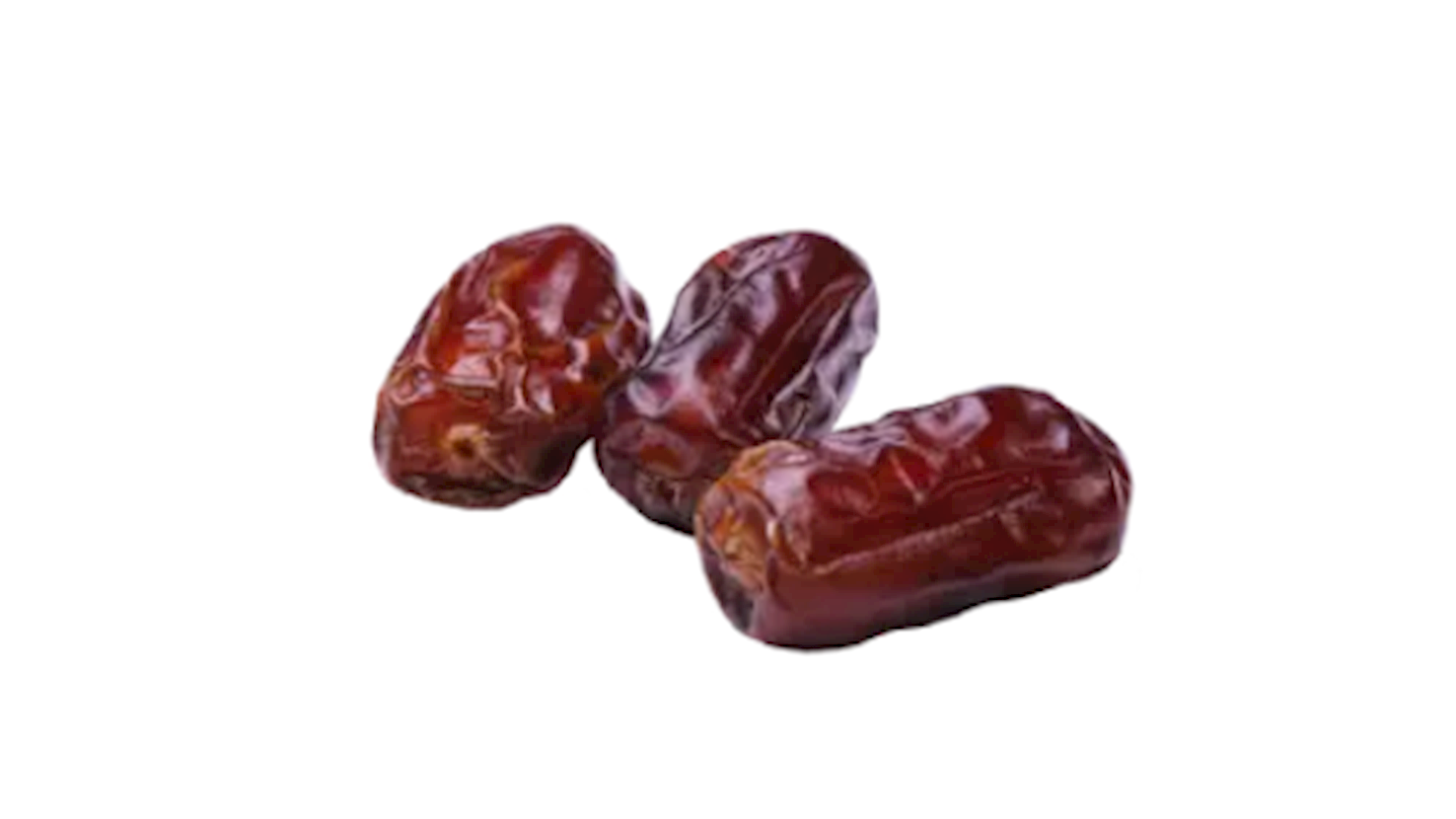
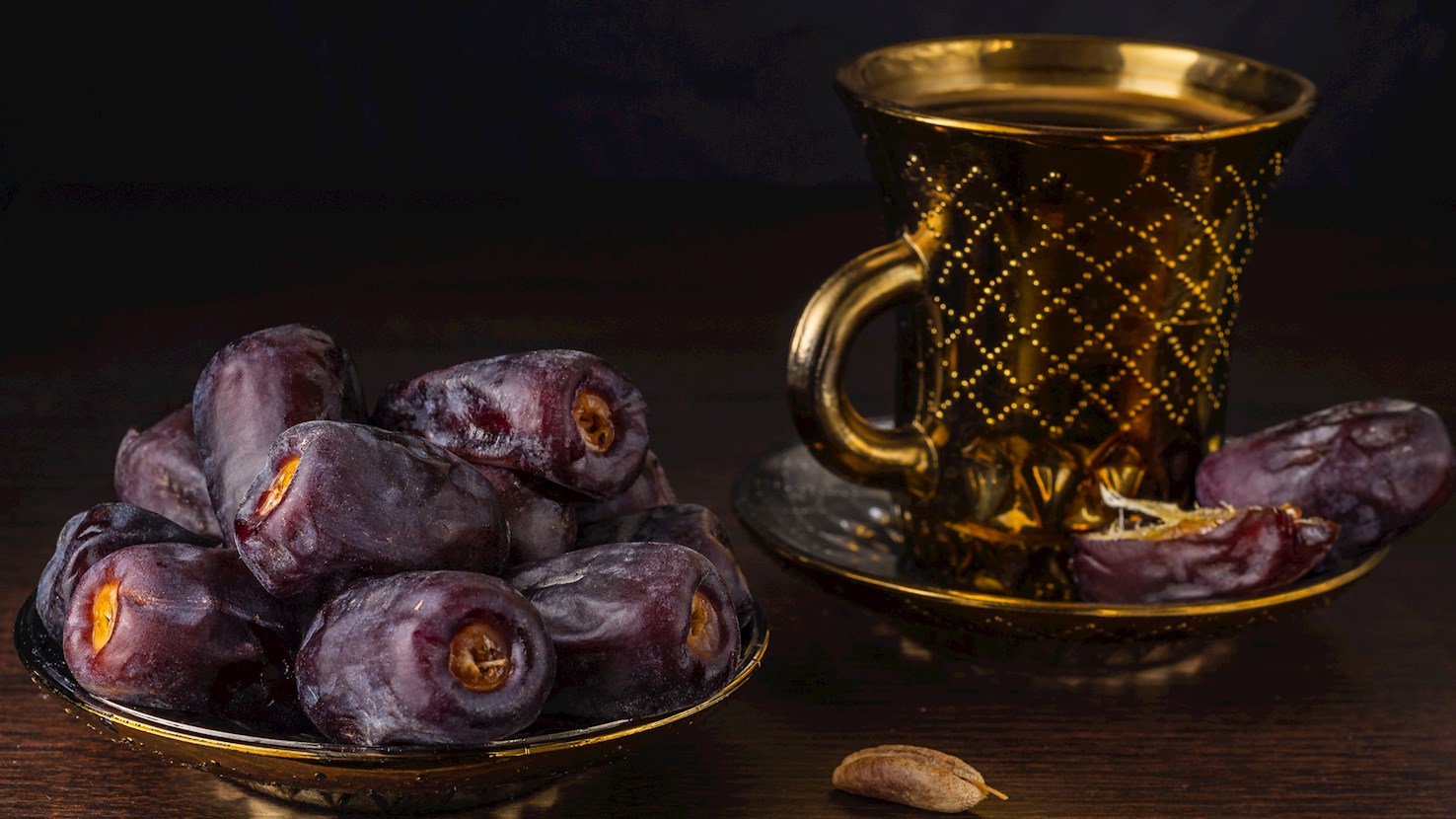
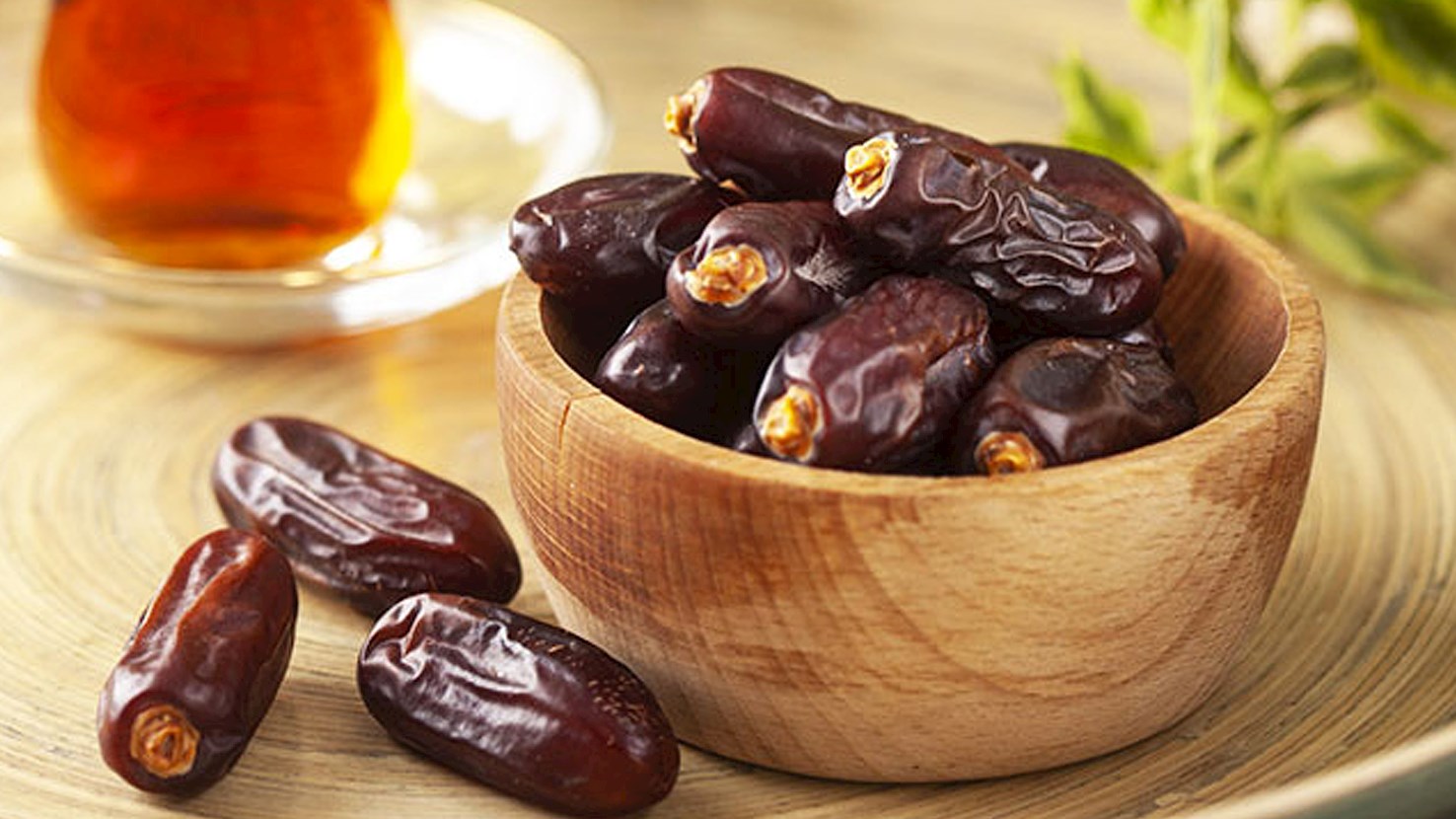
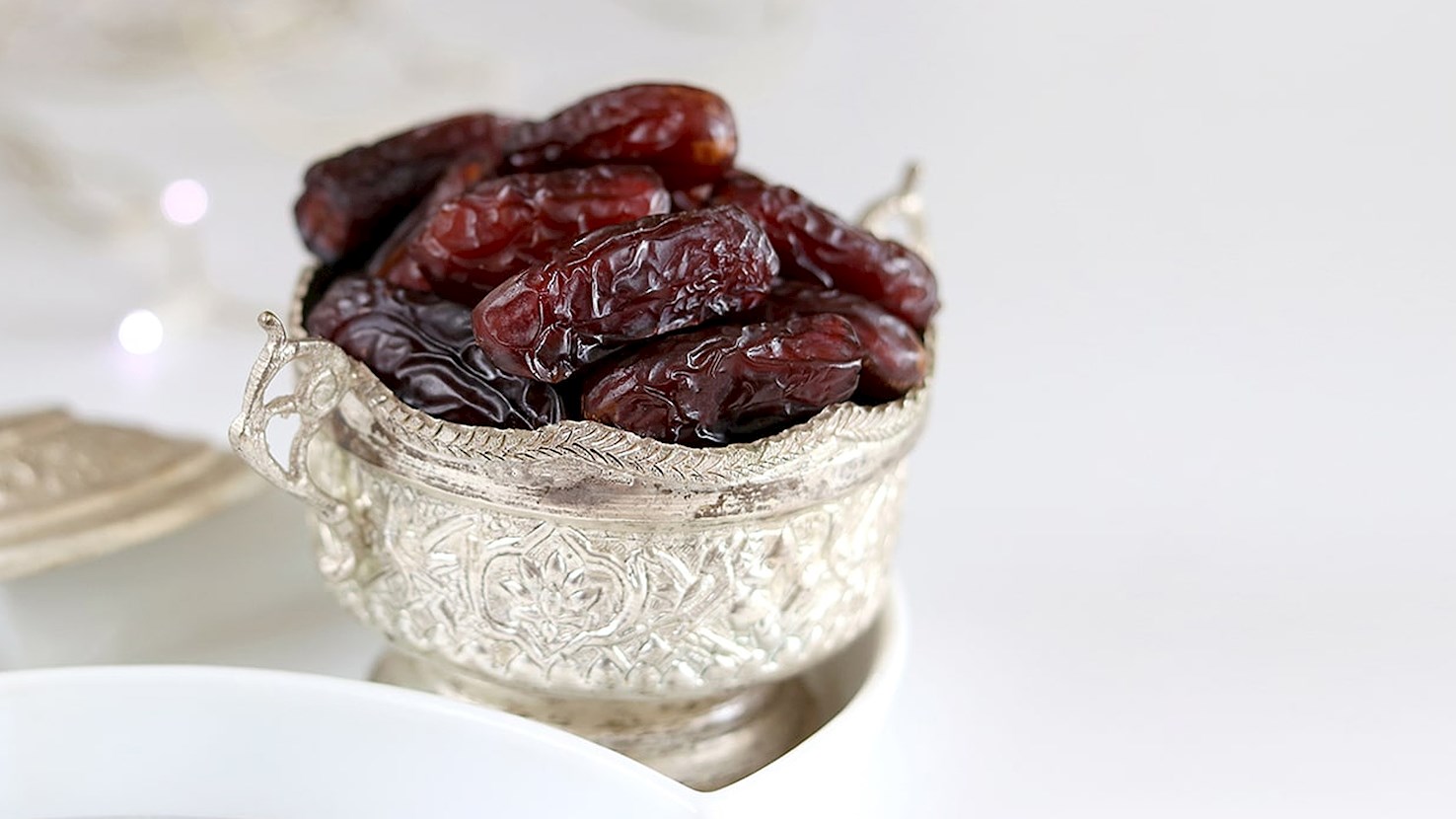
Mazafati dates are a soft, dark variety of dates that come from Bam, a city in the Kerman Province of southeastern Iran. Known for their moist texture and rich, caramel-like sweetness, Mazafati dates have become one of Iran’s most famous agricultural exports. Their cultivation in the Bam region dates back hundreds of years, favored by the area's hot, dry climate and abundant underground water sources that support date palm groves even in arid surroundings. Historical accounts and local records suggest that date palms have been grown in this region for millennia, playing a role in sustaining communities both nutritionally and economically. Harvesting Mazafati dates typically begins in late summer and can extend into early autumn. Unlike many other varieties that are fully dried before packing, Mazafati dates are picked when they are fully ripe and retain a high moisture content. After harvesting, they are carefully sorted by size and quality. Because of their soft flesh, they are often stored in cool conditions to preserve freshness and prevent fermentation. The skin is glossy and thin, covering a dense, almost syrupy interior with a single pit inside. Mazafati dates are enjoyed as a snack on their own or paired with nuts like walnuts or almonds. They are also used in desserts, blended into smoothies, or served alongside cheese and bread. In Iran, they are a popular component of breakfast and are frequently offered to guests with tea. Their natural sweetness means they require no added sugar, making them a preferred ingredient for healthier confections. Beyond Iran, Mazafati dates have gained recognition in international markets for their quality and distinctive softness compared to drier date varieties. Their cultivation supports many farming families in the Bam region and contributes significantly to local trade. Today, they are exported worldwide and valued not only for their taste but also for their nutritional benefits, including fiber, potassium, and antioxidants, making them a respected part of Iranian culinary heritage and an appreciated delicacy far beyond the region.

02

Khormâ-ye piyârom (Piarom dates)

3.6 ·

Piarom dates are a variety of premium Iranian dates cultivated mainly in the southern province of Hormozgan, particularly around the Hajjiabad area. Recognized for their slender, elongated shape and deep brown to almost black skin, Piarom dates are considered among the most sought-after types of dates grown in Iran and are valued for their rich taste and chewy texture. Their cultivation benefits from the dry, hot climate of the region, which contributes to their low moisture content and natural sweetness. The history of Piarom dates is linked closely with Iran’s long tradition of date cultivation, which stretches back thousands of years. Dates have been an integral crop in Persian agriculture and cuisine, serving as an important source of sustenance and trade. While many varieties are produced across the country, Piarom dates began to gain a distinct reputation over the past century as local farmers developed better techniques for harvesting and drying them carefully to maintain their quality. Today, they are considered a premium export product and often marketed as “chocolate dates” because of their soft flesh and rich flavor. Piarom dates are typically harvested by hand in late summer to early autumn when the fruit reaches full ripeness. The dates are then cleaned and graded to remove debris and select the highest quality examples. Because of their low moisture content, Piarom dates store well without requiring artificial preservatives, making them popular with consumers looking for minimally processed dried fruit. Before serving, they are often gently rinsed or wiped, though they can be eaten straight from the package. They are commonly enjoyed on their own as a snack, paired with nuts, or used in desserts and sweet preparations where their natural sweetness eliminates the need for added sugar. Beyond their culinary uses, Piarom dates are recognized for their nutritional profile, offering fiber, potassium, and natural sugars. In Iran, they are served alongside tea, featured on breakfast tables, or presented to guests as a gesture of hospitality. Their popularity has spread to international markets where they are sold as a specialty product appreciated for both flavor and visual appeal.

03

Lavashak

3.6 ·

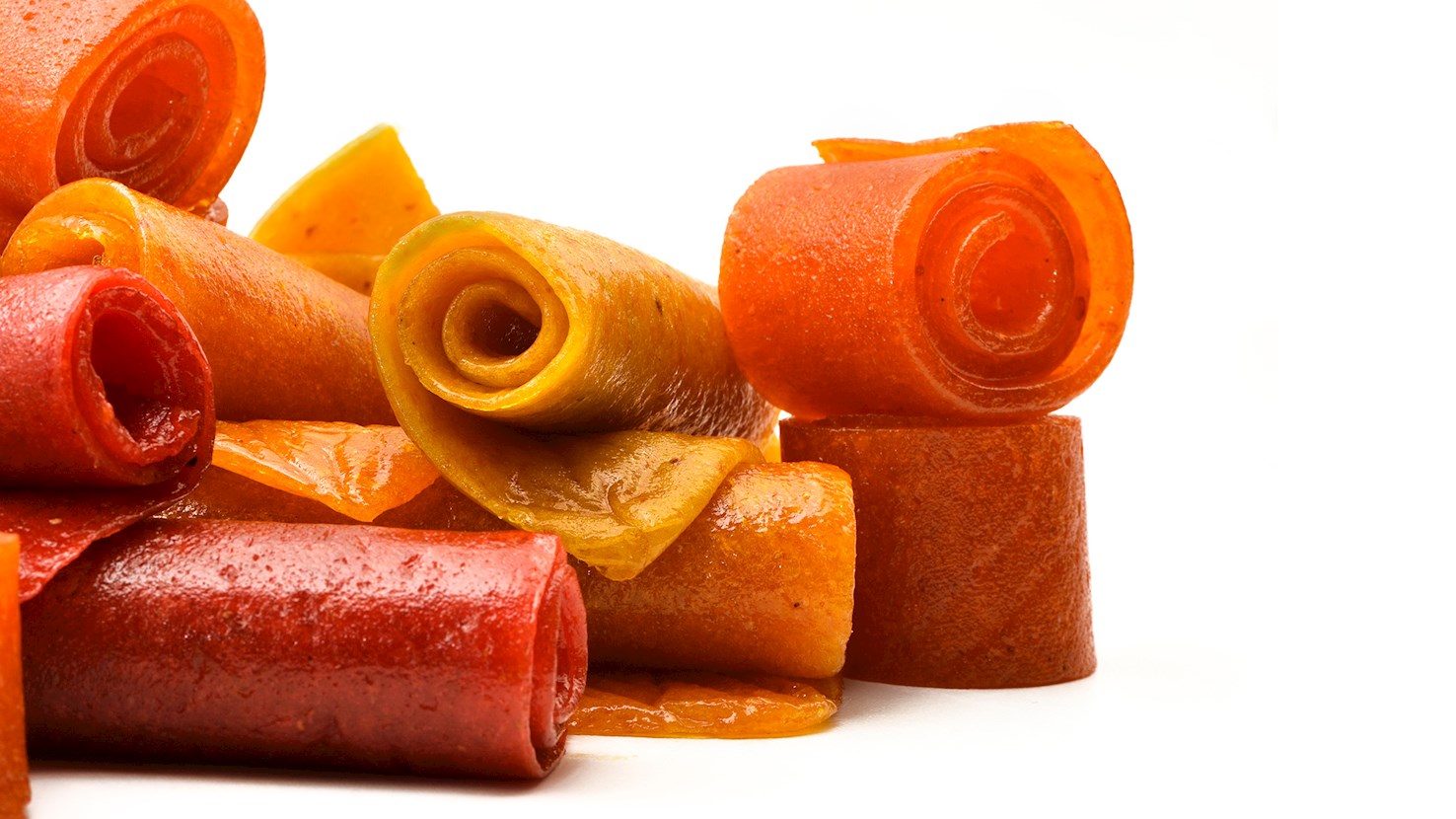
Lavashak is a fruit leather snack from Iran, where it has been prepared for generations as a way to preserve seasonal harvests. Historical accounts suggest that variations of fruit leather have existed in Iran and surrounding regions for centuries, with methods adapted to the local climate and fruit availability. The process begins with ripe fruits such as plums, apricots, barberries, pomegranates, cherries, or sour apples, which are simmered slowly to release their juices and soften the flesh. The cooked fruit is then strained through a fine sieve to remove seeds and skins, resulting in a smooth purée. This mixture is spread in thin layers onto large trays or sheets and left to dry in the sun or in special drying ovens until it becomes firm and pliable. The finished product has a concentrated sweet-sour taste that varies depending on the fruit used and the length of drying. Lavashak is typically cut into strips or squares and sold in stacks or rolled sheets. Its texture is leathery but soft enough to tear by hand, and it can be stored for months without refrigeration. While plum is the most common variety, each region of Iran favors different fruits, and households often prepare mixed lavashak by combining several types of purée. The snack is popular with all ages and is enjoyed as a treat on its own or as part of a platter with nuts and seeds. In markets and shops, it is displayed in large glass jars or wrapped in clear plastic to show its deep colors, which range from amber and orange to dark purple and red. Lavashak is valued for its tartness, which makes it distinct from sweeter fruit leathers found in other cuisines. In Iran, it is sometimes seasoned lightly with salt or spices such as sumac to enhance the flavor. The making of lavashak also has a practical purpose, turning surplus or overripe fruit into a product that can be used long after the fresh harvest has ended. Unlike industrially produced snacks, much of the lavashak in Iran is still handmade, and small producers take care to use ripe, flavorful fruit without additives. In recent years, its popularity has spread beyond Iran, appearing in Middle Eastern grocery stores and specialty shops worldwide.

04

Khormâ-ye rabbi (Rabbi dates)

3.4 ·

Rabbi dates are a variety of Iranian dates primarily cultivated in the southern province of Sistan and Baluchestan, especially around the city of Iranshahr. They are valued for their semi-dry texture, elongated shape, and deep reddish-brown color, which distinguish them from other Iranian date cultivars. Rabbi dates have been grown for generations in this arid region, where the climate and soil create optimal conditions for producing dates with high natural sugar content and a balanced flavor profile. Historical accounts suggest that date palms have been an essential agricultural resource in Iran for thousands of years, and over time, local growers selected and propagated specific cultivars like Rabbi for their keeping qualities and taste. The process of cultivating Rabbi dates begins with careful irrigation and maintenance of the palm groves during the long hot summers, followed by harvesting in late summer to early autumn. Once picked, the dates are cleaned, sorted by size and quality, and sometimes lightly sun-dried to enhance their shelf stability without the need for preservatives. Unlike softer varieties such as Mazafati, Rabbi dates have a firmer flesh that makes them suitable for storage and transport, and they often appear in export markets. They are typically enjoyed as a snack on their own, served alongside tea, or used in Iranian desserts, confections, and festive platters. Rabbi dates stand out not only for their appearance and texture but also for their versatility in both sweet and savory applications. In Iran, they are often included in New Year’s Nowruz spreads and offered to guests as a gesture of hospitality. Markets in Iranshahr and surrounding regions display large piles of Rabbi dates each harvest season, where buyers look for uniform shape and a shiny skin that indicates freshness. Today, they remain a notable export product and a staple in many Iranian households, appreciated both for everyday enjoyment and as part of cultural celebrations.

05

Khormâ-ye sāyer (Sayer dates)

n/a ·

Sayer dates are a distinguished variety of date exclusively cultivated in the Khuzestan province of southwestern Iran, a region known for its hot climate and fertile river plains ideal for date palm growth. These dates are celebrated for their large size, deep amber color, and rich, caramel-like sweetness paired with a soft, chewy texture that sets them apart from other date varieties. They come in two forms: fresh and yellow and ripened and dark brown. The ripe and dark brown variety is considered one of the sweetest dates in the world since it has 75% of sugar. Also, it has about 16-18% of moisture, which classifies it as a semi-dry date, meaning it has a long shelf life, up to two years, to be precise.The history of Sayer dates is deeply intertwined with Khuzestan’s long-standing tradition of date cultivation, which has been a vital part of the local economy and culture for centuries. Farmers in Khuzestan have perfected the art of cultivating Sayer dates, adapting their agricultural practices to the region’s hot and arid climate to ensure the highest quality fruit. Sayer dates hold cultural significance in Khuzestan, often featured during religious ceremonies and social gatherings where dates symbolize hospitality and abundance. Harvesting Sayer dates involves precise timing to pick the fruit at peak ripeness, ensuring optimal sweetness and texture. After harvesting, the dates are carefully cleaned, sorted, and sun-dried to concentrate their sugars and extend shelf life. They are commonly consumed fresh or dried, enjoyed as a snack or dessert, and sometimes incorporated into local recipes where their deep flavor enriches the dish. The natural richness and balanced sweetness of Sayer dates make them a favored choice both locally and increasingly in broader markets.

06

Khormâ-ye kabkâb (Kabkab dates)

n/a ·

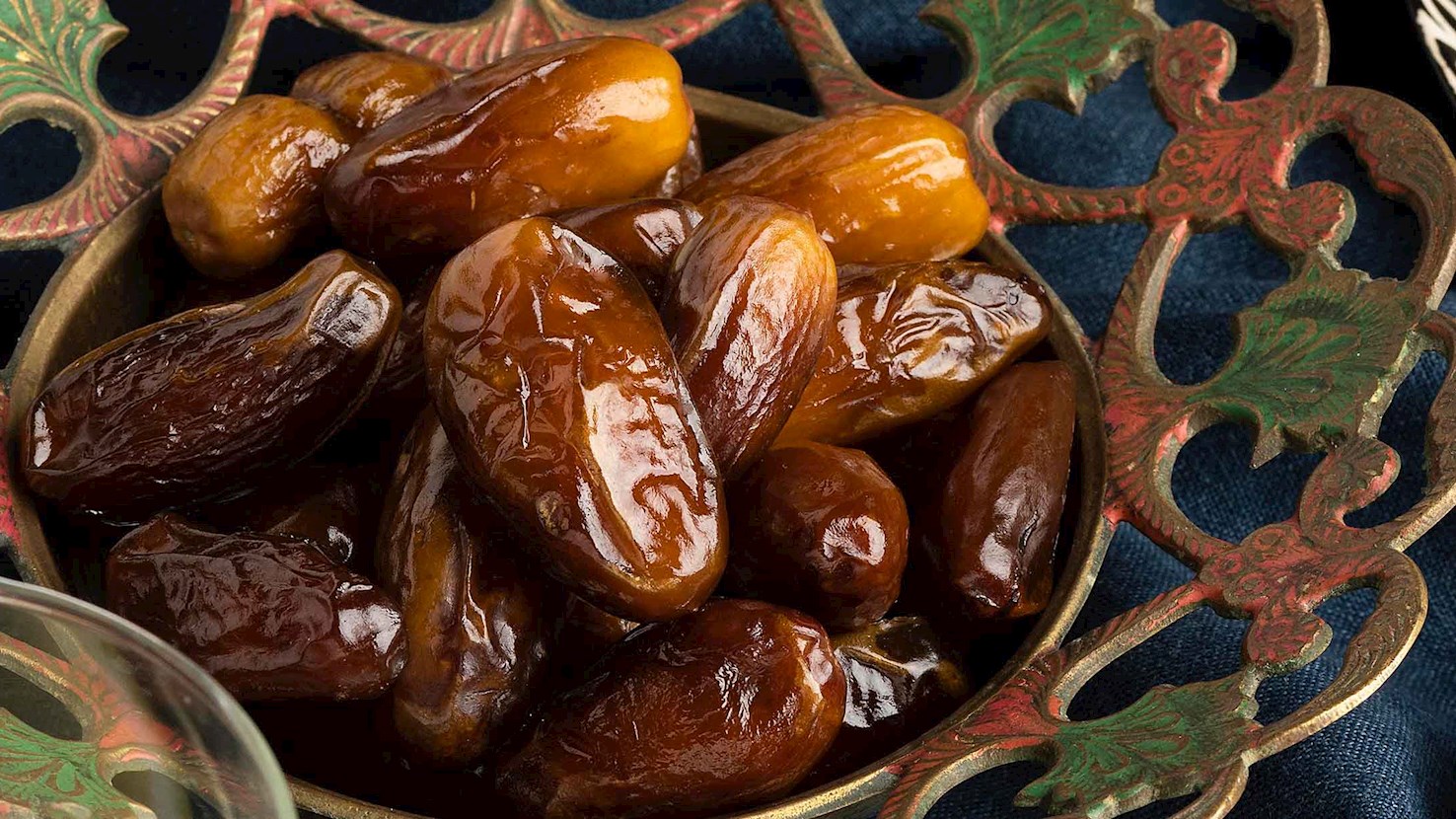
Kabkab dates are a soft, sweet variety of date fruit primarily cultivated in southern Iran, especially in the provinces of Bushehr, Fars, and parts of Hormozgan. The date palms grow well in the hot and humid climate along the Persian Gulf, where the long dry season allows the fruit to ripen fully on the tree. The dates are elongated, medium to large in size, amber to dark brown in color, and have a thin, glossy skin that adheres closely to the flesh. They belong to the soft-moist group of dates and are known for their rich, syrupy sweetness. Cultivation of Kabkab palms has been documented for decades in Iran’s southern agricultural regions, where the variety developed as one of the country’s key commercial date crops. Farmers rely on groundwater irrigation and palm groves adapted to saline soils. Harvest usually takes place from late August to October, when the fruit turns from yellow to amber and reaches its final tamr stage, becoming soft and sticky. The dates are harvested manually, collected in bunches, and often sun-dried on mats or raised platforms to reduce surface moisture. Because of their high natural sugar content, Kabkab dates are sometimes pressed into compact blocks or stored in date syrup to preserve their freshness and prevent crystallization. In domestic processing, the fruit is often pitted and packed in plastic trays or jars filled with its own thick syrup, creating a product that can be kept for months without refrigeration. Kabkab dates are soft enough to be spread or mashed, and in some regions they are used as a natural sweetener in pastries and halva or blended into date molasses. A notable feature of this variety is its texture (sticky and pliant, yet fibrous enough to hold shape) which makes it suitable both for direct consumption and for culinary use in sauces or fillings. They are commonly eaten at breakfast or as an afternoon snack, often accompanied by black tea or warm milk, and in rural Iranian households they may be served with flatbread and butter as a simple meal. Their intense sweetness also pairs well with salty nuts such as pistachios or almonds, balancing flavor and texture.

Best producers
Read more
View all
View map
About this ranking

TasteAtlas food rankings are based on the ratings of the TasteAtlas audience, with a series of mechanisms that recognize real users and that ignore bot, nationalist or local patriotic ratings, and give additional value to the ratings of users that the system recognizes as knowledgeable. For the “Top 6 Iranian Fruit Products” list until June 02, 2026, 93 ratings were recorded, of which 51 were recognized by the system as legitimate. TasteAtlas Rankings should not be seen as the final global conclusion about food. Their purpose is to promote excellent local foods, instill pride in traditional dishes, and arouse curiosity about dishes you haven’t tried.

The initial list of top producers was compiled based on available reviews, awards, local recommendations, media and blog coverage, and consumer reviews. The list will be updated with ratings from TasteAtlas local ambassadors and TasteAtlas users.

Similar lists