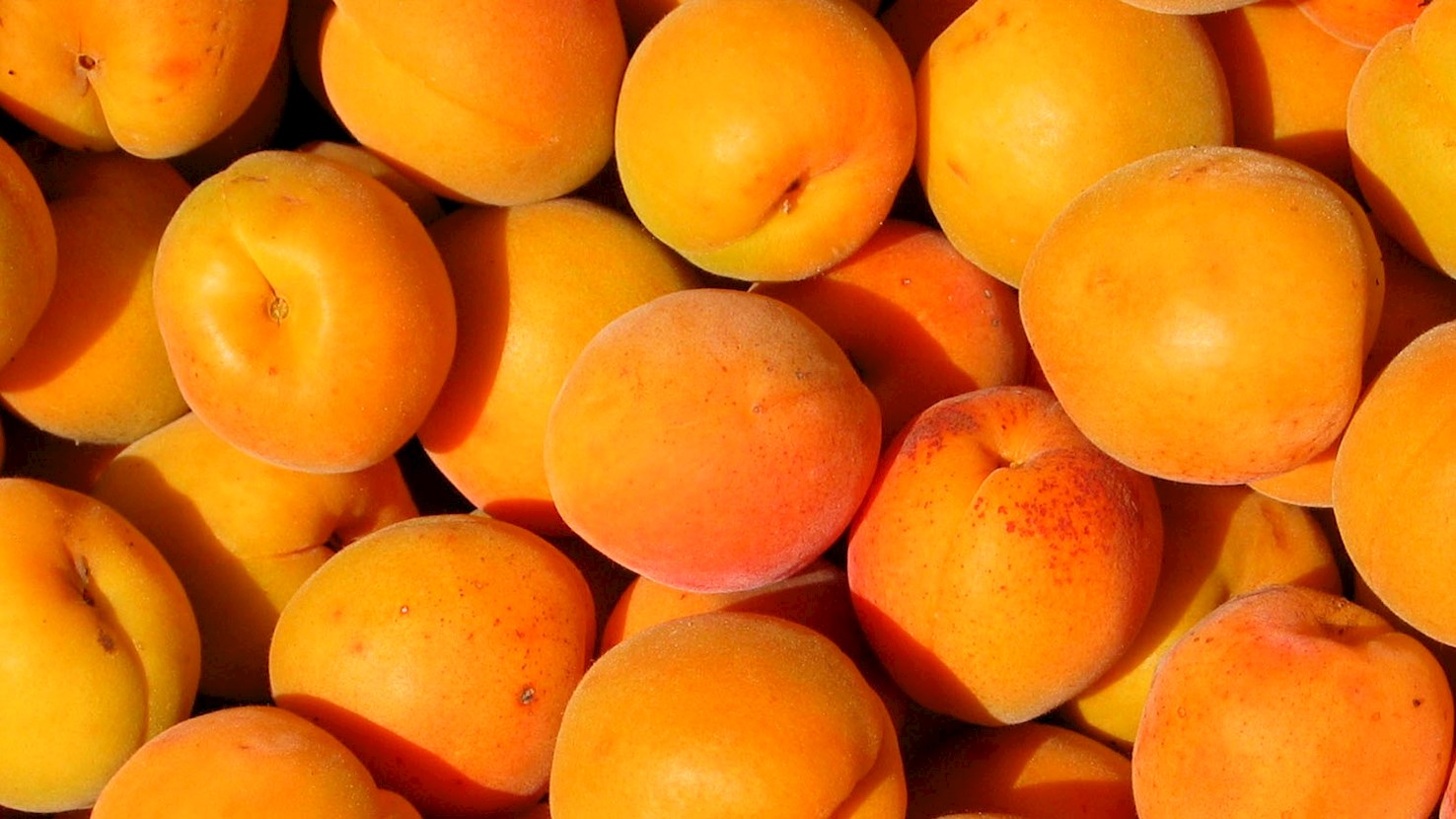
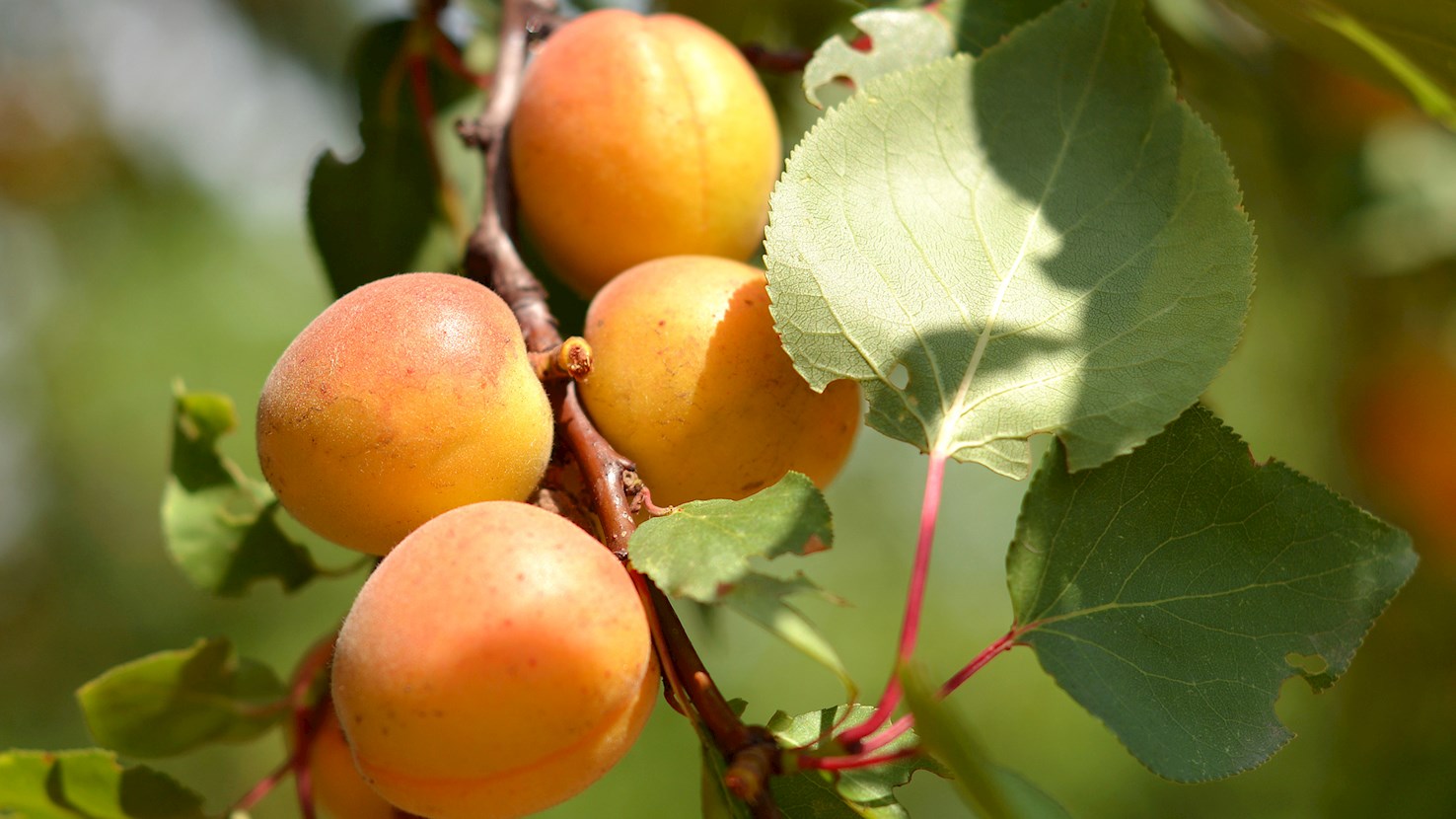
Nestled along the banks of the Danube River, the Wachau Valley is home to some of Austria's oldest wineries and distilleries, one of the most prominent tourist destinations, and the country's largest fruit cultivation area, whose stunning landscapes are dominated by apricot orchards, particularly during blossom in spring and harvest in summer. The exceptional flavor of Wachau apricots is directly influenced by the region's microclimate, especially the differences in temperature between day and night during the ripening phase. Twenty different Wachauer Marille cultivars are easily distinguished from other apricots by a special seal of quality that guarantees the origin, unique aroma, and rich flavor of these plump fruits. Each July, the Wachau apricot is honoured with its own Spitzer Marillenkirtag festival, a tradition that lasts for more than 50 years. Being such a versatile fruit, Wachauer Marille can be enjoyed in a number of products: syrups and nectars, jams and preserves, liquors and schnapps, and even apricot beer!
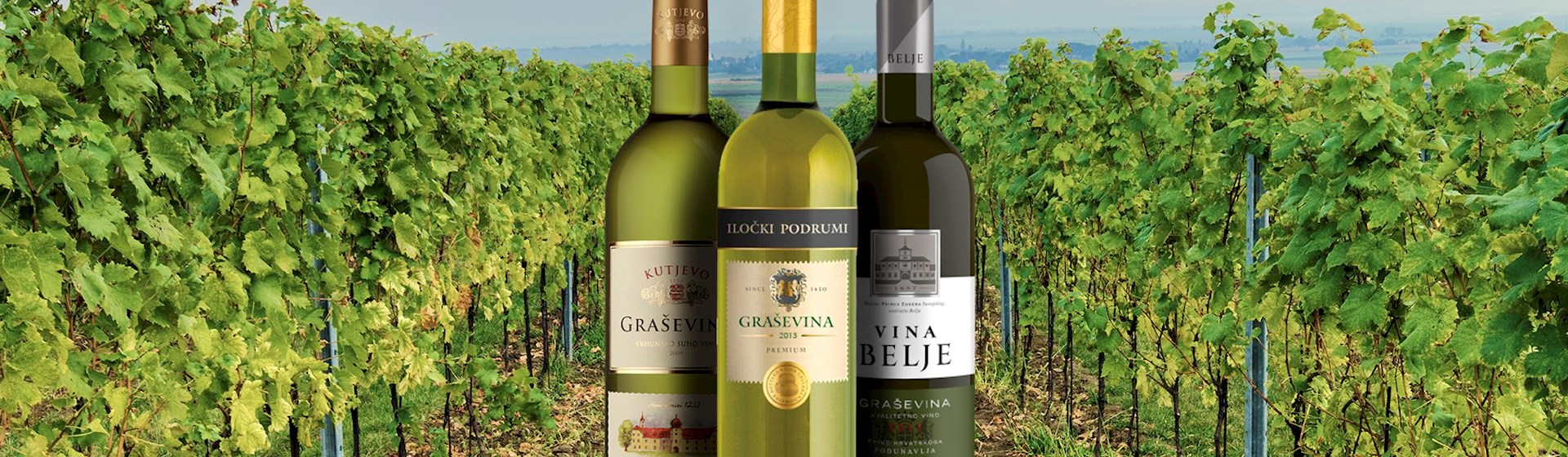
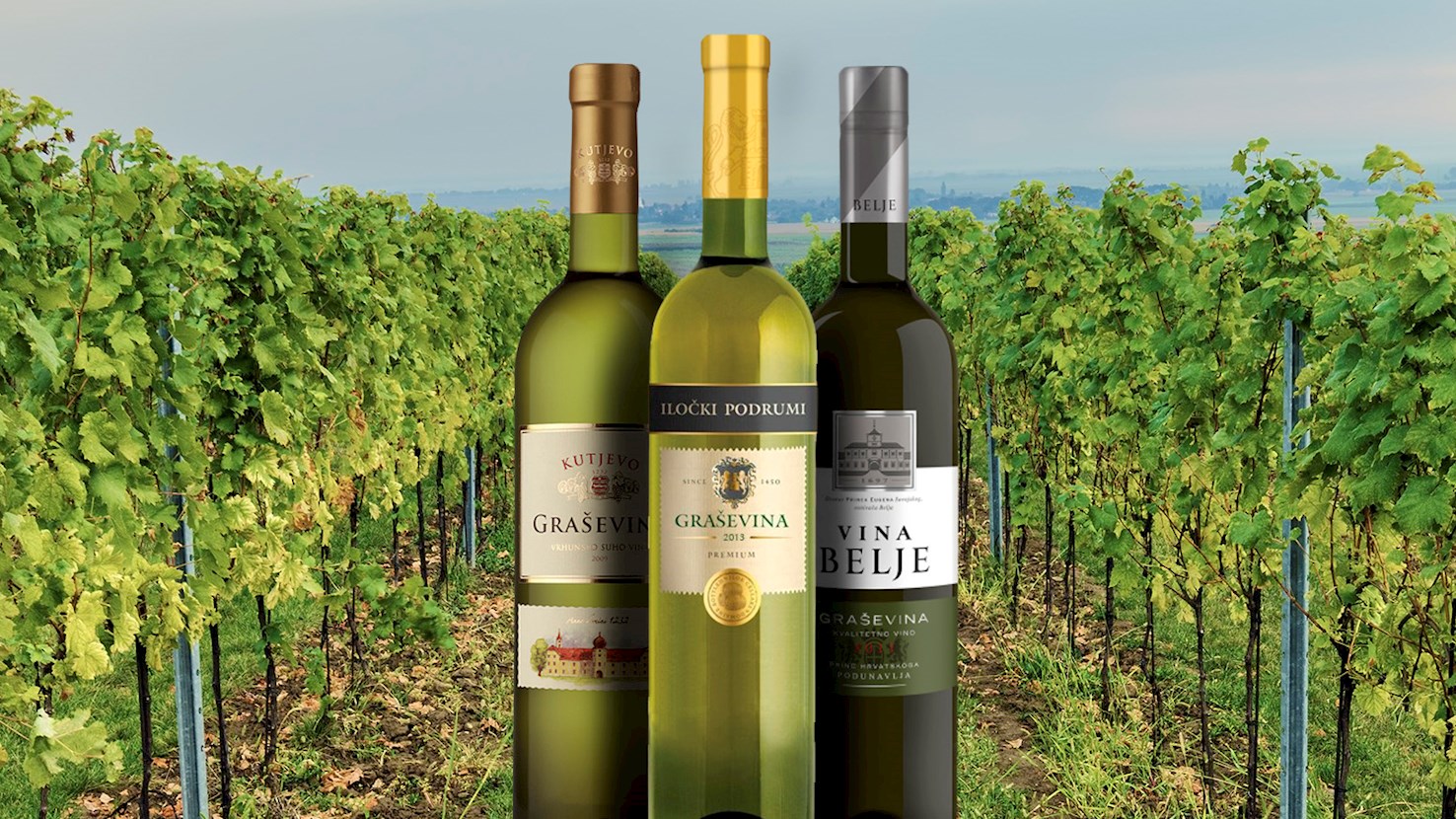
Welschriesling is a white grape variety cultivated widely across Central and Eastern Europe, particularly in Austria, Hungary, Croatia, and Slovenia, where it produces wines known for their crisp acidity, freshness, and subtle fruit character. Despite its name, it bears no genetic relation to Riesling; the term “Welsch” once meant “foreign,” reflecting the grape’s uncertain origin and introduction into German-speaking regions. It is believed to have been grown in the Danube basin and surrounding areas since at least the Middle Ages, spreading through trade and viticulture expansion within the Austro-Hungarian Empire. Its adaptability to a variety of climates and soils allowed it to become one of the most planted white grape varieties in Central Europe, valued for its ability to express local terroir and produce wines suited to a wide range of styles. The cultivation of Welschriesling typically focuses on preserving its natural acidity and aromatic delicacy. It ripens relatively late, and the timing of harvest significantly influences the style of wine produced. Early harvests yield light, zesty wines with high acidity and notes of green apple, citrus, and fresh herbs, ideal for everyday drinking. Grapes left on the vine longer can develop more richness and weight, and under the right conditions, they can be affected by noble rot, producing sweet dessert wines with complex honeyed flavors. Fermentation is usually carried out in stainless steel tanks at controlled temperatures to retain freshness and preserve the grape’s primary aromas, though some producers allow brief aging on lees to add texture and depth. The result is typically a pale, aromatic wine with a clean finish and a balance of fruit and acidity. In Austria’s Burgenland region, it is often used for sweet wines, while in Hungary it appears as Olaszrizling in both dry and dessert styles. In Croatia, where it is known as Graševina, it is the most widely planted grape and forms the backbone of the country’s white wine production. This adaptability reflects not only the grape’s viticultural resilience but also its cultural importance across different wine traditions. Welschriesling wines are typically served chilled and are most enjoyable within a few years of harvest, though the sweeter styles can develop additional complexity with age. Their bright acidity and delicate fruit profile make them excellent partners for a wide range of dishes. Lighter, dry versions pair well with salads, freshwater fish, shellfish, and soft cheeses, while richer examples complement roasted poultry or vegetable dishes. Sweet styles are best served with fruit-based desserts or creamy cheeses, and they also pair well with foie gras. In wine-producing regions where it is grown, Welschriesling is a staple at local taverns, festivals, and family meals, valued for its refreshing character and versatility at the table.
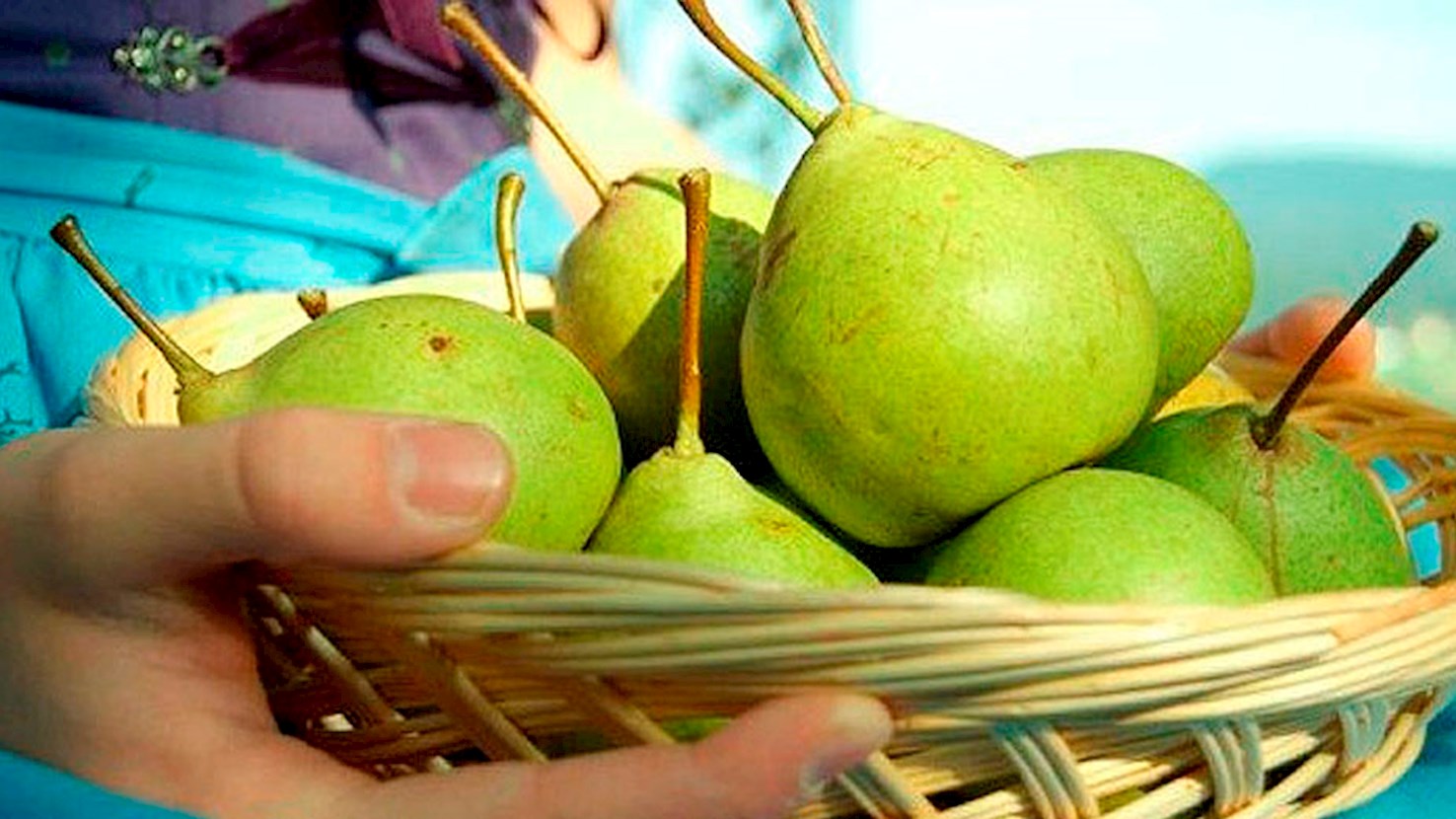
For centuries, the Hirschbirne dominated the lush, green landscapes of the Austrian Pöllauer valley, where it fully adapted to local climate conditions. Today, Pöllauer Hirschbirne represents the staple of pear cultivation and stands as a symbol of both traditional orcharding and innovative industrial development. However, the cultivation of Pöllauer Hirschbirne requires great patience, since it takes about ten years for the first yield. Whether enjoyed fresh or as Kletze (dried pears), fermented into wine or distilled into brandy, pressed into juice or boiled down to jam - the sugary and aromatic Hirsch pear is a true original, distinguished by a unique flavor.
Kitseer marille refers to a group of apricot varieties that are traditionally grown in the Austrian municipality of Kittsee, in the District of Neusiedl am See, Burgenland. Apricot trees have been thriving in this region for many years, while the first mention of their extensive cultivation in Kittsee dates back to 1924, in the Kittseer Ortschronik. Owing to the favorable Pannonian climate and the unique qualities of the soil, Kittsee apricots develop an intensely fruity aroma and excellent flavor. Often considered to be among the best apricot varieties in the country, the fully ripened fruits are typically harvested from the beginning to the middle or the end of July. Apart from Ungarische Beste (Hungarian Best), the primary apricot variety cultivated in Kittsee, other varieties that are grown in this area include Bergeron, Aurora, Silvercot, and Goldrich. Highly aromatic and flavor-packed, the fruits are typically enjoyed fresh or made into a variety of fruit products such as apricot juice, apricot nectar, apricot schnapps, jams, compotes, stews, or sauces. They are also commonly incorporated into strudels, dumplings, and cakes, or used to flavor dairy products or various traditional sweet or savory specialties. The apricots are available for purchase at the farms where they’re picked daily or from stalls at the local market. Kittseer marille has been listed among the most typical regional products of Burgenland, and it has been protected by the Genuss Region Österreich (GRÖ) registered trademark.
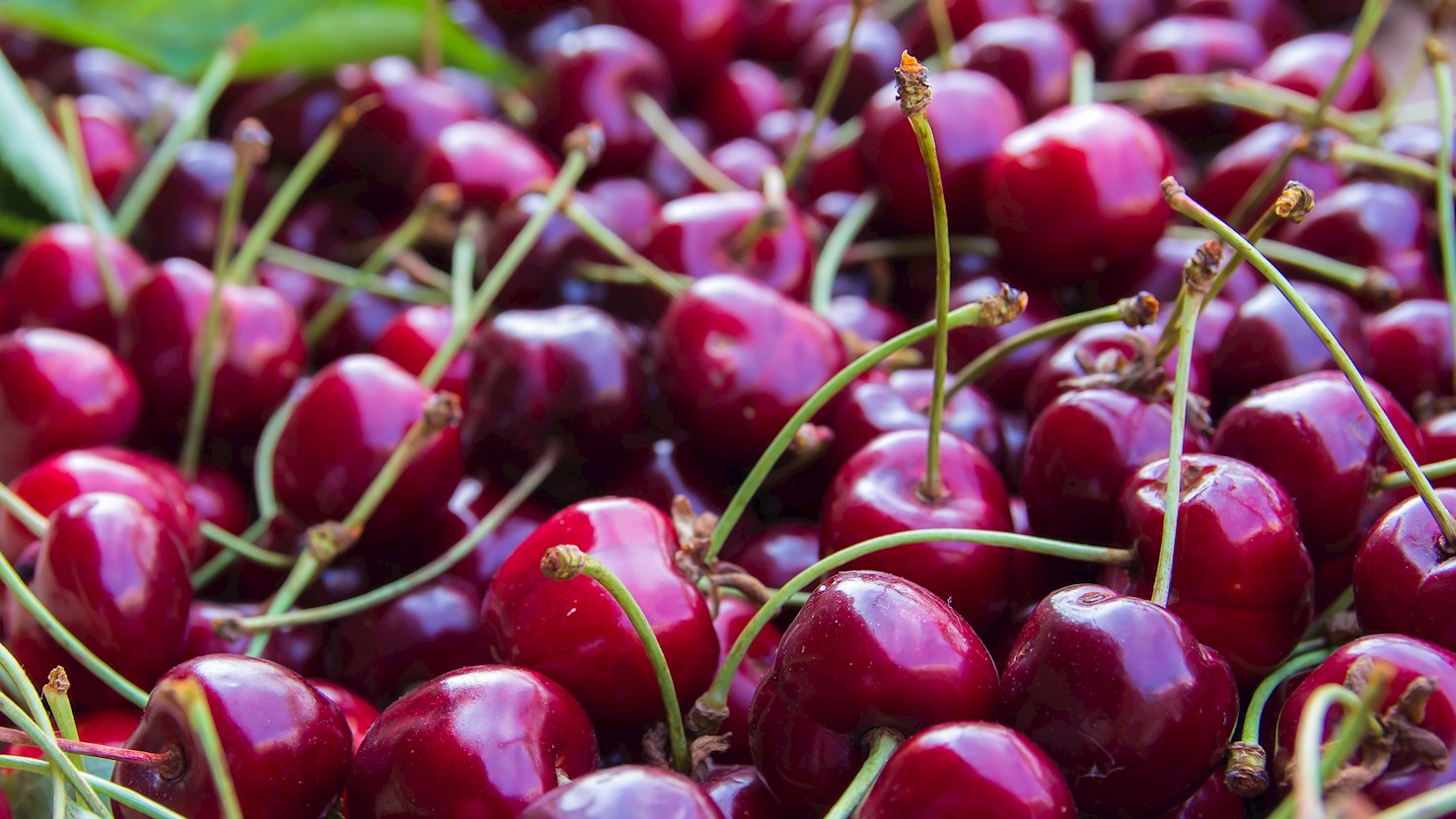
Leithaberger edelkirsche are famous Austrian cherries that have been grown in the Leithaberg region since the 18th century. There are many varieties of these cherries (more than 15), most of them thin-skinned, bright red or brown. The warm climate and fertile soil make the area ideal for cherry-growing in the local countryside and neighboring vineyards. The cherries are always hand-picked, using tall ladders. They're used in typical sweets, chutneys, jams, juices, and spirits, or in combinations with fish, lamb, and poultry. Unfortunately, nowadays, only 5000 cherry trees are left in the region (unlike 10-15,000 trees in the 19th century) because the prices are no longer lucrative.
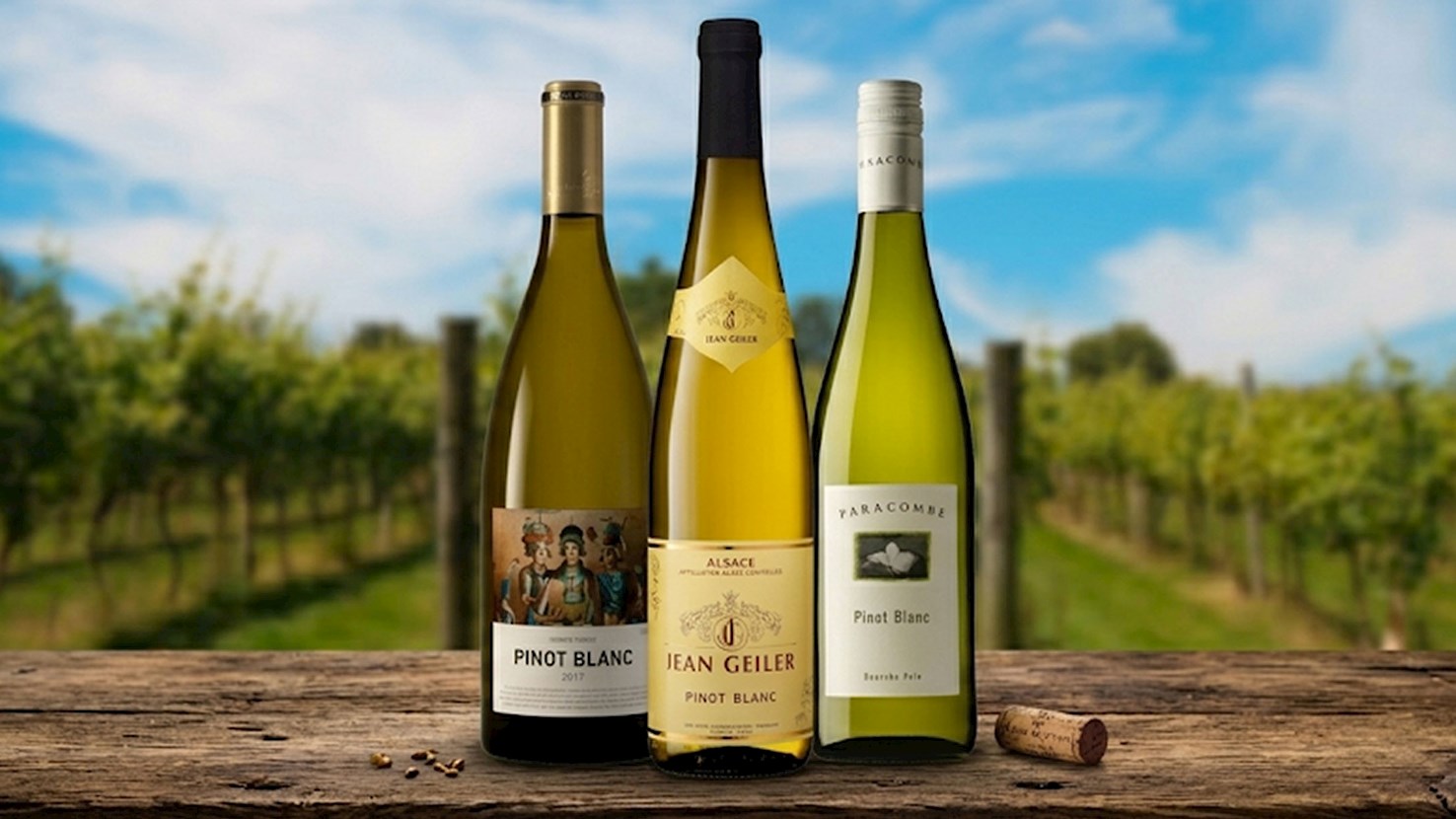
Pinot Blanc is a white wine grape variety used to produce dry white wines in regions such as Alsace, Germany, Austria, and parts of Italy, where it is valued for moderate acidity, pale color, and a restrained aromatic profile. The variety developed as a natural mutation within the Pinot family, closely related to Pinot Noir and Pinot Gris, and its cultivation spread through Central Europe via monastic vineyards and regional plant exchanges during the medieval period, where growers selected it for reliability and adaptability rather than intensity, leading to its steady presence in cooler and temperate climates. Winemaking typically involves gentle pressing of the grapes, fermentation at controlled temperatures to preserve freshness, and aging in stainless steel or large neutral vessels, though some producers use oak or extended lees contact to add texture without dominating the wine’s character. Pinot Blanc is generally bottled dry and served cool, allowing its subtle fruit and structure to remain balanced, and it is rarely decanted unless made in a fuller-bodied style. A defining aspect of Pinot Blanc is its role as a neutral but structured wine that reflects site and winemaking choices more than varietal aroma, which has led to stylistic diversity across regions while maintaining a consistent framework. Pinot Blanc is consumed primarily with meals, paired with foods such as fish, shellfish, poultry, veal, mild cheeses, and vegetable-based dishes, and it is also used as an everyday table wine in Central European dining, where its moderate alcohol and restrained profile allow it to accompany a wide range of cuisines without overpowering the food.
TasteAtlas food rankings are based on the ratings of the TasteAtlas audience, with a series of mechanisms that recognize real users and that ignore bot,
nationalist or local patriotic ratings, and give additional value to the ratings of users that the system recognizes as knowledgeable.
For the “Top 6 Austrian Fruits” list until June 15, 2026, 110 ratings were recorded, of which 74 were recognized by the system as legitimate.
TasteAtlas Rankings should not be seen as the final global conclusion about food. Their purpose is to promote excellent local foods,
instill pride in traditional dishes, and arouse curiosity about dishes you haven’t tried.