

shutterstock

Top 8 Brazilian Fruits

Last updated on June 24, 2026
01

Jabuticaba

4.3 ·

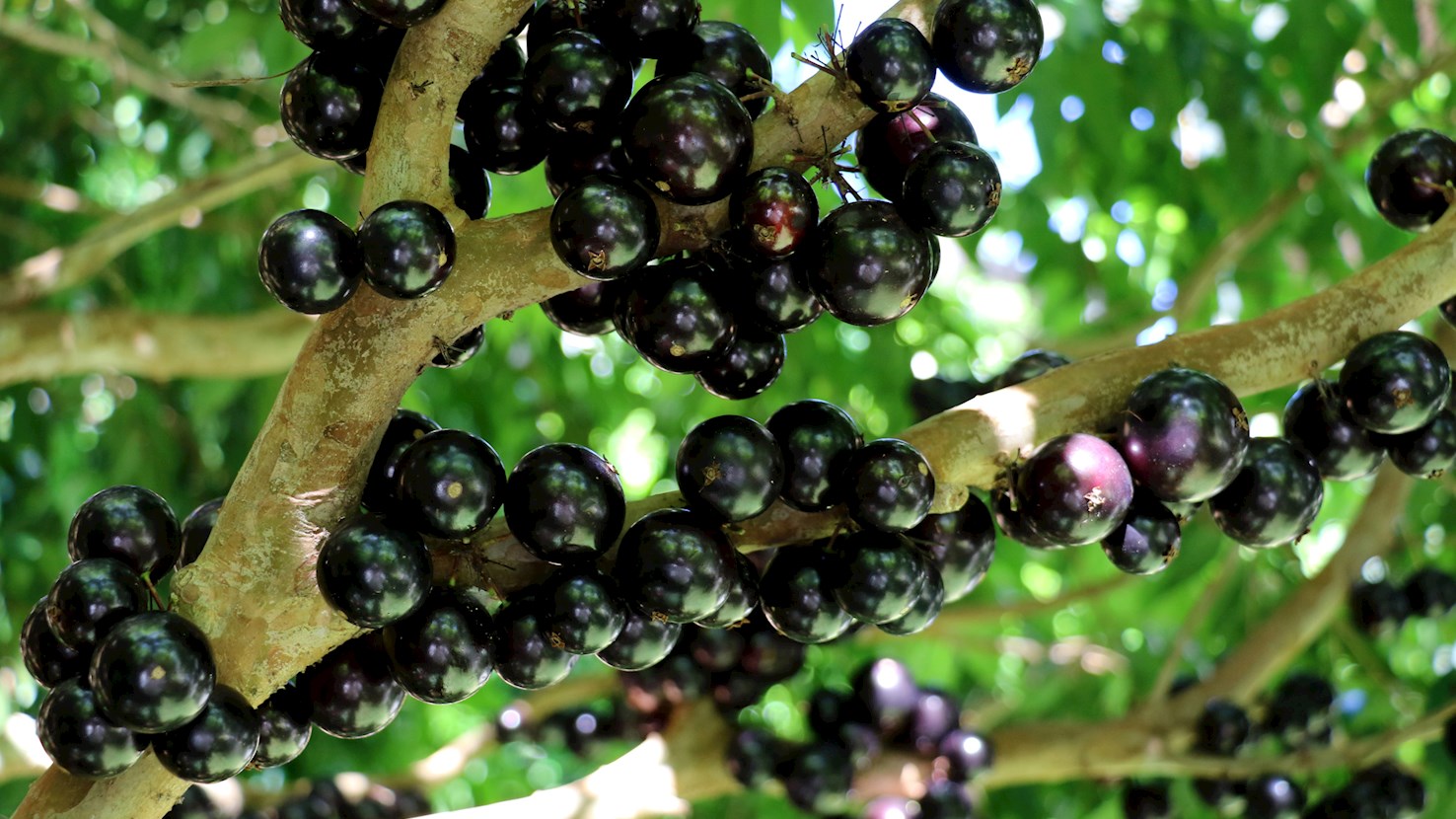
Jabuticaba are traditional Brazilian berries native to the states of Minas Gerais, Goiás, and São Paolo. The berries are dark purple in color with a thick skin and they grow on tree trunks. Jabuticaba berries have a very short shelf life and begin to ferment 3 to 4 days after being picked, and the jabuticaba tree takes between 6 and 8 years to ear fruit, which is why these berries are so prized. They also contain antioxidants, calcium, potassium, iron, phosphorus, and vitamins C and E. The flavors are a combination of sweet and acidic. People usually enjoy them fresh and eaten out of hand, but the berries are also often made into jellies, juices, and jams.

02

Açaí Berries

4.1 ·

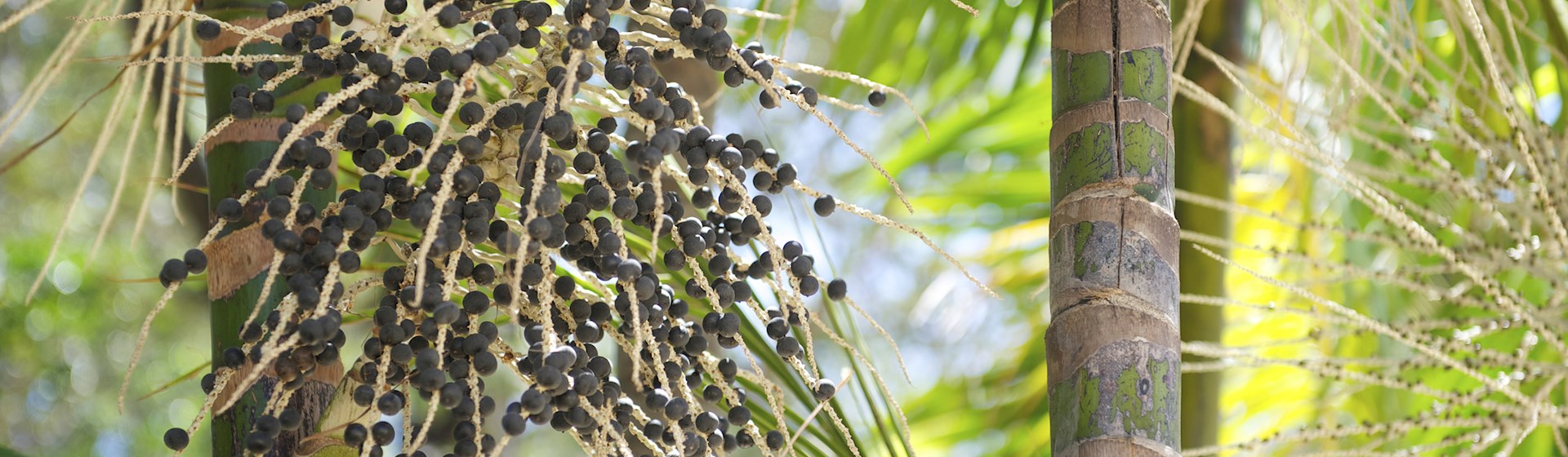
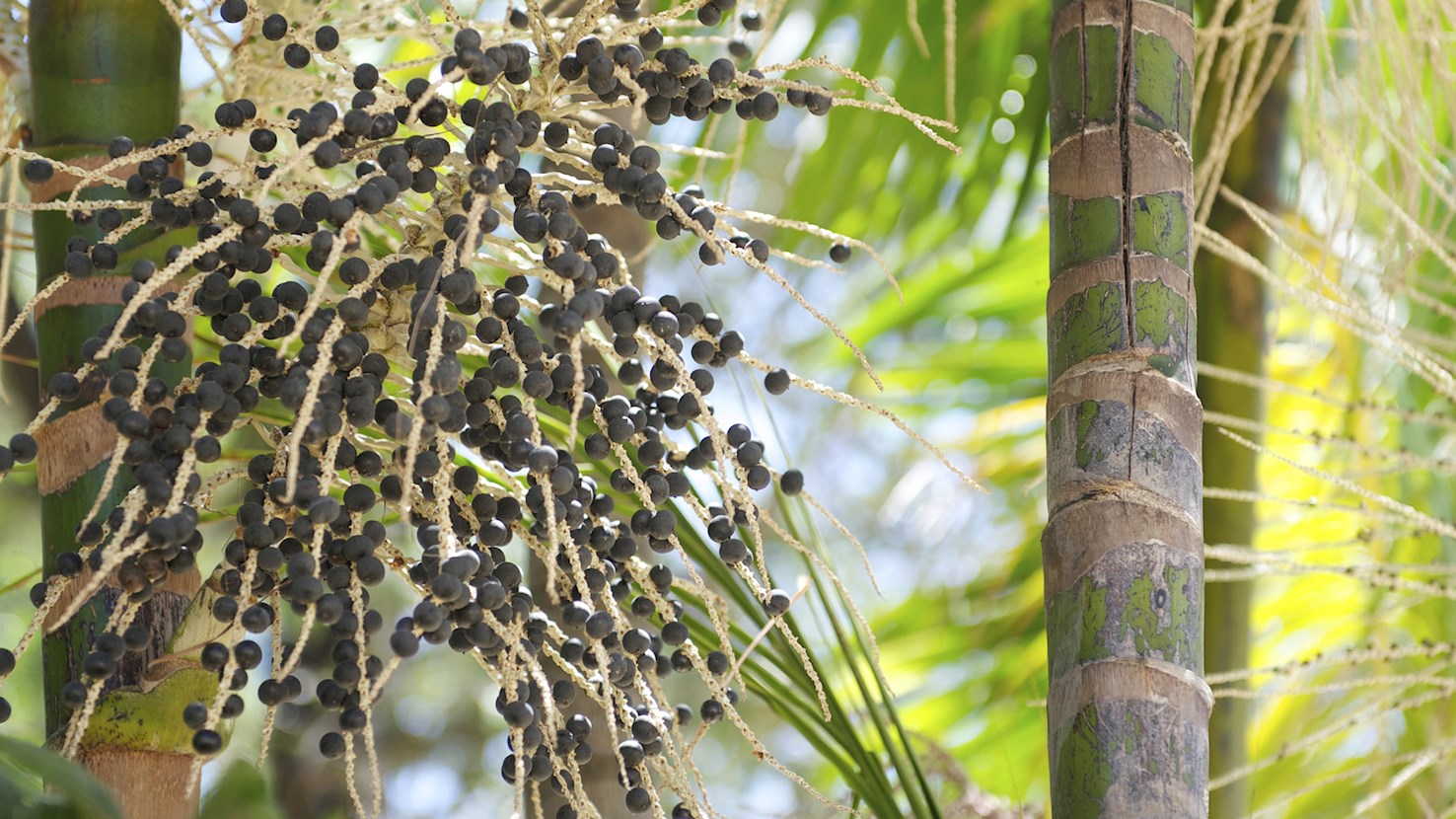
The açaí palm is a palm tree cultivated for hearts of palm and for its fruit, known as the açaí berry. The berries are highly sought after due to their supposed medicinal properties, and they are often classified by producers as a type of "superfood." They are a dark purple in color, resembling large blueberries. In the Amazon region, where they have been a staple food for centuries, açaí berries are consumed beaten into a pulp. The flavor is described as a combination of chocolate and berries. As the raw fruit must be processed within 24 hours of harvesting, the berries have only recently gained worldwide popularity due to modern technology and transport. When it was discovered that açaí berries retain their nutritional value when frozen, they were brought to Rio de Janeiro by northern Brazilians from the Amazon region. As the berries have been promoted as being rich in natural antioxidants, vitamins, and essential fatty acids, their popularity spread quickly throughout the United States and Europe as a dietary supplement. Currently, açaí berries enjoy such popularity that the açaí farming industry employs over 30,000 people in the Brazilian state of Pará alone. While numerous claims have been made as to the health benefits of açaí berries, no scientific proof has yet been provided to support these claims.

03

Guarana

3.9 ·

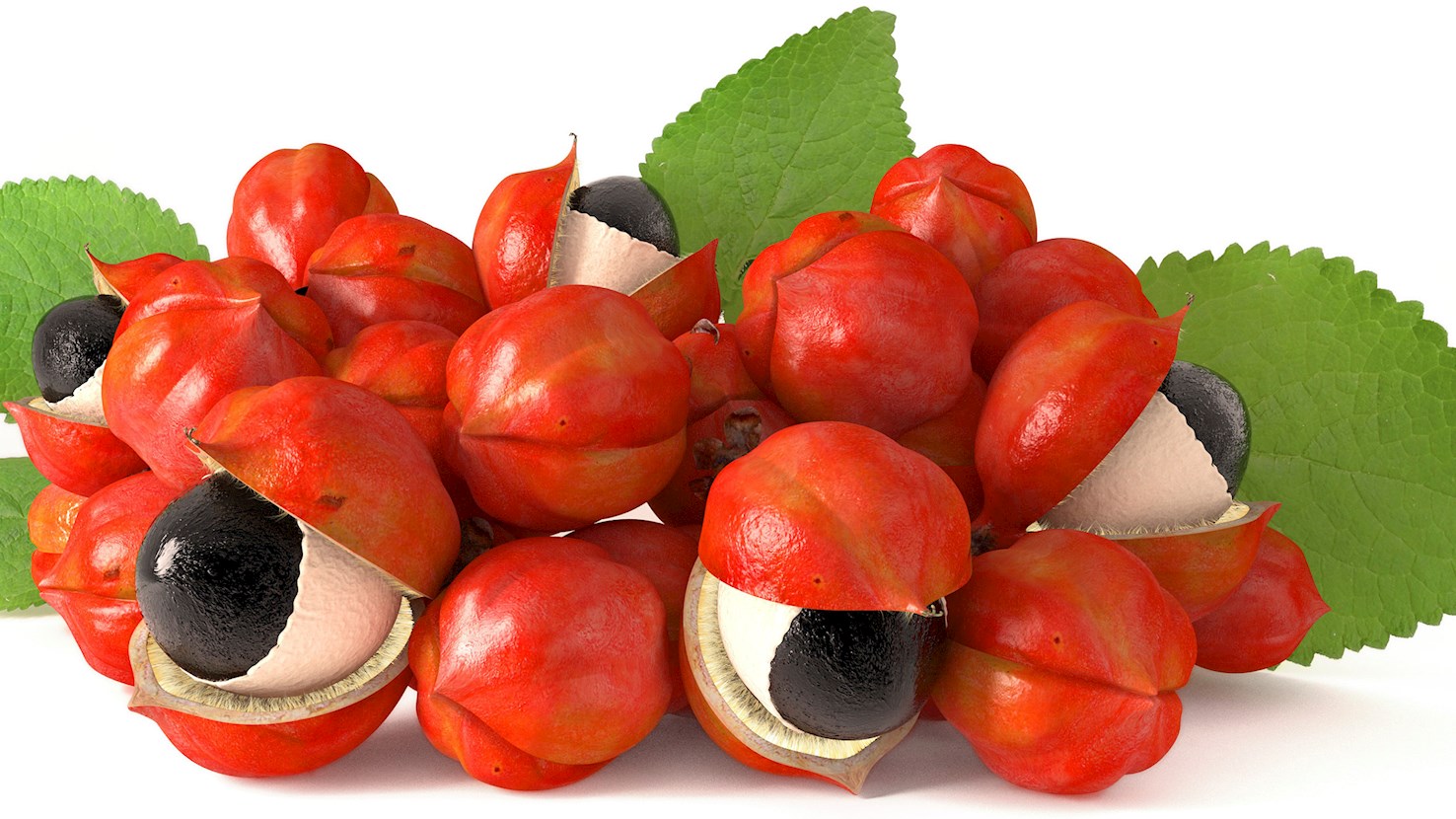
Guarana is a plant that is cultivated throughout northern parts of Brazil and Venezuela, countries that are often praised for their berries. The name of the plant comes from the Guarani tribe that lives in Brazil. The tribe believes that guarana has magical properties and that it is a cure for many bowel problems. Both the tribe and the plant were discovered in the 18th century by a German botanist named C. F. Paullini. The key ingredient of guarana is guaranine, an element that is chemically identical to caffeine, which is the main reason for the energy boost after the consumption of guarana. Its taste is distinctive and unique, so guarana is used in many soft drinks, chewing gums, chocolate bars, and syrups. Today, guarana products are gaining more and more popularity both in the United States and throughout the world.

04

Camu camu

3.9 ·

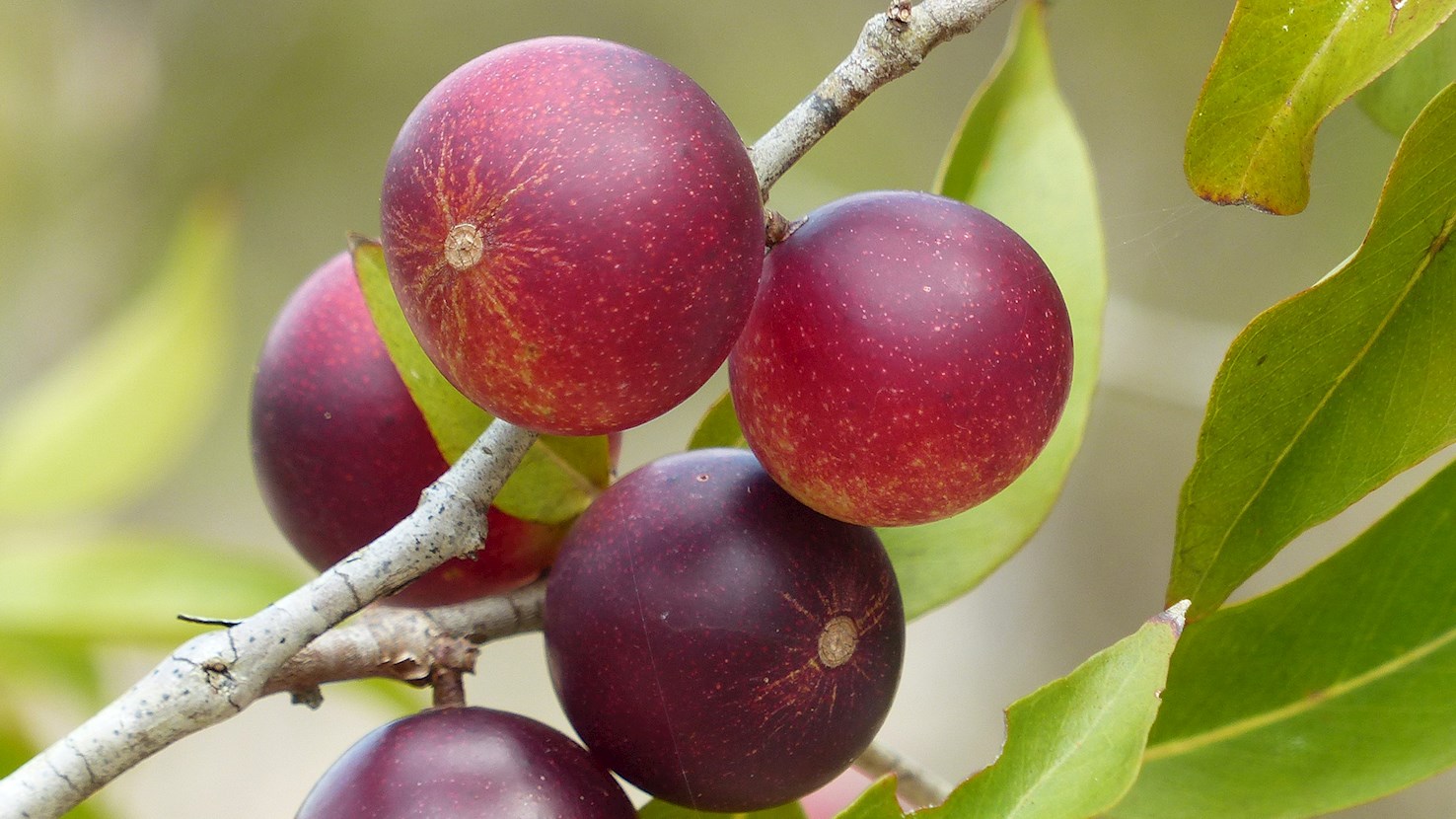
Camu camu (lat. Myrciaria dubia) is a small, sour fruit native to the Amazon rainforest, particularly in regions of Peru and Brazil. It grows on a bushy tree that thrives in the swampy or flooded areas of the rainforest. The fruit is roughly cherry-sized and has a purplish-red skin with a yellow pulp, bearing a resemblance to a large grape or a small plum. Camu camu is best known for its extraordinarily high vitamin C content, often cited as one of the richest natural sources of vitamin C in the world, surpassing many citrus fruits. In addition to vitamin C, camu camu contains other antioxidants, amino acids, and compounds like flavonoids. Due to its sour taste, it's rarely eaten fresh but is commonly powdered for smoothies, juiced, used in supplements, or included in skincare products. Beyond boosting immunity with its vitamin C, camu camu offers antioxidant properties, anti-inflammatory effects, and potential mood-enhancing benefits.

05

Cape Gooseberry

3.7 ·

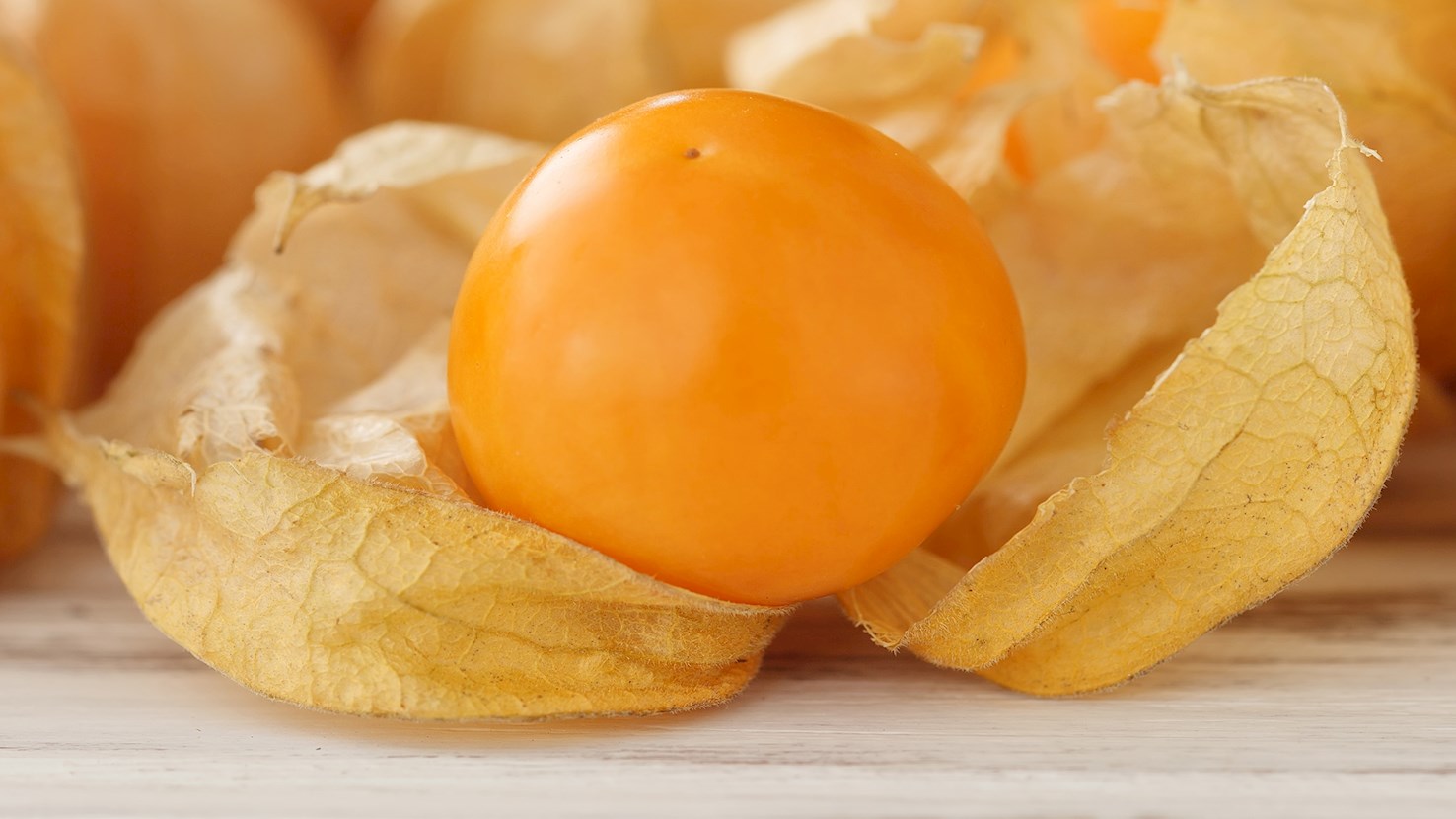
Cape gooseberry is a plump yellow fruit, yielded from an unusual perennial plant native to high-altitude areas. The plant and the fruit share the same name, and are believed to have originated in Brazil, from where they spread to other South American highland regions, and eventually to other continents, primarily southern African regions and Australia, where they are still cultivated and used as a common ingredient. Ripe cape gooseberry has golden yellow or light orange color, smooth skin, and its insides are filled with barely noticeable seeds. The fruit is usually no bigger than a grape pod. It has a sweet and slightly tart taste, which makes it a perfect ingredient that is commonly incorporated in sweet pies, tarts, cakes, or jams.

06

Pequi

3.4 ·

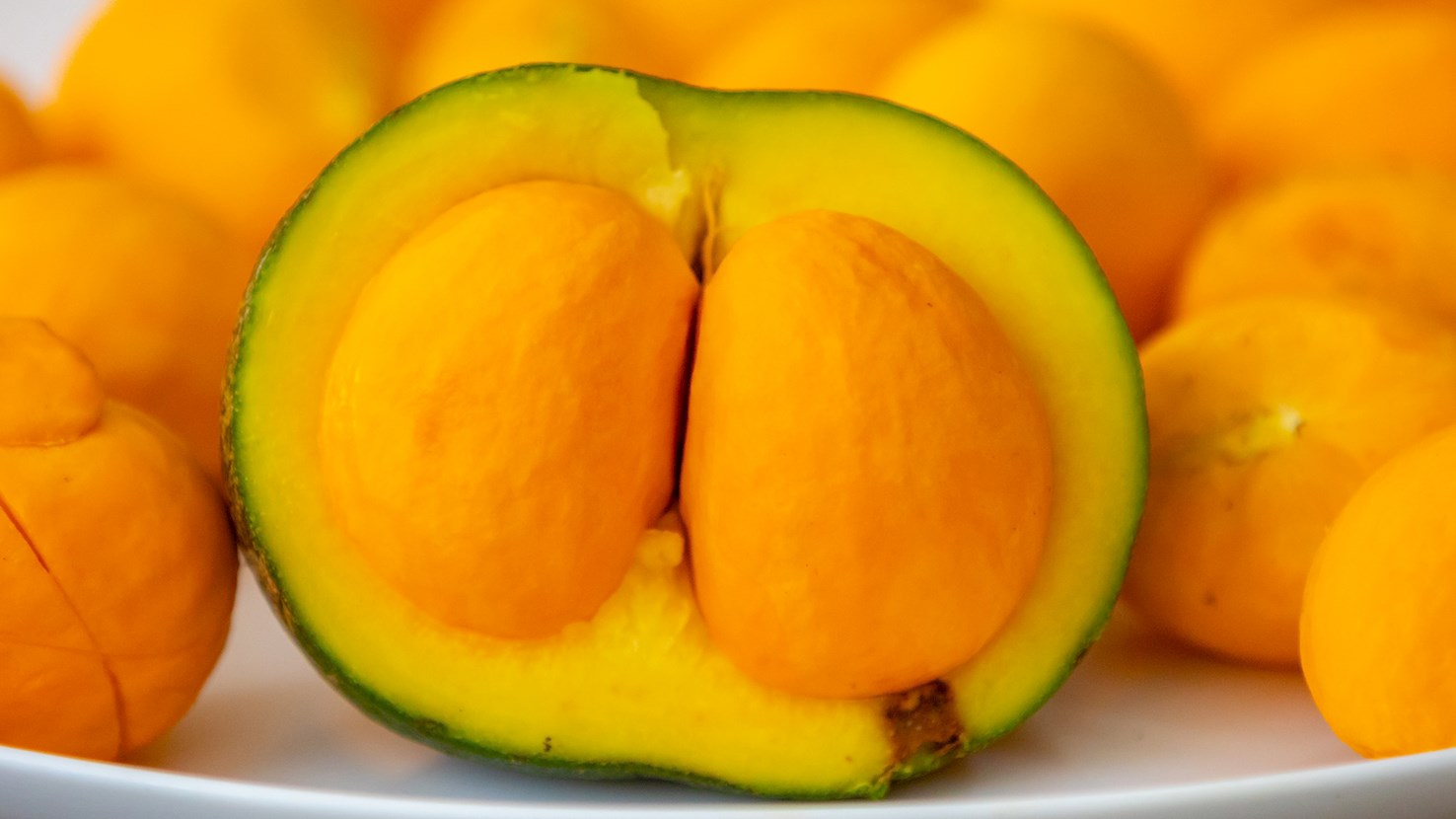
Pequi (lat. Caryocar brasiliense), also known as souari nut, is a fruit native to Brazil and commonly found in the Brazilian Cerrado region. It is a small, round fruit with thick, yellow, or orange skin that is covered in small, sharp spines. Inside the fruit is a large seed surrounded by bright yellow pulp. The pulp has a distinct flavor and aroma, often described as a combination of citrus, pine, and almonds. It is known for its strong, unique taste and is often used in traditional Brazilian cuisine. Pequi is used in a variety of dishes, particularly in the Brazilian states of Goiás and Minas Gerais, where it is a popular ingredient in regional recipes. It is commonly used in stews, soups, and rice dishes, adding a rich and flavorful taste to the meals. Pequi is also sometimes used to make oils, liqueurs, and preserves.

07

Pupunha (Peach palm fruit)

3.3 ·

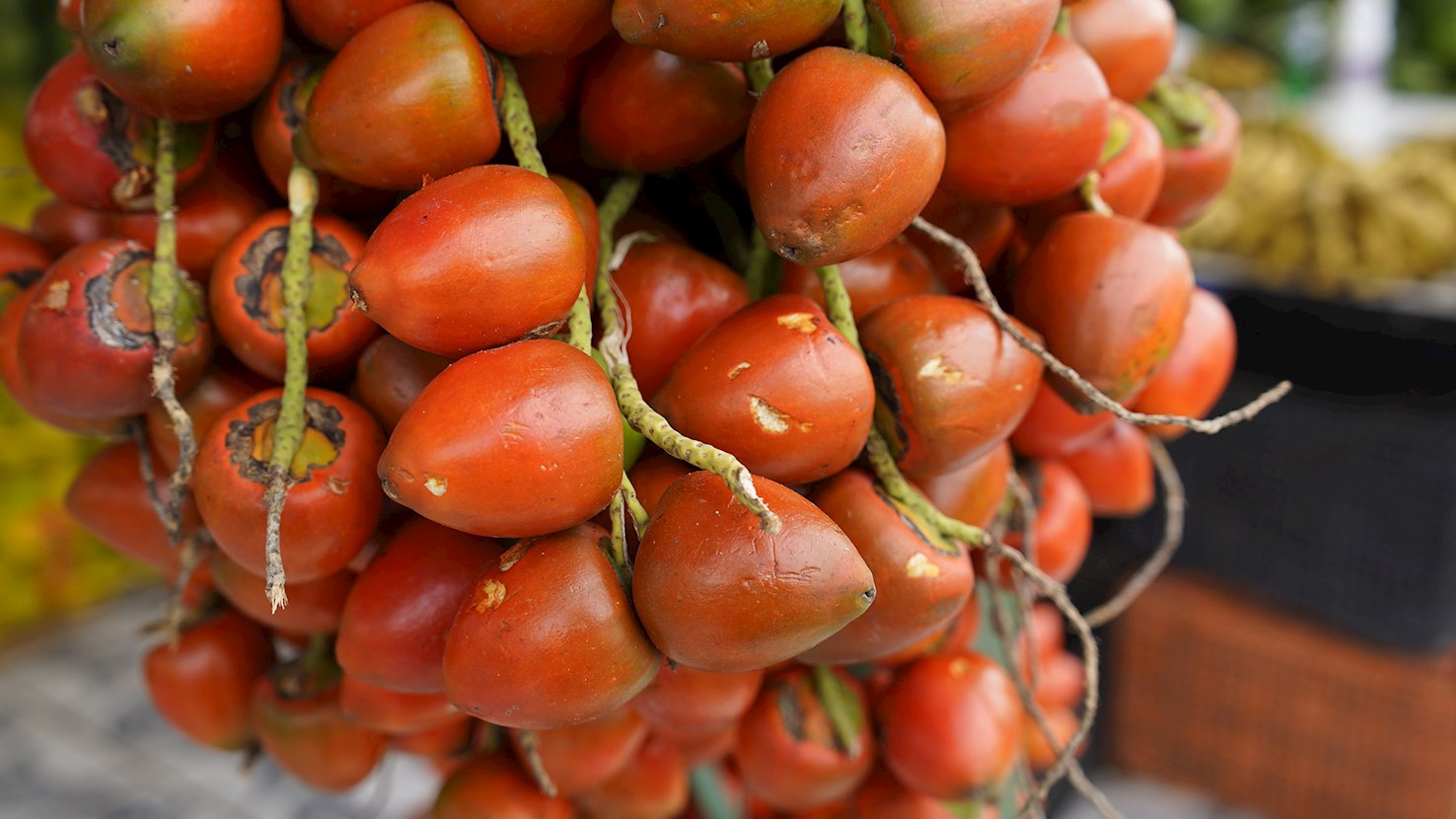
Peach palm fruit is the edible fruit of the peach palm tree (lat. Bactris gasipaes). This tropical palm is cultivated for both its fruit and its heart of palm, making it an important crop in various parts of Central and South America. The fruit itself is small, typically about the size of a large olive or small peach, and has a hard, thick skin ranging in color from yellow to orange to red when ripe. Nutritionally, peach palm fruit is rich in carbohydrates, dietary fiber, vitamins A and C, and contains some protein. Its flesh is dense and starchy, with a texture and taste that can be compared to a combination of pumpkin, potato, and chestnut. Because of its hard flesh, the fruit must be cooked before it can be eaten, usually boiled in salted water for an hour or more until it becomes soft. Once cooked, it can be consumed on its own, often with a dab of mayonnaise or lime juice, or used as an ingredient in various dishes.

08

Uvalha

n/a ·

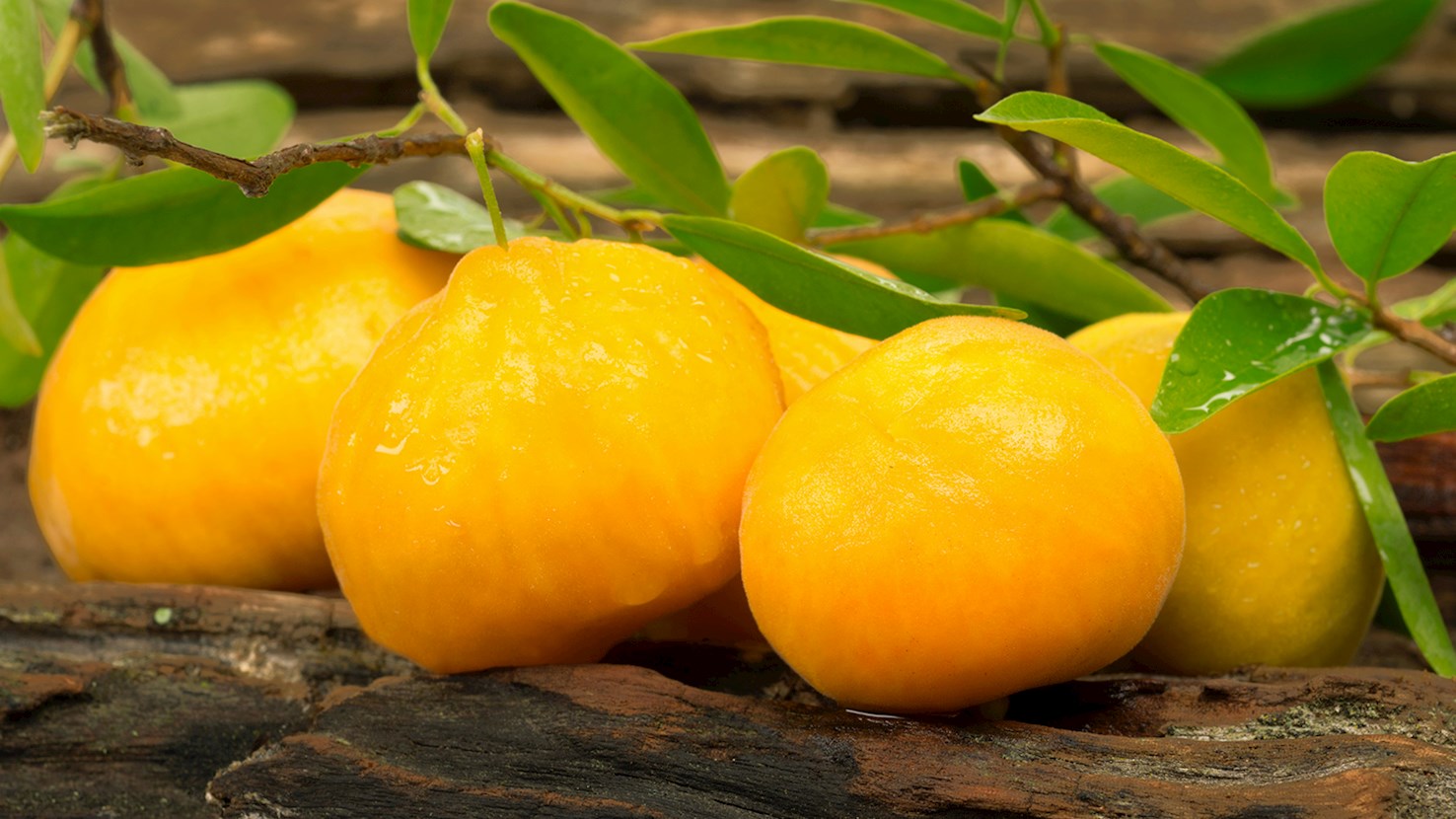
Uvalha is the tropical fruit of the Eugenia pyriformis tree, native to southern Brazil, where it grows wild. The fruits are spherical to oblate, and the pulp is juicy, very aromatic, with an acid to subacid flavor. It is mostly used to make refreshing beverages – the pulp is strained, mixed with sugar and ice, then served well-chilled. The uvalhas are also sometimes made into marmalade and jams, or used as a flavoring for cake fillings and ice cream. The plant is also popular for ornamental purposes due to its glossy leaves and white flowers.

Read more
View all
View map
About this ranking

TasteAtlas food rankings are based on the ratings of the TasteAtlas audience, with a series of mechanisms that recognize real users and that ignore bot, nationalist or local patriotic ratings, and give additional value to the ratings of users that the system recognizes as knowledgeable. For the “Top 8 Brazilian Fruits” list until June 24, 2026, 602 ratings were recorded, of which 356 were recognized by the system as legitimate. TasteAtlas Rankings should not be seen as the final global conclusion about food. Their purpose is to promote excellent local foods, instill pride in traditional dishes, and arouse curiosity about dishes you haven’t tried.

Similar lists