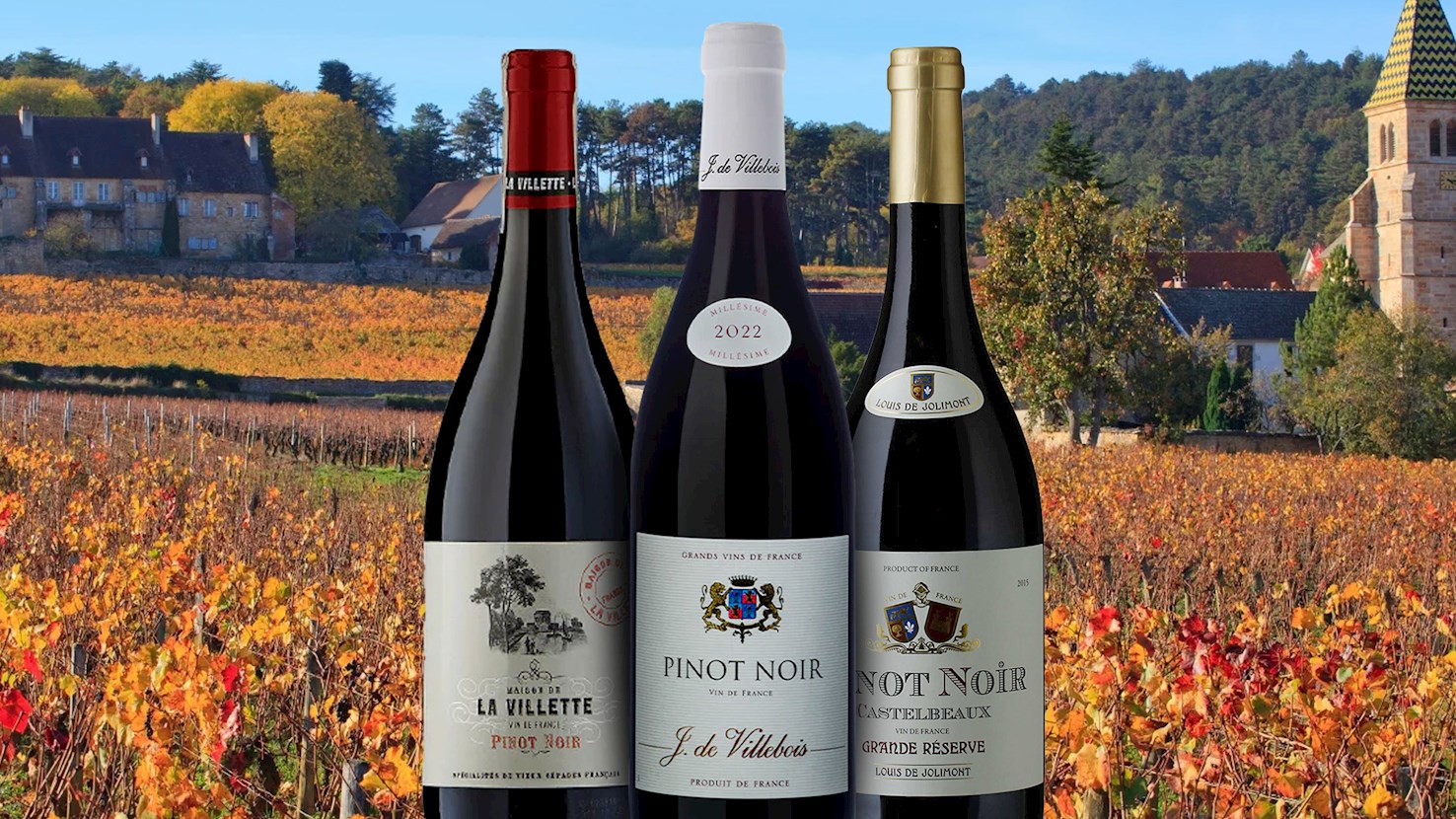
Pinot Noir is a highly esteemed red wine grape variety known for producing some of the world's finest and most elegant wines. Originating from the Burgundy region of France, Pinot Noir is revered for its complex flavors, silky texture, and ability to express the nuances of its terroir. Pinot Noir grapes are thin-skinned, making them more susceptible to disease and challenging to grow. They thrive best in cool to moderate climates, where they can develop their full range of flavors without overripening. The wines are typically light to medium-bodied with a pale to medium ruby color. The flavor profile of Pinot Noir wines often includes red fruit notes such as cherry, raspberry, and strawberry, along with floral aromas like rose and violet. As the wine ages, it can develop more complex flavors, including earthiness, mushroom, forest floor, and spice, often described as having a "barnyard" character in older, more mature wines. Burgundy, France, remains the benchmark for Pinot Noir, producing some of the most sought-after and expensive wines in the world, particularly from the Côte de Nuits region. Notable appellations include Gevrey-Chambertin, Vosne-Romanée, and Nuits-Saint-Georges. Burgundy Pinot Noirs are known for their elegance, finesse, and ability to age gracefully. Pinot Noir is also widely grown in other regions around the world, including California (notably in Sonoma County and the Central Coast), Oregon (particularly in the Willamette Valley), New Zealand (especially in Central Otago and Martinborough), and Germany (where it is known as Spätburgunder). Each region imparts its unique characteristics to the wine, with New World Pinot Noirs often exhibiting more pronounced fruit flavors and less earthiness compared to their Old World counterparts. Pinot Noir's versatility extends to food pairings, making it a popular choice for a wide range of dishes. Its bright acidity and moderate tannins make it an excellent match for poultry, pork, lamb, and game birds, as well as dishes featuring earthy ingredients like mushrooms and truffles. It also pairs well with soft cheeses and can complement a variety of vegetarian dishes.
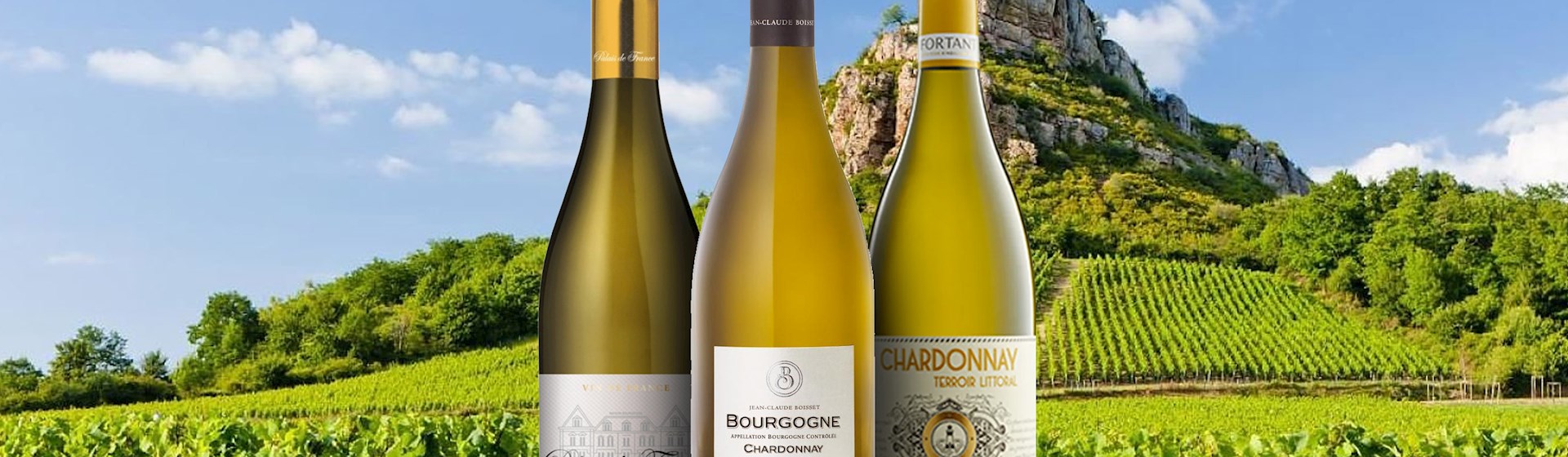
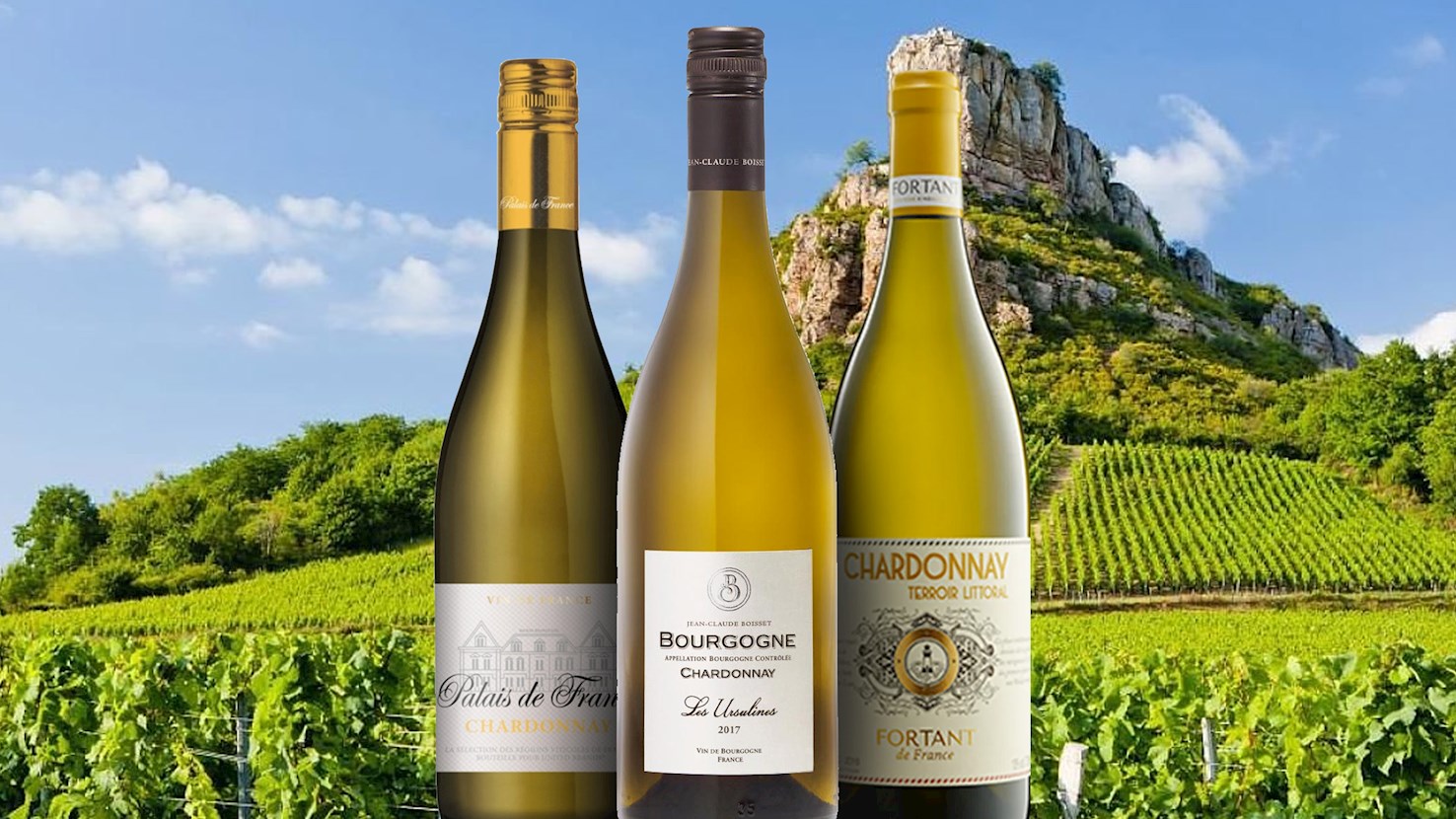
Chardonnay is a popular and widely cultivated white grape variety that is used to produce white wine. Originating from the Burgundy region of France, Chardonnay is now grown in wine regions around the world, including the United States, Australia, Italy, and South Africa. It is known for its versatility in wine production, as it can be used to make a range of wine styles from crisp and unoaked to rich and oaked varieties. Chardonnay grapes are relatively neutral in flavor, allowing the characteristics of the wine to be heavily influenced by the terroir (the environment where the grapes are grown) and the winemaking techniques used. In cooler climates, Chardonnay wines often exhibit flavors of green apple, pear, and citrus, with high acidity. In warmer climates, the wines can have riper fruit flavors like tropical fruits, melon, and peach, with a fuller body and lower acidity. Winemaking techniques also play a significant role in the final flavor profile of Chardonnay wines. For example, aging in oak barrels can impart flavors of vanilla, butter, and toast, while malolactic fermentation can give the wine a creamy texture and buttery taste. Unoaked Chardonnays, on the other hand, are typically lighter and more refreshing, showcasing the grape's natural fruit flavors and acidity. Chardonnay is also a key grape in the production of sparkling wines, including Champagne, where it is often blended with Pinot Noir and Pinot Meunier.
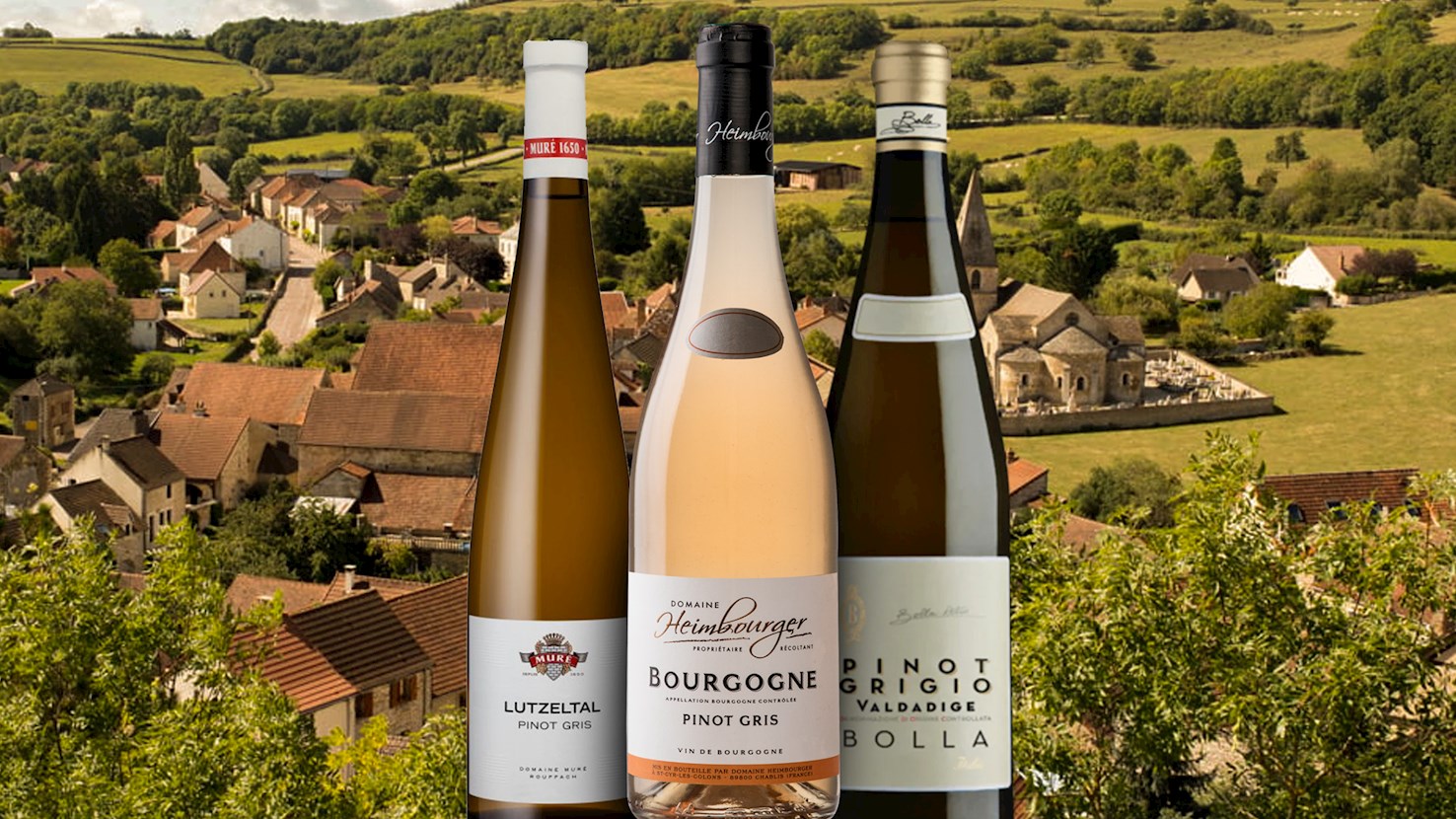
Pinot Gris is a white wine grape variety that is believed to be a mutation of the Pinot Noir grape. It is known for producing wines that can vary widely in style depending on the region and winemaking techniques used. The grape is characterized by its grayish-blue fruit, which gives it the name "gris" (French for "gray"). In France, particularly in the Alsace region, Pinot Gris wines are typically full-bodied with a rich, complex flavor profile. These wines often exhibit notes of ripe pear, apple, stone fruits like peach and apricot, and sometimes tropical fruits. They can also have a slightly spicy or smoky character, along with a pronounced minerality. Alsace Pinot Gris is often made in a slightly off-dry to sweet style, although dry versions are also produced. In Italy, where it is known as Pinot Grigio, the wines tend to be lighter and more straightforward. Italian Pinot Grigio is typically dry, with a crisp, refreshing acidity and flavors of lemon, green apple, and pear. These wines are often lighter in body and more delicate compared to their Alsatian counterparts, making them very popular for casual drinking and pairing with a variety of light dishes. Pinot Gris is also grown in other wine regions around the world, including Germany (where it is called Grauburgunder or Ruländer), the United States (notably Oregon and California), New Zealand, and Australia. Each region brings its own unique characteristics to the wine, influenced by the local terroir and winemaking practices. Pinot Gris wines are versatile when it comes to food pairings. The richer, fuller-bodied styles from Alsace pair well with dishes like roasted poultry, pork, and creamy sauces, as well as Asian cuisine with a touch of spice. The lighter, crisper Pinot Grigio from Italy is excellent with seafood, salads, light pasta dishes, and fresh cheeses.
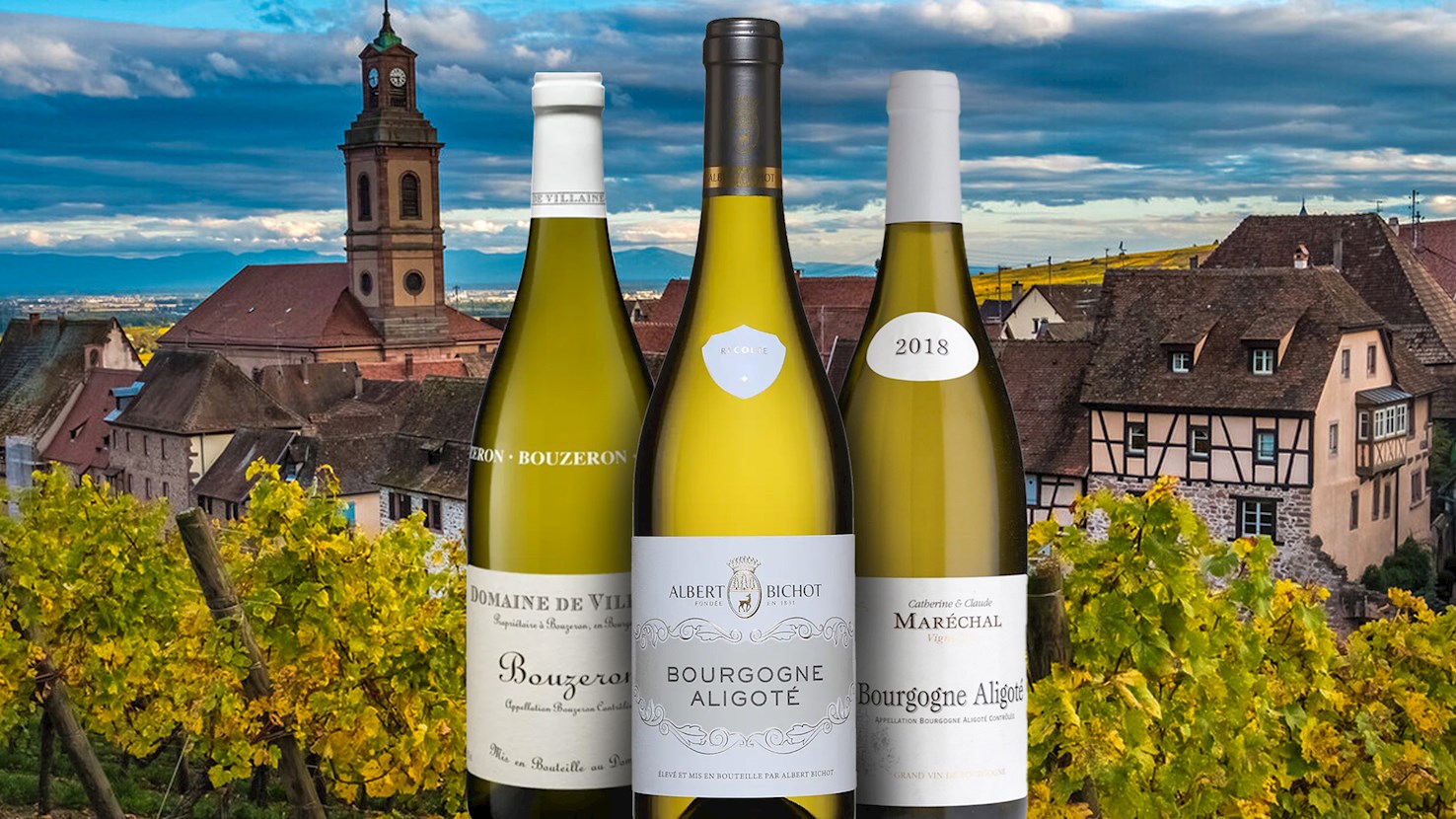
Aligoté is a white grape variety primarily grown in the Burgundy region of France. It is known for producing light, crisp, and acidic wines that are often enjoyed for their refreshing qualities. Aligoté is less well-known than Burgundy's dominant white grape, Chardonnay, but it has a dedicated following and is prized for its unique characteristics. Aligoté wines are typically pale in color with high acidity, making them bright and zesty. The flavor profile of Aligoté often includes notes of green apple, citrus fruits such as lemon and lime, and sometimes subtle hints of white flowers and herbs. The wines are generally light-bodied and can be quite refreshing, with a clean, mineral finish. In Burgundy, Aligoté is traditionally used to produce the regional wine Bourgogne Aligoté. It is also a key ingredient in the classic French apéritif known as "Kir," where it is mixed with a splash of crème de cassis (blackcurrant liqueur) to create a delightful and refreshing drink. While Burgundy is the primary home of Aligoté, the grape is also grown in other regions of France, such as the Jura, and has found success in Eastern Europe, particularly in countries like Bulgaria, Romania, and Ukraine. In these regions, Aligoté is valued for its hardiness and ability to produce reliable yields even in less-than-ideal conditions. In recent years, there has been a renewed interest in Aligoté, with winemakers focusing on its potential to produce high-quality wines that express the terroir. Some producers are experimenting with different winemaking techniques, such as barrel aging, to add complexity and depth to the wines. Aligoté is a versatile wine that pairs well with a variety of foods due to its high acidity and bright flavors. It is an excellent match for seafood, shellfish, salads, and light appetizers. Its crispness also makes it a good companion for goat cheese and other fresh, tangy cheeses.
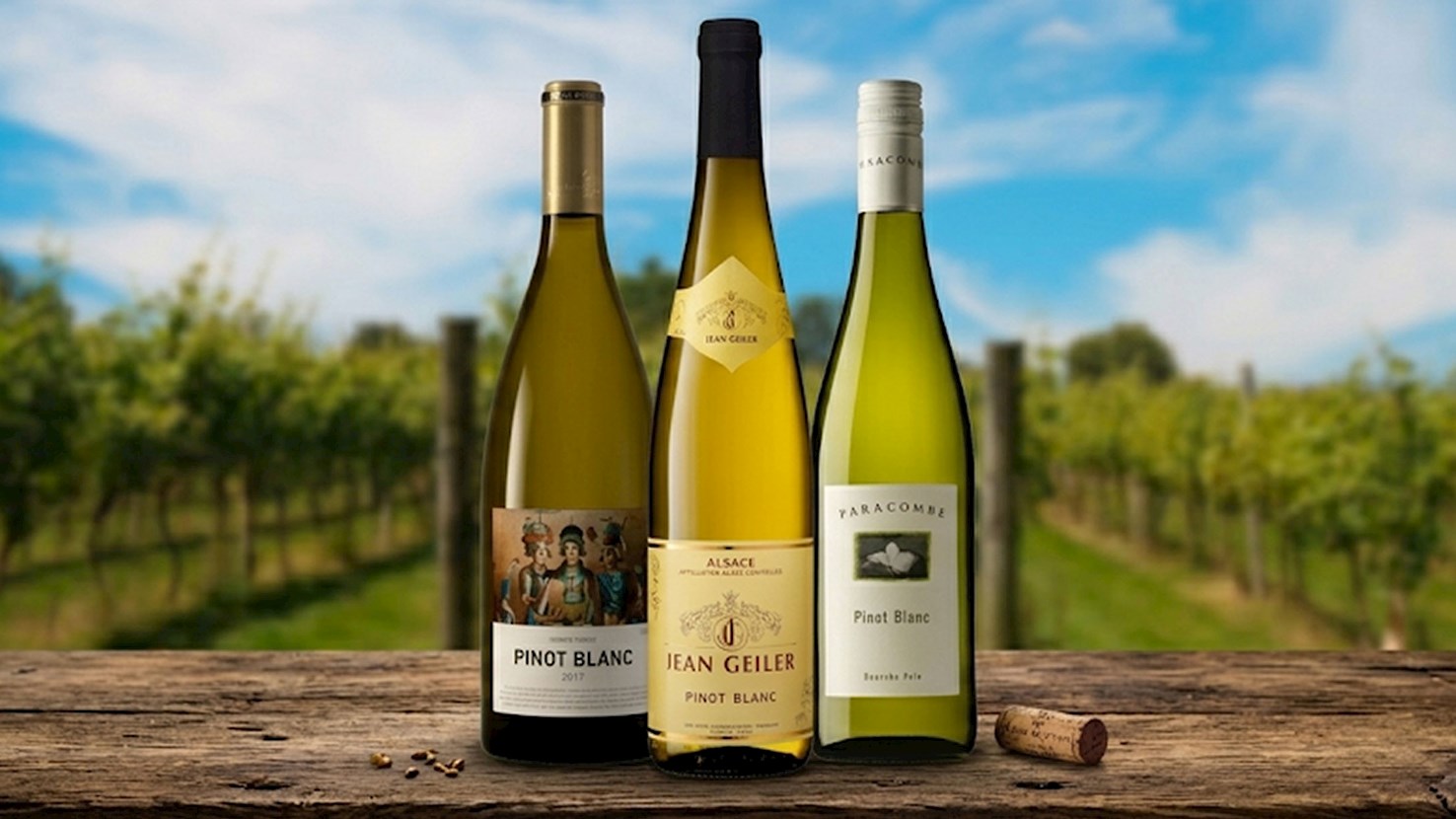
Pinot Blanc is a white wine grape variety used to produce dry white wines in regions such as Alsace, Germany, Austria, and parts of Italy, where it is valued for moderate acidity, pale color, and a restrained aromatic profile. The variety developed as a natural mutation within the Pinot family, closely related to Pinot Noir and Pinot Gris, and its cultivation spread through Central Europe via monastic vineyards and regional plant exchanges during the medieval period, where growers selected it for reliability and adaptability rather than intensity, leading to its steady presence in cooler and temperate climates. Winemaking typically involves gentle pressing of the grapes, fermentation at controlled temperatures to preserve freshness, and aging in stainless steel or large neutral vessels, though some producers use oak or extended lees contact to add texture without dominating the wine’s character. Pinot Blanc is generally bottled dry and served cool, allowing its subtle fruit and structure to remain balanced, and it is rarely decanted unless made in a fuller-bodied style. A defining aspect of Pinot Blanc is its role as a neutral but structured wine that reflects site and winemaking choices more than varietal aroma, which has led to stylistic diversity across regions while maintaining a consistent framework. Pinot Blanc is consumed primarily with meals, paired with foods such as fish, shellfish, poultry, veal, mild cheeses, and vegetable-based dishes, and it is also used as an everyday table wine in Central European dining, where its moderate alcohol and restrained profile allow it to accompany a wide range of cuisines without overpowering the food.
TasteAtlas food rankings are based on the ratings of the TasteAtlas audience, with a series of mechanisms that recognize real users and that ignore bot,
nationalist or local patriotic ratings, and give additional value to the ratings of users that the system recognizes as knowledgeable.
For the “Top 5 Burgundian Fruits” list until June 15, 2026, 183 ratings were recorded, of which 169 were recognized by the system as legitimate.
TasteAtlas Rankings should not be seen as the final global conclusion about food. Their purpose is to promote excellent local foods,
instill pride in traditional dishes, and arouse curiosity about dishes you haven’t tried.