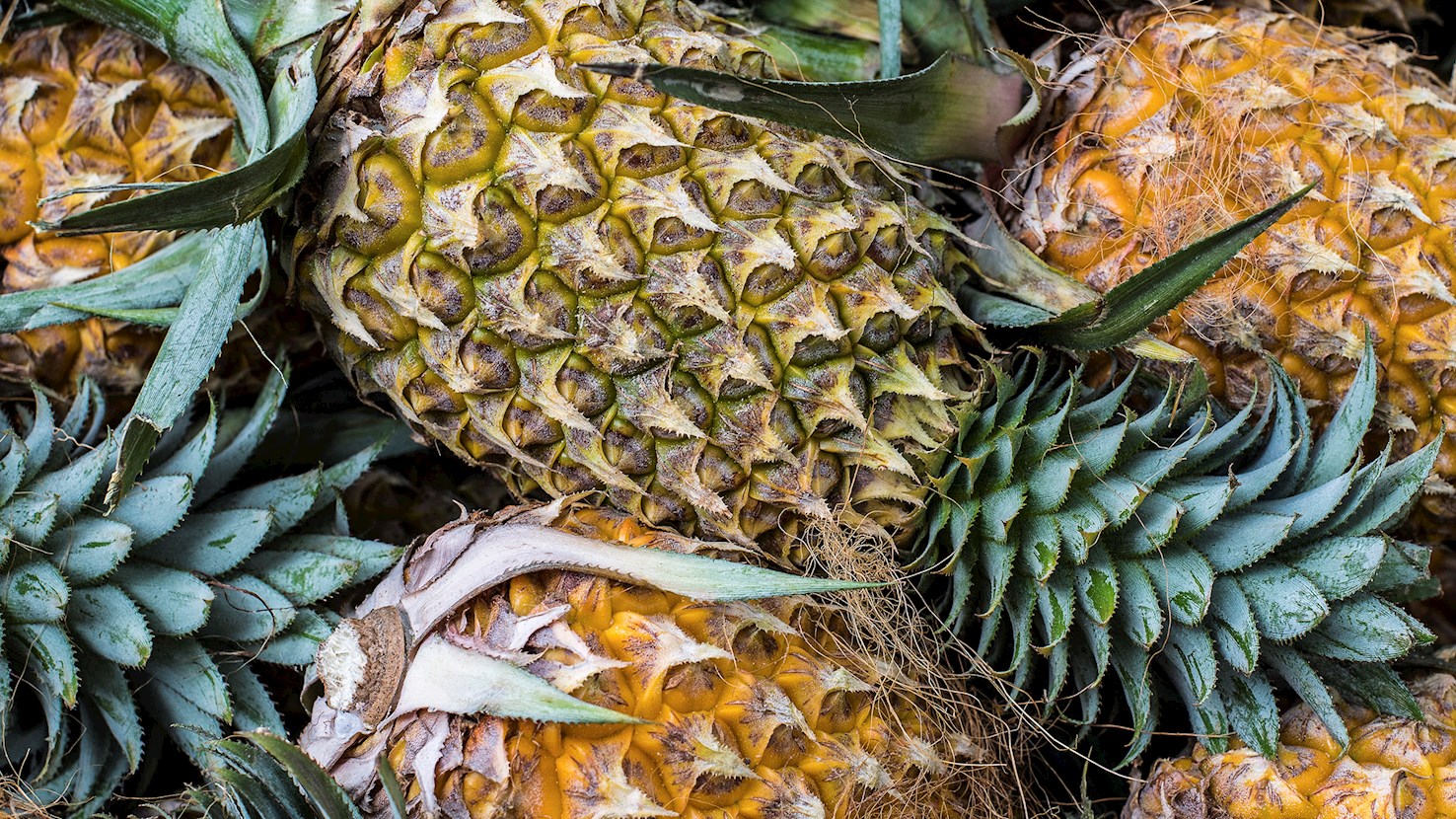
Antigua Black is the world's sweetest pineapple, grown primarily on the southwest coast of the island. Its sweet flavor is a result of a specific type of soil and the right amount of rainfall, allowing the sugar content to be higher than in other pineapples. The fruit is low in fiber and acidity, its texture is crisp, the core is edible, and the flesh is characterized by its golden-yellow color.
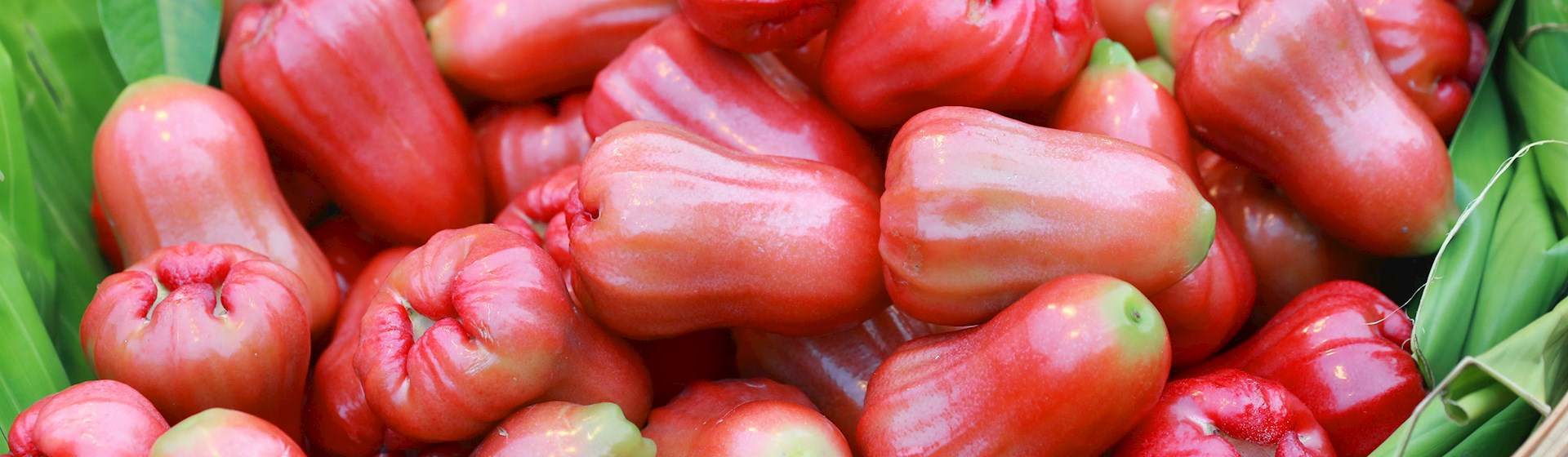
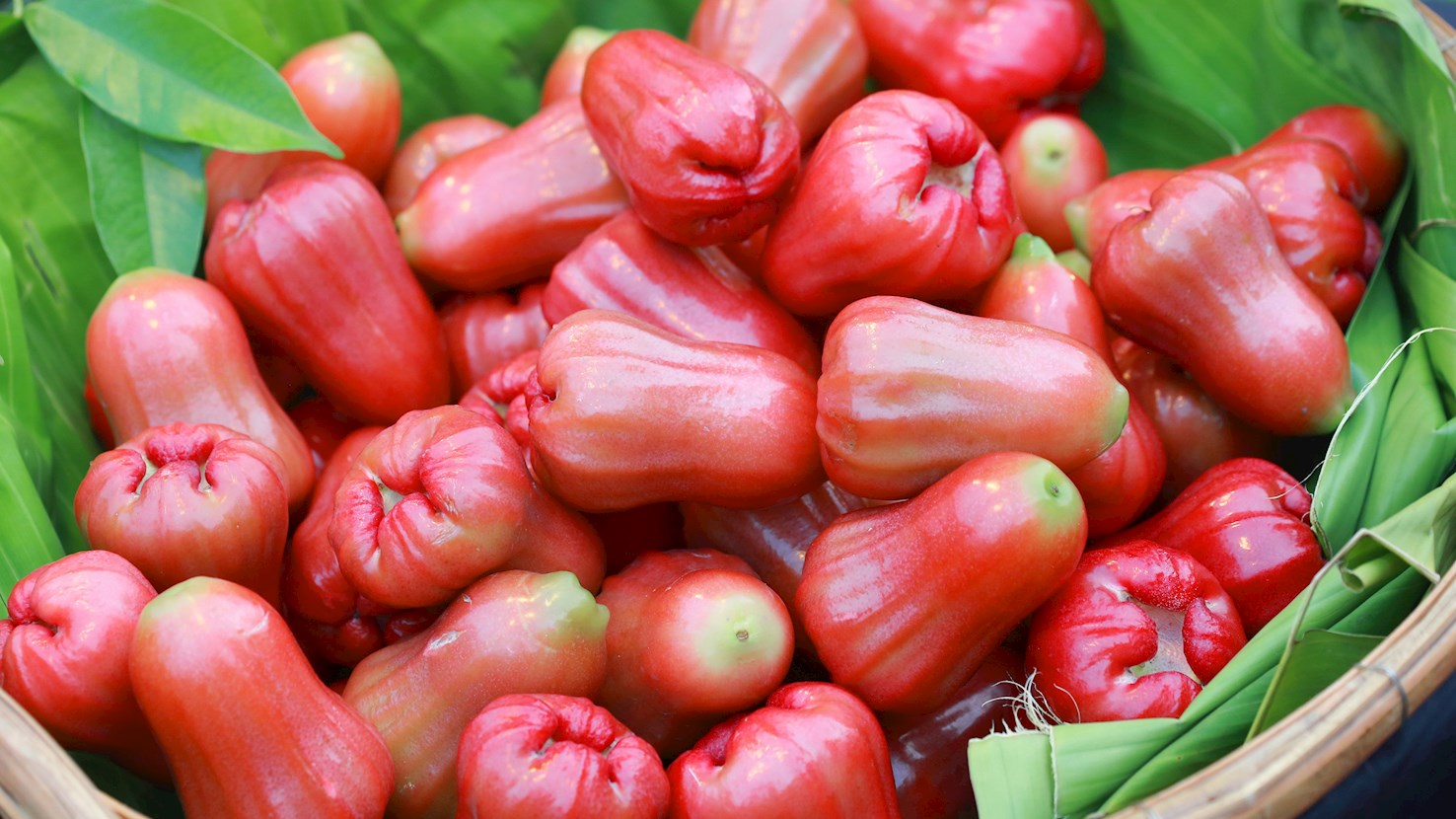
Water apple is a tropical fruit native to Southeast Asia and the Malay Archipelago, produced by the evergreen tree Syzygium malaccense and widely cultivated in regions such as Malaysia, where it is known locally as jambu bol and consumed primarily for its high water content and crisp flesh rather than for sweetness or acidity. Its spread beyond its native range followed maritime trade and botanical exchange during the late eighteenth century, and plants were later introduced to the Caribbean, including Jamaica, where it became known as Otaheite apple after its route of introduction from the Pacific rather than its place of origin. Preparation in its native region is minimal, as the fruit is most often eaten fresh, washed and consumed whole or sliced, with the thin skin left intact and the central seed removed, and it may also be used in light preserves, juices, or briefly cooked preparations that emphasize moisture and texture. The flesh is firm and watery when just ripe and softens quickly, which limits storage and favors immediate consumption close to harvest. Water apple is typically served at ambient temperature or lightly chilled and eaten casually as a snack rather than as part of a structured meal. It is commonly sold in markets and eaten at home, often paired with salt, chili, or light sugar, and accompanied by water or mild fruit drinks that reinforce its clean, hydrating character without competing with it.
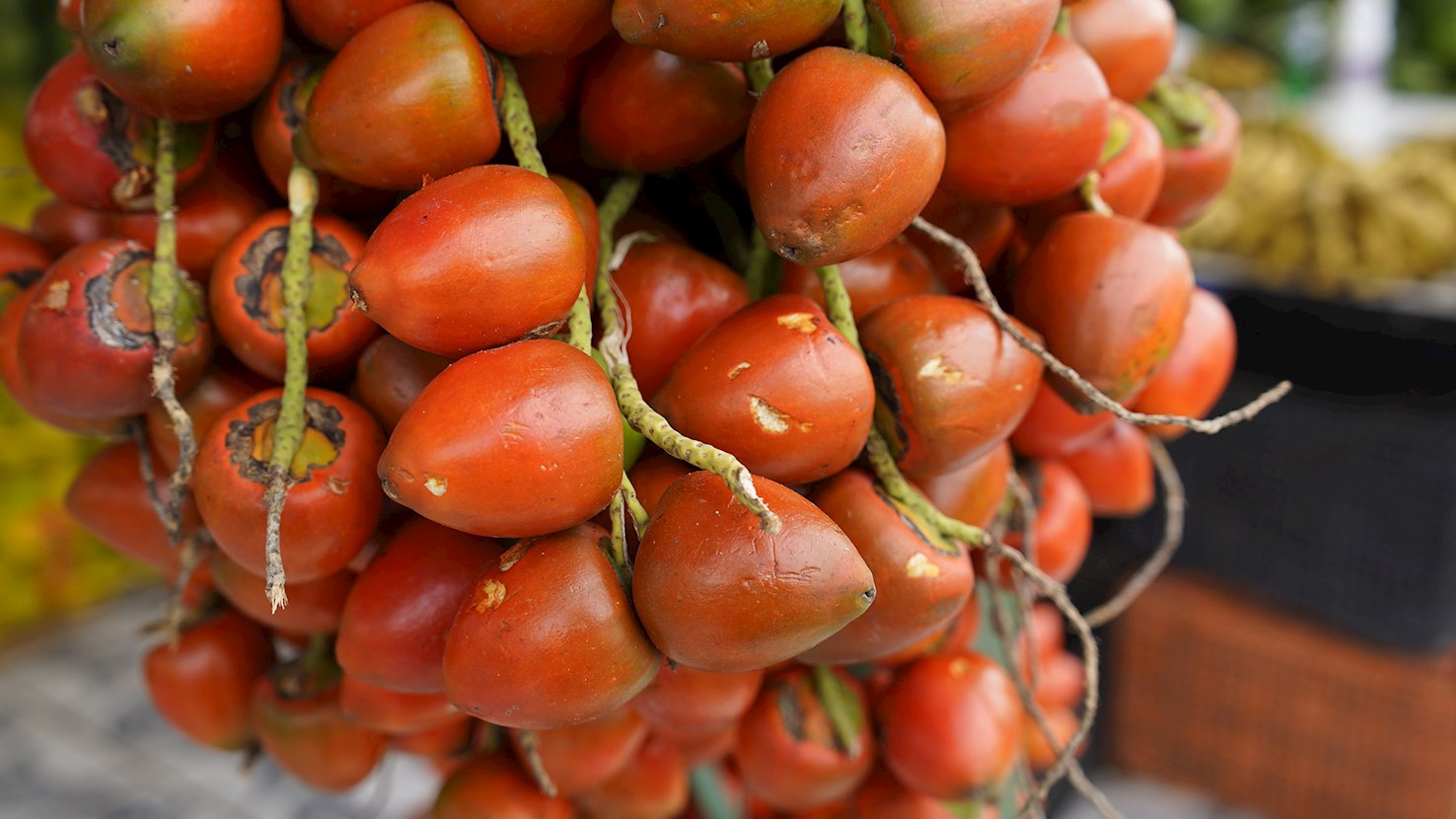
Peach palm fruit is the edible fruit of the peach palm tree (lat. Bactris gasipaes). This tropical palm is cultivated for both its fruit and its heart of palm, making it an important crop in various parts of Central and South America. The fruit itself is small, typically about the size of a large olive or small peach, and has a hard, thick skin ranging in color from yellow to orange to red when ripe. Nutritionally, peach palm fruit is rich in carbohydrates, dietary fiber, vitamins A and C, and contains some protein. Its flesh is dense and starchy, with a texture and taste that can be compared to a combination of pumpkin, potato, and chestnut. Because of its hard flesh, the fruit must be cooked before it can be eaten, usually boiled in salted water for an hour or more until it becomes soft. Once cooked, it can be consumed on its own, often with a dab of mayonnaise or lime juice, or used as an ingredient in various dishes.
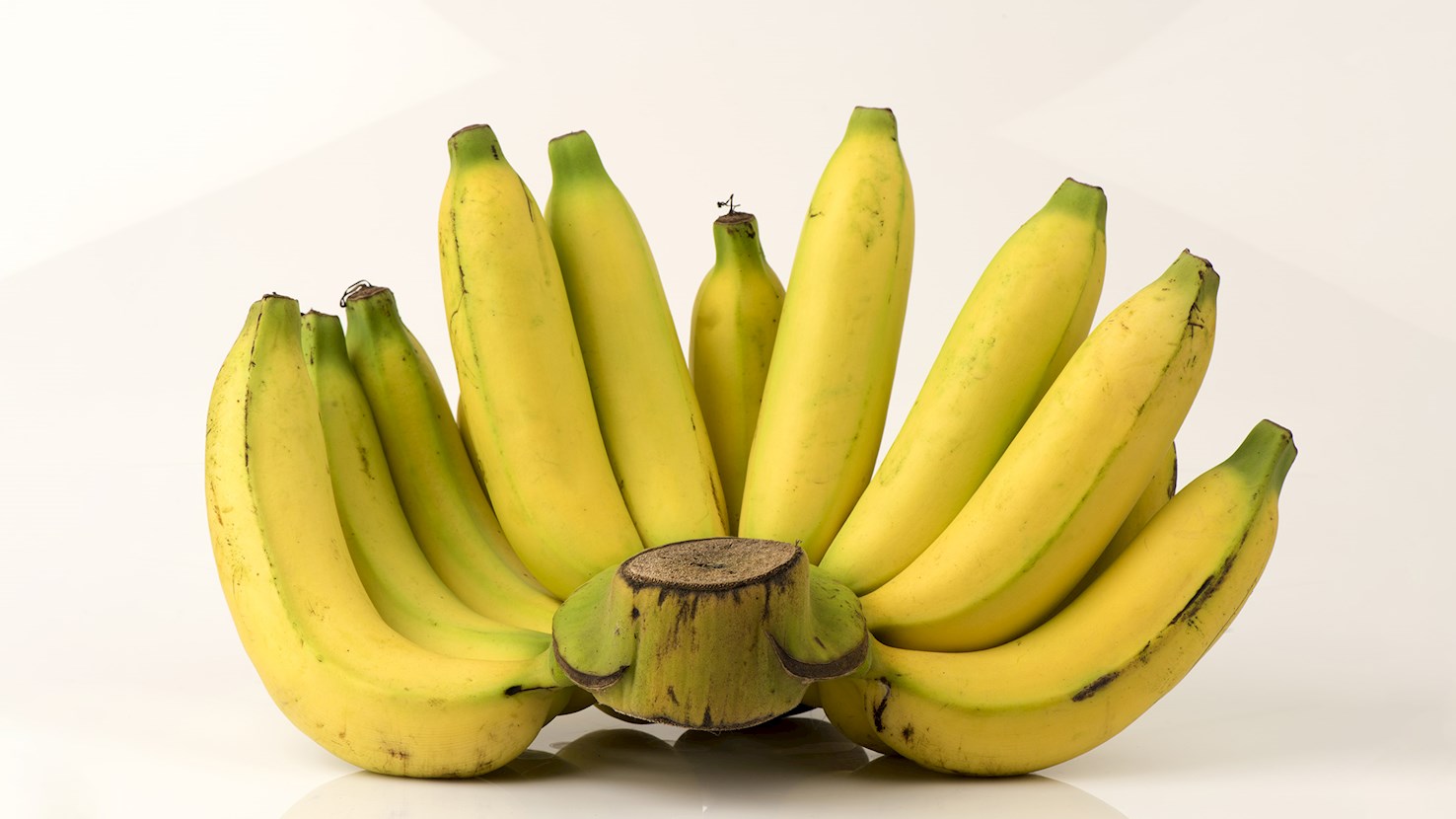
Gros Michel banana, sometimes known as "Big Mike," was the primary banana cultivar exported to the United States and Europe throughout the first half of the 20th century. It is known for its excellent taste, size, and resistance to handling and transportation, making it the dominant export banana until the 1950s. Gros Michel is larger, has a thicker skin, and, by many accounts, a sweeter and more flavorful taste than the Cavendish variety, which replaced it as the most widely exported banana. The decline of the Gros Michel as the leading export banana was due to Panama disease, caused by the fungus Fusarium oxysporum f. sp. cubense. This soil-borne fungus attacks the banana plant's roots and vascular system, eventually killing the plant. By the 1960s, Panama disease had devastated Gros Michel plantations across Central and South America, leading to the adoption of the Cavendish banana. The Cavendish was resistant to the strain of Panama disease that killed the Gros Michel, though it is now threatened by a new strain of the same fungus.
TasteAtlas food rankings are based on the ratings of the TasteAtlas audience, with a series of mechanisms that recognize real users and that ignore bot,
nationalist or local patriotic ratings, and give additional value to the ratings of users that the system recognizes as knowledgeable.
TasteAtlas Rankings should not be seen as the final global conclusion about food. Their purpose is to promote excellent local foods,
instill pride in traditional dishes, and arouse curiosity about dishes you haven’t tried.





What People Say