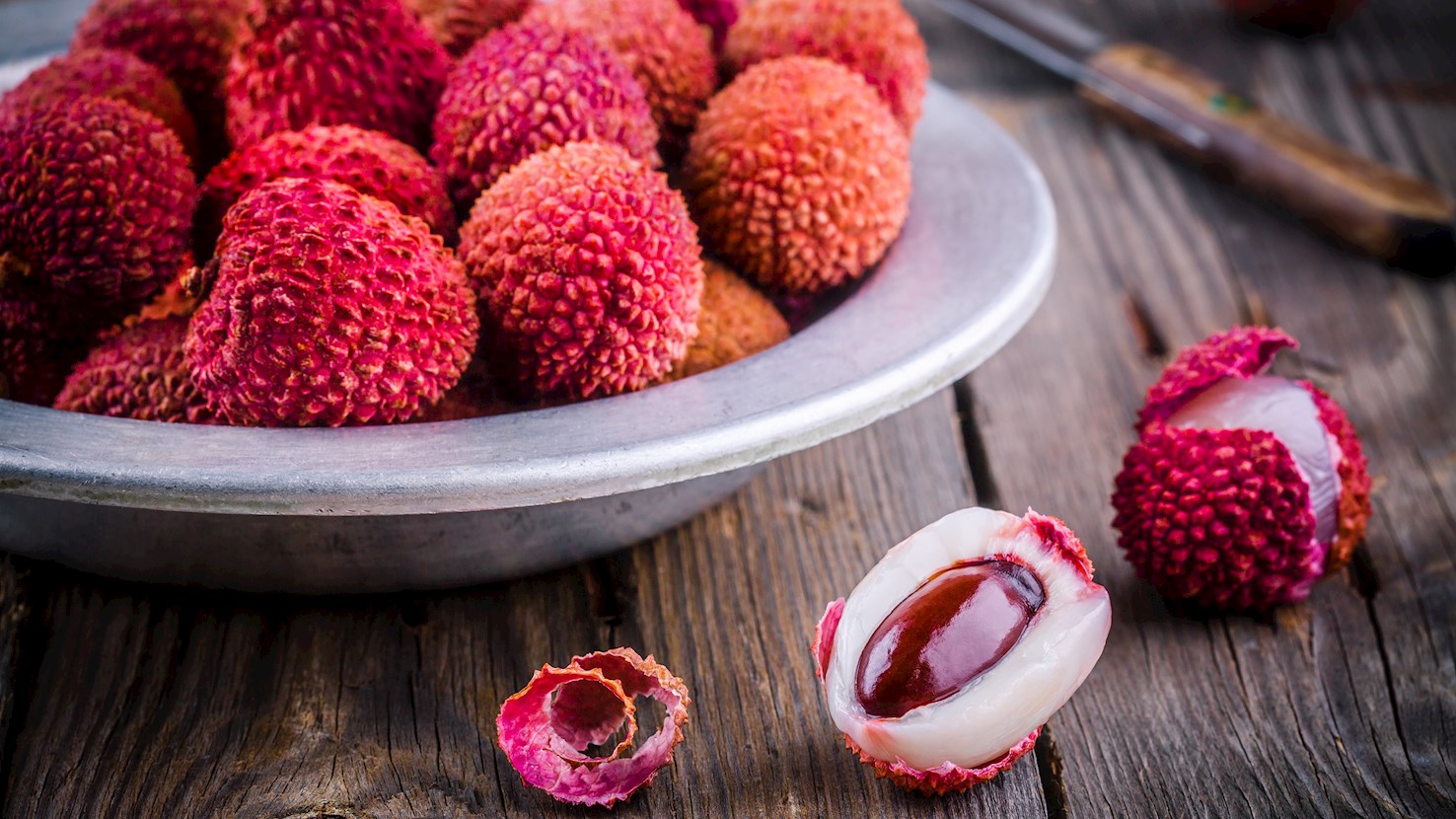
Lychee is a tropical fruit that's native to the Chinese provinces of Fujian and Guangdong. The fruit is oval to round, red in color, and has a brittle and inedible outer covering that encloses a translucent white flesh on the inside and one large seed. The flavor of the pulp is musky and aromatic when fresh, and when dried, it's acidic and sweet. Lychees are most commonly enjoyed fresh, but they can also be dried, canned, used in ice creams, or processed into wine, juice, and jelly. The fruit is a good source of minerals, vitamins, and antioxidants. Nowadays, lychees are grown in southern China and tropical Southeast Asia, India, Florida, Hawaii, and South Africa.
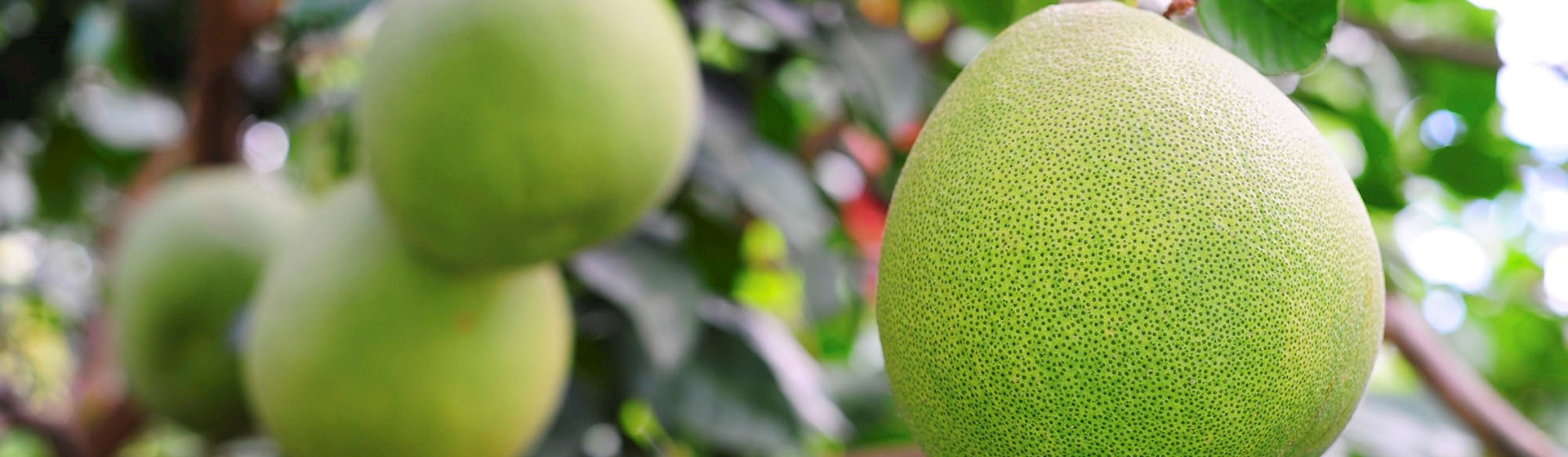
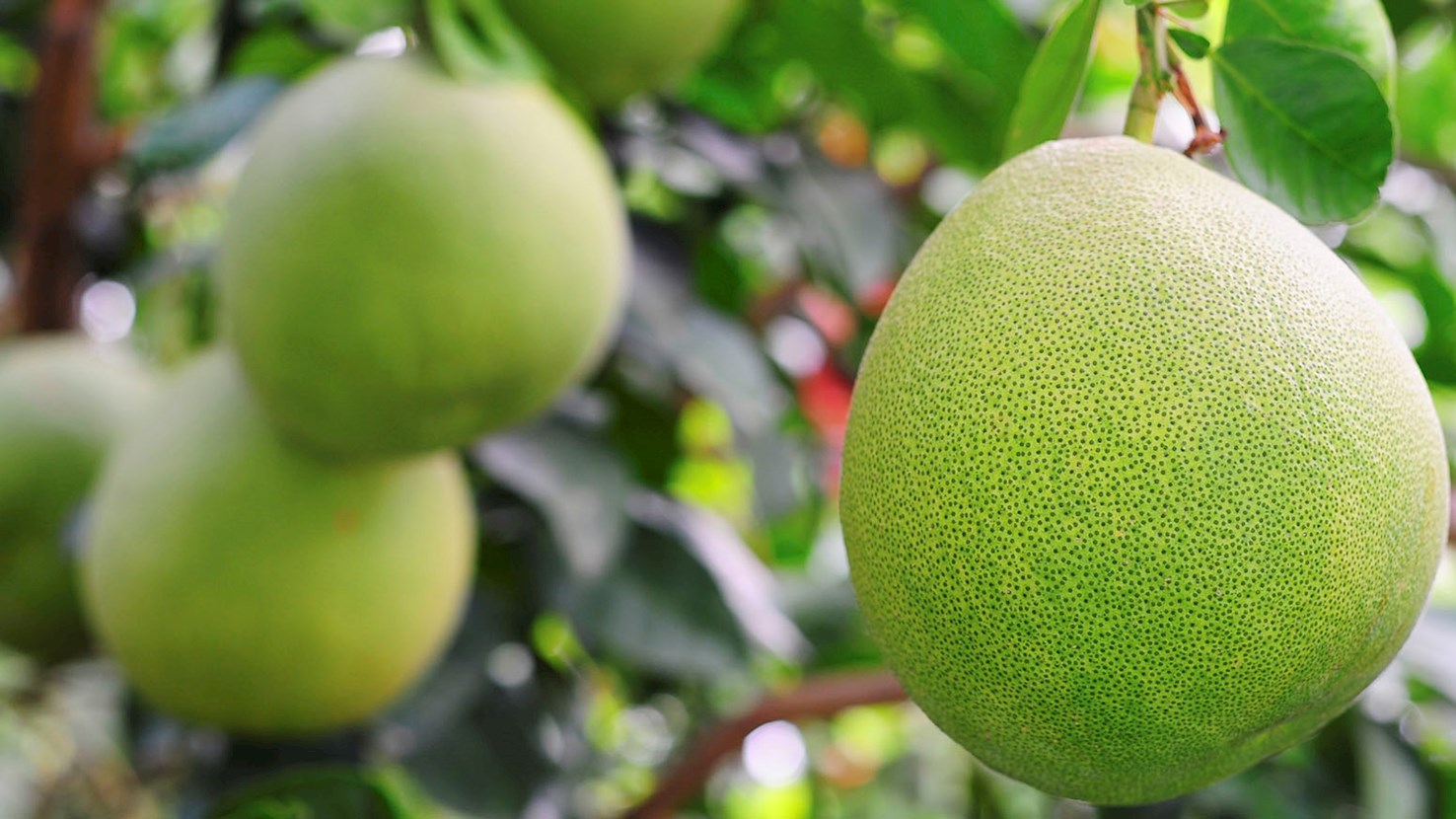
Guanxi Mi You is a pomelo of the Citrus grandis variety, produced in the paddy fields, hills and plains of the 16 towns and villages in Pinghe County in China, where the high amount of sunshine and sunny days contribute to the accumulation of vitamins, acids and sugar in the fruit, accentuating the fruit's unique sweet-and-sour taste. On the exterior, pomelo has an inverted oval shape and delicate, thin and smooth skin that is bright orange in colour. On the interior, the flesh is tender and crisp in texture, very juice and the taste is deliciously sweet and slightly reminiscent of vinegar. Due to a long history of planting pomelo trees in the region and strict quality production process, the pomelo fruit develops its unique characteristics and is often paired with mint, lime, chilli and shellfish in salads.
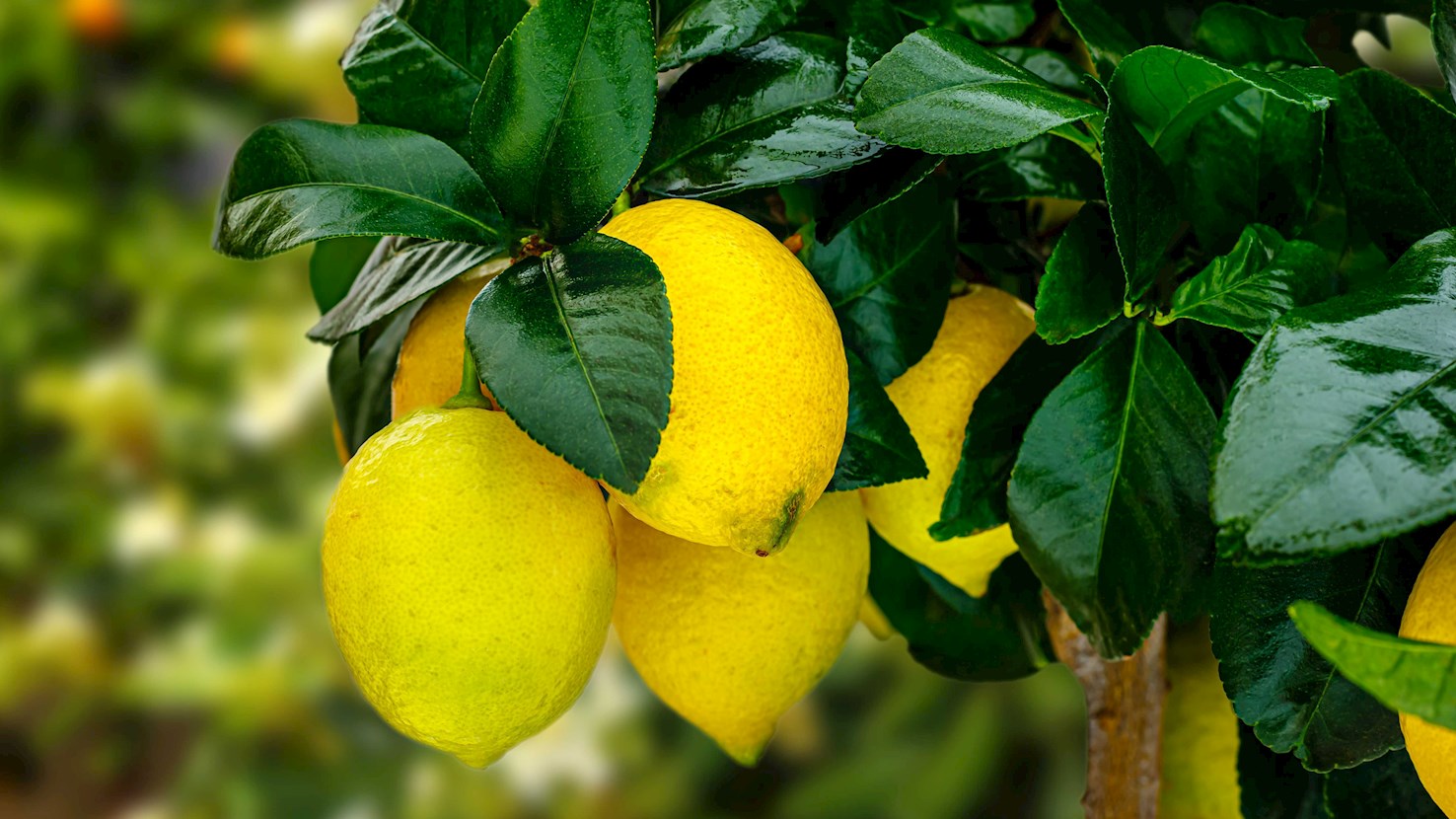
Meyer lemons are a type of citrus fruit native to China, a cross between a citron (an "original" lemon) and a mandarin/pomelo hybrid. They were introduced to the United States in the early 20th century by a man named Frank Nicholas Meyer, after whom they are named. Compared to the common lemon (citrus limon), Meyer lemons are smaller and more round, with a deep yellow to orange skin and dark yellow pulp. They have thinner, smoother skin and are less acidic, which makes them sweeter than their more tart counterparts. Meyer lemons have a unique aroma that is often described as a spicy bergamot fragrance. They are highly prized by cooks and bakers because of their slightly sweet and intensely citrusy flavor. Meyer lemons can be used in a wide variety of dishes, including desserts, cocktails, and savory recipes, where they can often replace regular lemons to add a different taste profile. It's important to note that Meyer lemons are more delicate and perish faster than common lemon and have a shorter growing season.
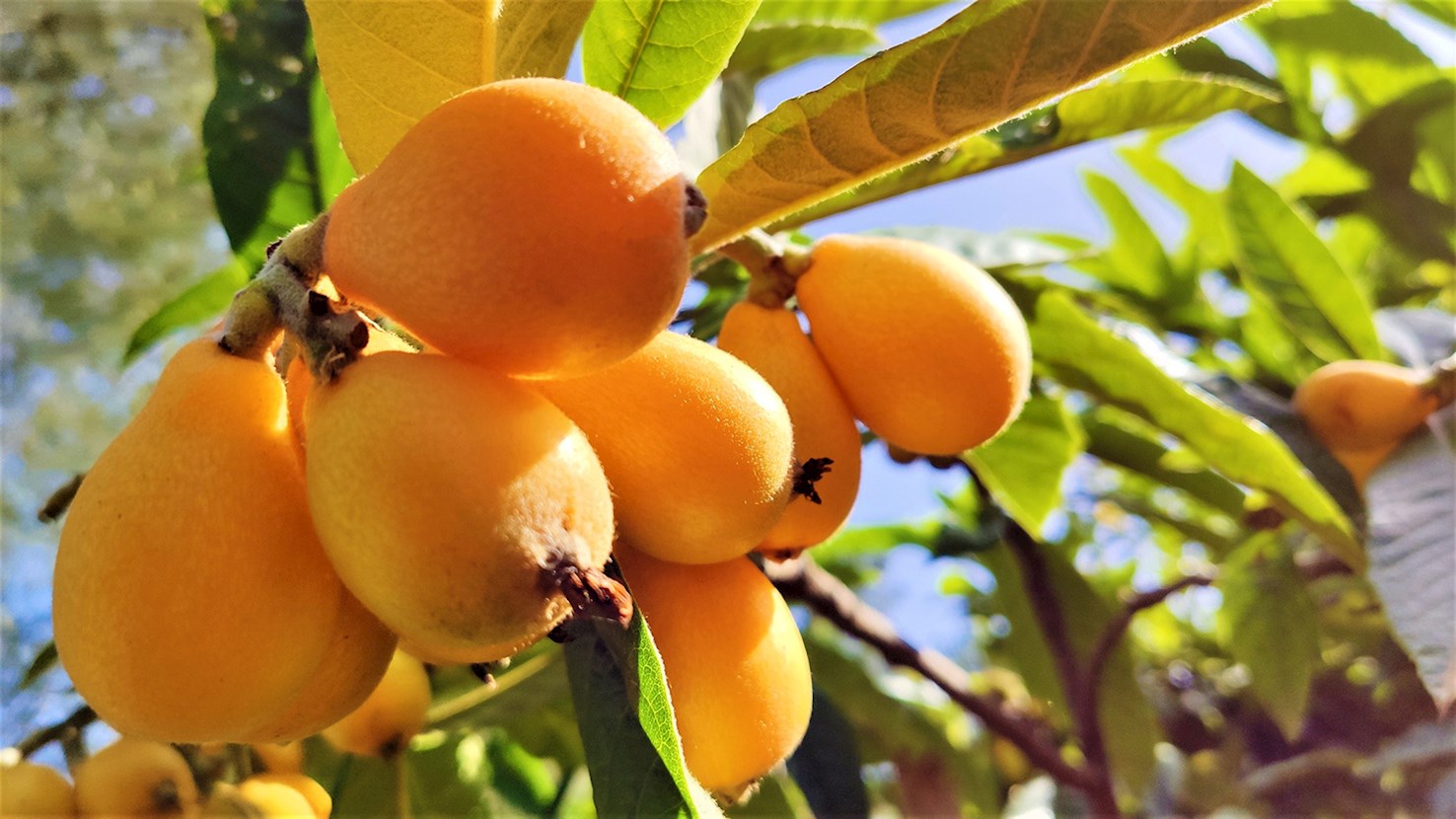
Loquat is a large evergreen shrub or a small tree that’s native to southeastern China, but the tree was also introduced to Japan in early medieval ages. The fruits are round, oval, or pear-shaped, with flesh that is subacid to sweet in flavor and very aromatic. When ripe, loquats are enjoyed fresh or used in fruit salads. They can be pickled, stewed for desserts, preserved with spices, and made into chutneys and sauces. Due to its high pectin content, loquat is often made into jellies or jams. The fruits are also sometimes fermented in order to produce fruit wine. They are low in calories and provide a nice source of potassium, copper, fiber, and vitamin A.
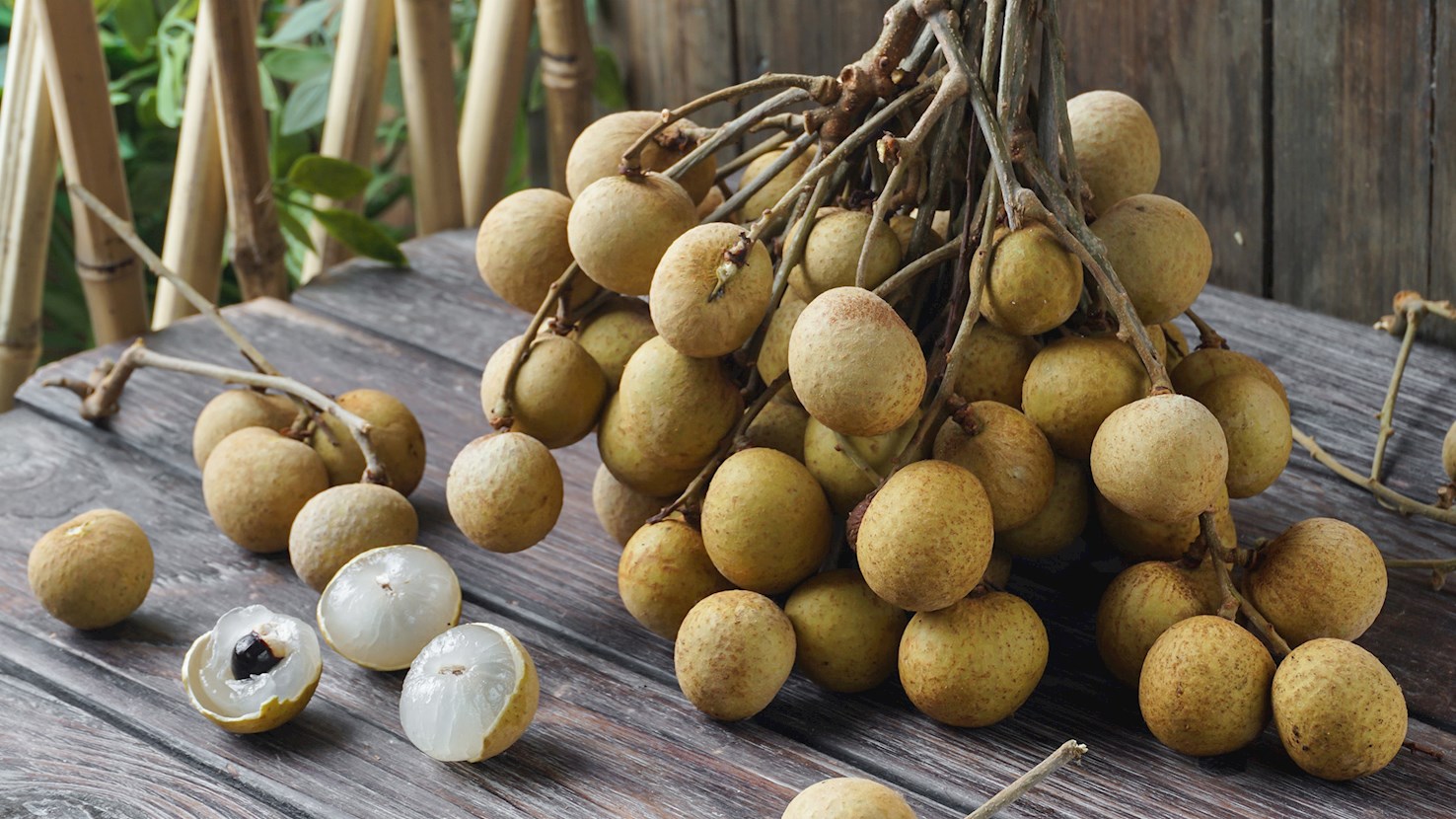
Longan is a tropical fruit (lat. Dimocarpus longan), a part of the soapberry family, which also includes lychee and rambutan. Longans are small, round, and have a thin, brown shell that is easy to remove. Inside, they have translucent white flesh that is sweet and juicy, with a texture similar to that of a grape but slightly firmer. At the center of the fruit is a large, black seed, which gives it the nickname "dragon's eye" — which is what "longan" means in Chinese. Longan is commonly eaten fresh, dried, or canned and is also used in various Asian dishes and desserts, including traditional soups and sweet tonics. In traditional Chinese medicine, longan is thought to have a warming effect on the body and is used to improve circulation and relieve stress.
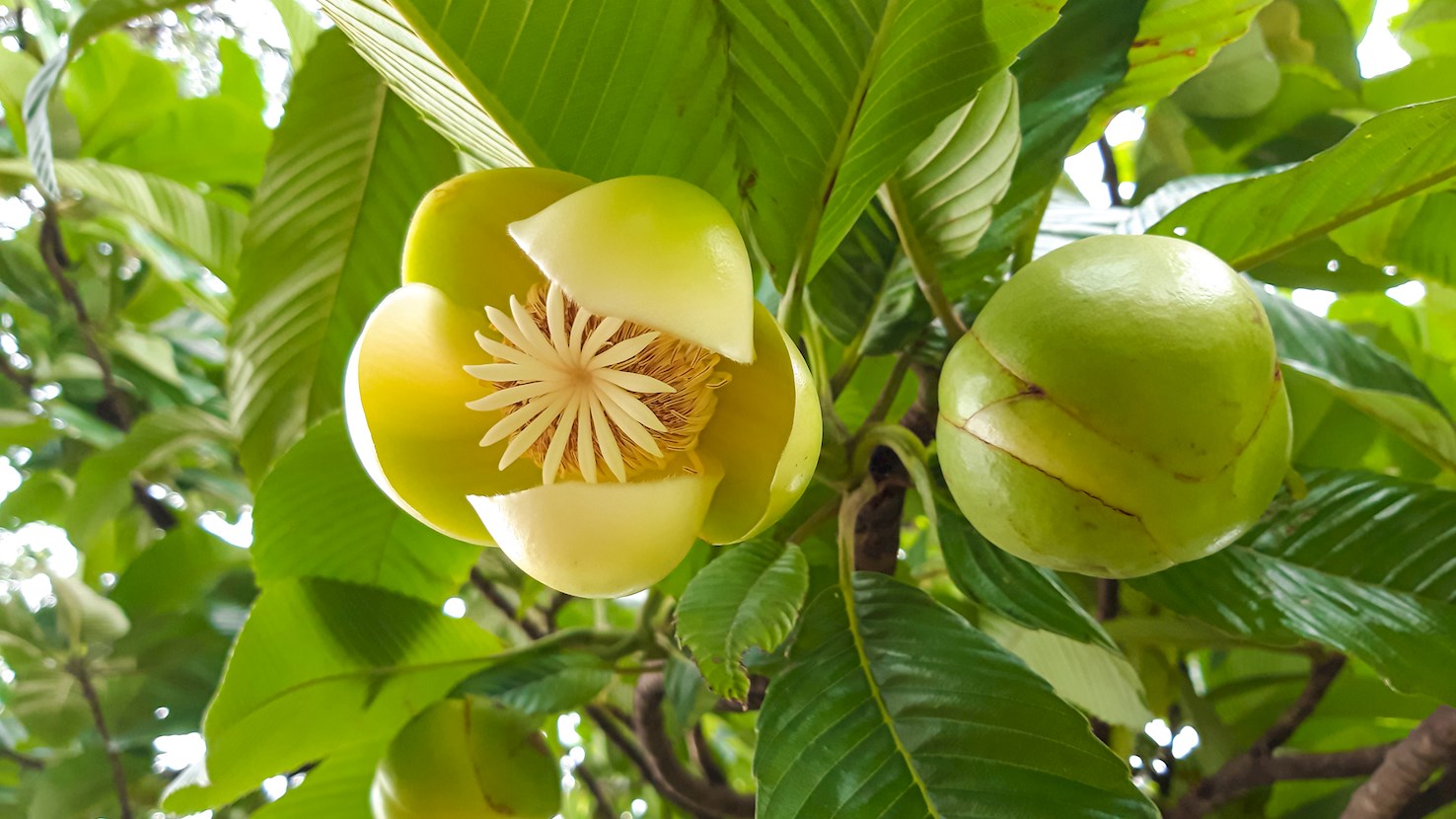
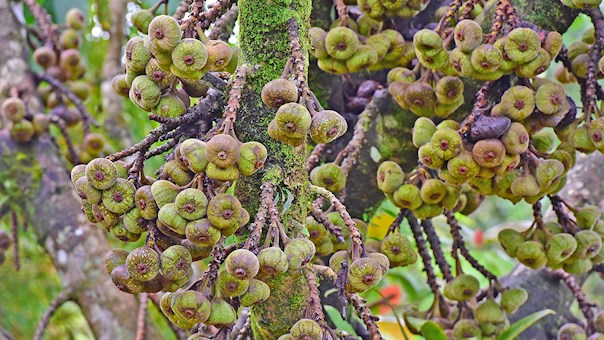
Elephant apple is the fruit of an evergreen tree that’s native from India and Sri Lanka to Southeast Asia, and then to Vietnam and southwestern China. The fruit is globose in shape and it’s formed as an aggregate of 15 carpels that overlap. Each carpel contains five seeds that are embedded in a gelatinous pulp. When fully ripe, the fruits have a sour to sweet-sour flavor. The pulp is often used to make beverages, vinegar, and jams. When not fully ripe, the fruits are pickled or used in soups and curries, while the flower’s petals are often used as garnishes for fruit and vegetable salads.
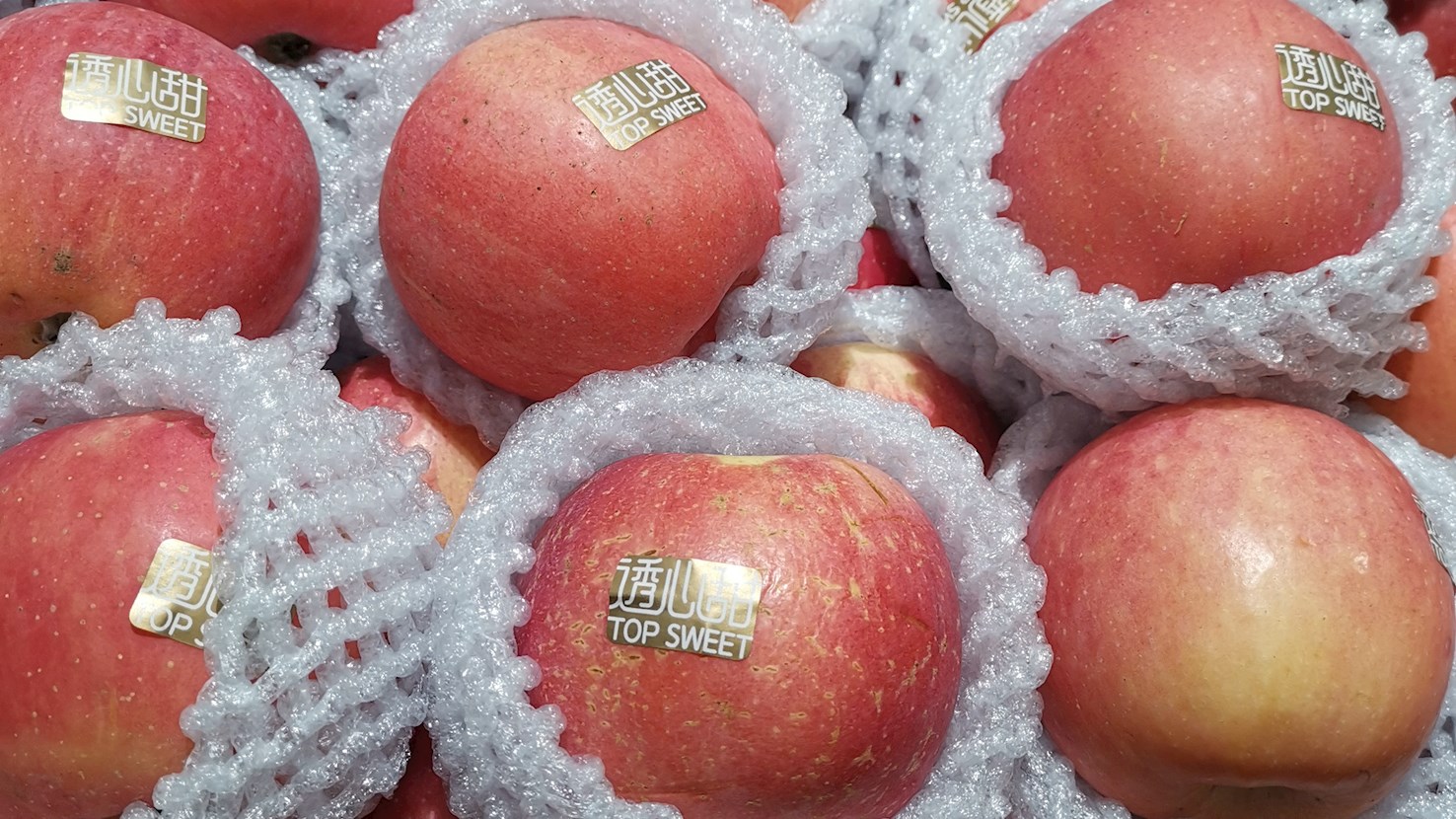
Shaanxi ping guo are apples grown in the Loess Plateau, Weibei region in China, where the fertile soil, heaps of sunshine and high altitudes favourably influence the growing and accentuate the apples' characteristics. The apples come in five varieties - Fuji, Qinguan, Yuanshuai, Gala and Jinguan. The red and yellowish-green varieties are brightly coloured with crisp, tasty flesh and a well-balanced ratio of sweetness and acidity. They have a long shelf life and thick skin that makes them tolerant for transportation and storage. The strong flavour is due to its high sugar content and intense fragrance. These apples are most commonly used in sweet dishes such as tarts and cakes, and especially for the production of high-quality apple juice.
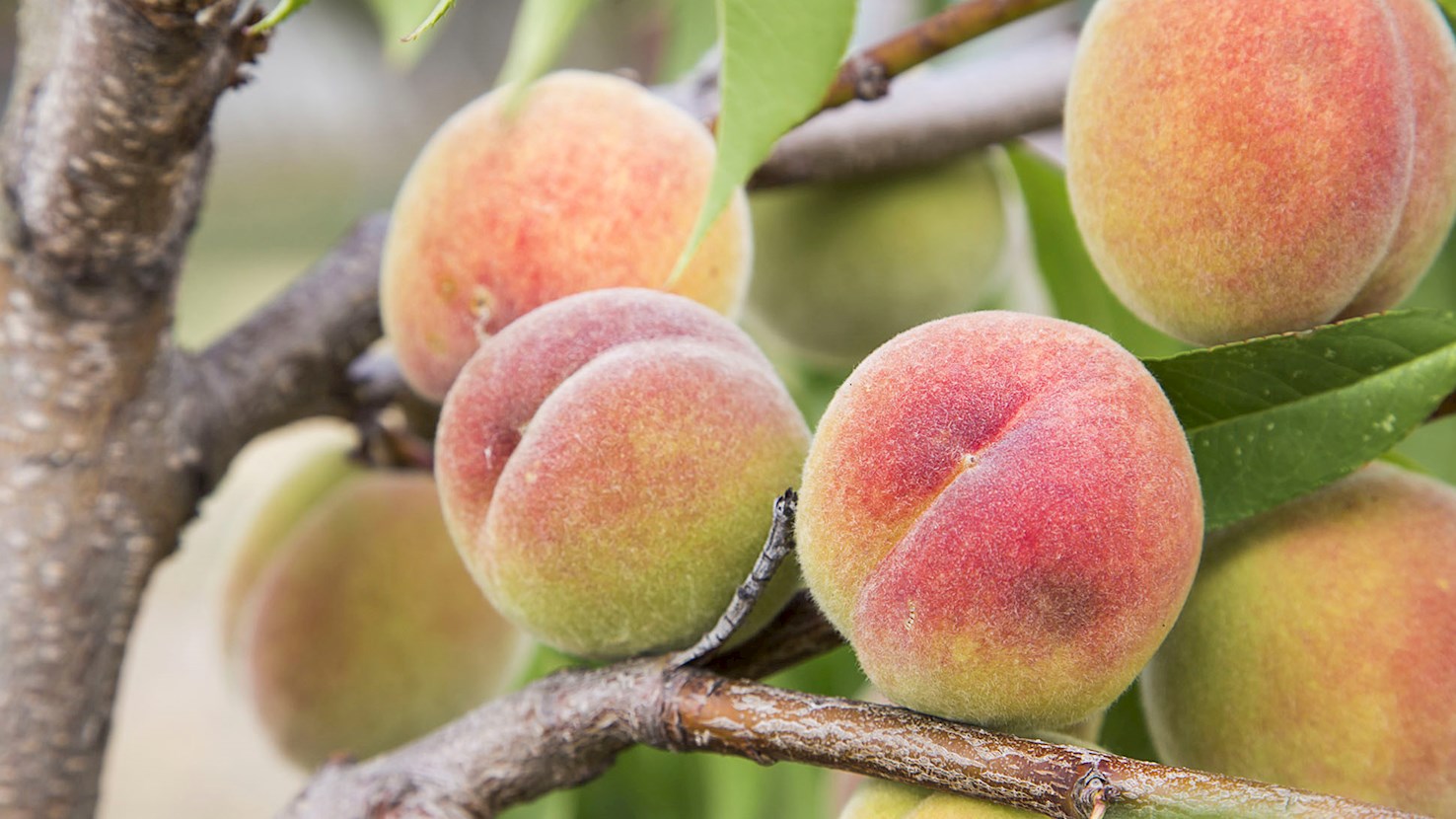
Pinggu Da Tao are peaches of the "Prunus Prunoideae Rosaceae" variety, grown in the hills of the Yanshan Mountains, Pinggu District of Beijing in China. The area has an abundance of heat and sunshine, with sandy and loamy soils that favourably influence the cultivation of peaches. In China, the peach tree is considered to be the "tree of life", and the area presents itself as the largest peach orchard in the world. Pinggu Da Tao peaches have ten different varieties and are all characterised by their big size, juiciness, high sugar content, great balance of sweetness and acidity, bright colour and big, bold flavour. All the unique characteristics make these peaches one of the most sought after peach types in the world.
Wawa li is a Chinese molded pear shaped like a small baby or Buddha-like figure, created by placing young pears into shaped molds while they are still growing on the tree. Its Chinese name means “baby pear” or “doll pear,” and this is the common name used for the novelty fruit in China. Buddha-shaped pear is another common name, but the broader market name remains wawa li. The fruit is not a separate pear species and does not grow in this shape naturally. Growers shape ordinary pears by enclosing them in transparent molds when the fruits are still small. As each pear expands, it fills the mold and takes on the form of a seated child, baby, or Buddha-like figure, complete with rounded limbs, facial features, and decorative contours. When the pear reaches the desired size, the mold is removed, leaving a fruit that looks sculpted but has grown directly on the branch. Wawa li was developed by Hao Xianzhang, a farmer from Hebei province in northern China, who spent several years refining the technique of growing pears inside figure-shaped molds. He began experimenting with the idea after seeing the commercial potential of fruit that looked unusual enough to be sold as a gift or curiosity. After repeated trials, he learned how to place the molds at the right stage of growth, how to keep the fruit from cracking or rotting, and how to produce pears with clear, recognizable shapes. His work turned the molded baby pear into one of China’s most recognizable novelty fruits. The idea also connects with older Chinese imagery of auspicious child figures, longevity, good fortune, and the legendary renshengguo, or “ginseng fruit,” from Journey to the West, a mythical fruit shaped like a child. Wawa li tastes like the variety of pear used to grow it. The mold changes the appearance, not the basic flavor. Depending on the cultivar and ripeness, the flesh can be crisp, juicy, lightly grainy, sweet, and refreshing, with the clean fragrance typical of Asian pears. Its value, however, lies mainly in its shape, symbolism, and novelty. A good wawa li should have smooth skin, balanced coloring, clear molded details, and a complete figure without cracks, bruises, or distorted features. Producing it takes more work than growing ordinary pears because each fruit needs individual handling, and not every pear develops evenly inside the mold. The grower must choose young fruits at the right size, attach the molds carefully, monitor the fruit as it expands, and remove any damaged or poorly formed examples. People buy it for gifting, decoration, festive use, and conversation as much as for eating. It can be sliced and eaten fresh like any pear, but many buyers first appreciate it as an object of agricultural craft.
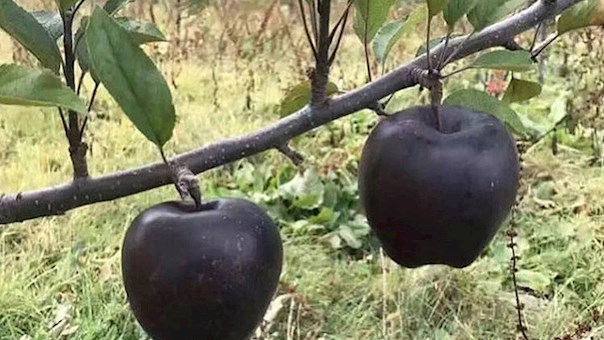
Black Diamond apple is a rare dark purple apple grown in the high-altitude Nyingchi region of Tibet, and known for its glossy near-black skin, pale flesh, sweet flavor, and luxury-fruit reputation. Despite the dramatic name, the fruit is not truly black; its peel usually appears deep purple, burgundy, or almost wine-black under the right light, while the inside remains white to cream-colored like a familiar eating apple. Its striking color is linked to the growing conditions of the Tibetan plateau, where strong ultraviolet light, high elevation, and large differences between daytime and nighttime temperatures help intensify pigment development in the skin. The fruit is generally considered part of the Huaniu apple group rather than a distinct botanical species. The flavor is usually sweet, crisp, and aromatic, with enough acidity to keep it fresh but less sharpness than many standard apples. A good Black Diamond apple should feel firm and heavy, with dense flesh, clean juice, and a rounded sweetness that suits eating fresh rather than heavy cooking. It can be sliced into fruit plates, used in salads, paired with cheese and nuts, or added to desserts, where its unusual peel color remains visible; its strongest use is as a table fruit, eaten raw so the contrast between the dark skin and pale interior is fully appreciated. The best examples are sold not merely as apples, but as gifts or specialty produce: glossy, dark, carefully selected, and presented as products of the clean air and highland climate of Tibet. This does not mean the apple is valuable only as a novelty. Its flavor must still be pleasant, sweet, crisp, and balanced, but what people remember is the visual shock of an apple that looks almost black before it is cut open.
TasteAtlas food rankings are based on the ratings of the TasteAtlas audience, with a series of mechanisms that recognize real users and that ignore bot,
nationalist or local patriotic ratings, and give additional value to the ratings of users that the system recognizes as knowledgeable.
TasteAtlas Rankings should not be seen as the final global conclusion about food. Their purpose is to promote excellent local foods,
instill pride in traditional dishes, and arouse curiosity about dishes you haven’t tried.






What People Say