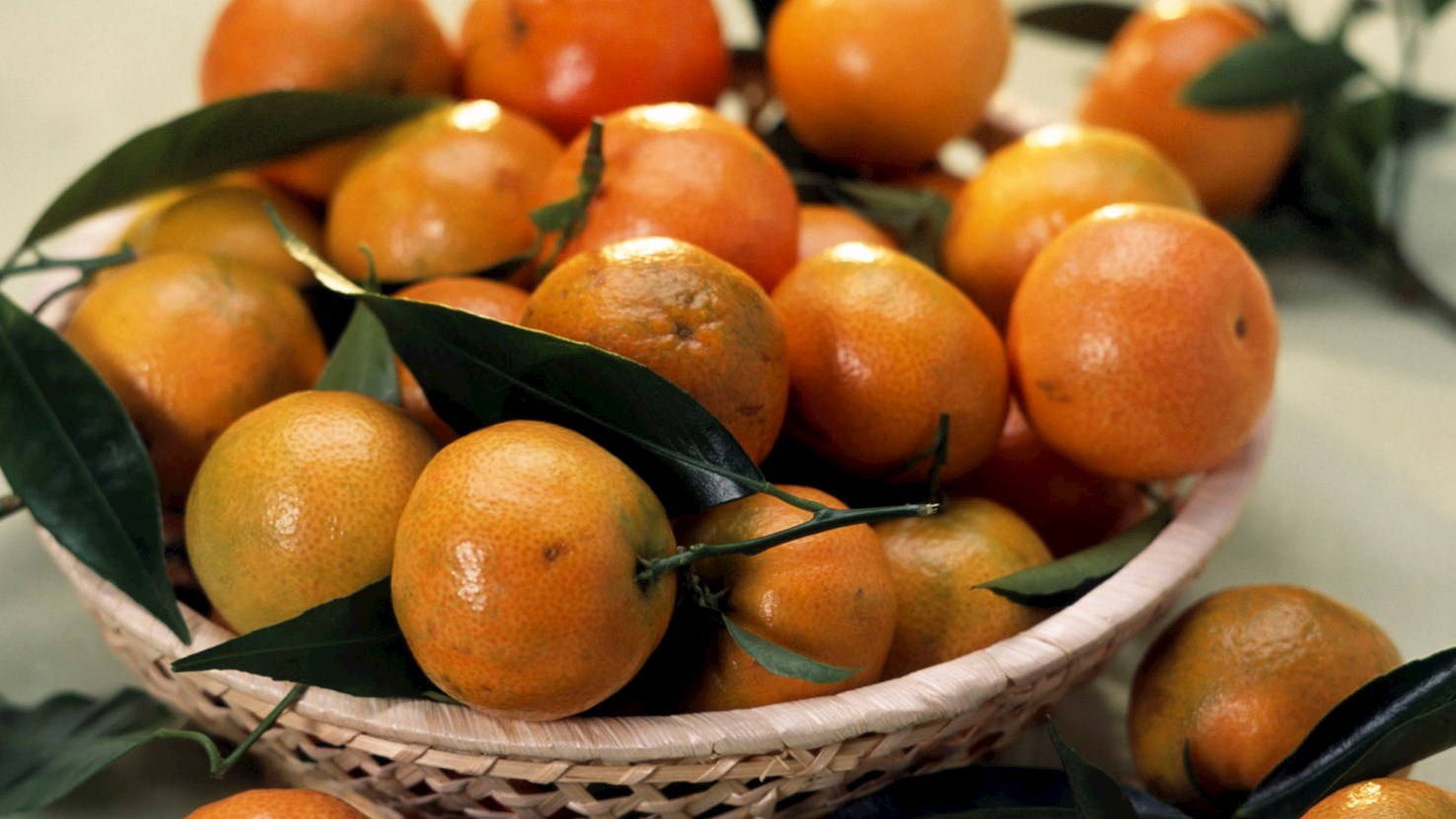
The only clementine produced in France, Clémentine de Corse fruits are tiny, delicate, juicy, tangy and rich in vitamins. They are traditionally grown on the French island of Corsica, with its acidic, light soil and the maritime climate with the presence of mountains nearby. Their skin is smooth, shiny and thin, and its color is a fiery shade of orange (the orange pigmentation comes from the cold). The fruit is hand-picked and sold fresh, which is visually identifiable by its thin green leaves still attached to the clementine. It is best to eat them within five days, on their own or made into sauces, jams or fruit salads.
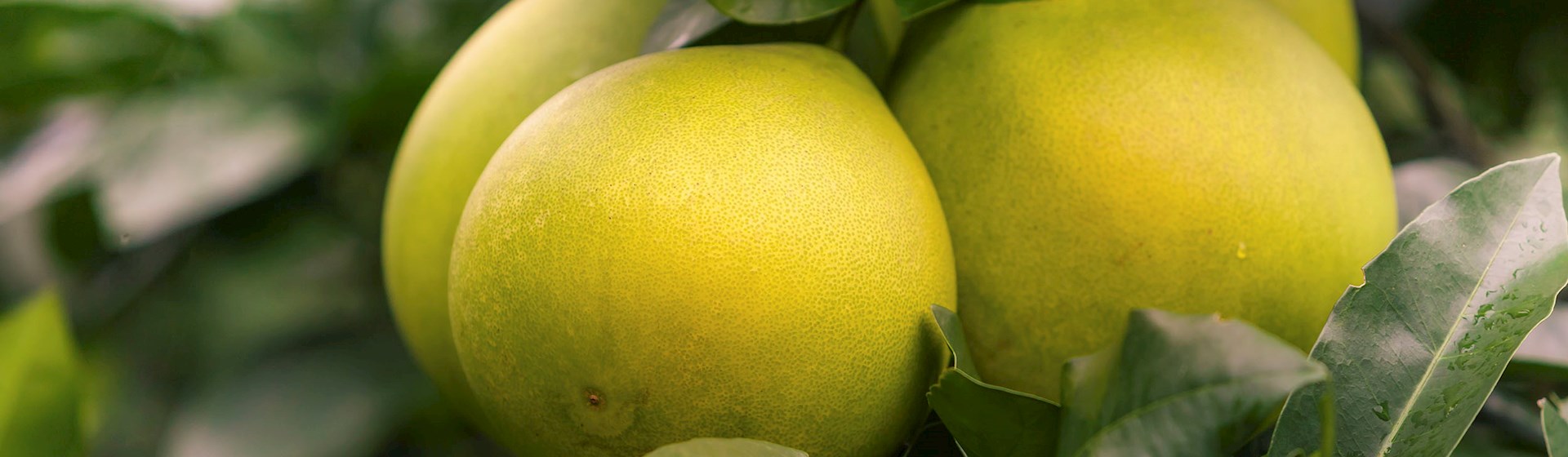
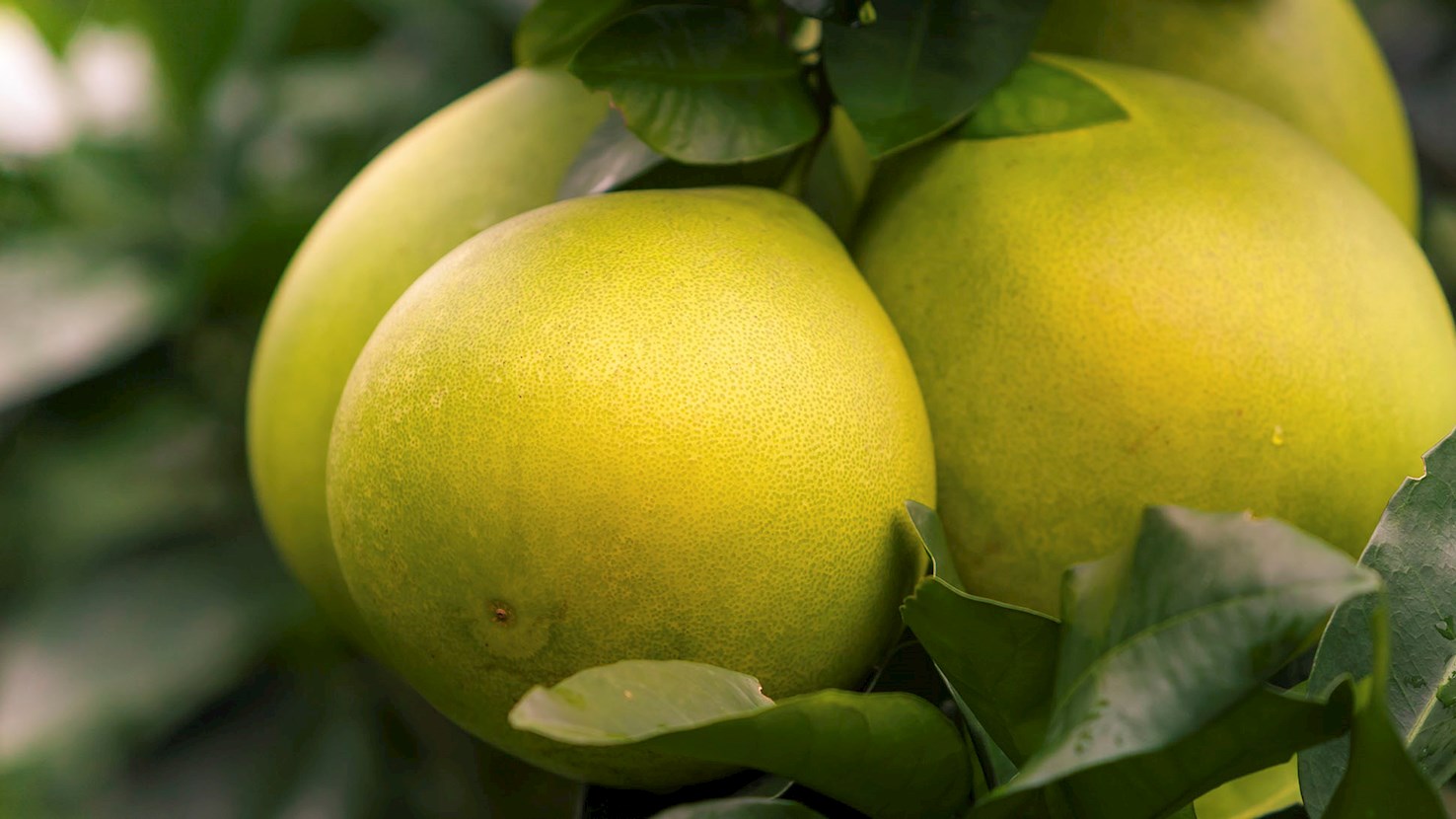
Pomelo de Corse is a seedless fruit grown on the French island of Corsica. It is available at the markets from March until June, where its yellow to orange-red skin and fragrant sweetness can be easily seen and smelled. It is a natural hybrid between a grapefruit and an orange, grown in Corsica from the early 1990s, where the region's climate of high sunshine and mild winters favorably influence the local produce of pomelos. Its flesh is juicy, and the taste is sweet and slightly acidic with no bitterness whatsoever. With its high nutritional values and rich taste, eat it fresh, squeeze it into juice or put it in fruit salads.
Biancu Gentile is a white grape variety native to the island of Corsica. It is an ancient variety that had almost disappeared but has been revived in recent years due to its potential to produce high-quality wines with unique characteristics. This resurgence is part of a broader trend in Corsica to preserve and celebrate indigenous grape varieties. Biancu Gentile wines are known for their full-bodied and rich texture. The flavor profile often includes notes of stone fruits such as apricot and peach, along with citrus, pear, and sometimes floral aromas like honeysuckle or jasmine. The wines can also exhibit a good balance of acidity, which adds freshness and vibrancy, making them both complex and refreshing. Grown primarily in the rugged, mountainous terrain of Corsica, Biancu Gentile benefits from the island's Mediterranean climate, with its warm, sunny days and cool nights, which help maintain the grape's acidity and aromatic qualities. The soils in Corsica, which are varied and include granite, schist, and limestone, also contribute to the distinctive minerality often found in wines made from this grape. In terms of winemaking, Biancu Gentile can be used to produce both varietal wines and blends. As a varietal wine, it showcases the pure expression of the grape's characteristics, offering a rich and nuanced profile that reflects the terroir of Corsica. When blended, it can add complexity, body, and aromatic intensity to the wine. Biancu Gentile pairs well with a variety of foods due to its full body and balanced acidity. It is an excellent match for seafood dishes, which are a staple of Corsican cuisine, including grilled fish, shellfish, and seafood stews. The wine also complements poultry, pork, and creamy pasta dishes, as well as soft cheeses and Mediterranean vegetables.
Nielluccio is a red wine grape variety that is most closely associated with the island of Corsica, where it is widely cultivated. It is believed to be genetically identical to Sangiovese, the famous grape of Tuscany in Italy, although it exhibits distinct characteristics influenced by the unique terroir of Corsica. Nielluccio is known for producing robust and flavorful wines with a distinct Corsican identity. The wines made from Nielluccio typically have medium to high acidity, moderate tannins, and a complex flavor profile. Common tasting notes include red and black fruits such as cherry, raspberry, and plum, as well as earthy undertones, herbal notes, and sometimes a hint of spice. The wines can also exhibit a certain minerality, reflecting the rocky and diverse soils of Corsica. In Corsica, Nielluccio is often blended with other local grape varieties such as Sciacarello and Grenache to create well-balanced and harmonious wines. The appellation of Patrimonio, one of Corsica's most renowned wine regions, is particularly noted for its Nielluccio-based wines. These wines are known for their depth, structure, and aging potential. Nielluccio wines pair well with a variety of foods, making them versatile for both casual and more formal dining. They are a great match for grilled meats, game, charcuterie, and hearty stews. The wines' acidity and tannic structure also make them suitable for pairing with rich pasta dishes, particularly those featuring tomato-based sauces, reflecting their Sangiovese heritage.
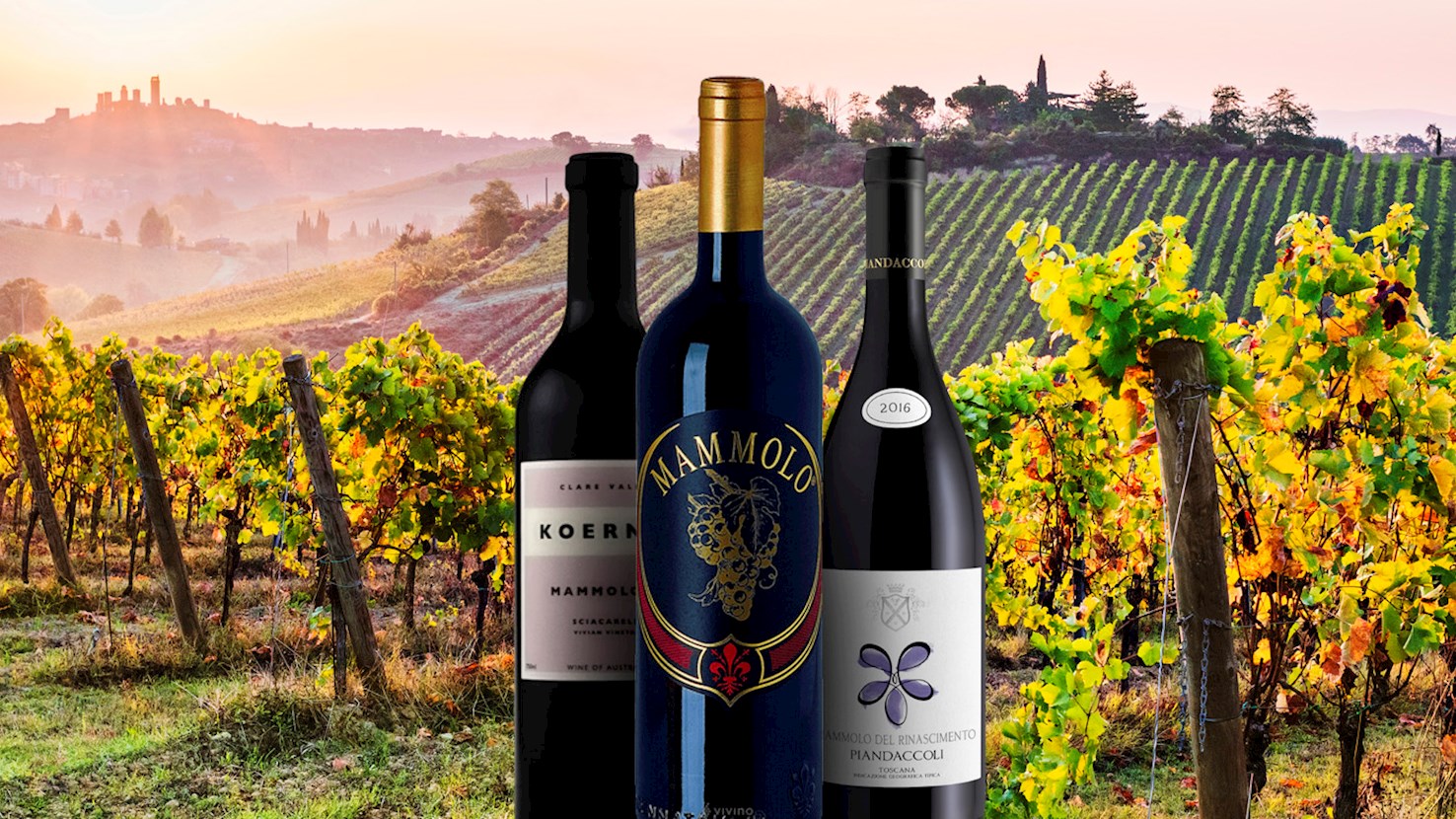
Mammolo is a red grape variety from central Italy. It is mainly cultivated in Tuscany, but it is also an important variety on the French island of Corsica, where it is known as Sciaccarello. The grape was most likely brought from Tuscany to Corsica. Mammolo can be used in varietals and blends. As a varietal, it results in light, approachable, and aromatic red wines. Apart from dry red wines, it is also suitable for rosé styles. Although Mammolo-based wines are not overly complex, they have excellent aromatic qualities. The wines are usually lightly colored with medium tannic structure and fruity and floral aromas reminiscent of violets. On Corsica, Sciaccarello is the principal red-grape variety for the Ajaccio and Sartène appellations. The name mammolo (a type of violet) probably refers to the distinctive violet aroma found in these wines.
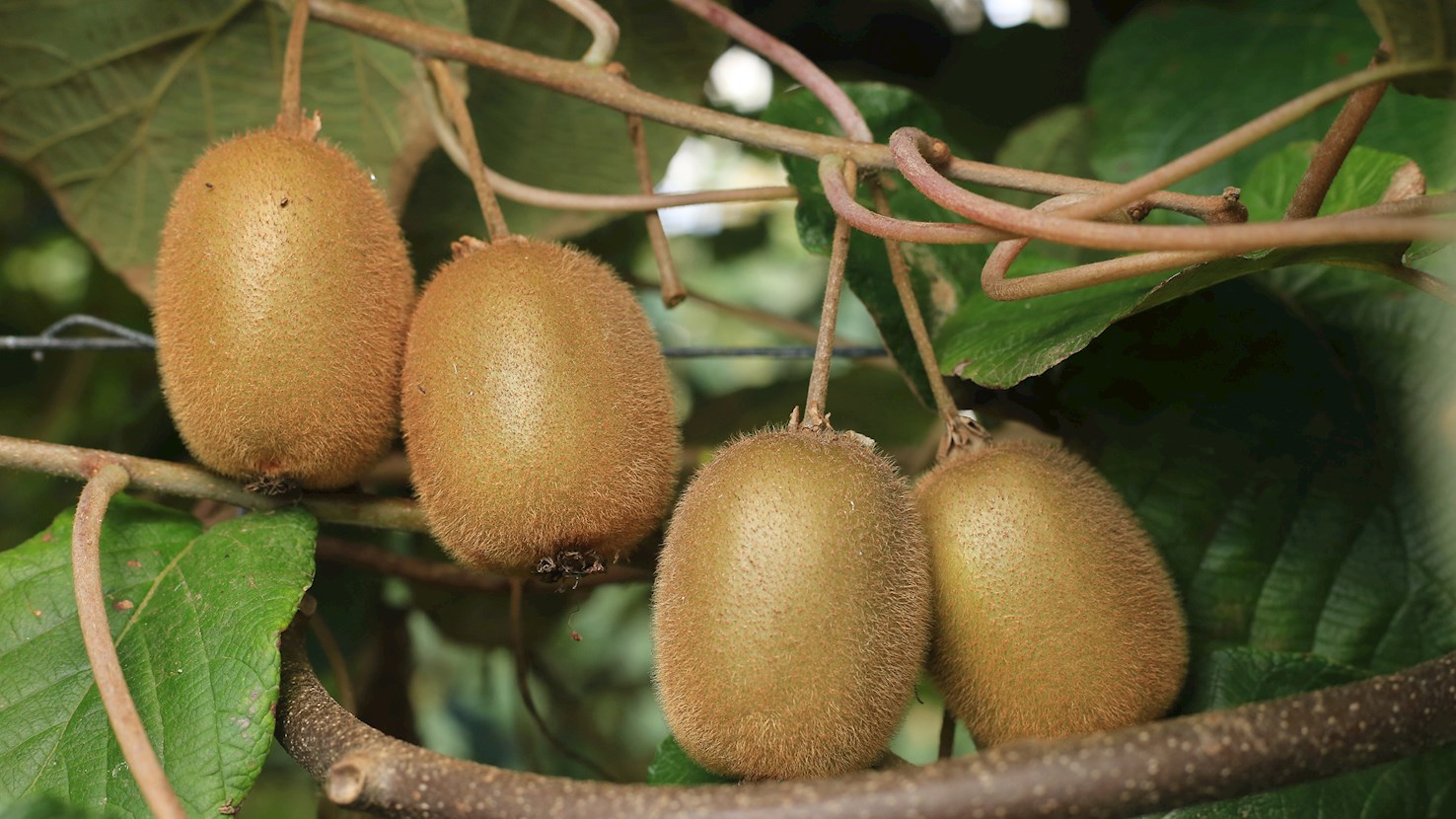
Kiwi de Corse is a French variety of kiwi fruit originating from the department of Haute-Corse. This fruit of the Hayward variety is oval in shape, has brown-green hairy skin, and bright green flesh that's dotted with tiny black seeds. The flavors are sweet and slightly tart, while the texture is juicy and soft. The kiwi is picked only when ripe and it's then packaged in loose packs or layered in trays. In Corsica, there's a long tradition of fruit tree cultivation, and the cultivation of kiwi fruit began in the 1970s.
TasteAtlas food rankings are based on the ratings of the TasteAtlas audience, with a series of mechanisms that recognize real users and that ignore bot,
nationalist or local patriotic ratings, and give additional value to the ratings of users that the system recognizes as knowledgeable.
For the “Top 6 Corsican Fruits” list until June 15, 2026, 27 ratings were recorded, of which 19 were recognized by the system as legitimate.
TasteAtlas Rankings should not be seen as the final global conclusion about food. Their purpose is to promote excellent local foods,
instill pride in traditional dishes, and arouse curiosity about dishes you haven’t tried.