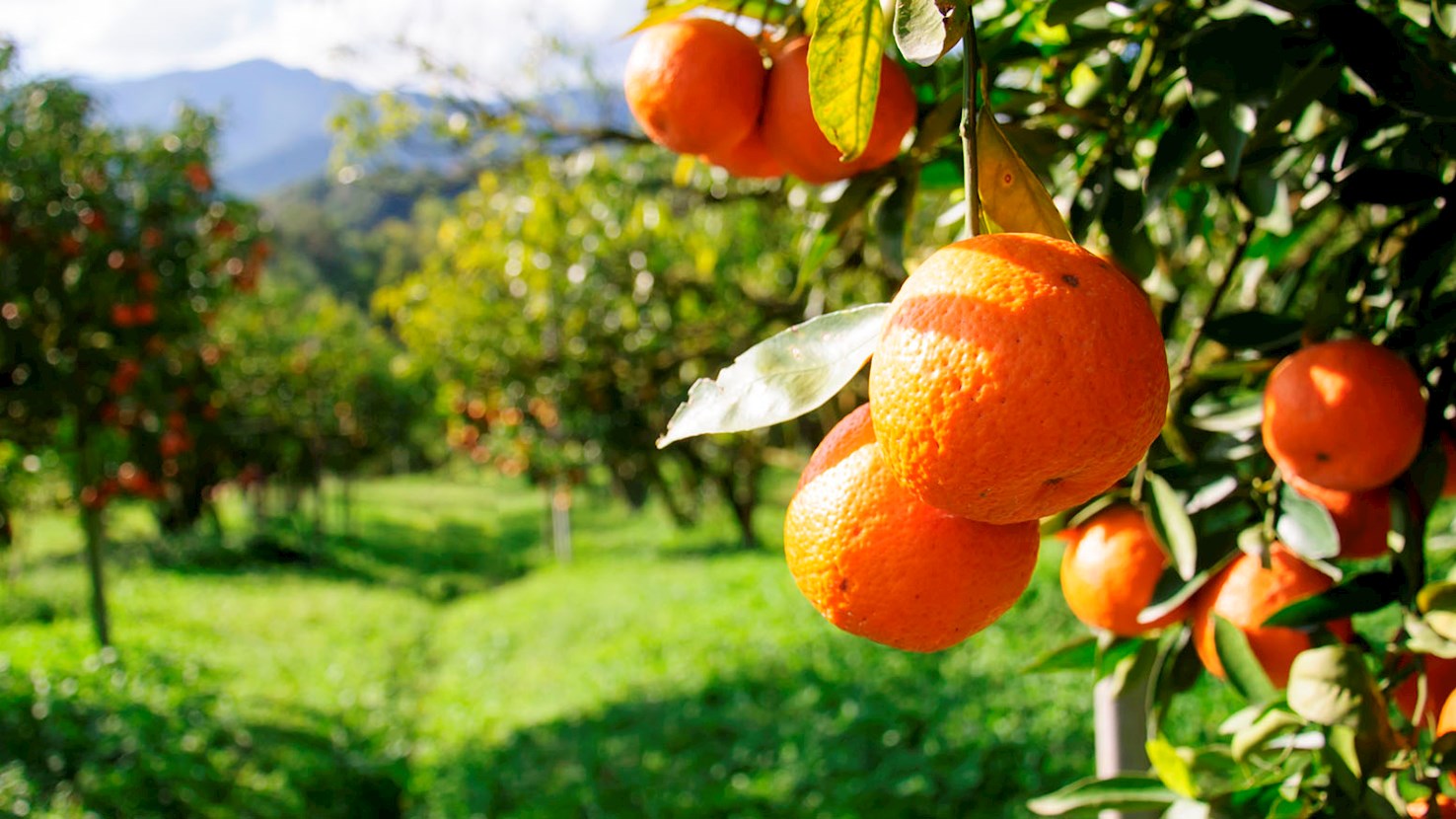
Neretvanska mandarina is a citrus fruit similar to a tangerine. It is a segmented fruit with a rind that is easily peeled. The meat of this fruit is very sweet and aromatic, and orange in color due to high carotenoid content. The segments of fruit are easily divided. The ratio of sugar to acid in the fruit must be higher than 7:1, which is important because this determines the taste and balance of sweetness, tartness and freshness. Every phase of production must take place in the area of the Neretva River Valley.
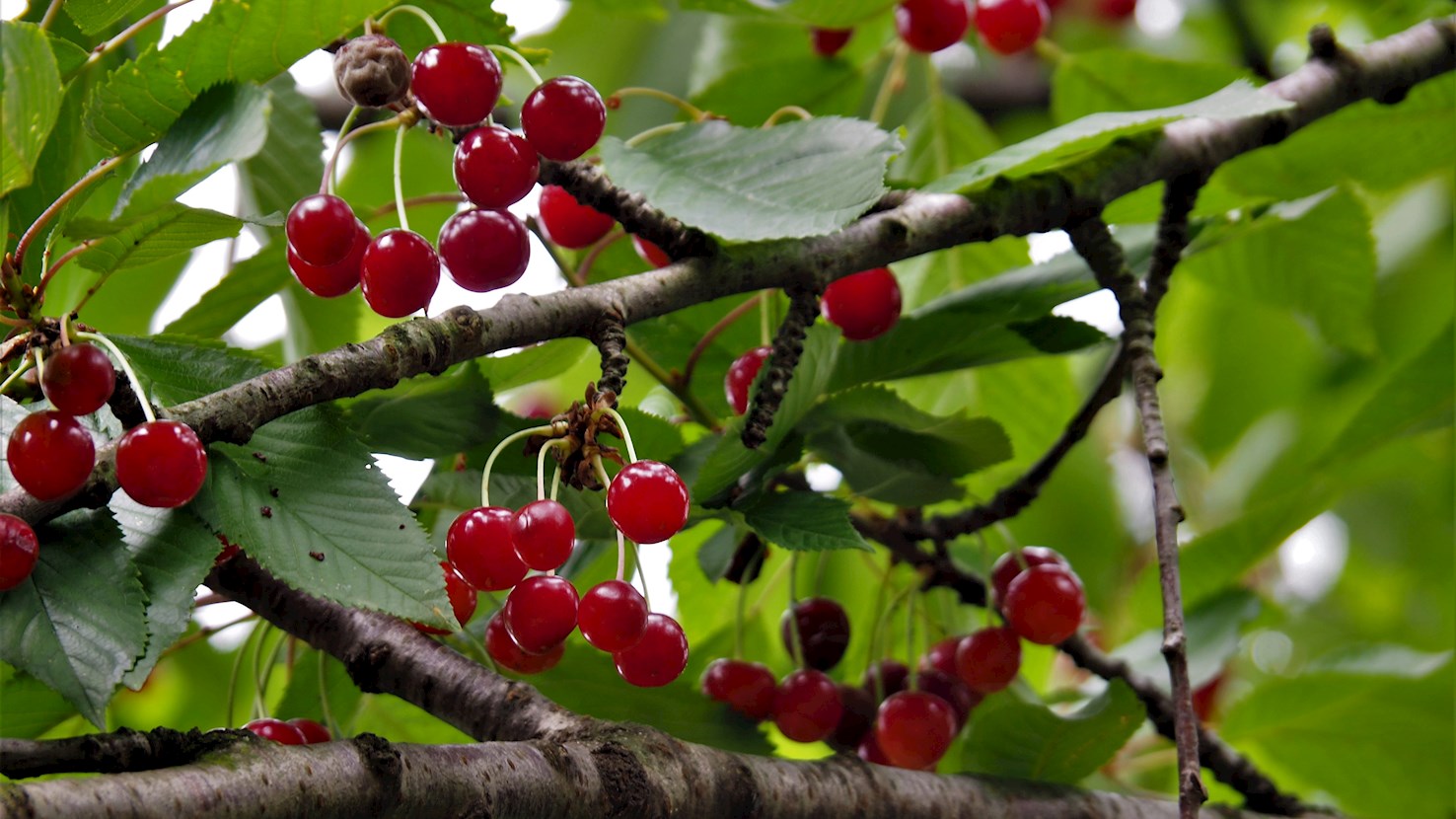
Lovranska trešnja is a variety of cherries that are unique to the Lovran area in Croatia, hence the name. There are several subvarieties of these cherries, such as cvetići (sweet, bright colored, short stems), duraža (dark colored, soft, ideal for strudels), matešinka (somewhat smaller and harder), opatijka (not too sweet, bright colored), fruštejka (growing on higher altitudes, sour, ideal for compotes), and brtošinka (the largest of them all). Brtošinka is the most famous subvariety of Lovran cherries, named after a seafarer called Brtošić, who allegedly brought it over to Lovran from South America. The specific microclimate conditions in the Lovran region resulted in the expansion of this cherry variety, so over time, it has become an icon of the region, along with honey and chestnuts. Every July, there is a festival dedicated to this fruit, called Dani Črešanj va Lovrane, also known as Črešnjada, where people can try delicacies such as cherry and shrimp cocktails, cherry and sparkling wine risotto, or gnocchi made with potatoes, nettles, and cherries.
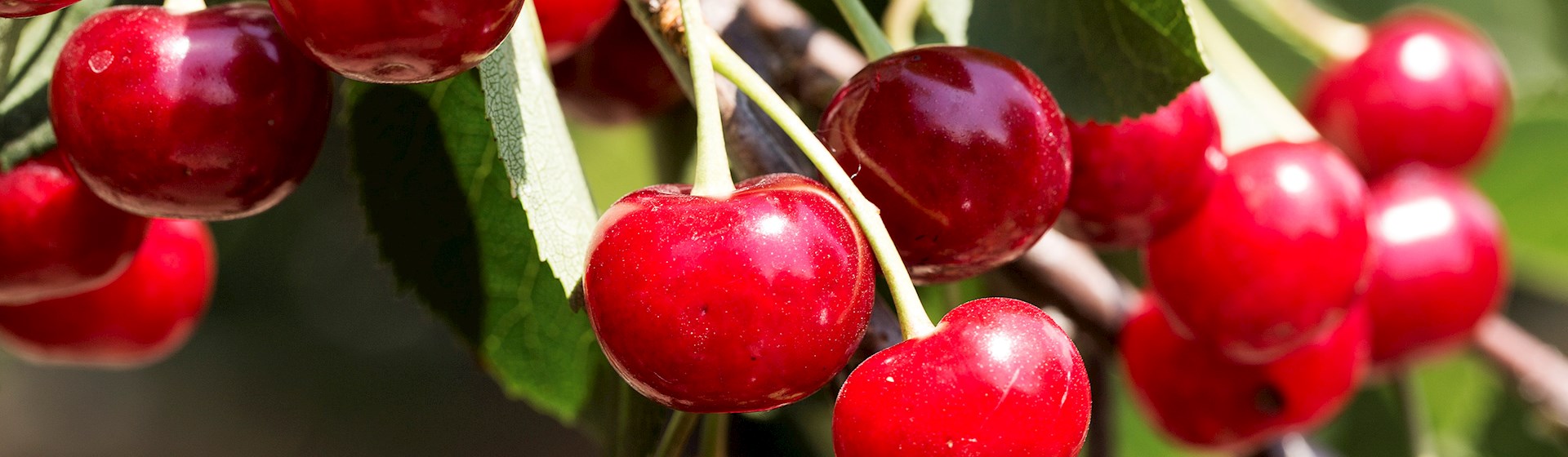
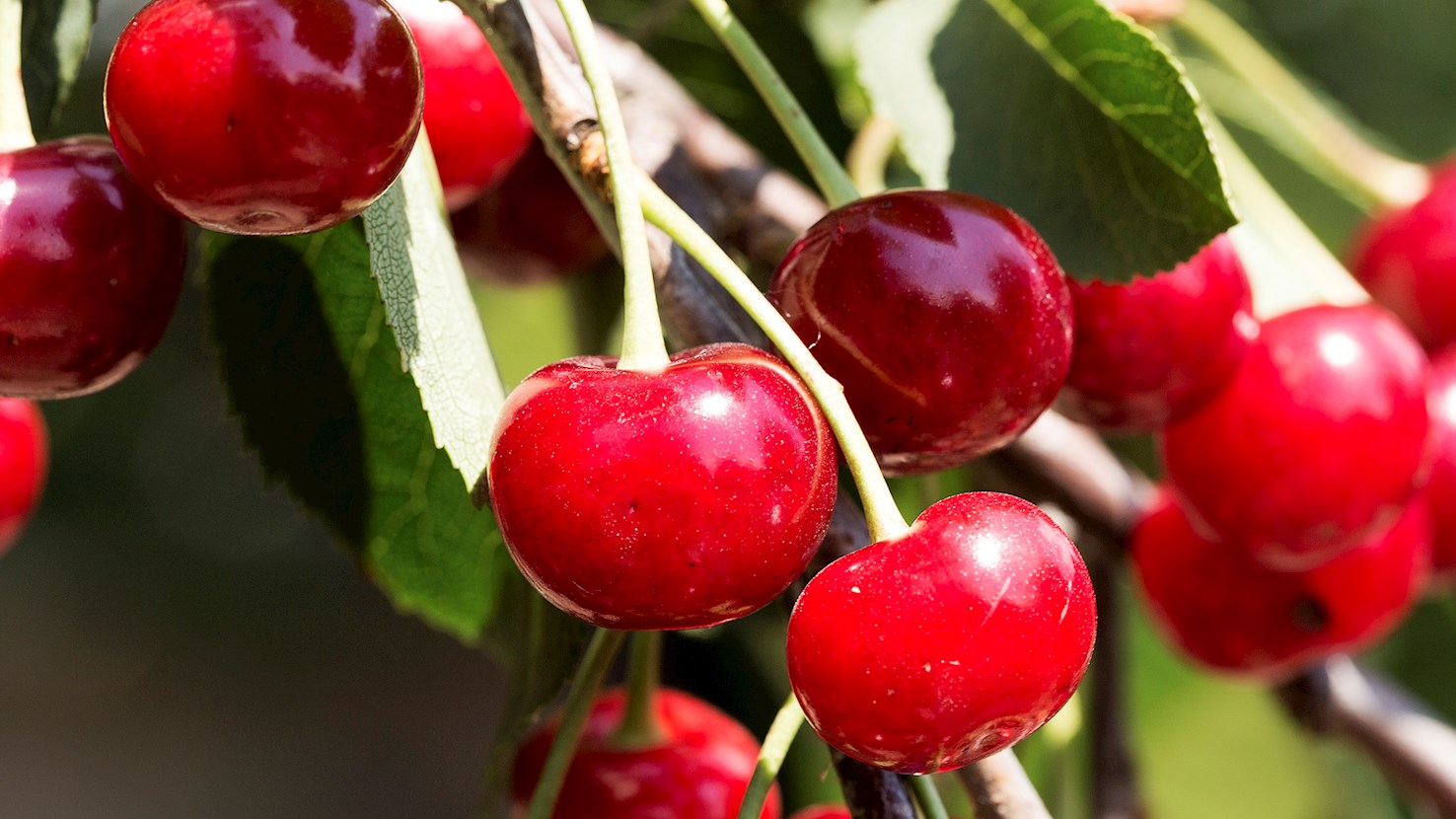
Marasca is a type of cherry originating from Dalmatia, and the largest yields come from the city of Zadar. These cherries are a variety of classic Morello cherries. They are small in size and have a dark red to blackish color. The flavors are floral, acidic, and slightly bitter due to the stone in the center of the fruit. These cherries are often used for desserts and liqueurs, such as the famous Maraschino, which is used in numerous cocktails. Due to the geographical and climatological specifics of Dalmatia, Marasca cherries have a higher percentage of minerals, vitamins, and antioxidants than other types of cherries.
Traminac is an aromatic wine grape variety that is cultivated extensively in the Danube region of Croatia, specifically within the Ilok wine-growing district, as well as in Slovenia and across Central Europe. It is physically defined by its thick, pink-to-reddish skins and its chemical composition, which features high levels of monoterpenes that produce scents of rose petals, lychee, and honeyed spice. The variety is a mutation of the ancient Savagnin Blanc variety, with its nomenclature tracing back to the village of Tramin in South Tyrol, where it was documented as early as the 11th century. The specific lineage prevalent in the Croatian Danube region was expanded in the early 18th century, particularly after 1710 when Odescalchi family members brought specific clones from Italy to their estates in Ilok, finding that the loess soil and elevated positions of the Fruška Gora hills were conducive to achieving high sugar concentrations and phenolic ripeness. Preparation of Traminac wine requires careful temperature management during fermentation to retain its volatile aromatic profile, often involving stainless steel tanks for fresh styles or large oak vats for more complex iterations. The wine is produced in various classifications, ranging from bone-dry to semi-sweet and lusciously sweet predicate styles, such as late harvests and berry selections. Serving standards dictate that dry and semi-dry Traminac should be served chilled at 10°C to 12°C, while dessert versions are served slightly cooler at 8°C. A specific technical aspect of the Traminac from the Ilok region is its historical inclusion in the official wine list of the British Royal Court, a practice that began following its service at the coronation of Queen Elizabeth II in 1953. This specific regional expression is noted for its high alcohol content, which often exceeds 14%, and its naturally low acidity compared to other white varieties. The wine is consumed both as an aperitif and as a primary beverage during multi-course meals, particularly in continental Europe and among collectors of aromatic varieties. Because of its structural weight and residual sugar, it is paired with pâté, foie gras, and spicy oriental dishes where the wine’s sweetness counteracts heat and salt. It is also paired with noble blue cheeses and local walnut-based desserts such as orehnjača. In the context of the Srijem and Slavonia regions, it is frequently served at the end of a meal with dry almond biscuits or as a standalone dessert wine when harvested as an ice wine.
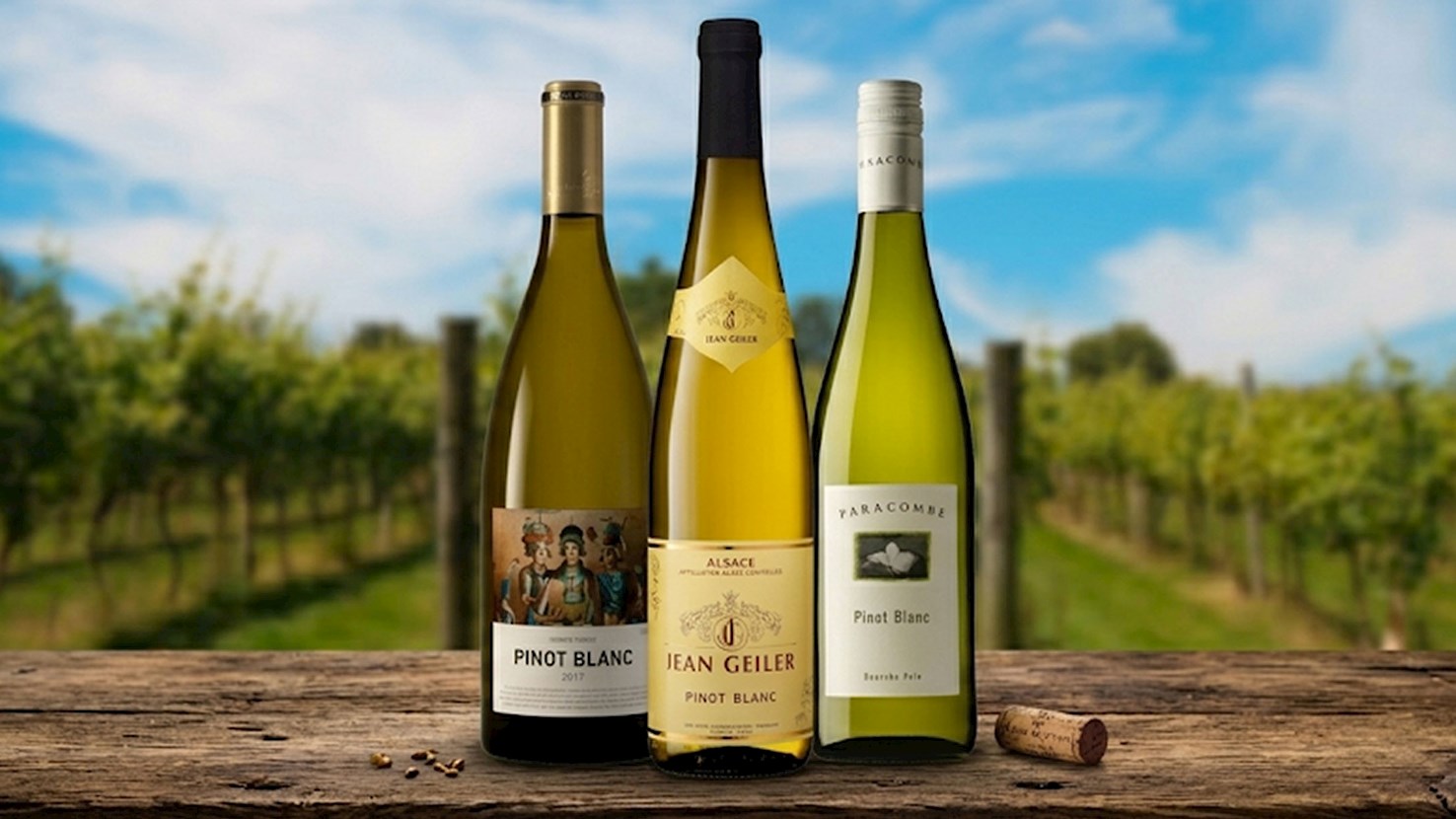
Pinot Blanc is a white wine grape variety used to produce dry white wines in regions such as Alsace, Germany, Austria, and parts of Italy, where it is valued for moderate acidity, pale color, and a restrained aromatic profile. The variety developed as a natural mutation within the Pinot family, closely related to Pinot Noir and Pinot Gris, and its cultivation spread through Central Europe via monastic vineyards and regional plant exchanges during the medieval period, where growers selected it for reliability and adaptability rather than intensity, leading to its steady presence in cooler and temperate climates. Winemaking typically involves gentle pressing of the grapes, fermentation at controlled temperatures to preserve freshness, and aging in stainless steel or large neutral vessels, though some producers use oak or extended lees contact to add texture without dominating the wine’s character. Pinot Blanc is generally bottled dry and served cool, allowing its subtle fruit and structure to remain balanced, and it is rarely decanted unless made in a fuller-bodied style. A defining aspect of Pinot Blanc is its role as a neutral but structured wine that reflects site and winemaking choices more than varietal aroma, which has led to stylistic diversity across regions while maintaining a consistent framework. Pinot Blanc is consumed primarily with meals, paired with foods such as fish, shellfish, poultry, veal, mild cheeses, and vegetable-based dishes, and it is also used as an everyday table wine in Central European dining, where its moderate alcohol and restrained profile allow it to accompany a wide range of cuisines without overpowering the food.
Duranija — also known locally as brajdenica, durania, duranea, šupljika, or brajda vela — is a nearly forgotten white grape variety considered native to central Istria. Though its exact origin remains unclear, duranija was once widespread throughout the region, particularly dominant around Pazin, and highly present in the vineyards of Buzet, Motovun, Podpićan, and Žminj. In fact, in the 19th century, there was more Duranija planted in Istria than Malvazija itself. Today, duranija survives mainly in older vineyards tended by traditional growers, especially around the villages of Grdoselo and Draguć, where small, dedicated plantings still exist. Elsewhere, it appears only sporadically, and in new vineyards it is rarely — if ever — replanted. Duranija is no longer produced as a varietal wine and is mostly blended into basic table wines, with its name absent from modern wine labels. This grape shows extreme sensitivity to soil and climate conditions. On heavy or poorly drained soils, or in cool, rainy summers, it struggles to ripen, often succumbing to gray mold. However, on light, sunny, well-drained sites, duranija can fully mature and even match malvazija Istarska in sugar levels. Year-to-year and site-to-site variability in ripeness, acidity, and must quality is high, reflecting its strong dependence on favorable environmental conditions. Due to these challenges, and its comparison to more commercially viable varieties like malvazija, duranija has gradually declined in importance, today classified as an endangered Istrian grape.
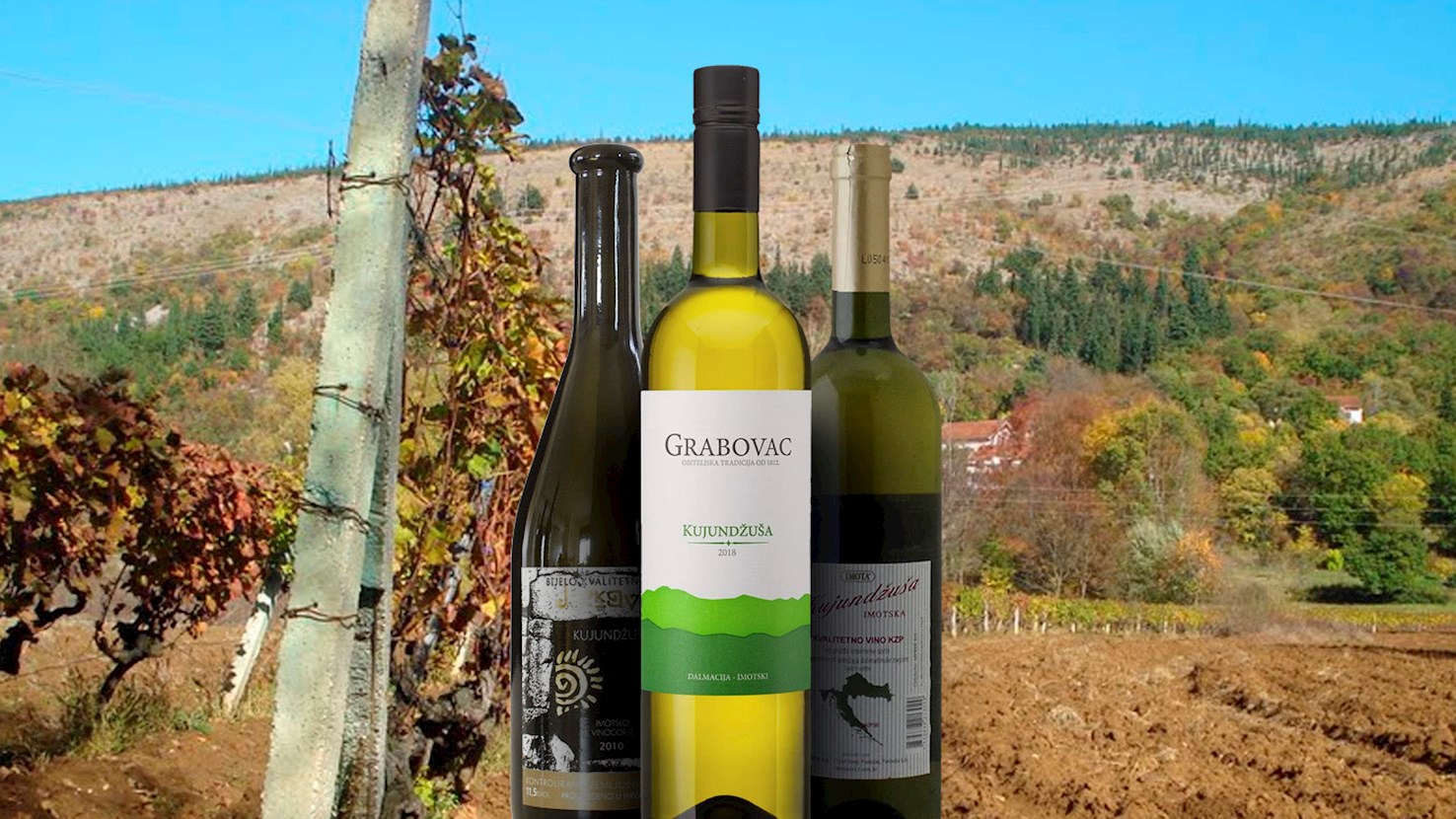
Kujundžuša is a white grape variety that hails from Croatia. It is believed to be native to the Imotski region, where it is still mainly cultivated. This high-yield grape is used in easy-drinking and approachable varietal wines. Kujundžuša-based wines are typically golden yellow. They are naturally low in acidity and tend to have a subtle mineral character. Traditionally, producers created macerated styles, but the technique resulted in dull and unimpressive wines. The modern approach is based on the earlier harvest, resulting in lighter wines meant for early consumption. Kujundžuša wines make an excellent aperitif, and they pair well with seafood and poultry. They should always be served chilled. Small amounts of the grape are also found in Dalmatian Hinterland and Bosnia and Herzegovina.
TasteAtlas food rankings are based on the ratings of the TasteAtlas audience, with a series of mechanisms that recognize real users and that ignore bot,
nationalist or local patriotic ratings, and give additional value to the ratings of users that the system recognizes as knowledgeable.
For the “Top 7 Croatian Fruits” list until July 22, 2026, 97 ratings were recorded, of which 59 were recognized by the system as legitimate.
TasteAtlas Rankings should not be seen as the final global conclusion about food. Their purpose is to promote excellent local foods,
instill pride in traditional dishes, and arouse curiosity about dishes you haven’t tried.