

shutterstock

Top 4 Macedonian Fruits

Last updated on July 22, 2026
01

Rodakina Naoussas

4.5 ·

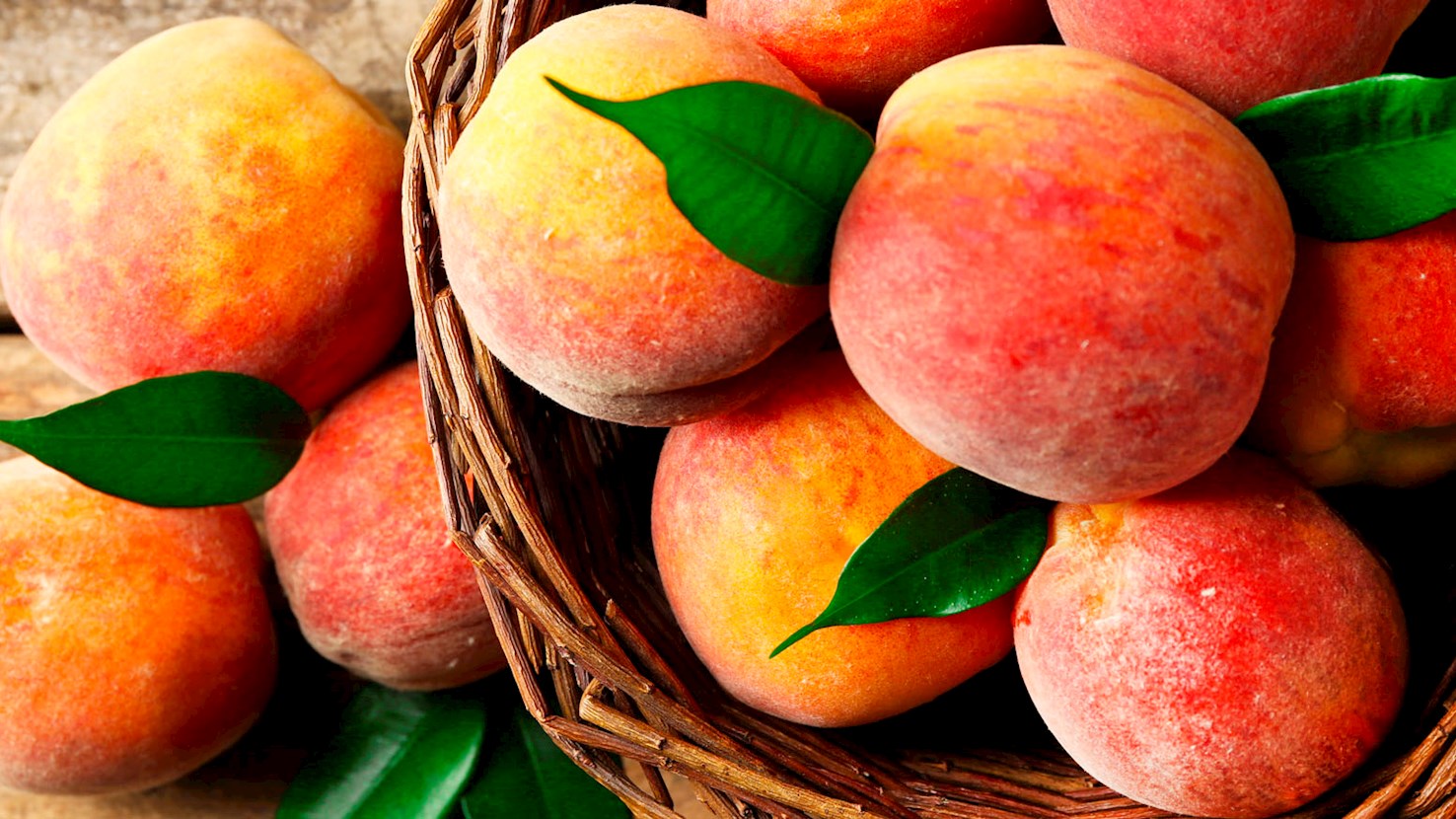
These tasty peaches of the May Crest, Spring Crest, June Gold, Dixired, Red Haven, Maria Bianca, Sun Cloud, Flavor Crest, Sun Crest, J.H. Hale, Honey Dew Hale, Naoussa Late, and Loring varieties grow in the Greek region of Central Macedonia. Even though these peach varieties originated in China, the excellent weather and soil conditions combined with systematic cultivation made them adapt quickly to the Mediterranean, and they quickly became one of the most popular fruits in Greece. They are harvested when ripe and immediately inspected and packed to retain their freshness. Due to their rich aroma and sweet taste, they are highly sought after by consumers both in Greece and beyond, especially in the markets of Europe and the Arabian Peninsula, where they are sold from the end of May to the end of October.

02

Aktinidio Pierias

4.2 ·

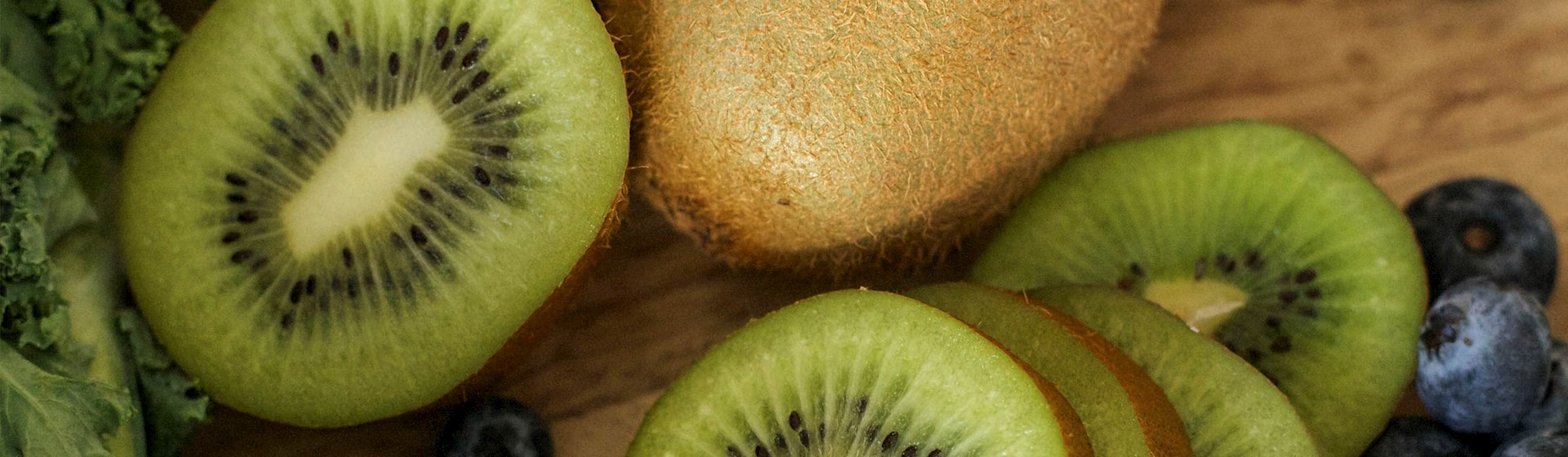
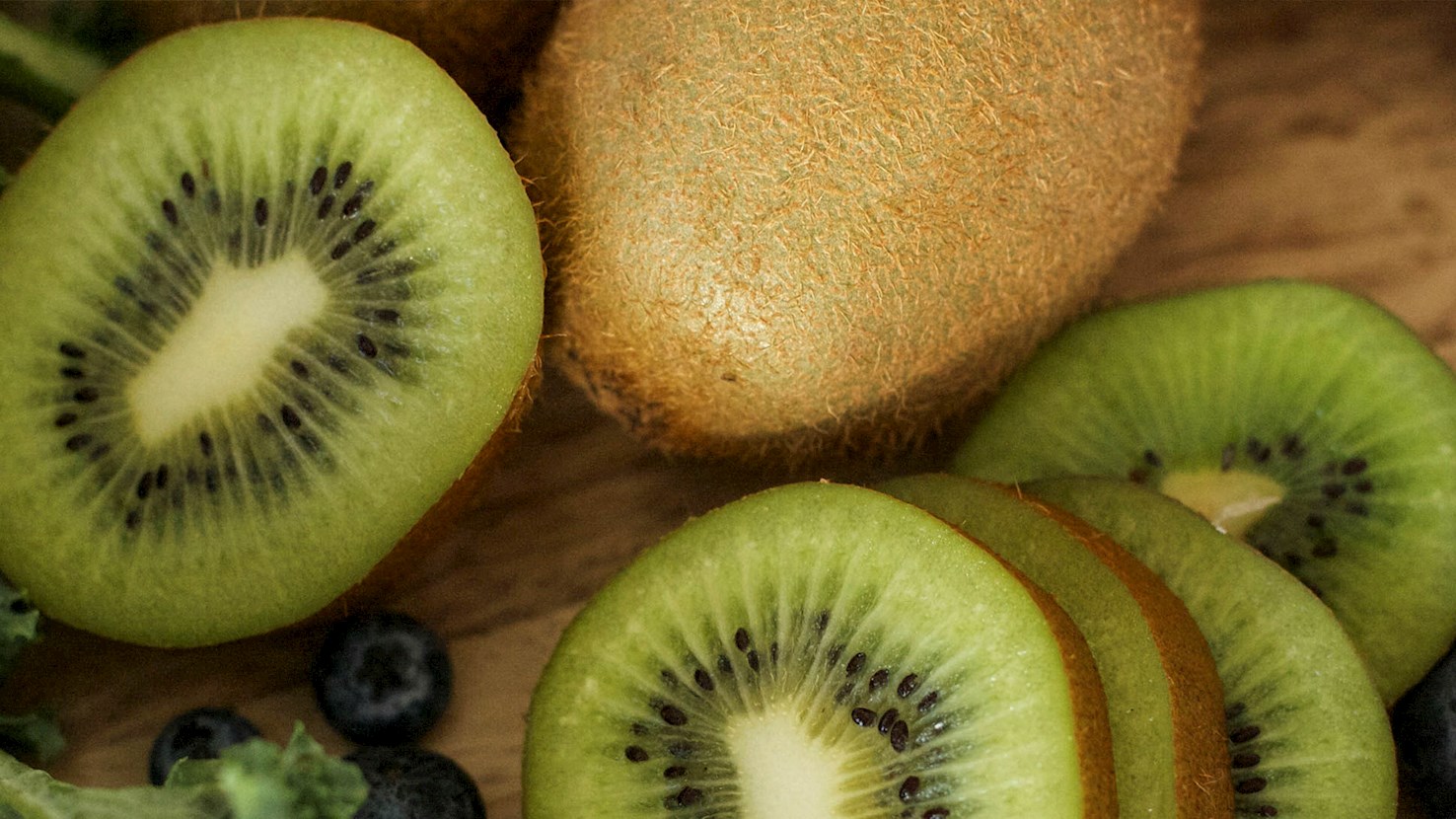
The delicious Pierias kiwi was first grown in 1973 on the Pierian plains, and it showed an amazing adaptability to the microclimate of this region nestled between Mt. Pierus and Mt. Olympus. The soil composition and cultivation techniques are the two most important factors contributing to the high quality of this fruit and its ability to keep for up to nine months after harvesting. This kiwi, recognized for its distinct characteristics and its delicate exotic aroma is called 'the Fruit of Olympus'. The kiwi grown on the Pieria plains is the Hayward varietal. It has a reddish green skin and particularly juicy, pale green flesh. Pierias kiwis can be enjoyed fresh or prepared in local specialties such as green marmalades made with black sugar.

03

Milo Kastorias

4.0 ·

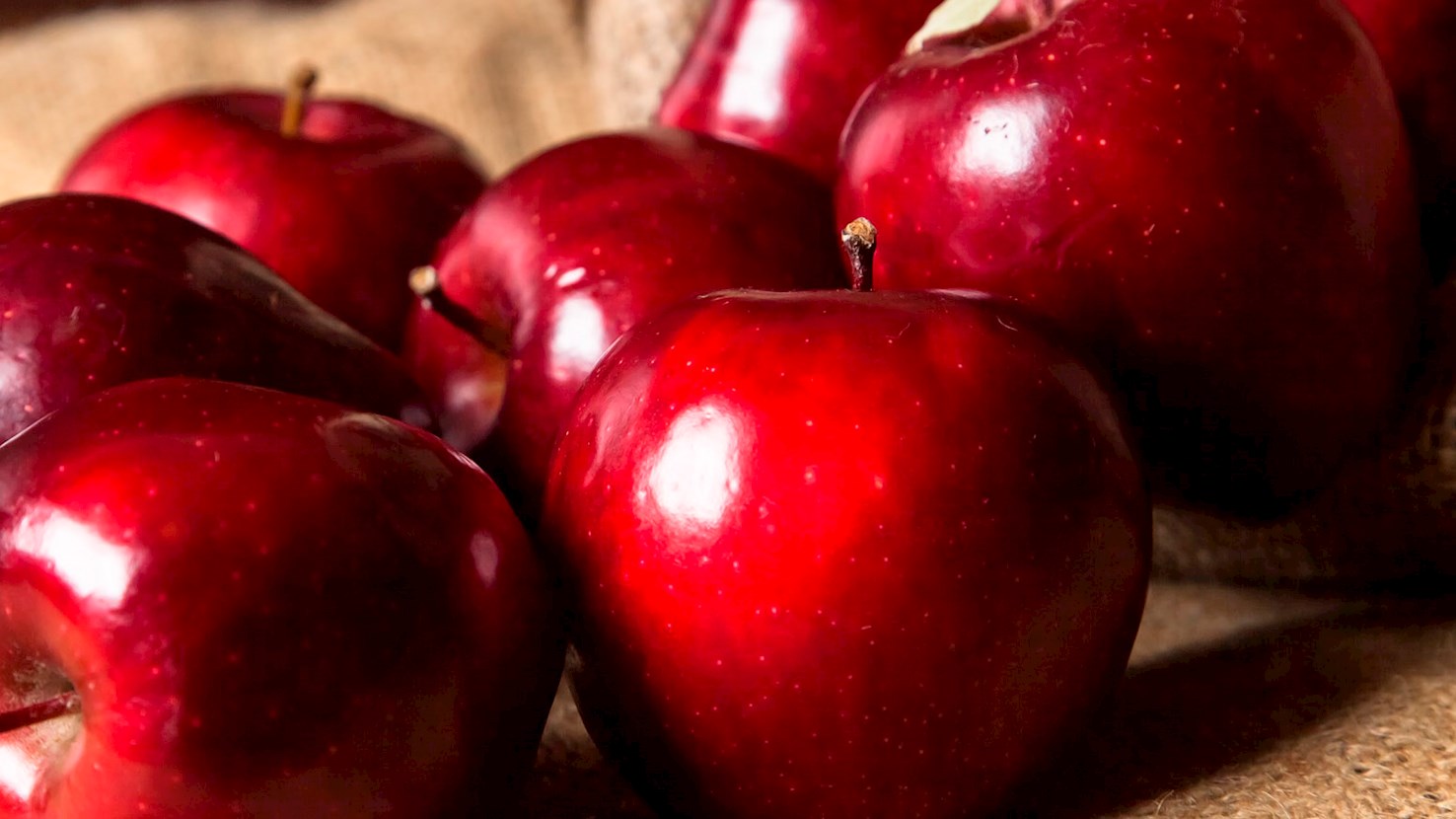
Milo Kastorias are red and yellow apples cropped from the apple trees of the family Rosaceae and the sub-family Pomoideae in the prefecture of Kastoria. The red apples are of the varieties Starking, Starkrimson, IDR Delicious, Red Chief and the yellow ones are of the varieties Golden Delicious, Jonagold and Granny Smith. Milo Kastorias are very fleshy and juicy apples with a slightly tart sweet taste. The cultivation of the apple trees in this area started at the beginning of the 20th century in mountain villages where soil and weather conditions were suitable for their growing. Harvesting begins at the end of September and they can be preserved until May or June of the following year. Milo Kastorias are mostly exported to the European Union, to countries such as Italy, Portugal, Germany and the Netherlands. They are mainly eaten raw but can be cooked in various ways. These fragrant apples are typically used for the production of cider, juices, wine, liqueur, brandy and vinegar, but are also the main ingredient in many tasty apple pies and cakes.

04

Kerassia Tragana Rodochoriou

4.0 ·

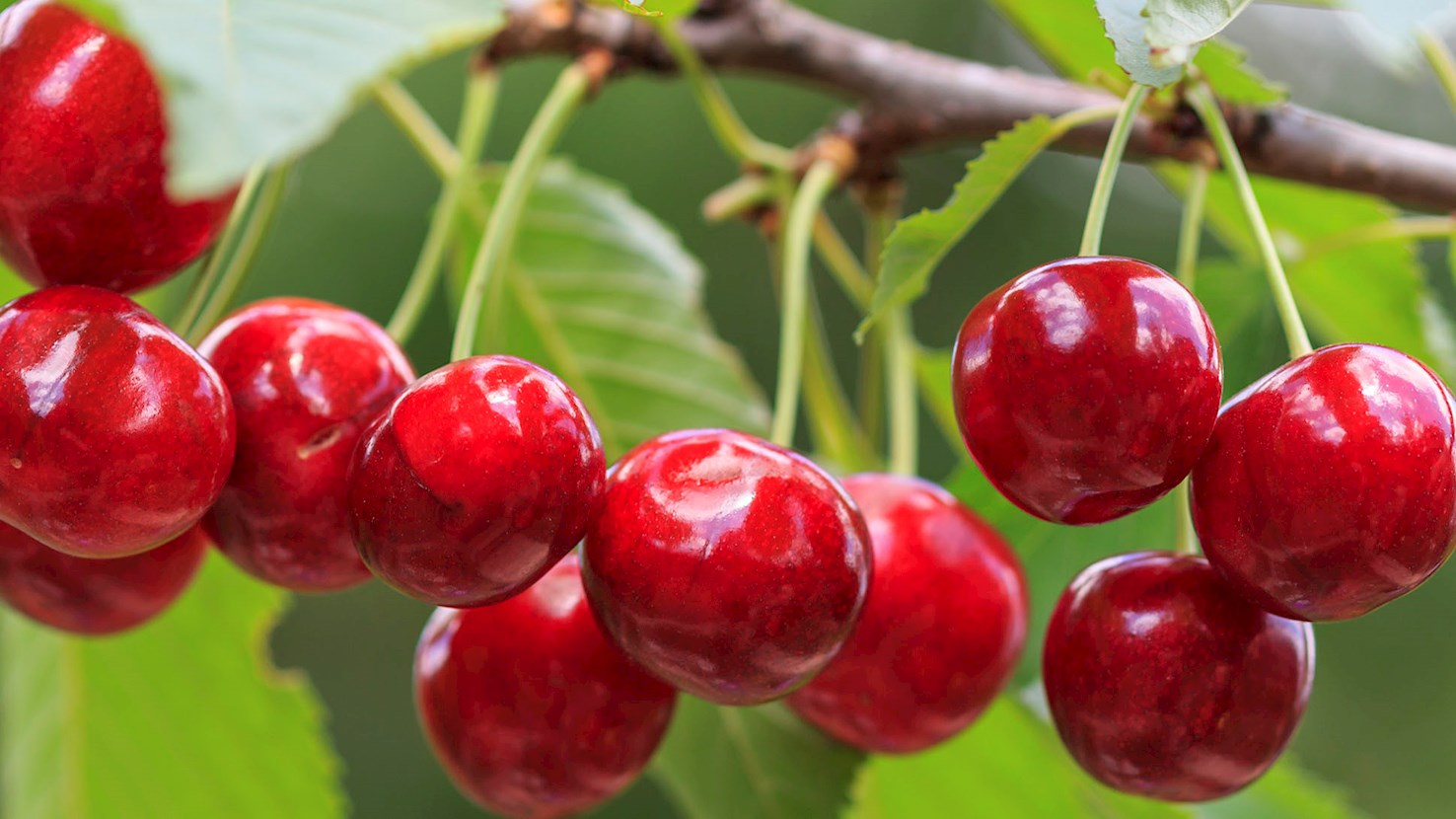
This cherry is produced through cross-pollination between Tragana ofi Edhessa and Napoleon trees. These trees have been traditionally cultivated in the village of Rodochori in Kozani prefecture since the 1950s. These cherries would not be as tasty as they are if not for the great weather, soil conditions, and local know-how. Kerassia Tragana Rodochorio cherries are harvested by hand in early summer. The best ones are selected, packaged, and quickly preserved in refrigerating plants. They are well-known for their high quality and intense red color. The fantastic taste of their juicy, firm pulp is famous even outside of Greece. They can be enjoyed straight from the tree or sliced in fresh salads during hot summer days.

Read more
View all
View map
About this ranking

TasteAtlas food rankings are based on the ratings of the TasteAtlas audience, with a series of mechanisms that recognize real users and that ignore bot, nationalist or local patriotic ratings, and give additional value to the ratings of users that the system recognizes as knowledgeable. For the “Top 4 Macedonian Fruits” list until July 22, 2026, 250 ratings were recorded, of which 116 were recognized by the system as legitimate. TasteAtlas Rankings should not be seen as the final global conclusion about food. Their purpose is to promote excellent local foods, instill pride in traditional dishes, and arouse curiosity about dishes you haven’t tried.

Similar lists