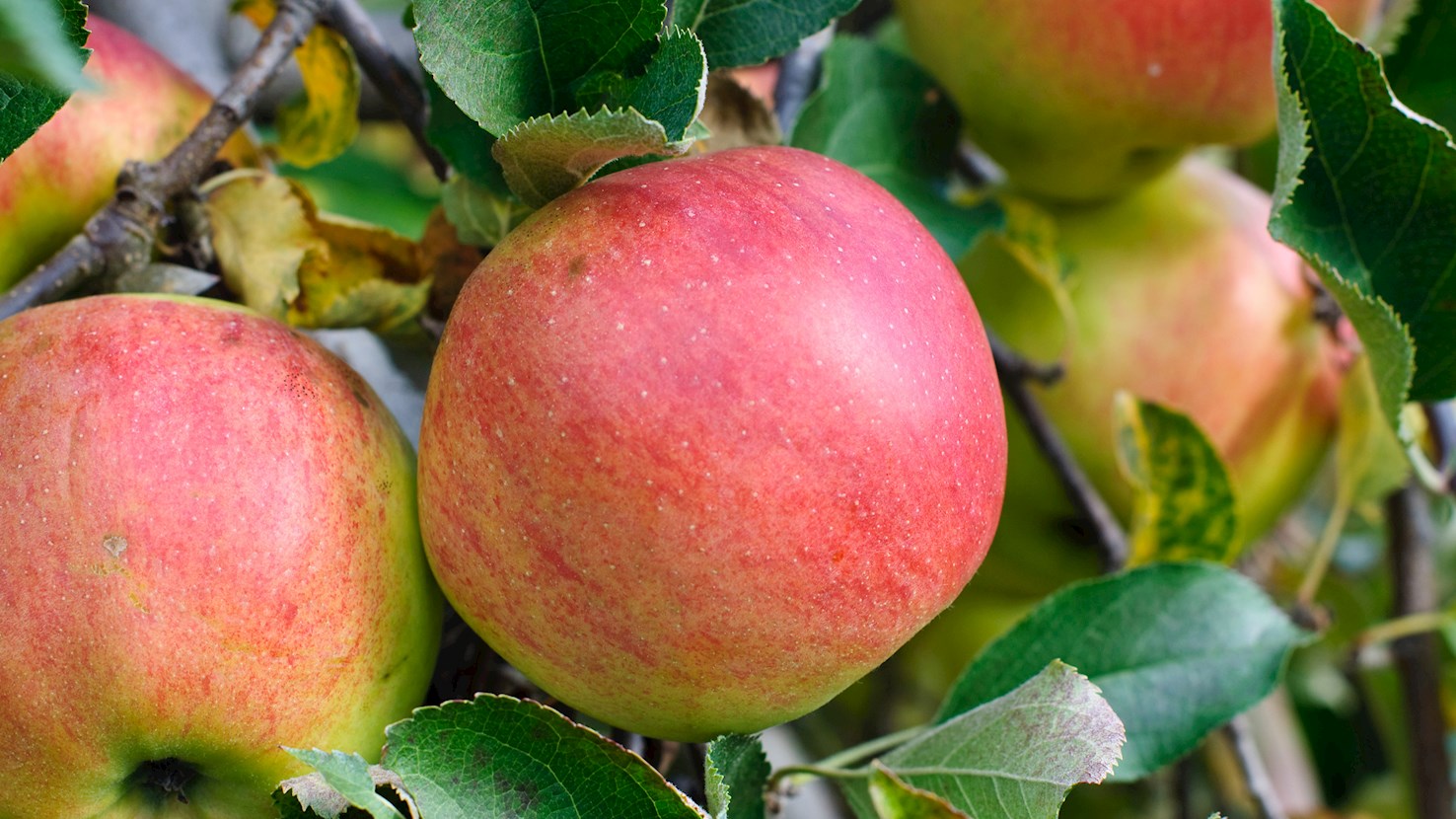
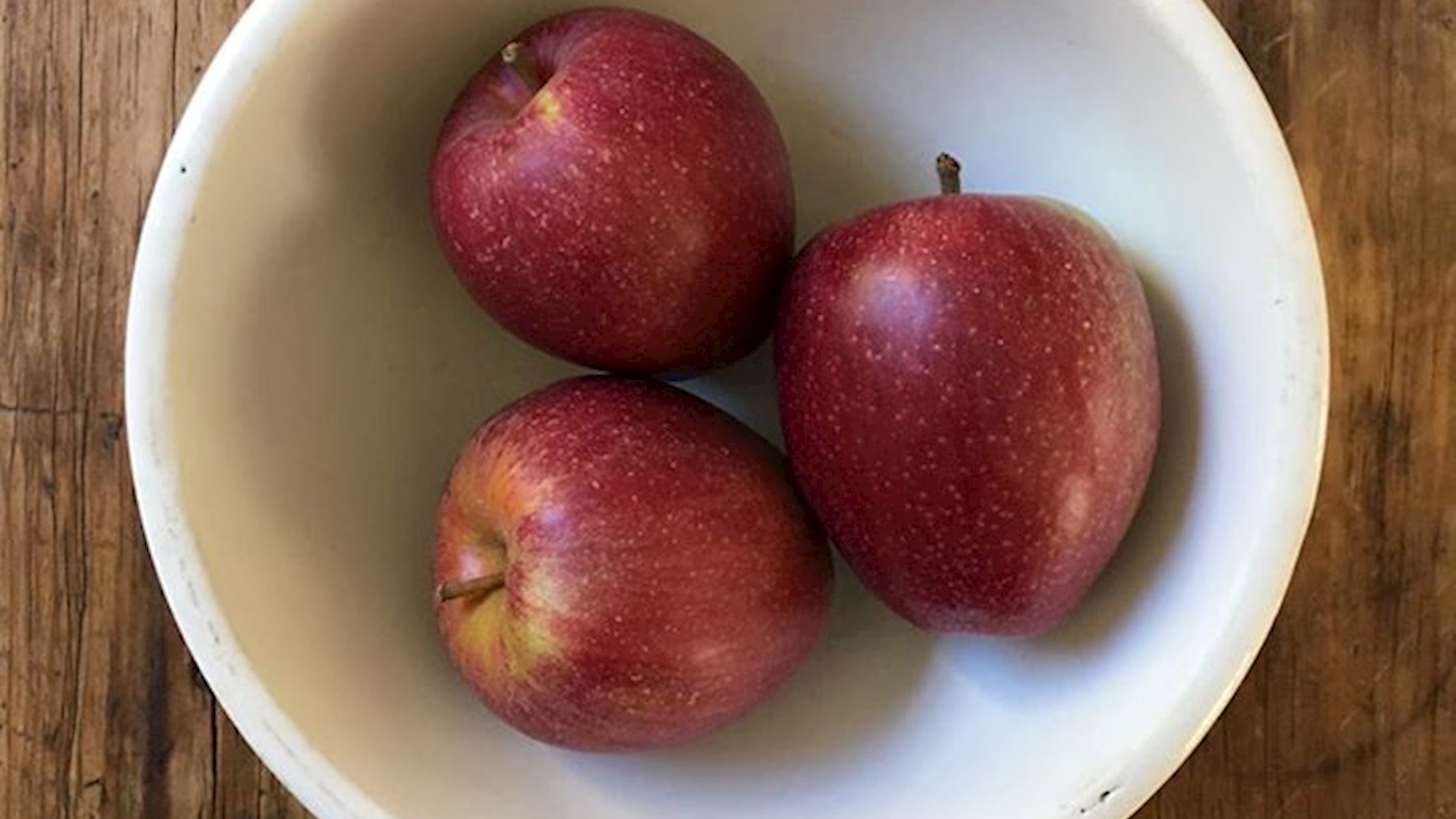
Granite Beauty is an American apple variety originating from Weare, New Hampshire. The apples are round and large, with slightly oblique ends. The skin is waxy or greasy to the touch, and beneath it the texture of the flesh is tender, juicy, and crisp. The flavor is a nice balance of sugar and acid, with a distinctive spiciness that’s often compared to cardamom or coriander. Granite Beauty apples ripen in late fall and they’re most commonly used in baking and as dessert apples. After a period of storage, their spicy flavor intensifies.
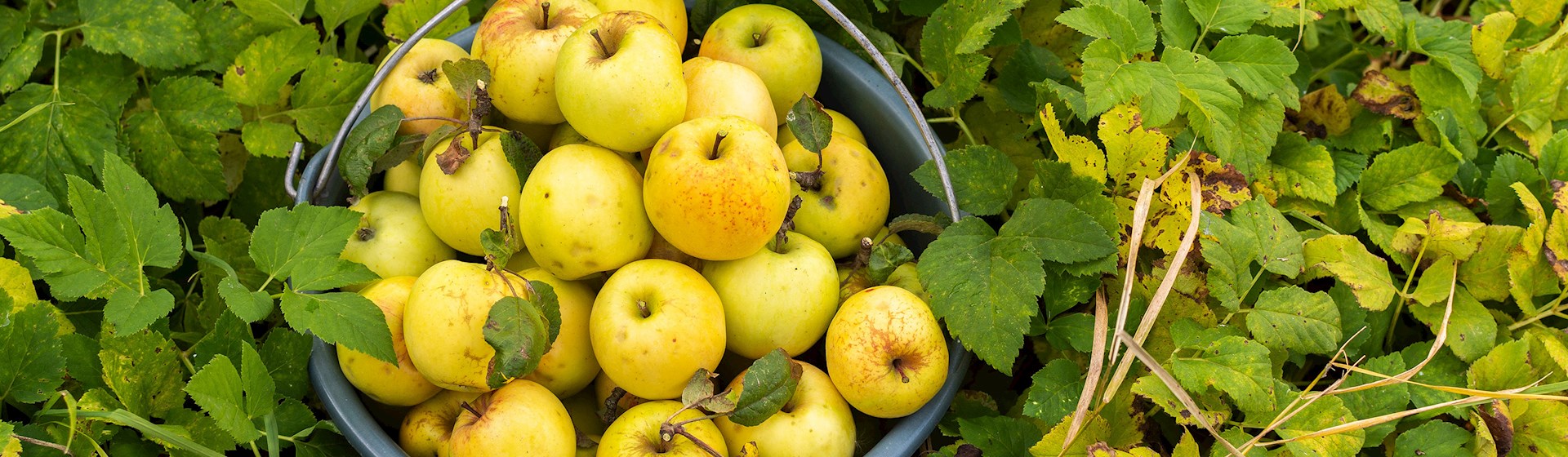
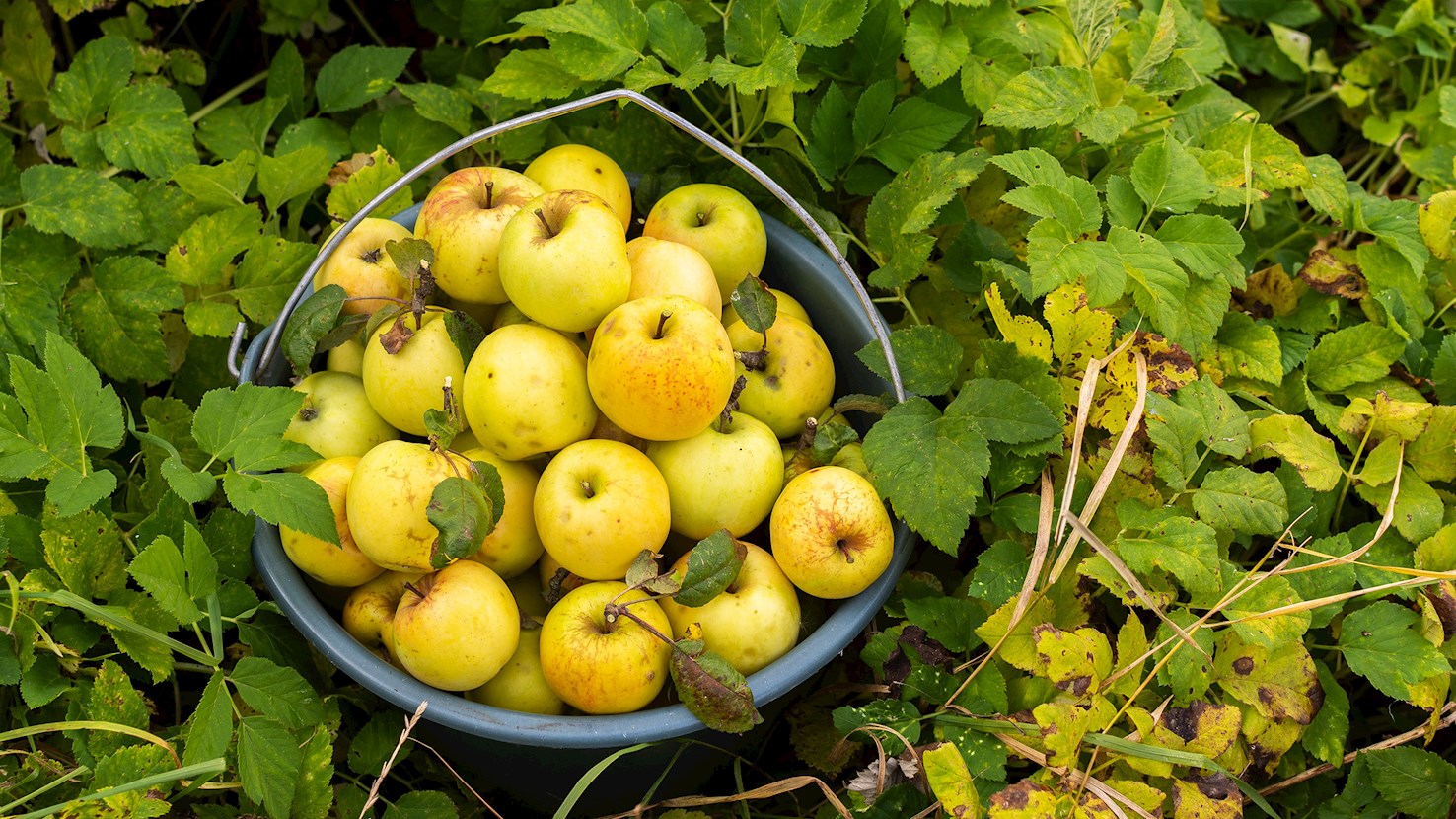
Porter is an American apple variety originating from Shelburne, Massachusetts and dating back to 1800. These apples are praised as one of the great apples for making pies, and they were even endorsed in Fannie Farmer Cookbooks. The apples are medium to large in size, while the skin is bright yellow with occasional crimson red spots. Beneath it, the texture of the flesh is crisp, juicy, fine-grained, and tender, while the flavor is slightly tart. Porter apples ripen in late summer and it’s recommended to use them in baking and pies because the quality remains high when cooked and the sections that are cut hold their shape easily.
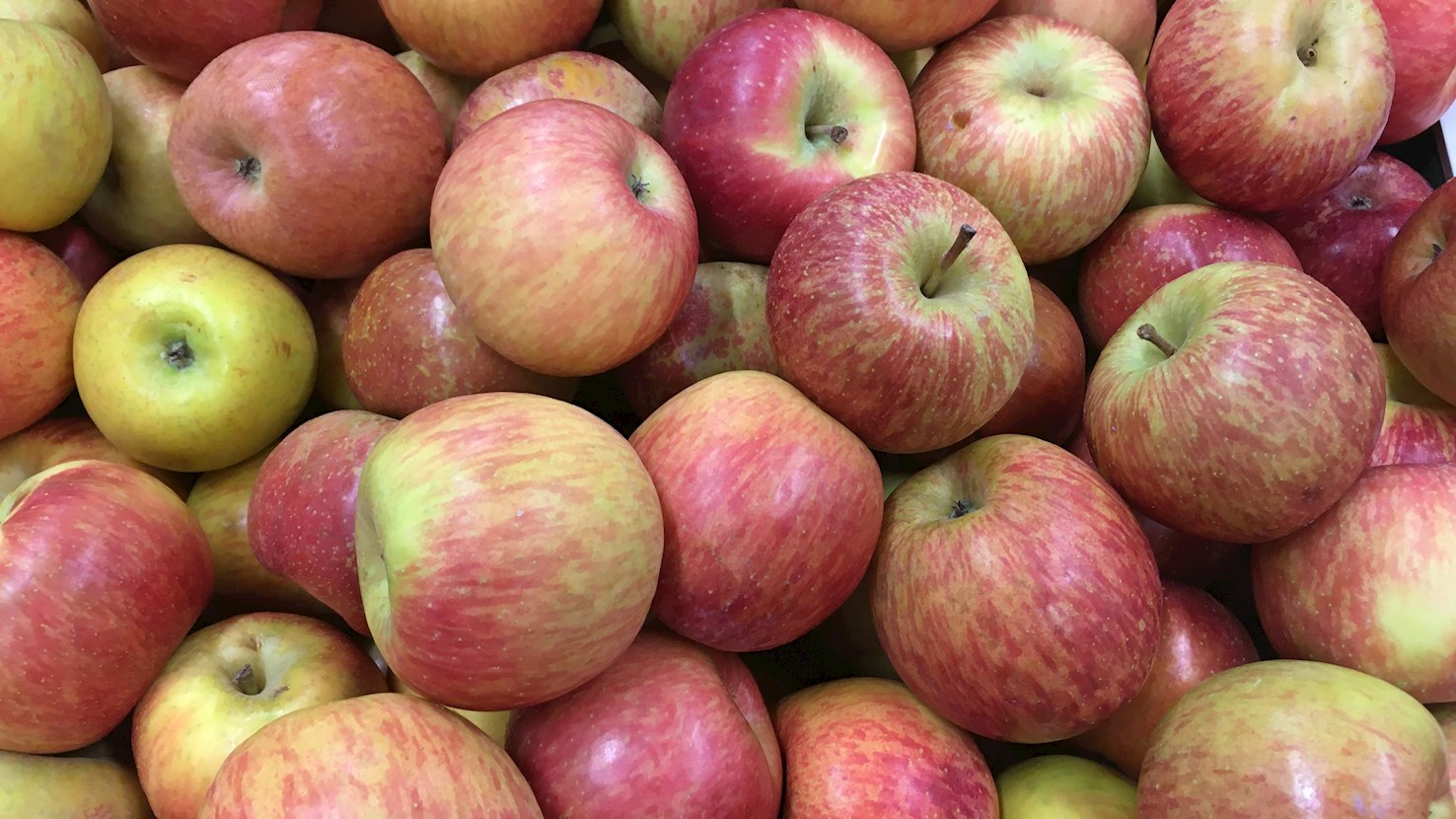
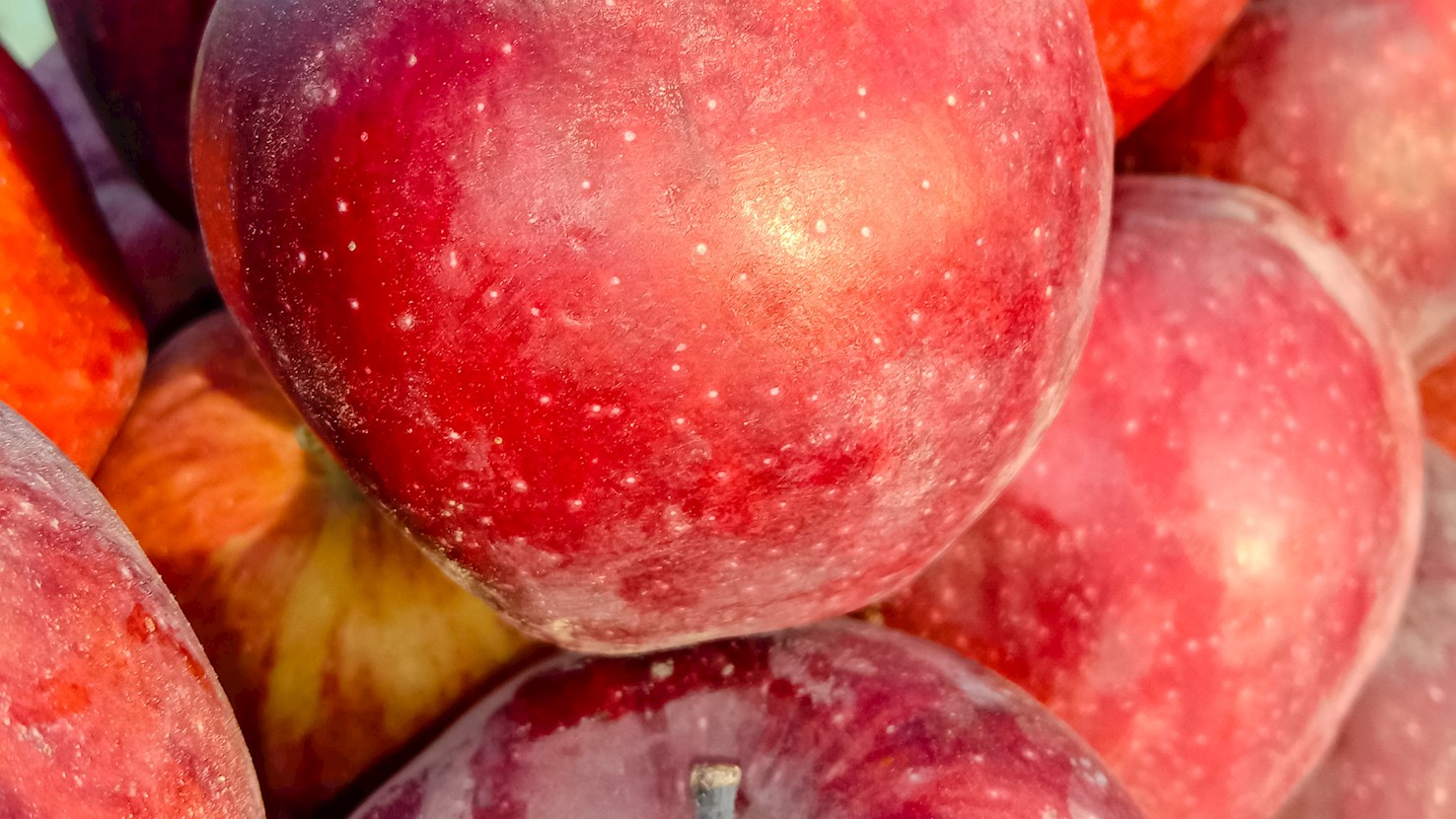
Baldwin is an apple variety that was discovered in Massachusetts in the 18th century. These apples are hard and bright red in color, available in fall through winter. The texture of the flesh is creamy and juicy, yet firm, making them ideal for baking (think apple pies) or the production of apple cider vinegar. When fresh, the flavor is sweet, crisp, and pleasant, with notes of spice and apricots. Although Baldwin was one of the most important commercial apples in the 19th century, nowadays it's hard to find it in stores because of the introduction of the Red Delicious variety. However, in Massachusetts, the Baldwin was so prized that the state has two monuments dedicated to this bright red winter apple.
Scott Winter is an American apple variety originating from Newport, Vermont and dating back to 1864. These apples are praised for the fact that they can withstand severe and cold climates. The apples are small to medium in size with a thin and smooth skin. Beneath it, the texture of the flesh is crisp, aromatic, and exceptionally juicy. Scott Winter apples ripen in late fall, and it’s recommended to use them in desserts, baking, and pies. Once stored, these apples will keep their acidity, which makes them good for cooking.
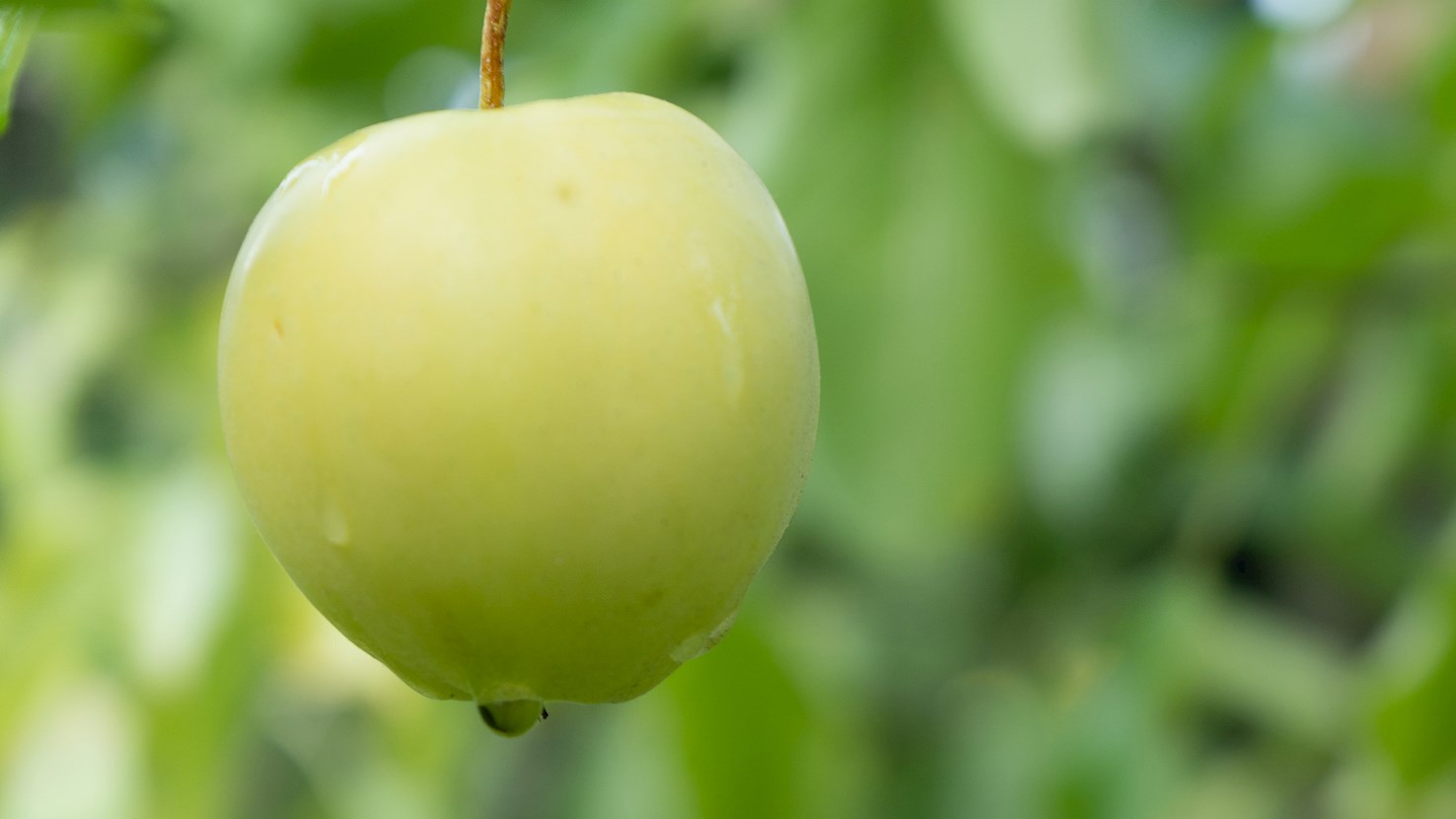
Rhode Island Greening is an American apple variety. It's also the official state apple of Rhode Island, with a variable size that tends to be large, round to oblong. The skin is bright green, while the texture of the flesh is creamy and firm. The flavors are intensely tart when picked, but they become slightly mellow and sweet as the apple ages. These apples are picked from late fall through spring and they're one of the oldest American types of Malus domestica. It's recommended to cook them (especially in apple pie), eat them raw, or use them for the preparation of cider. Rhode Island Greenings store well and they can be consumed even five or six months into storage.
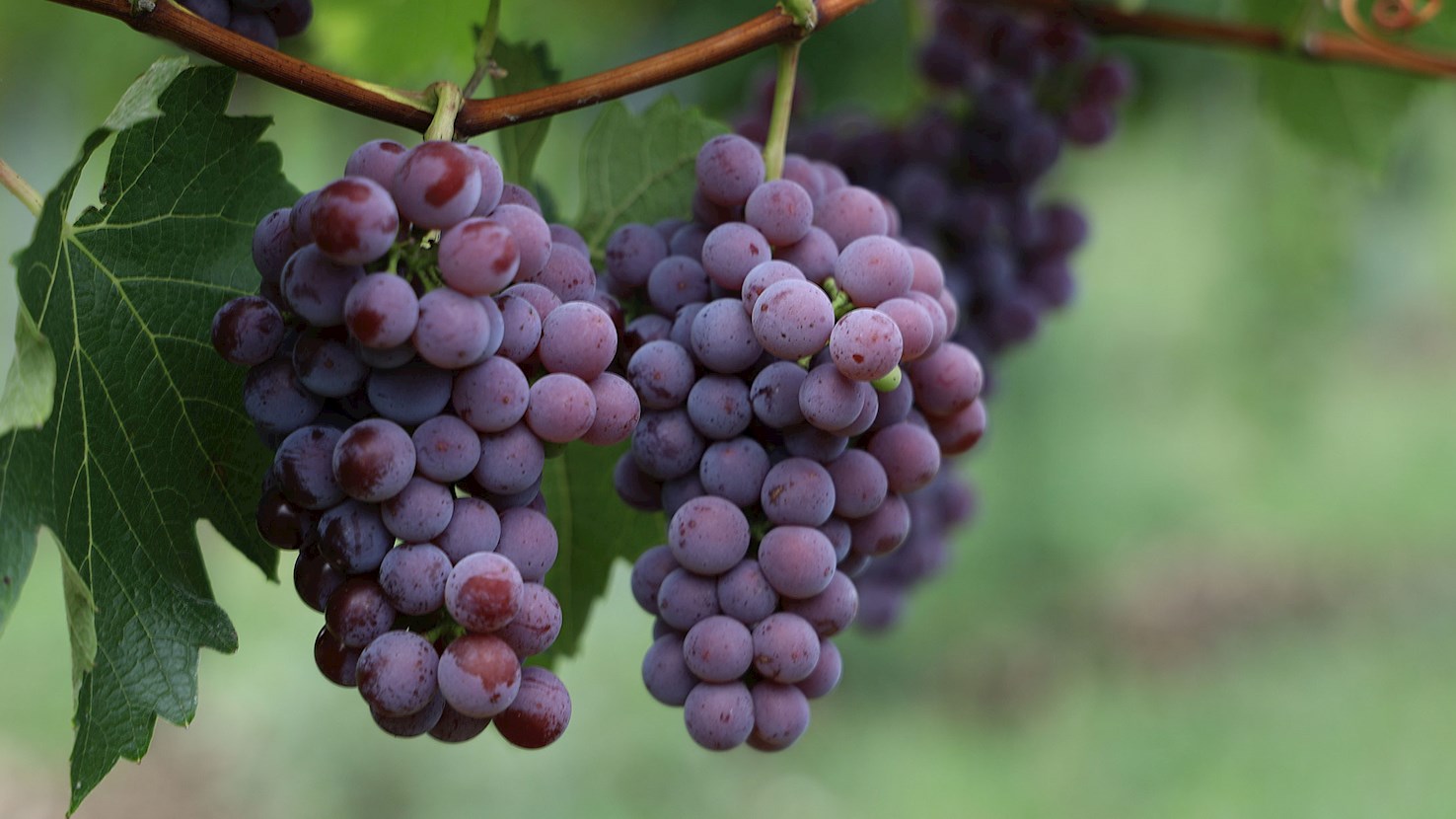
Concord grapes are a North American grape variety belonging to Vitis labrusca, developed in Concord, Massachusetts, and recognized for their deep purple skin, slip-skin structure, and strong aroma often described as distinct to this species. They were first cultivated in the mid-nineteenth century by Ephraim Wales Bull, who selected vines that performed reliably in New England’s climate and soil conditions, and by the late 1800s they had become widely grown across the Northeast and Great Lakes region due to their adaptability, hardiness, and suitability for juice, preserves, and baked goods. Their preparation for eating or cooking typically involves removing the skins from the pulp, since the slip-skin makes separation easy, and heating the pulp to release seeds before recombining it with the skins for recipes that rely on the grape’s full flavor. Concord grapes are notable for their high pectin content and distinctive aromatic compounds such as methyl anthranilate, which contribute to their recognizable character and set them apart from European Vitis vinifera grapes used for wine. They are eaten fresh in season from late summer to early autumn, used in pies, jams, jellies, juices, and candies, and appear frequently at farm stands and local markets in grape-growing regions of the United States and Canada. Pairings include dairy-based foods such as yogurt or cream, neutral baked goods like shortbread or pound cake, and beverages such as black tea or light white wines when used in dessert sauces, while Concord grape juice is often consumed on its own or blended into spritzers and nonalcoholic punches.
Peck’s Pleasant is an American apple variety originating from Rhode Island and dating back to around 1832. The apples are believed to be a cross between Calville Blanc d’Hiver and Newtown Pippin. They are medium to large in size, with green to dark red skin. Beneath it, the texture of the flesh is fine-grained, juicy, and firm, yet tender. These aromatic apples have a flavor that’s more tart than sweet. They ripen in late fall, and it’s recommended to use them in desserts or for baking purposes.
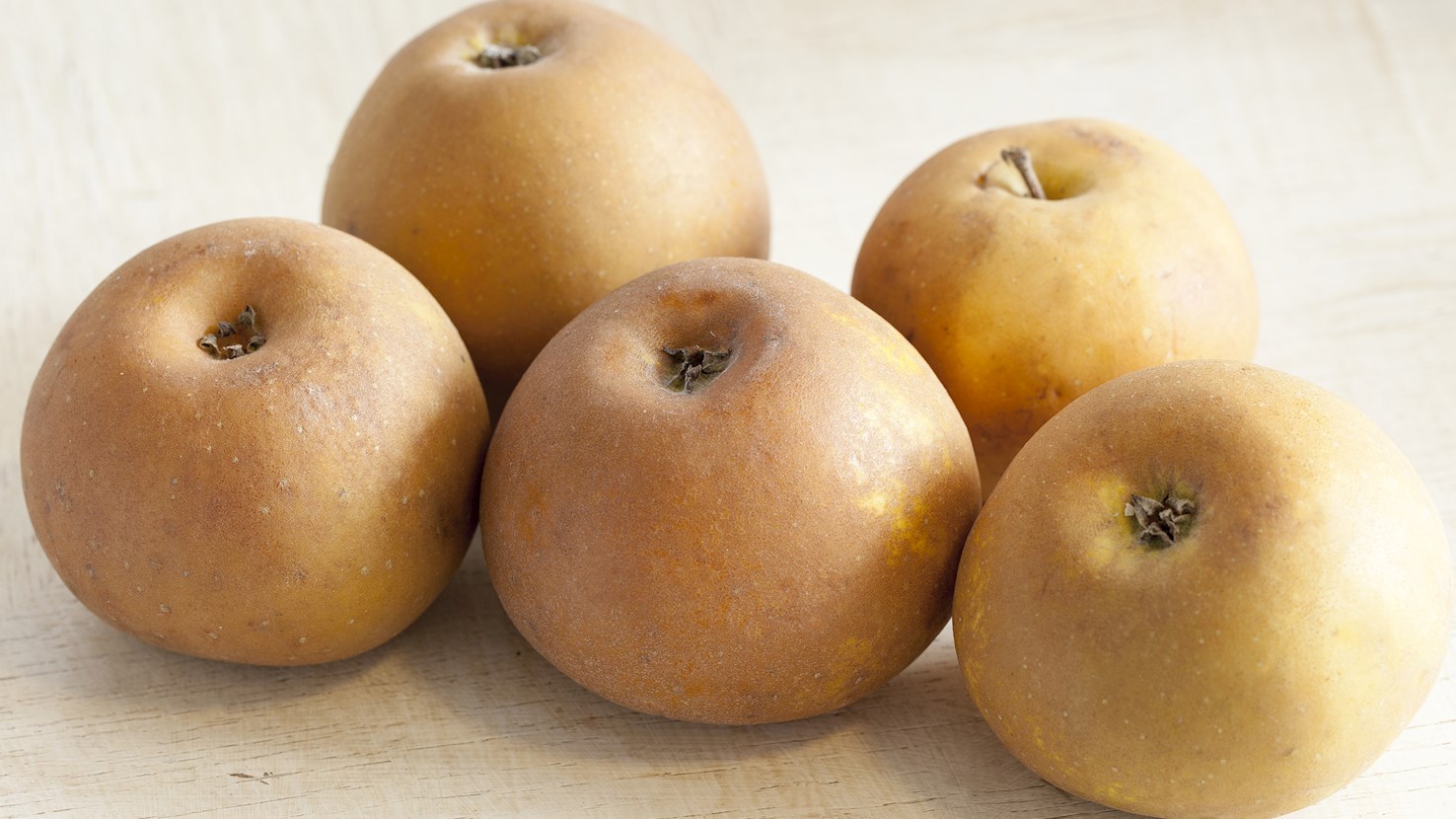
Hunt Russet is an American apple variety originating from Concord, Massachusetts. The apples date back to 1750. They are medium in size and slightly ribbed at the eye. The yellow skin with a bright red flush has russet dots over most of the surface. Beneath it, the flesh is juicy, fine-grained, and tender. The flavors are subacid (slightly sour, sharp) and reminiscent of pears. Hunt Russet apples ripen in late fall, and it’s recommended to use them in desserts.
Blue Pearmain is an American apple variety originating from New England, where it was well known even before the early 1800s. These apples have a waxy and slightly tough skin, and the texture of the flesh beneath is tender, crisp, and fine-grained. The flavors are rich and slightly tart. Blue Pearmains are harvested from late September through October and they have a long shelf life. It’s recommended to use these apples for the production of cider.
Black Gilliflower is an apple variety that’s been traced to Connecticut in the late 1700s. This tall and dark apple has greenish flesh that’s quite dry and not crisp at all. The flavors are very sweet and rich and the aroma is unique. Although Black Gilliflowers are not used as dessert apples, they’re great for drying. The apples are harvested in September or October and they store fairly well. Their popularity waned in the early 1900s, but these old apples are making a comeback due to their interesting name (also called Sheepnose), shape (similar to a sheep’s nose), and color (deep red that can be very dark).
TasteAtlas food rankings are based on the ratings of the TasteAtlas audience, with a series of mechanisms that recognize real users and that ignore bot,
nationalist or local patriotic ratings, and give additional value to the ratings of users that the system recognizes as knowledgeable.
For the “Top 10 New Englander Fruits” list until June 15, 2026, 19 ratings were recorded, of which 18 were recognized by the system as legitimate.
TasteAtlas Rankings should not be seen as the final global conclusion about food. Their purpose is to promote excellent local foods,
instill pride in traditional dishes, and arouse curiosity about dishes you haven’t tried.