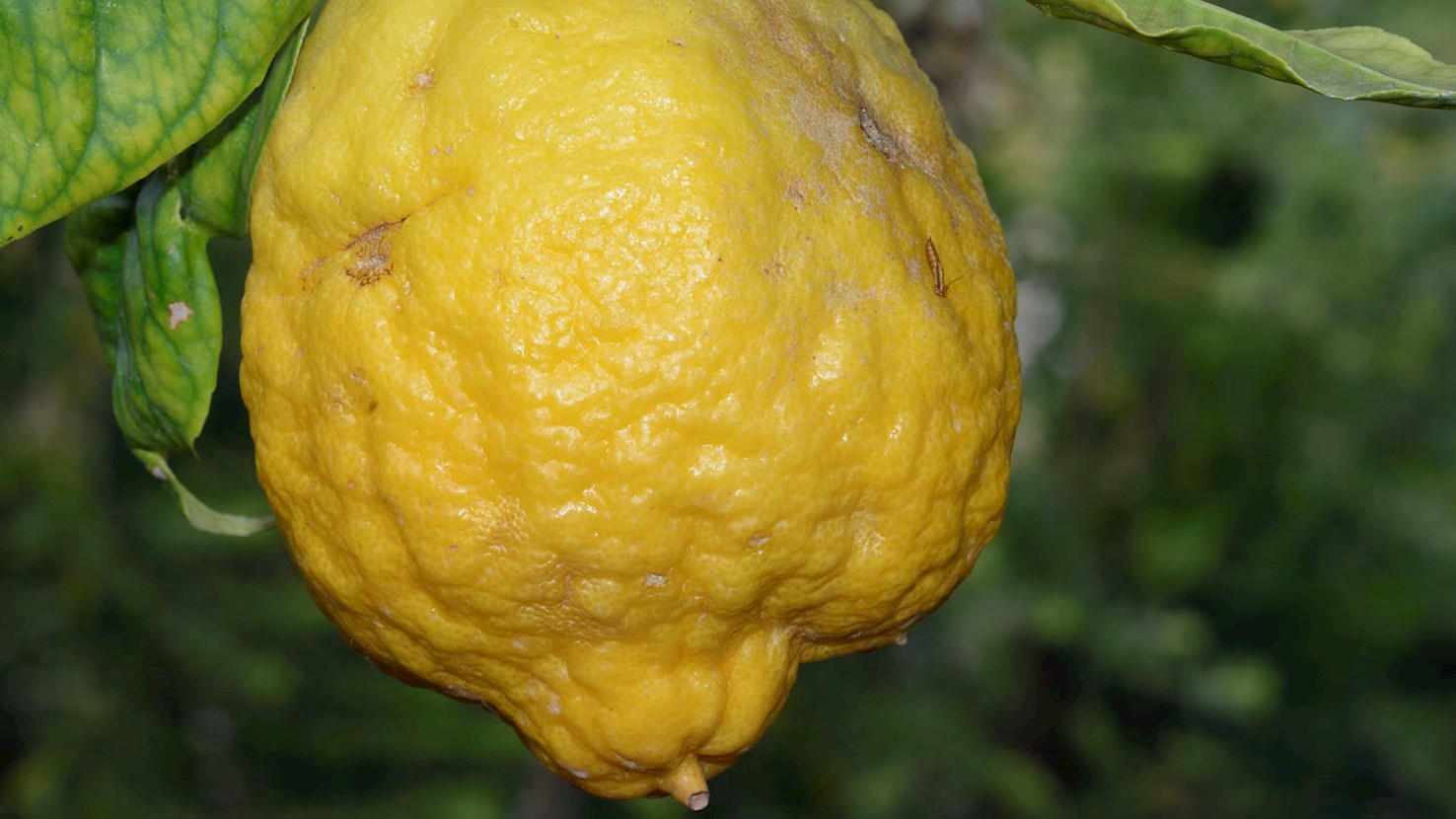
Citron de Menton is a fresh, hand-harvested lemon grown in the Alpes-Maritimes region in France. The lemons must come from the varieties of Adamo, Cerza, Eureka, SantaTeresa and Menton. It has an intense yellow color when it's fully ripe, which becomes almost fluorescent at night. Citron de Menton has a pleasant fragrance and aroma of fresh citronella and its juice is slightly acidic but not bitter, while the lemon peel is rich in essential oils. When sold, it comes with one or two leaves intact, attached to the fruit, accentuating the freshness of the product. The fruit is often used in pastries, lemon liqueur, flavored olive oil and in fruit jams, and its fresh, pure taste is so popular that every year there is a Lemon Festival - the third most popular event in the whole Alpes-Maritimes region.
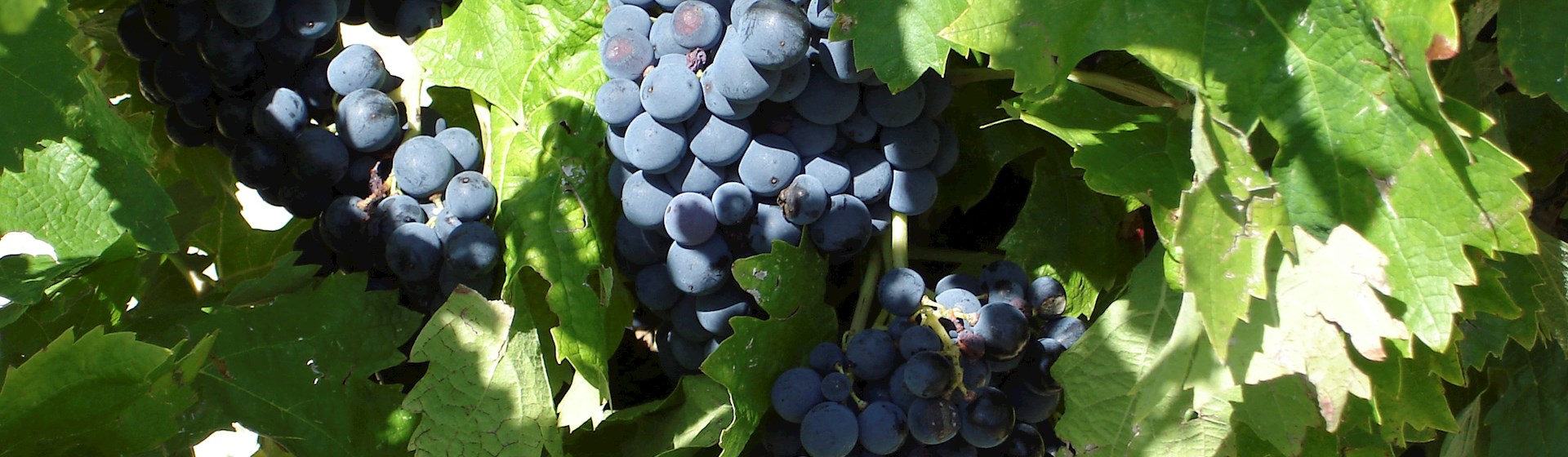
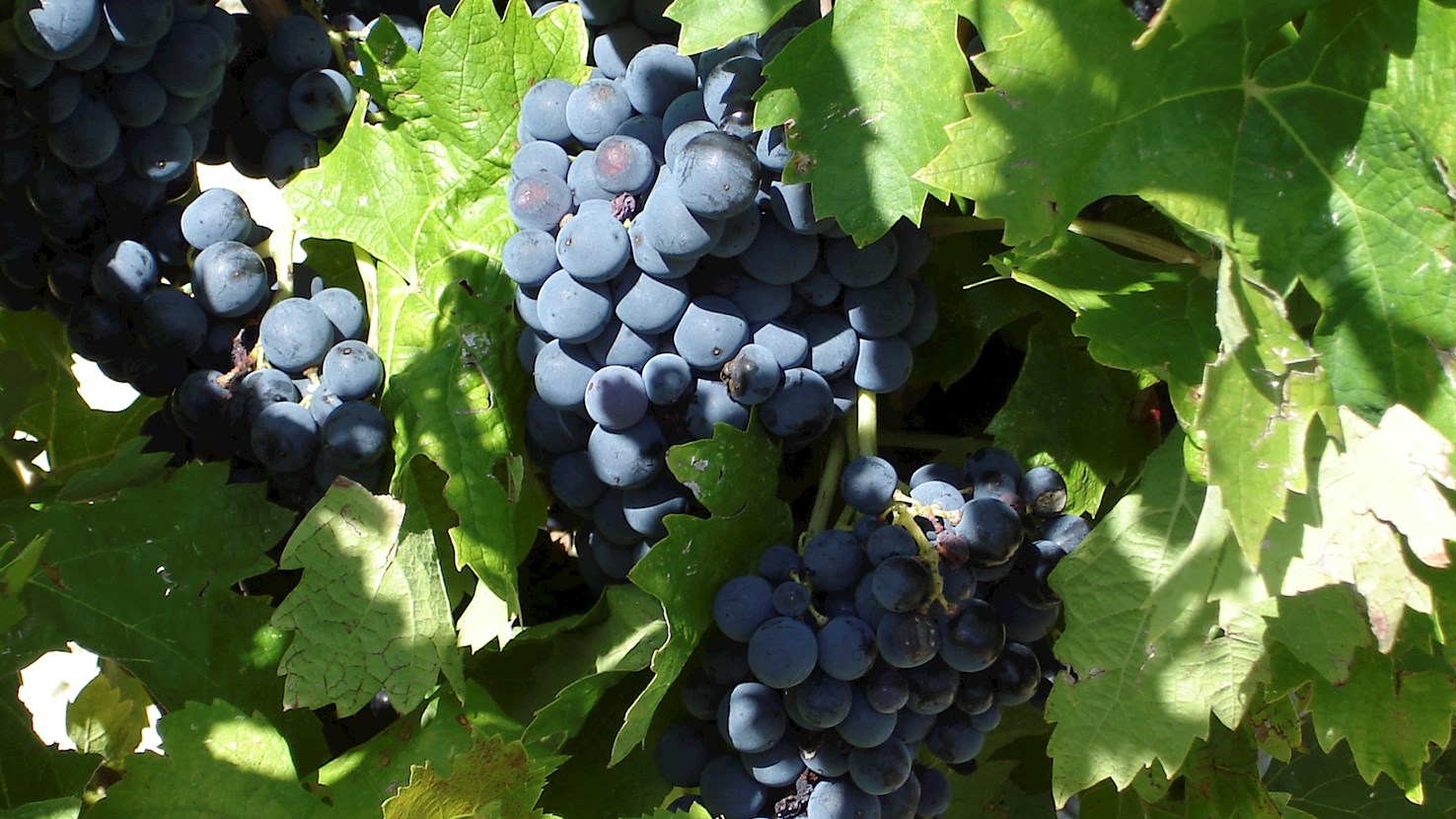
Muscat du Ventoux is a table grape of the Muscat de Hambourg variety with an intense and delicate muscat scent. The grapes are large and have a strong deep blue, almost black color without any irregularities on the skin. They are grown in the Vaucluse region in France and have been since the turn of the century, and the region's favorable climate and geological position provide the delicate flavors to the grapes. All the grapes are hand-picked to ensure the best possible quality control. They are naturally sweet and juicy, rich in iron, magnesium and calcium and usually eaten at the end of the meal as a dessert or made into fine wines.
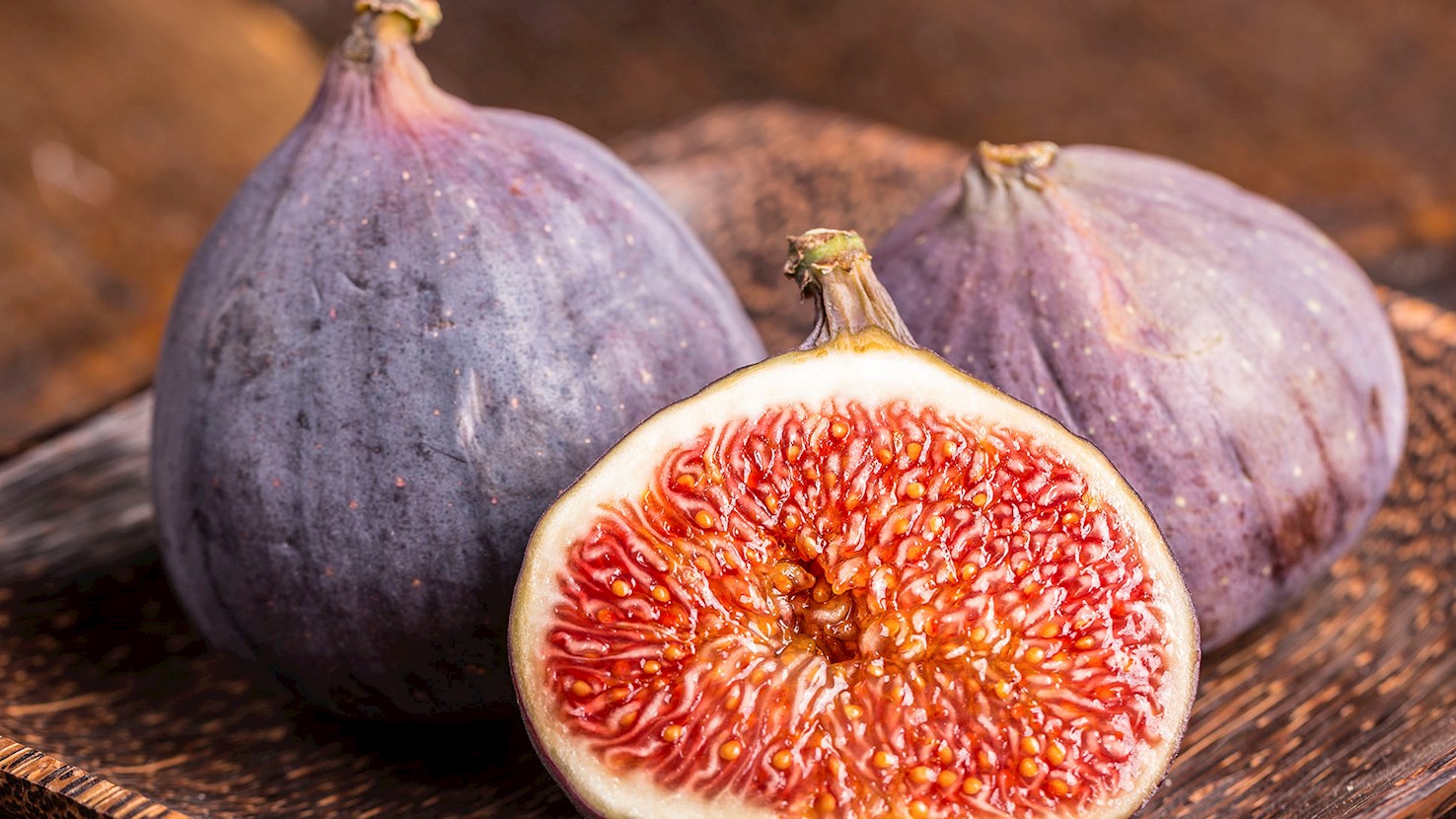
Figue de Solliés is a whole, fresh fig of the Bourjassote Noire variety, with a uniquely balanced flavor of acidity and sweetness, grown in the French region of Provence-Alpes-Côte d'Azur, department of Var. The figs are violet with black veins and their texture is dense and firm. On the inside of the fruit, the flesh is glossy and juicy with a dark red colour and numerous beige grains. Although the figs are shaped like a crushed teardrop, there is nothing to cry about, on the contrary, they smell beautiful, with a scent of red fruits such as watermelon, honeydew melon and strawberries. Once bitten, it is crunchy, but soon becomes tender and full-bodied on the palate. These figs are a great accompaniment to game, pork and rabbit meat, as well as foie gras, salmon, ham and cheese, yoghurt and cottage cheese. Alternatively, wrap them with prosciutto slices, roast them with Roquefort or bake it into crumbly tarts with vanilla ice cream on the side.
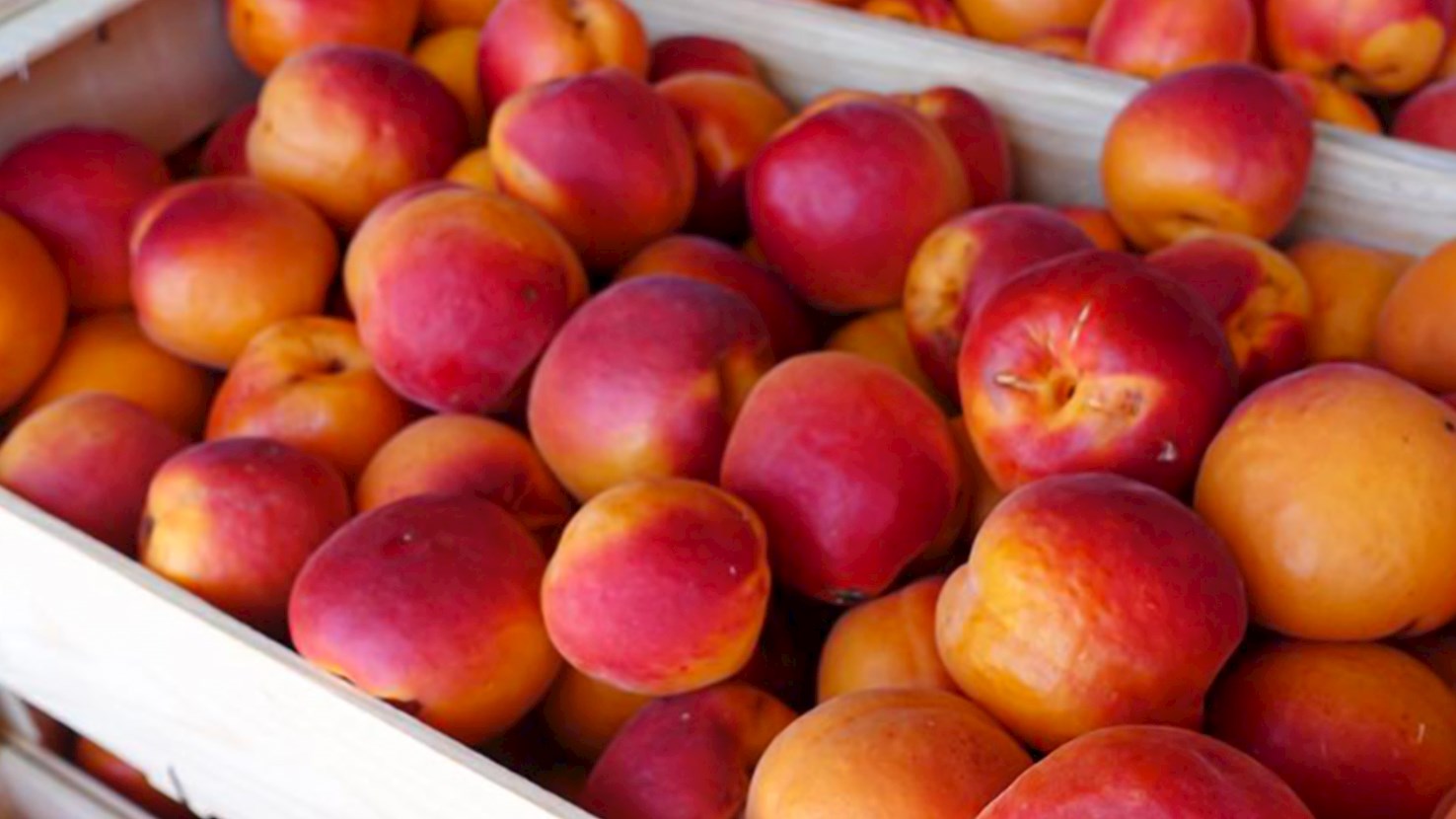
Abricot des Baronnies is a variety of fresh apricot cultivated in the foothills of the Alps, notable for its particularly sweet flavor. This fruit can be found in various colors, including orange, bicolor, red, or white. Its cultivation area is primarily in the southeast of France, especially in the south of the Drôme department, with some areas extending into the neighboring departments of Vaucluse and Hautes-Alpes. The geographical area designated for the cultivation of Abricot des Baronnies spans 87 municipalities and was defined based on historical, geographical, and geomorphological criteria characteristic of the Baronnies territory, as well as the historical development zone of apricot production in the Baronnies. The combination of sunny slopes, the altitude of these pre-Alpine lands, and the presence of aromatic garrigue, including thyme, wild lavender, Spanish broom, and junipers, imbues these apricots with rich flavors and a high level of fructose and beta-carotene, making them stand out. The challenging terrain and climate conditions not only influence the fruit's quality but also its appearance, with a distinctive "blush" on their skin indicating their rich nutrient content. Apart from being enjoyed fresh, the Abricot des Baronnies is also used in the production of nectars, jams, compotes, and even beauty products, allowing for its enjoyment year-round. This apricot variety has recently been added to the register of Protected Geographical Indications (PGI).
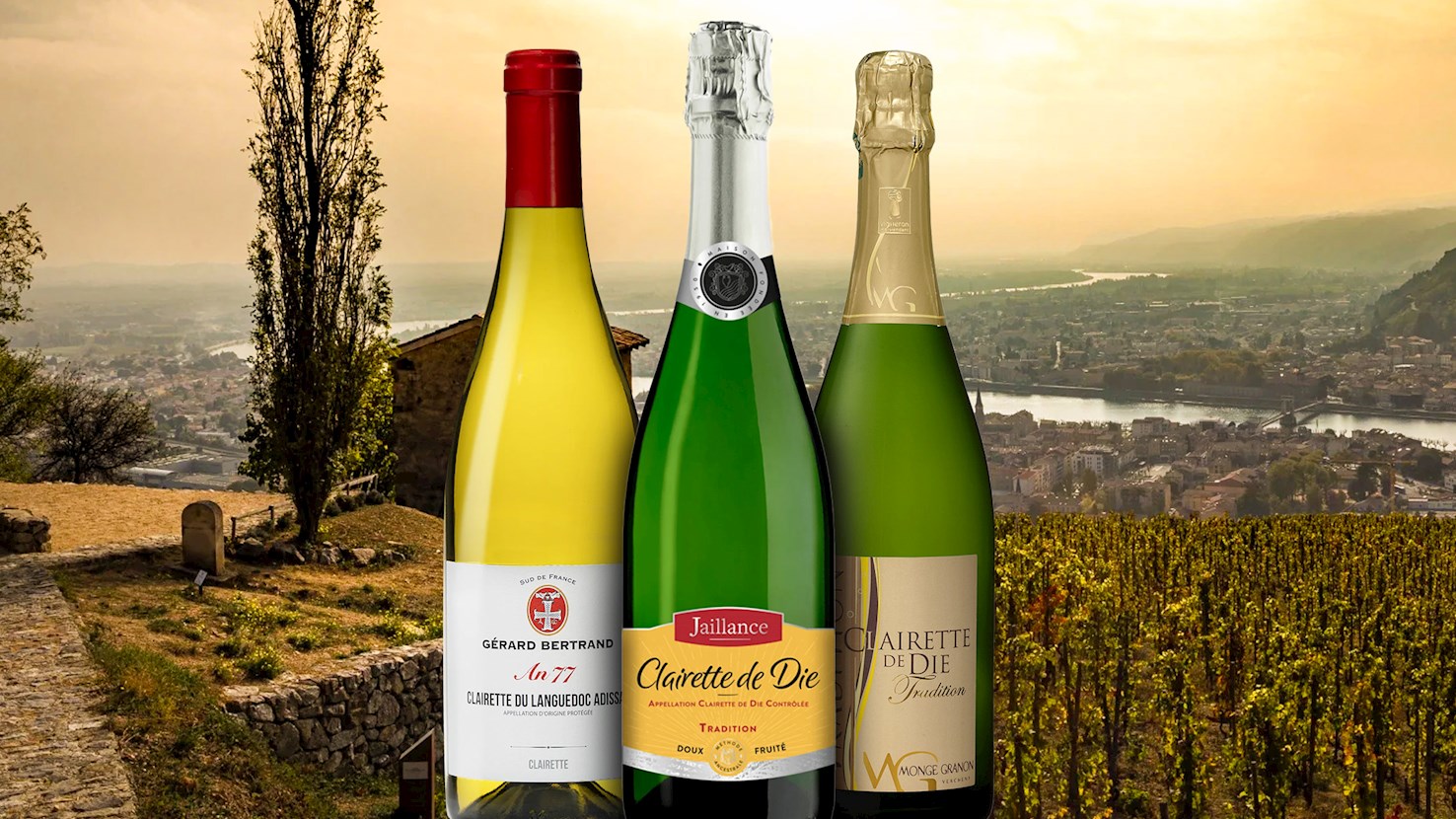
Clairette is a white grape variety that is primarily grown in the southern Rhône Valley and Provence regions of France. It is known for producing fresh, aromatic wines with a high level of acidity and moderate alcohol content. Clairette is often used in blends but can also be vinified on its own to produce varietal wines. The flavor profile of Clairette wines typically includes notes of green apple, pear, and citrus fruits such as lemon and lime. These wines often have floral aromas, with hints of white flowers and herbs, and sometimes a touch of minerality. The high acidity of Clairette makes the wines crisp and refreshing, while the moderate alcohol content helps maintain a balanced and light-bodied structure. Clairette is a versatile grape that is used to make a variety of wine styles. In addition to still wines, it is also used in the production of sparkling wines, particularly in the Crémant de Die appellation in the Rhône Valley. The grape's high acidity and delicate aromatics make it well-suited for sparkling wine production. In the southern Rhône Valley, Clairette is commonly blended with other white grape varieties such as Grenache Blanc, Roussanne, Marsanne, and Viognier. These blends are often found in appellations such as Côtes du Rhône, Châteauneuf-du-Pape Blanc, and Lirac. The addition of Clairette to these blends helps to enhance the wine's freshness, aromatic complexity, and overall balance. In Provence, Clairette is also used in the production of rosé wines, where it contributes to the wine's light and refreshing character. The grape's versatility and ability to retain acidity in warm climates make it a valuable component in many Provençal rosés. Clairette wines pair well with a variety of foods due to their high acidity and light, fresh flavors. They are an excellent match for seafood, shellfish, salads, and light appetizers. The crispness and citrus notes also make Clairette wines a good companion for Mediterranean cuisine, including dishes with olive oil, garlic, and fresh herbs.
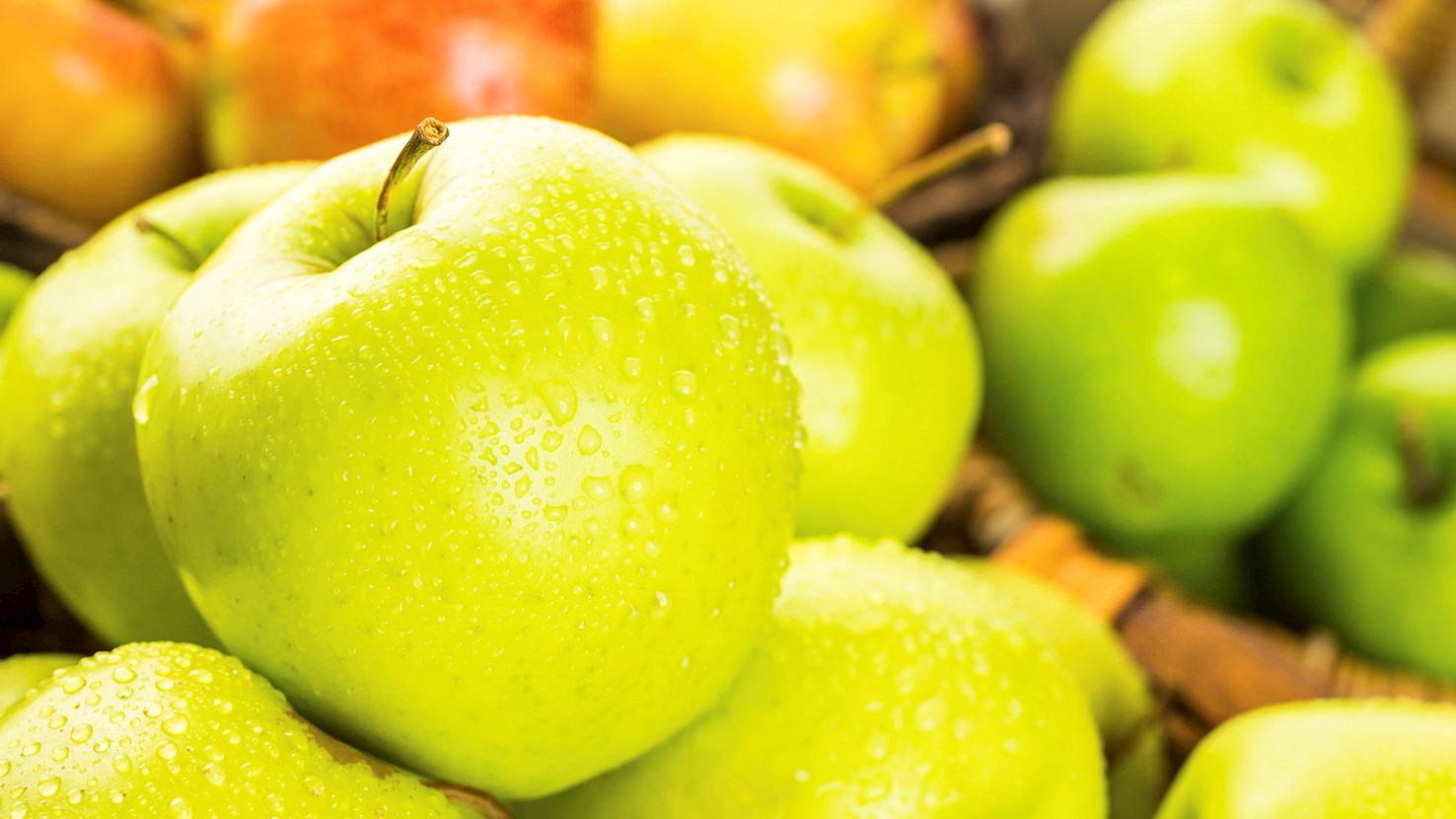
Pommes des Alpes de Haute Durance are fresh apples from the Golden Delicious and Gala varieties and their cross-breeds, grown in the French regions of Alpes-de-Haute-Provence and Hautes-Alpes, where there are 300 days of sunshine in a year on average, ideal conditions for the production of fruit. The apples are placed in cold storage just after the harvest, with a minimum degree of firmness in order to ensure the crunchiness of the final product. They have a great intensity of color, the taste is pleasantly sweet, with a high sugar content, and the texture is tender, crispy and crunchy. Today, there are almost 170 producers growing these fine apples, which results in about 100,000 tons of apples grown per year and an apple festival that is held every October in the town of Sisteron.
Ciflorette is a premium, early-maturing strawberry cultivar grown extensively across southern France, primarily in Provence and the Lot-et-Garonne basin. Agronomic researchers at the French interregional strawberry research center engineered this specific botanical hybrid in 1998 to prioritize sensory quality over sheer yield volume. The breeding program explicitly crossed selected plant lines to replicate the intense, concentrated flavor profile of wild woodland berries while maintaining the larger physical dimensions required for commercial viability. Biologically, the fruit develops a distinctively elongated, ovoid shape, with a muted orange-red exterior that noticeably lacks the bright crimson hue typical of other market varieties. The internal flesh contains an unusually high sucrose concentration, resulting in a high Brix reading that ranks it among the sweetest commercially available cultivars in Europe. Culinary handlers treat the delicate crop with minimal processing, executing a rapid rinse under cold running water before meticulously detaching the green leafy stem, as cutting the top before washing allows the porous core to absorb excess moisture and dilute the natural sugars. Pastry professionals and home cooks leave the specimens whole or cut them into vertical halves, presenting them unadulterated in shallow porcelain dishes. Consumers purchase the seasonal harvest at specialized greengrocers and municipal open-air markets throughout the spring, eating the fresh fruit directly by hand or scooping it from a bowl. The sliced berries are often topped on blind-baked shortcrust pastry shells lined with dense almond frangipane or vanilla-infused mascarpone cheese. To complement the intense botanical sweetness and wild-berry aromatics, beverage pairings generally feature poured glasses of chilled, naturally sweet regional white wines, specifically a Muscat de Beaumes-de-Venise or a floral Gewürztraminer, while culinary applications often incorporate torn fresh spearmint or basil to provide a sharp herbal contrast to the sugary flesh.
Fraise de Carpentras is a strawberry variety produced in the Vaucluse department under the Comtat Venaissin mark. The construction of the Canal de Carpentras in 1857 enabled extensive irrigation of the plains, triggering large-scale strawberry cultivation around Carpentras, and by the 20th century the strawberry exports from that region to Paris and beyond were well established. Cultivation begins with planting chosen varieties – notably Cléry, Gariguette and Ciflorette – in well-drained sandy-loam soils under tunnels or open fields; the plants are irrigated via the canal system, flowering in late winter, and hand-picked from March through July for early-season markets, then sorted and packed quickly to preserve color and flavor. The early Gariguette and Ciflorette varieties arrive in March and April, then the Cléry variety becomes dominant, with the majority of production; the uniqueness of these strawberries lies in their deep red heart-shape, sweet aromatic flesh, and the regional mark that binds growers to specific practices and varieties under the registered “Fraise de Carpentras Comtat Venaissin” label. Fraise de Carpentras is eaten fresh simply or with light sugar, found at markets and in pastry shops in Provence and beyond, and it pairs beautifully with whipped cream, mild goat cheese or a chilled rosé wine from the region.
Pomme de Risoul is a medium-sized apple variety, cultivated in the commune of Risoul in the Hautes-Alpes. It has been grown for several centuries in the local orchards of the Guil valley, where it served as a staple fruit for both fresh eating and storage. At its height during the 1940s-1960s the apple’s production was a significant economic activity in the valley and exports even reached North Africa. Its reputation partly rests on its excellent keeping qualities: the fruit can be stored for three to nine months in hay, cellars or cool garages. The apple’s peel is yellow-pale with red striations and its flesh is white, quite firm, fragrant and marked by a sweet–acid balance; growers pick it when fully matured late in the season, then sort, store under cool conditions and sell it fresh, or use it to produce apple juice or gelée. Pomme de Risoul is eaten fresh as a table fruit, used for juice, gelée or cooked preparations in homes and local markets around Risoul; it pairs well with mild cheeses, walnuts or a light herbal infusion that complements its aromatic flesh.
Col de dame noire is a late-ripening black fig variety from France known for its dark violet to almost black skin, dense red flesh, and exceptional sweetness, cultivated mainly in Mediterranean climates for fresh consumption and drying. The variety originates from the warm southern regions of France, particularly in Languedoc and Provence, where fig culture has been established for centuries. It belongs to the broader col de dame family, a lineage of Ficus carica documented since at least the seventeenth century in southern France and neighboring Mediterranean areas such as Catalonia and Valencia. The name “col de dame,” meaning “lady’s neck,” refers to the fruit’s slender and elongated form, a shape that distinguishes this group of figs. Cultivation of col de dame noire remains most active in the limestone and rocky soils of Languedoc-Roussillon, Provence, and parts of the Var and Gard departments, where late autumn warmth allows the fruit to ripen fully. The variety is unifère, producing one main crop per year, typically harvested between late September and October. The tree is vigorous and wide-spreading, thriving in sunny, well-drained sites with minimal irrigation once established. Cultivation follows the Mediterranean system: open planting to maximize sunlight, moderate watering during fruit set, careful pruning for air circulation, and harvest only when the figs are completely ripe on the tree. The fruits are elongated and pyriform, with a pronounced thick neck and fine, firm skin colored deep violet to black at maturity. The interior is compact, jamlike, and dark red, with sugar levels that can exceed 20° Brix, producing a luscious, sweet texture. The small ostiole remains tight, protecting the fruit from insects and aiding in natural drying. Col de Dame Noire stands out for its intense berry and caramelized fruit notes balanced by mild acidity, giving it remarkable depth. Within the Col de Dame group—comprising Noire, Gris, and Blanc forms—the Noire variant is considered the richest and most aromatic. It is valued both for immediate consumption and for transformation into dried figs and confitures, as its dense flesh dries evenly without collapse or fermentation. The dried fruit develops flavors reminiscent of molasses and candied fruit, maintaining the variety’s deep sweetness. It is eaten fresh, split and served alone or paired with cheeses such as goat or blue, and appears in pastries and chutneys. In savory use, it accompanies cured ham, roasted lamb, or foie gras, and pairs naturally with southern red wines or fortified dessert wines whose ripe fruit and warmth echo the fig’s own richness. Production remains limited to small-scale growers, collectors, and artisanal orchards across southern France, where the Col de Dame Noire continues to represent one of the most refined expressions of Mediterranean fig cultivation.
TasteAtlas food rankings are based on the ratings of the TasteAtlas audience, with a series of mechanisms that recognize real users and that ignore bot,
nationalist or local patriotic ratings, and give additional value to the ratings of users that the system recognizes as knowledgeable.
For the “Top 11 Provençal Fruits” list until June 01, 2026, 44 ratings were recorded, of which 27 were recognized by the system as legitimate.
TasteAtlas Rankings should not be seen as the final global conclusion about food. Their purpose is to promote excellent local foods,
instill pride in traditional dishes, and arouse curiosity about dishes you haven’t tried.