


Top 3 Local Fruits
in Pyrénées-Atlantiques

Last updated on June 01, 2026
01

Gros Manseng

n/a ·

Gros Manseng is a white grape variety primarily grown in the southwest of France, particularly in the Pyrénées-Atlantiques department. This grape is known for producing both dry and sweet wines, each with distinct and appealing characteristics. Gros Manseng grapes typically yield wines with high acidity, making them fresh and lively on the palate. In dry wines, Gros Manseng often exhibits flavors of citrus fruits such as lemon and grapefruit, along with notes of green apple and sometimes a hint of tropical fruits like pineapple or mango. These wines are usually crisp and aromatic, with a vibrant acidity that makes them refreshing and well-suited to pairing with seafood, salads, and light poultry dishes. In sweet wines, Gros Manseng can develop richer, more concentrated flavors due to the natural sugar content retained in the grapes. These wines often display aromas and tastes of honey, apricot, quince, and candied fruits, balanced by the grape's inherent acidity, which prevents the sweetness from being overwhelming. Sweet Gros Manseng wines are typically enjoyed as dessert wines or paired with foie gras, blue cheeses, and fruit-based desserts.

02

Petit Manseng

n/a ·

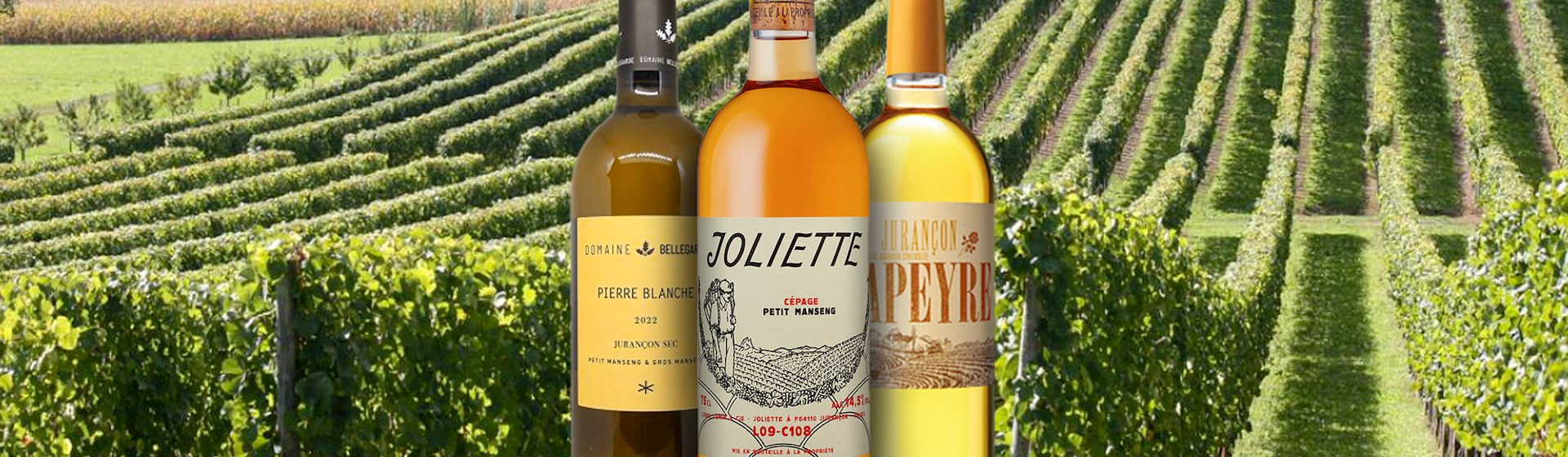
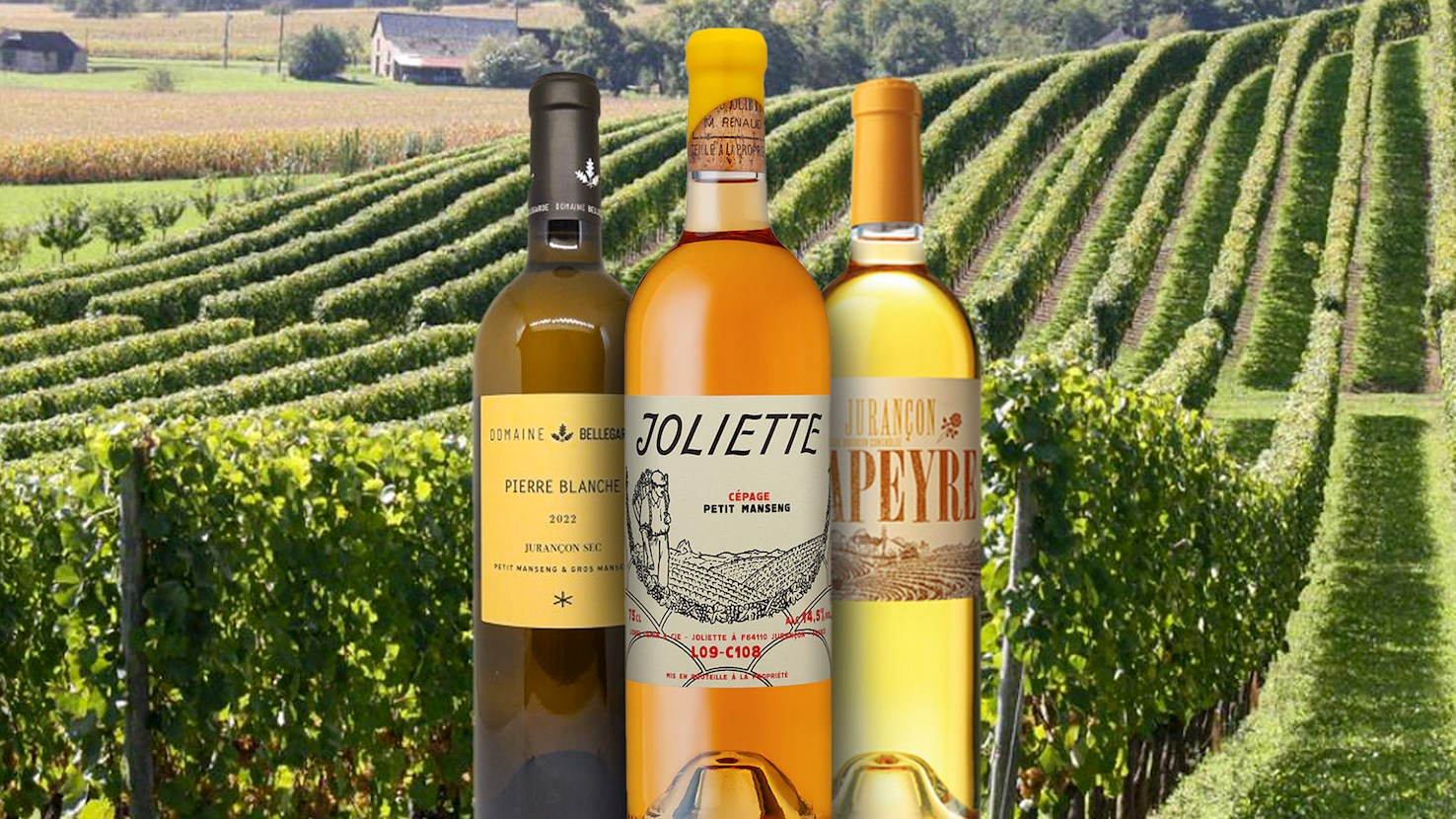
Petit Manseng is a white grape variety originating from the Pyrénées-Atlantiques department in southwestern France. It is renowned for its ability to produce high-quality wines, particularly sweet and late-harvest wines, though it is also used to make dry wines. The grape is characterized by its small, thick-skinned berries, which are resistant to rot and can achieve high levels of sugar while maintaining good acidity. Petit Manseng wines are known for their aromatic intensity and complexity. They often exhibit flavors of tropical fruits such as pineapple and mango, along with citrus notes like lemon and grapefruit. Additionally, they may have hints of honey, spices, and floral aromas, contributing to a rich and layered palate. The high acidity of Petit Manseng wines provides a refreshing balance to their sweetness, making them well-structured and age-worthy. In its native region, Petit Manseng is traditionally used to produce sweet wines by allowing the grapes to undergo a process known as passerillage, where they partially dry on the vine, concentrating their sugars and flavors. These wines, known as Jurançon Moelleux, are lush and aromatic, often enjoyed as dessert wines or paired with foie gras, blue cheeses, and fruit-based desserts. The dry wines, Jurançon Sec, are equally respected, offering a vibrant, crisp profile with pronounced fruit and mineral notes.

03

Lauzet

n/a ·

Lauzet is a near-extinct white grape from the Pyrenean foothills in Southwest France, authorized in the Jurançon and Béarn appellations. Once widespread, it dwindled throughout the 20th century and survives only in tiny plantings today. Typically used in blends with Gros and Petit Manseng, Courbu, and Camaralet, it contributes freshness, subtle aromatics, and textural complexity to both dry Jurançon Sec and sweet late-harvest wines. Its flavor profile leans toward citrus such as lemon and grapefruit, white fruits like pear and peach, light floral notes of acacia, and often a saline, mineral edge. In sweeter styles, it can show candied stone fruit, honey, and white flowers. Viticulturally, it is late-ripening, with small clusters and berries, susceptible to botrytis, and known for good natural acidity. By 2016, Lauzet covered barely three hectares, making it one of France’s most endangered varieties. Historically, it has also been known as Laouset, Lauzet Blanc, and Lercat Blanc, though today it is officially listed without recognized synonyms.

About this ranking

TasteAtlas food rankings are based on the ratings of the TasteAtlas audience, with a series of mechanisms that recognize real users and that ignore bot, nationalist or local patriotic ratings, and give additional value to the ratings of users that the system recognizes as knowledgeable. For the “Top 3 Local Fruits in Pyrénées-Atlantiques” list until June 01, 2026, 4 ratings were recorded, of which 4 were recognized by the system as legitimate. TasteAtlas Rankings should not be seen as the final global conclusion about food. Their purpose is to promote excellent local foods, instill pride in traditional dishes, and arouse curiosity about dishes you haven’t tried.

Similar lists