Traditionally cultivated in the fertile Non and Sole valleys nestled along the Noce River banks, Mela Val di Non refers to fresh apples of the Golden Delicious, Renetta Canada and Red Delicious varieties, grown within the province of Trento. Depending on the variety, the flesh of these juicy apples ranges from crunchy and sour to pasty and sweet. Being an extremely versatile fruit, Val di Non apples can be used in a wide number of recipes. Golden and Red Delicious varieties are most often found in various starters, salads, pork and game based dishes or even drinks, while Renetta is the main ingredient in numerous desserts such as apple cakes, pies, strudels and fritters.
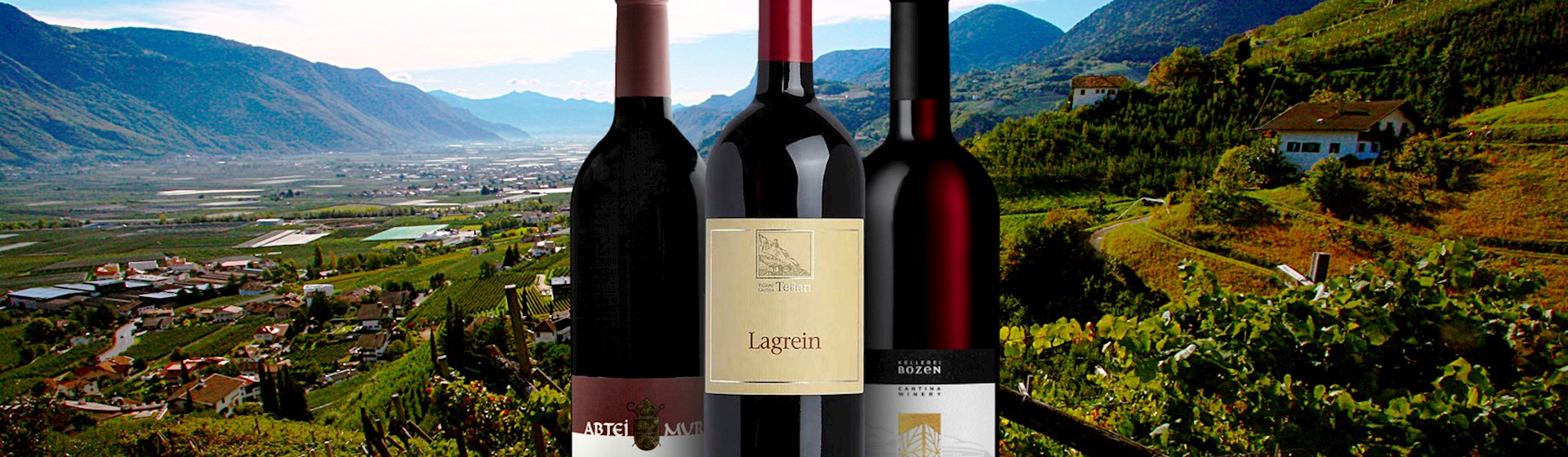
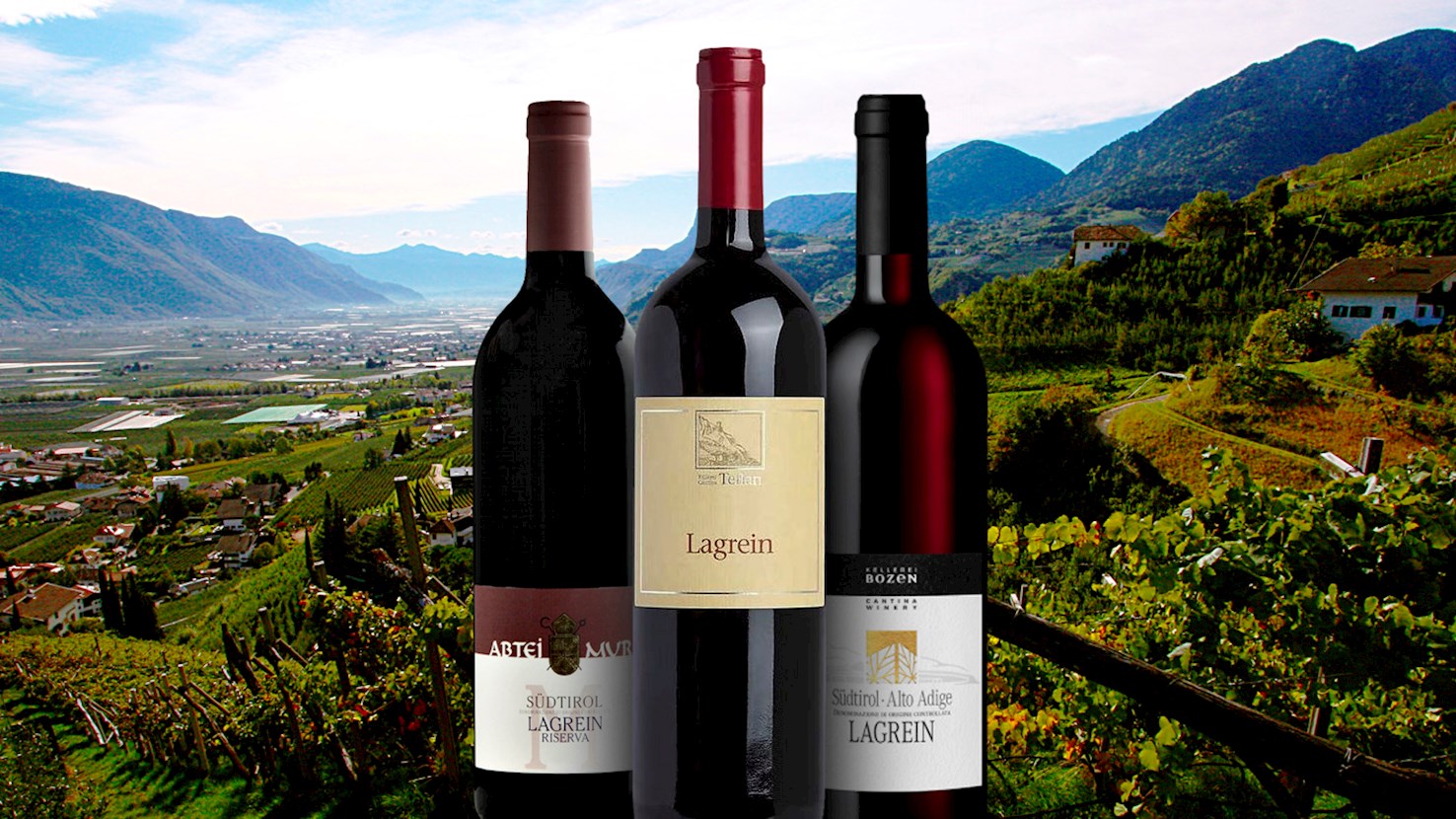
Lagrein is an ancient Italian red grape mainly cultivated in Trentino-Alto Adige in Northeast Italy. The grape has ancient origins, and though it was once common, it was later mainly replaced by Schiava (Vernatsch), which proved to be more resistant and productive. Only recently, local winemakers have been promoting it as an excellent native grape that, if treated properly, has incredible potential to produce rounded and well-balanced wines. The grape is used in varietals (included in several regional appellations) and blends. Most Lagrein is made into slightly rustic red wines. They are usually dark ruby red with an intense aroma reminiscent of ripe berries, violets, coffee, and sweet spices. Most will have a subtle bitter bite and sometimes hints of iodine-like quality. Best examples can be aged for several years. These wines have an excellent balance of acidity and tannins, making them ideal food partners. They would pair well with regional specialties, including charcuterie, cheese, red meat, and game. Lagrein is also sometimes used to produce good-quality rosés, labeled as Lagrein Kretzer (Lagrein Rosato). There were conflicting theories about the origin of Lagrein, but DNA testing has proven that Teroldego is one of its parents—suggesting that the grape probably originated in northern Italy. Interestingly, Lagrein is related to Pinot Noir and Syrah. The grape is also found in Australia and California.
Also known by their German name Südtiroler Apfeln, Mela Alto Adige are apples grown traditionally in the province of Bolzano and are available in the following varieties: Braeburn, Elstar, Fuji, Gala, GoldenDelicious, Granny Smith, Idared, Jonagold, Morgenduft, Red Delicious, Stayman Winesap, Pinova and Topaz. Settled in a valley nestled at the foot of the Dolomites, Bolzano features a semi-continental climate with hot summers which provides ideal conditions for the slow ripening of Alto Adige apples. They are easily distinguished by a particularly fragrant aroma, firm and juicy flesh and a long shelf-life. Being extremely versatile, the apples of Alto Adige can be enjoyed either fresh or used for preparing various regional desserts some of which are Apfelstrudel, Apfelschmarren - apple fritters or Scheiterhaufen - a type of bread and apple casserole.
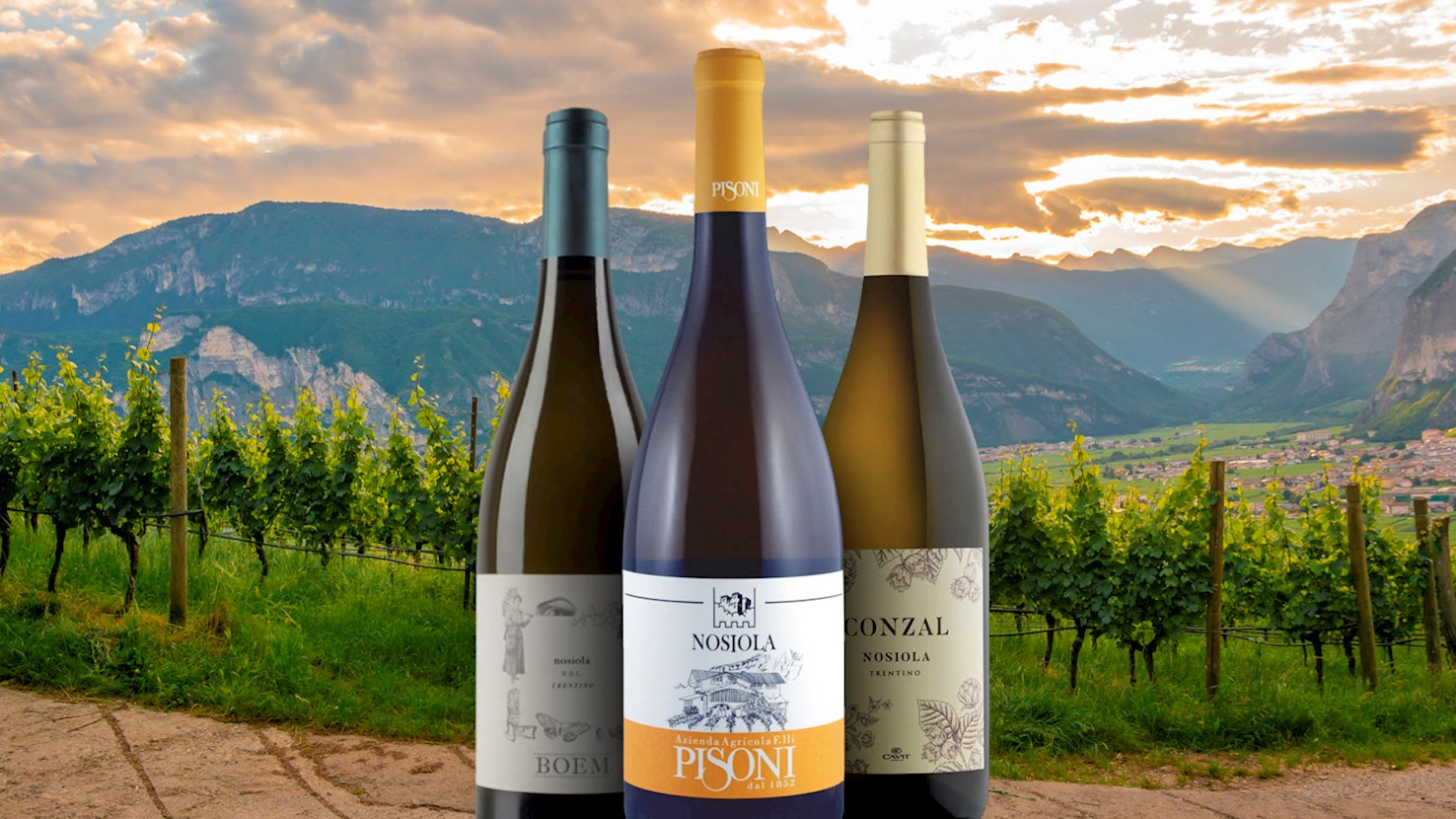
Nosiola is the only remaining native Trentino grape. The variety makes both dry and sweet white wines, and it is the main grape used in the rare Trentino Vino Santo, a wine made from dried grapes (passito) affected by noble rot. Dry white wines made from Nosiola are light-bodied and approachable. They usually have a refreshing and mineral character with lemon and apple aromas. Nosiola will usually display a distinctive nutty note, and it is believed that this feature gave the grape its name—Italian nocciola translates as hazelnut. Nosiola is now cultivated only in Trentino, but it was once common in Alto Adige. Dry Nesiola wines make an excellent aperitif and pair with freshwater fish, seafood, vegetables, or fresh cheese. Vino Santo labels are best paired with desserts.
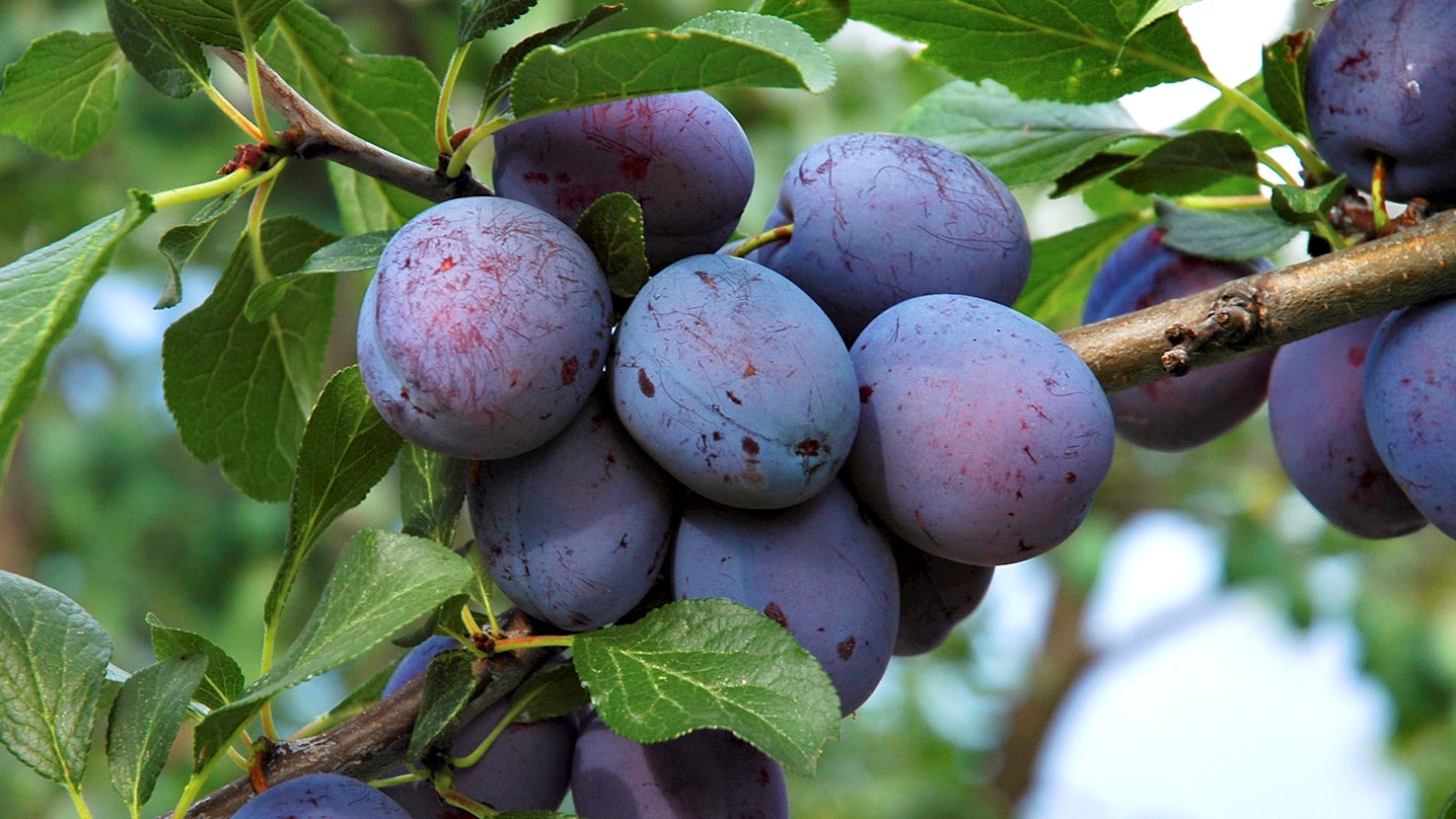
Susina di Dro is a fresh plum produced within numerous municipalities in the Autonomous Province of Trento, situated in the Sarca Valley in Trentino-Alto Adige. It is distinguished by its high content of polyphenols and low sugar content: these two characteristics are closely tied to the distinctiveness of the production area, especially the regular winds. The most important is the so-called Ora del Garda which guarantees clear skies and, therefore, continuous sunshine, as well as high temperatures. Two different growing methods are used during the production process: pieno vento and fusetto. Susina di Dro has a delicate sweet-acidulous flavor, and apart from being enjoyed in its natural form, it can be dried or used in the preparation of juices, jams, ice-cream, syrups, fermented drinks and liqueurs. It is also an excellent ingredient for desserts, such as clafoutis and plum crumble. Dro - the time of plum is an annual event which takes place in the area every August and it is the modern day version of an initiative which began in the 1970s.
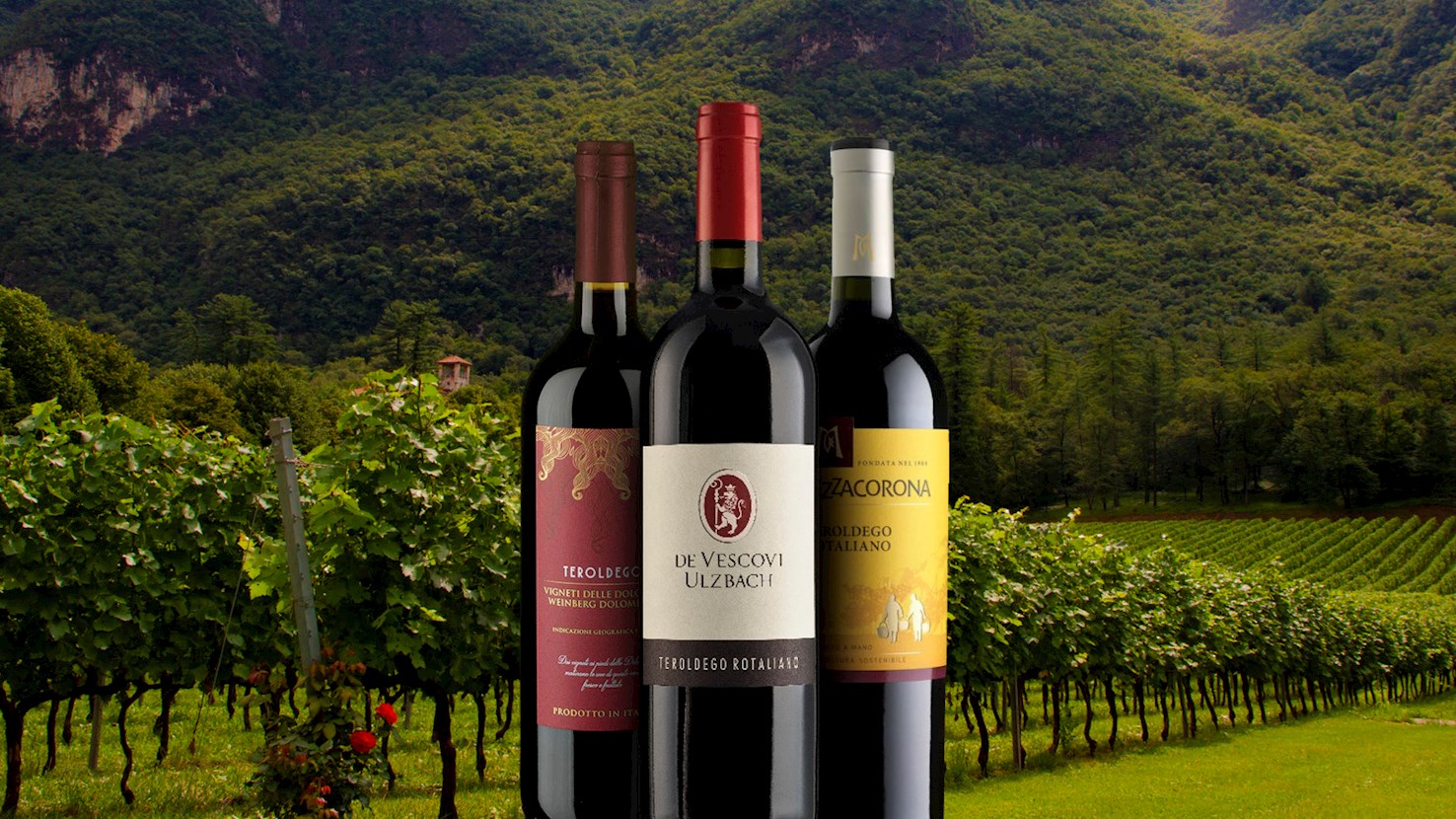
Teroldego is a red-skinned grape variety that originates from northern Italy, and it is almost exclusively cultivated in Trentino-Alto Adige. The grape is used in varietals and blends, while the most popular appellation is the Trentino-based Teroldego Rotaliano. The grape produces dark-colored, tannic wines. When young, they typically display fruity flavors reminiscent of dark and red berries. Aged Teroldego will also feature hints of spices and earthy nuances. These sapid, well-rounded wines usually pair well with red meat, meat sauces, game, and aged cheese.
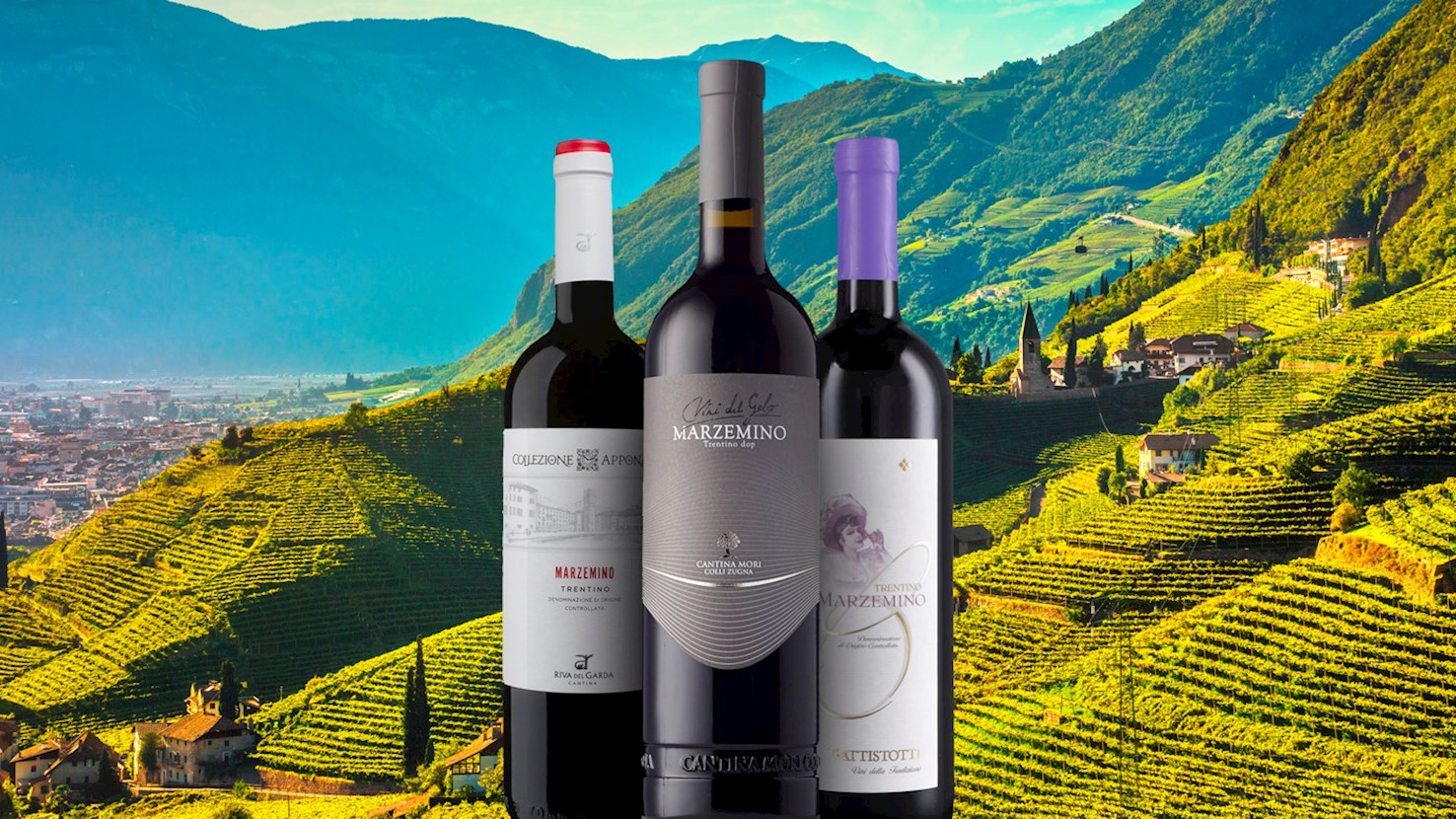
Marzemino is a native Italian red grape. It is an old variety with vague origins, but it is mainly cultivated and associated with northern Italy. Marzemino is used to produce varietal wines, but it is probably best known for its use in Colli di Conegliano, a dessert wine made from partially dried (passito) grapes. This late-ripening grape produces fragrant and fresh ruby red wines with a light and smooth body. The aroma is often reminiscent of red fruits and violets. It is sometimes vinified in off-dry or lightly sparkling styles, but most production focuses on still red wines within the Trentino DOC. Apart from Trentino, Marzemino is cultivated in Lombardy, Veneto, Emilia-Romagna, and Friuli-Venezia Giulia. Marzemino is best paired with local cuisine. It can be served with red or white meat, but it also works with lighter dishes such as polenta or pizza.
TasteAtlas food rankings are based on the ratings of the TasteAtlas audience, with a series of mechanisms that recognize real users and that ignore bot,
nationalist or local patriotic ratings, and give additional value to the ratings of users that the system recognizes as knowledgeable.
For the “Top 7 Trentino Fruits” list until June 15, 2026, 66 ratings were recorded, of which 51 were recognized by the system as legitimate.
TasteAtlas Rankings should not be seen as the final global conclusion about food. Their purpose is to promote excellent local foods,
instill pride in traditional dishes, and arouse curiosity about dishes you haven’t tried.