

shutterstock

Top 69 American Fruits

Last updated on June 15, 2026
01

Tangelo

4.1 ·

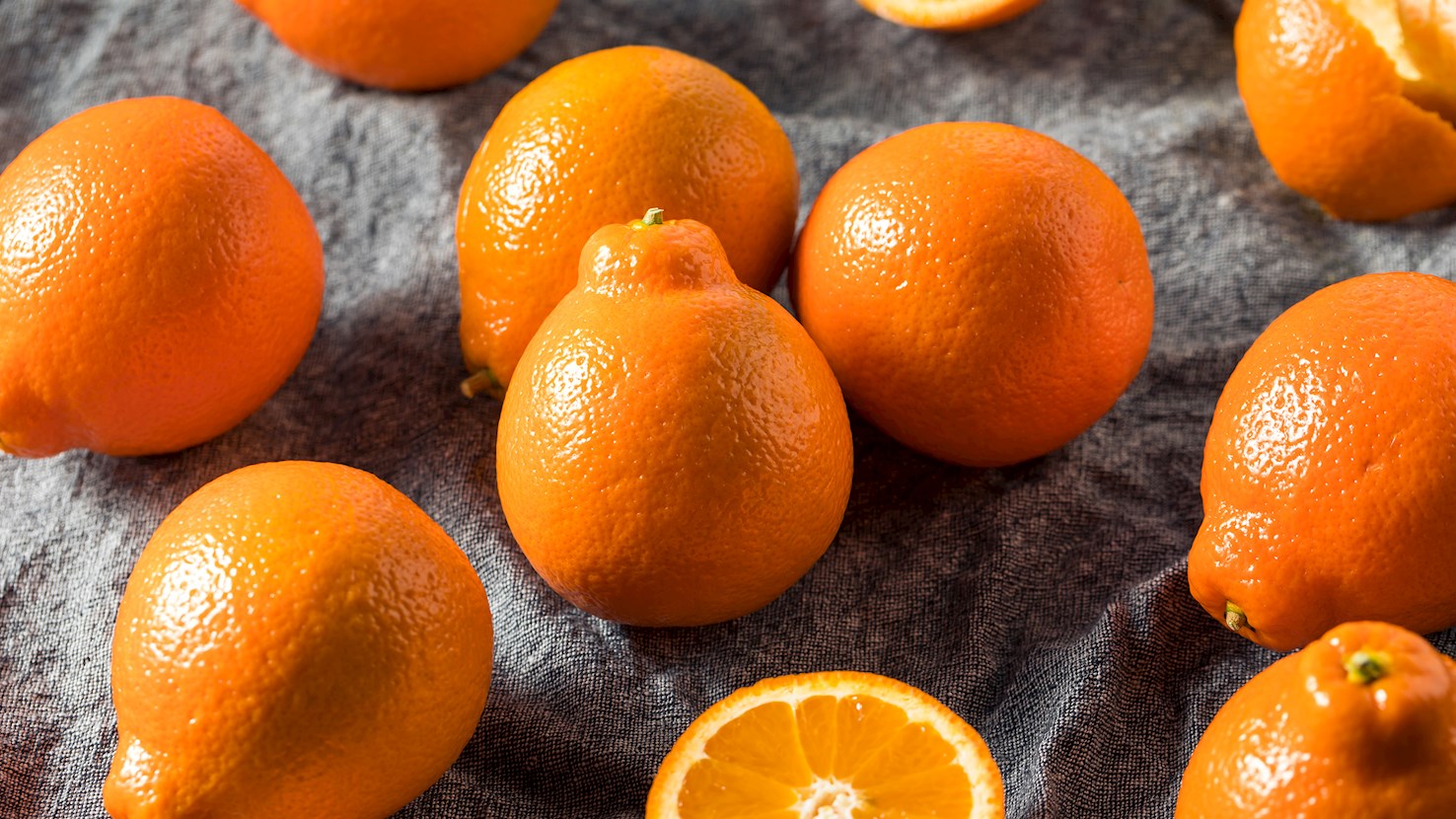
Tangelo is an evergreen tree with dense foliage that was first cultivated in Florida and southern California in 1897 as a cross between the Mandarin orange or a tangerine and either the pomelo or the grapefruit. Nowadays, it’s cultivated in tropical and subtropical climates. The fruit is deep orange in color, with juicy and aromatic pulp that’s subacid to sweet in flavor. When ripe, fresh tangelo is usually eaten out of hand or used in fruit salads. It can also be used to make marmalades, desserts, juices, and sauces. Pieces of the fruit are often used as a garnish for cakes and desserts. There are several notable commercial varieties of tangelo such as Orlando, sweet in flavor and with a distinct nipple; Seminole, oblate in shape with a sweet and juicy pulp; and Minneola, with a delicately subacid flavor.

02

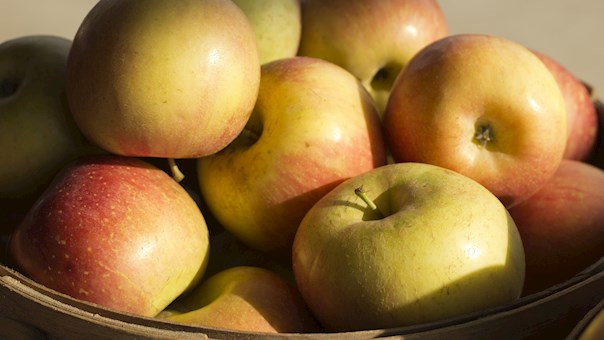
Honeycrisp apples

4.1 ·

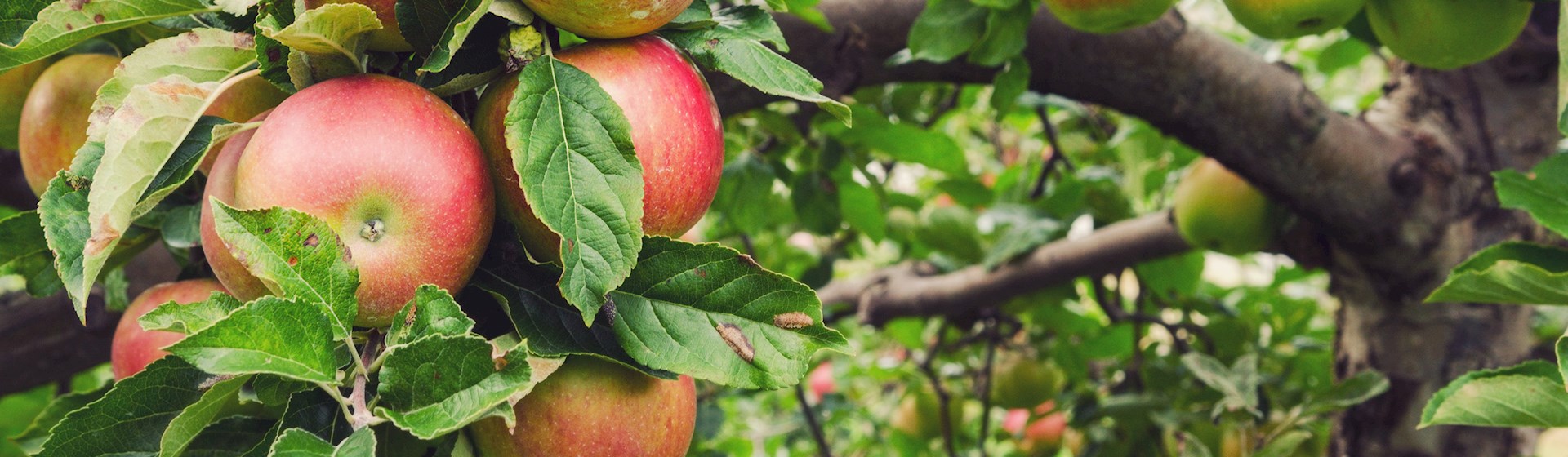
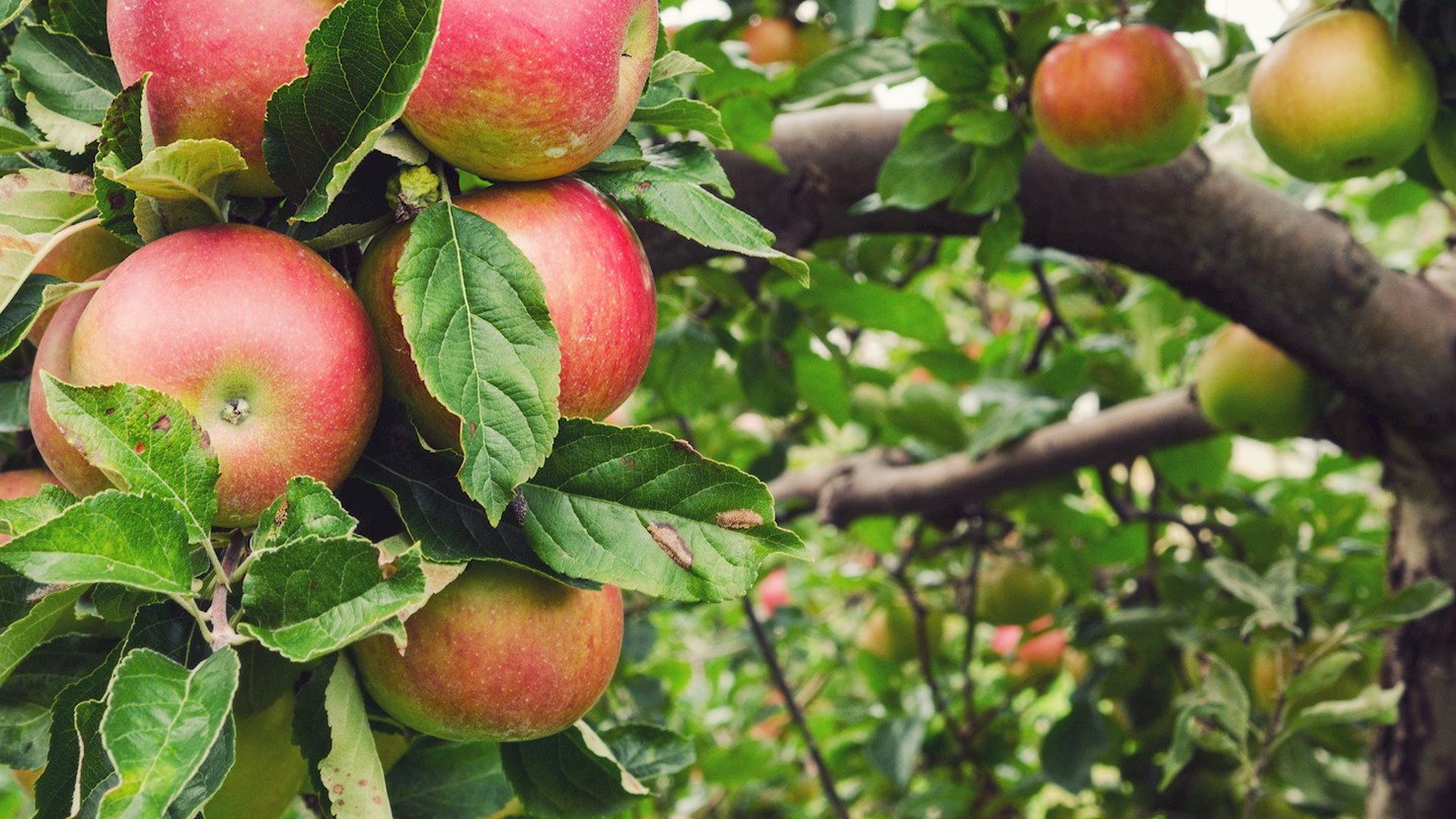
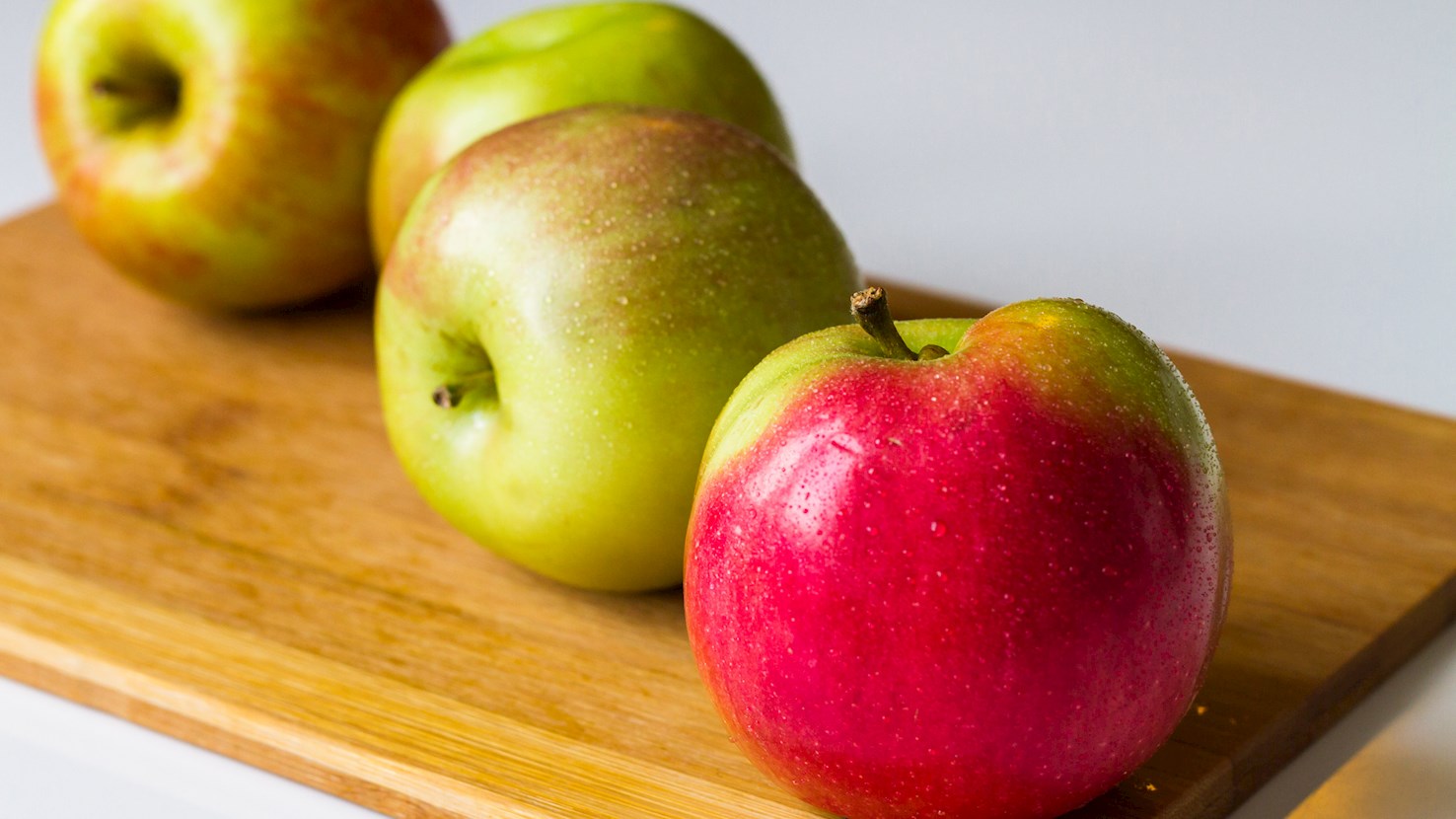
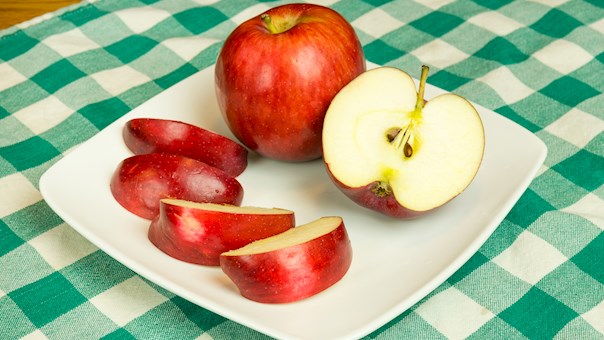
Honeycrisp are American native apples originating from the University of Minnesota. They're also the state's official fruit. The apples were bred solely for their flavor, not for easy storing, shipping, or growing. They have a balanced sweet-tart flavor, and a crisp and juicy texture. When you bite into one, the refreshing sweetness shatters in your mouth because these apples have large cells that fracture cleanly and release the juice when bitten, which is a unique trait of Honeycrisp. It's recommended to consume the apples raw as a snack, pair them with cheese, or use them in fresh salads, just don't bake them because Honeycrisp apples are not intended for the oven.

03

Black Mission Figs

4 ·

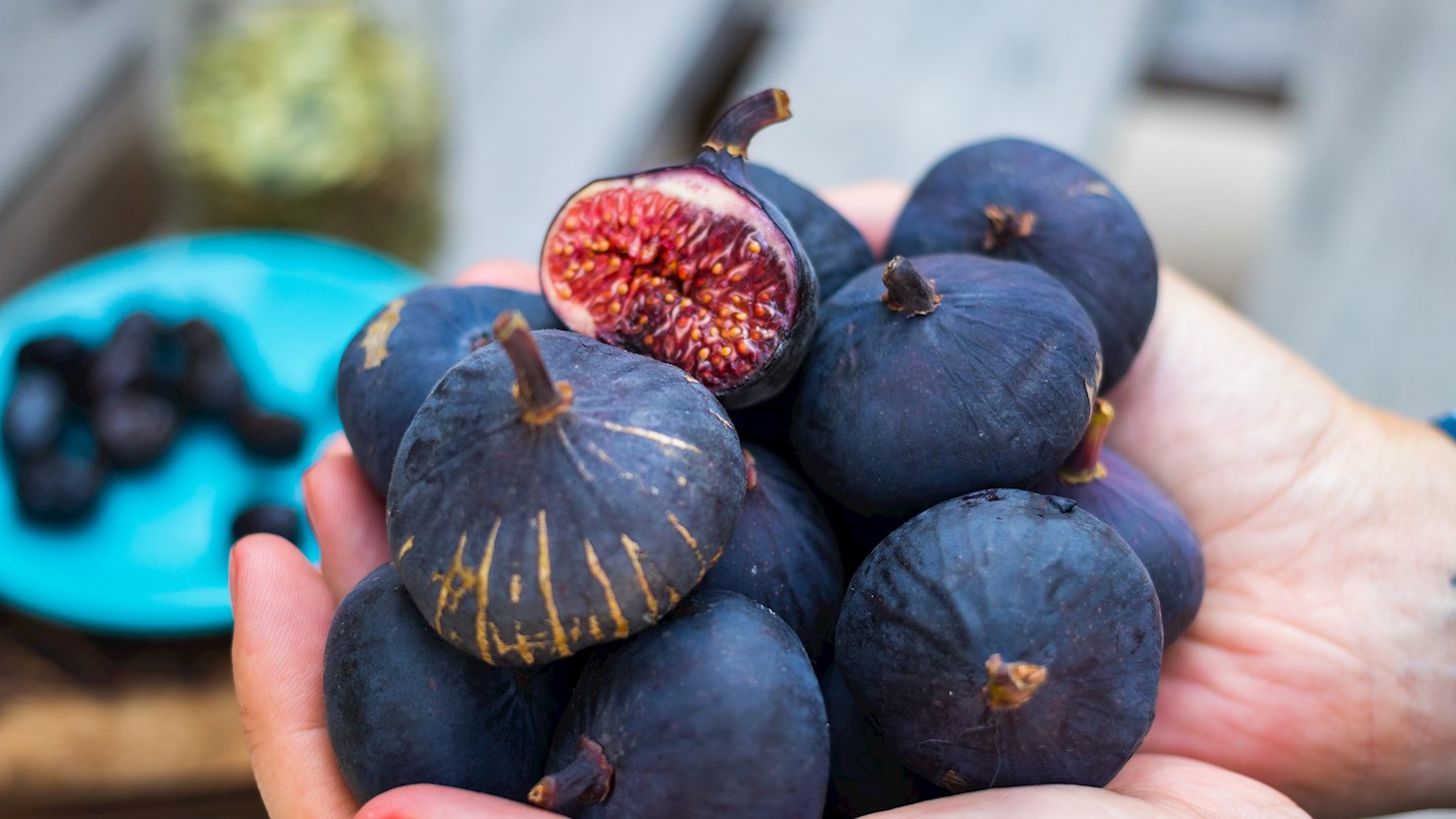
Mission figs are varieties of figs that were introduced to the United States in 1768, when Franciscan missionaries cultivated it in San Diego, hence their other name, Franciscana. They're dark-skinned, which is why they're also called black Mission figs. When fully ripe, the figs have a dark pink flesh and a pleasant honey flavor. They're also available in dried versions, when the figs are still relatively moist and sweet. The first crop is available in early summer, while the second one is available from late summer through October. Black Mission figs have high amount of fiber, and they're also a good source of potassium, magnesium, calcium, and antioxidants.

04

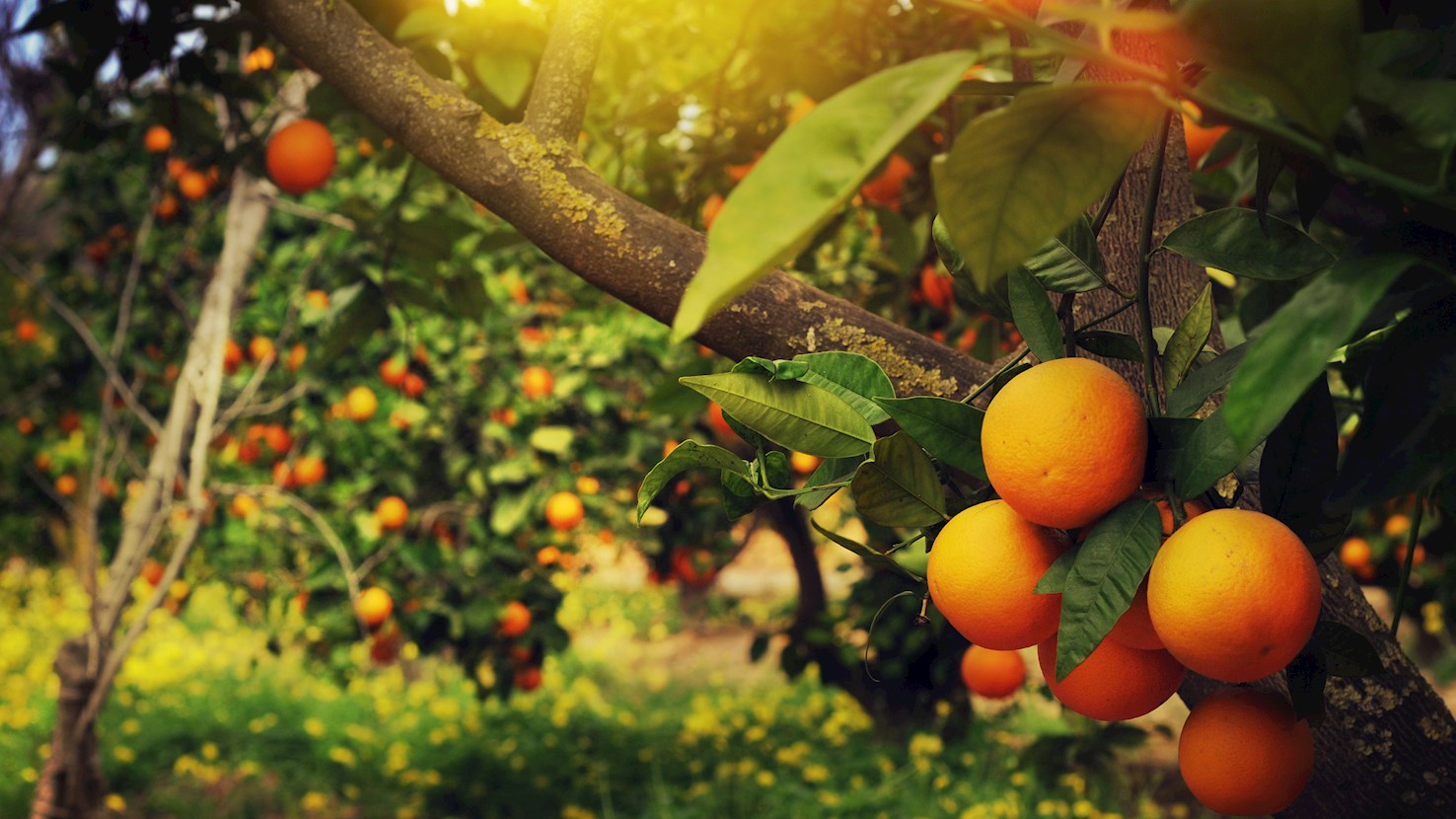
Florida Oranges

4 ·

Oranges are a key part of Florida's state identity, and they have been commercially grown in Florida groves since the middle of the 19th century. It is believed that Ponce de Leon, a Spanish explorer, planted the first orange tree in St. Augustine in the 16th century. Today, it is an industry that employs a lot of people, provides a habitat for wildlife, and creates a buffer from urban development. Florida oranges have five primary varieties: Hamlin, Pineapple, Navel, Ambersweet, and Valencia, and their season typically lasts from October through June.

05

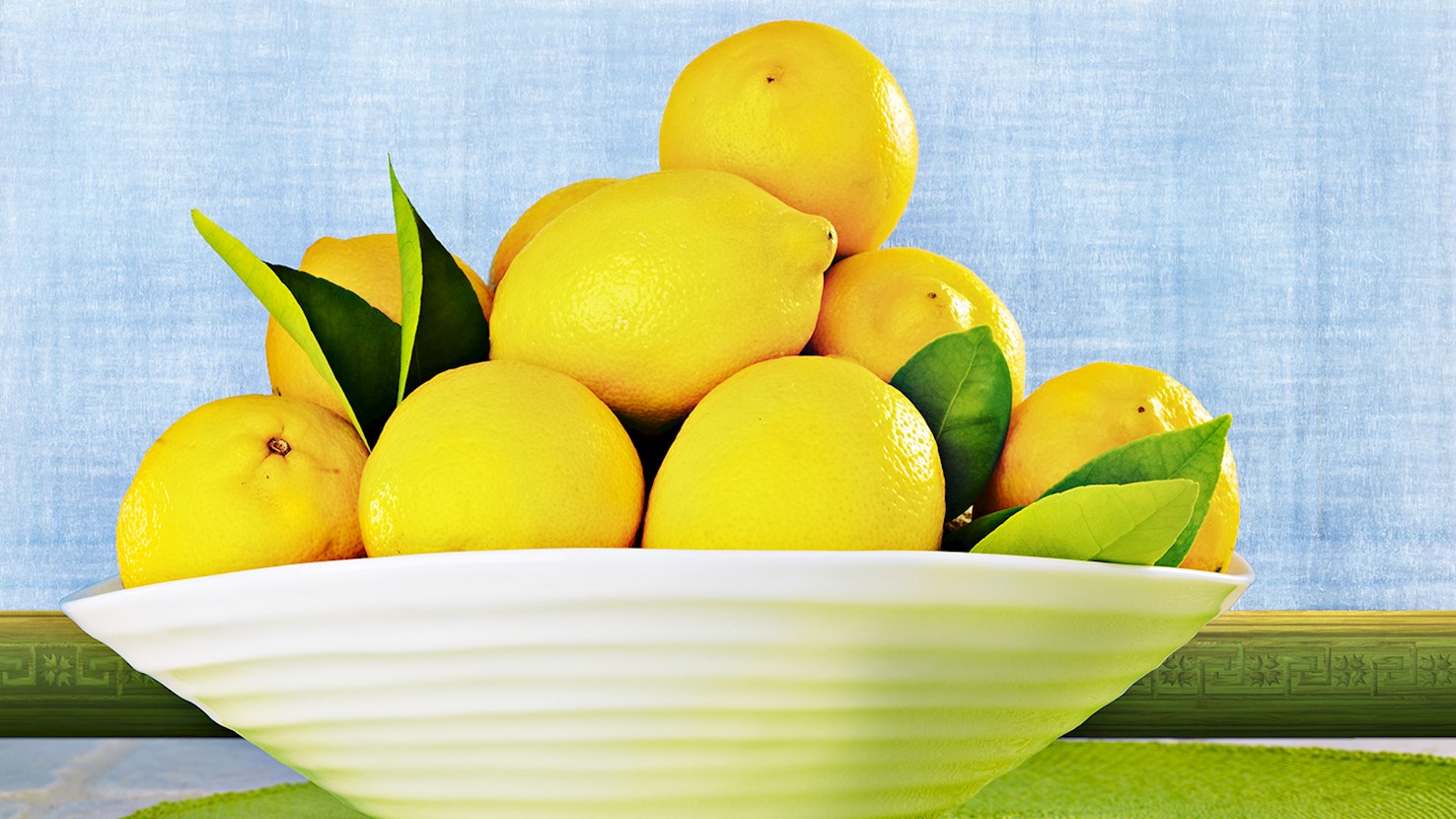
Eureka Lemon

3.9 ·

Eureka is a lemon variety that originates from Los Angeles, California, 1858, as a descendant of the Italian Lunario lemon. It was introduced to the public by Thomas Garey in 1877. The lemons are large and elongated, with a vibrant yellow skin and a rind that's loaded with essential oils and an intensely fragrant aroma. The flesh is juicy with few to no seeds, while the flavors are tangy, tart, and acidic. It's recommended to use them in sweet and savory dishes such as lemon meringue pie, marmalades, dressings, and marinades. They pair well with seafood, poultry, and tea.

06

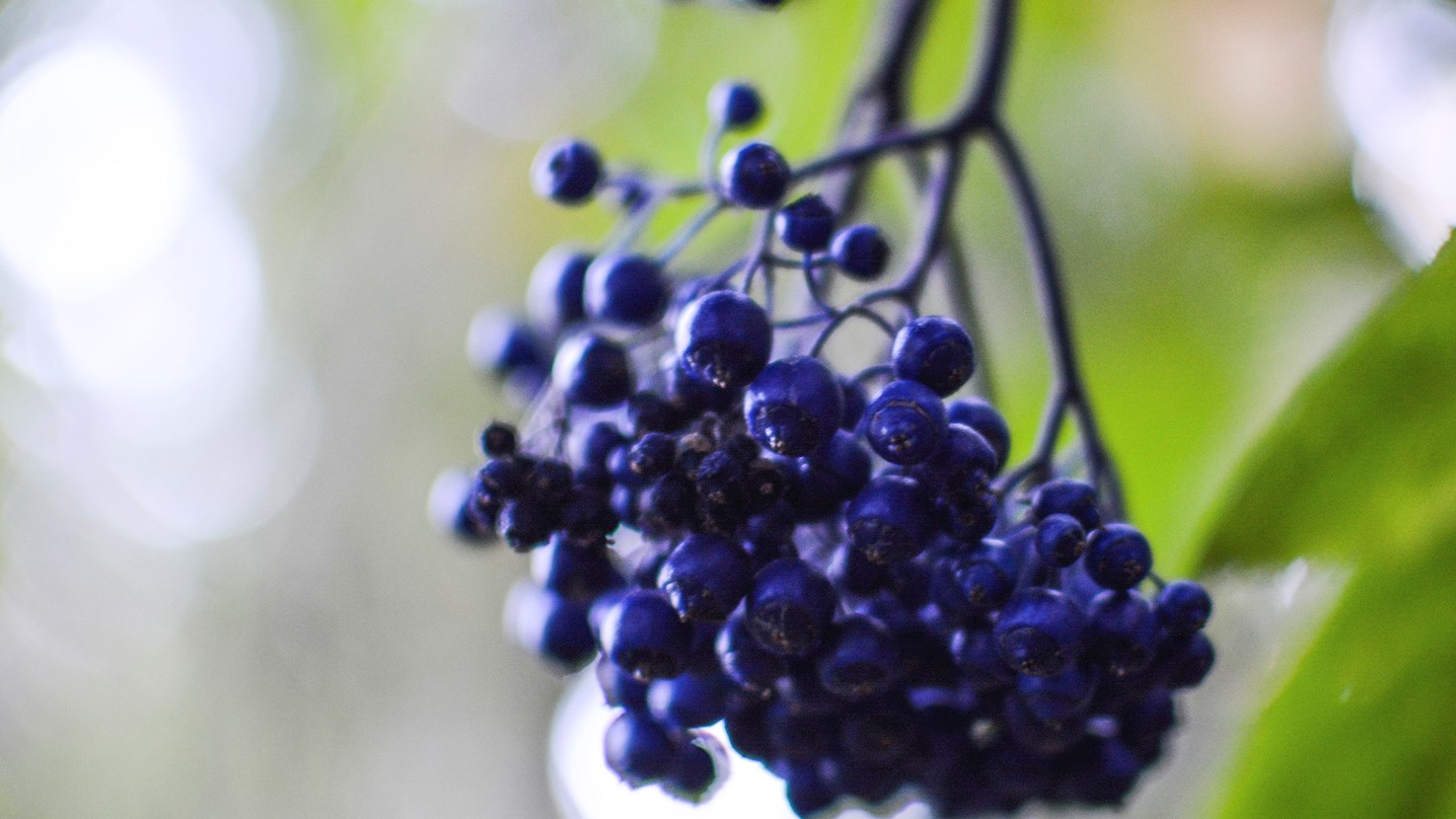
Huckleberries

3.8 ·

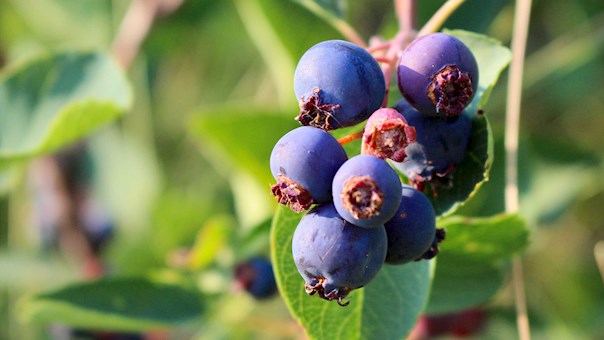
Huckleberries are indigenous North American berries that grow wild throughout the mountainous areas of the northwestern United States and Canada. The berries vary in size and color depending on the species and may come in bright red, blue, dark purple, black, or even yellow to white color. Often compared to their cultivated cousins, blueberries, the wild huckleberry species are part of the Vaccinium genus and Gaylussacia genus, and they are distinguished by a robust and sweet-tart flavor, thick skin, and a slightly crunchy texture coming from the seeds contained in the berries. These highly nutritious berries were also a staple food and part of the traditional medicine of the Native Americans, who consumed them fresh or dried in desserts and stews. Typically harvested from mid-July until September, these juicy berries provide a powerful punch of flavor to various desserts, jams, syrups, jellies, preserves, and salads, but they are also commonly used in savory specialties and make a perfect accompaniment to wild salmon. Huckleberries can be found fresh when they’re in season, although they are mostly frozen because of their relatively short shelf life.

07

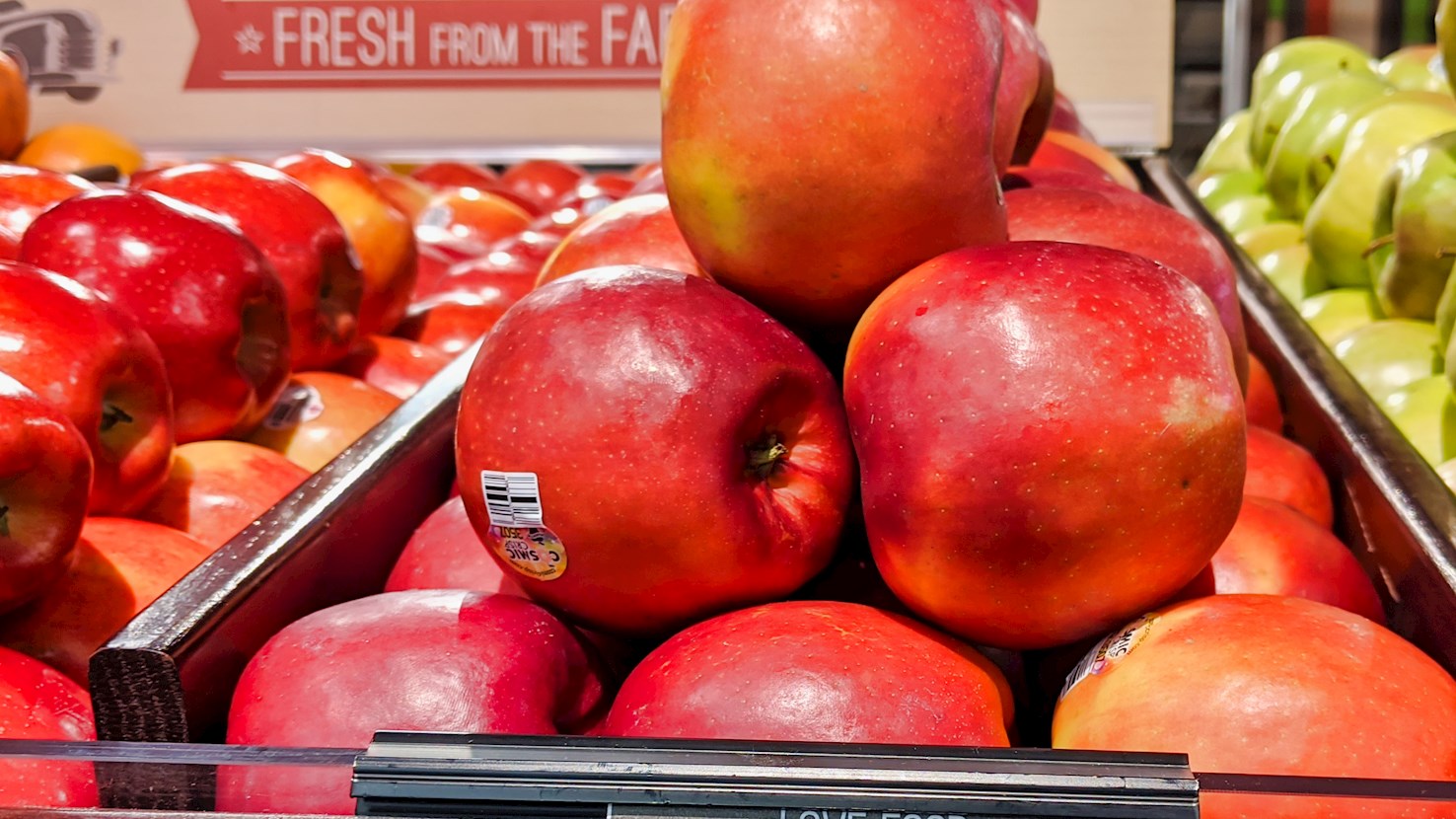
Cosmic Crisp apples

3.7 ·

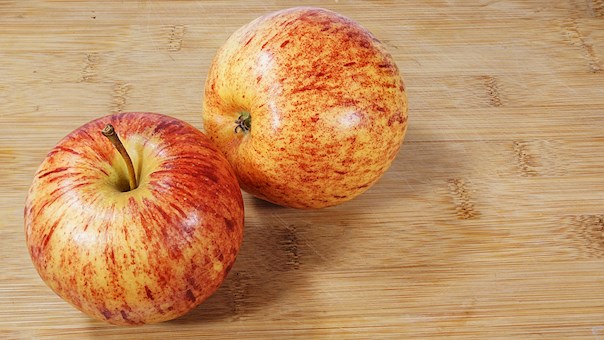
Cosmic Crisp (known to experts as WA 38) is an American apple variety that's a cross between Honeycrisp and Enterprise. Grown in Washington State orchards, the apples are large, red, crunchy, juicy, acidic, and sweet. They can be eaten as they are or baked. These apples ripen more uniformly than other apple varieties, and once picked, they even brown more slowly than the other apples. Another key factor is their lengthy shelf life – apparently, Cosmic Crisp apples can stay fresh in the fridge for up to a year! The name Cosmic refers to the apple's lenticels, while Crisp is a reference to Honeycrisp apples. Due to the fact that these apples were developed by Washington State University, only those producers that are from Washington State can grow Cosmic Crisp apples.

08

Idared apples

3.6 ·

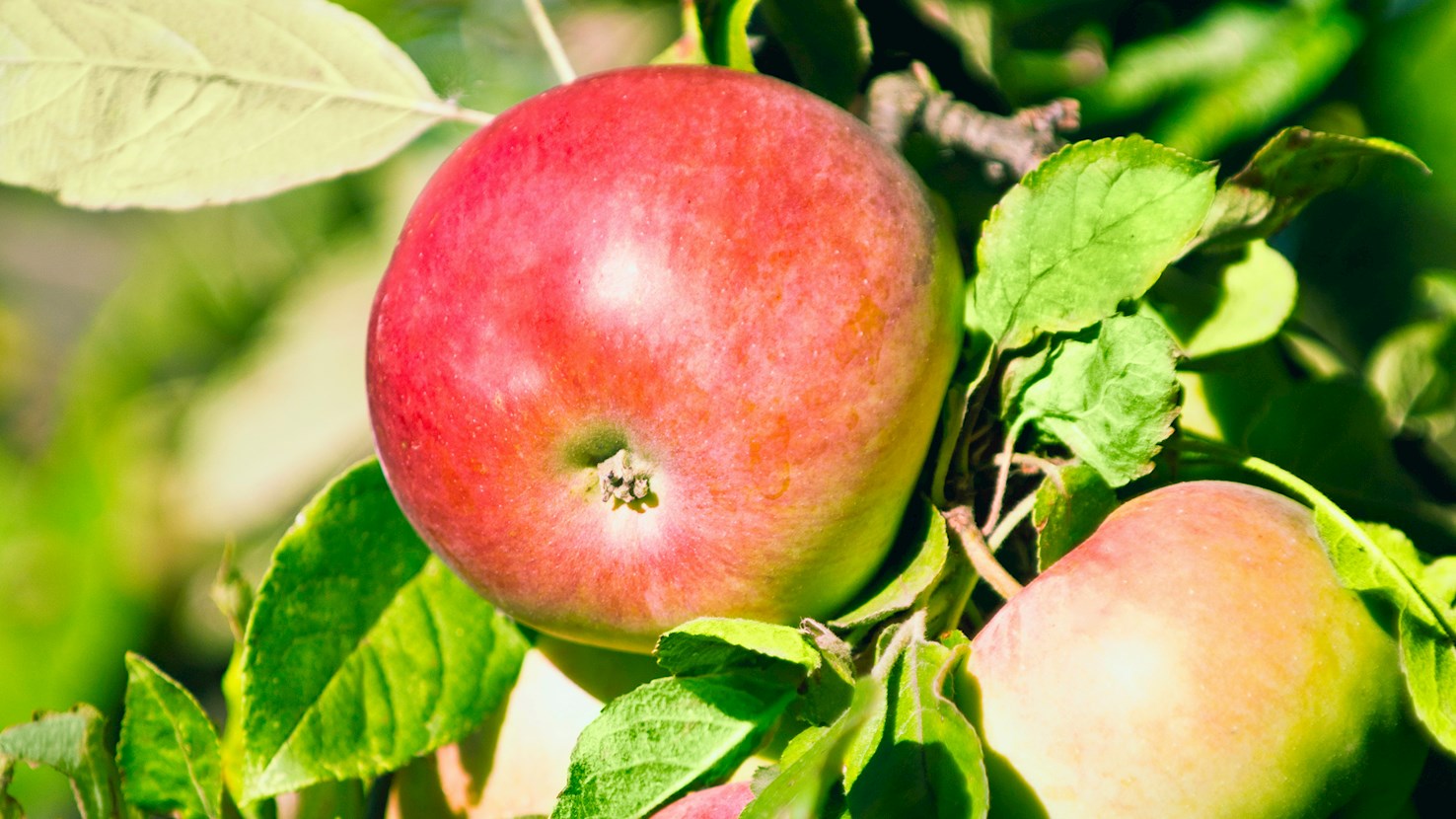
Idared is an apple variety that was first developed in Idaho. It's a cross between the Jonathan and Wagener breeds. The apples are medium-sized with a bright red and green-red color. The flesh is juicy, crisp, and firm, while the flavors are sweet, tart, aromatic, and refreshing. Available from fall through early summer, Idared apples are great for cooking and baking because they hold their shape very well. They can also be eaten raw, added to salads, or paired with strong blue cheese.

09

Golden Delicious apples

3.5 ·

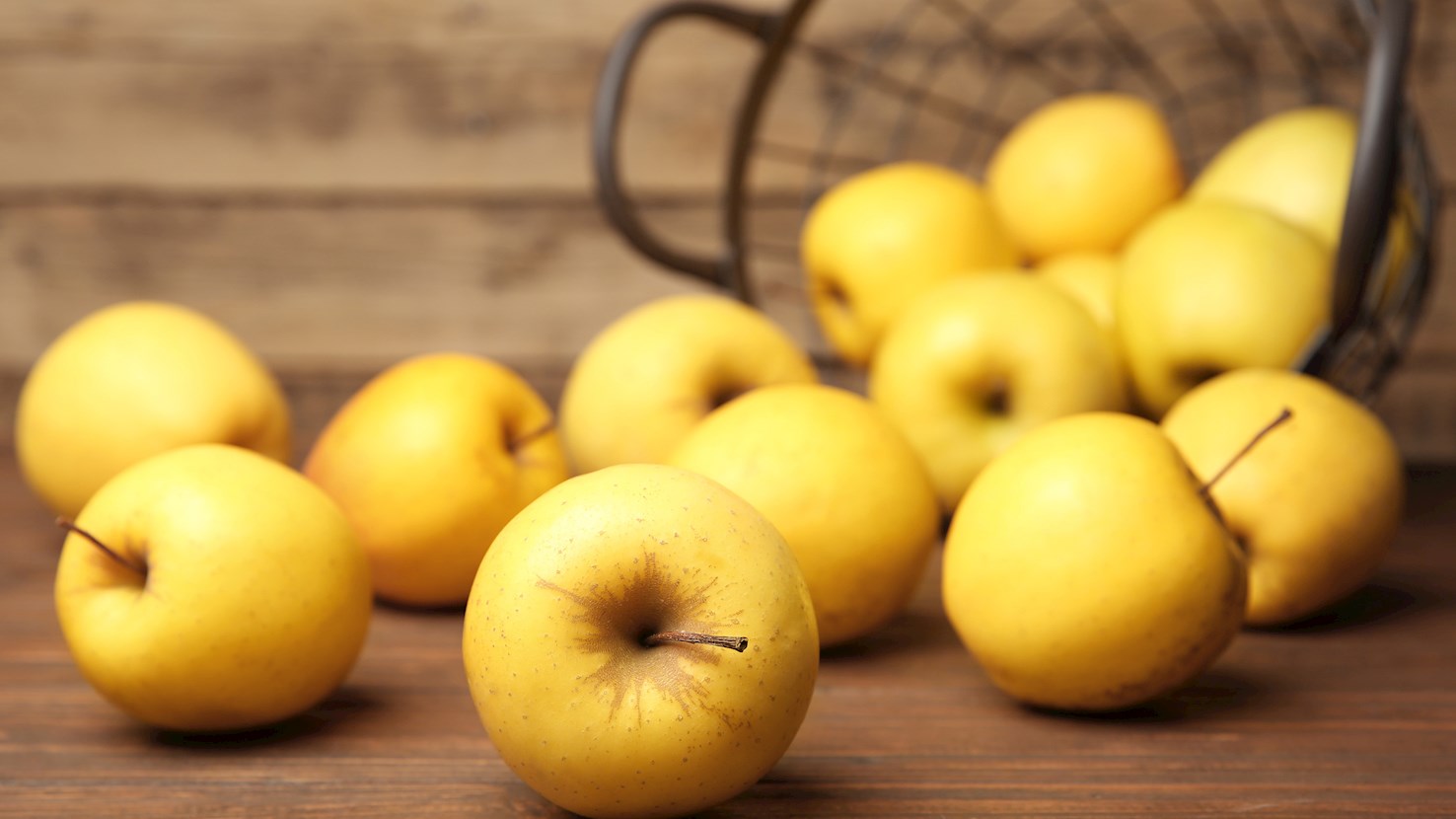
Golden Delicious is an apple variety that's believed to be a product of unintentional breeding between Grimes Golden and Golden Reinette. It has no connection to the Red Delicious. The original tree was discovered in West Virginia at the end of the 19th century, and it's been the official state fruit since 1995. The apples are large and yellow-green in color. The flavor is very sweet, slightly tart, and aromatic, while the flesh is white in color and the texture is crisp and firm. It's recommended to use Golden Delicious apples in salads or the preparation of apple sauce and apple butter. They can also be paired with savory foods such as cabbage and pork. These apples are harvested from autumn through winter.

10

Jonathan apples

3.4 ·

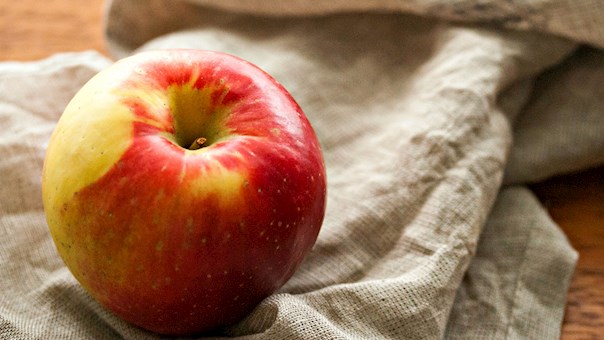
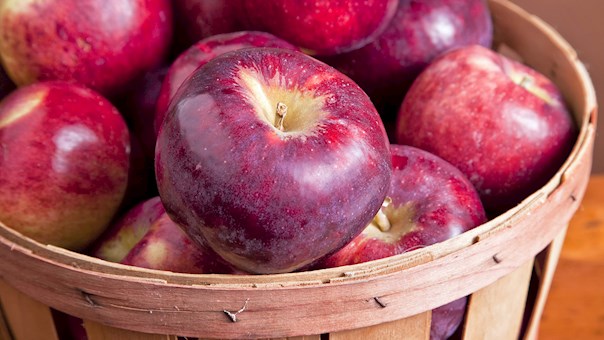
Jonathan is an apple variety that's believed to have originated in Woodstock, New York in 1826. This apple is a parent to many other varieties such as Jonagold, Jonafree, and Jonamac. The apples are medium-sized with a thin red skin and yellow or green blushes. The texture of the flesh is juicy and crisp, while the flavors are mildly sweet, tart, and tangy with hints of spice. Available in the fall, Jonathan apples are usually cooked or eaten fresh. It's recommended to add slices to tarts, purees, soups, or use it in pies and sauces. Due to their slightly spicy flavor, these apples are often made into juices or ciders.

Read more
View all
View map
About this ranking

TasteAtlas food rankings are based on the ratings of the TasteAtlas audience, with a series of mechanisms that recognize real users and that ignore bot, nationalist or local patriotic ratings, and give additional value to the ratings of users that the system recognizes as knowledgeable. For the “Top 69 American Fruits” list until June 15, 2026, 994 ratings were recorded, of which 912 were recognized by the system as legitimate. TasteAtlas Rankings should not be seen as the final global conclusion about food. Their purpose is to promote excellent local foods, instill pride in traditional dishes, and arouse curiosity about dishes you haven’t tried.

Similar lists