
shutterstock

Top 3 European Fungi

Last updated on June 03, 2026

Best European Fungi

01

Little Basil Tree

4.2 ·
Awards
Great Taste Awards - 2 Stars (2024)

Best European Fungus Types

01

Porcino

4.2 ·

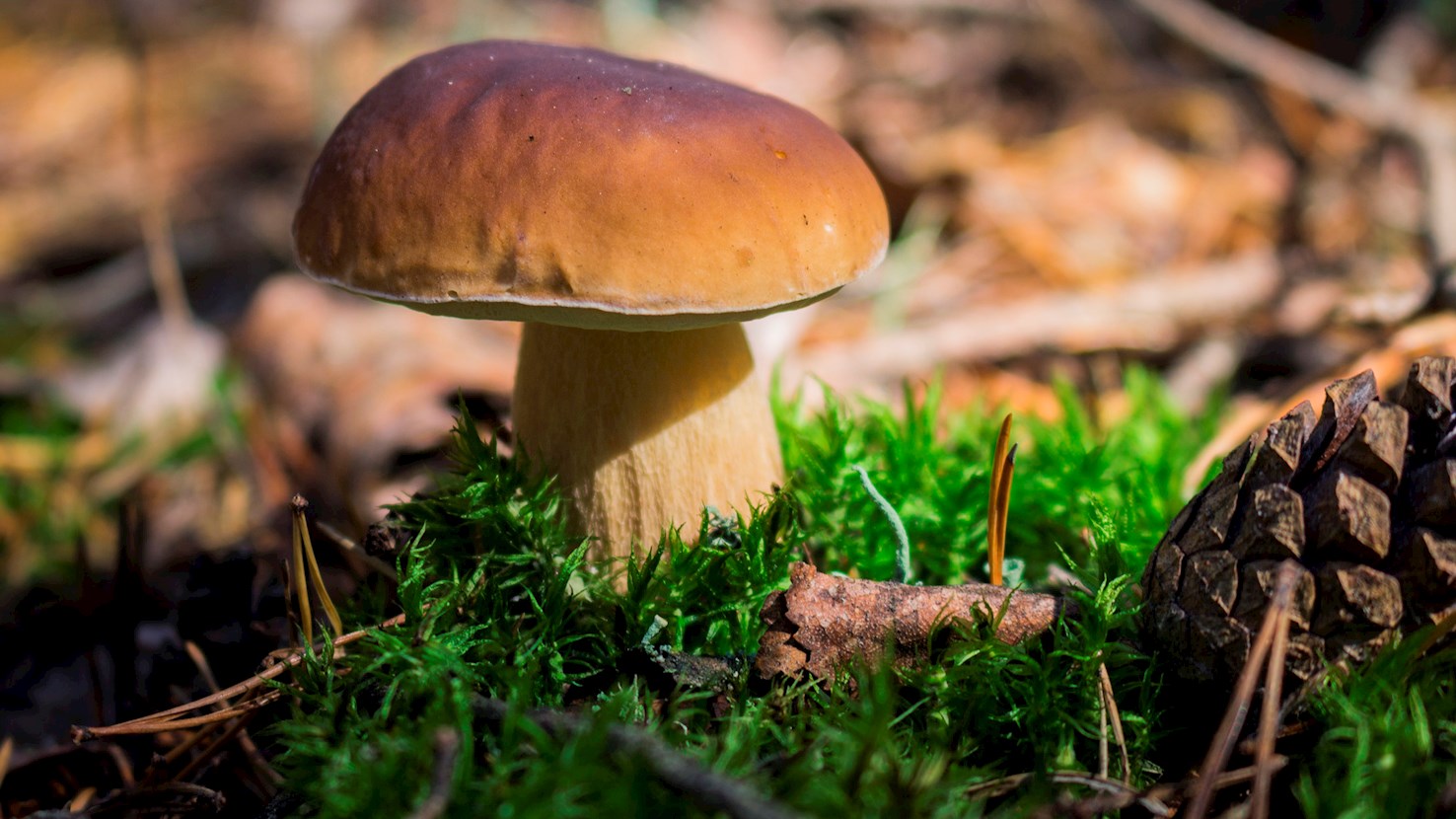
The region of Molise (in particular, the parts around Isernia and Campobasso) is famous for its high-quality mushrooms, and it is especially renowned for their porcini. The term actually refers to a few different species, but Boletus edulis is the one people usually refer to under that name. Porcino is a rather large mushroom, usually brown or reddish-brown with a slightly sticky texture and a strong flavor. They can be dried, preserved in oil, or frozen, and served in almost every type of dish, from appetizers or thick soups to hearty pasta or risotto dishes.

02

Champignons de Paris

4.2 ·

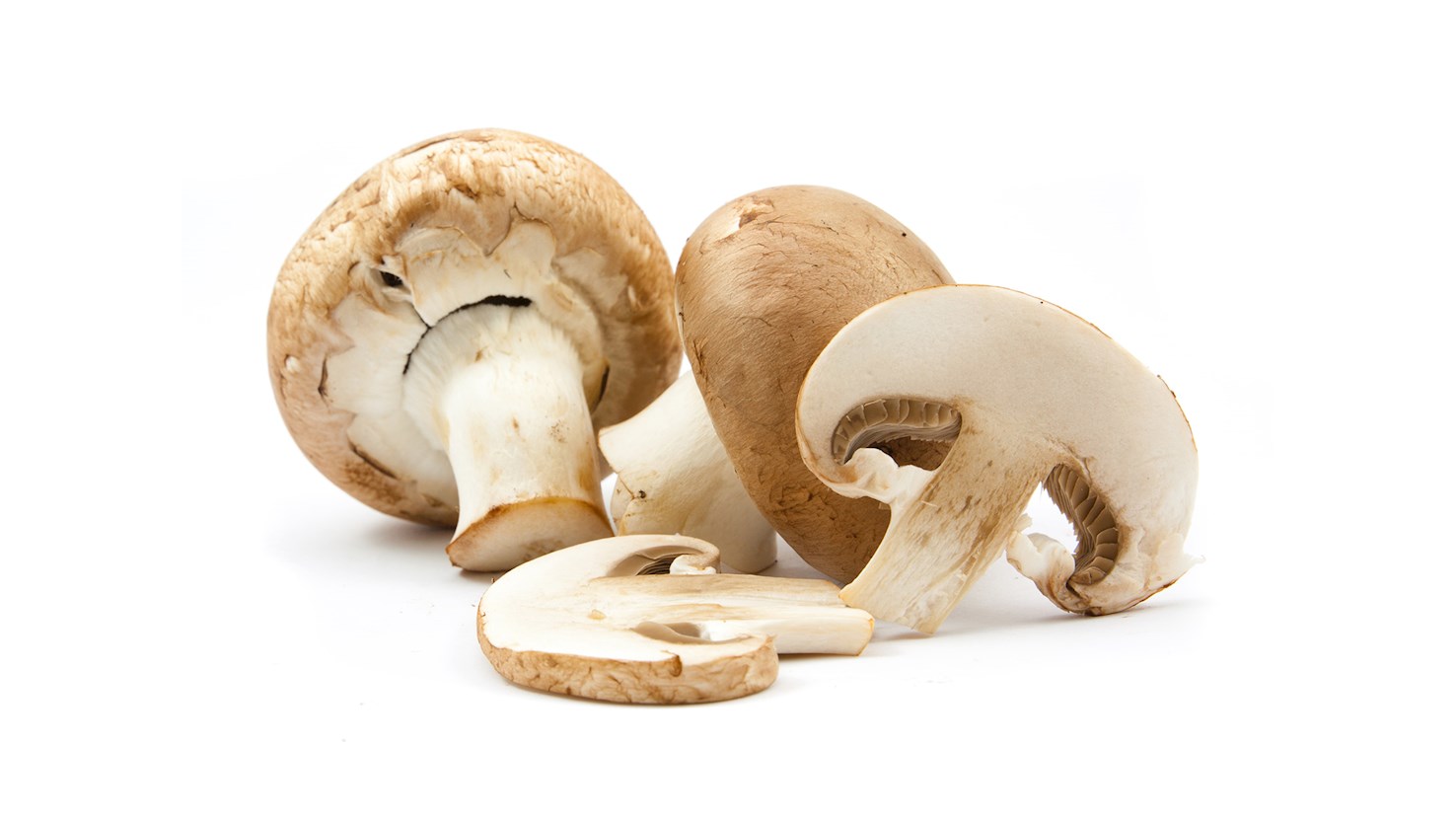
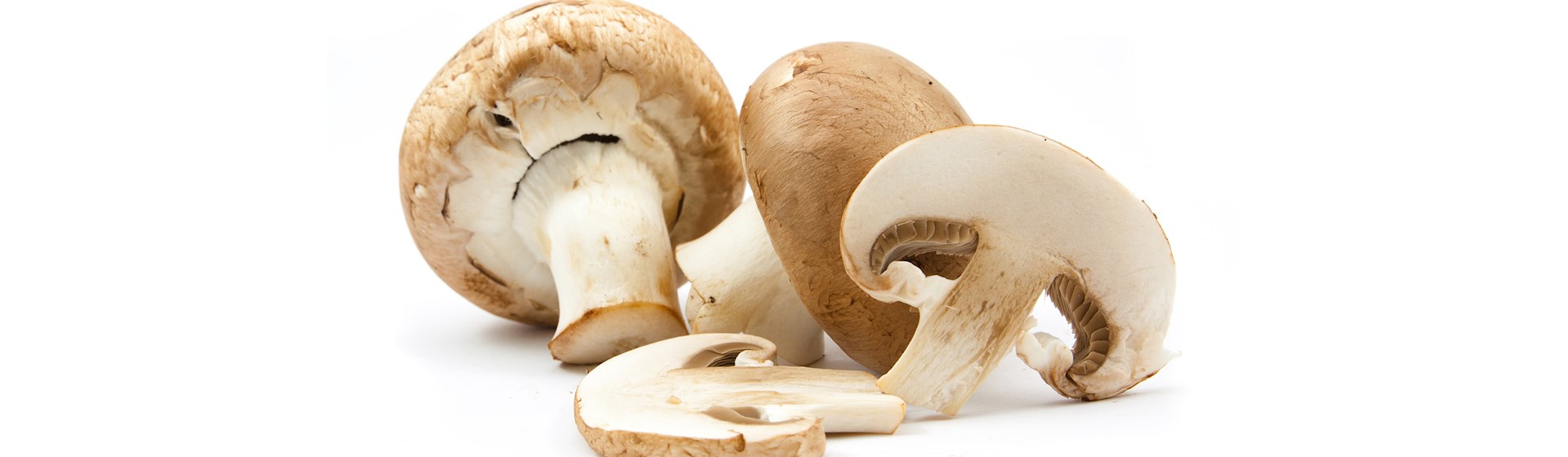
Champignons de Paris, also known as button mushrooms or white mushrooms, are one of the most commonly cultivated and consumed mushrooms worldwide. They are small, round, and have a white to light brown color. These mushrooms have a mild flavor and firm texture and are versatile and used in various culinary applications, from salads and soups to sautés and stews. They are named after Paris because they were first cultivated in the 17th century by the gardener of King Louis XIV in Versailles.

03

Fungo di Borgotaro

4 ·

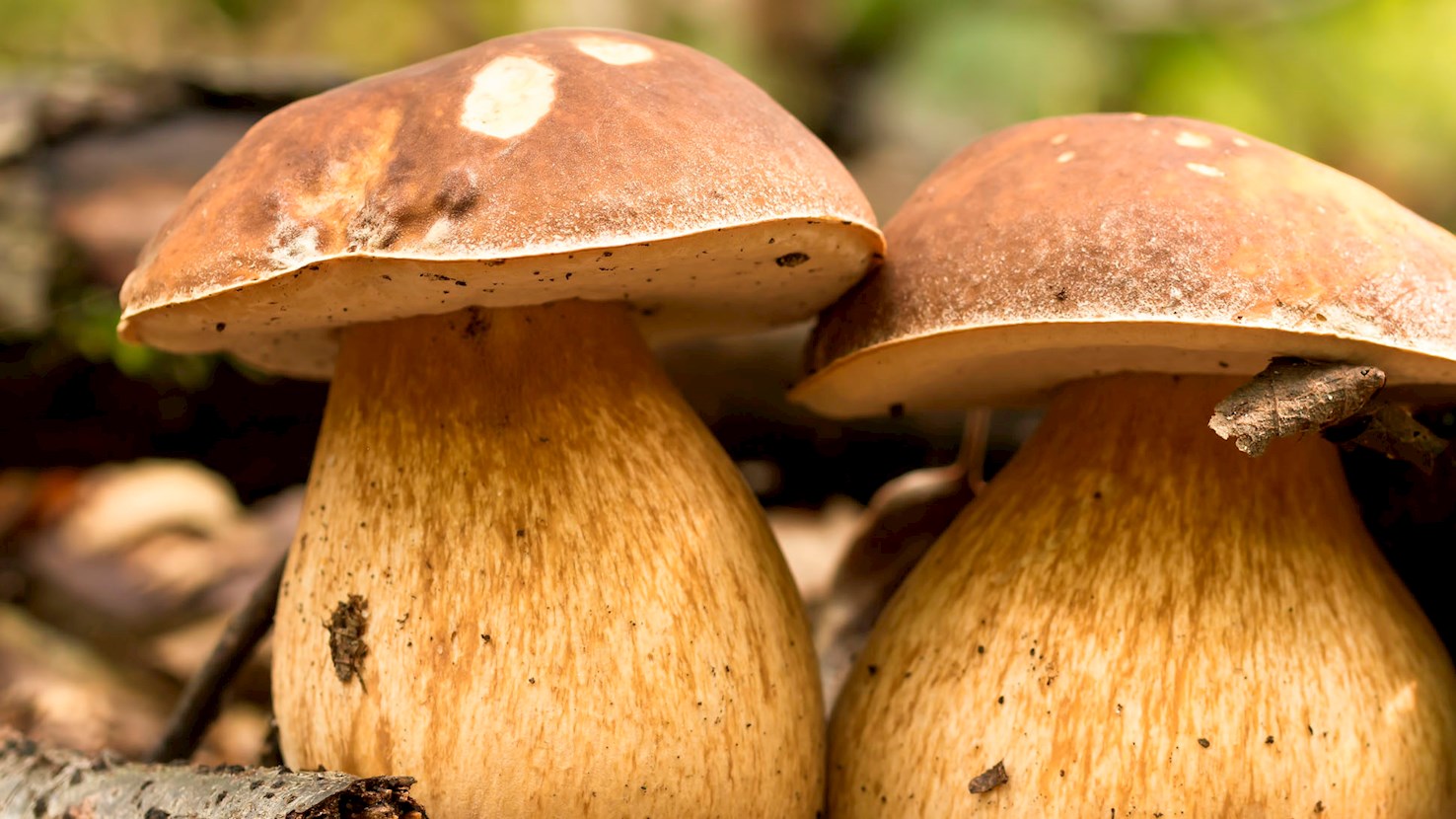
Also known as the Porcino di Borgotaro, this variety of mushroom grows in the coniferous Apennine forests of Emilia Romagna and Tuscany. They can be found in larger numbers around the provinces of Borgo Val di Taro, Parma, Pontermoli, Massa, and Carrara. Fungo di Borgotaro has been cultivated since the early 1700s and today there are four recognized types. Boletus Aestivalis, locally called Rosso (red) or Fungo del Caldo (hot weather mushroom), can be found in chestnut groves between May and September. Boletus Pinicola, called Moro (dark), is found either during summer in chestnut groves or during fall in beech and silver fir woods. Boletus Aureus, also called Magnan, grows in chestnut and oak woods from July to September. And lastly, Boletus Edulis, called Fungo del Freddo (cold weather mushroom) can be found growing in beech, silver fir, and chestnut woods, from September until the first winter snow. Being such a versatile food, Porcino di Borgotaro can be served as an appetizer, raw and thinly sliced, sautéed, grilled or prepared in various pasta, tortellini and gnocchi sauces.

Read more
View all
View map
About this ranking

TasteAtlas food rankings are based on the ratings of the TasteAtlas audience, with a series of mechanisms that recognize real users and that ignore bot, nationalist or local patriotic ratings, and give additional value to the ratings of users that the system recognizes as knowledgeable. For the “Top 3 European Fungi” list until June 03, 2026, 105 ratings were recorded, of which 83 were recognized by the system as legitimate. TasteAtlas Rankings should not be seen as the final global conclusion about food. Their purpose is to promote excellent local foods, instill pride in traditional dishes, and arouse curiosity about dishes you haven’t tried.

The initial list of top producers was compiled based on available reviews, awards, local recommendations, media and blog coverage, and consumer reviews. The list will be updated with ratings from TasteAtlas local ambassadors and TasteAtlas users.

Similar lists