




Željko Raukar

Top 8 Croatian Game Dishes

Last updated on May 16, 2026
01

Medvjeđi gulaš (Bear goulash)

n/a ·

Medvjeđi gulaš (bear goulash) is a traditional dish from the Balkans, particularly popular in countries like Croatia, Serbia, and Slovenia. Medvjeđi gulaš is made using bear meat, which is slow-cooked with onions, garlic, carrots, peppers, tomatoes, and a mix of spices like paprika, similar to other goulash dishes. The long cooking process tenderizes the bear meat, which can be quite gamey and tough. It is typically served with polenta, potatoes, gnocchi or bread. Since bear meat is not commonly available everywhere, this dish is considered a delicacy and is usually enjoyed in regions where bear hunting is legal and regulated.

02

Zec na hvarski

n/a ·

Zec na hvarski is a traditional dish originating from the island of Hvar. The dish is made with a combination of rabbit, bay leaves, rosemary, celery, parsley, garlic, onions, salt, pepper, vinegar, cloves, oil, red wine, and prošek. The rabbit is marinated in a mixture of herbs, spices, vegetables, and vinegar for two days. It is then dried and baked in the oven with the oil and the vegetables from the marinade. Once baked, the rabbit is cut into pieces and placed in a pan with sautéed onions. Red wine, prošek, salt, pepper, onions, cloves, bay leaves, and rosemary are added to the pan and the dish is simmered until the rabbit is tender. Once done, it’s served with boiled potatoes sprinkled with chopped parsley.

03

Kunelić na padelu

n/a ·

Kunelić na padelu is a traditional dish originating from Istria. Although there are variations, the dish is usually made with a combination of rabbit meat, bacon, onions, garlic, carrots, tomatoes, parsley, oil, white wine, flour, and aromatic herbs such as marjoram, bay leaves, and rosemary. The rabbit meat is cut into pieces, seasoned with salt, and browned in hot oil before it's taken out of the pot. The bacon is finely chopped and fried in the same oil along with onions, garlic, carrots, and parsley. Once the vegetables become tender, the flour, tomatoes, pepper, rosemary, and bay leaves are added to the pot (called padela in local dialect). The meat is placed back into the pot, the mixture is covered with stock or water and white wine, and the dish is simmered until the meat is fully cooked and tender. Kunelić na padelu is often served with potato gnocchi or roasted potatoes on the side.

04

Kutjevački srneći medaljoni (Kutjevo-style venison medallions)

n/a ·

Kutjevački srneći medaljoni is a traditional dish originating from Kutjevo. The dish is usually made with a combination of venison, flour, mustard, red wine, sour cream, stock, parsley, grapes, white wine, lemon, cinnamon, oil, salt, and pepper. The meat is cut into medallions, seasoned with salt and pepper, brushed with mustard, and rolled in flour. It is fried in oil on both sides and cooked in stock and red wine. The grapes are cooked in white wine with cinnamon and lemon slices. The medallions are arranged on slices of fried bread and topped with the grapes. The meat sauce is mixed with sour cream and parsley, and it is then served on the side in a separate bowl.

05

Zec na istarski

n/a ·

Zec na istarski is a traditional dish originating from Istria. The dish is made with a combination of rabbit, pancetta, onions, garlic, parsley, carrots, tomatoes, flour, oil, white wine, bay leaves, rosemary, and marjoram. The rabbit should be marinated overnight. It is then cut into cubes, fried in oil, seasoned with salt and pepper, and taken out of the pan once browned. The pancetta, onions, garlic, and parsley are sautéed in the same pan, dusted with flour, and mixed with chopped tomatoes, bay leaves, and rosemary. Once the mixture is bubbling, the meat is added back to the pan and simmered until everything is tender. Near the end of cooking, white wine is added to the dish and it's simmered for a few more minutes. It's recommended to serve this dish with gnocchi and a green salad on the side.

06

Pečeni puh (Roasted dormouse)

n/a ·

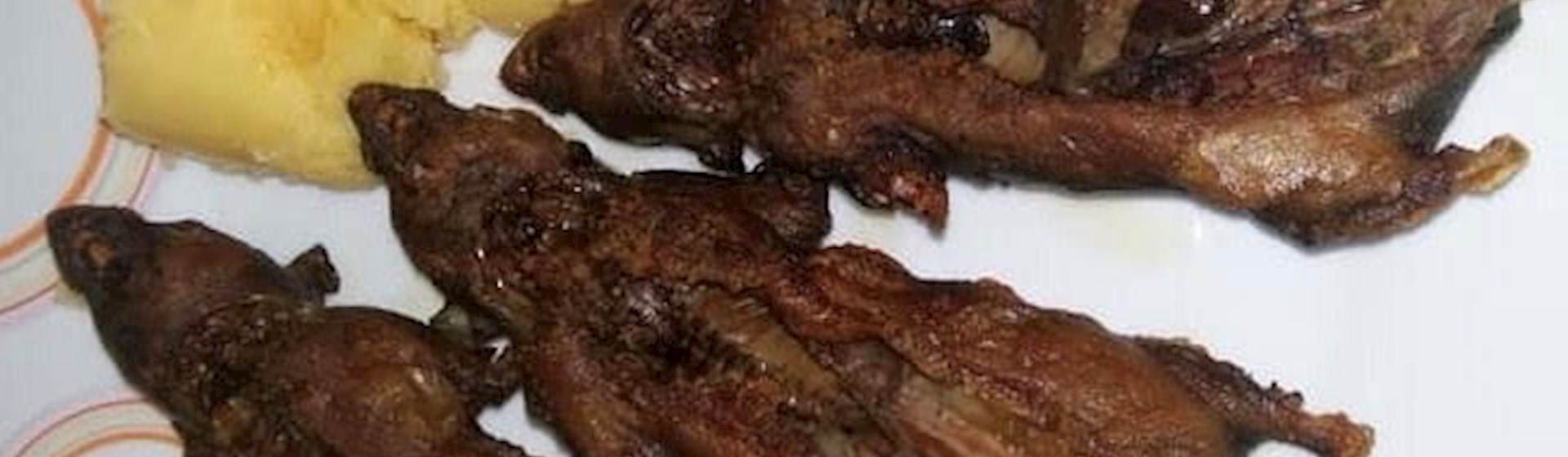
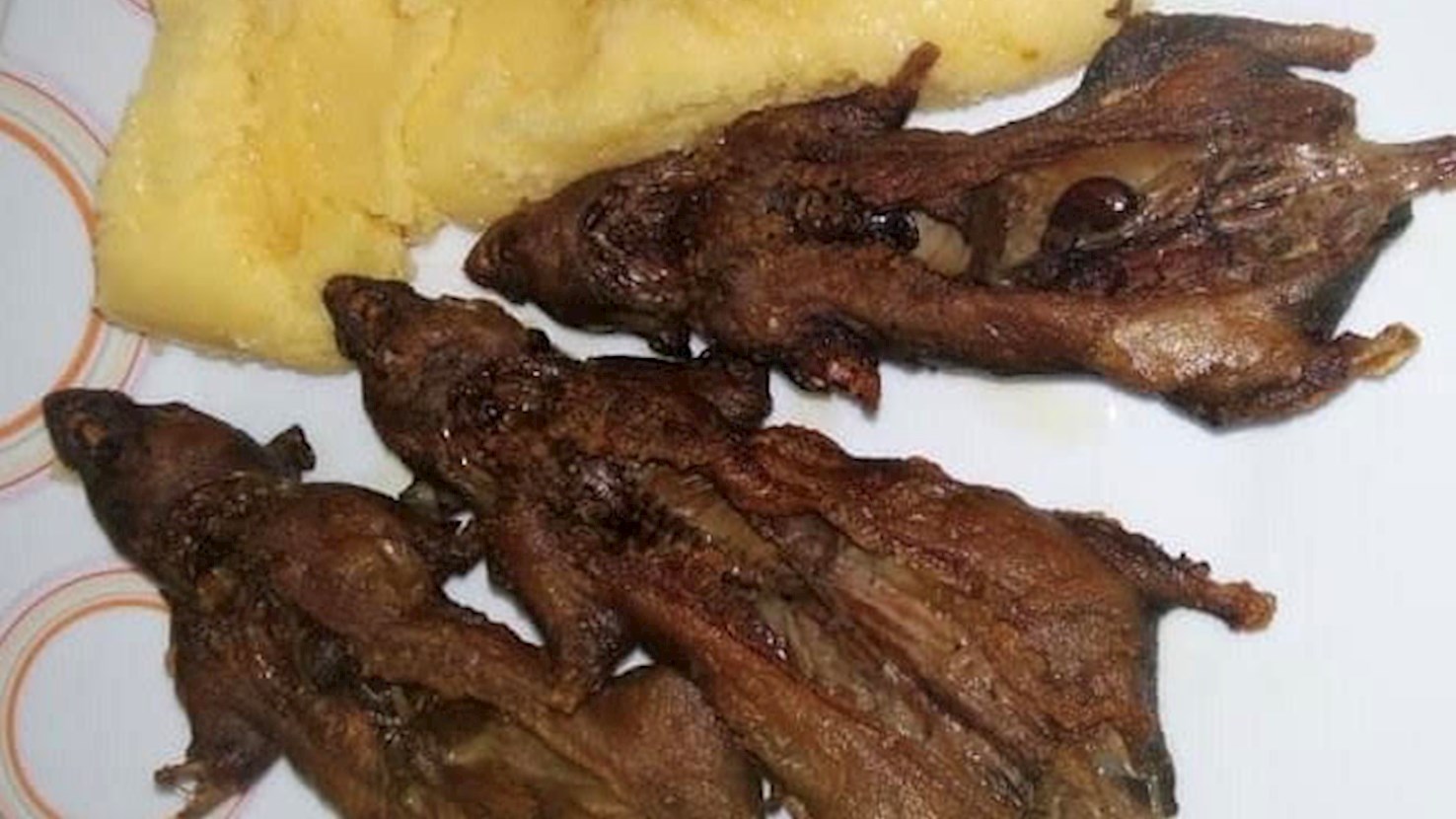
Roasted dormouse (or pečeni puh in Croatian) is a Croatian meat delicacy that has been traditionally prepared in various parts of the country, especially on the islands of Hvar and Brač, and in the Rijeka hinterland. Dormice are cleaned thoroughly either by burning their fur (thereby leaving the skin intact) or skinning, and they are then cooked in a traditional oven until nicely crispy, yet tender. Once done, the roasted dormice can be enjoyed on their own, or they can be tucked between two slices of bread and eaten as a sandwich. The meat is fatty, crispy, tender, and rather bony, while its flavor has been described as being reminiscent of sweet pork shoulder. The unusual tradition of cooking and consuming this rodent dates back to the times of the Roman emperors, who greatly appreciated the flavor of the animal’s meat, and typically enjoyed it as an appetizer or even as a dessert.

07

Punjeni fazan Zelendvor

n/a ·

Punjeni fazan Zelendvor is a specialty of the Zelendvor hunting grounds and restaurant, located close to the Petrijanec village near Varaždin. The dish consists of a stuffed pheasant. The pheasant is stuffed with a combination of fried onions, pheasant and chicken liver, bread, garlic, and eggs. The stuffing is seasoned with salt and pepper. Once stuffed, the pheasant is placed in an ovenproof dish with a lid on top, and it is then baked in the oven. Before the end of baking, the pheasant is covered with a combination of stock, honey, and butter, and it is then left to cook until the meat is completely tender. When served, stuffed pheasant is traditionally accompanied by cooked pears or cranberry jam.

08

Medvjeđa šapa

n/a ·

Medvjeđa šapa or bear paw is a specialty from the Croatian region of Gorski Kotar. The paw is seasoned with salt and pepper, rolled in flour, and fried in hot oil until it develops a golden-yellow color. Vegetables such as carrots, celery, and onions are sautéed and enriched with prošek, wine, tomato juice, spices, and fruits such as blueberries, apples, and oranges in order to create a thick sauce. The paw is added to the sauce and cooked for a long time, about 5 hours, until it is completely tender. The dish is typically served with gnocchi, polenta, or the regional pasta variety called fuži.

Read more
View all
View map
About this ranking

TasteAtlas food rankings are based on the ratings of the TasteAtlas audience, with a series of mechanisms that recognize real users and that ignore bot, nationalist or local patriotic ratings, and give additional value to the ratings of users that the system recognizes as knowledgeable. For the “Top 8 Croatian Game Dishes” list until May 16, 2026, 7 ratings were recorded, of which 1 were recognized by the system as legitimate. TasteAtlas Rankings should not be seen as the final global conclusion about food. Their purpose is to promote excellent local foods, instill pride in traditional dishes, and arouse curiosity about dishes you haven’t tried.

Similar lists