

shutterstock

Top 100 Game Dishes
in the World

Last updated on June 15, 2026
01

Pappardelle al cinghiale

4.5 ·

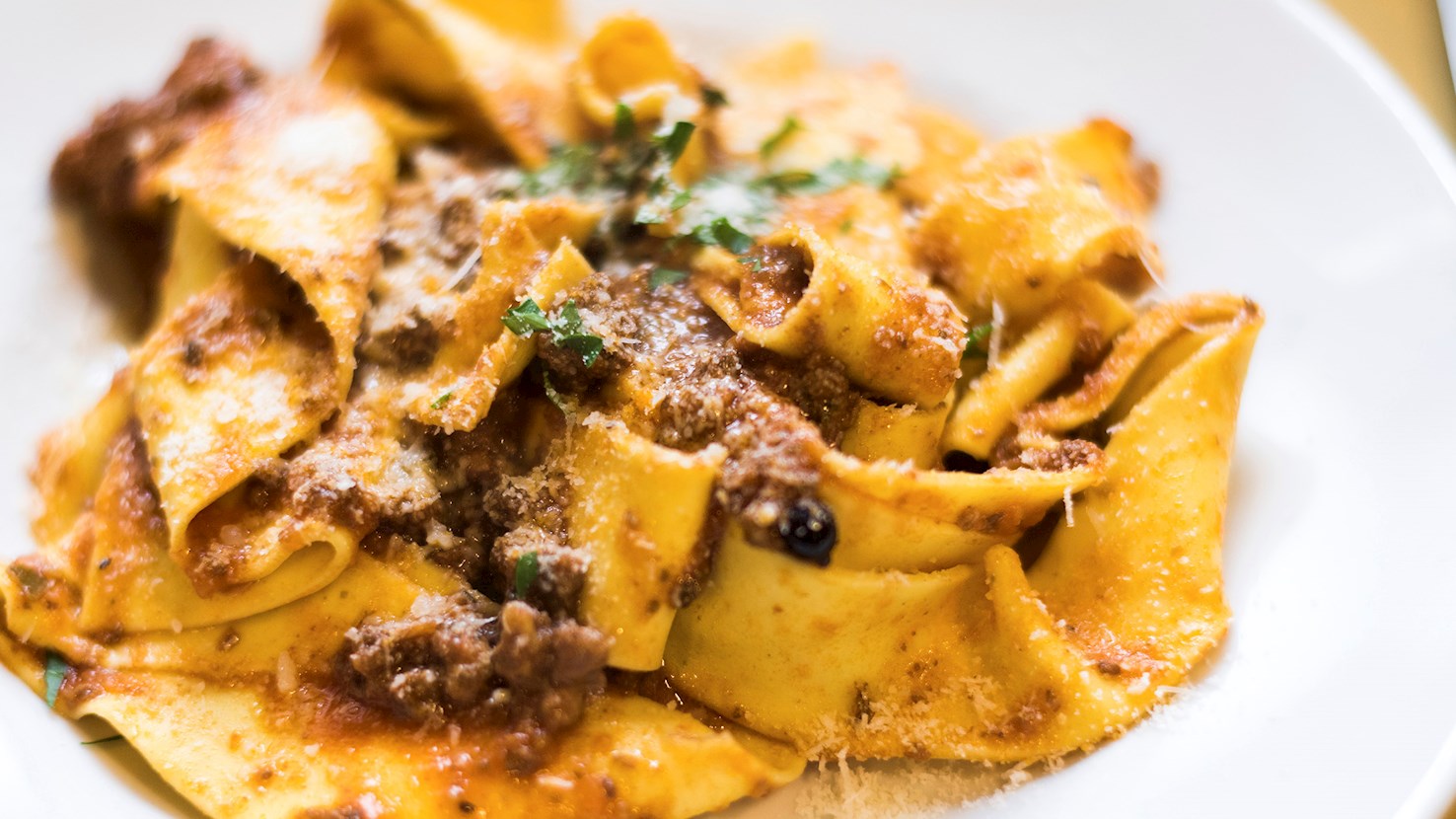
Pappardelle is a famous Tuscan pasta variety. When paired with ragù di cinghiale (made with wild boar), they become one of the region's best gastronomic experiences. Unlike classic ragù, the one prepared with wild boar has an intense, much stronger flavor achieved by long, slow simmering in a rich sauce of tomatoes and red wine. The tender meat paired with fresh egg pasta is a combination full of flavors and tradition in every single bite - rich and delicious, topped with a generous amount of chopped fresh parsley and a sprinkle of Parmigiano, pappardelle al ragù di cinghiale make a perfect, comforting winter dish, especially when paired with a glass of Tuscan red wine.

02

Pappardelle alla lepre

4.2 ·

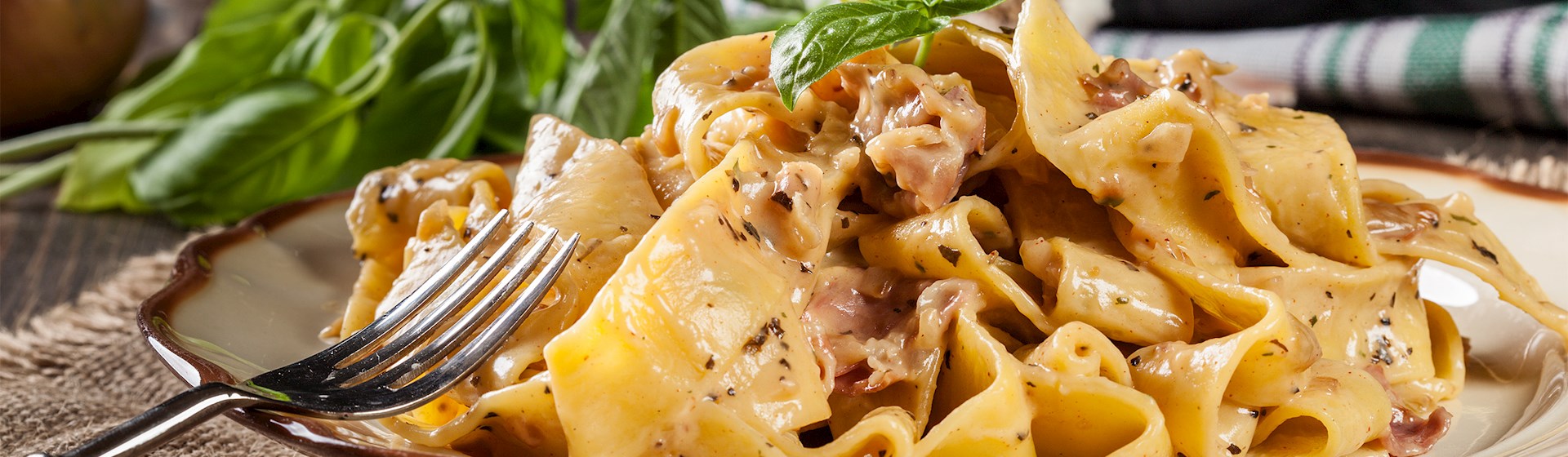
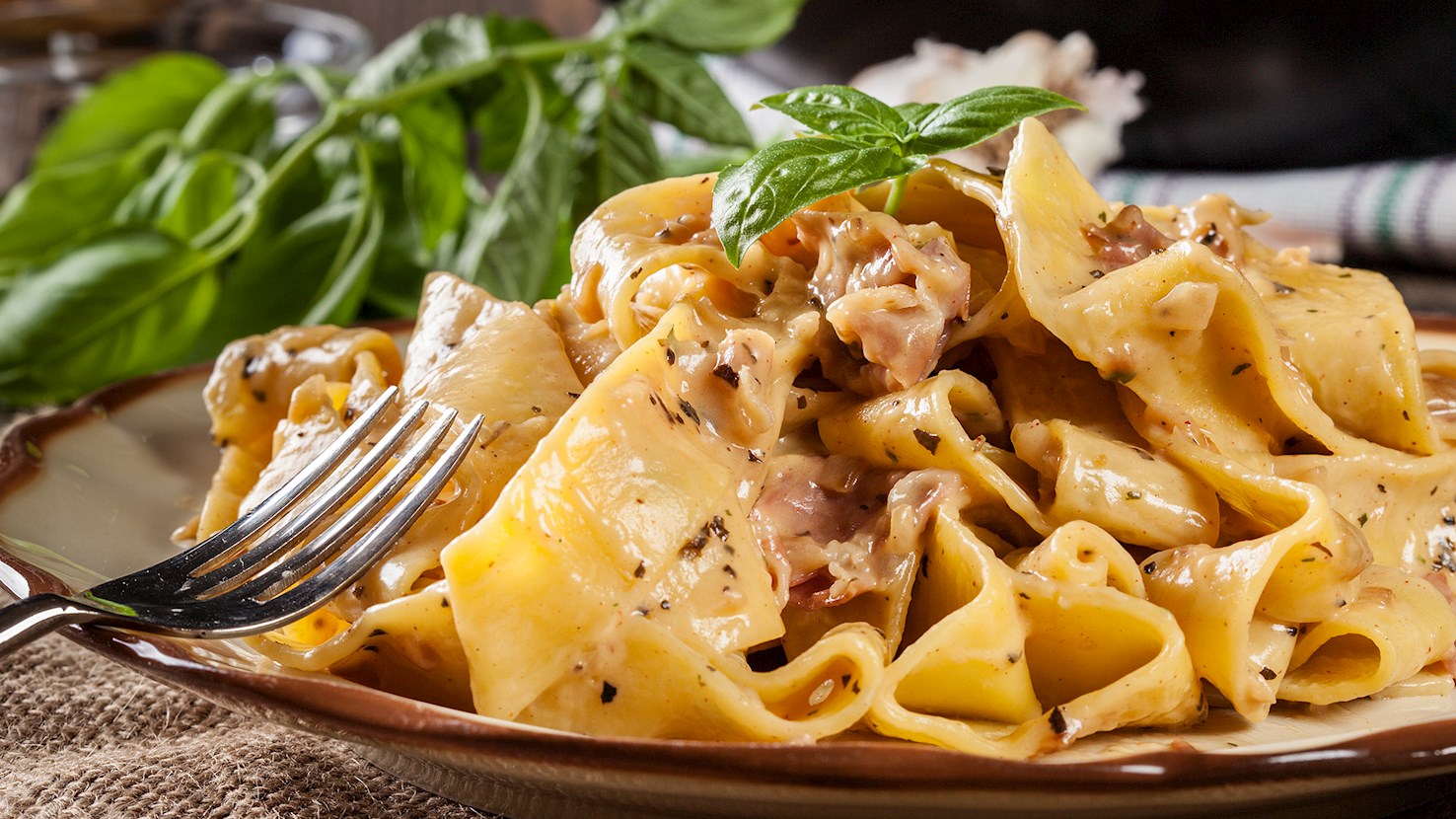
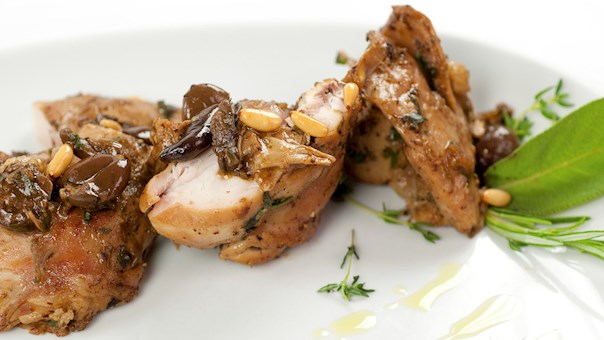
Pappardelle alla lepre is an ancient Tuscan dish – allegedly, Boccaccio himself was impressed with these pasta ribbons which are cooked in broth and flavored with hare meat. The preparation of this rich dish is time-consuming – the hare must be marinated in wine, vinegar, and aromatic herbs in order to develop the flavor and eliminate the strong gamey smell, and it is then slowly simmered with chopped onions, carrots, celery, wine, tomatoes, bay leaves, salt, pepper, and stock. Interestingly, the original name of this dish was pappardelle sulla lepre, meaning pappardelle on top of the hare, allegedly due to the fact that it was once much easier to find the hare than eggs or flour – so the typical plate used to contain lots of meat and only a few ribbons of pasta. Even though the times have changed, that just may be the reason why (in Tuscany) papardelle are traditionally placed on top of the sauce and not the other way around. Due to their complex flavor, pappardelle alla lepre pair especially well with full-bodied red wines.

03

Kouneli stifado

4.2 ·

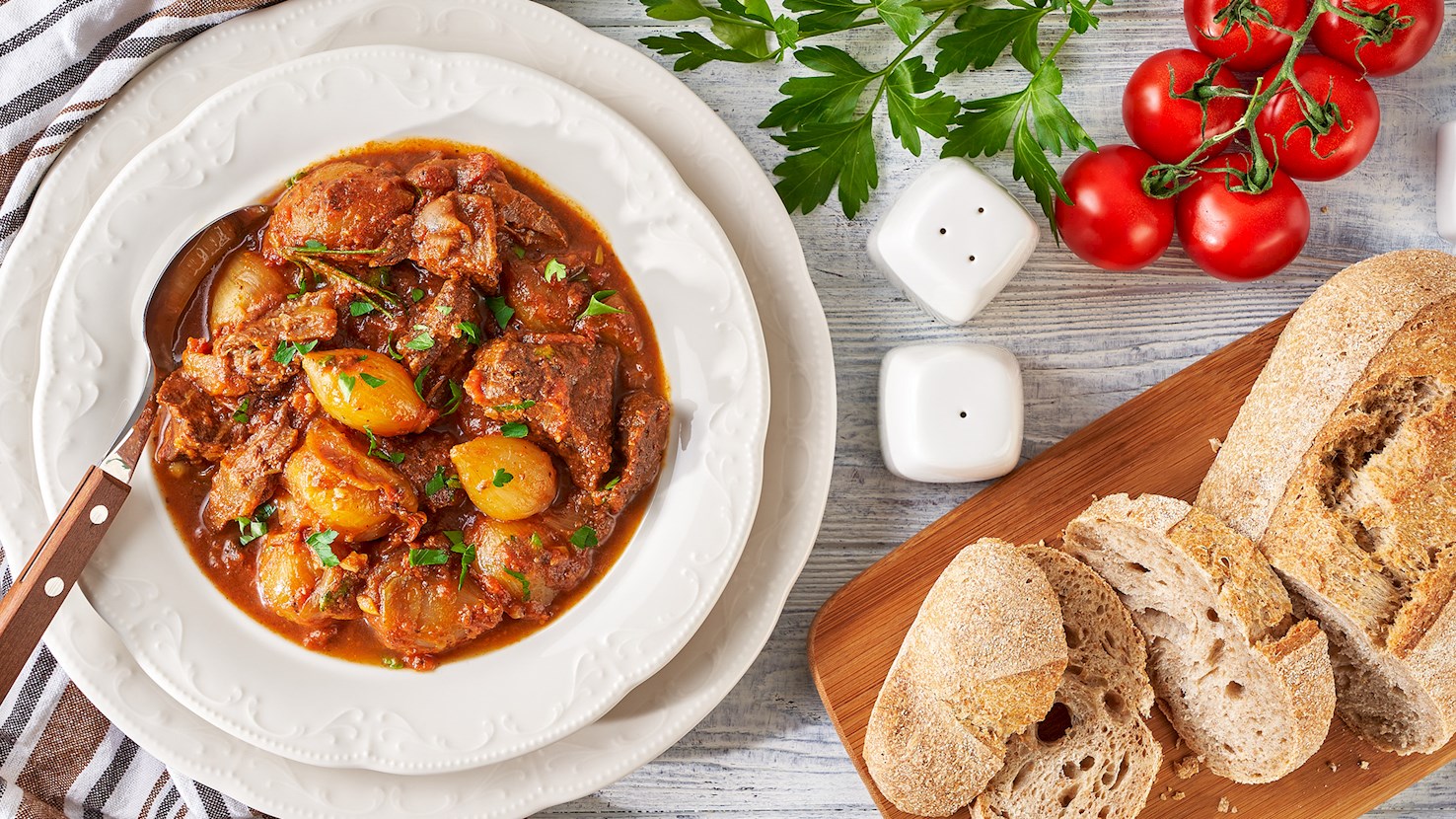
Kouneli stifado is a traditional stew consisting of pieces of browned rabbit meat that have been cooked with onions, tomatoes, tomato paste, garlic, red wine or red wine vinegar, chicken or rabbit stock, and olive oil. A handful of warm and aromatic spices and seasonings are typically used to flavor the sauce, including cinnamon, bay leaves, allspice berries, oregano, rosemary, cumin, salt, and black pepper. The dish is usually enjoyed warm, sprinkled with freshly ground black pepper on top, and it's typically accompanied by crusty bread and a glass of Greek red wine or retsina (a Greek white resinated wine).

Best restaurants
04

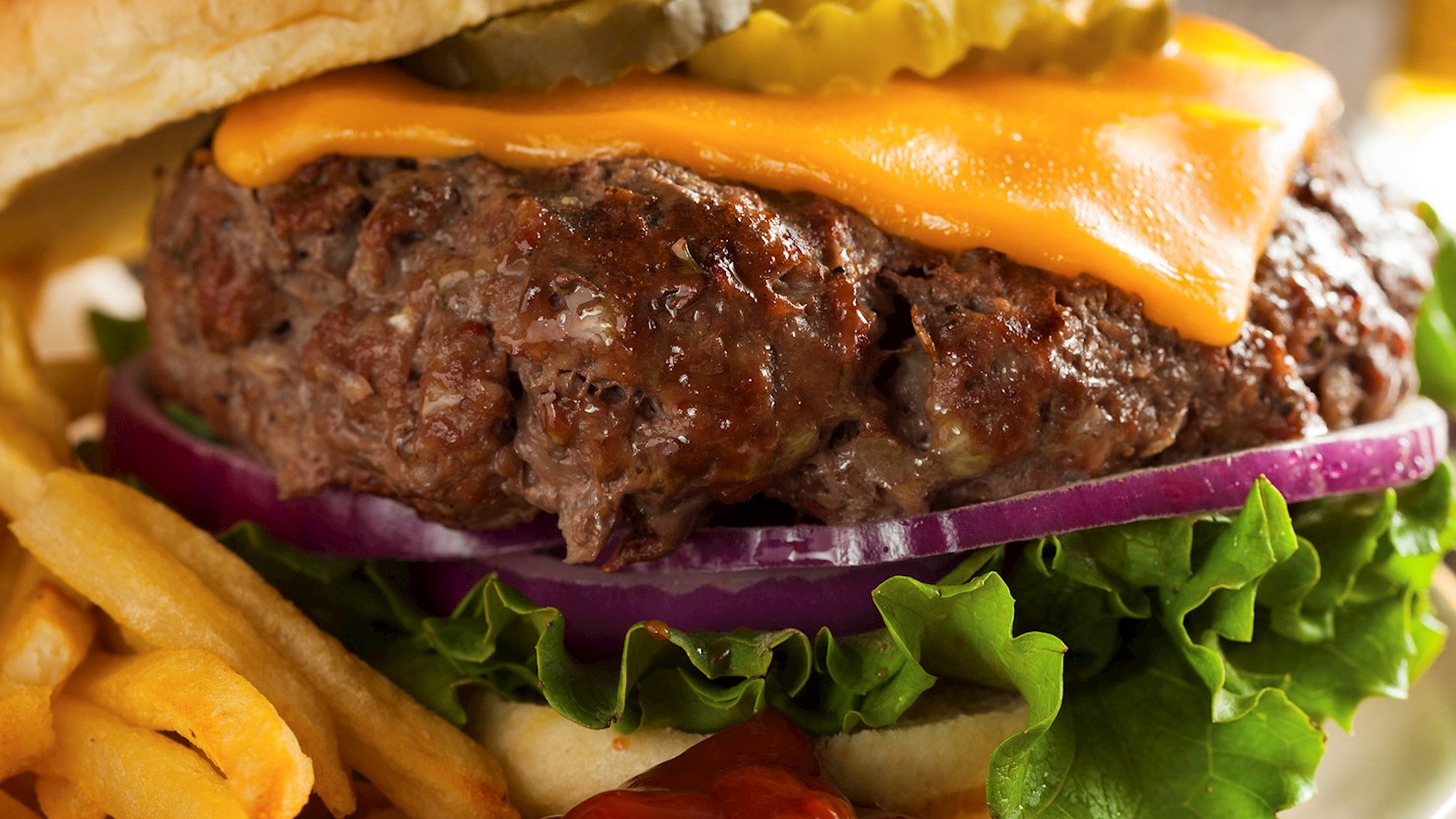
Bison Burger

4.1 ·

A unique American burger known as bison burger is a type of hamburger that uses meat from the North American bison. This hamburger is often called buffalo burger as bison meat is frequently incorrectly referred to as buffalo meat, which is usually used for the meat coming from the African buffalo and water buffalo. Although this burger has less cholesterol and fat than typical burgers, the higher price of buffalo meat makes it a special treat. The bison burger patty is typically placed inside a soft bun and served with various toppings such as onions, lettuce, tomato slices, red slaw, and cheddar cheese, with sweet fries often served on the side.

05

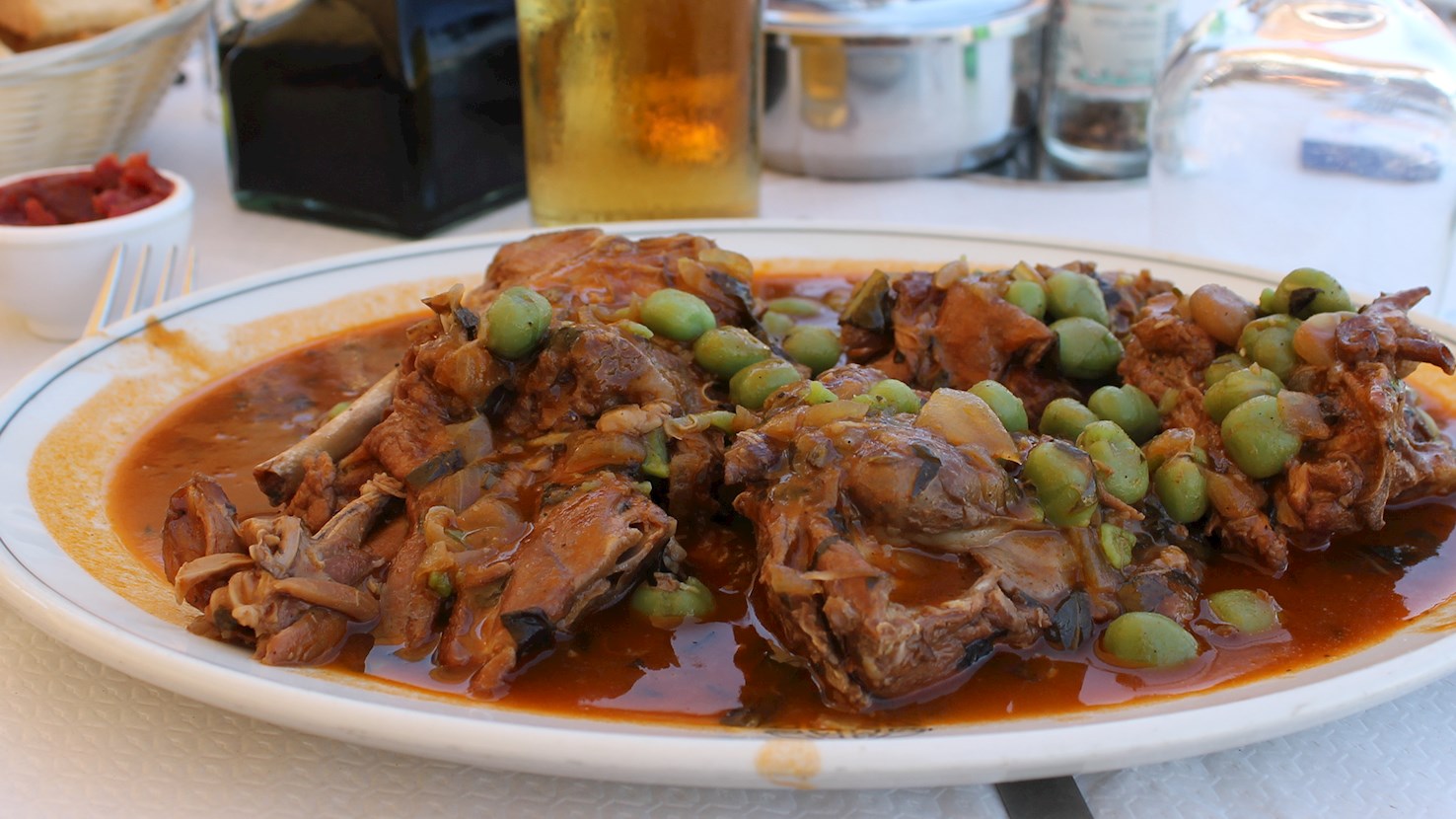
Fenkata

4.0 ·

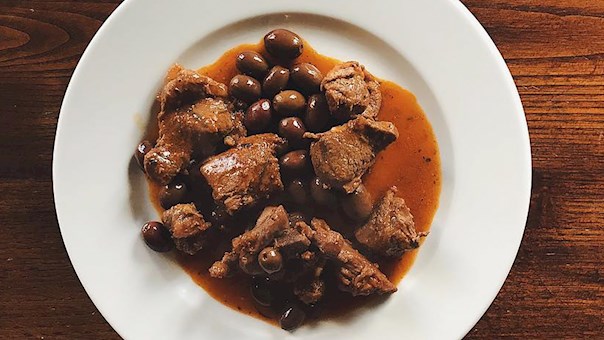
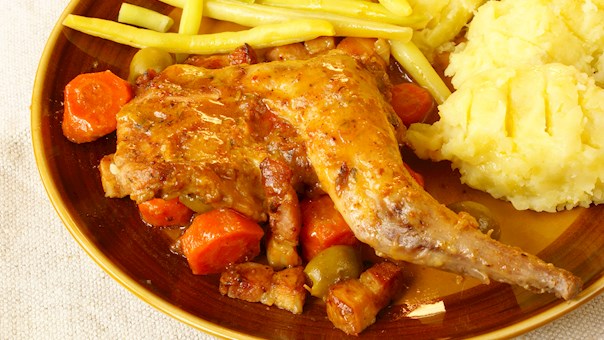
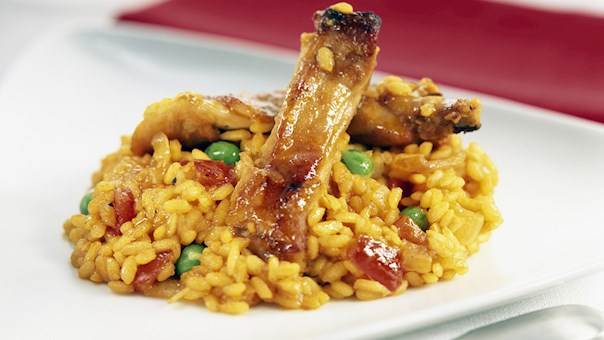
Fenkata is the national dish of Malta, a communal meal that is prepared with rabbit as the star of the feast. A whole rabbit is typically marinated in wine, then stewed with aromatic herbs and vegetables such as carrots, tomatoes, onions, and garlic until tender. The sauce should be rich in flavor and thick in texture. It is recommended to serve fenkata with pasta (usually spaghetti) or potatoes, while olives and capers might also be added to the dish in order to further elevate its flavors.

06

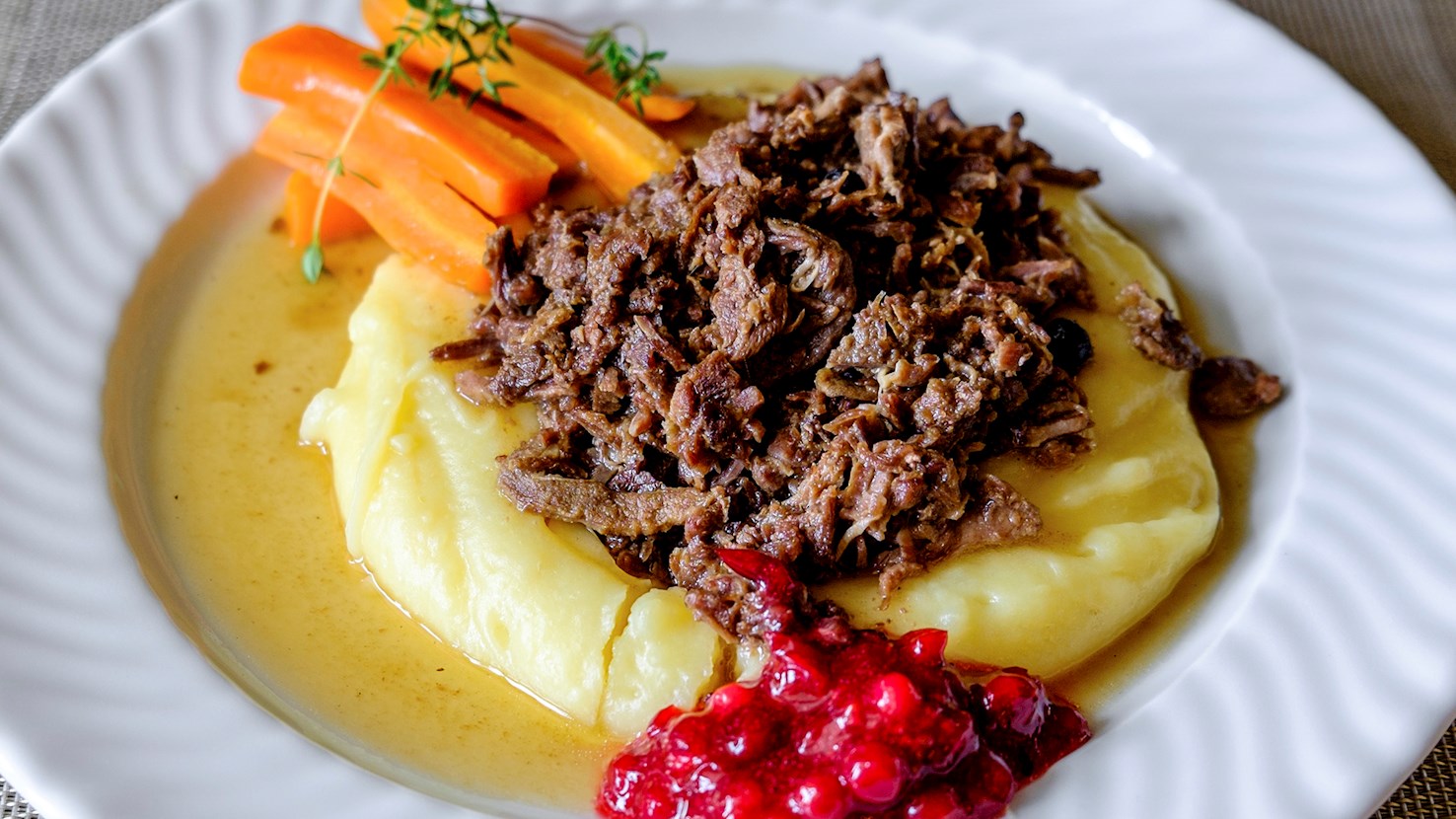
Poronkäristys (Sautéed reindeer)

4.0 ·

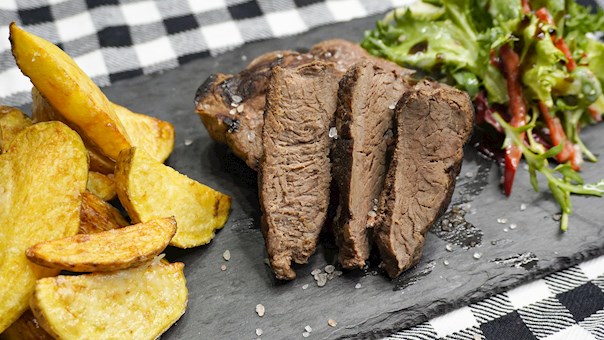
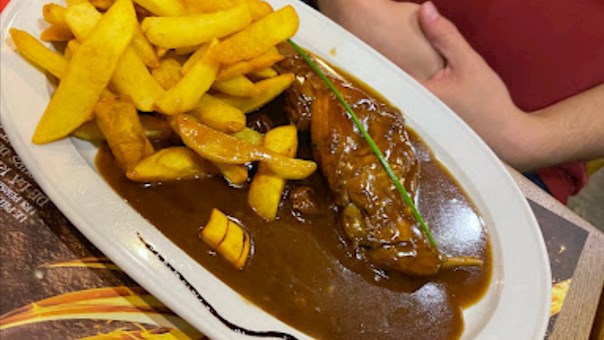
Poronkäristys is the traditional dish of Sámi people in Finland, Norway and Sweden, prepared by sautéing reindeer meat. The dish originates from the Arctic Lapland where the semi-nomadic, indigenous people called Sámi have been herding reindeers for a very long time. Thin slices of reindeer meat are usually sautéed in butter, with or without onions, and slowly simmered in beer or stock until they develop a tender and succulent texture. The most common and traditional accompaniments for the dish include creamy mashed potatoes and lingonberry jam, but it can also be accompanied by pasta or rice. Although the dish can often be found in restaurants throughout Scandinavia, frozen meat can also be bought in most supermarkets. According to recent studies, along with being extremely tasty, reindeer meat is one the healthiest foods, high in B-12, omega-3, and omega-6, a possible reason why poronkäristys is consumed throughout the year.

07

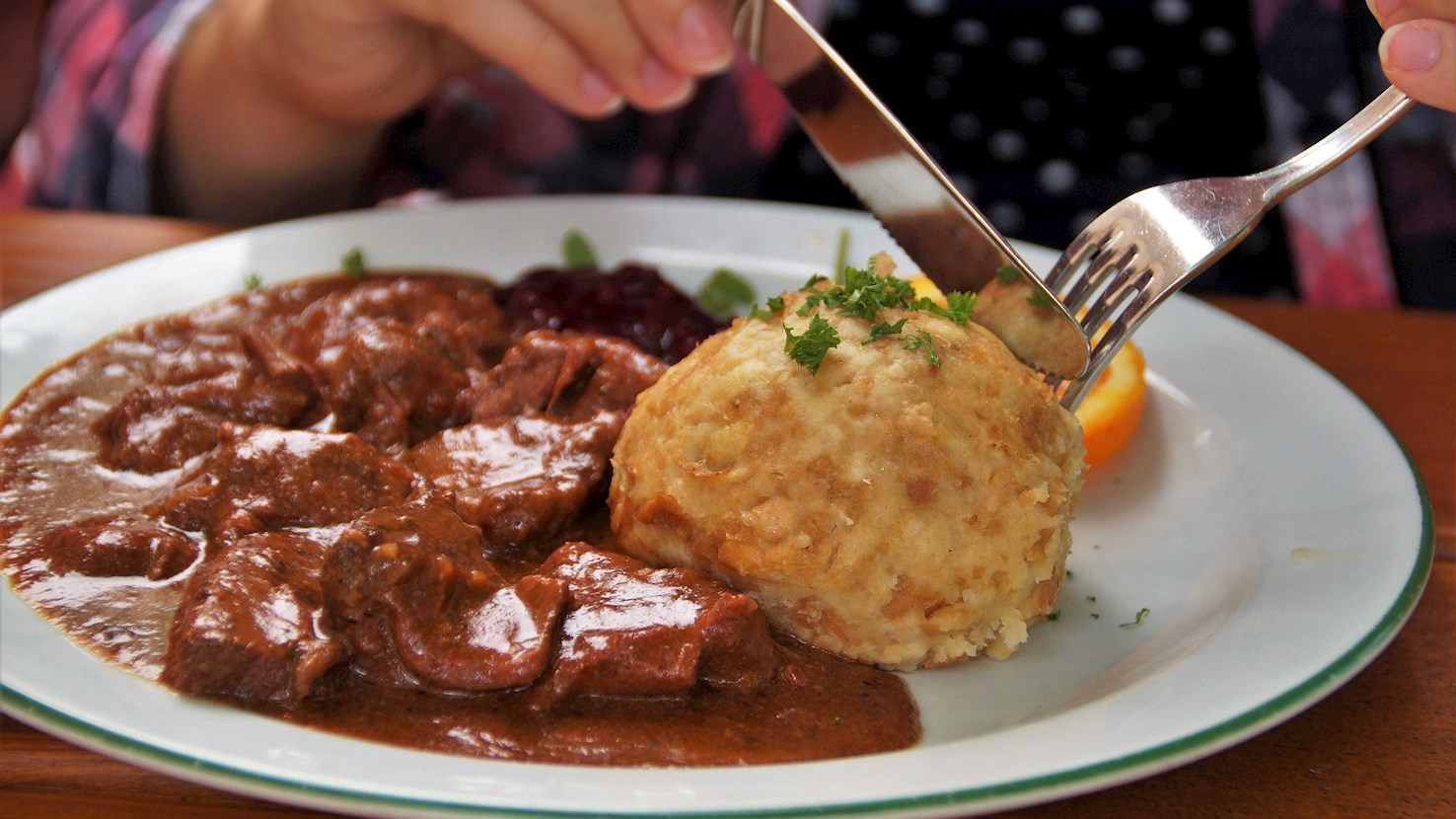
Hirschgulasch (Venison goulash)

3.9 ·

Hirschgulasch is a traditional type of goulash, a stew of meat, vegetables, and spices made specifically with venison, or deer meat, instead of the beef or pork that might be used in other types of goulash. The name of the dish translates to venison goulash. The venison is typically cut into small, bite-sized pieces and then slow-cooked with various ingredients like onions, garlic, tomatoes, and a variety of spices. Other ingredients can also be included, such as red wine, bay leaves, juniper berries, and herbs, all of which enhance the flavor of the dish. The result is a rich, hearty stew with a robust flavor.

08

Salmì di cervo

3.9 ·

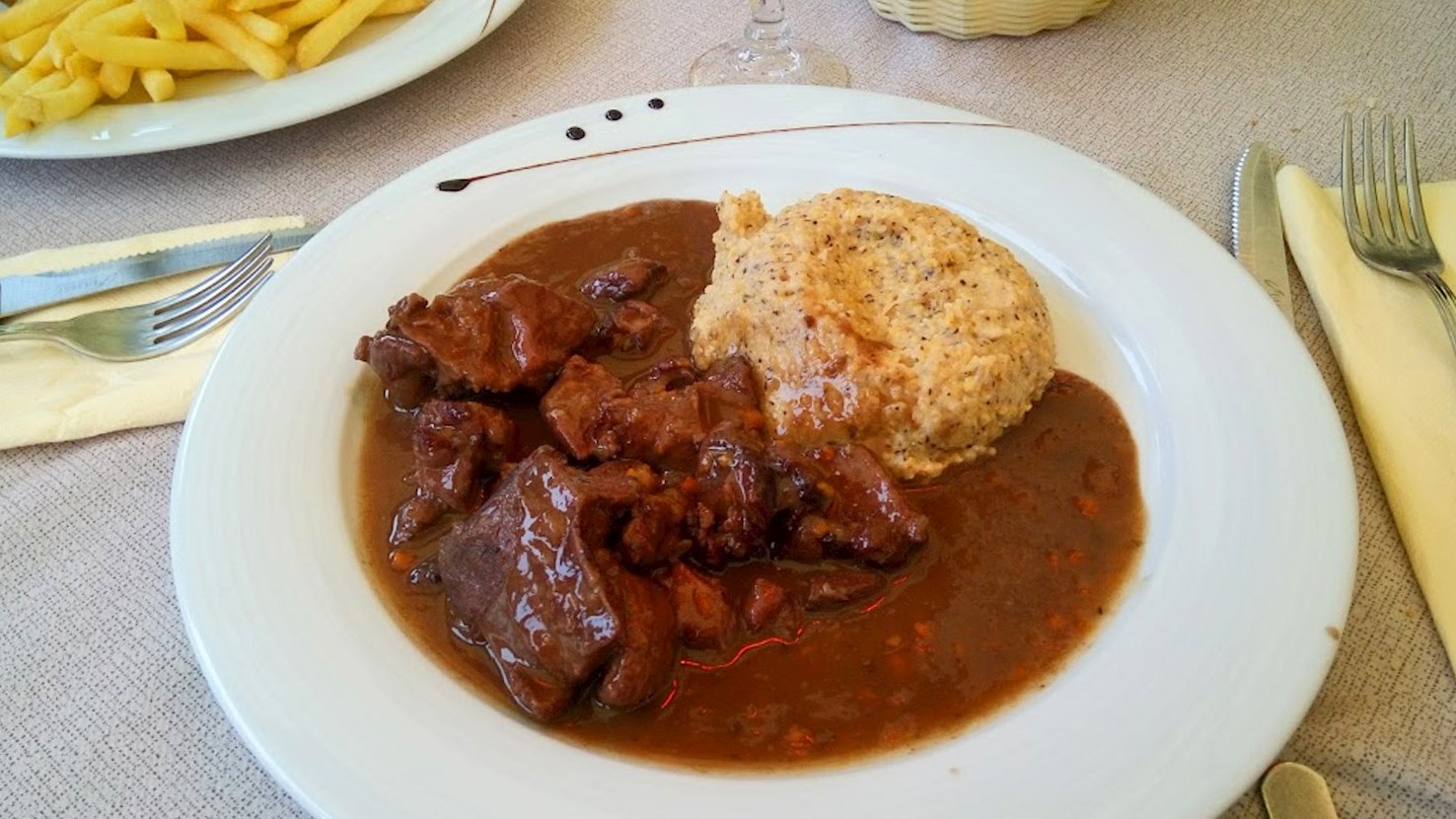
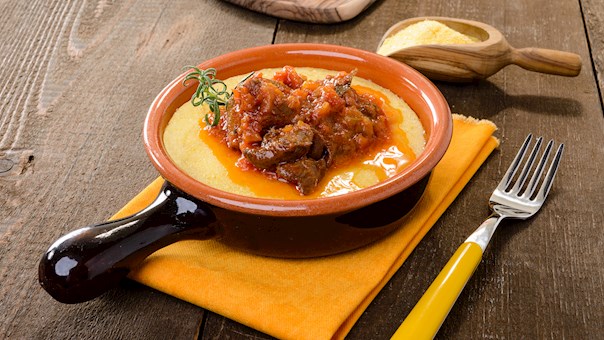
Salmì di cervo is a traditional dish originating from the Valtellina valley. Although there are variations, the dish is usually made with a combination of venison, red wine, pancetta, carrots, onions, garlic, celery, butter, olive oil, and herbs and spices such as nutmeg, cloves, bay leaves, sage, rosemary, thyme, juniper berries, peppercorns, salt, and pepper. Some recipes also use flour, tomatoes, pig blood, and mushrooms for extra flavor. The meat is cut into pieces and marinated in wine with the spices and herbs, carrots, onions, and garlic. The pancetta is sautéed in butter and olive oil, and the meat is browned in the same pan. Nutmeg, cloves, and salt are added to the dish, while the drained vegetables from the marinade are cooked into a sauce that's blended and reduced. The dish is served hot and it's typically accompanied by polenta on the side.

Best restaurants
09

Blackened Alligator

3.8 ·

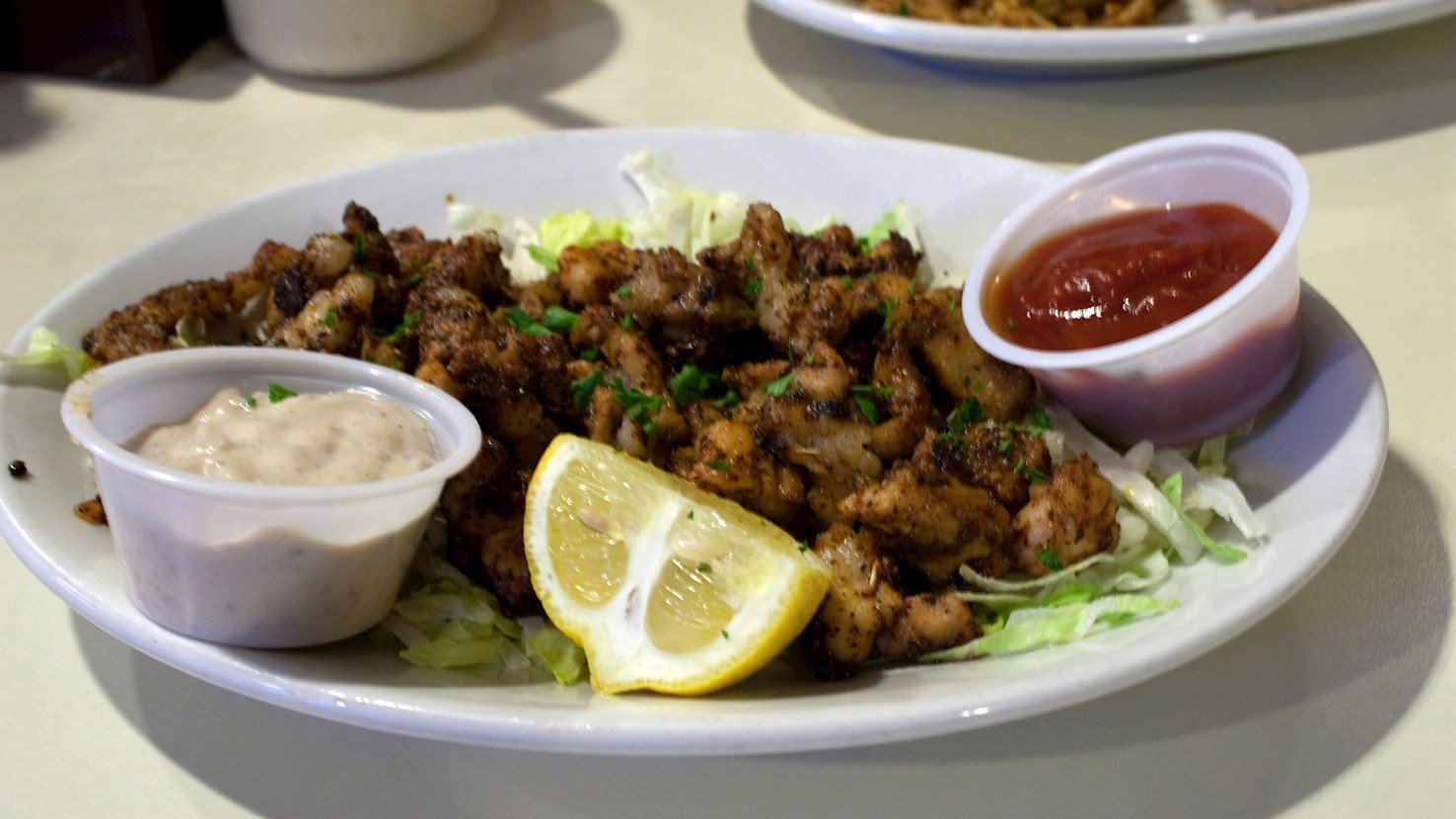
Blackened alligator is a specialty hailing from Louisiana that is made with pan-seared pieces of seasoned alligator meat as the star ingredient. The dish is typically prepared by rubbing bite-sized pieces of alligator meat with a blend of spices and seasonings before the meat is seared or blackened in a smoking hot cast-iron skillet with a small amount of oil. Typical spices include paprika, cayenne pepper, black pepper, chili powder, minced onion powder, minced garlic powder, ground thyme, ground oregano, kosher salt, and Cajun seasoning. Blackened alligator bites are usually enjoyed with white rémoulade, a type of sour mayonnaise-based sauce. Paul Prudhomme, a renowned Louisiana chef, was the one who popularized the cooking technique of blackening that gives the protein a distinctive crust by first seasoning it with a mix of spices and seasonings, and then searing it in a very hot cast-iron skillet. This way the meat doesn’t dry out on the interior and at the same time develops a flavorful brown crust on its surface.

10

Sate kelinci (Rabbit satay)

3.8 ·

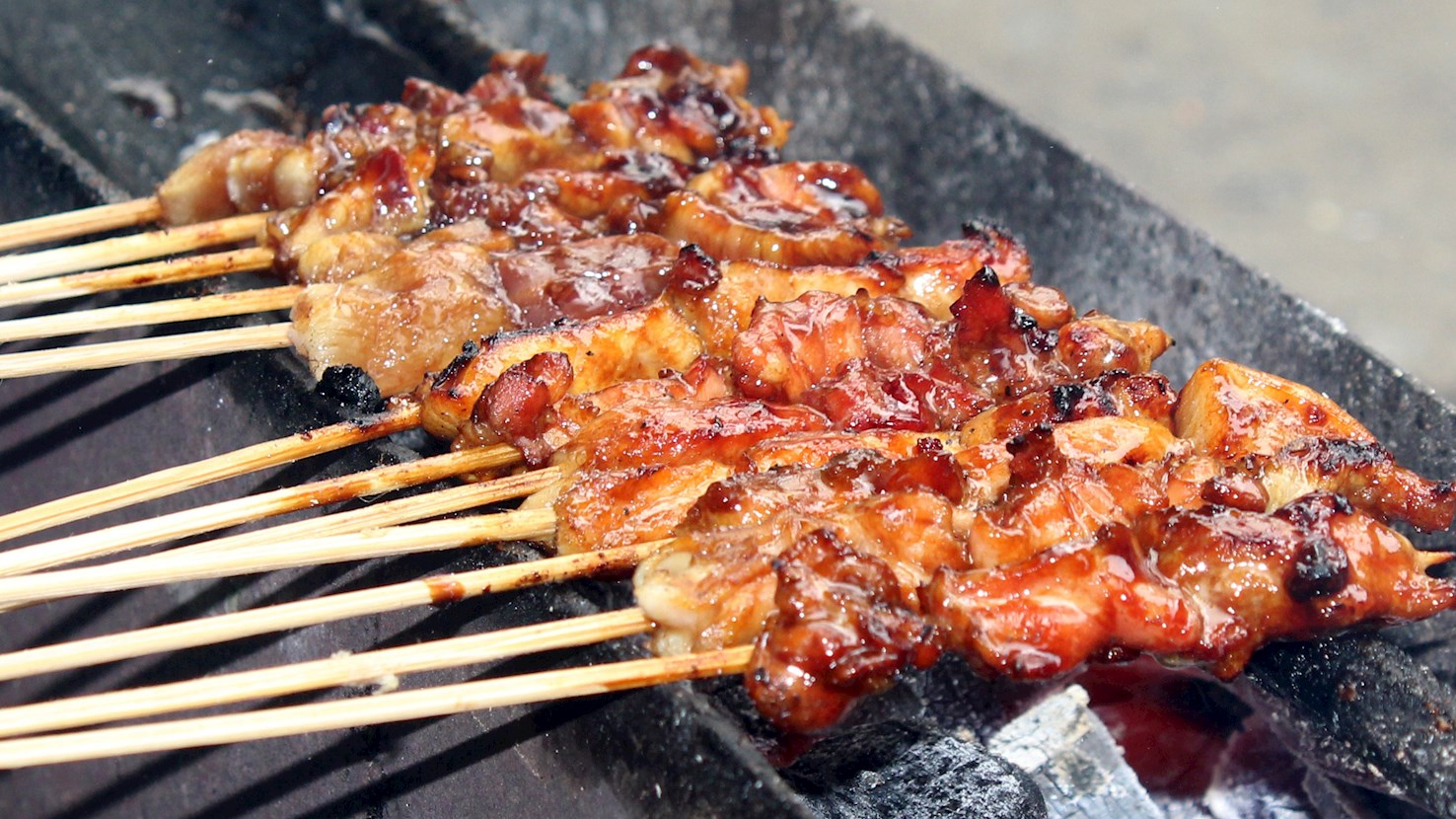
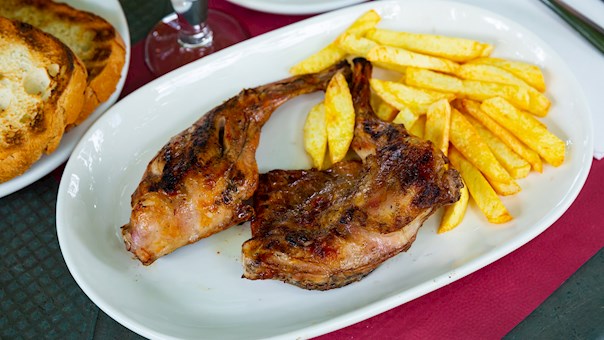
Sate kelinci is a skewered rabbit meat dish originating from the highland regions of Central Java, Indonesia, particularly popular in areas such as Tawangmangu, Lembang, and around the slopes of Mount Merapi. This variant of Indonesian sate features tender cuts of rabbit grilled over charcoal and typically served with either a savory soy-based sauce or a spiced peanut sauce, depending on local preference. The meat is usually marinated in a mixture of garlic, coriander, salt, and sweet soy sauce before being skewered and grilled, giving it a subtly sweet, smoky, and mildly gamey flavor that distinguishes it from more common versions made with chicken, beef, or goat. Sate kelinci is known for its lean texture and is often considered a lighter option, enjoyed by travelers and locals alike in cooler mountain climates where rabbit farming is more common. The dish is closely associated with Javanese culinary culture, where sate is a central component of street food and home cooking. In regions where sate kelinci is widely sold, such as tourist spots in the Dieng Plateau or forested hill towns, it is often grilled fresh to order by roadside vendors and eaten with steamed rice or rice cakes. Unlike more urban sate variants that are mass-produced or widely exported, sate kelinci tends to remain a specialty of areas where rabbit is both raised and consumed more regularly.

About this ranking

TasteAtlas food rankings are based on the ratings of the TasteAtlas audience, with a series of mechanisms that recognize real users and that ignore bot, nationalist or local patriotic ratings, and give additional value to the ratings of users that the system recognizes as knowledgeable. For the “Top 100 Game Dishes in the World” list until June 15, 2026, 1,280 ratings were recorded, of which 943 were recognized by the system as legitimate. TasteAtlas Rankings should not be seen as the final global conclusion about food. Their purpose is to promote excellent local foods, instill pride in traditional dishes, and arouse curiosity about dishes you haven’t tried.

Similar lists