





shutterstock

28 Gelato Varieties
Ranked From the Best To the Worst

Last updated on June 17, 2026
01

Gelato al pistacchio

4.4 ·

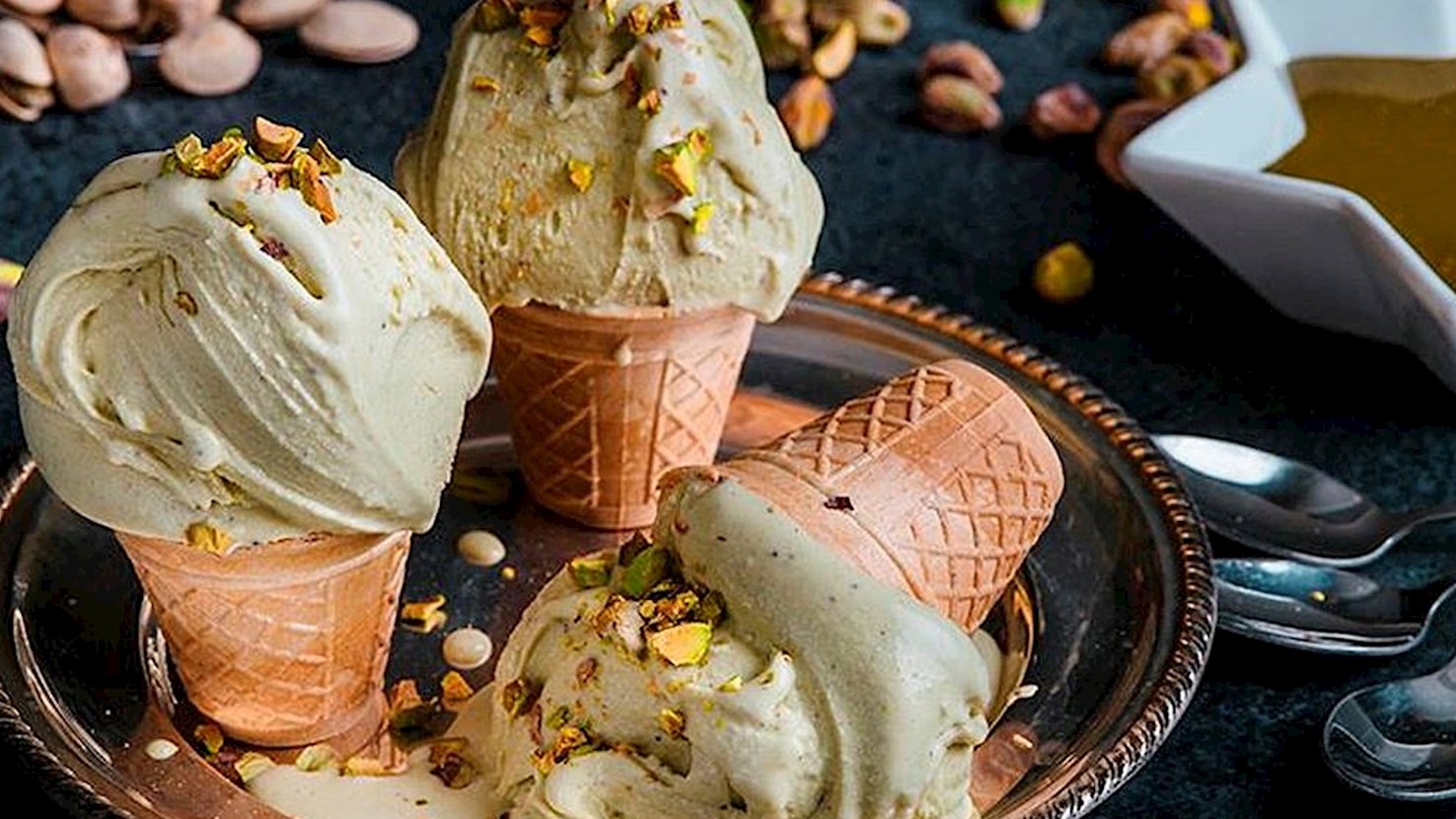
Pistachio is one of the most popular flavors of Italian gelato. A mainstay in every gelateria, in its original form, this frozen treat combines pistachio paste with the classic base of milk, cream, eggs, and sugar. Occasionally, crushed and toasted pistachios can be added, but the basic texture should always remain dense and creamy. Due to the high prices of pistachios and pistachio paste, many gelaterias nowadays opt for cheaper replacements, but the best pistachio is considered to be the grown in a small Sicilian town of Bronte.

02

Gelato alla nocciola

4.3 ·

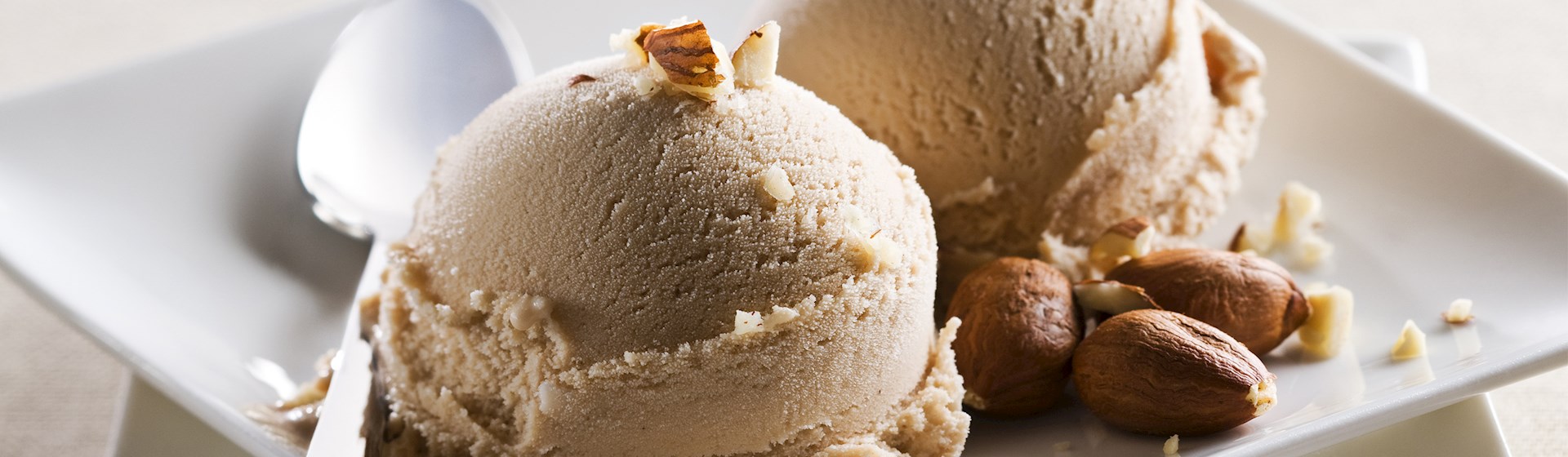
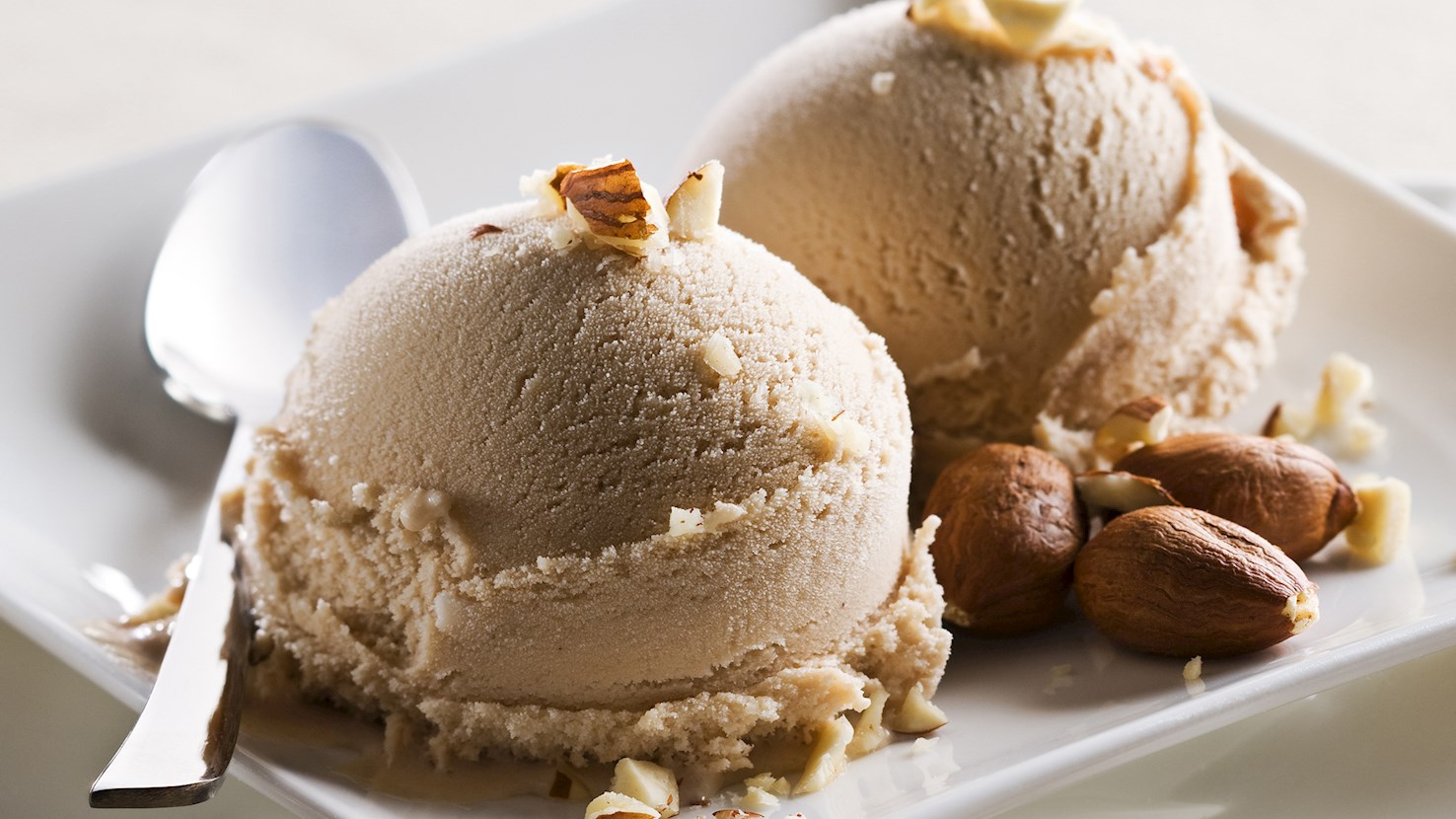
A staple at every Italian gelateria, nocciola is a classic hazelnut gelato. It is prepared with a fragrant hazelnut paste that is combined with a base of milk, cream, eggs, and sugar to create a creamy treat that is characterized by its nutty flavor. The best hazelnut gelato in Italy is produced from Piemonte hazelnuts, which are considered the finest variety for the confectionery industry. They provide the delicate, nutty flavor and the characteristic aroma. Nocciola or hazelnut gelato is often combined with chocolate to create bacio—another popular gelato flavor—but most gelaterias offer it on its own, as an essential addition to their offer.

03

Gianduia gelato

4.3 ·

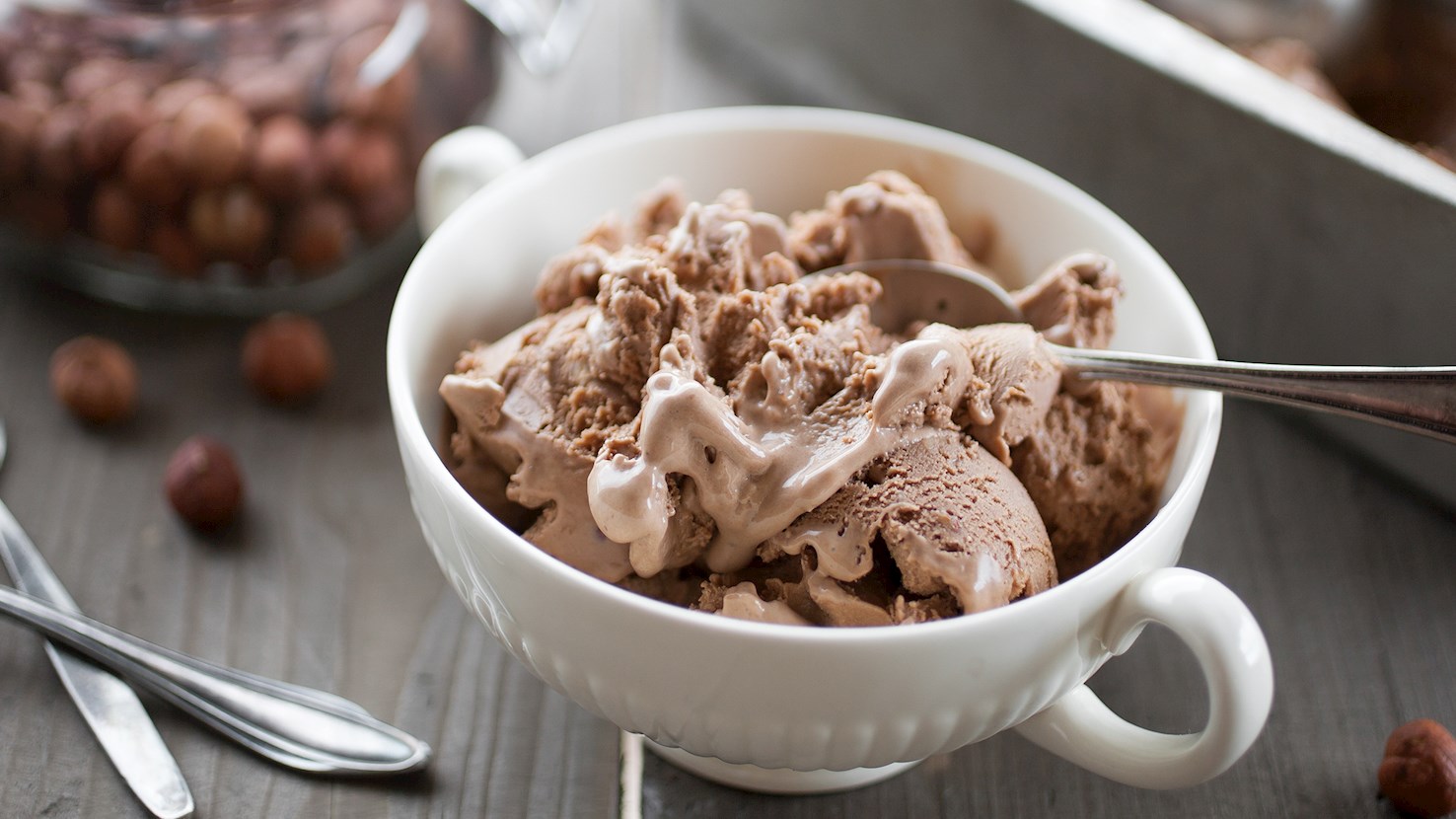
This classic flavor combines hazelnuts and milk chocolate into a rich, smooth gelato. Though similar to the bacio flavor, gianduia is typically prepared with milk chocolate and does not incorporate crushed hazelnuts. It was modeled on gianduia, an iconic Italian cocoa, sugar, and hazelnut paste that was initially introduced in the 19th century. Similar to the gianduia confection, the gelato is also usually associated with Piedmont, a region famous for its hazelnuts, but it is commonly found in numerous gelaterias throughout the country.

04

Gelato al cioccolato fondente

4.2 ·

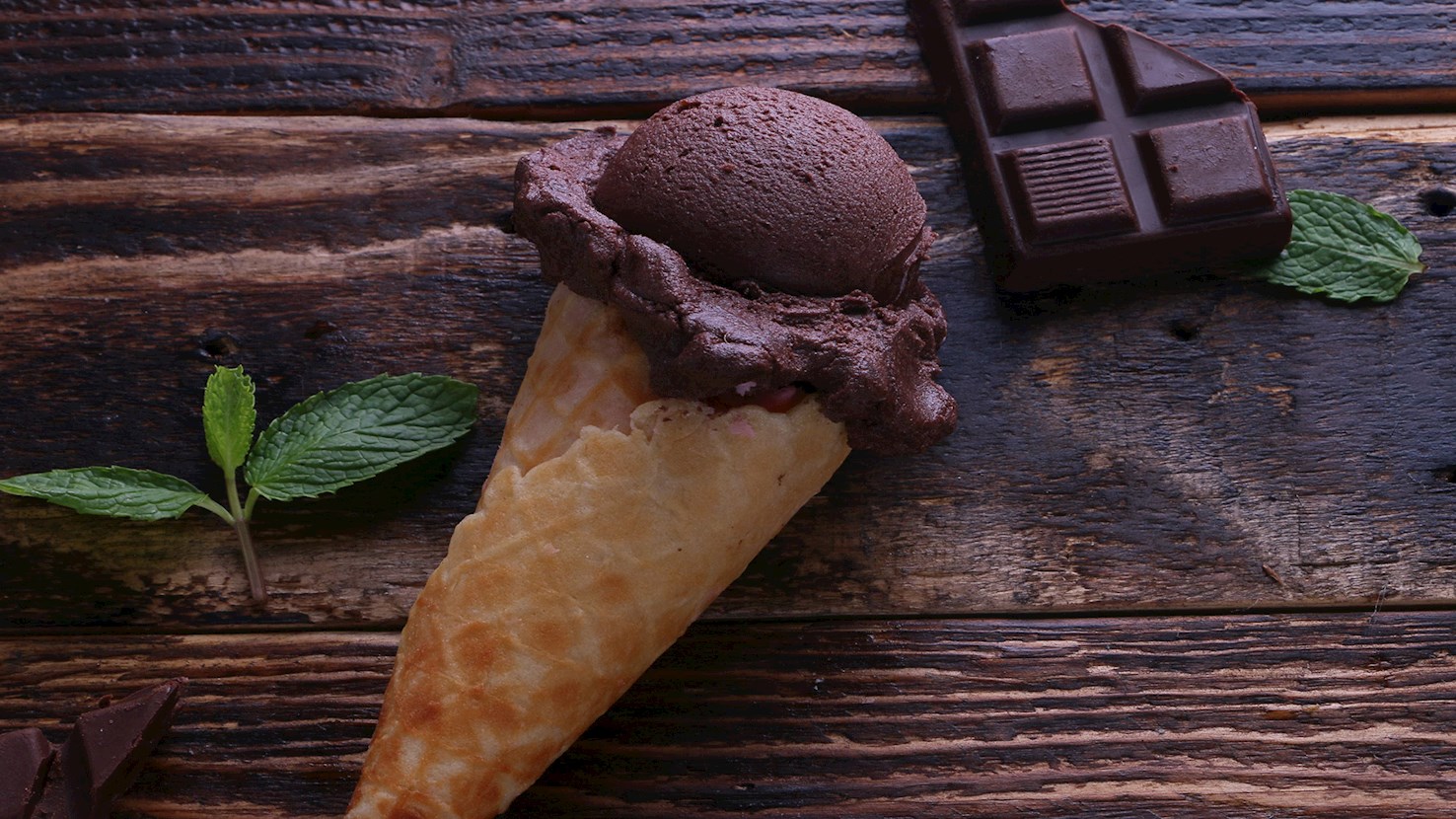
Cioccolato fondente denotes a classic dark chocolate gelato flavor that is characterized by a bold, lingering chocolate taste. It is prepared with high-quality chocolate that is combined with a base of milk, cream, eggs, and sugar. Sugar and milk perfectly complement the dark, tart chocolate making this gelato flavor one of the favorite options in many gelaterias. The variety that uses a higher percentage of dark chocolate usually goes under the name cioccolato extranoir.

05

Gelato al fior di latte

4.2 ·

Translated as flower of milk, this subtle gelato flavor is created with nothing more than milk, cream, and sugar. Though simple, it is considered to be one of the toughest varieties to master, because it offers clean, delicate flavors that are not overshadowed by additional ingredients. Because of this, it is a favorite among true gelato experts, although it is still relatively overlooked compared to the more elaborate gelato creations.

06

Bacio gelato

4.2 ·

Italian bacio is a classic gelato flavor that combines hazelnuts and chocolate. It was inspired by the famous bacio Perugina, a popular chocolate confectionery consisting of gianduja and chopped hazelnut filling, all topped with a whole hazelnut and coated in dark chocolate. The name translates to a kiss, denoting a combination of ingredients that perfectly complement each other. Similar to the confectionery product, this gelato variety is characterized by its pale brown color and a nutty flavor that is often elevated with the addition of chopped hazelnuts.

07

Gelato cioccolato

4.1 ·

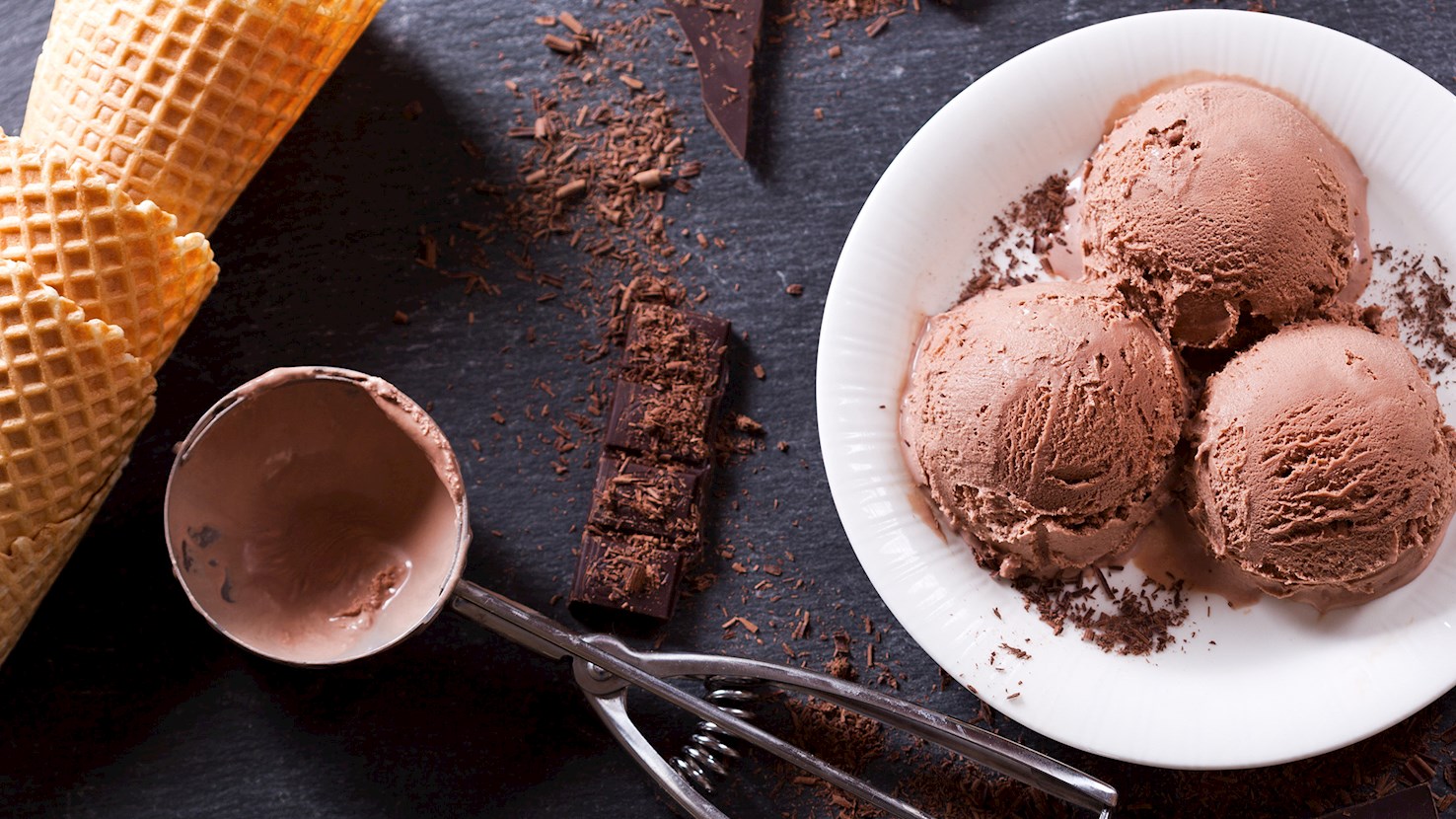
Cioccolato is a variety of Italian gelato that is prepared with chocolate and cocoa powder as the key ingredients alongside cream, sugar, and milk. The final product, if made properly and churned at low speed, should have a dense and velvety texture, and a rich, dark brown color. Not much is known about the origins of chocolate gelato, although it is a fact that the first frozen chocolate recipe had been published in Naples in 1692, in a book called The Modern Steward.

08

Stracciatella

4.1 ·

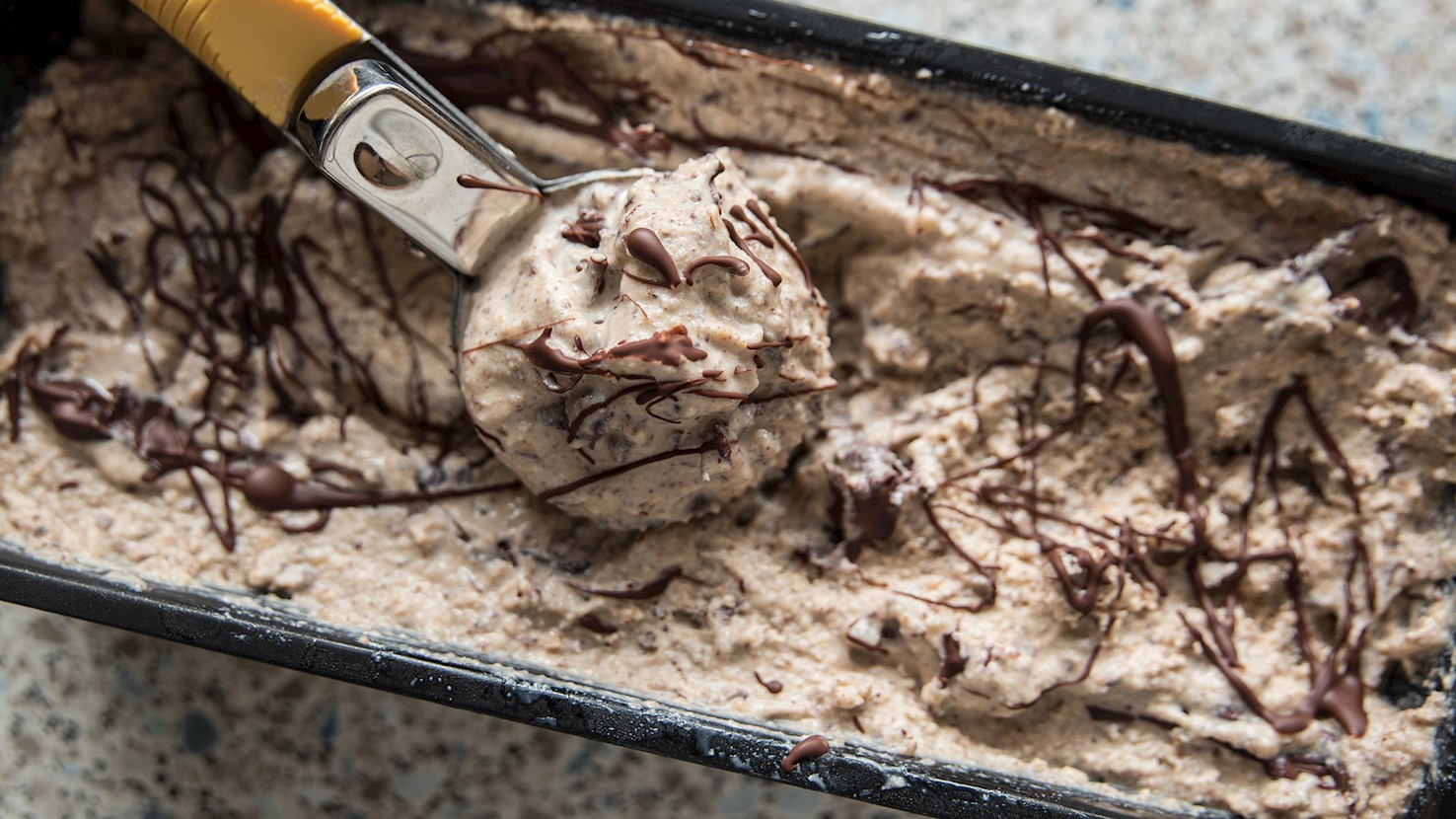
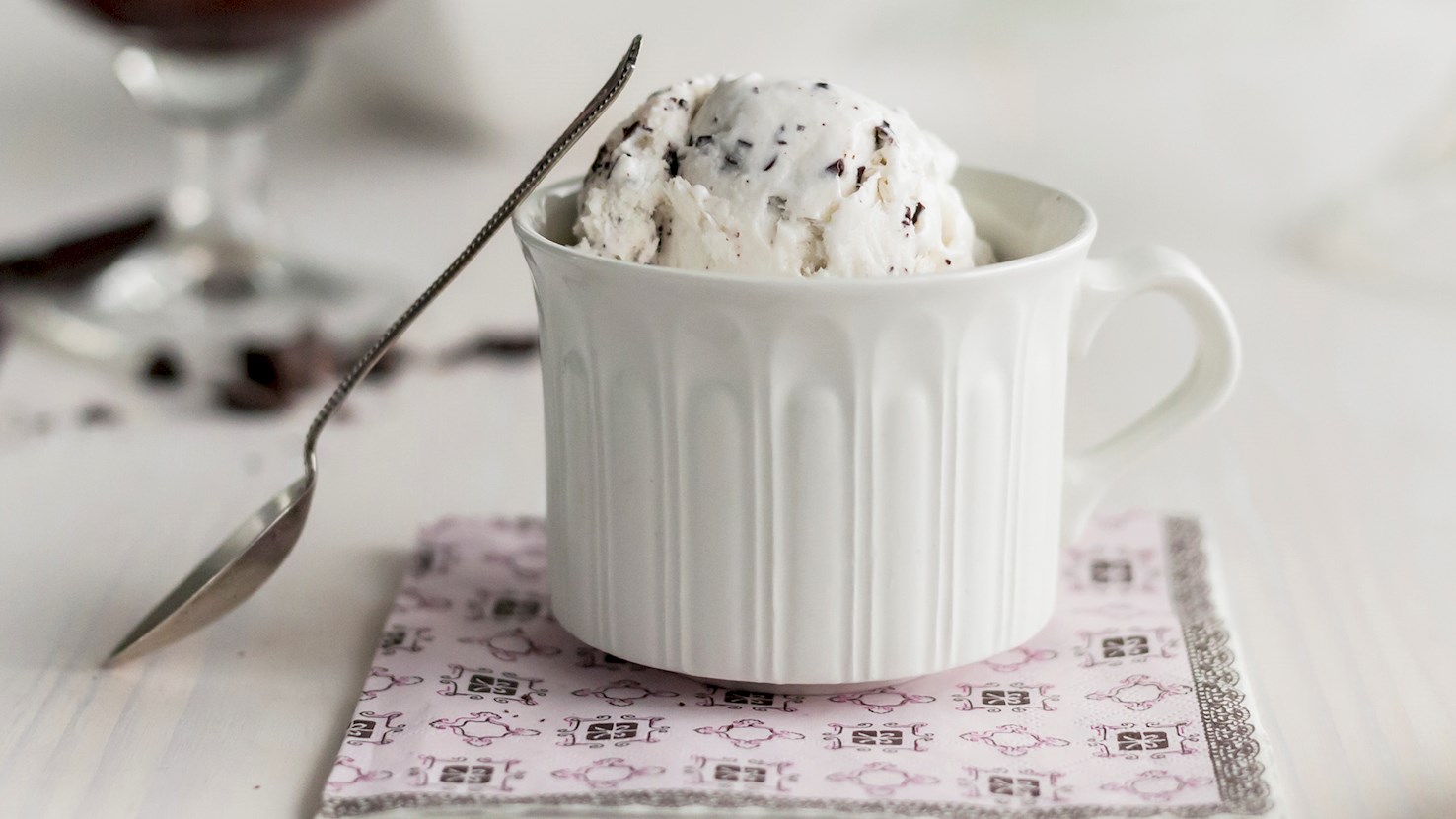
Stracciatella is a variety of Italian gelato (ice cream), consisting of milk, cream, and sugar, with chocolate bits swirled inside the mixture. It was originally invented in 1962 at the Ristorante La Marianna in Bergamo by Enrico Panattoni, who first decided to crack pieces of chocolate into the ice cream. He was supposedly inspired by the soup of the same name, made by cracking eggs into a broth, a process similar to cracking chocolate into gelato. Stracciatella is characterized by its smooth texture with a slight crunch. Its name is derived from the Italian stracciare, meaning to tear or shred into pieces. Today, stracciatella is one of the most popular ice cream varieties in the world.

09

Gelato allo zabaione

4.1 ·

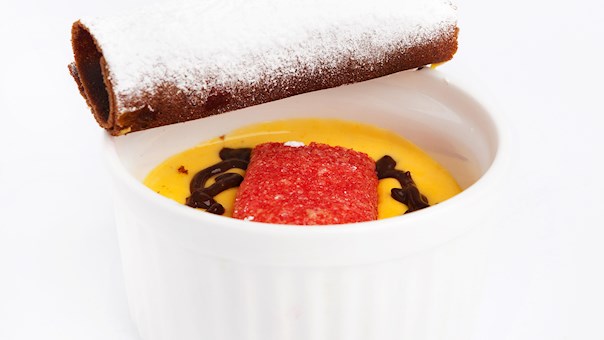
Many Italian gelato varieties have been modeled on the popular desserts. The same goes for zabaglione, a gelato flavor that replicates the taste of the velvety zabaglione custard. Similar to the dessert, this gelato is made by whisking egg yolks and sugar until the combination transforms into a smooth, foamy cream. The custard is then incorporated into a base of milk and cream, and the mixture is traditionally enriched with wines that are high on the sweet scale, such as Marsala or Vin Santo. This frozen version of the zabaglione dessert is popular throughout the country, and though it is best enjoyed plain, it is occasionally topped with fresh seasonal fruit.

10

Gelato al limone

4.1 ·

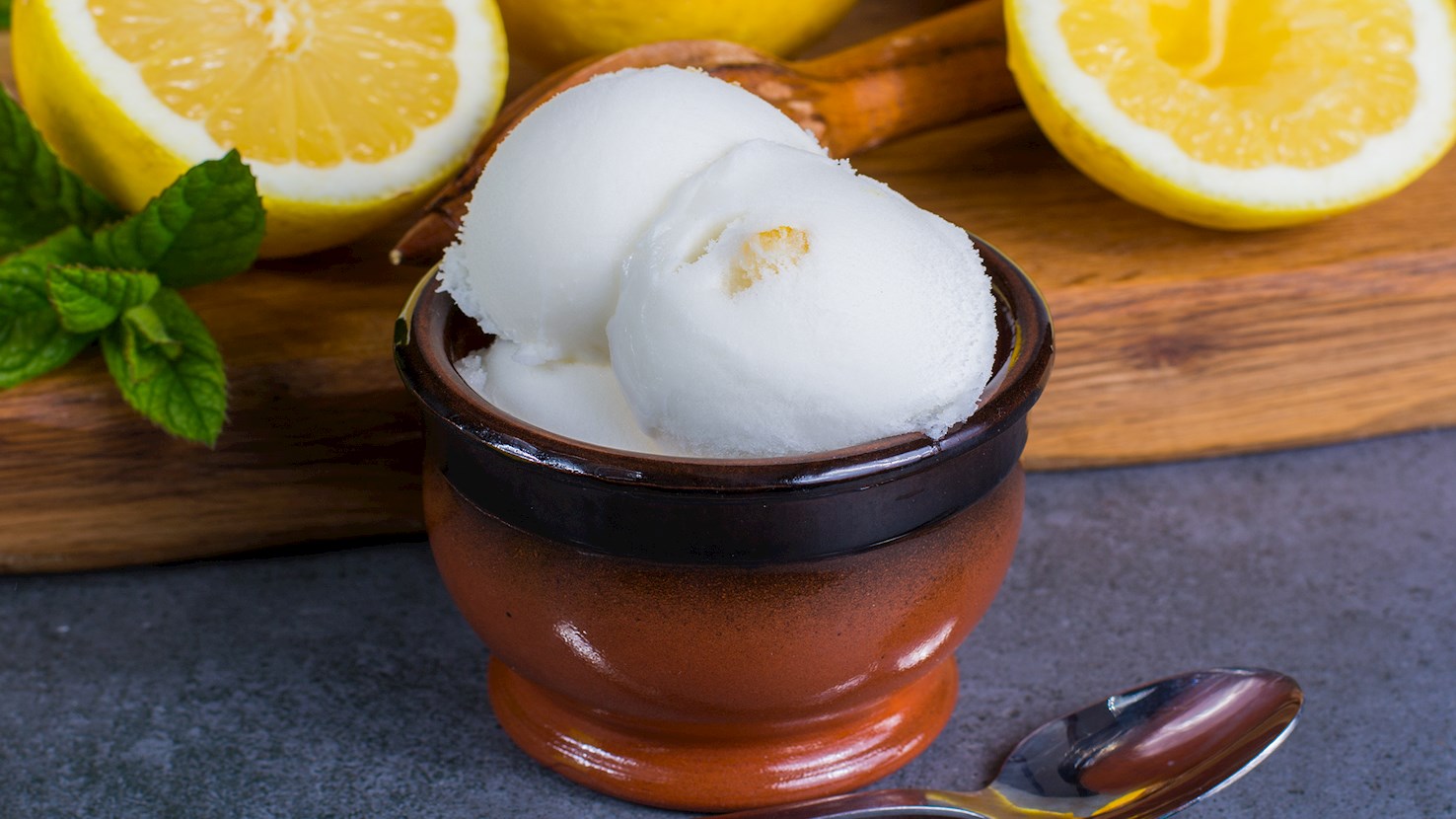
The refreshing lemon gelato is prepared with a base of milk, cream, eggs, and sugar that is typically enriched with lemon juice, lemon zest, and occasionally limoncello. The taste of lemon should not be overpowering, and the emphasis should be on the delicate flavors and the dense, creamy texture of the gelato. Though it is mainly enjoyed plain, lemon gelato is occasionally garnished with fresh basil or candied lemon peel.

11

Gelato alla crema

4.1 ·
13

Gelato di caffè

3.8 ·
15

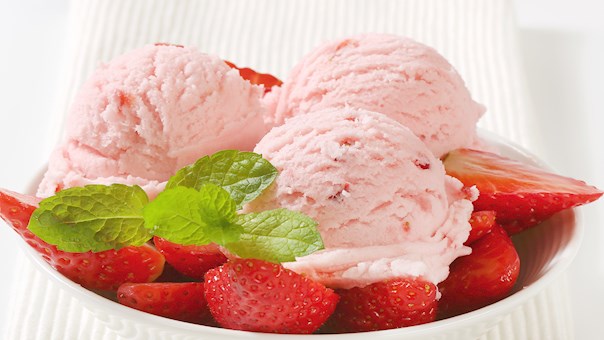
Gelato alla fragola

3.7 ·
16

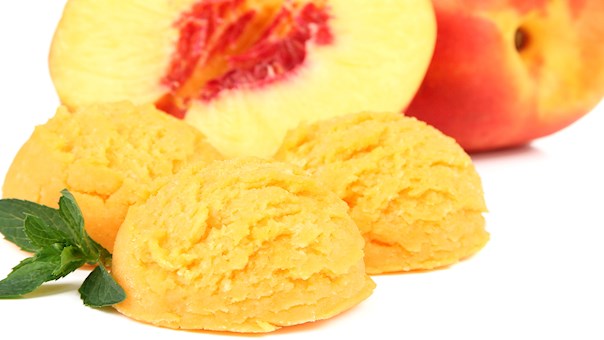
Gelato alla pesca

3.7 ·
17

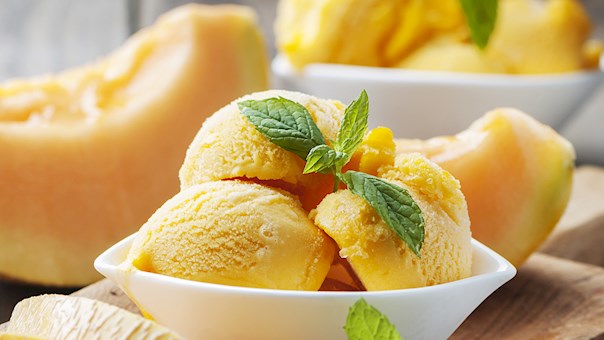
Gelato al melone

3.6 ·
18

Gelato all'amarena

3.6 ·
20

Gelato al torrone

3.2 ·
About this ranking

TasteAtlas food rankings are based on the ratings of the TasteAtlas audience, with a series of mechanisms that recognize real users and that ignore bot, nationalist or local patriotic ratings, and give additional value to the ratings of users that the system recognizes as knowledgeable. For the “28 Gelato Varieties Ranked From the Best To the Worst” list until June 17, 2026, 777,524 ratings were recorded, of which 504,674 were recognized by the system as legitimate. TasteAtlas Rankings should not be seen as the final global conclusion about food. Their purpose is to promote excellent local foods, instill pride in traditional dishes, and arouse curiosity about dishes you haven’t tried.

Similar lists