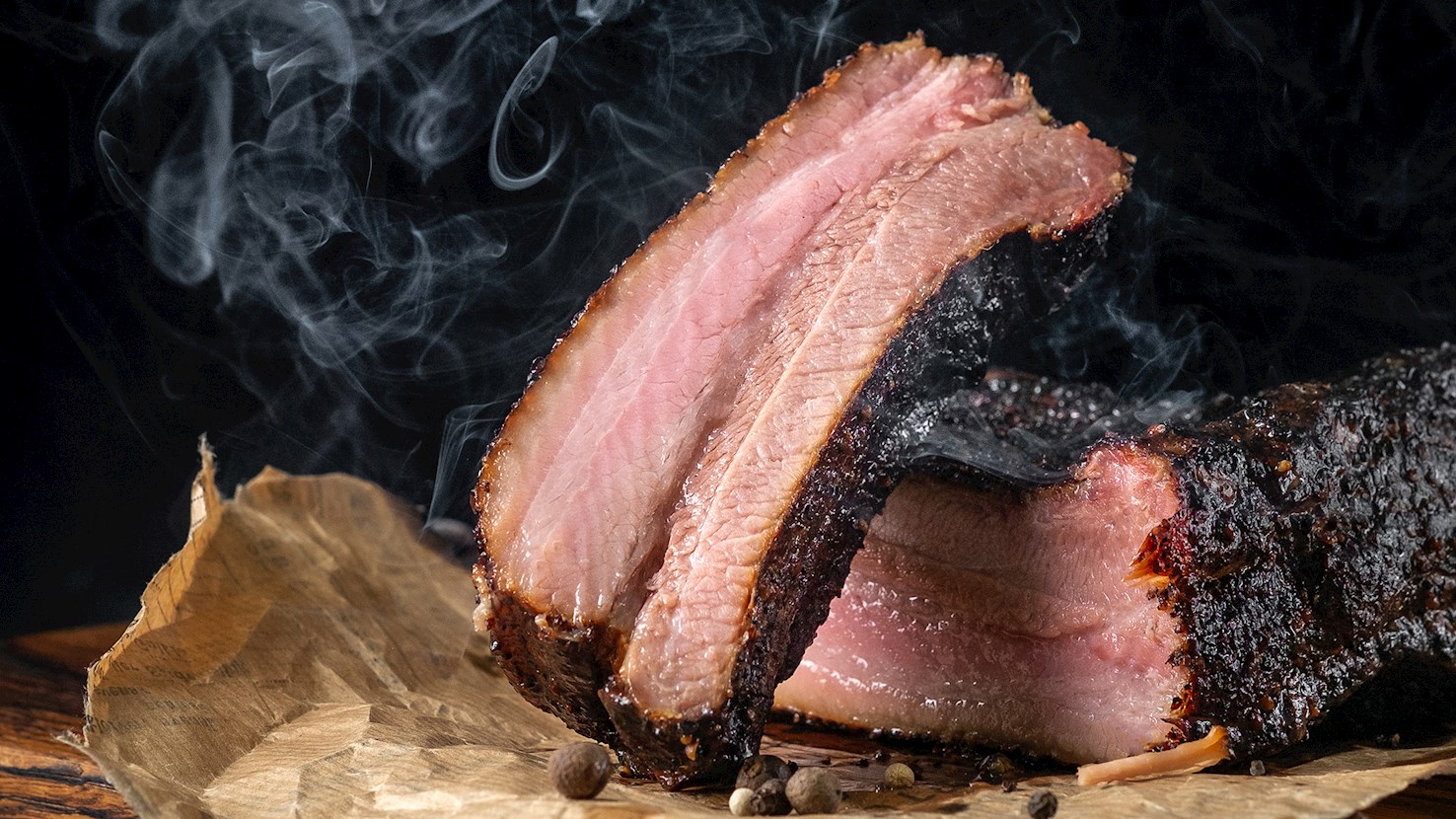
In the American, English and German systems of primal beef cuts, the brisket (or rinderbrust) is a cut that comes from the breast or lower chest of the cow. The brisket is one of the nine primal cuts of beef and is particularly known for its size and for having a significant amount of connective tissue. This cut consists of two different muscles: the pectoralis major, known as the "flat," and the pectoralis minor, or the "point." The flat is leaner, while the point has more fat and marbling. Because of the high amount of connective tissue, brisket needs to be cooked slowly, over low heat, to allow the collagen in the meat to break down and become tender. This makes it a popular choice for slow cooking methods like smoking, braising, or slow roasting. Brisket is notably used in a variety of regional American barbecue traditions, particularly Texas-style barbecue, where it's often smoked for many hours. It's also traditionally used for making corned beef and pastrami.
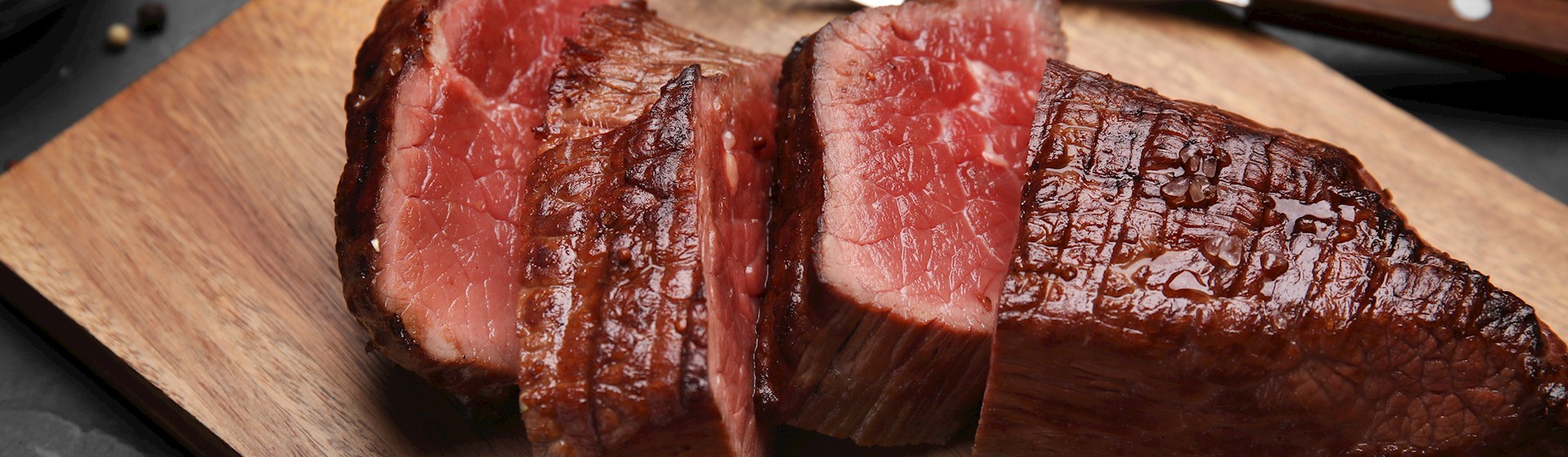
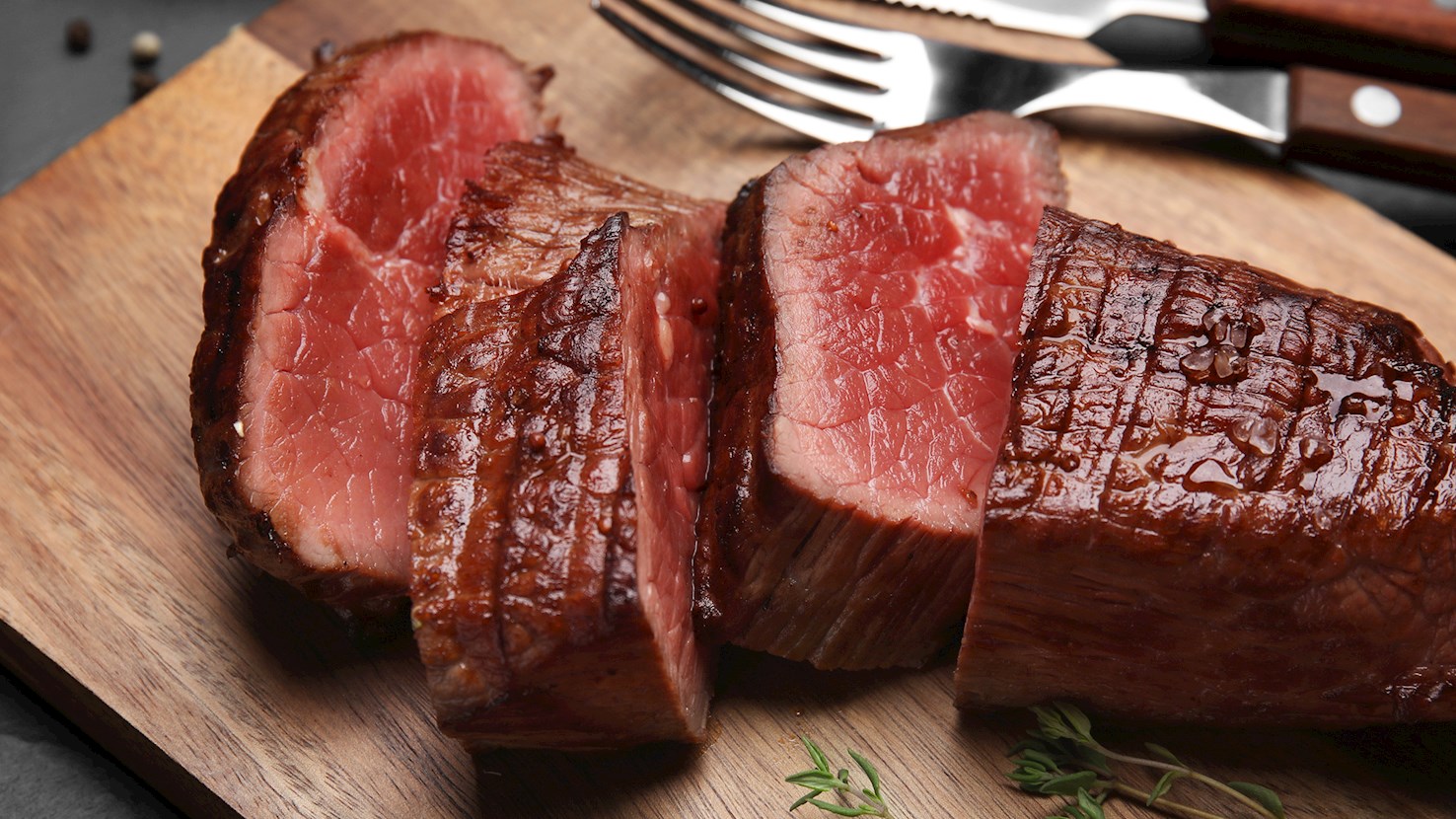
In the American, French, German, Brazilian, and Korean systems of primal beef cuts, the tenderloin is a cut from the loin, which is located towards the back of the cow, nestled under the ribs, next to the backbone. It spans two primal cuts: the short loin and the sirloin. The tenderloin is one of the most tender cuts of beef as it comes from a muscle that doesn't get much exercise. It is also one of the most highly prized and correspondingly expensive cuts of beef, due to its tenderness and flavor. Given the tenderness of this cut, the tenderloin is often cooked quickly over high heat, with methods such as grilling or broiling. It's often served slightly rare to maintain its tender texture.
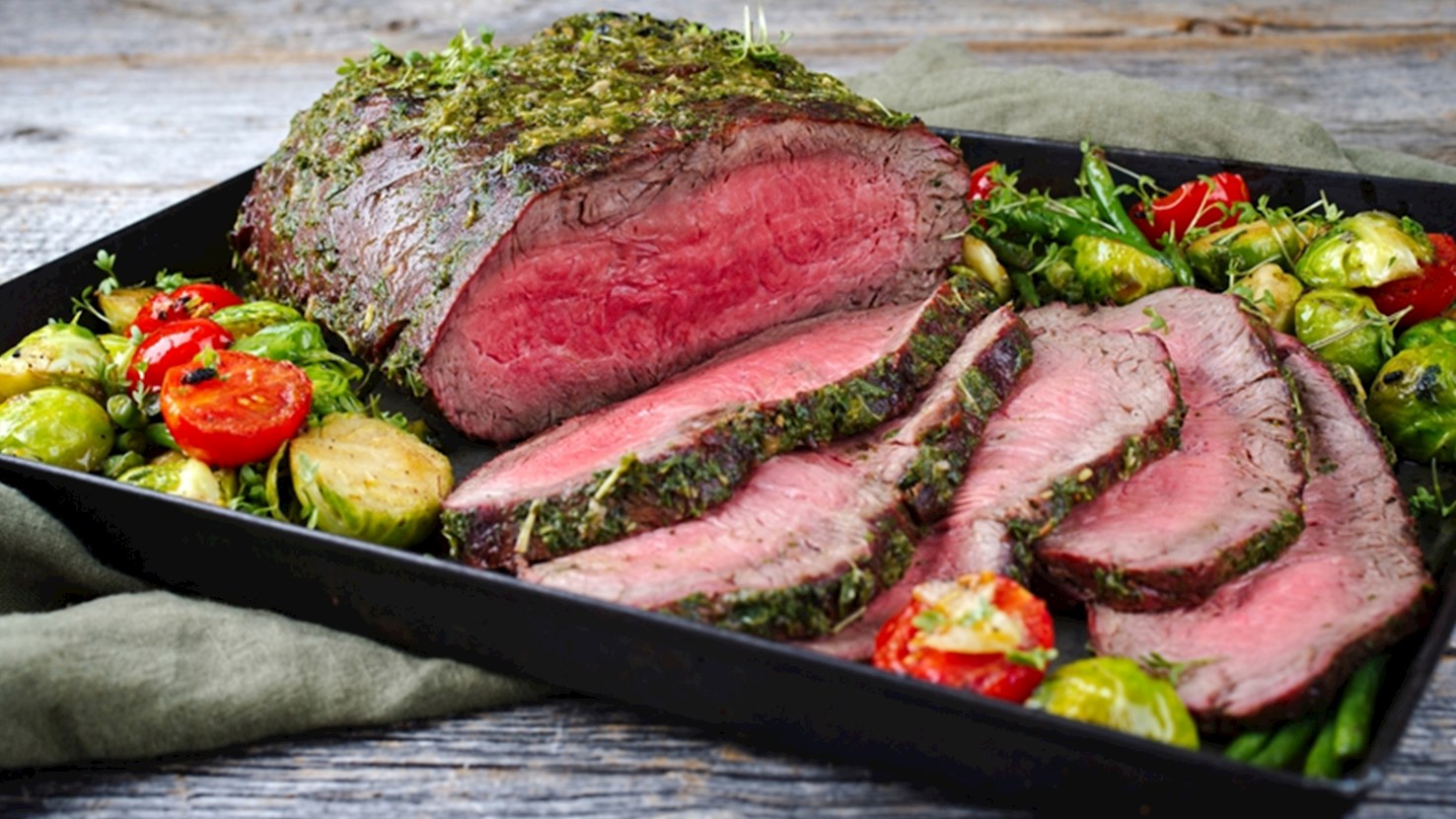
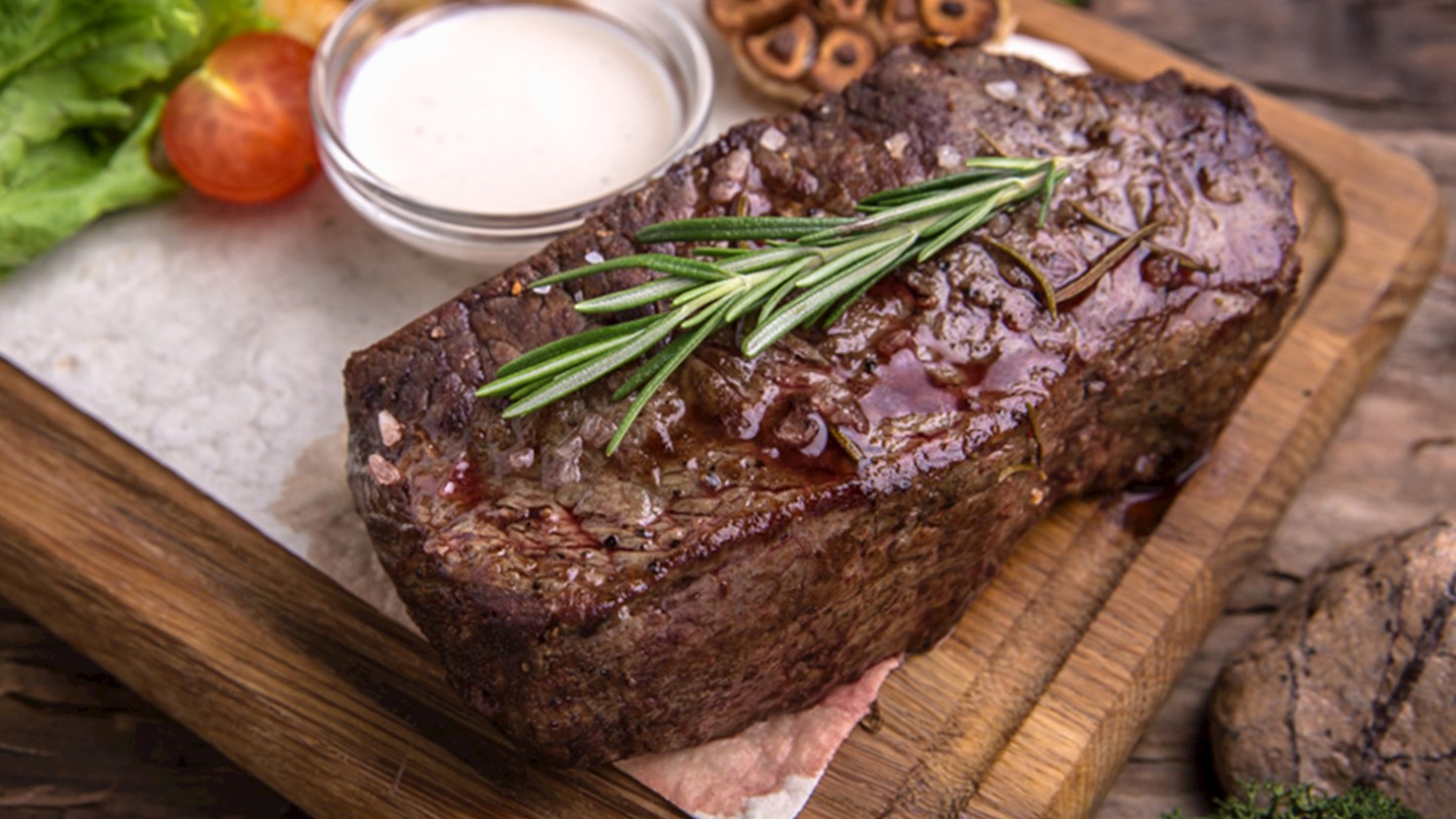
The term rostbraten is used in German-speaking countries, including Germany and Austria, to refer to certain cuts of beef as well as dishes made from these cuts. Regarding cuts, the rostbraten usually refers to a section from the rump or loin of the cow, which corresponds to parts of the sirloin or rump steak in the UK and the US. This cut is known for being lean and quite tender, making it well-suited to various cooking methods, including roasting, grilling, or pan-frying. When used in a dish also called rostbraten, this cut of beef is often seared in a hot pan and then further cooked in the oven or simmered with onions and broth, depending on regional variations of the recipe.
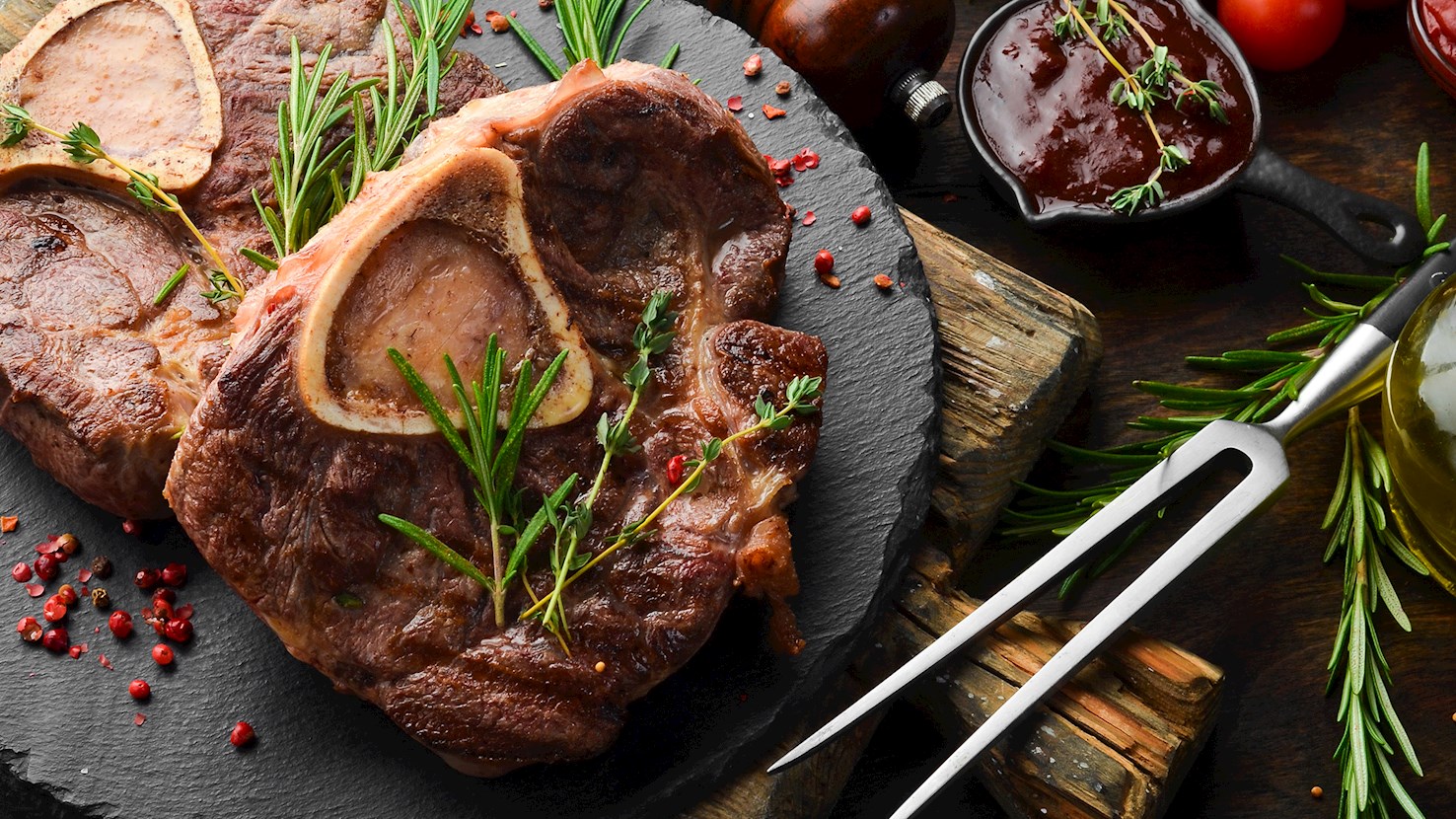
In the American, German, and Brazilian systems of primal beef cuts, the shank (hesse, músculo) is the term used for the leg portion of the cow. There are both front and hind shanks, coming from the legs of the steer. The shank is known to be one of the toughest cuts due to the fact that it comes from a part of the animal that is heavily exercised. As such, it contains a high amount of connective tissue, which can be made tender and flavorful through slow, moist-heat cooking methods like braising. The meat from the shank is often used in dishes like soups and stews. Shank is also commonly used for making bone broths and stocks, as the bones from the shank contain marrow, which adds depth and richness to the liquid.
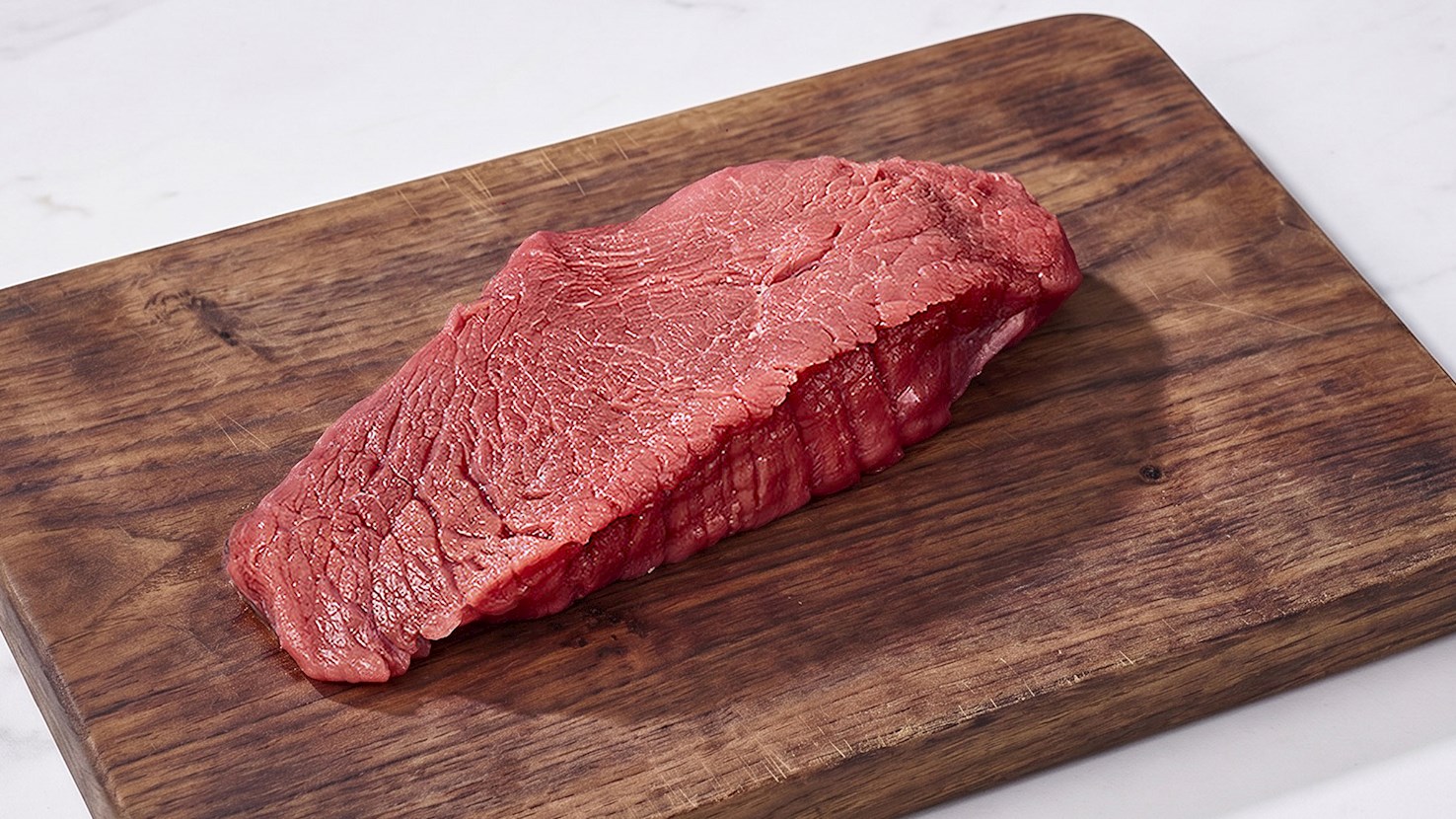
Hüfte in German butchery refers to a specific cut of beef located around the hip area of the cow. Being situated on the back part of the cow, hüfte comes from a muscle region that is somewhat active but not overly so, which results in meat that is tender yet flavorful. Hüfte is characterized by its moderately tender texture, a middle ground between the highly tender cuts like the fillet and tougher cuts like the shank. It carries a pronounced beefy flavor, a result of its location on the cow, where the muscle gets a good amount of exercise but not to the point of becoming tough. This cut is versatile in German cuisine. It can be roasted as a whole joint or sliced into steaks. Given its balance of tenderness and flavor, hüfte is often chosen for dishes that benefit from a beefy taste but still require a tender bite, such as certain stews, stir-fries, or even carpaccio. When roasting the hüfte, it can be beneficial to sear it first to lock in juices and then finish the cooking process in the oven. If opting for steaks, quick, high-heat methods like grilling or pan-searing are ideal. Marinating can enhance the flavor and add a layer of complexity to the dish. The rich flavor profile of hüfte pairs well with a broad range of ingredients. Robust herbs such as rosemary, thyme, and garlic can accentuate its beefiness. For a more contemporary twist, ingredients like soy sauce, ginger, or even certain fruit-based marinades can offer a delightful contrast.
Oberschale in German butchery refers to a specific cut of beef taken from the upper hind leg or the outer thigh of the cow. Given its location on the animal, the oberschale is a fairly lean cut, as it originates from a muscle area that gets a moderate amount of exercise. Oberschale is characterized by its lean, fine-grained muscle fibers. While not as tender as some other cuts like the fillet, its moderate activity level gives the meat a well-defined beef flavor, making it desirable for various culinary applications. This cut is versatile and can be used in various cooking methods. In German cuisine, oberschale is often roasted as a whole joint, especially during festive occasions or Sunday meals. It can also be sliced into steaks or used in stews and pot roasts. Due to its lean nature, it's essential to ensure it doesn't dry out during cooking. When roasting the oberschale, it's beneficial to use techniques that preserve its moisture, such as basting, marinating, or even wrapping it with bacon. For stews or braised dishes, slow cooking is ideal, allowing the meat to become tender and flavorful over time. If cutting into steaks, they should be cooked quickly to avoid drying out. Oberschale's distinct beef flavor pairs well with a variety of ingredients and seasonings. Classic pairings include root vegetables, robust herbs (like rosemary and thyme), and rich sauces or gravies. For stews, the addition of red wine, beef broth, or tomato-based sauces can accentuate its depth of flavor.
In German butchery, hals denotes the neck portion of the beef. This cut, taken from the upper section of the cow close to the head, is characteristically more muscular and robust. Due to its high content of connective tissue and muscle fibers, it demands specific cooking techniques to render it tender and palatable. While it's not the premium choice for quick-cooking methods, hals is valued in dishes that require prolonged simmering or braising. When cooked slowly, the fibers and tissues break down, resulting in flavorful and tender meat, making it an ideal choice for hearty stews, soups, and slow-cooked dishes.
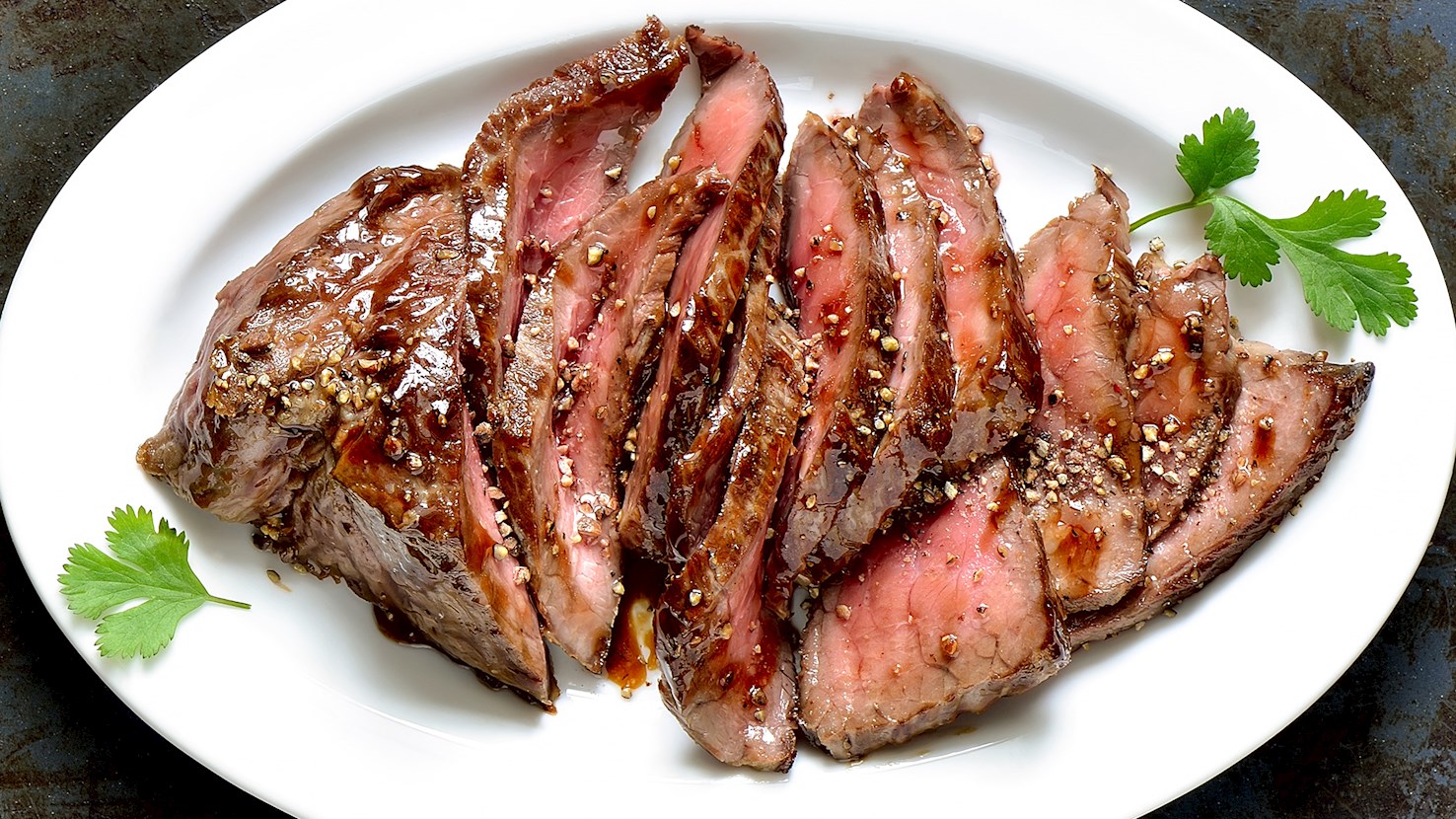
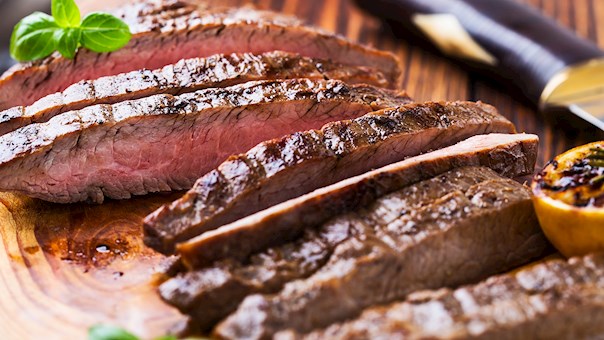
In German butchery, flanke refers to a specific cut of beef taken from the abdominal muscles of the cow. Situated below the loin and rib and spanning the belly area, flanke is a long, flat cut. It plays a crucial role in the cow's locomotion and thus has a well-developed muscle structure. Due to its location on the cow and the constant activity of this muscle, flanke tends to be lean and possesses a distinct grain pattern. While it's flavorful due to its well-exercised nature, it's also inherently tough, with pronounced muscle fibers. Flanke's grainy texture lends itself well to specific culinary applications. In German cuisine, it's not as prominently featured as in some other cultures, like in Latin American cuisines where it's the chosen cut for dishes like carne asada. Nonetheless, it's still valued for dishes requiring longer cooking times, like braising, or when meat is thinly sliced against the grain. Marinating the flanke can introduce additional flavors and help tenderize the meat, especially if acidic components are used. Grilling or broiling after marination is common. If cooking whole, it's essential to slice it against the grain to maximize tenderness. Slow-cooking methods, like braising, can also break down its tougher fibers, rendering the meat more tender and succulent. The beefy flavor of the flanke pairs excellently with bold marinades and spices. Ingredients like garlic, chili, citrus, and vinegar can enhance its natural taste. In stews or braised dishes, aromatic vegetables, robust herbs, and flavorful liquids (like beer, wine, or beef broth) further complement flanke's characteristics.
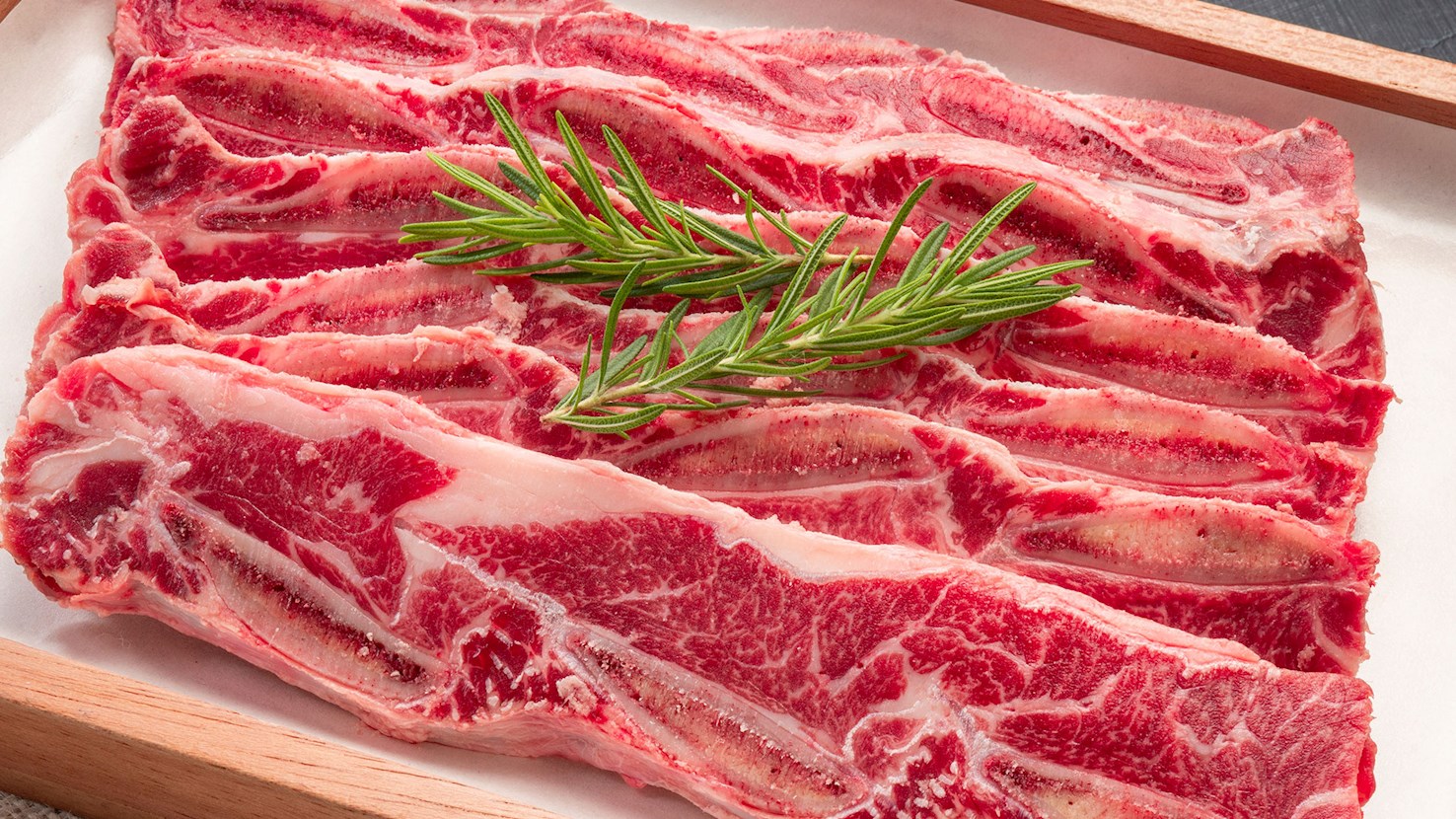
In German butchery, querrippe refers to the cross rib portion of the beef, situated in the forequarter and extending from the lower part of the chuck down to the brisket. This cut comprises a mix of muscle and bone, with layers of fat and connective tissue interspersed throughout. The presence of the rib bone lends additional flavor to the meat. Due to its rich composition, the querrippe is especially suited for slow-cooking methods like braising or stewing. When subjected to prolonged heat, the connective tissues break down, yielding a tender and flavorsome result. This makes the querrippe a popular choice for dishes that emphasize depth of flavor and succulence.
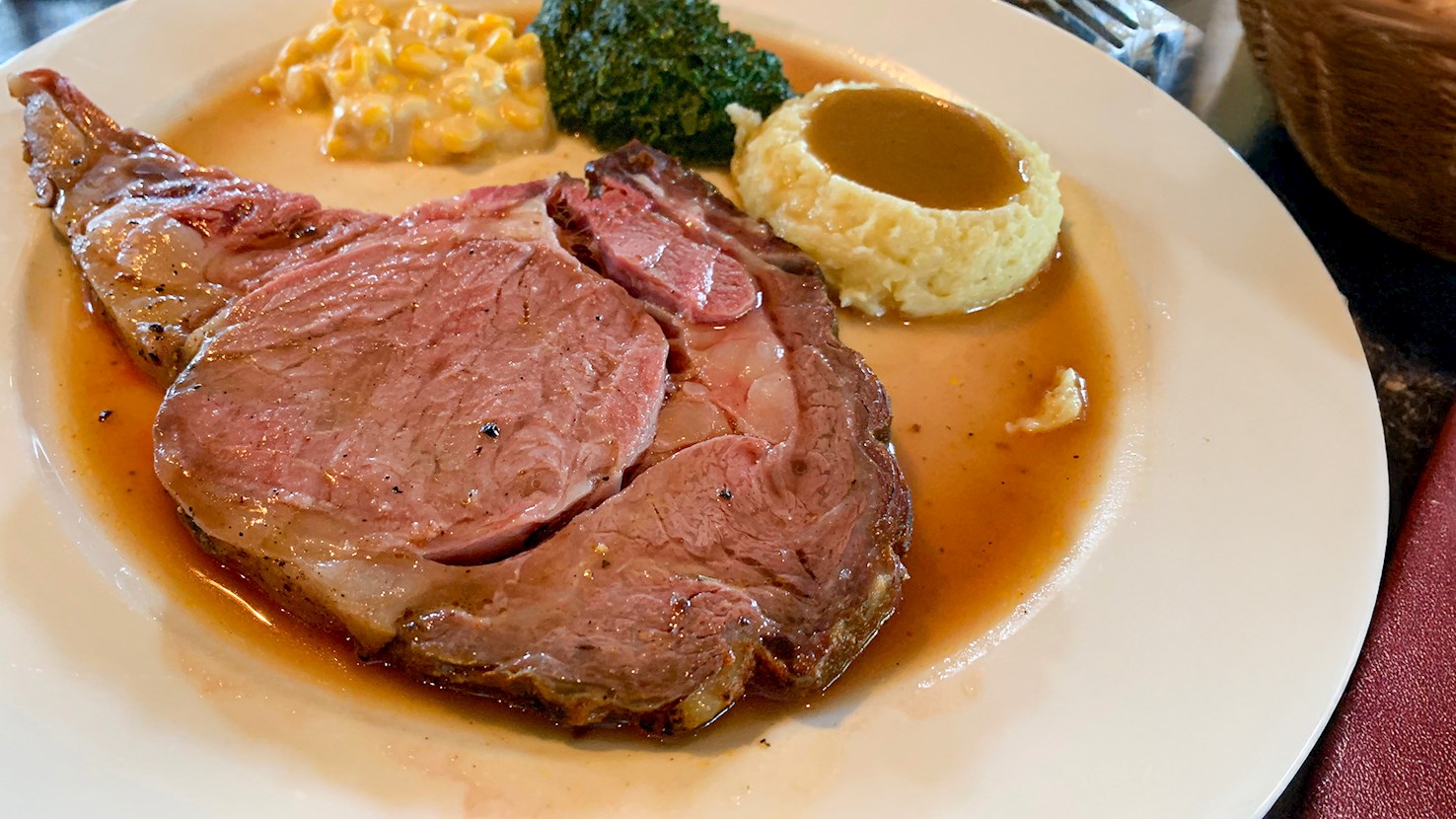
In German butchery, hochrippe refers to what is commonly known in English as the upper chuck, standing rib roast, or the upper rib section of the beef. Situated in the forequarter, right next to the neck and above the querrippe, hochrippe is a meaty section with a good amount of intramuscular fat, giving it rich flavor and marbling. The presence of bone and connective tissue also imparts additional taste to the meat when cooked. Because of its composition, the hochrippe is well-suited for various cooking methods. It can be used for roasting, braising, or slow-cooking to break down the connective tissues, resulting in tender and succulent meat.
TasteAtlas food rankings are based on the ratings of the TasteAtlas audience, with a series of mechanisms that recognize real users and that ignore bot,
nationalist or local patriotic ratings, and give additional value to the ratings of users that the system recognizes as knowledgeable.
TasteAtlas Rankings should not be seen as the final global conclusion about food. Their purpose is to promote excellent local foods,
instill pride in traditional dishes, and arouse curiosity about dishes you haven’t tried.




What People Say