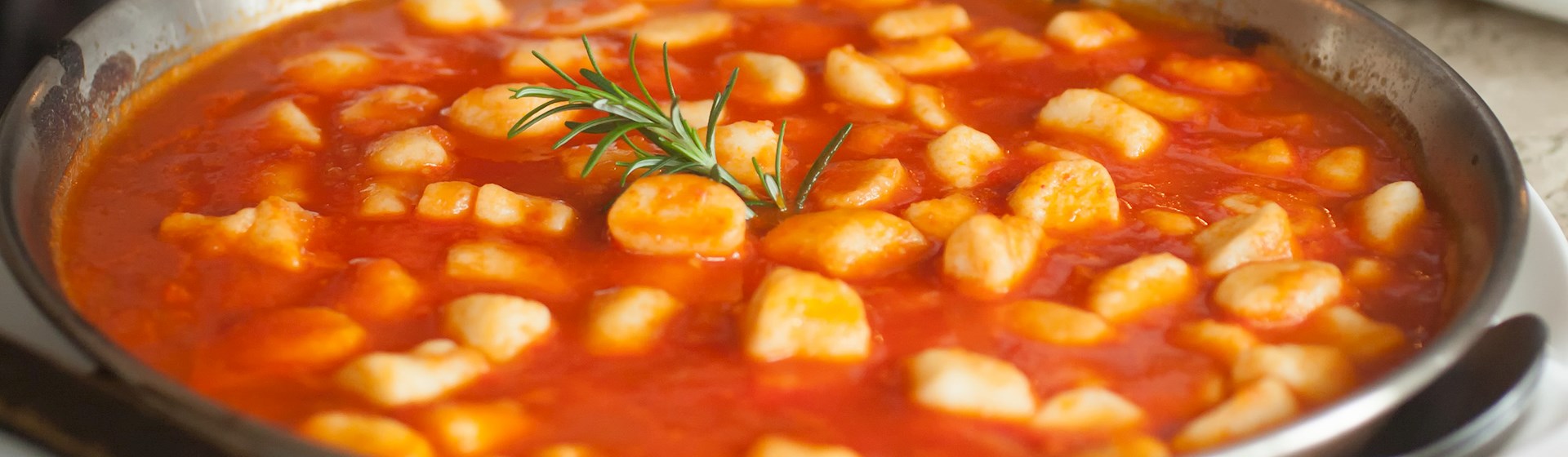
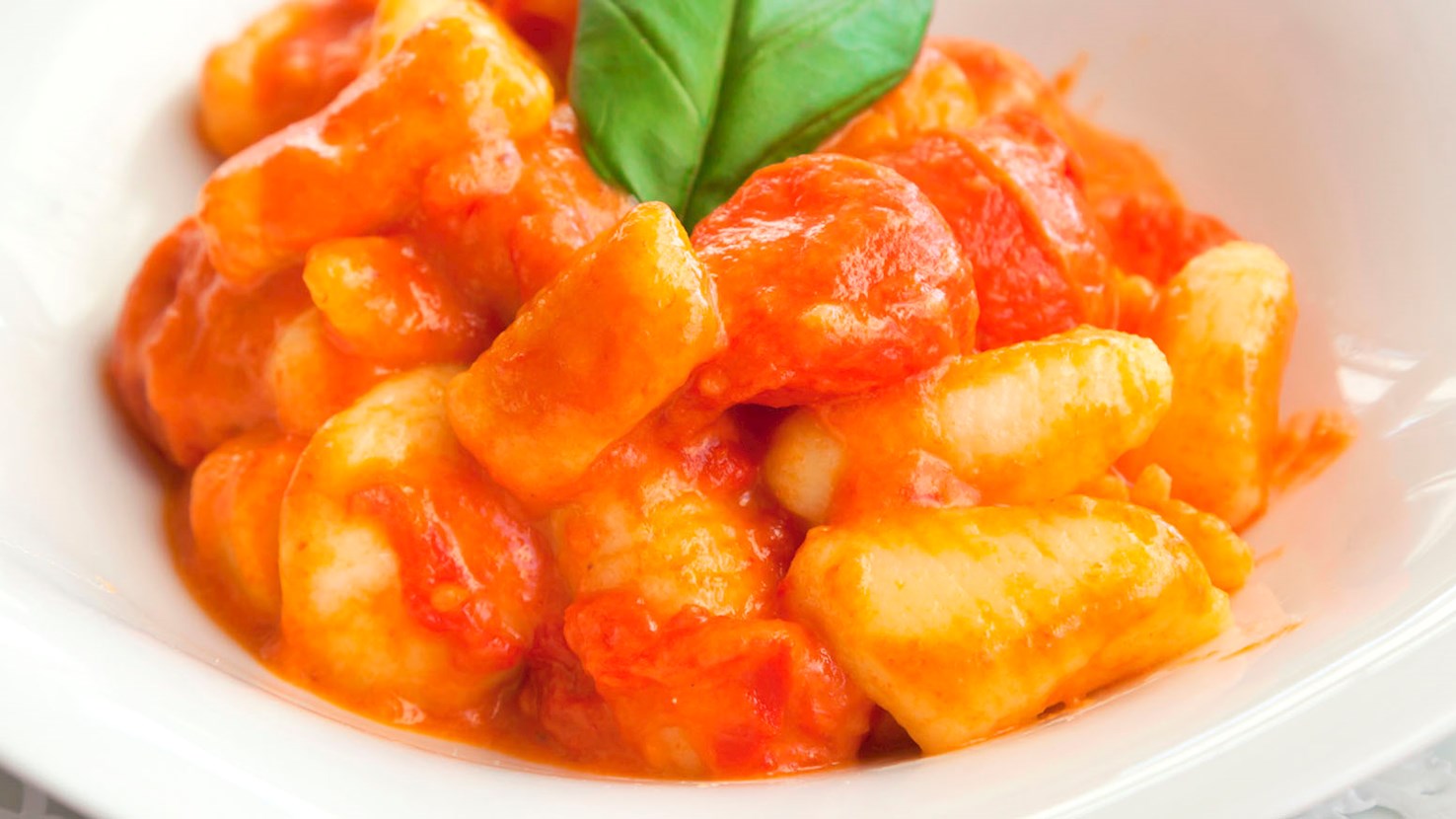
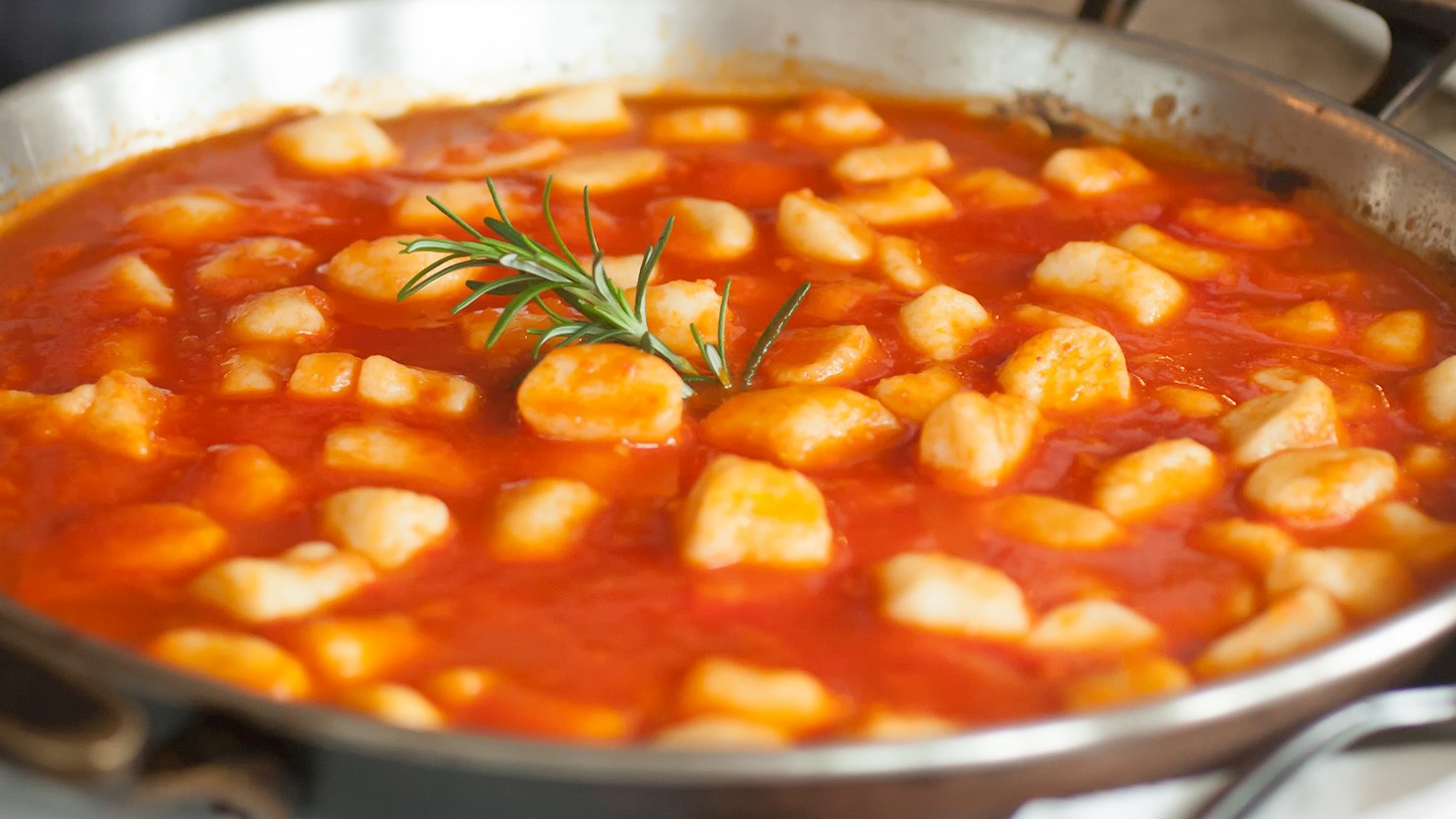
This simple yet delicious dish comes from Campania, more precisely from the beautiful coastal village of Sorrento, hence the name. Gnocchi alla Sorrentina, a Neapolitan classic in the local dialect known as strangulaprievete alla Sorrentina, are tender little potato pillows smothered in a rich, velvety, basil-flavored tomato and mozzarella sauce. They are topped with some more mozzarella or pecorino cheese, sometimes even parmesan, and then oven-baked until bubbly and oozing or until the melted cheese forms a lovely golden crust on the top. Gnocchi alla Sorrentina are traditionally baked in a small single-portion clay pot called pignatiello and served sizzling hot. When prepared using homemade gnocchi, mozzarella di bufala, and the amazingly aromatic homemade sauce made preferably with fresh tomatoes in season, the delicious Sorrento-style gnocchi make for a perfect summer dish.
Gnocchi al pomodoro is an Italian dish consisting of two key elements – potato gnocchi and a simple tomato sauce. The gnocchi are made from potatoes, eggs, and flour, and the sauce is made from olive oil, garlic, tomatoes, basil, and seasonings. When the gnocchi float up to the surface, it means they're cooked and can be gently mixed with the tomato sauce. The dish is traditionally garnished with additional basil and grated Parmigiano-Reggiano. This quick and easy dish is prepared throughout the country.
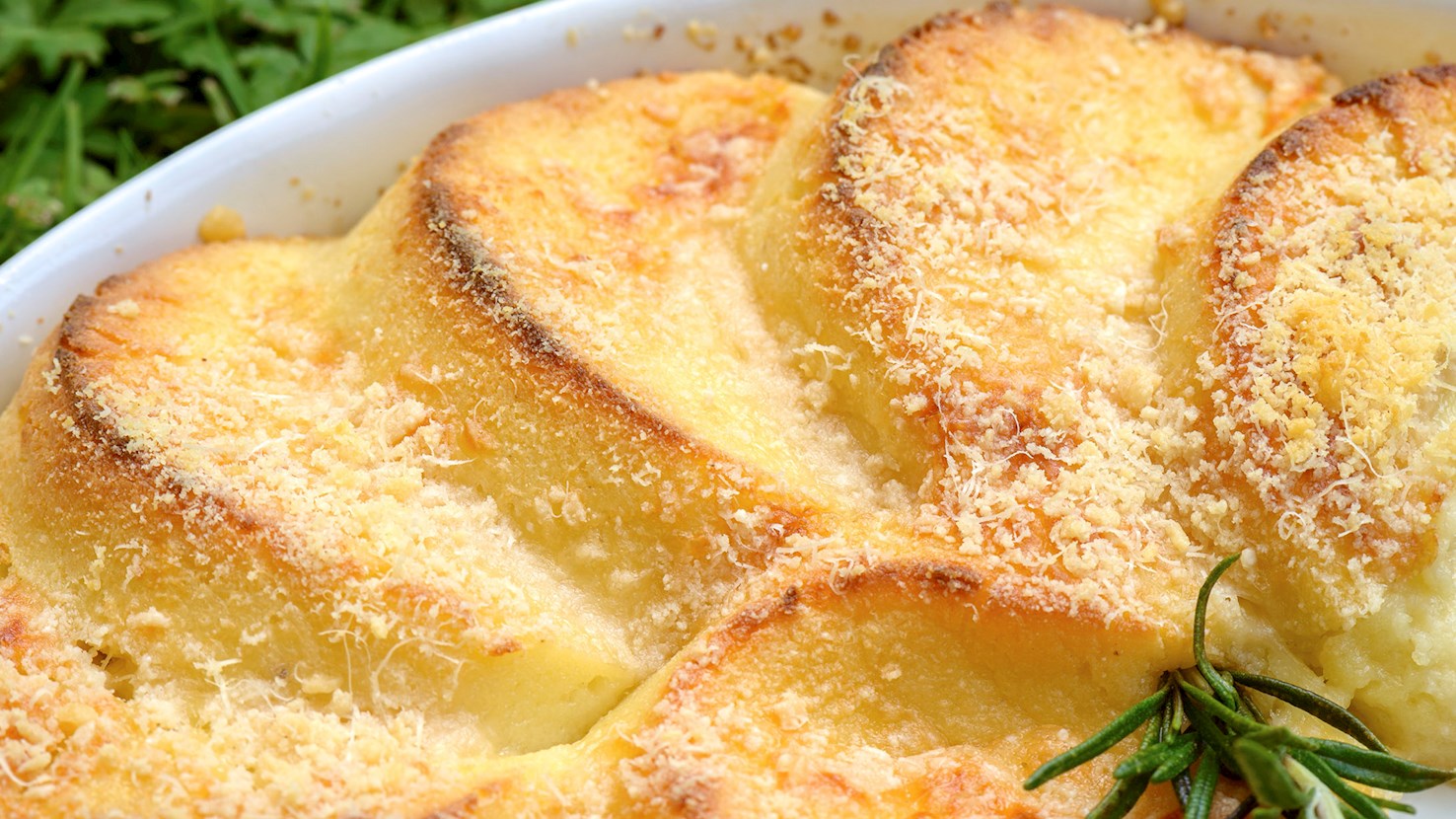
Gnocchi di semolino alla Romana is a traditional dish made with semolina flour gnocchi, milk, eggs, parmesan cheese, and butter. The gnocchi are usually layered in a casserole and baked with seasonings such as nutmeg, salt, and pepper. Some cooks like to add pancetta or ham on top in order to improve its flavors. The dish can be served either as a first course or as a main dish, if made in large quantities.
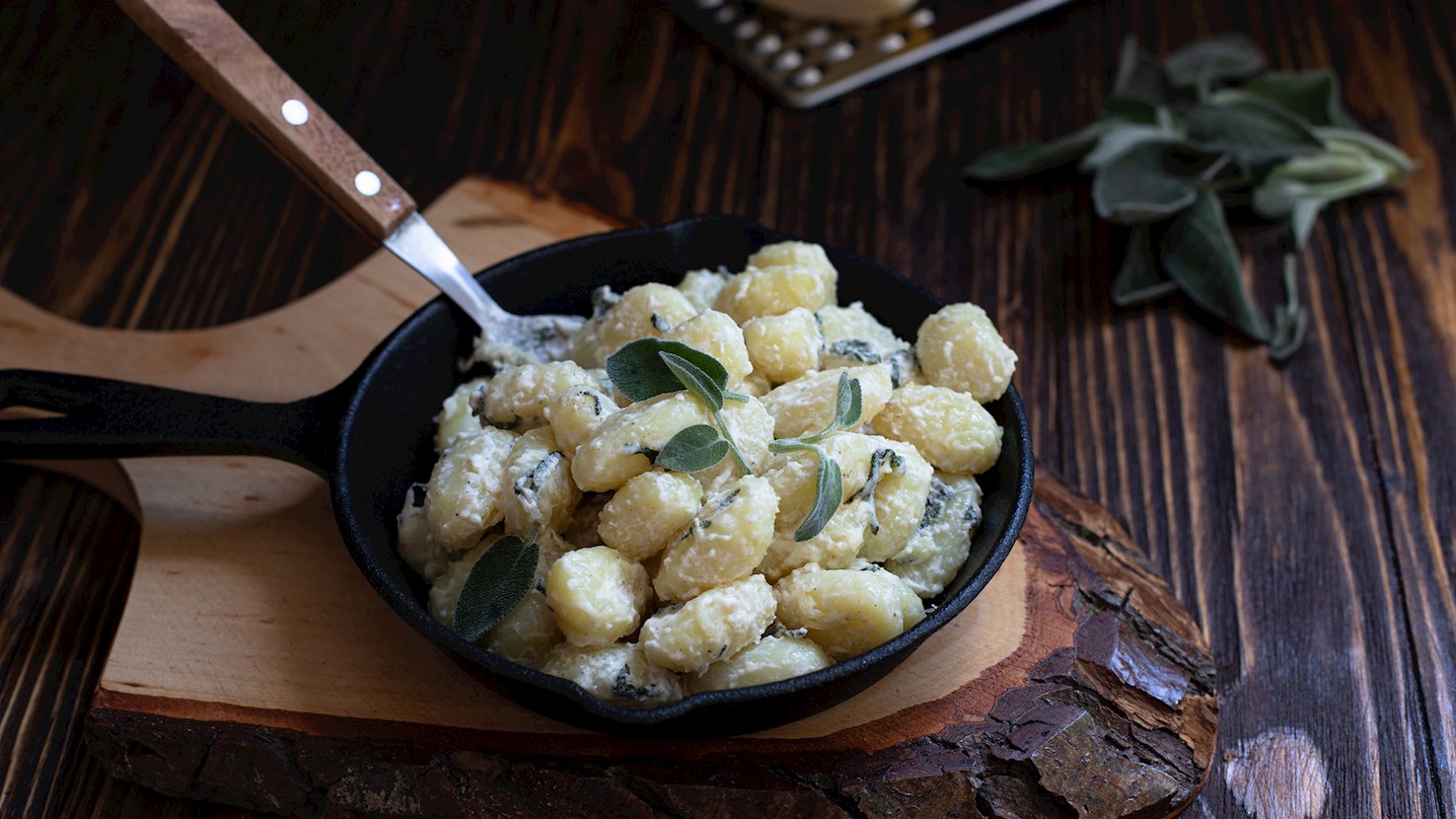
Gnocchi di ricotta is a traditional gnocchi variety that’s especially popular in Tuscany. The gnocchi are made with a combination of ricotta, butter, grated cheese, eggs, flour, nutmeg, salt, and pepper. The ingredients are mixed and formed into gnocchi, which are then rolled in flour and poached in boiling water. When they rise to the top, they’re taken out and served with butter and grated Parmigiano-Reggiano. If there’s enough time, it’s recommended to leave the mixture in the fridge overnight before shaping it into small gnocchi.
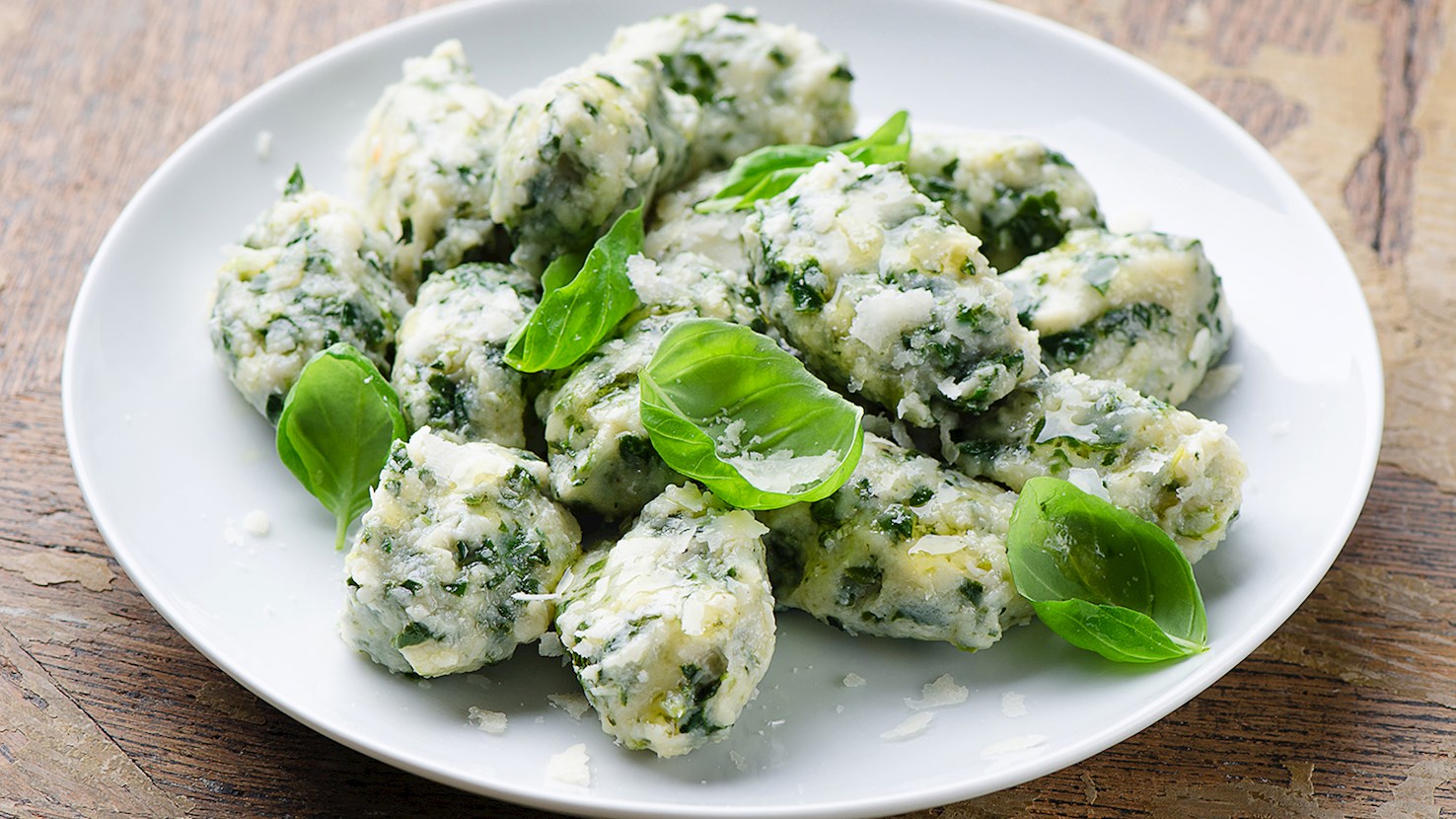
Gnocchi di ricotta e spinachi is a classic Italian dish of ricotta and spinach gnocchi. The gnocchi are made from spinach, ricotta cheese, grated parmesan, flour, and eggs. They're often spiced with ground black pepper and nutmeg. When compared to the more-known potato gnocchi, these ones are lighter and look more interesting visually. Once prepared, the gnocchi are usually mixed with a sauce consisting of olive oil, onions, carrots, garlic, tomatoes, and fresh herbs, or with a simple sage and butter sauce. For the final touch, the dish is sprinkled with grated cheese on top.
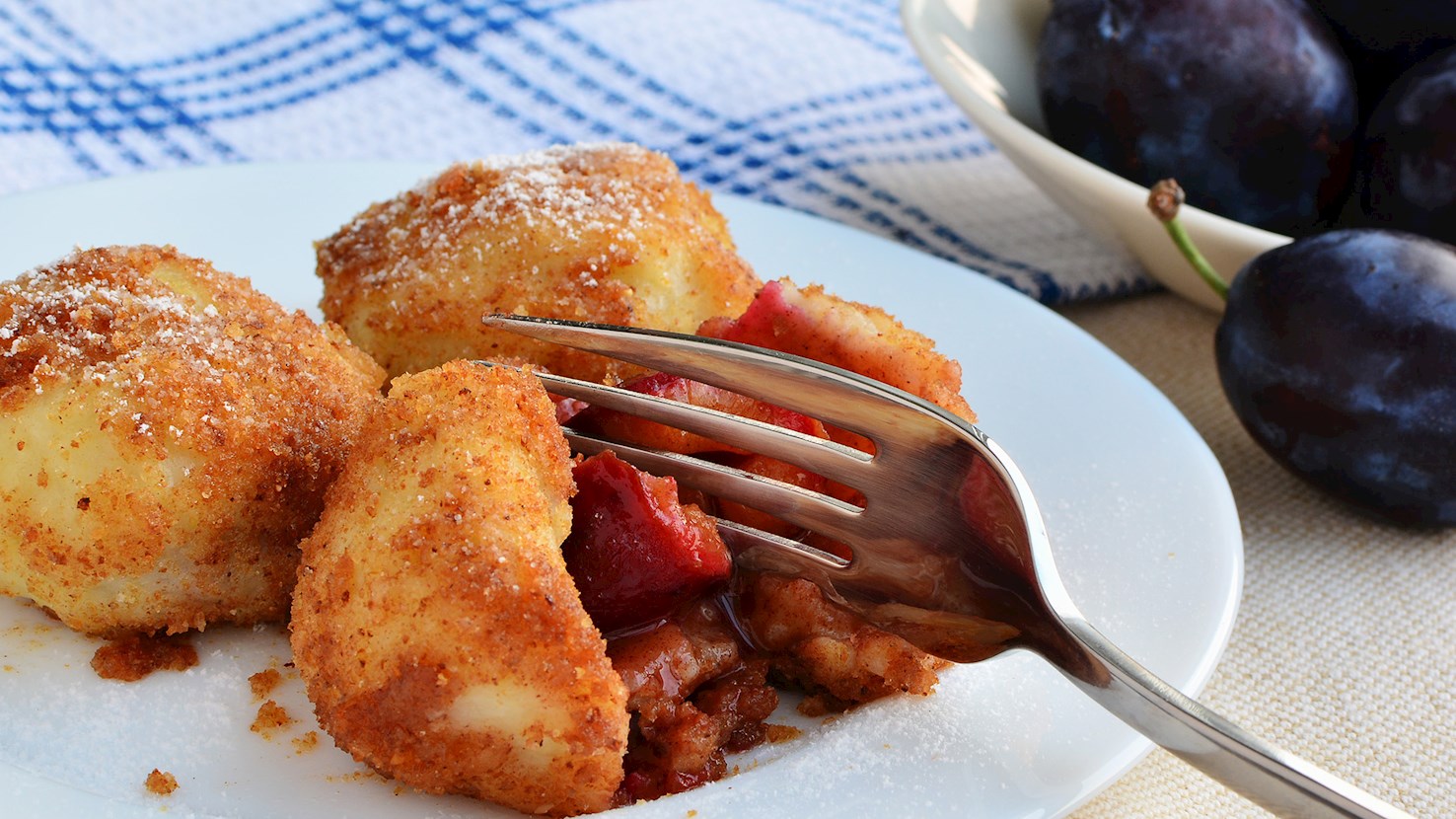
Gnocchi di prugne are plum-filled potato dumplings covered with a mixture of breadcrumbs toasted in butter, sugar, and cinnamon. They are very popular in the Italian region of Friuli Venezia Giulia, especially the capital city of the region, Trieste. That part of Italy was long ruled by the Austro-Hungarian Empire, so it is no surprise that this dish can also be found in the cuisines of other European countries that were once part of the same empire - zwetschgenknödels in Germany, knedle sa šljivama in Croatia, szilvas gomboc in Hungary, svestkove knedliky in Czechia, galuste cu prune in Romania, or slivkove knedliky in Slovakia. Interestingly, in all these countries they are considered to be a main dish, but in Italy, gnocchi di prugne are often served at the beginning of a meal - in restaurants they are usually listed under the primi part of the menu, next to different kinds of pasta and other savory dishes.
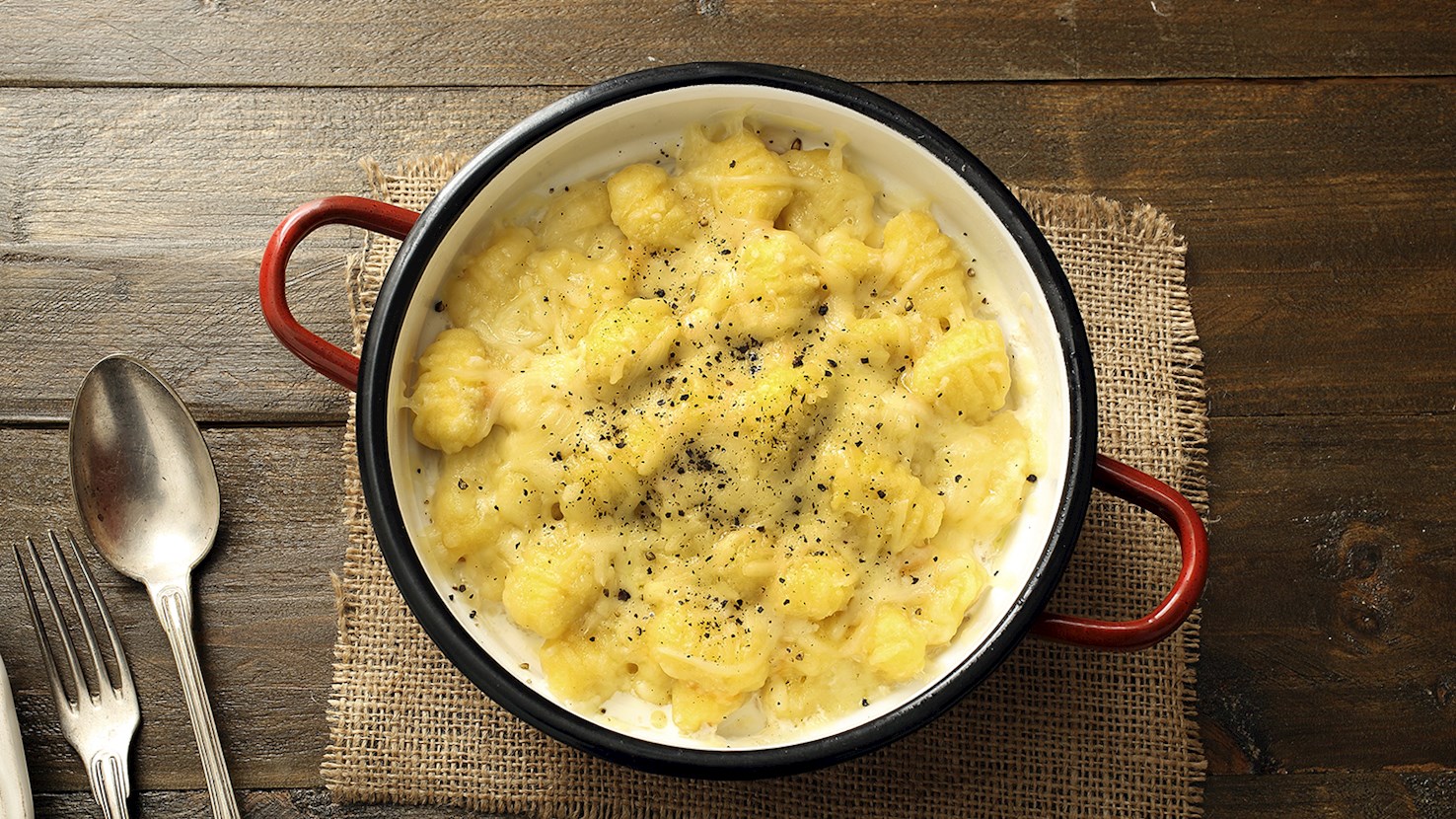
Gnocchi alla bava is a traditional dish hailing from the region of Piedmont. The dish is made with potato gnocchi, butter, and either Fontina, Swiss, or Munster cheese. The cheese is cut into slices and placed over layered gnocchi in a buttered baking dish. The last layer is dotted with butter, and the baking dish is covered with a foil. The dish is then baked for a few minutes until golden on top, and it's served immediately.
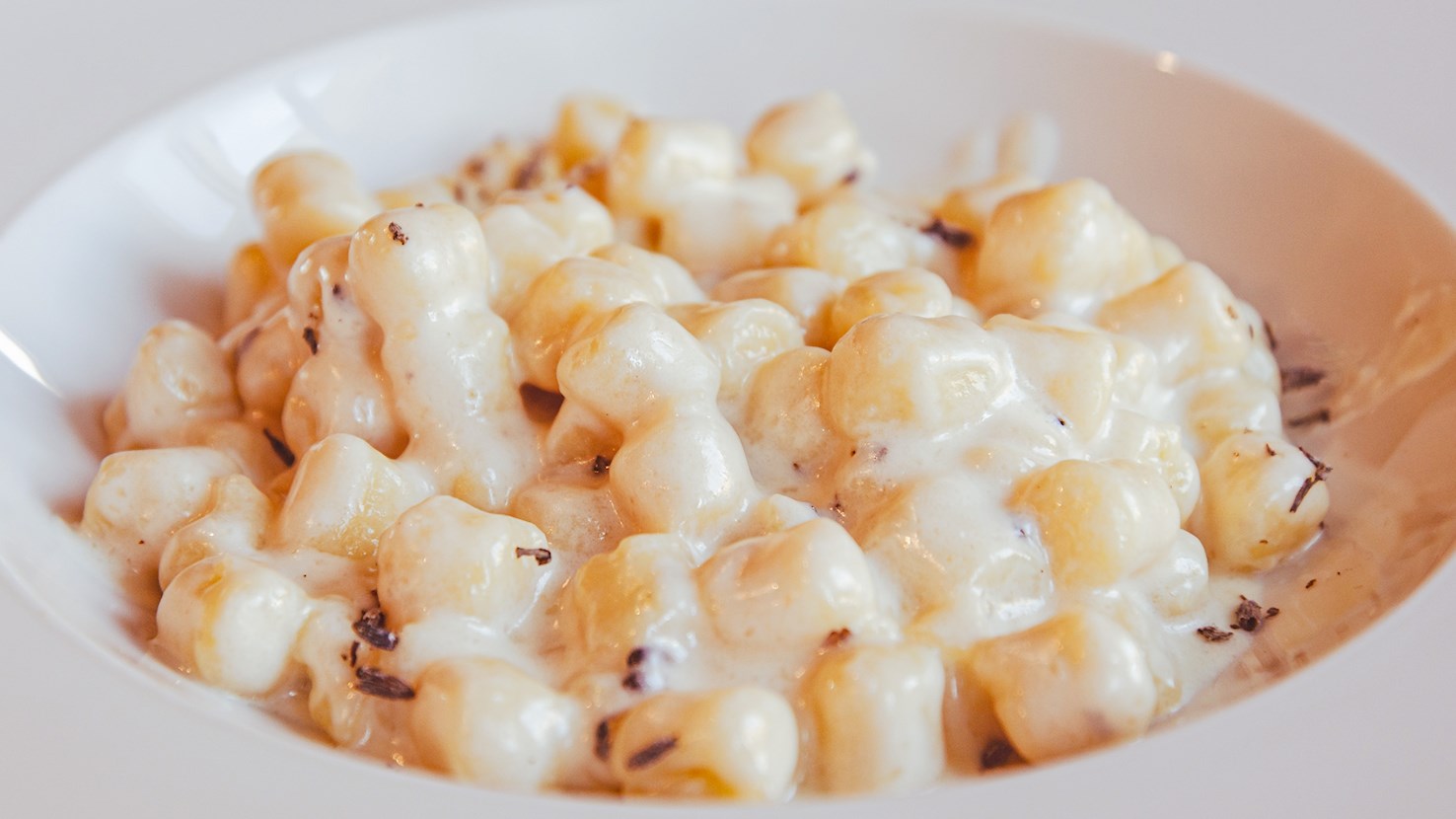
Gnocchi al Castelmagno is a traditional dish and a specialty of Cuneo. It's made with potato gnocchi, butter, milk or cream, and Castelmagno – a local DOP cheese. The gnocchi are cooked and mixed with the sauce consisting of butter, diced Castelmagno cheese, and cream. The dish is often sprinkled with pepper on top before it's served piping hot. If desired, you can replace half the amount of regular wheat flour with chestnut flour, and the result is a perfect autumnal dish – chestnut gnocchi with Castelmagno.
Gnocchi alla diavola is a traditional dish originating from Italy, consisting of potato gnocchi in a spicy diavola sauce. The dish is usually made with a combination of potato gnocchi, diced bacon, cherry tomatoes, chili peppers, and white wine. The chili peppers are fried with bacon in a bit of oil until golden. The diced cherry tomatoes are then added to the pan, and the combination is later deglazed with a bit of white wine. The gnocchi are cooked until they rise to the surface, and they are then shortly cooked over low heat in the spicy sauce until all the flavors blend.
Gnoc de la cüa is a variety of green gnocchi originating from the town of Ponte di Legno and the upper Valle Camonica in the Lombardy region of northern Italy, composed of a mixture of wild mountain herbs or spinach, ricotta, stale breadcrumbs, flour, and eggs. The name translates from the local Camunian dialect as "gnocchi with a tail," a descriptor of the elongated, irregular shape formed during the manual shaping process. This preparation belongs to the alpine family of "gnocchi verdi" and is specific to the high-altitude pastoral communities of the Rhaetian Alps. The development of this dish is rooted in the subsistence economy of the upper Valle Camonica, where residents relied on gathered wild greens, such as Silene vulgaris or mountain spinach, to supplement a diet primarily based on dairy and preserved grains. In the local mountain dwellings known as baitite, these gnocchi were a practical solution for utilizing leftover bread and the abundant wild vegetation available during the summer transhumance. While similar to the better-known Malfatti or Strangolapreti, the version from Ponte di Legno is distinguished by its high ratio of greens and its specific tapered geometry. Preparation begins by blanching the wild herbs or spinach, squeezing them to remove all moisture, and chopping them finely. This green mass is combined with fresh cow’s milk ricotta, grated Grana Padano, eggs, and breadcrumbs that have been soaked in milk or water. A small amount of nutmeg and salt is added for seasoning. The dough is shaped by hand using two spoons or the palms to create a cylindrical body that tapers off at one end, forming the characteristic tail. These are then poached in simmering salted water until they rise to the surface, indicating the proteins in the egg have coagulated and the starch has hydrated. The serving method follows a specific regional logic intended to provide high caloric intake for the alpine climate; the gnocchi are drained and placed in a dish where they are smothered in "burro nocciola," which is butter cooked until the milk solids brown and develop a toasted aroma. Sage leaves are fried in this butter until crisp, and a final, heavy grating of local alpine cheese, such as Silter DOP or aged Casolet, is applied. The dish is primarily consumed during local festivals in Ponte di Legno and in mountain refuges as a primary course for lunch or dinner. It is typically paired with structured red wines from the nearby Valtellina or the lower Valle Camonica, such as a Valtellina Superiore or an IGT Valcamonica Rosso, as the tannins and acidity are necessary to cut through the richness of the browned butter and aged cheese. Non-alcoholic pairings often involve local sparkling mineral water or cold infusions of mountain herbs.
TasteAtlas food rankings are based on the ratings of the TasteAtlas audience, with a series of mechanisms that recognize real users and that ignore bot,
nationalist or local patriotic ratings, and give additional value to the ratings of users that the system recognizes as knowledgeable.
For the “13 Gnocchi Varieties Ranked From the Best To the Worst” list until October 17, 2026, 811,838 ratings were recorded, of which 532,919 were recognized by the system as legitimate.
TasteAtlas Rankings should not be seen as the final global conclusion about food. Their purpose is to promote excellent local foods,
instill pride in traditional dishes, and arouse curiosity about dishes you haven’t tried.





What People Say