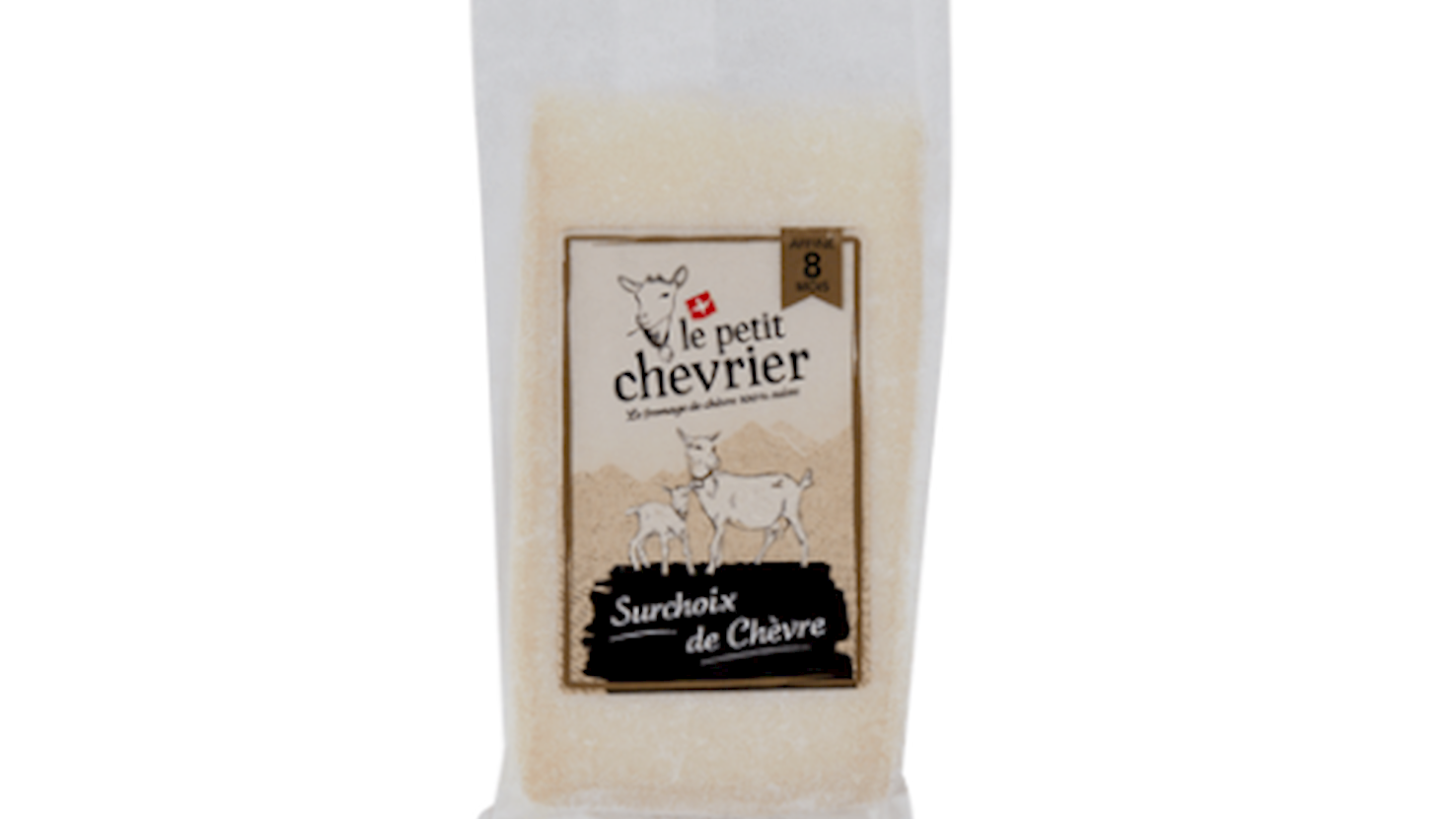
Since 1995, we have been passionately producing goat's milk products from 100% pure Swiss goat's milk with only natural ingredients. Our goat's cheese and goat's milk products are still made today with a lot of manual work and using tried and tested methods in the heart of Switzerland. Our goat's milk comes from around 3,000 Swiss goats, which are lovingly cared for by their 30 owners on family farms. The farmers guarantee excellent milk quality and feed their goats exclusively with high-quality and natural feed. The goats and their milk are our most important asset.
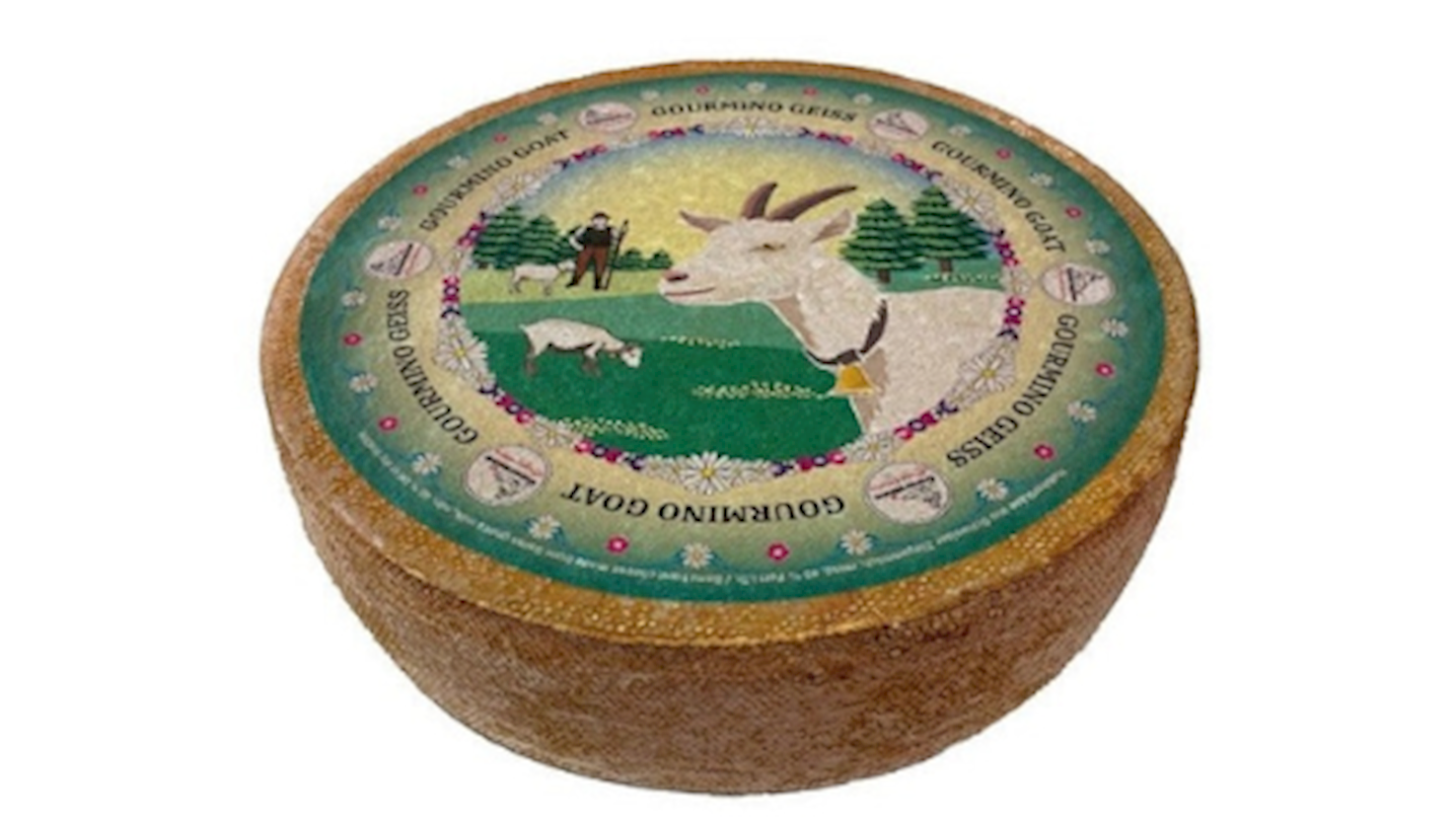
Gourmino, based in Langnau im Emmental, Switzerland, is a cooperative formed by a group of Swiss Alpine dairies specializing in the production of Emmental cheese. This producer focuses on traditional cheese-making methods, aging their cheese in natural cave cellars. Gourmino also plays a significant role in supporting local dairy farmers by providing a stable outlet for their milk, while maintaining a commitment to sustainability and quality in their cheese production processes.
Awards
Culture Cheese Magazine Best Cheeses issue - Best
(2023)
Formaggella is a semi-hard, medium-sized cheese produced from goat's milk, cow's milk, or a mixture of both, with a texture that can range from fresh soft to semi-hard, depending on the production method and aging process. The name derives from formaggio (lit. cheese), with the diminutive "-ella" suggesting a traditionally lower status compared to long-aged alpine cheeses. A Swiss-Italian expression about strabismus (cross-eyed people) references "an eye that looks at the board of formaggella," referring to the wooden boards in kitchens where the cheese was stored to dry and kept safe from mice. Formaggella has a cylindrical shape, with a diameter of 10-20 cm, a height of 3-5 cm, and a weight of 400g to 2kg. The paste varies in color from white (if made with more goat’s milk) to straw yellow (if made with more cow’s milk), while the rind is thin, soft, and gray, sometimes covered with molds called mucor, similar to those found on Tomme de Savoie. Its ingredients include goat’s or cow’s milk, direct thermophilic ferment, rennet, sometimes mold, and salt. Historically, formaggella has been produced since at least the 13th century, in the pre- and post-alpine grazing periods (spring and winter). Originally intended for household consumption, it was not as highly regarded as long-matured alpine cheeses. Production begins with thermizing the milk at 65°C for 15 minutes to improve health safety while preserving flavor. The milk is then cooled to 35°C, and thermophilic ferments and sometimes molds are added. After coagulating for 30-40 minutes with rennet, the curd is cut first with a curd cutter (lyre/harp) into thin slices, then further reduced with a spannarola until hazelnut-sized pieces are obtained. Some whey may be removed and replaced with water to reduce acidity, though this practice is rare due to contamination risks. The mixture is heated again to 38°C before being placed in perforated baskets or molds. The cheese is turned multiple times within 24 hours, then brined for 4-6 hours or dry-salted. Aging occurs in cellars at 12-14°C with 70-90% humidity for at least three weeks. Traditionally a domestic product, formaggella was consumed as a side dish, in recipes, or even for breakfast. Today, it is widely available in markets, shops, and restaurants in the Ticino region and is highly sought after in its various fat-content variations (full-fat, semi-fat, lean). Depending on the region, formaggella is known by different names: chiasörin in Leventina, crenga in Val di Blenio, maioca in Biasca, mota or motign in Valmaggia, and fromagela in Verzasca. Some varieties develop a gray moldy rind with fine hairs, known as "cat hair" or "pei da ratt," due to mucor molds. These characteristics highlight formaggella’s deep roots in Swiss alpine dairy traditions. Today, it remains a cherished cheese due to its delicate flavor, artisanal craftsmanship, and versatility in various culinary applications.
Mascarplin, or mascarpel, is a traditional ricotta-like cheese crafted from goat's milk, primarily sourced from breeds such as Camosciata delle Alpi, Grisons Striped, Grigia, and Colomba. These goats graze on meadow grasses and local hay for six to ten months annually. The production process involves heating the goat's milk to temperatures above 90°C (194°F) and adding "maestra," a whey culture from the previous day's production, to induce curdling. Historically, dried and fermented fruits, berries, or roots were used for this purpose. The curds are then drained in perforated cylindrical molds for about eight hours, resulting in small cheeses weighing between 250 and 500 grams (0.5 - 1 lb), measuring approximately 8-10 centimeters (3-4") in height and 10 centimeters (4") in diameter. After dry-salting, the cheeses are left to dry for a day in a cool environment. While mascarplin develops its full flavor potential after aging for at least two to three weeks, it is often sold earlier. Traditionally, families throughout the Bregaglia Valley produce mascarplin at home, even if they own only a few goats. However, commercial production is limited, making it a product primarily consumed locally.
Büsción is a fresh cheese made from goat’s milk, cow’s milk, or a mix of both. It has a soft, creamy, and slightly sticky texture with an acidic, mildly salty flavor. The cheese is cylindrical (6-10 cm high, 4-5 cm in diameter) and weighs 60-100g (2-3.5 oz). Its color ranges from white to yellowish, depending on the milk used. Prepared through acid coagulation, büsción is made by fermenting raw or thermized milk with lactic cultures until the casein precipitates. After resting at a mild temperature, rennet is optionally added to speed up coagulation. The curd forms over 12-24 hours before being drained in a cloth bag, allowing whey to drip out. Once firm, the cheese is salted, kneaded, and shaped into small cylinders. It is best consumed fresh within 10-15 days but can also be preserved in oil with herbs and spices. Historically, büsción originated in the Muggio Valley and was once stored in terracotta amphorae for weeks or months. Initially made from goat’s milk, production expanded in the 20th century with improved infrastructure and refrigeration, leading to year-round availability. Today, it remains a key product for local cheese producers, sought after by both locals and tourists. It is commonly eaten with bread, salads, or local cured meats and can be seasoned with oil, vinegar, salt, or pepper. Traditionally enjoyed fresh, it has recently regained popularity as a pairing with honey.
TasteAtlas food rankings are based on the ratings of the TasteAtlas audience, with a series of mechanisms that recognize real users and that ignore bot,
nationalist or local patriotic ratings, and give additional value to the ratings of users that the system recognizes as knowledgeable.
For the “Top 3 Swiss Goat Cheeses” list until June 15, 2026, 4 ratings were recorded, of which 4 were recognized by the system as legitimate.
TasteAtlas Rankings should not be seen as the final global conclusion about food. Their purpose is to promote excellent local foods,
instill pride in traditional dishes, and arouse curiosity about dishes you haven’t tried.
The initial list of top producers was compiled based on available reviews, awards, local recommendations, media and blog coverage, and consumer reviews.
The list will be updated with ratings from TasteAtlas local ambassadors and TasteAtlas users.