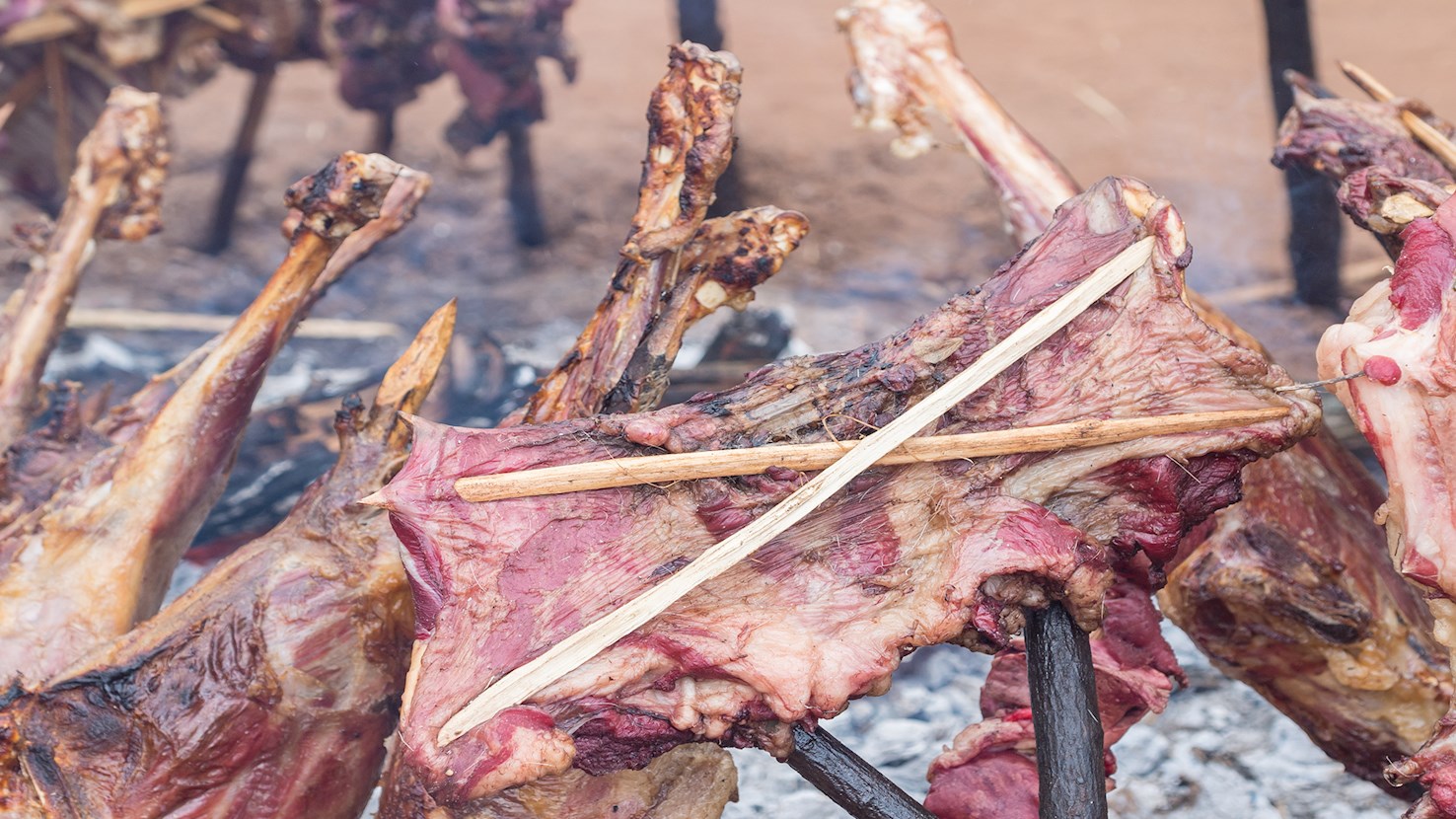
Nyama choma is a grilled meat dish prepared and eaten widely in East Africa, most closely associated with Kenya (unofficial national dish) and Tanzania, where it refers specifically to meat cooked over open heat and served plainly rather than marinated or sauced. Its development follows small-scale livestock-keeping practices in which goats and cattle were slaughtered for communal occasions and cooked simply to highlight freshness, with grilling over wood or charcoal favored for its practicality and for the control it offered without specialized equipment, and the Swahili term itself reflects a direct description of meat and the act of roasting. Preparation centers on cutting goat or beef into large pieces, salting lightly or not at all, and grilling slowly over charcoal or wood embers, turning regularly so the exterior browns while the interior remains moist, with trimming and chopping often done after cooking rather than before to retain juices. Serving is direct and unadorned, with the meat chopped into manageable pieces on a board and placed on a platter, sometimes accompanied by simple sides rather than combined into a composed dish. What distinguishes nyama choma is the minimal intervention between raw meat and fire, as seasonings, marinades, and sauces are deliberately restrained, placing emphasis on cut selection, heat management, and timing rather than on added flavors. It is eaten socially in open-air eateries and homes, often by hand, shared among groups over extended periods, and commonly paired with ugali, kachumbari, or plain bread, while beverages such as local beers, light lagers, or soft drinks are consumed alongside, with water and tea also common depending on context.
Fah-fah is a traditional soup originating from Djibouti. It's usually made with a combination of goat meat, cabbage or kale, leeks, garlic, onions, potatoes, hot peppers, coriander, salt, and pepper. The meat and vegetables are placed into a pot, covered with water, and gently simmered. After some time, the garlic and coriander are added to the pot and the soup is simmered until the meat is tender. Once done, fah-fah is typically served in individual bowls with canjeero (injera) flatbread on the side. The soup is usually made in the southern parts of the country and it's often served for dinner.
The goat meat is marinated in a blend of aromatic spices, including thyme, paprika, and lemon juice, then cooked until tender with onions, garlic, and fiery Scotch bonnet peppers. This savory, smoky meat is then mixed with al dente pasta, which has been sautéed with garlic, onions, bell peppers, and cherry tomatoes. The addition of heavy cream brings a rich, velvety texture to the dish, balancing the spiciness of the Asun. The pasta is finished with a sprinkle of fresh herbs like parsley or basil and optionally topped with grated Parmesan cheese, creating a beautifully complex dish that harmoniously blends the vibrant flavors of Nigeria with the beloved comfort of Italian cuisine.
Kissuto rombo is a traditional meat dish originating from Angola. The dish is usually made with a combination of goat meat, white wine, lemon juice, garlic, hot peppers, bay leaves, olive oil, salt, and white pepper. The young goat is cleaned, washed, and rubbed with a combination of garlic, lemon juice, salt, oil, and hot peppers. The meat is marinated overnight and the next day it's baked in the oven while being basted with white wine from time to time. Once fully cooked, the meat is typically served with rice and chips on the side.
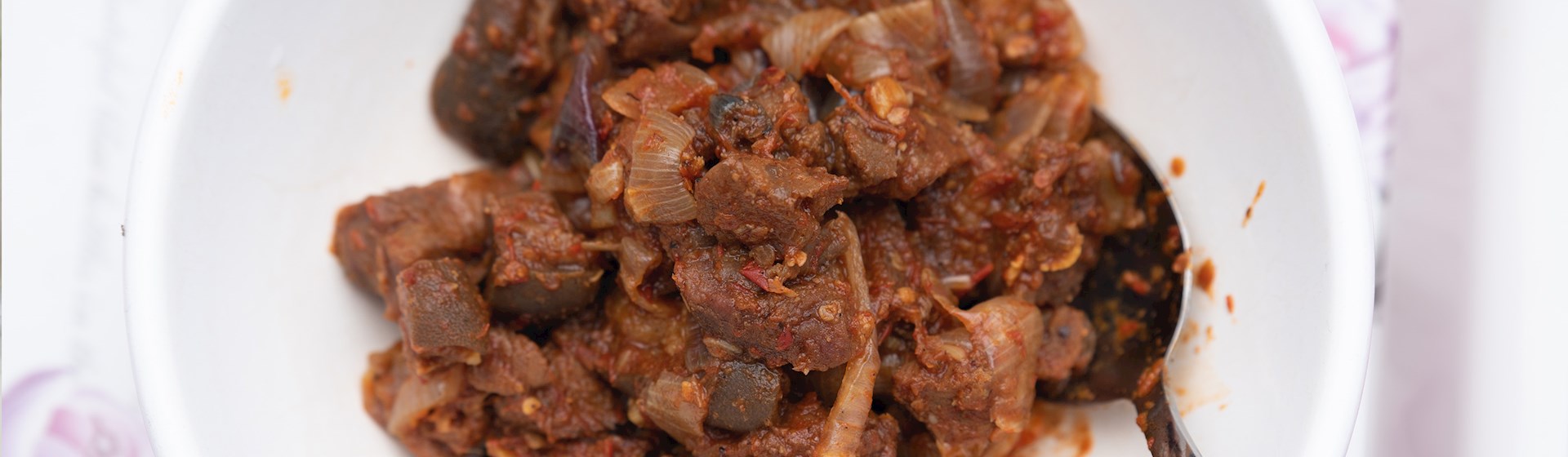
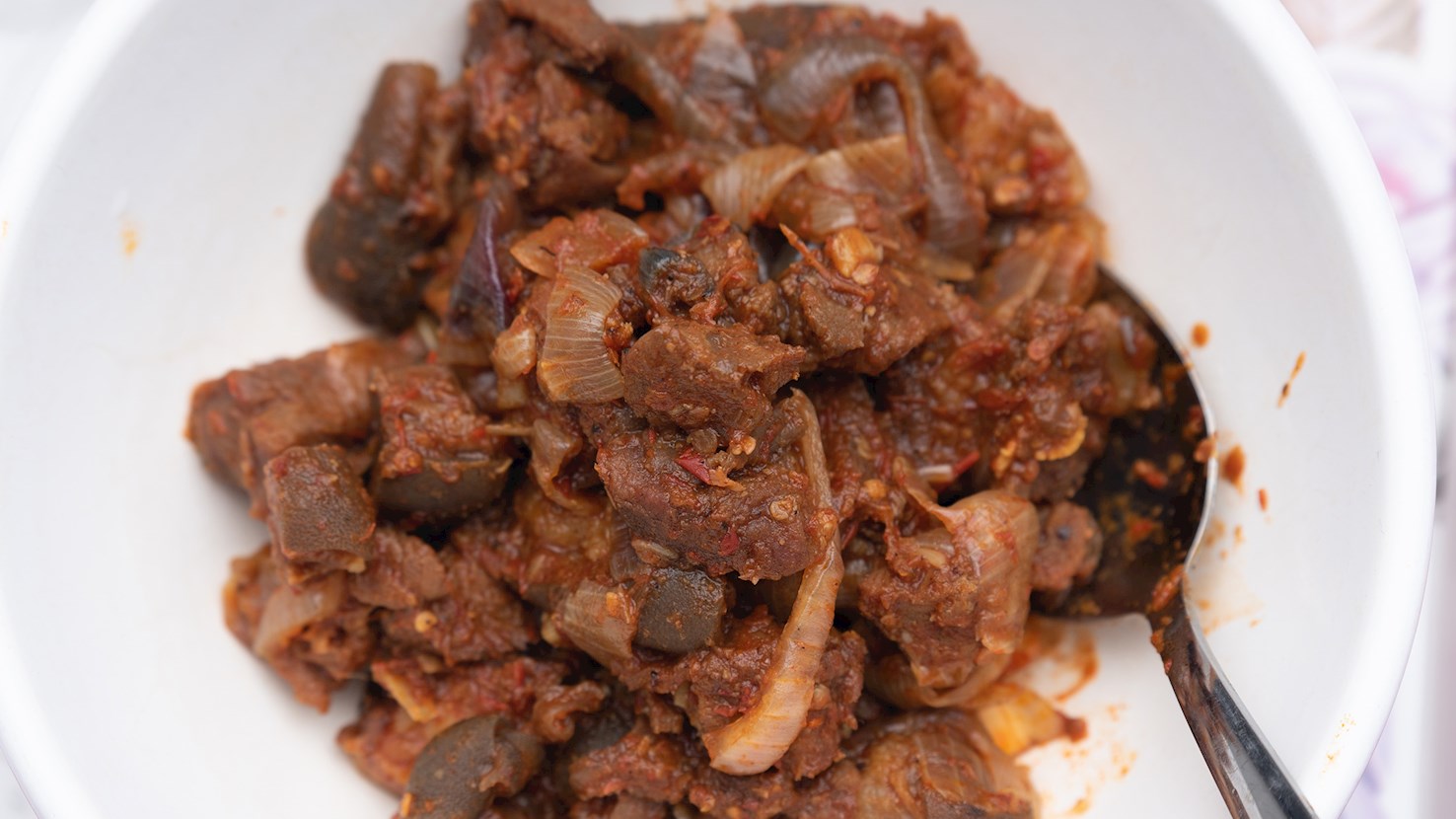
Asun is a Nigerian delicacy that originates from the Yoruba people of the southwest, where goat meat plays a central role in celebratory meals and gatherings. It is made by grilling or roasting pieces of goat meat, typically with the skin still attached, and then tossing them in a spicy pepper mixture that brings heat and depth to the dish. The dish developed in communities where goat meat was both widely available and deeply valued for its flavour and versatility. Over time, grilling the meat over open flames and pairing it with chillies and onions became a popular way to transform it into something memorable for social occasions. Asun grew into more than just a method of preparing goat; it became a fixture at weddings, parties, and evening gatherings, symbolising hospitality and celebration. Preparing asun begins with cutting the goat meat into small pieces and marinating it with salt, spices, and sometimes stock cubes before roasting or grilling until it develops a smoky crust. Once cooked, the meat is combined with a sauce made of blended Scotch bonnet peppers, onions, and oil, which coats the pieces and enhances their flavour. The dish can be served hot straight from the fire or reheated in a pan, allowing the pepper sauce to sizzle and penetrate the meat further. In some versions, tomatoes or bell peppers are added to temper the heat, while in others the spice remains unapologetically bold. Today asun is enjoyed across Nigeria, from Lagos to Ibadan and beyond, and has spread abroad with the Nigerian diaspora, appearing on menus in African restaurants in cities like London and New York. It is most often associated with nightlife and festive dining, where its bold flavours and communal style of serving reflect the social nature of Nigerian food culture.
Denningvleis is a traditional stew. It's prepared with a combination of mutton or lamb, onions, garlic, tamarind, allspice, bay leaves, cloves, and nutmeg. It's important to use as little water as possible and braise the meat slowly when preparing this hearty stew. The ideal cuts of lamb include shoulder chop, loin chop, ribs, shanks, or rack of lambs. Once prepared, the stew is traditionally served with geelrys (South African yellow rice), while a glass of light red wine makes for a perfect pairing.
TasteAtlas food rankings are based on the ratings of the TasteAtlas audience, with a series of mechanisms that recognize real users and that ignore bot,
nationalist or local patriotic ratings, and give additional value to the ratings of users that the system recognizes as knowledgeable.
TasteAtlas Rankings should not be seen as the final global conclusion about food. Their purpose is to promote excellent local foods,
instill pride in traditional dishes, and arouse curiosity about dishes you haven’t tried.




What People Say