


shutterstock

Top 10 European Goats

Last updated on June 24, 2026
01

Katsikaki Elassonas

3.9 ·

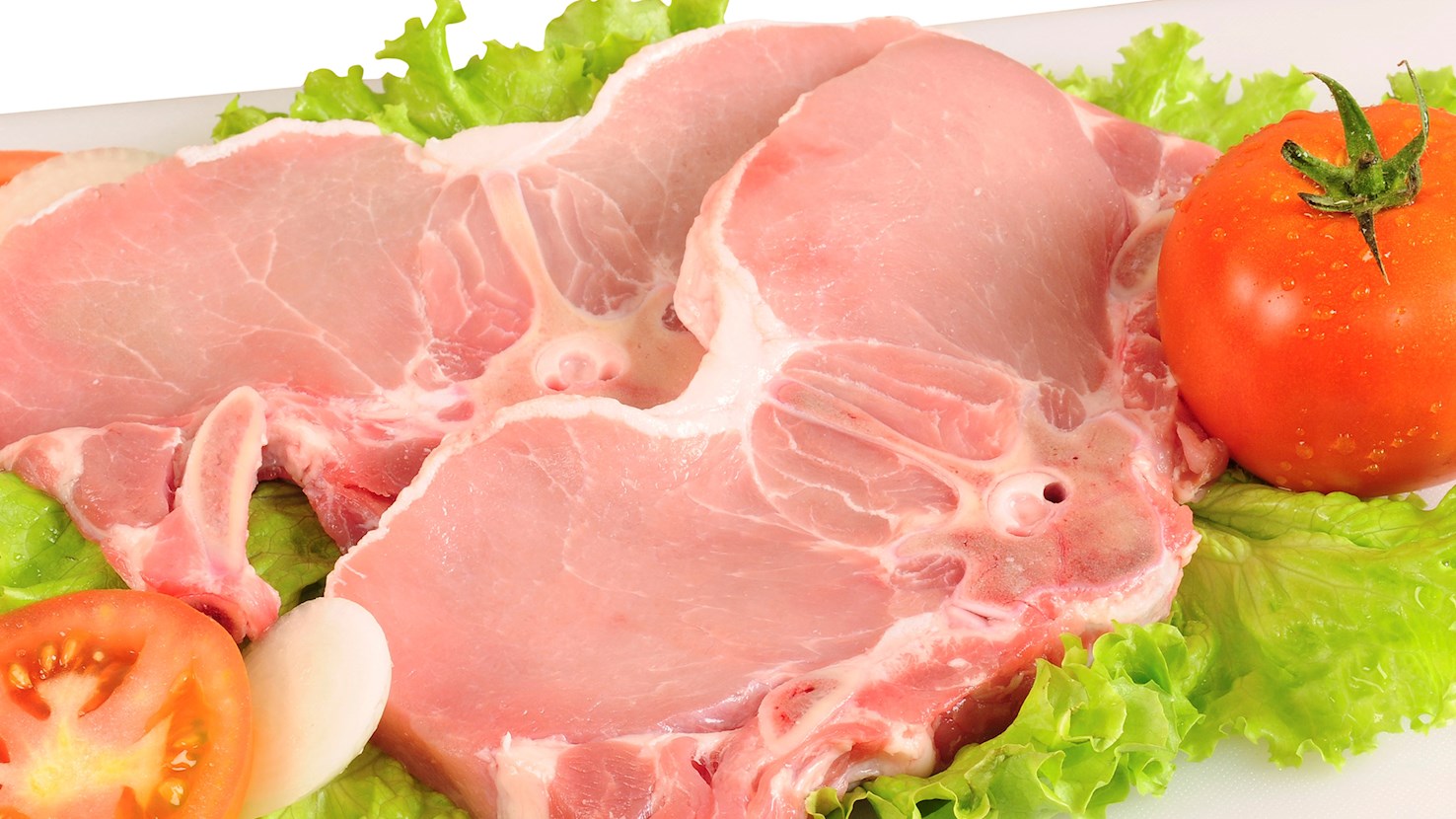
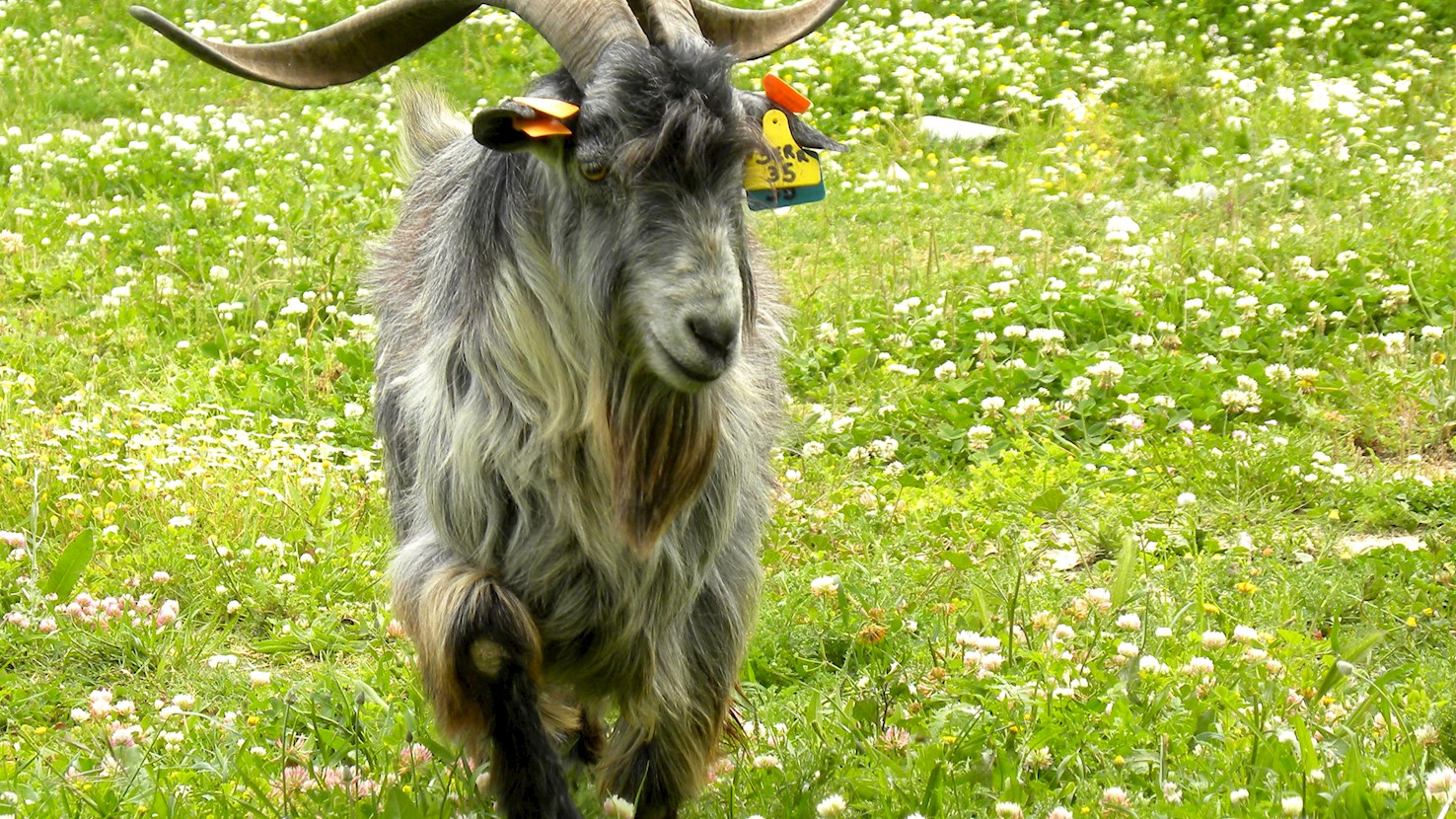
This meat is taken from goat kids raised in Larissa prefecture that are 30 to 55 days old and weigh between 5.5 and 9.0kg. The name katsikaki Elassonas can only be used if both parents come from the indigenous Capra prisca breed (or cross-breeds of this breed with males of the skopelos breed) that have lived in the aforementioned area for at least eight months before mating, and the kids must be born and reared in the same area. Katsikaki Elassonas meat has a characteristic aroma and a pleasant smell and taste, even if taken from slightly older animals. The texture is described as tender and juicy. Since the kids are exclusively milk-fed, the antioxidants from the local aromatic plants and herbs the goats graze on give the meat a unique flavor. The meat is white to pale pink and is quite lean. The meat contains high levels of protein and linolenic acid. For these reasons, Elassonas goat meat plays a leading role in many great Greek recipes, the most famous being Katsikaki Tsigariasto and pita Katsikaki.

02

Ikariotikes katsikaki

3.8 ·

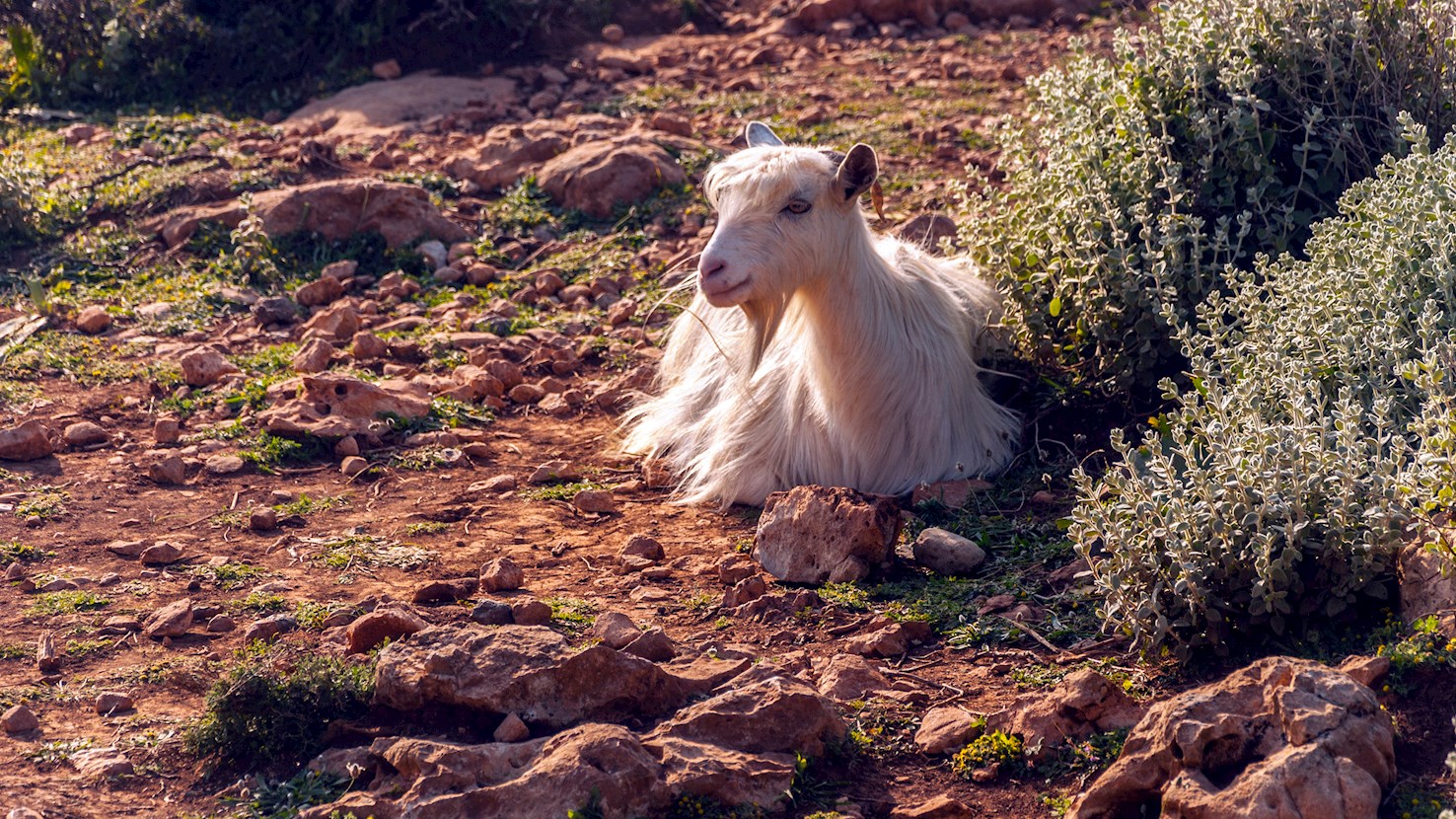
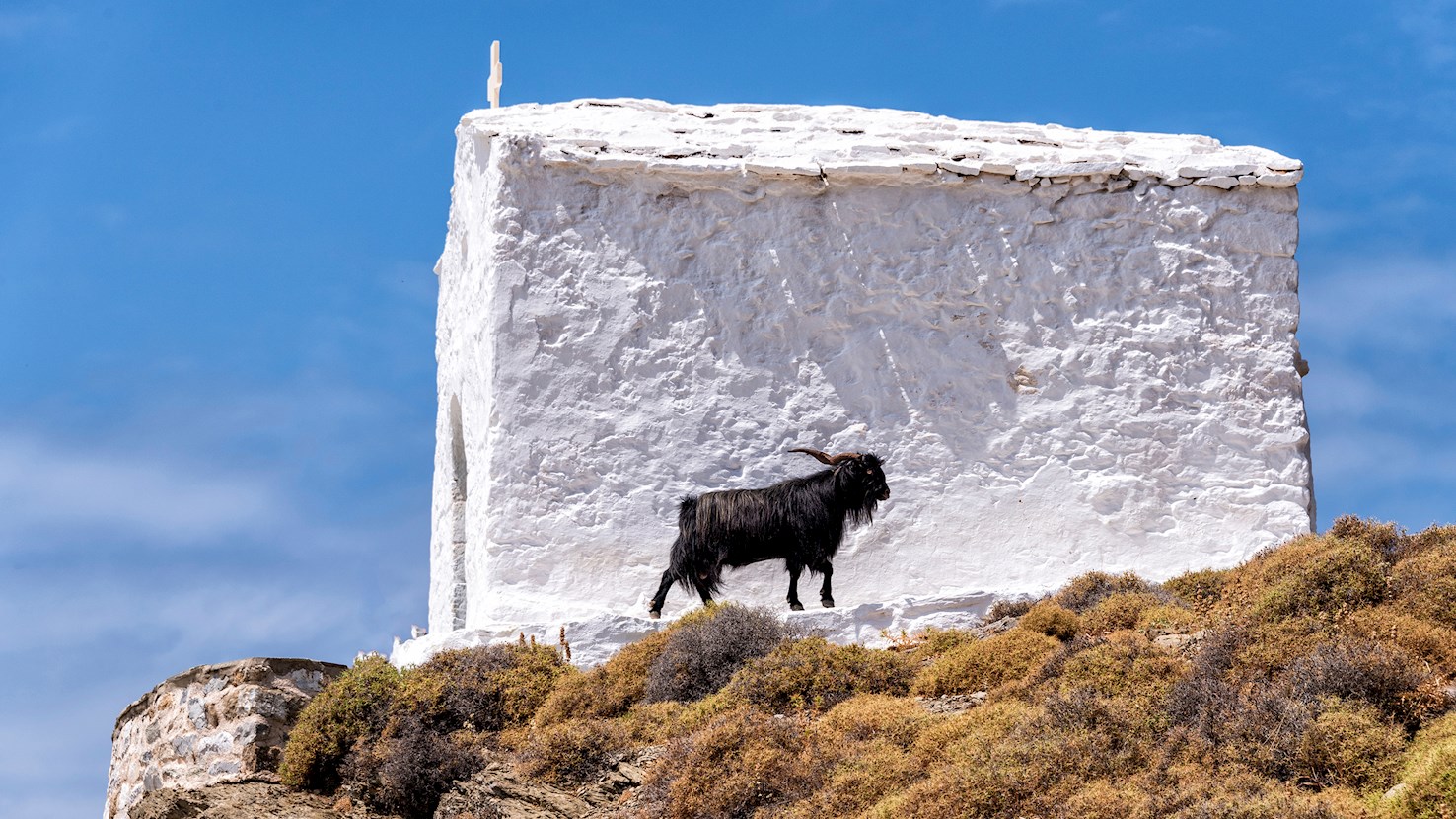
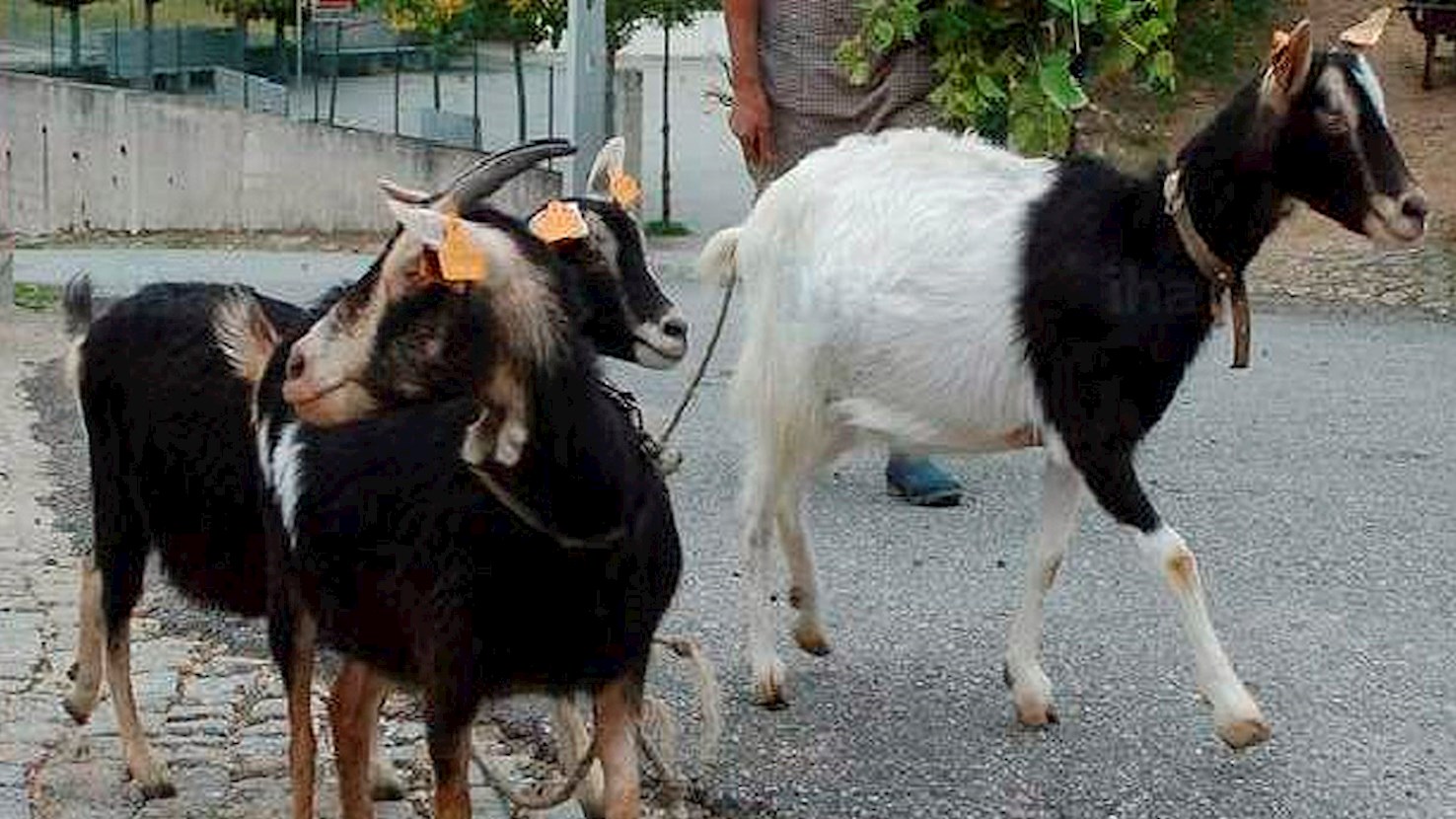
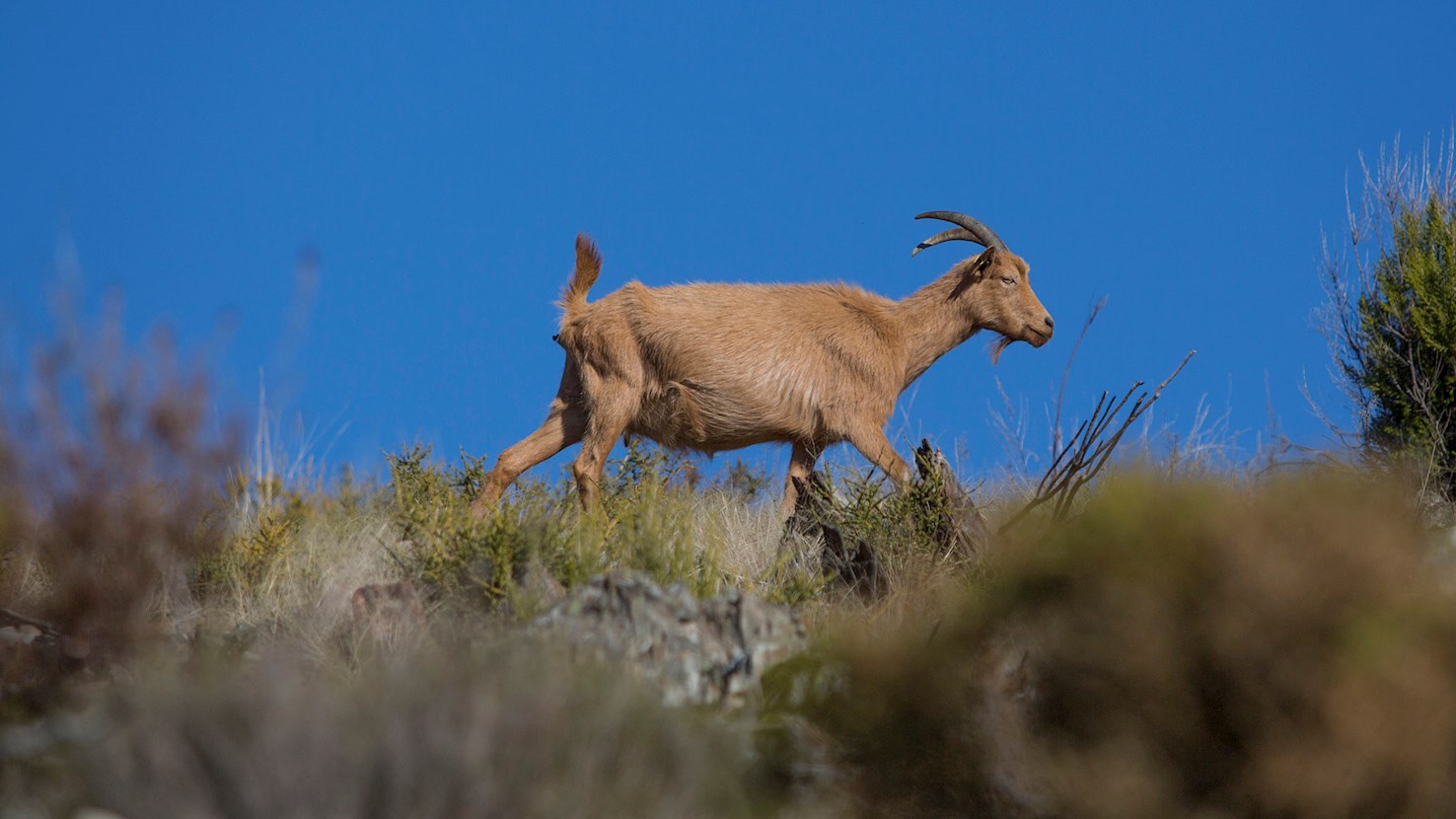
The Greek island of Ikaria has long been renowned for its goats, both domestic and wild. Ikarian goats are typically white or black, of medium height, and free-range. In the past, every family raised their own herd of goats primarily for milk and dairy products, while the meat of the animals used to be reserved for holidays, typically for the Easter celebrations. Apart from the domestic kind, a variety of wild goats locally known as rhaska also graze the island’s terrain. The mountainous parts of the island are home to these goats, hence their name, from the Greek word oreska or oresivia, meaning those who live in the mountains. Wild goats are traditionally hunted for their extremely lean and delicious meat, especially in the summer period. On Ikaria, goat meat is usually eaten boiled, roasted, or stewed, and it is also occasionally used for the preparation of a traditional meat product called pastrami (corned and dried goat meat). The milk provided by Ikarian goats is an essential part of the daily diet of Ikarians, who consume it raw or use it to make a variety of dairy products such as goat’s cheese (like kathoura) and goat’s yogurt.

03

Cabrito da Beira

3.6 ·

This meat is taken from Serrana and Charnequeira breed goats raised in the mountains of Serra da Estrela. The meat is light pink, and it is quite juicy and succulent. It can be prepared in numerous different ways – whether in soups, stewed, roasted or fried. The most famous dish made with this meat is probably Chanfana, a stew that combines this tender and flavorful meat with red wine and various spices that complement and accentuate the meat's natural aromas.

04

Cabrito de Extremadura

n/a ·

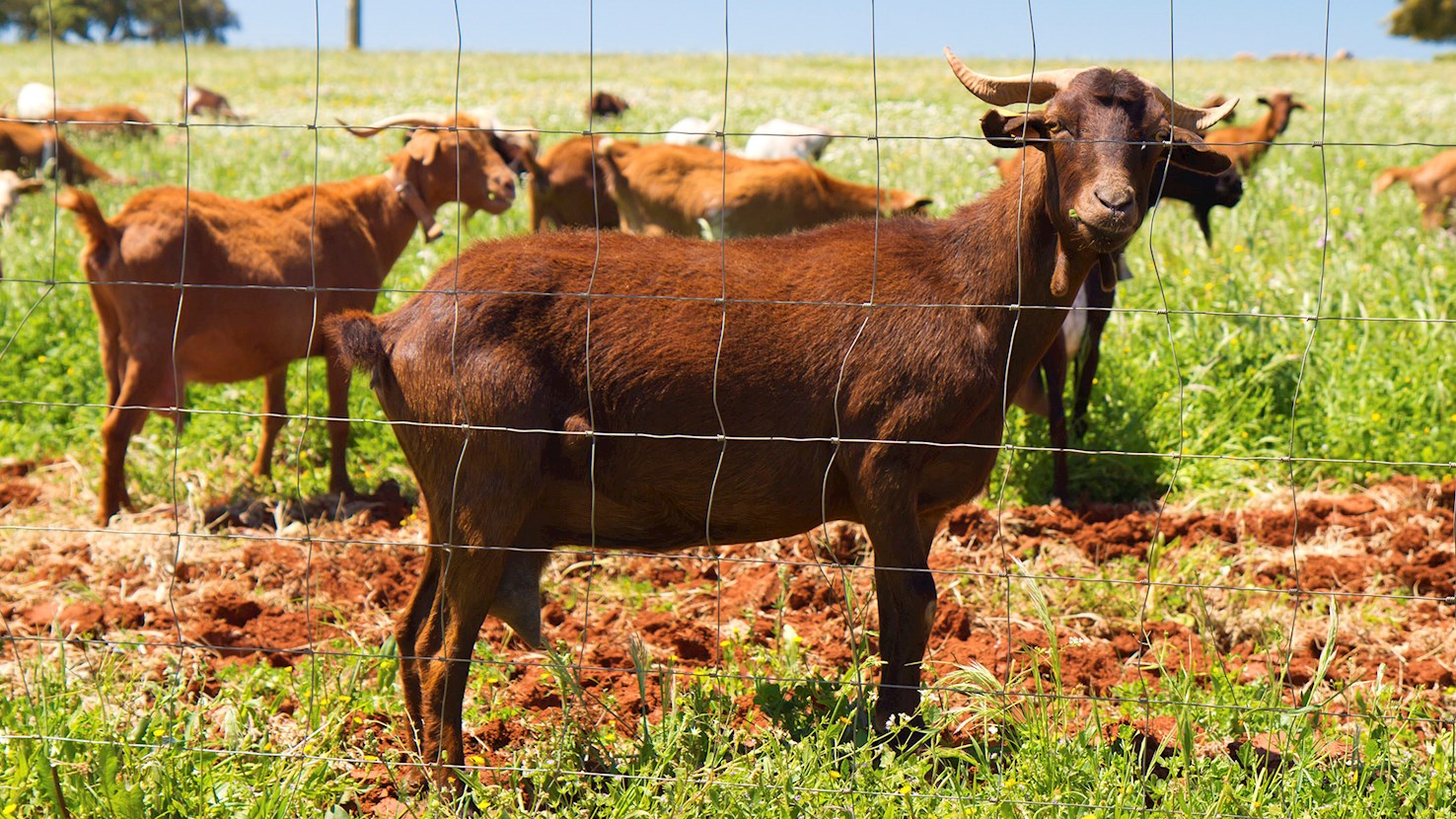
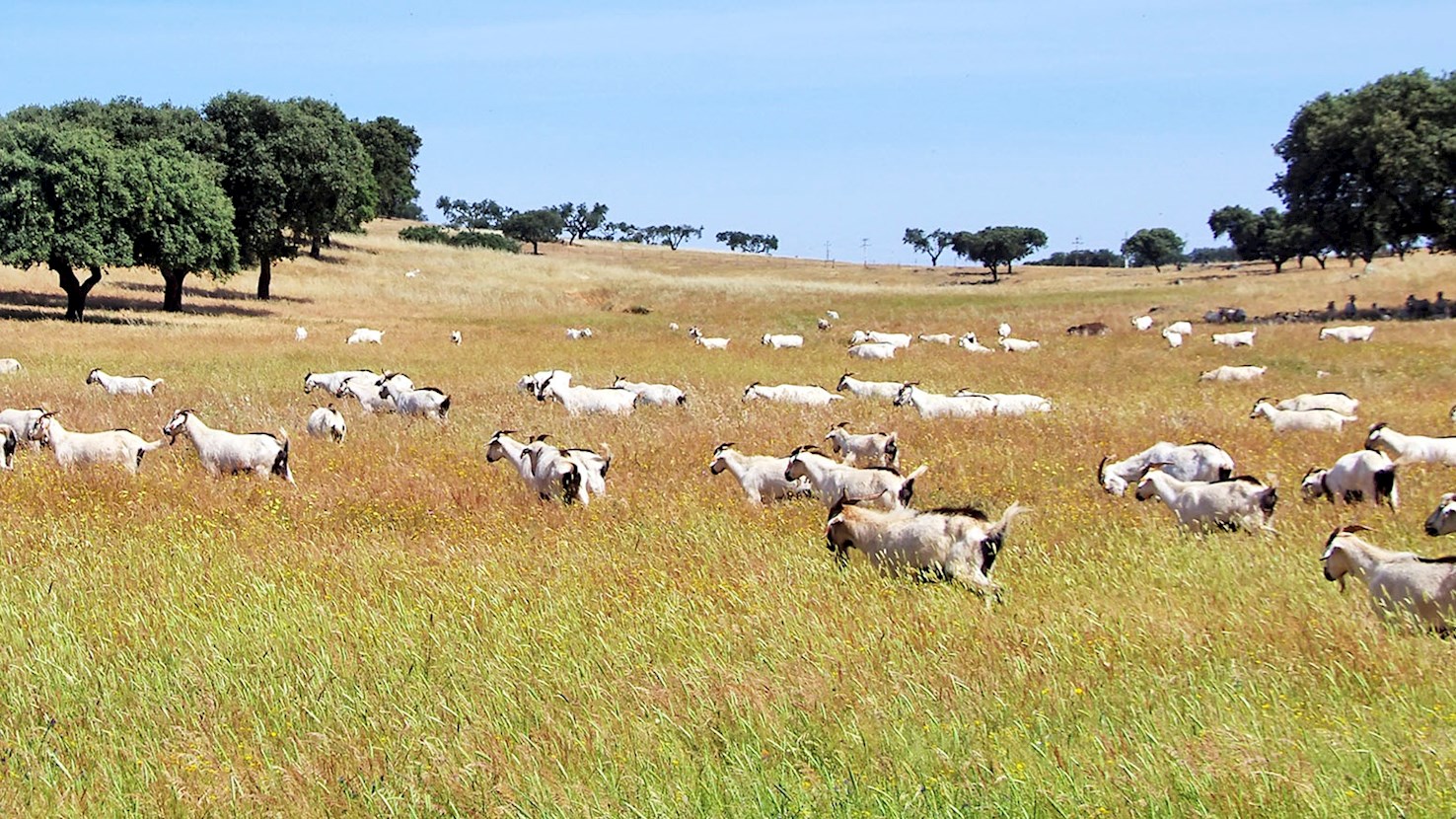
Cabrito de Extremadura is a protected designation (PGI) indicating a specific type of goat meat from the autonomous Spanish community of Extremadura. Cabrito de Extremadura includes meat from kids (young goats) born, raised, and slaughtered within Extremadura. These goats belong to various local breeds such as verata, retinta, florida, malagueña, murciano-granadina, blanca andaluza, serrana, payoya, or their crossbreeds​. The designation covers two categories: "cabrito lechal de Extremadura", referring to young goats slaughtered under 50 days with a carcass weight of up to 6 kilograms, and "cabrito de Extremadura", encompassing broader specifications. The kids are fed exclusively on maternal milk, raised in extensive or semi-extensive systems within the unique ecosystem of the dehesa in Extremadura. This method of rearing contributes to the meat's distinctive characteristics, including its color, fat content, supreme tenderness, moderate level of intramuscular fat infiltration, and pleasant texture. This milk has special properties due to the breed, topographical, and climatic conditions, and these qualities are imparted to the meat, distinguishing it from goat milk and meat produced outside of Extremadura​.

05

Cabrito Transmontano

n/a ·

This meat is taken from Serrana goats raised in the districts of Vila Real and Bragança. These animals graze on wild meadow grasses, herbs, and trees such as poplar, ash, and elm. This special diet contributes to the unique flavor of this meat. Serrana goats are also known for the quality of their milk, which is used in the production of the special Cabra Transmontano cheese. Cabrito Transmontano meat has a very low fat content, and yet it remains tender and succulent when cooked. It is a pale to bright pink in color, and has a unique and distinctive aroma. This meat is usually roasted in wood-fired ovens or incorporated into various stews, where it is often paired with Arroz de serrabulho rice.

06

Cabrito de Barroso

n/a ·

This meat is taken from Bravia and Serrana breeds of goat raised in the meadows of the Vila Real district, where they graze on the wild herbs and grasses that give the meat its acclaimed, unique flavor. These goats also serve as the main source of milk for the local population. The meat of Barroso goats remains tender and succulent when cooked, despite its having virtually no fat. It is a pale to bright pink in color, and it has a unique and distinctive aroma. This meat can be incorporated into soups and stews, as well as roasted or fried. The most famous recipe using this breed is the famous Caldeirada de cabrito, a casserole consisting of Barroso goat meat, tomatoes, garlic, olive oil, and Trasmontano bread.

07

Cabrito da Gralheira

n/a ·

This meat is taken from Serrana breed goats raised in the northern Beira region, where they graze on wild herbs and grasses that give the meat its acclaimed, unique flavor. Despite the fact that it has a very low fat content, the meat of Gralheira goats is tender and juicy. It ranges from pale to bright pink in color, and it has a unique, distinctive aroma. This meat can be used in a multitude of different dishes, soups and stews to roasts or fried dishes. The most famous dish made with this meat is probably Chanfana, a stew that combines this tender and flavorful meat with red wine and various spices that complement and accentuate the meat's natural aromas.

08

Cabrito do Alentejo

n/a ·

This meat is taken from Serpentine breed goats raised in the districts of Beja, Santarem, and Setubal, where they graze on the wild herbs and grasses that give the meat its unique, characteristic flavor. This breed of goat has been raised in this region since the late 1870s. The meat of Alentejo goats remains juicy when cooked despite its having nearly no fat content. It is a pale to bright pink in color, and has a unique, distinctive aroma. This high-quality meat is best roasted or grilled and served with a side of potatoes and a simple salad.

09

Cabrito das Terras Altas do Minho

n/a ·

This meat is taken from Bravia and Serrana breeds of goat, which are raised in the mountains of Minho, in northeastern Tras-os-Montes, and in Serra da Estrela. It owes it delicious flavor to the wild grasses and herbs that these animals graze on. It is light pink in color and extremely flavorful and aromatic, and remains juicy and succulent despite its very low fat content. Terras Altas do Minho goat meat is usually roasted in wood-fired ovens or incorporated into various stews, where it is often paired with Arroz de Serrabulho rice.

10

Lapp Goat

n/a ·

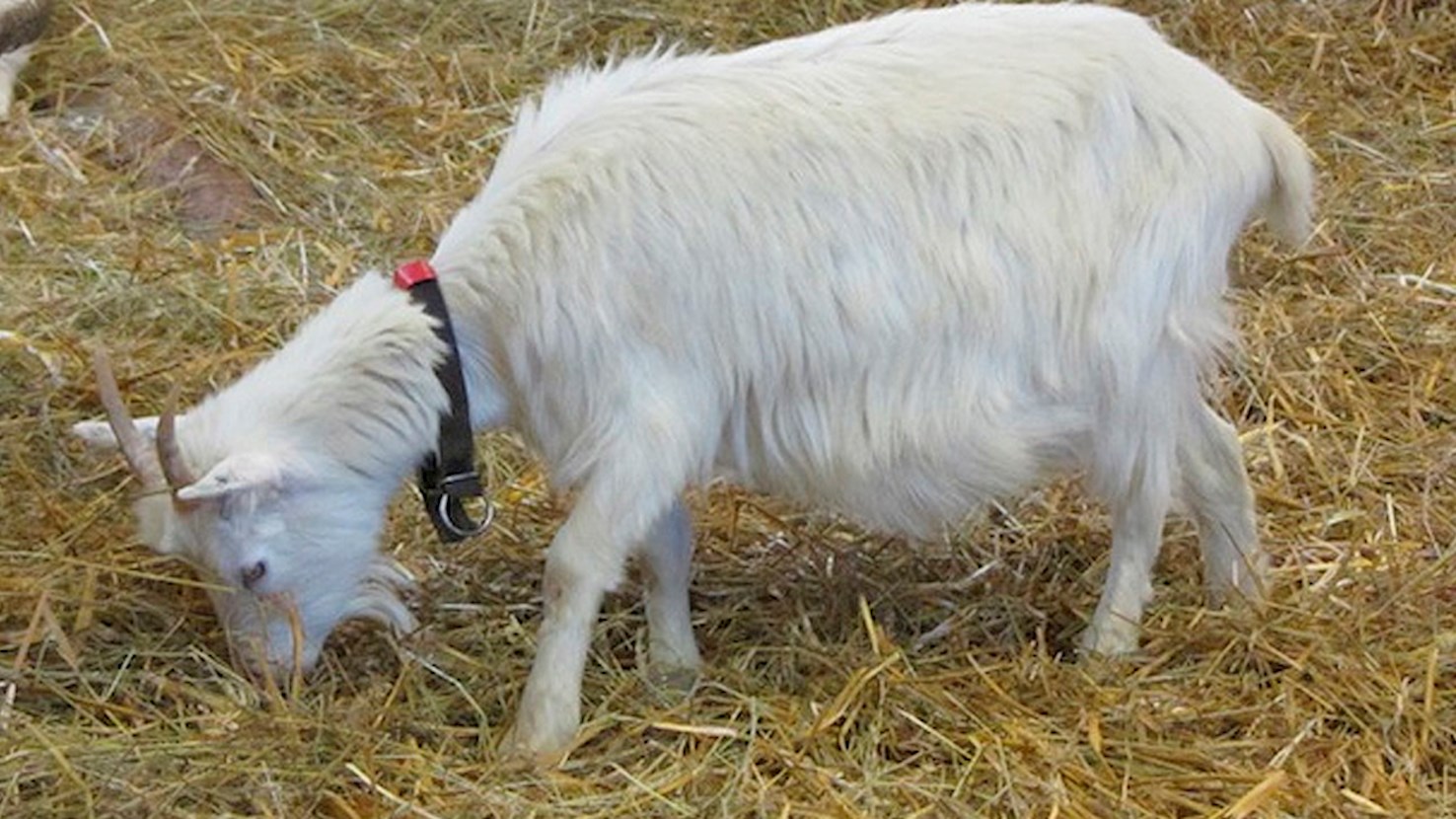
THIS SPECIES IS CRITICALLY ENDANGERED. The small to medium-sized Lapp goats did not have an easy life: the breed was considered extinct until it was rediscovered in 2001 in Fatmomakke, and today it is classified as critically endangered. In 2013, there were just 198 registered Lapp goats. These goats have a wider head and shorter legs than common goats. Most Lapps are pure white in color, although there are also black, piebald, and partially grey and black goats. The breed is accustomed to the mountainous area in Sweden, and it is mostly kept for the production of milk. In the past, Lapp goats typically accompanied the indigenous Sami people during summer, while during winter, they were kept in special turf barns. The goat’s skin was traditionally used for bags, furs, and hats, while the horns were cleverly used for storing gunpowder.

Read more
View all
View map
About this ranking

TasteAtlas food rankings are based on the ratings of the TasteAtlas audience, with a series of mechanisms that recognize real users and that ignore bot, nationalist or local patriotic ratings, and give additional value to the ratings of users that the system recognizes as knowledgeable. For the “Top 10 European Goats” list until June 24, 2026, 85 ratings were recorded, of which 37 were recognized by the system as legitimate. TasteAtlas Rankings should not be seen as the final global conclusion about food. Their purpose is to promote excellent local foods, instill pride in traditional dishes, and arouse curiosity about dishes you haven’t tried.

Similar lists