Top 3 African Grains

Last updated on June 01, 2026

Best African Grains

01

Kenya’s Select

4.6 ·
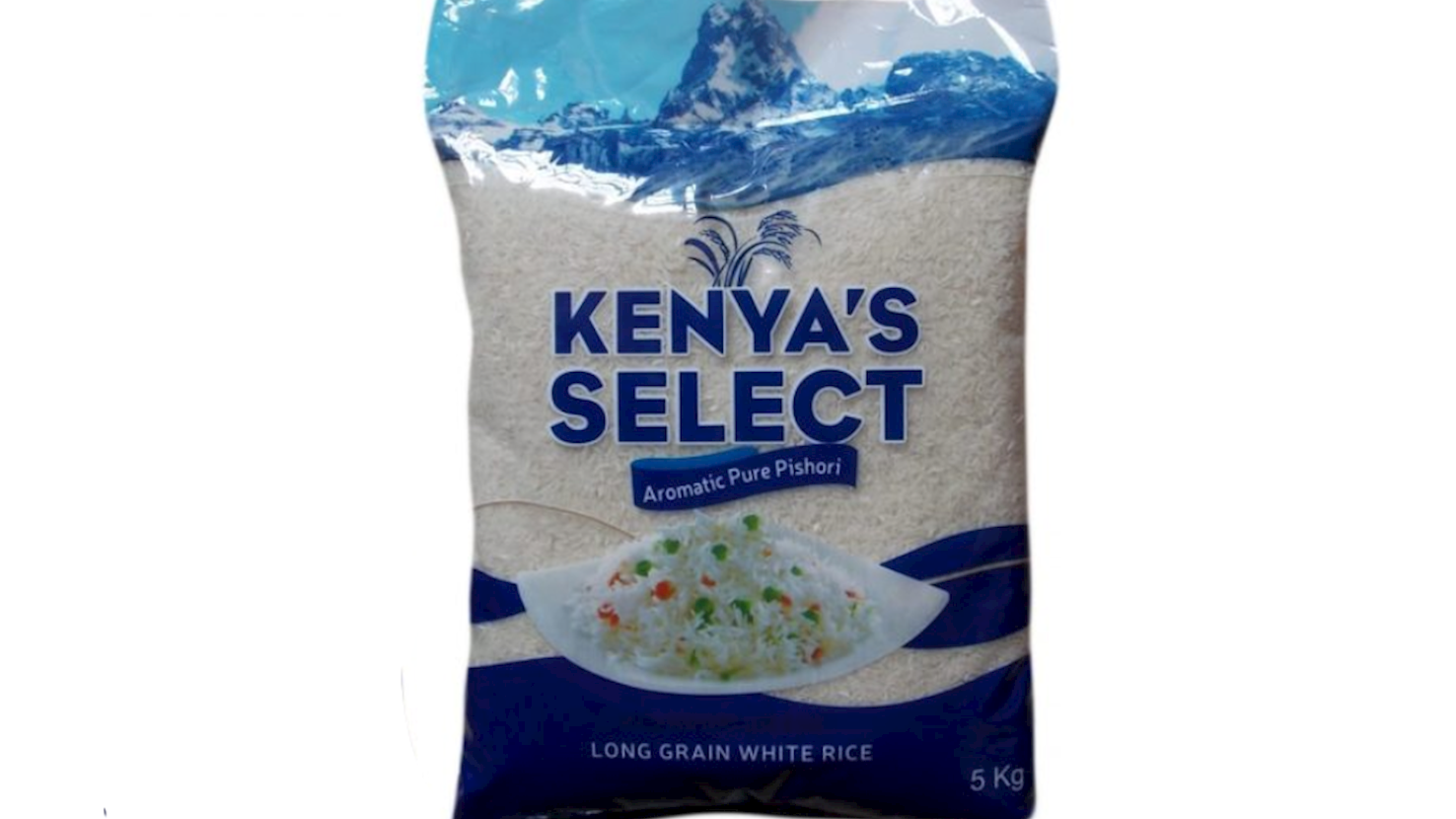
Kenya’s Select is a premium brand of aromatic rice produced by the Mwea Rice Growers Multipurpose Co-operative Society (MRGM), the largest and most reputable rice producer in Kenya. This brand represents a top-tier line of products made from 100% pure Mwea Pishori rice - a local variety of basmati grown in the irrigated fields of the Mwea region, at the foothills of Mount Kenya. Kenya’s Select is renowned for its sweet, rich aroma and long, non-sticky grains that remain fluffy after cooking. The rice is carefully processed in MRGM’s cooperative facilities, which apply strict quality control in line with national food safety standards. Positioned as a symbol of national pride and culinary heritage, Kenya’s Select is more than just a food product - it is the result of the collective efforts of thousands of Kenyan rice farmers brought together through the MRGM cooperative. Through this brand, consumers are guaranteed authentic, locally grown, aromatic rice of premium quality, showcasing the very best that Kenyan agriculture has to offer.

Best African Grains Types

01

Teff

3.7 ·

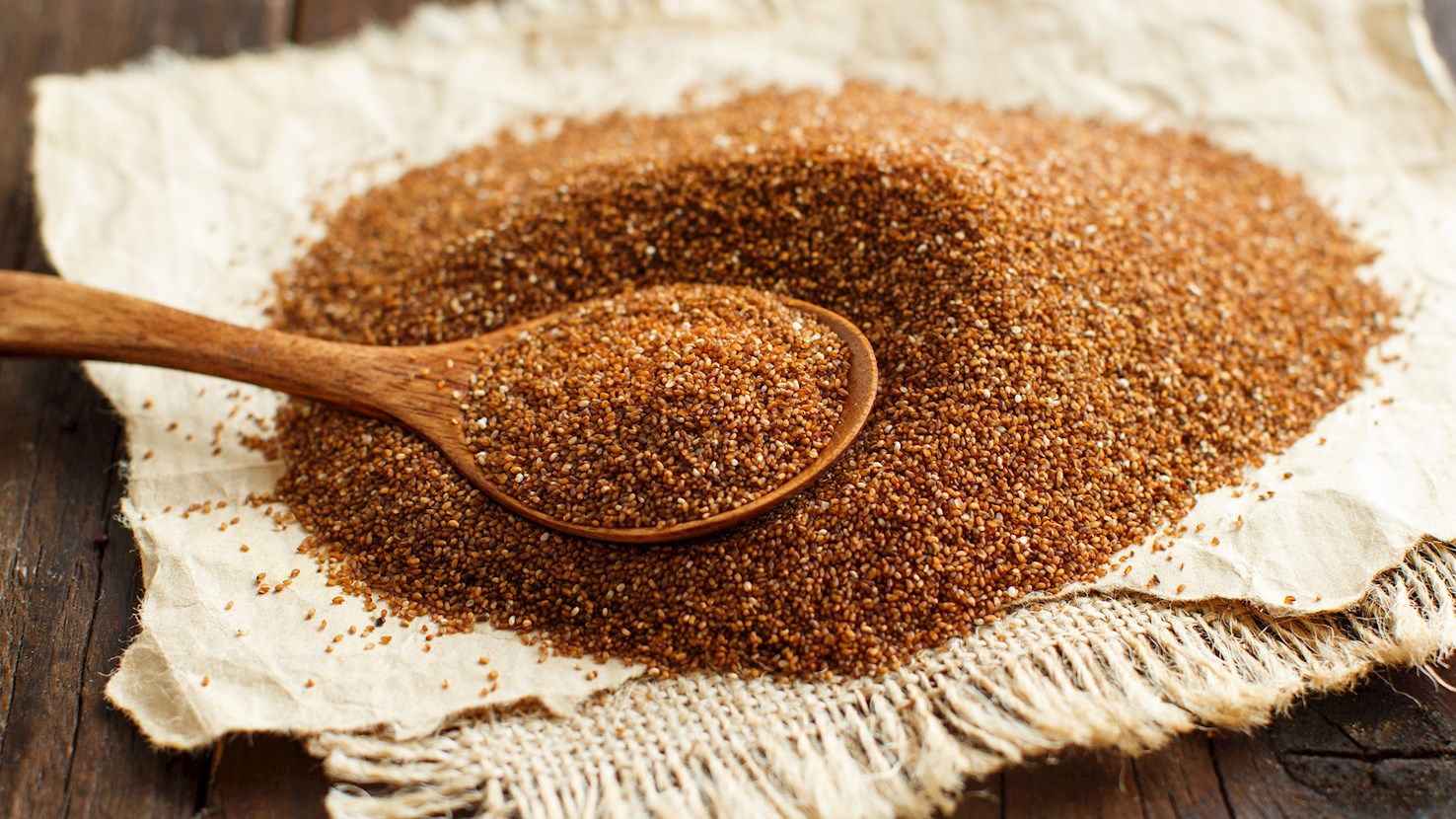
Belonging to the group of Eragrostis plants, teff is an ancient, gluten-free grain derived from the annual grass that is native to the area of Ethiopia and Eritrea. Even though tiny in size, no bigger than a poppy seed, this small grain is packed with vitamins and is highly nutritious. It is considered to be one of the ancient domesticated grains, presumably more than a thousand years old. Today it is mainly used as a staple ingredient in traditional Ethiopian and Eritrean cuisines. Teff can come in a variety of colors – from white to dark brown, and can be used in a multitude of different ways. It can be eaten on its own, boiled, steamed, or served as a complement to other dishes. The grain is often ground and used as flour, most commonly in the preparation of the famous injera flatbread, but it can also be incorporated in numerous other dishes such as pastries, cakes, and cookies. Due to its numerous beneficial properties and incredible versatility, teff has recently grown in popularity and is widely promoted as a healthier alternative to the more standard grains.

02

Freekeh

3.5 ·

Freekeh is a type of grain obtained from green durum wheat, often used in the cuisines of the Levant and Maghreb. It is an ancient cereal first referenced in the Hebrew Bible (as qalûy or carmel), and its present name was mentioned for the first time in the 13th-century Baghdadi cookbook. This ancient grain is harvested while still young and soft, then roasted to develop a smoky aroma and nutty flavor distinct from other wheat varieties. It was traditionally a resourceful way to utilize early-harvested wheat, providing sustenance during times when other grains were not yet ready for harvest. Its preparation and consumption have been passed down through generations, with its popularity enduring due to its nutritional benefits and culinary flexibility. Preparation of freekeh involves rinsing the roasted grain thoroughly and then simmering it in water or broth until tender but still chewy. It is commonly used in salads, pilafs, and soups, often combined with vegetables, herbs, and spices that complement its smoky taste. The grain’s firm texture holds up well in dishes served warm or cold, offering a satisfying bite and a distinctive flavor profile that elevates simple ingredients. Freekeh continues to be widely consumed in the Levant and across the Middle East, featuring prominently in home cooking, restaurants, and festive meals. It is appreciated not only for its unique taste and texture but also for its nutritional value, being rich in fiber, protein, and essential minerals. As global interest in ancient grains grows, freekeh is gaining recognition beyond its traditional roots, appealing to those seeking wholesome and flavorful alternatives in their diet.

03

Teso Kyere Finger Millet Varieties

n/a ·

Although finger millet has formed a crucial part for the local food culture in Uganda, various factors (including the long civil war in the country’s north and the introduction of the more-profitable foreign millet varieties) have led to the gradual disappearance of many local millet varieties. Emeru, emiroit, engweny, and ebega are four traditional finger millet varieties that have endured the test of time and continue to be cultivated by a small group of people from the Teso ethnic group residing in Kyere, a town in the eastern Ugandan district of Serere. It is during the period of the first rains when millet is planted alongside sorghum and corn, and both men and women take part in all the activities involved in its production. Taking place in July and August, the harvest is a festive occasion where the local population enjoys roasted goat and washes it down with lots of local millet beer. Teso Kyere finger millet varieties are distinguished by brown or dark yellow grains, and they may have individual or joint tiny spikes. The ebega and engweny varieties have tall stalks and are typically used to prepare traditional specialties such as atap (polenta-like dish) and akuma (a type of porridge), while the drought-resistant emoru and emiroit are usually used in the preparation of local beer (ajon).

Read more
View all
View map
About this ranking

TasteAtlas food rankings are based on the ratings of the TasteAtlas audience, with a series of mechanisms that recognize real users and that ignore bot, nationalist or local patriotic ratings, and give additional value to the ratings of users that the system recognizes as knowledgeable. For the “Top 3 African Grains” list until June 01, 2026, 313 ratings were recorded, of which 29 were recognized by the system as legitimate. TasteAtlas Rankings should not be seen as the final global conclusion about food. Their purpose is to promote excellent local foods, instill pride in traditional dishes, and arouse curiosity about dishes you haven’t tried.

The initial list of top producers was compiled based on available reviews, awards, local recommendations, media and blog coverage, and consumer reviews. The list will be updated with ratings from TasteAtlas local ambassadors and TasteAtlas users.

Similar lists