shutterstock

Top 4 Central European Grains

Last updated on June 01, 2026

Best Central European Grains

01

Brauerei Gebrüder Maisel

3.8 ·
Brauerei Gebrüder Maisel (Maisel Brothers Brewery) is a family-owned brewery based in Bayreuth, Bavaria, Germany. Established in 1887 by the Maisel brothers, the brewery has grown to become an iconic name in German beer culture, combining traditional brewing methods with innovative techniques.
Awards
European Beer Star - Gold (2023, 2022, 2021)
World Beer Awards - Gold (2023)

Best Central European Grains Types

01

Levický Slad

n/a ·

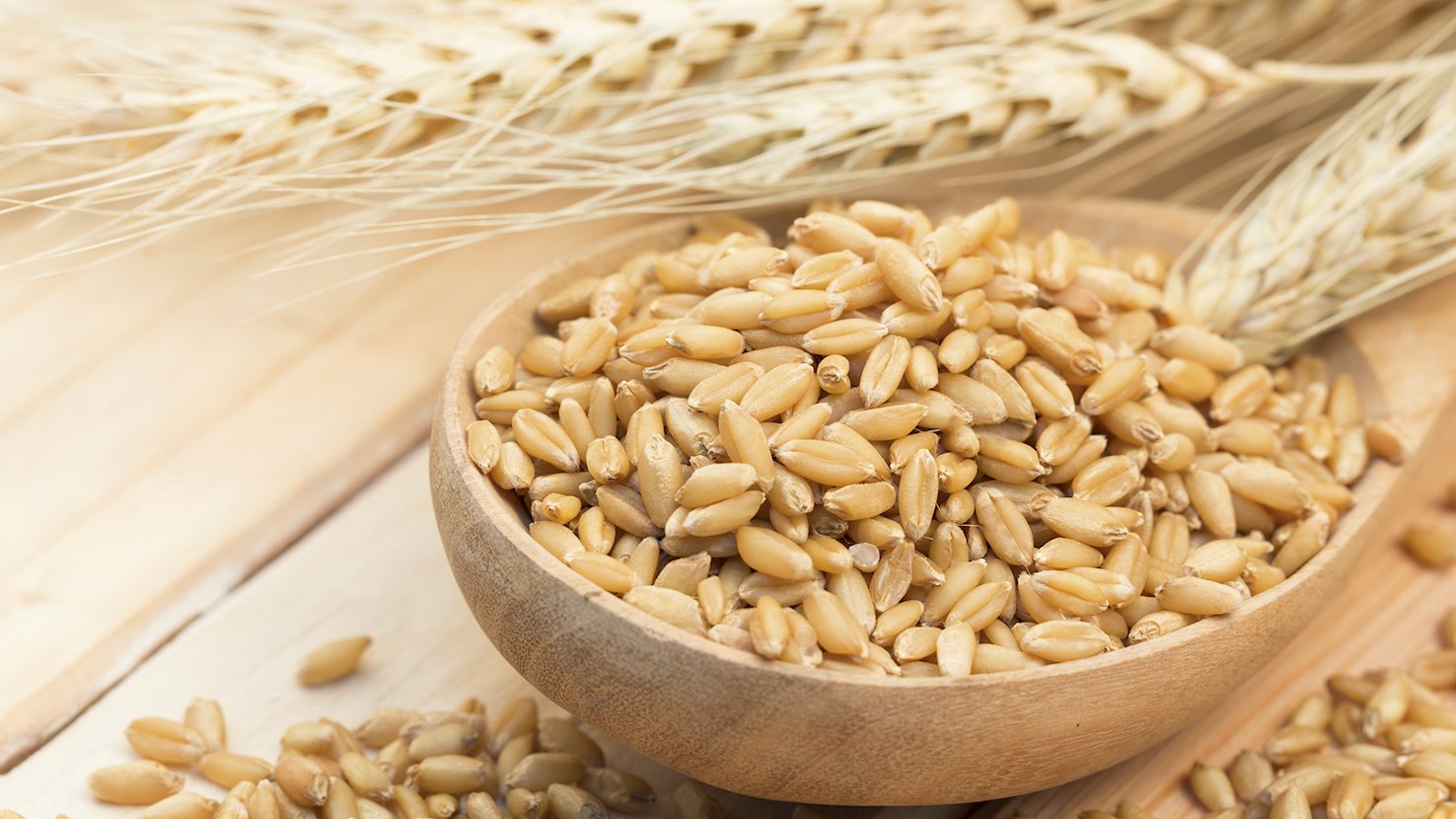
Intended primarily for the production of beer, Levický slad is a light pilsner-type barley malt obtained from certified varieties of barley grown in the fertile Danube plains in the Slovakian region of Nitra. The designated area of production is characterized by a warm and dry lowland climate, which makes it possible to sow very early and results in harvesting a high-quality barley, rich in extract and with a minimal percentage of damaged grains, low incidence of fungal disease and high yield. Levický slad has a pronounced malty aroma and quite a sweet flavor.

02

Fränkischer Grünkern

n/a ·

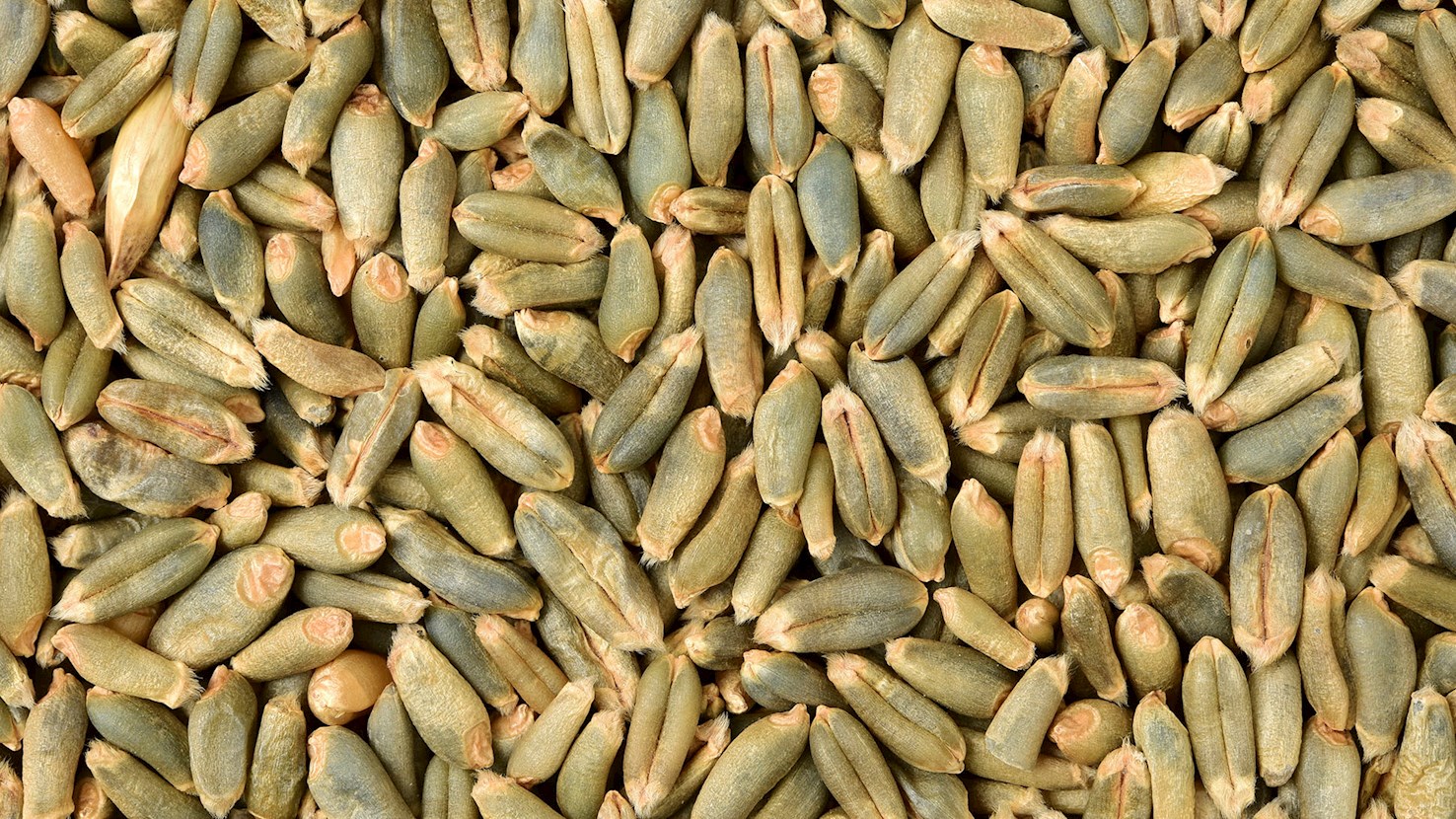
Franconian spelt has been grown in the north-eastern part of the German region of Baden-Württemberg for more than 300 years, and it is still a staple ingredient in the regional cuisine. It is a traditional grain that is mostly used in different soups and stews, such as Grünkern soup and vegetarian croquettes. Today, it is also served as a part of exquisite main courses like breaded cutlets, dumplings, and meat and vegetable casseroles (Eintopf). It is harvested unripe, thus preserving its naturally nutty aroma and typically strong, spicy, and aromatic flavor.

03

Lungauer Tauernroggen

n/a ·

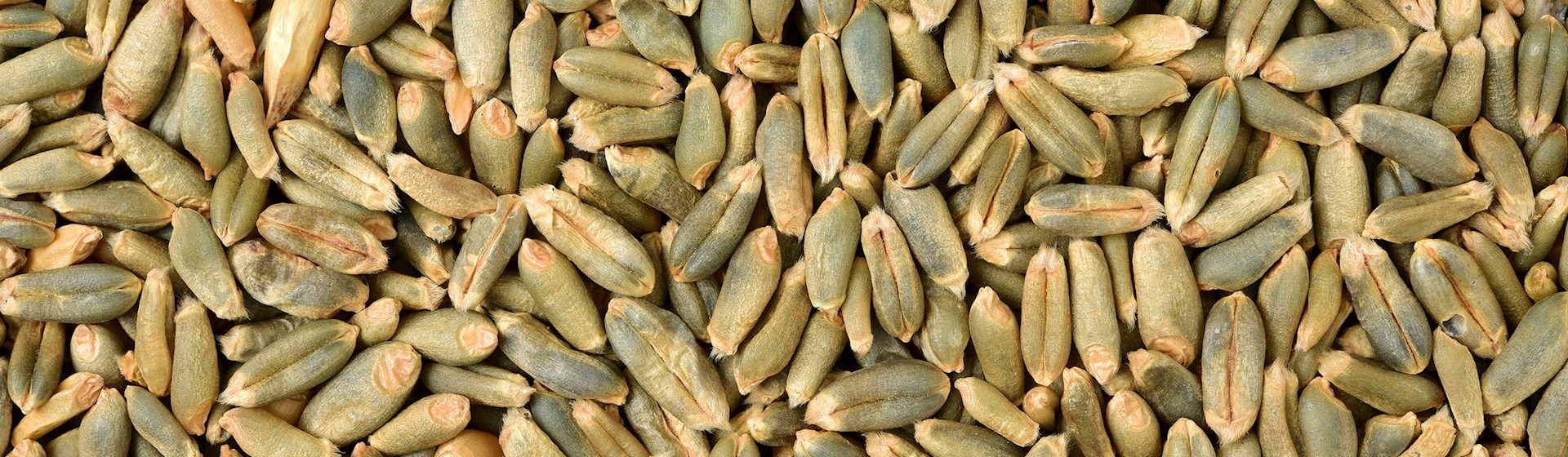
Lungauer Tauernroggen is a type of rye grain that is grown in the Lungau region of Salzburg, Austria, particularly in the area of the Tauern mountains, which is where it gets its name. It is a rye variety known for its hardiness and ability to thrive in poor soils and harsh climates where other grains might not grow. All of this makes it particularly well-suited to the mountainous regions of Lungau. It is mostly used for the production of local rye bread.

04

Trdinka

n/a ·

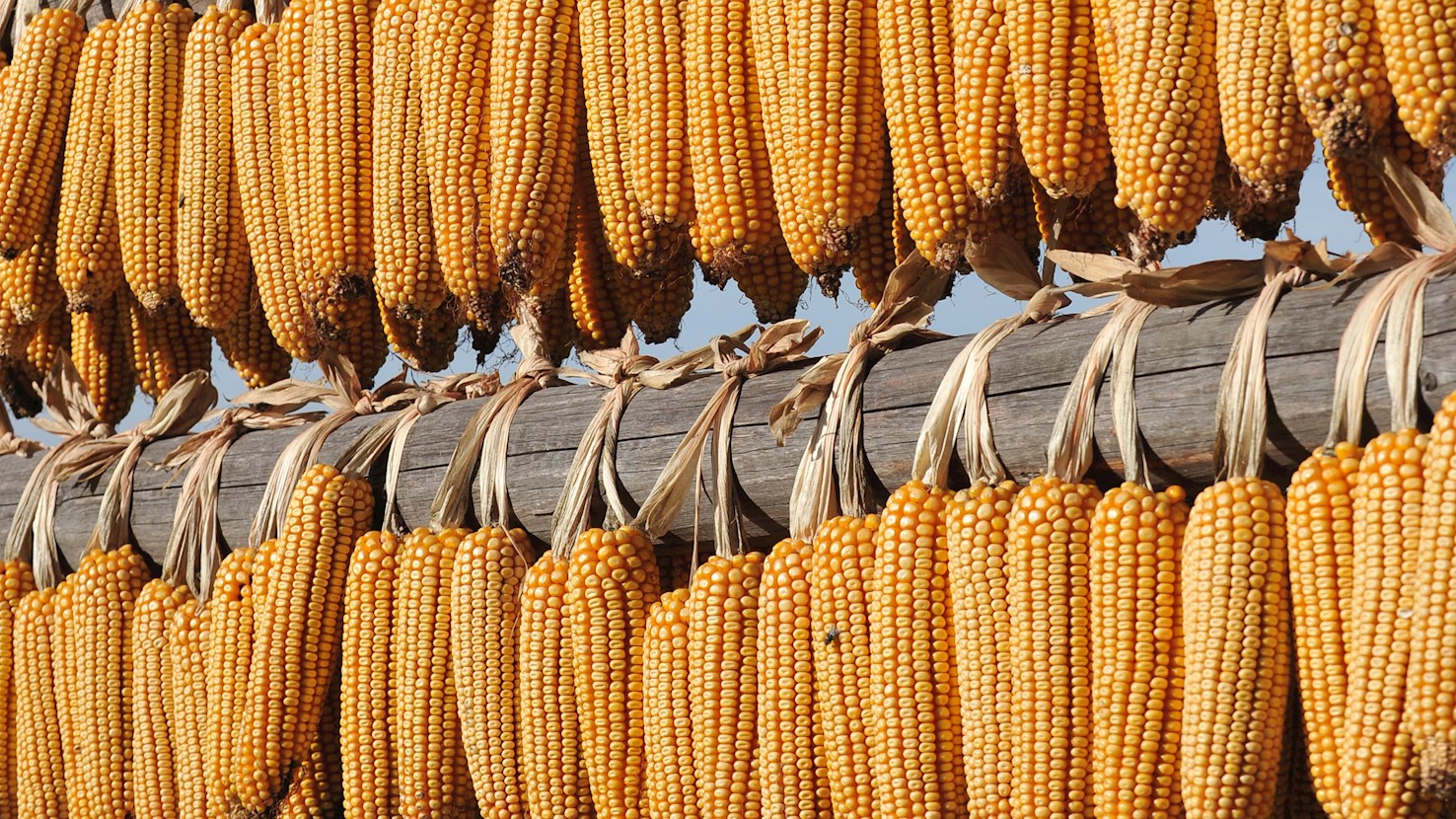
Trdinka is a traditional corn variety originating from Bohinj. This indigenous type of corn is adapted to the Alpine regions. The kernels are yellow, orange, and red-colored, typically milled into coarse flour. The flour is used to prepare a local polenta-like specialty known as bohinjski žganci. The field where the corn grows should be in a sunny spot, and it's fertilised and ploughed in the autumn. The corn is stored in a dry place, and the cobs are often hulled in the week before Palm Sunday. On the good cobs, a few husks are left intact before they're braided and the cobs are left to dry. Later on, the kernels are milled into corn flour. Žganci made from trdinka have a better flavor, aroma, and different color than other types of žganci.

Read more
View all
View map
About this ranking

TasteAtlas food rankings are based on the ratings of the TasteAtlas audience, with a series of mechanisms that recognize real users and that ignore bot, nationalist or local patriotic ratings, and give additional value to the ratings of users that the system recognizes as knowledgeable. For the “Top 4 Central European Grains” list until June 01, 2026, 10 ratings were recorded, of which 6 were recognized by the system as legitimate. TasteAtlas Rankings should not be seen as the final global conclusion about food. Their purpose is to promote excellent local foods, instill pride in traditional dishes, and arouse curiosity about dishes you haven’t tried.

The initial list of top producers was compiled based on available reviews, awards, local recommendations, media and blog coverage, and consumer reviews. The list will be updated with ratings from TasteAtlas local ambassadors and TasteAtlas users.

Similar lists