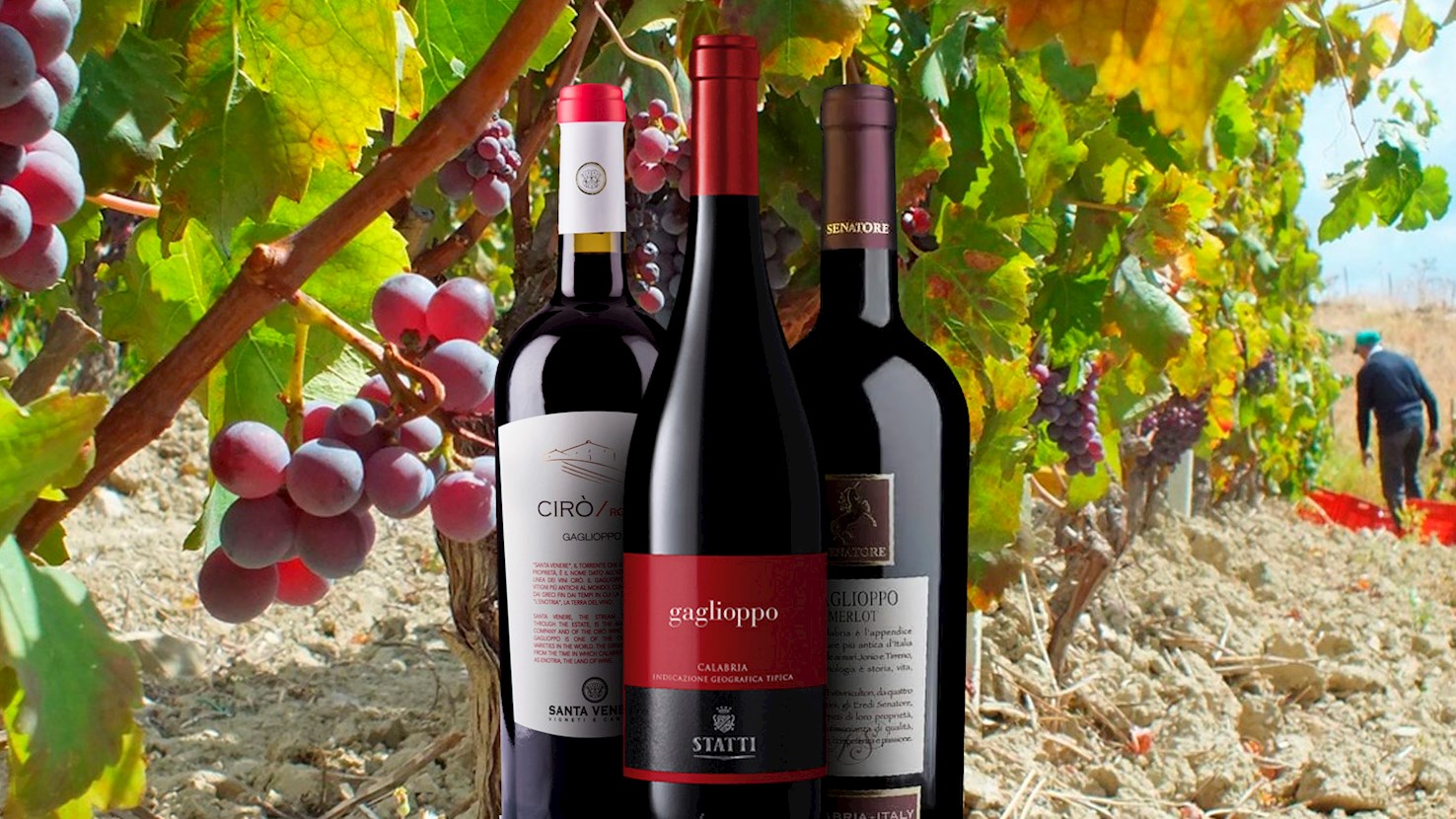
Gaglioppo is a red Italian grape mainly cultivated in Calabria, where it is used in several DOCs—Cirò being the most popular. The grape produces well-structured, medium-bodied red wines with flavors of crushed red berries that are often accompanied by herbaceous, balsamic, and licorice notes. The wines are usually high in alcohol and very tannic. They can age well, and the time spent in the bottle will typically smooth the tannins and help the wine develop more complex notes. Gaglioppo was first believed to be of Greek origin, but recent studies show that it is related to Sangiovese and might be native to Calabria. The grape thrives in the warm Calabrian climate and is mainly cultivated on clay soils. Gaglioppo wines pair well with light and heavier dishes. They would be a good match with grilled or braised meat and pasta sauces.
Greco is a grape family used to produce both white and red wines in southern Italy, most strongly associated with Campania for white Greco and with Calabria for red Greco Nero, and it appears under several regional appellations and local names depending on color and zone. Its establishment in southern Italy is tied to ancient Mediterranean settlement patterns, with Greek colonists introducing grape material and viticultural practices to the peninsula, after which distinct biotypes adapted to local soils and climates over centuries, leading to the separation between white-berried Greco cultivated in inland Campanian areas and red-berried forms maintained further south, particularly in Calabria. Winemaking approaches differ according to grape color, with white Greco typically harvested at full ripeness and vinified through gentle pressing and temperature-controlled fermentation, most often in stainless steel, to preserve structure and acidity, while Greco Nero undergoes skin fermentation and is produced as red or rosé wine, generally emphasizing freshness and moderate extraction rather than heavy tannin. Wines from both forms are bottled dry, with whites served cool and reds served slightly below room temperature, and decanting is applied selectively based on concentration and age. A defining aspect of the Greco family is the naturally high phenolic content found especially in the white form, which contributes to texture and aging potential without reliance on oak, while the red form remains lighter in body and suited to earlier consumption. Greco wines are consumed primarily with meals in southern Italy and export markets, paired with seafood, shellfish, vegetables, poultry, and semi-aged cheeses in the case of white Greco, and with grilled meats, legumes, tomato-based dishes, and aged cheeses for Greco Nero, allowing the two expressions to occupy distinct but complementary roles at the table.
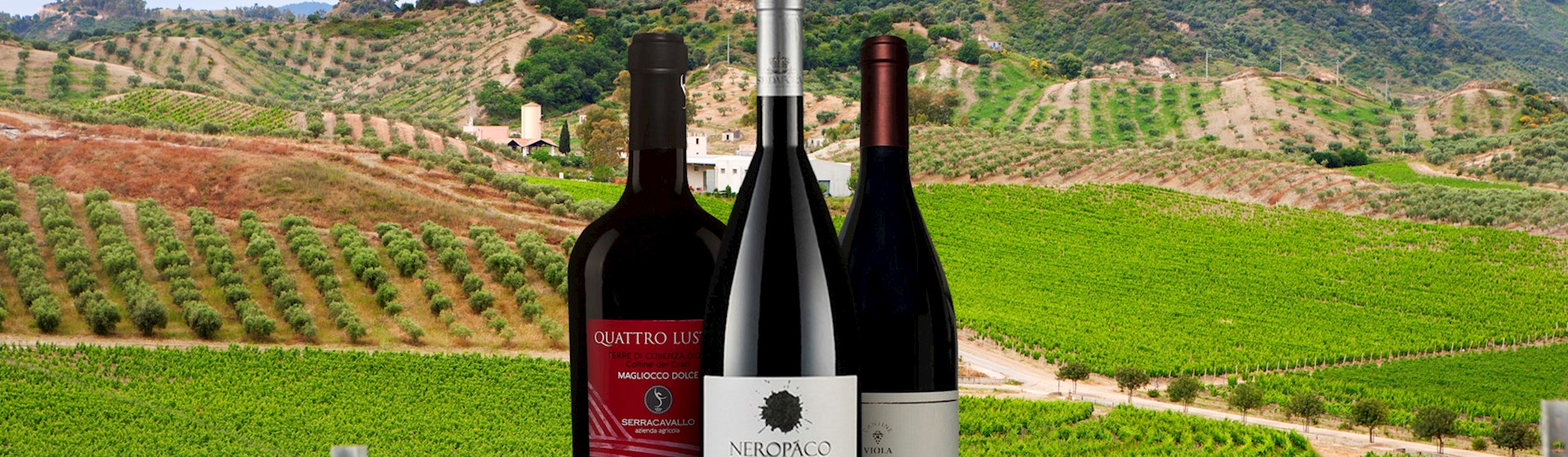
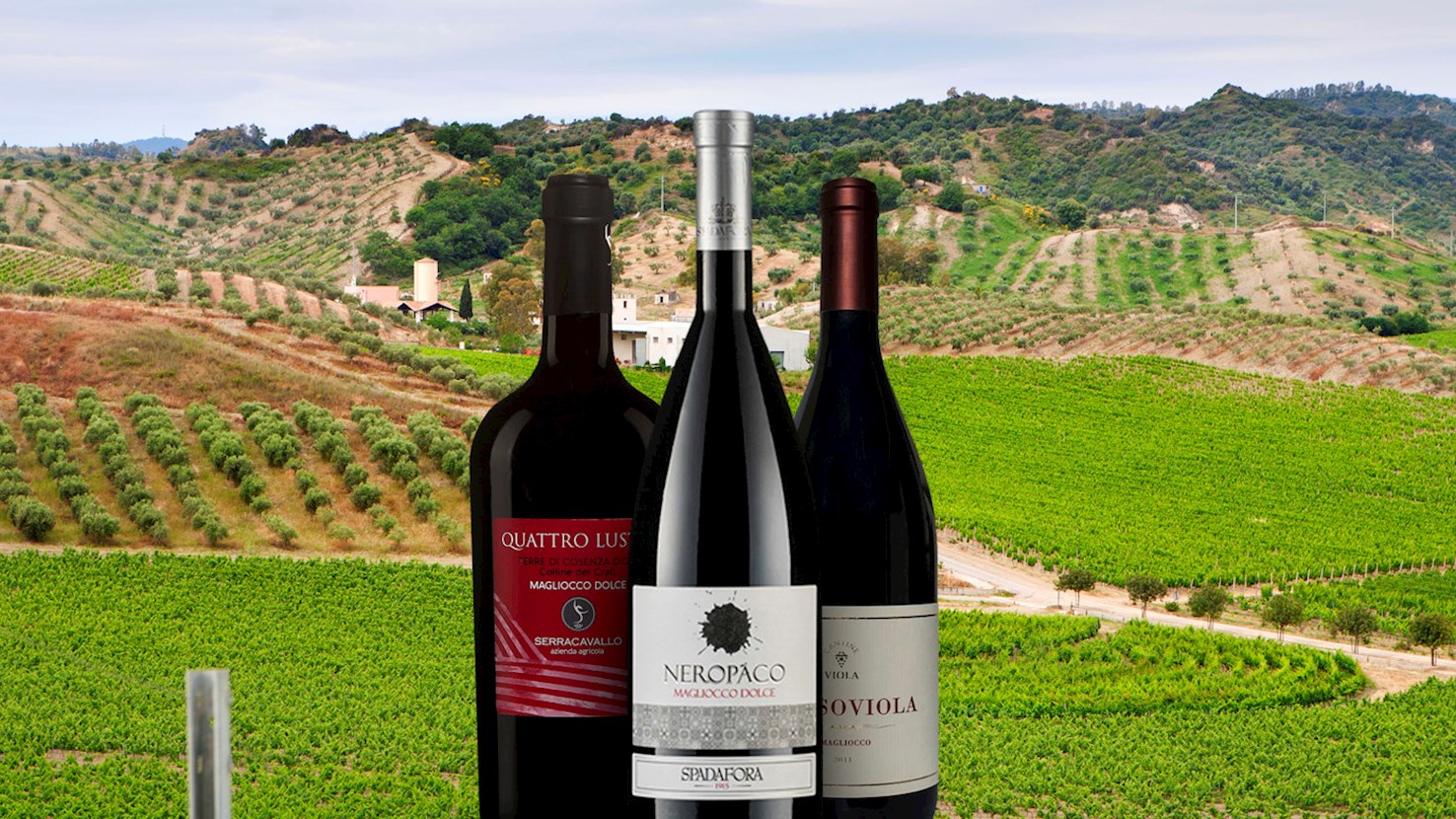
Magliocco Dolce is a Calabrian red variety that should not be confused with Magliocco Canino, a different variety that is less planted in Calabria. In the past, it was mostly regarded as an unimpressive blending grape, but local producers have shown that it has excellent varietal potential. Dolce is a late-ripening variety that produces light-colored wines with smooth tannins and good alcohol content. The aroma is fruity, reminiscent of red and dark berries, with hints of spice and some herbal nuances. The best expressions are elegant, refined, and usually age well. Magliocco can pair well with grilled meat, charcuterie, and aged cheese.
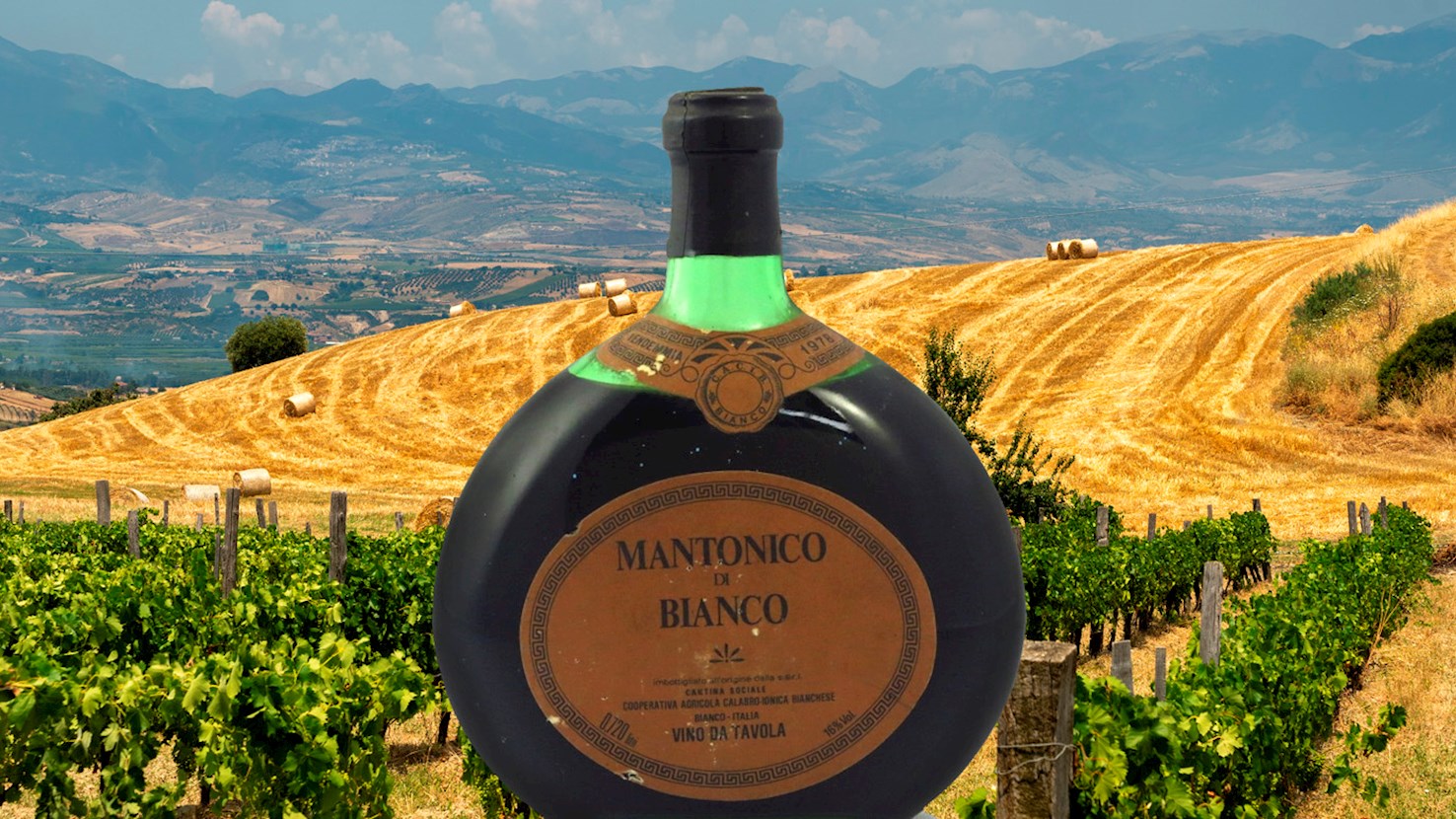
Mantonico Bianco is a rare white grape native to Italy. It is found only in Calabria, where it is used to produce dry and dessert styles. It is used in blends or made as a varietal. The grape is ancient, and it is suggested that it might have Greek origins and that it was primarily cultivated in Locride. Mantonico is used in Calabrian IGT designations. Mantonico Bianco produces aromatic white wines. Dry examples are elegant and fresh with herbal, citrus, and peach notes. They often have some mineral character and are best paired with seafood and pasta dishes. Sweet wines are usually passito styles—made with partially dried grapes. They have a golden yellow color and intense aromas reminiscent of flowers, candied fruit, and dried fruit. On the palate, they have enough freshness that balances the sweetness. These sweet styles should be paired with cookies and pastries.
TasteAtlas food rankings are based on the ratings of the TasteAtlas audience, with a series of mechanisms that recognize real users and that ignore bot,
nationalist or local patriotic ratings, and give additional value to the ratings of users that the system recognizes as knowledgeable.
For the “Top 4 Calabrian Grapes” list until June 10, 2026, 5 ratings were recorded, of which 3 were recognized by the system as legitimate.
TasteAtlas Rankings should not be seen as the final global conclusion about food. Their purpose is to promote excellent local foods,
instill pride in traditional dishes, and arouse curiosity about dishes you haven’t tried.