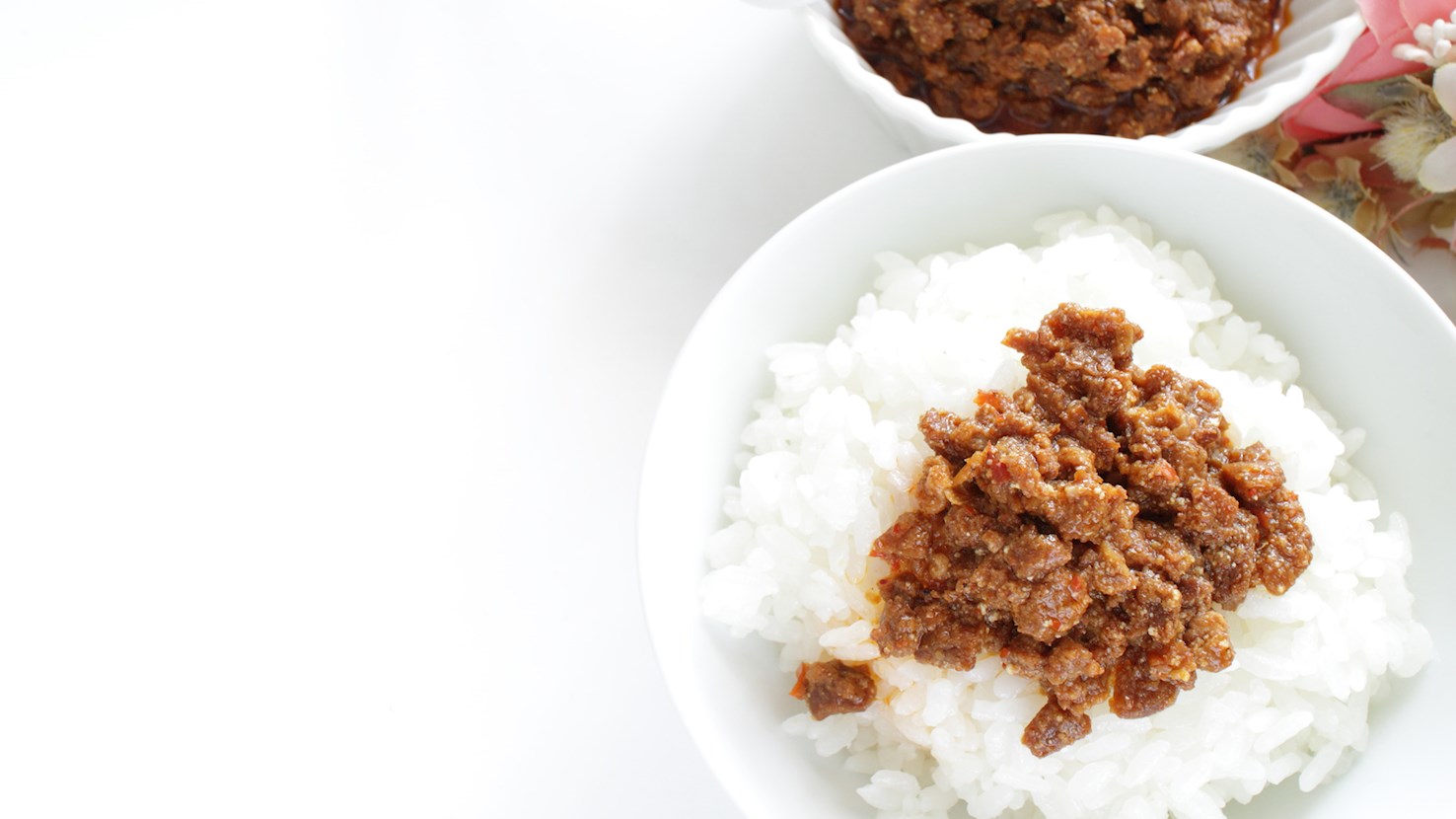
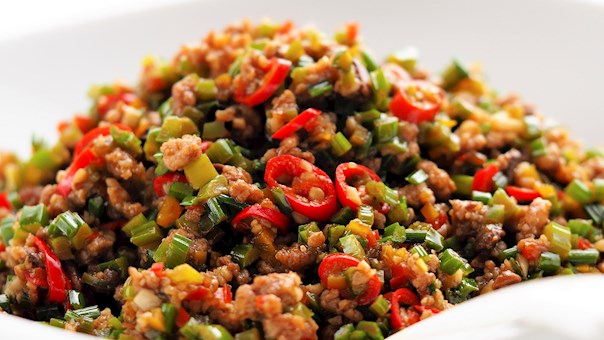
Simple, juicy, and savory lu rou fan is a popular Taiwanese dish consisting of ground pork braised in soy sauce, five-spice powder, and rice wine until it becomes tender and flavorful. It is traditionally served over rice, although some cooks like to replace the rice with noodles. Sometimes, pickled cucumbers or shiitake mushrooms are served alongside the dish. Literally translated, lu rou fan means stewed meat rice, and the dish is sometimes referred to as Taiwanese ragú. In Taiwan, lu rou fan was originally consumed as a nutritious and healthy meal for farming families, but today it can be found almost everywhere, from home kitchens to restaurants and street stalls.
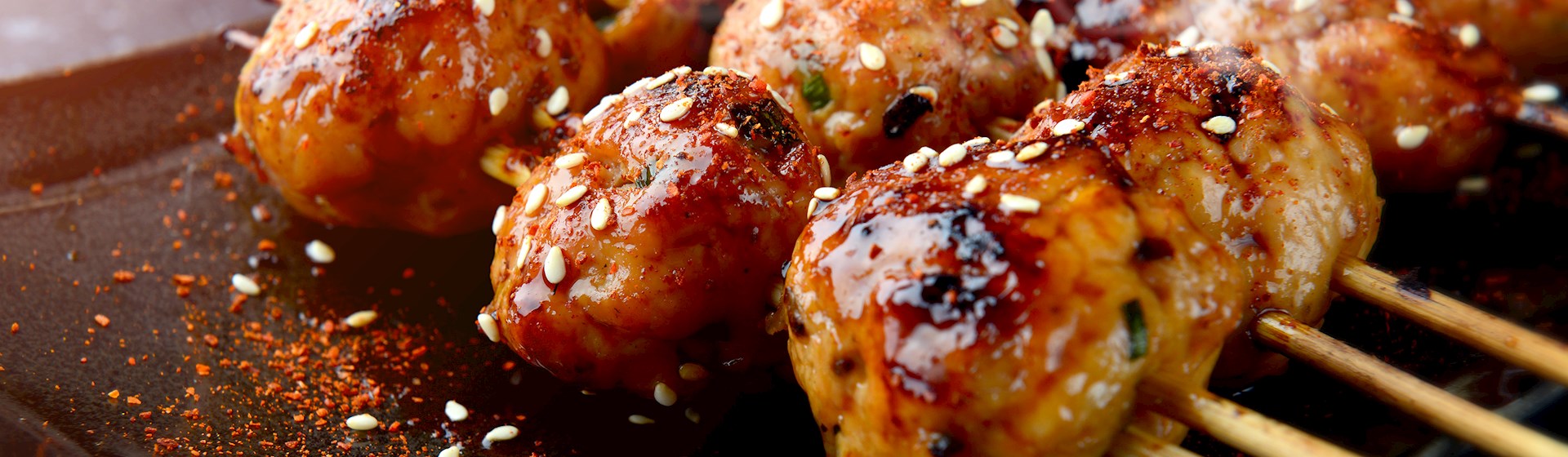
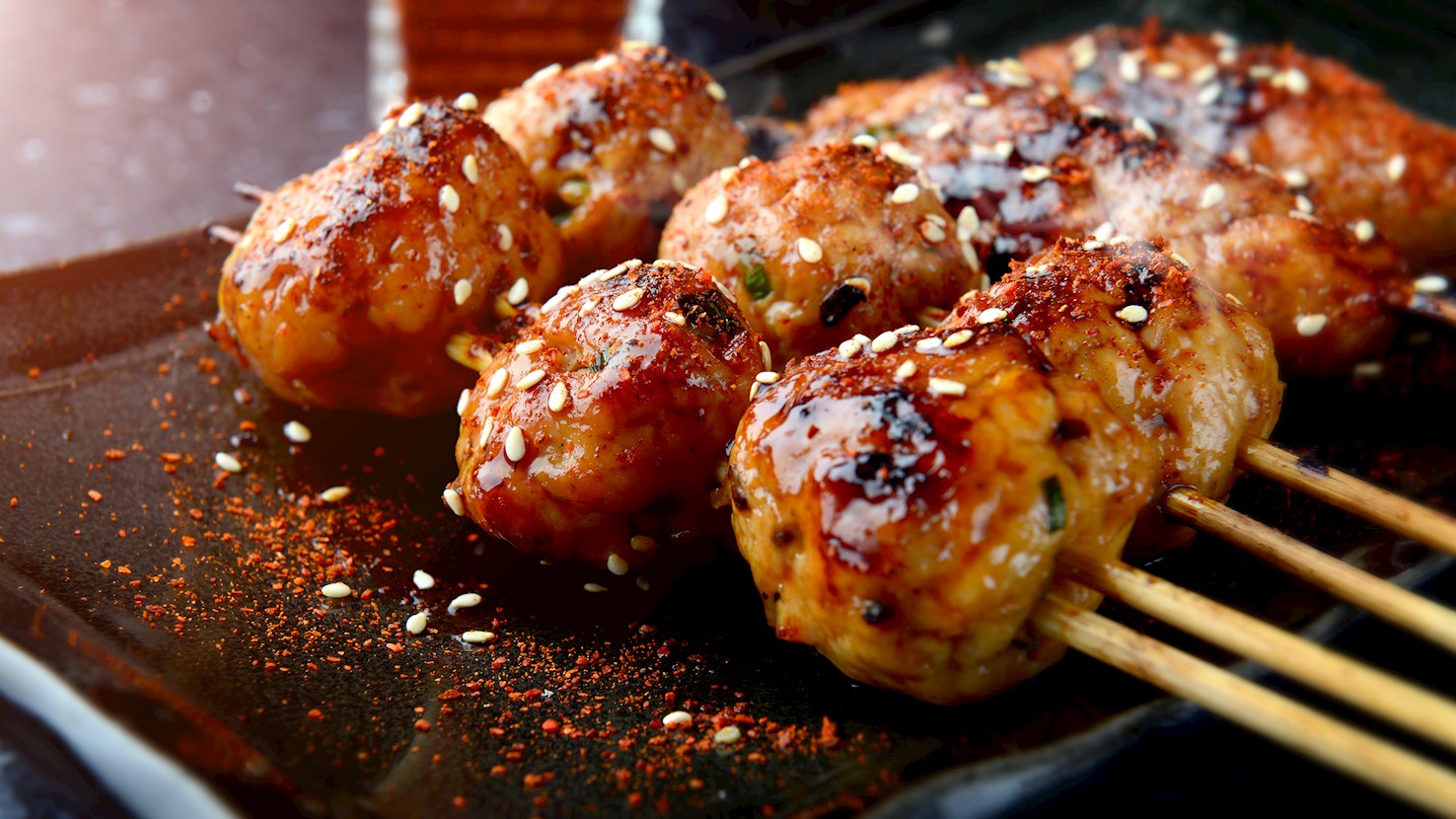
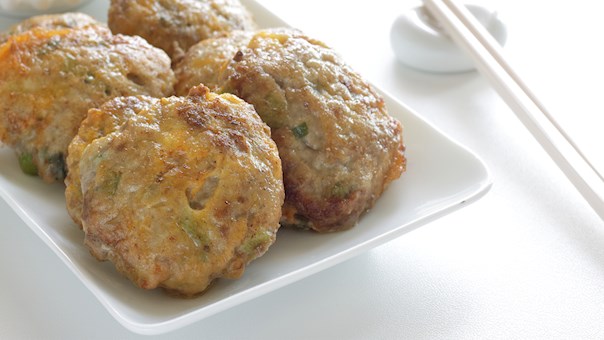
Tsukune is a yakitori version that is prepared with ground chicken. The meat is seasoned, and it is typically formed in oblong patties or small meatballs that are skewered on bamboo sticks. Like other types of yakitori, the skewers are typically seasoned with salt (shio) or tare—subtly sweet combination based on soy sauce, sake, and mirin, while the meat can be enriched with sliced scallions, garlic, ginger, onions, or shiso leaves. Tsukune is usually served with a raw egg yolk and various toppings. The dish is a staple at specialized yakitori establishments.
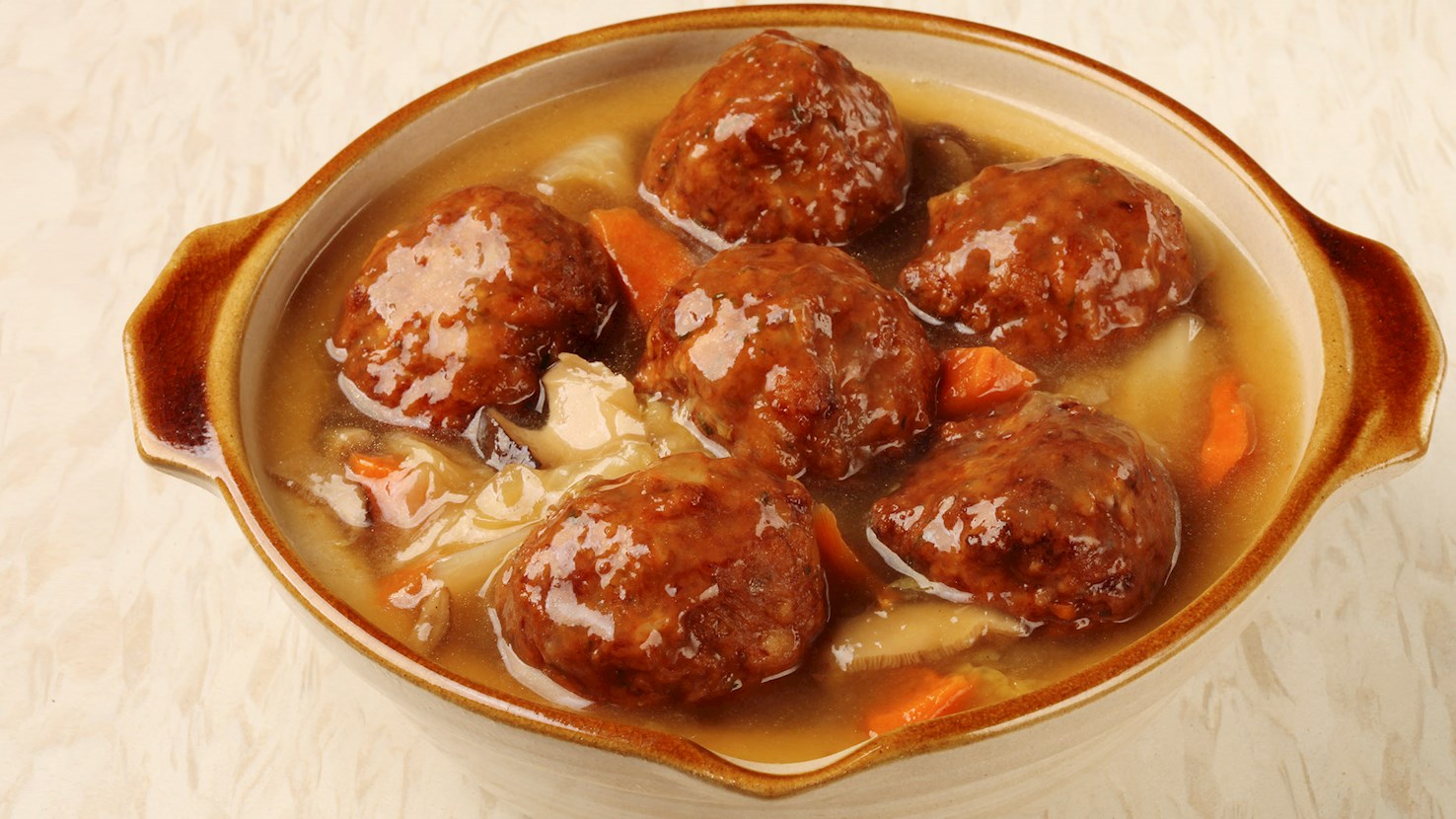
Contrary to what one might think upon hearing the name of the dish, lion's head is a meal consisting of big pork meatballs that are stewed with noodles and vegetables such as cabbage. It dates back to the times of the Sui Dynasty, when Emperor Yang took a trip to Yangzhou and made his chefs prepare a dish that was inspired by the Yangzhou landscapes, which he loved. The meatballs looked similar to the Chinese guardian lion's head, so the name stuck until today. In China, there are two versions of the dish - one is served in a rich, brown sauce (Zhenjiang variety), and the other in a lighter broth (Yangzhou variety). Rustic and hearty, this classic dish also became a part of Shanghai cuisine in the late 19th and early 20th century.
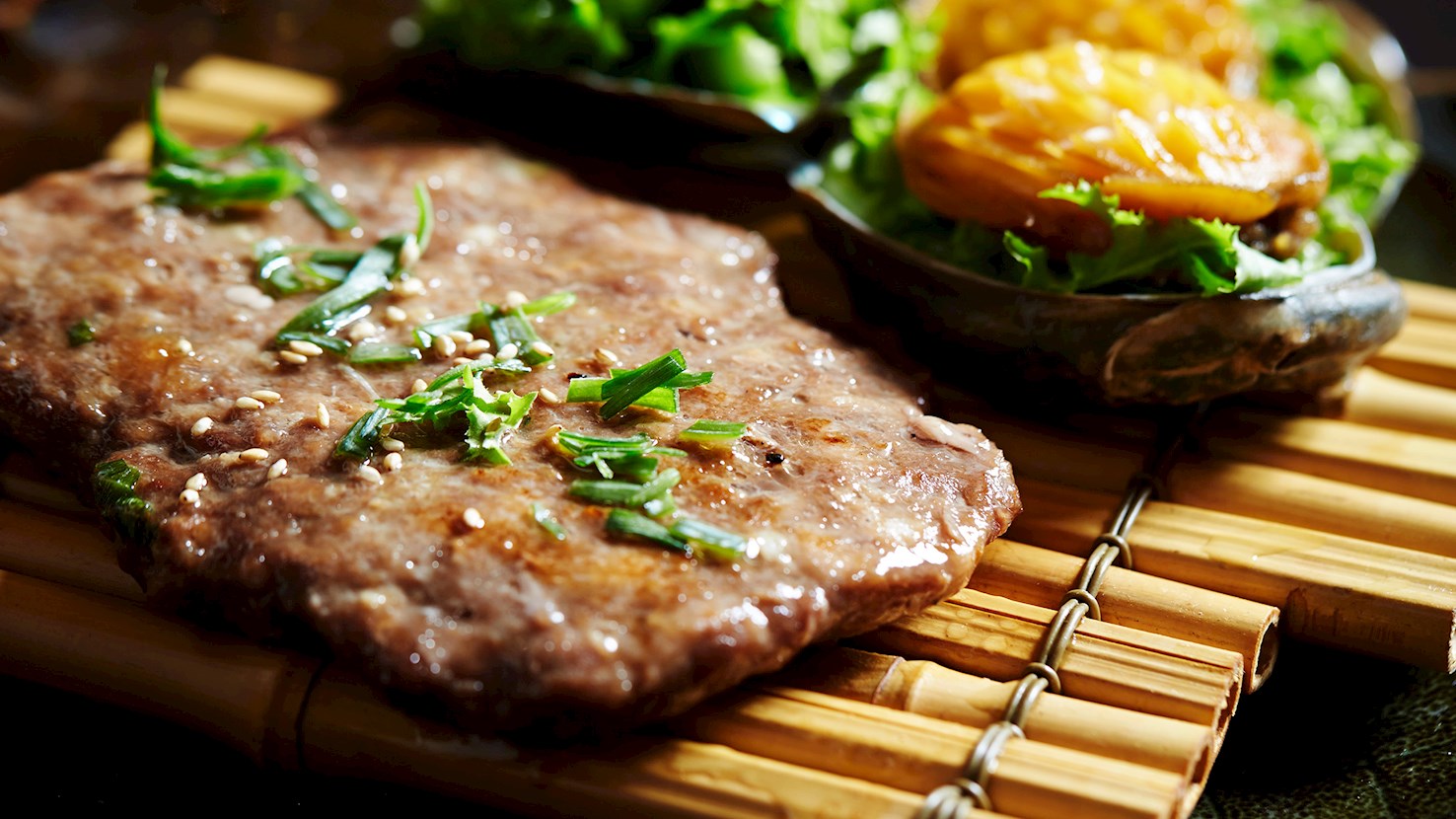
Tteokgalbi is a South Korean dish made with ground beef short ribs. The meat is marinated and made into patties that are then grilled. Occasionally, the meat is formed around the bones, and the patties are often glazed during grilling. Tteokgalbi translates as cake ribs—which allegedly arose since the texture and preparation resemble those of tteok rice cakes. It is believed that this traditional dish originated at the Korean royal court, but nowadays, it is strongly associated with the provinces of South Jeolla and Gyeonggi. Modern varieties are adapted with various ingredients, and the dish is enjoyed throughout the country.
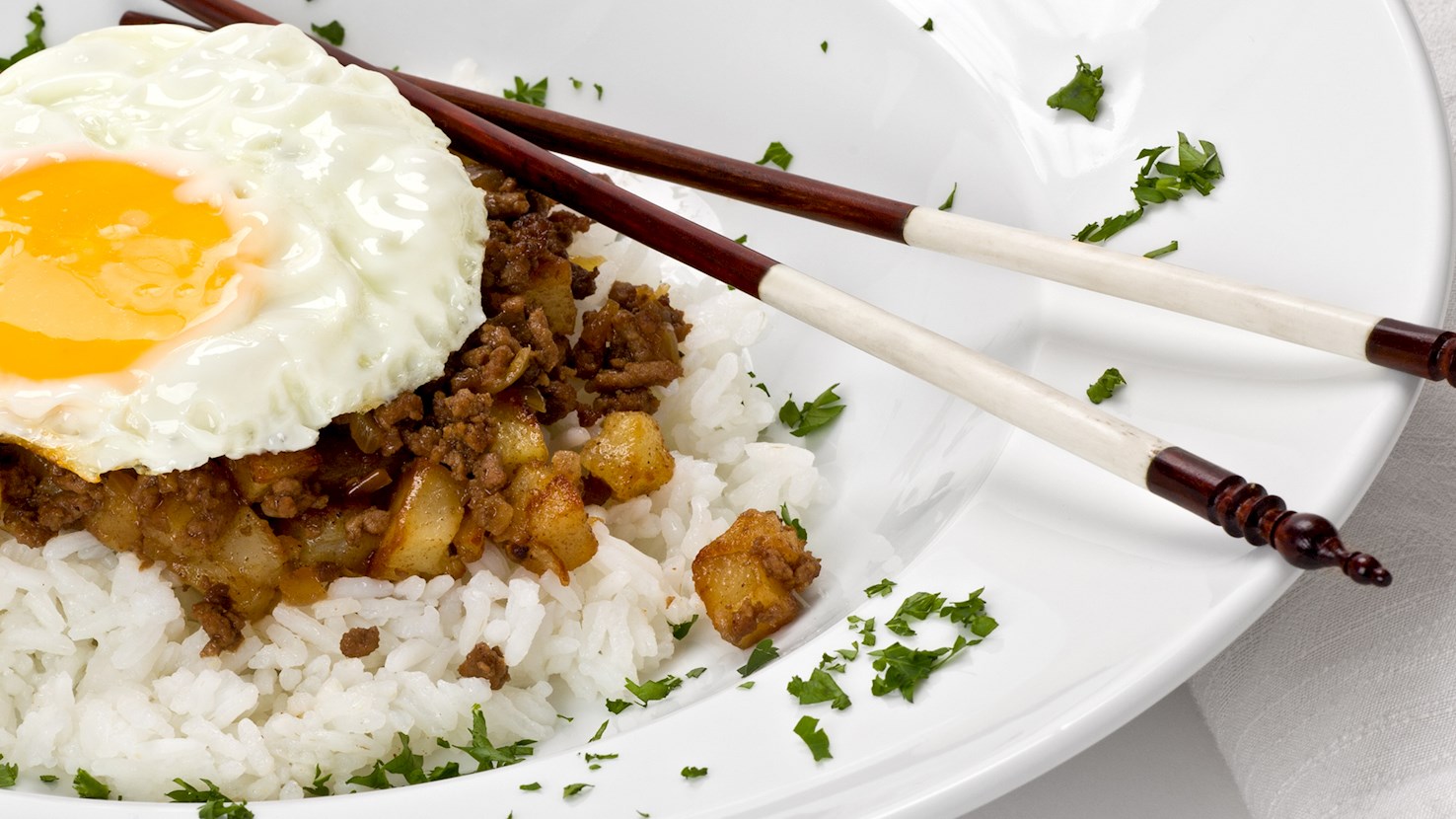
Minchi is a comforting dish native to Macau, consisting of stir-fried minced meat infused with soy sauce. The dish appears in many version but usually incorporates minced beef or pork, potatoes, onions, and occasionally Chinese black fungus and Portuguese sausage. It is usually served over rice and topped with a crispy fried egg. Because its name derives from the English word for minced, it is believed that the dish was influenced by the British community living in the vicinity of Macau.
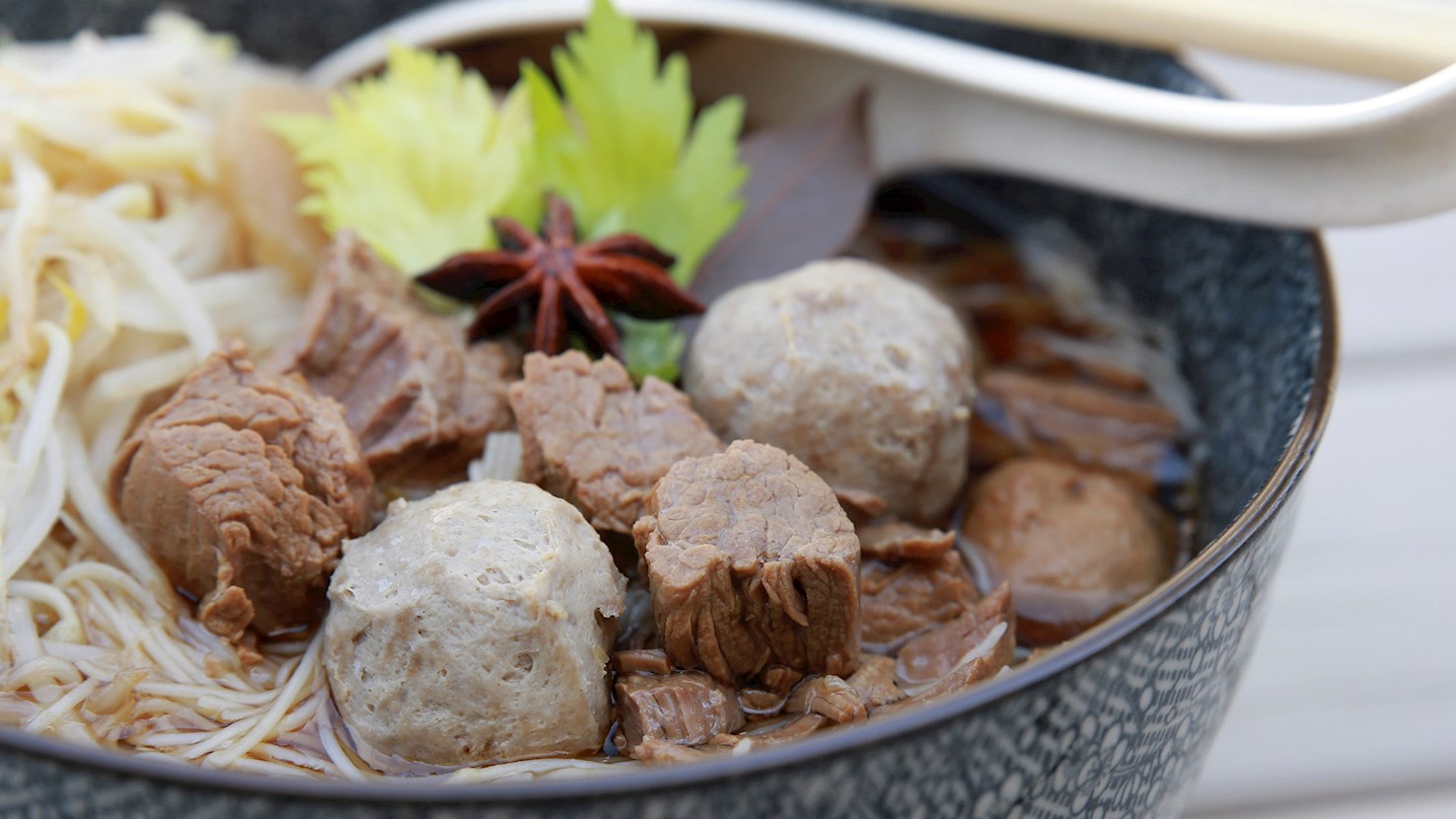
Niúwán are beef balls from the Chaoshan (Teochew), renowned for their extraordinary, almost rubbery elasticity and exceptionally juicy, savory interior. Unlike Western meatballs, which are typically made from minced or ground meat gently bound with breadcrumbs and egg, making niúwán is an intense physical endeavor that relies on bludgeoning rather than grinding. Traditionally, skilled artisans take large, lean cuts of beef—often from the leg or round—and relentlessly pound them on a heavy wooden block using two heavy, squared iron rods until the meat is pulverized into a smooth, highly elastic paste. This vigorous, rhythmic beating, which can take hours, is crucial because it stretches and aligns the muscle proteins without severing the long fibers, creating the signature "Q-texture"—a regional culinary term for the perfect, toothsome bounce. During this laborious process, ice water or crushed ice is carefully folded into the meat paste to prevent the friction heat from prematurely melting the beef fat, ensuring the final product remains cohesive and succulent, while seasonings like salt, white pepper, garlic, and sometimes toasted dried flounder powder are added for a deep, lingering umami finish. Once the paste reaches the perfect glossy consistency, it is squeezed by hand into uniform spheres and gently poached in warm, rather than rapidly boiling, water to set their shape and preserve their delicate internal moisture. Often served swimming in a clear, rich beef bone broth alongside slippery rice noodles, a scattering of fresh cilantro or Chinese celery, and a vital dipping side of savory, pungent Shacha sauce, niúwán is famously immortalized in Hong Kong cinema as meatballs so remarkably springy they could be used as ping-pong balls. In Hong Kong, the beef balls are paired with wonton noodles rather than rice.
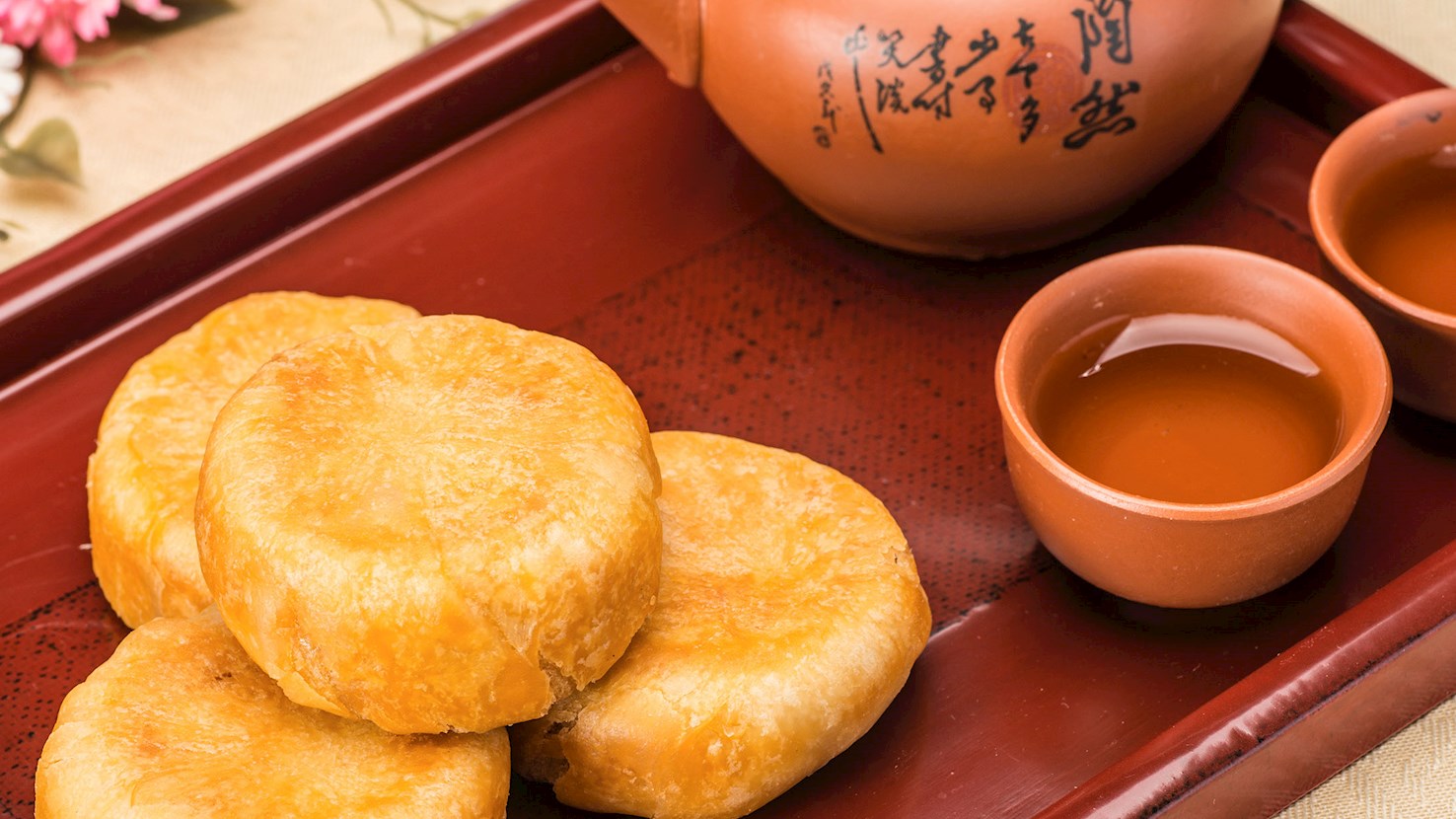
Even though it is often referred to as the Chinese meat pie, xianbing is, in fact, more similar to an over-sized, seared jiaozi-style dumpling. Both are made with the same, basic flour-and-water dough, except the one for xianbing is layered before being rolled out, and unlike jiaozi dumplings which are steamed, xianbings are pan-fried. Being one of the hallmarks of the Northern Chinese Islamic halāl cuisine, the crispy-crusted xianbing is traditionally filled with soy sauce flavored minced beef, ginger, and onions, while in other regions it can also be filled with pork, lamb, or even with an all-vegetable filling in its vegetarian version. Xianbings are considered a real comfort food and although they are easily found in restaurants, often served with the hearty hot and sour soup, in Northern China xianbings are most popular as a street food that is typically enjoyed warm with a dipping sauce consisting of soy sauce, sesame oil, garlic, and rice vinegar.
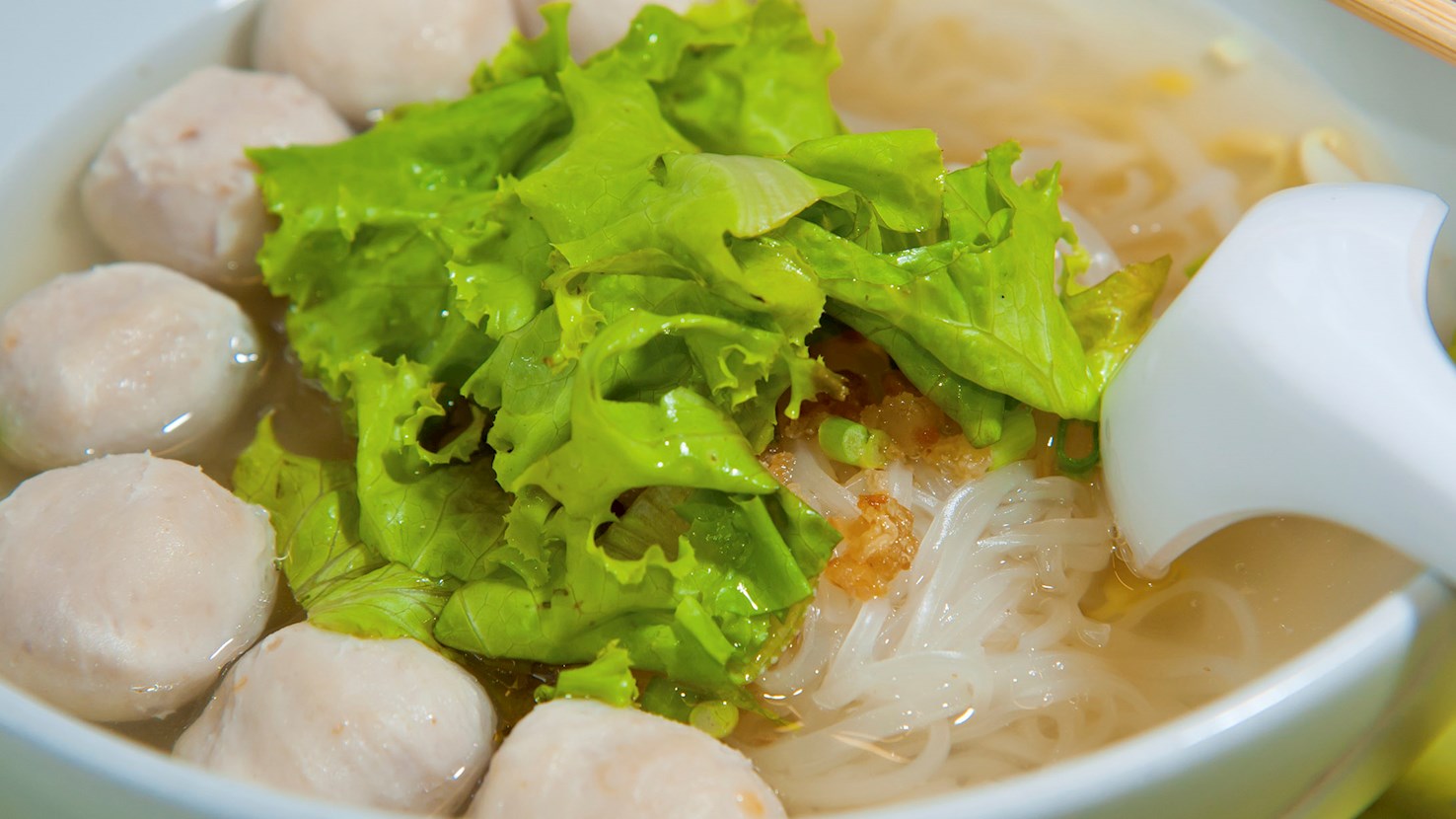
Pork ball is a meatball made with ground pork and starch, while cuttlefish is sometimes added to the combination in order to add flavor and impart a chewy texture to the meatballs. These chewy meatballs are popular in China, Hong Kong, Taiwan, Malaysia, Singapore, and Thailand. In Taiwan, pork balls are usually served in a soup known as gongwan tang, and in the Taiwanese city of Hsinchu, there is an annual festival dedicated solely to these delicious meatballs.
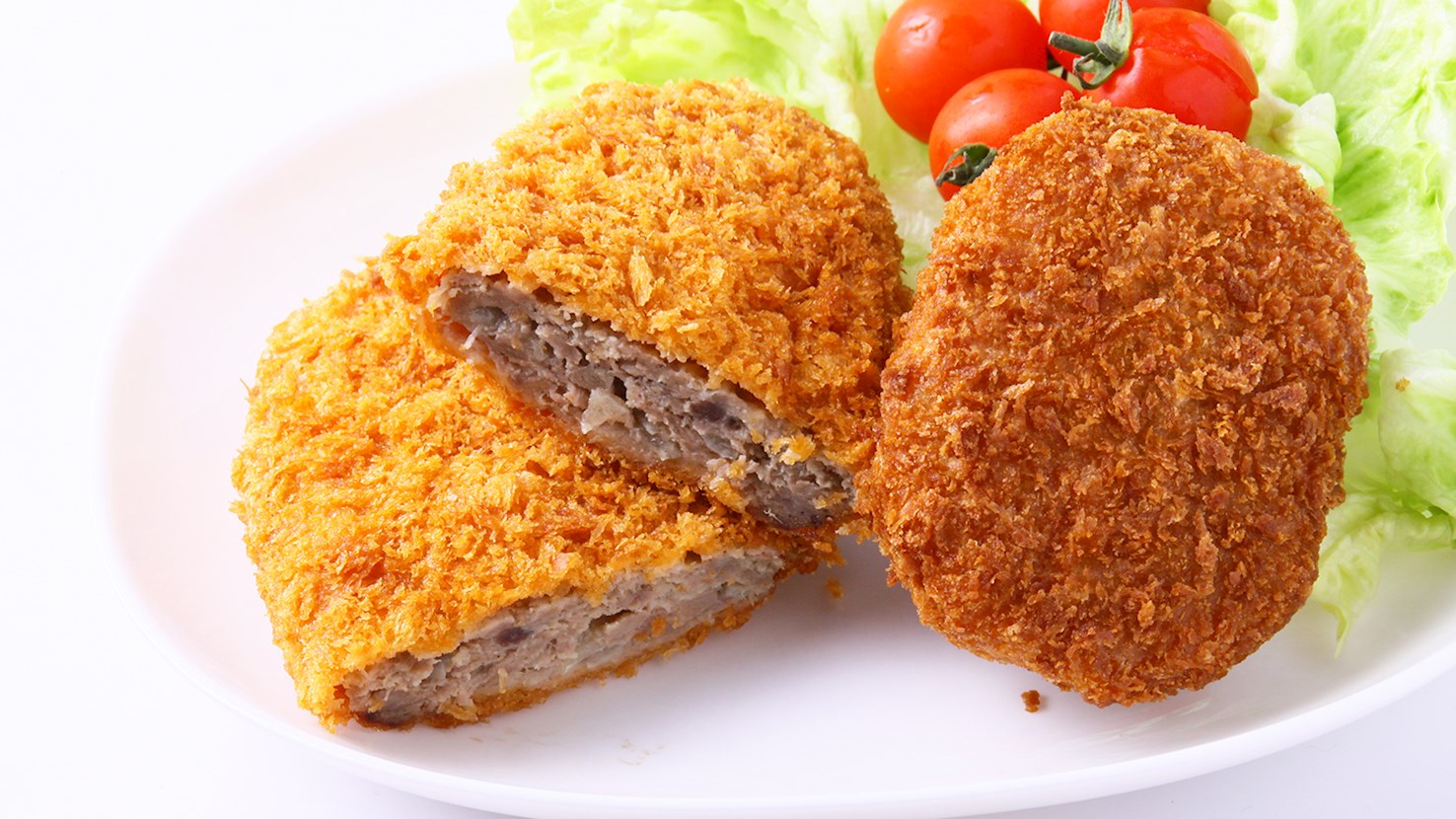
Menchi katsu is a traditional dish and a type of katsu. This ground meat cutlet is made with a combination of ground beef, ground pork, onions, panko breadcrumbs, oil, eggs, milk, black pepper, and nutmeg. Once shaped, the patties are dredged in flour, beaten eggs, and panko breadcrumbs, then fried in hot oil until golden and crispy. The dish is usually served with white rice, miso soup, and the thick and tangy katsu sauce on the side. Menchi katsu originated in Tokyo and it dates back to the Meiji Era. Nowadays, some of the best menchi katsus can be found at butcher shops, where they use the freshest meat to form the cutlets.
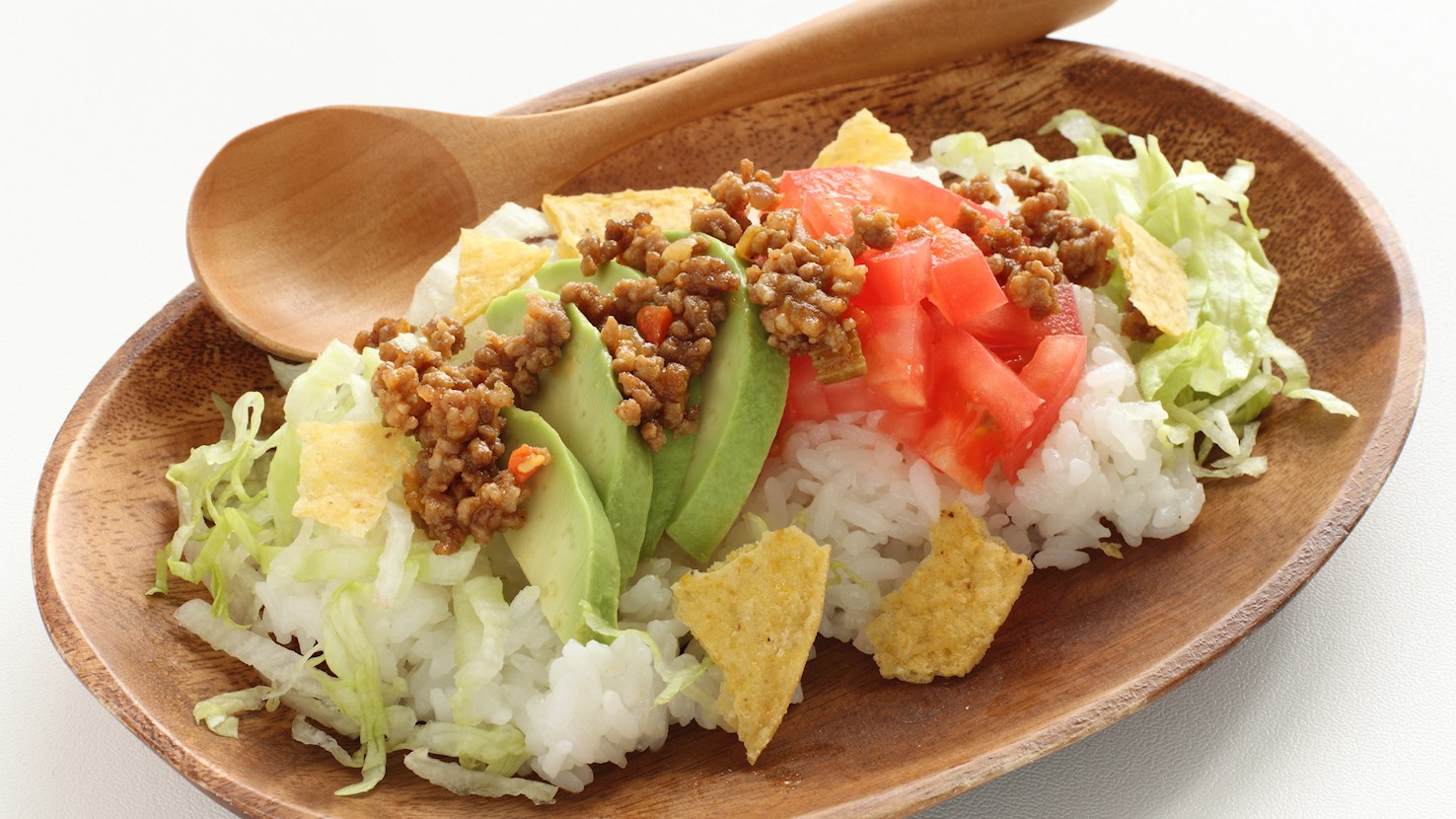
Taco rice is a Japanese dish hailing from Okinawa. It was created in 1984 as a dish for the US soldiers stationed in the prefecture. The dish consists of ground beef, cheese, lettuce, and tomatoes served on a bed of short grain rice. The whole dish is traditionally topped with salsa. The meat is seasoned with taco seasoning or a combination of common Japanese condiments if the taco seasoning is unavailable. What was once created for the American soldiers is now one of the best known dishes in Okinawa, and it's recommended to accompany it with koregusu, a condiment similar to chili vodka.
TasteAtlas food rankings are based on the ratings of the TasteAtlas audience, with a series of mechanisms that recognize real users and that ignore bot,
nationalist or local patriotic ratings, and give additional value to the ratings of users that the system recognizes as knowledgeable.
For the “Top 13 Ground Meat Dishes in East Asia” list until July 16, 2026, 394 ratings were recorded, of which 323 were recognized by the system as legitimate.
TasteAtlas Rankings should not be seen as the final global conclusion about food. Their purpose is to promote excellent local foods,
instill pride in traditional dishes, and arouse curiosity about dishes you haven’t tried.