shutterstock

Top 100 European Ground Meat Dishes

Last updated on June 15, 2026

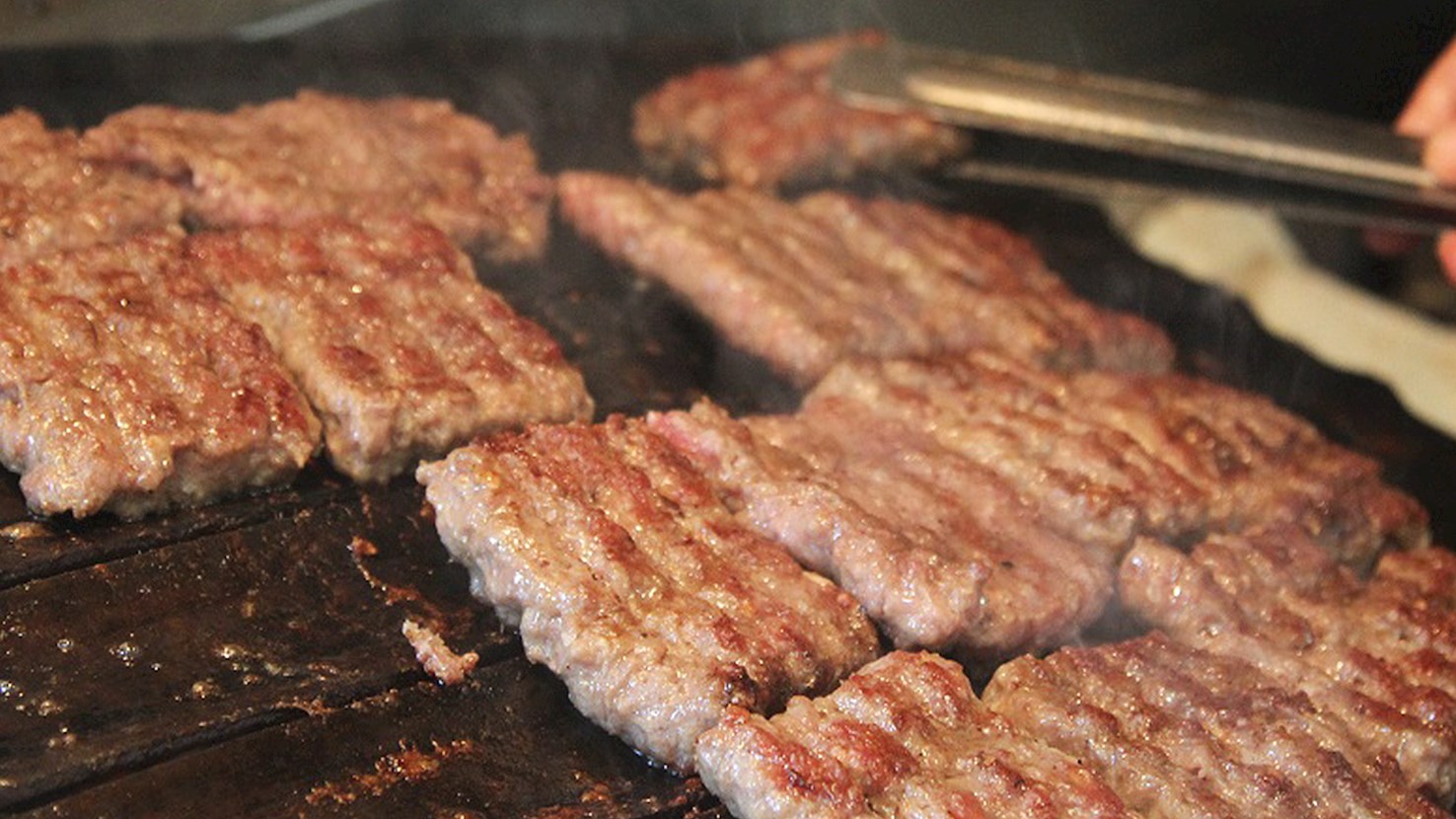
Best European Ground Meat Dishes
01

Travnički ćevapi

4.5 ·

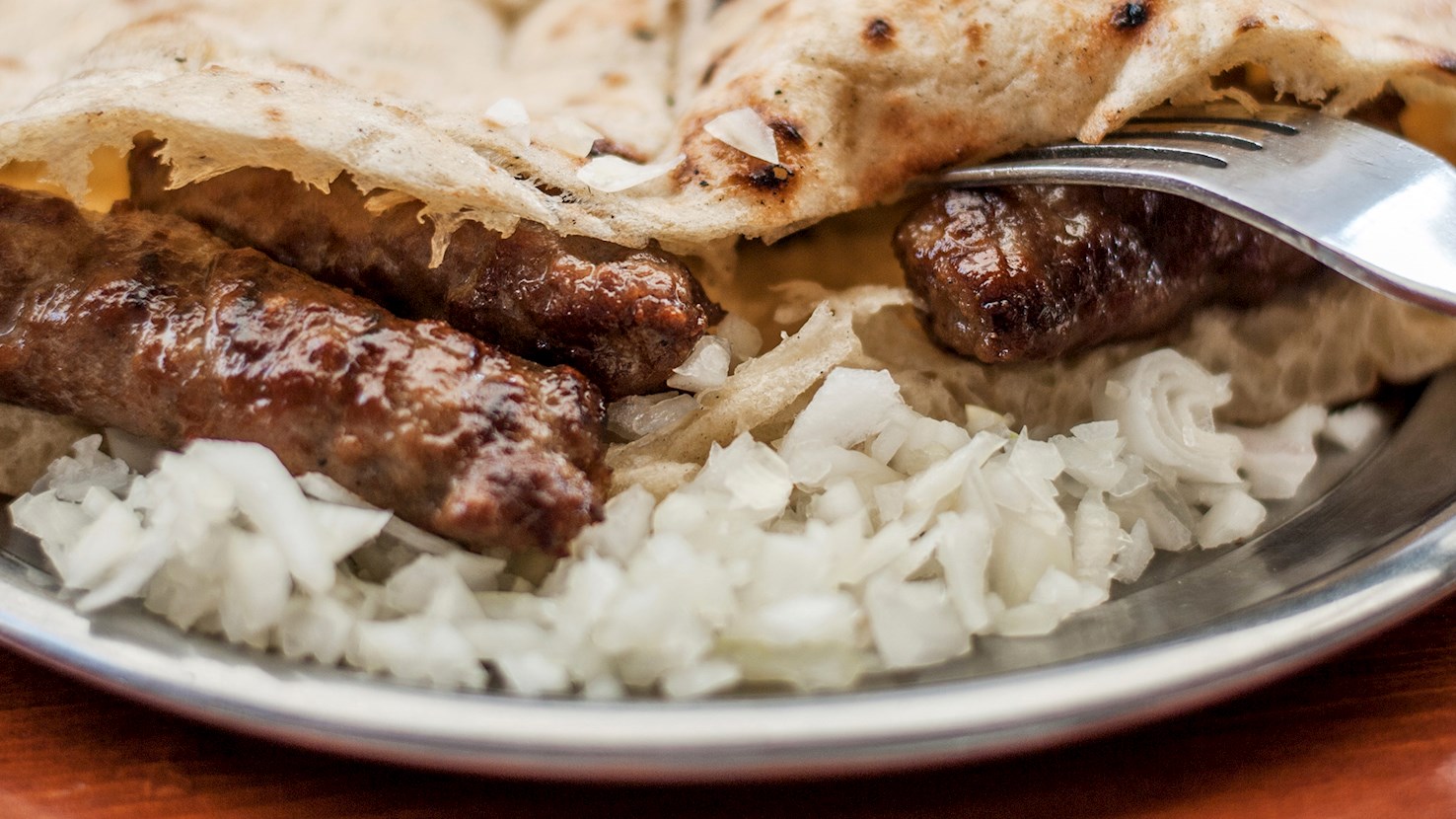
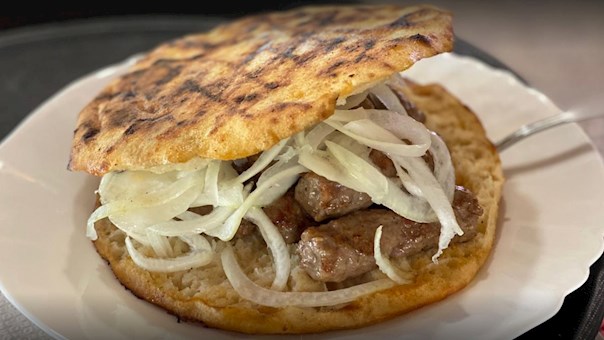
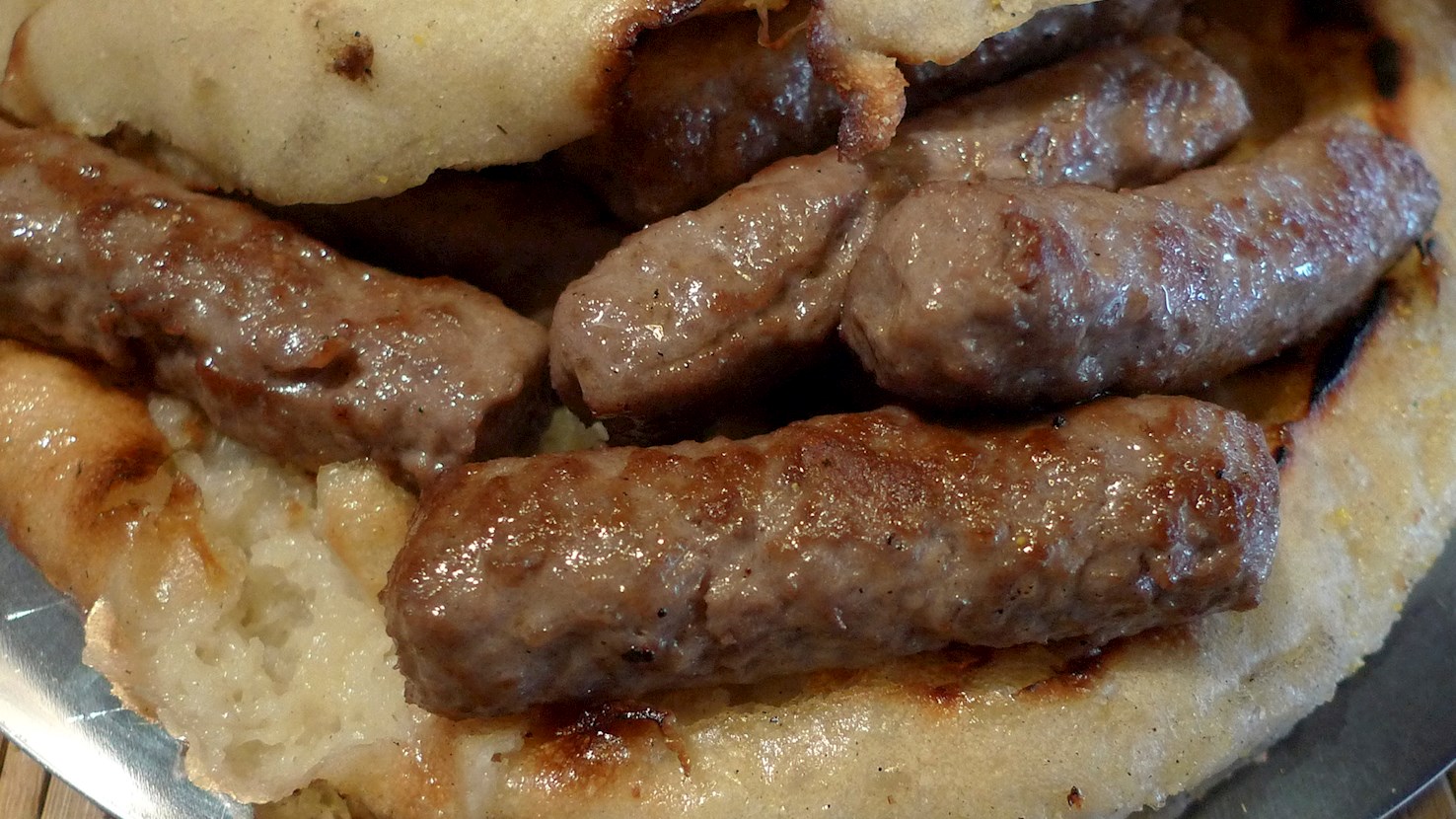
This ćevapi variety is made in the city of Travnik in Bosnia and Herzegovina. The ćevapi are made with a combination of beef, veal, and lamb, with the addition of salt, pepper, and a bit of baking soda. When grilled, the meat is often brushed with a clear broth that was prepared with beef bones and mutton. The bread, locally called pitica, is dipped in the broth, then grilled for a short time. Once grilled, the ćevapi are placed into the pitica, and they are then topped with chopped onions. It is recommended to serve this ćevapi variety with yogurt on the side.

02

Sarajevski ćevapi

4.4 ·

This unique variety of ćevapi hails from the city of Sarajevo, hence the name sarajevski ćevapi. There are variable accounts regarding the usage of meat for these tasty meat rolls – purists make them exclusively with ground beef, salt, and pepper, while others use a combination of ground beef and mutton. In recent years, sarajevski ćevapi are typically made only with ground beef and salt in order for the meat flavor to be as clear as possible. Once prepared, ćevapi should be refrigerated for 48 hours. They are then grilled, and traditionally served in a round-shaped, (sometimes) beef stock-dipped bread called somun, accompanied by raw onions on the side.

03

Ćevapi

4.3 ·

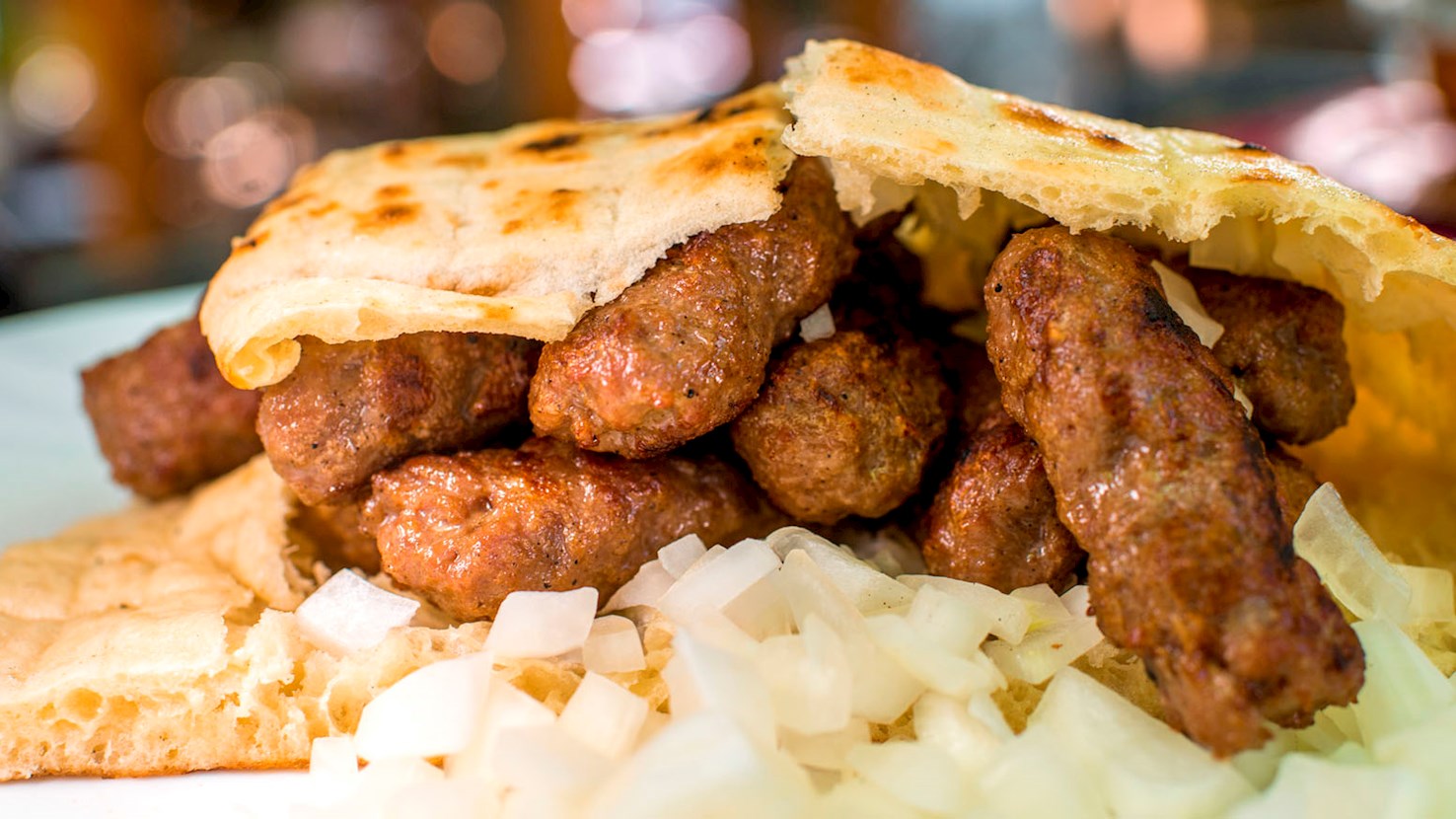
Despite their clear Turkish provenance, Bosnian ćevapi are a source of great national pride and the country's favorite dish. These tiny, hand-rolled minced meat sausages are commonly made with ground beef - or a mix of beef mince with other meats such as veal or lamb - seasoned with a mix of different spices; usually garlic, salt, black pepper, and sometimes paprika or hot red pepper flakes. After they have mellowed for a couple of hours, ćevapi are barbecued over charcoal. Traditionally, one portion of the dish consists of ten pieces of ćevapi tucked in a soft, moist, slightly grilled flatbread called lepinja or somun, and a variety of accompaniments such as kajmak, a type of clotted cream spread, roasted red pepper and eggplant relish called ajvar (especially popular in Croatia and Serbia), and raw onions.

04

Leskovački roštilj

4.3 ·

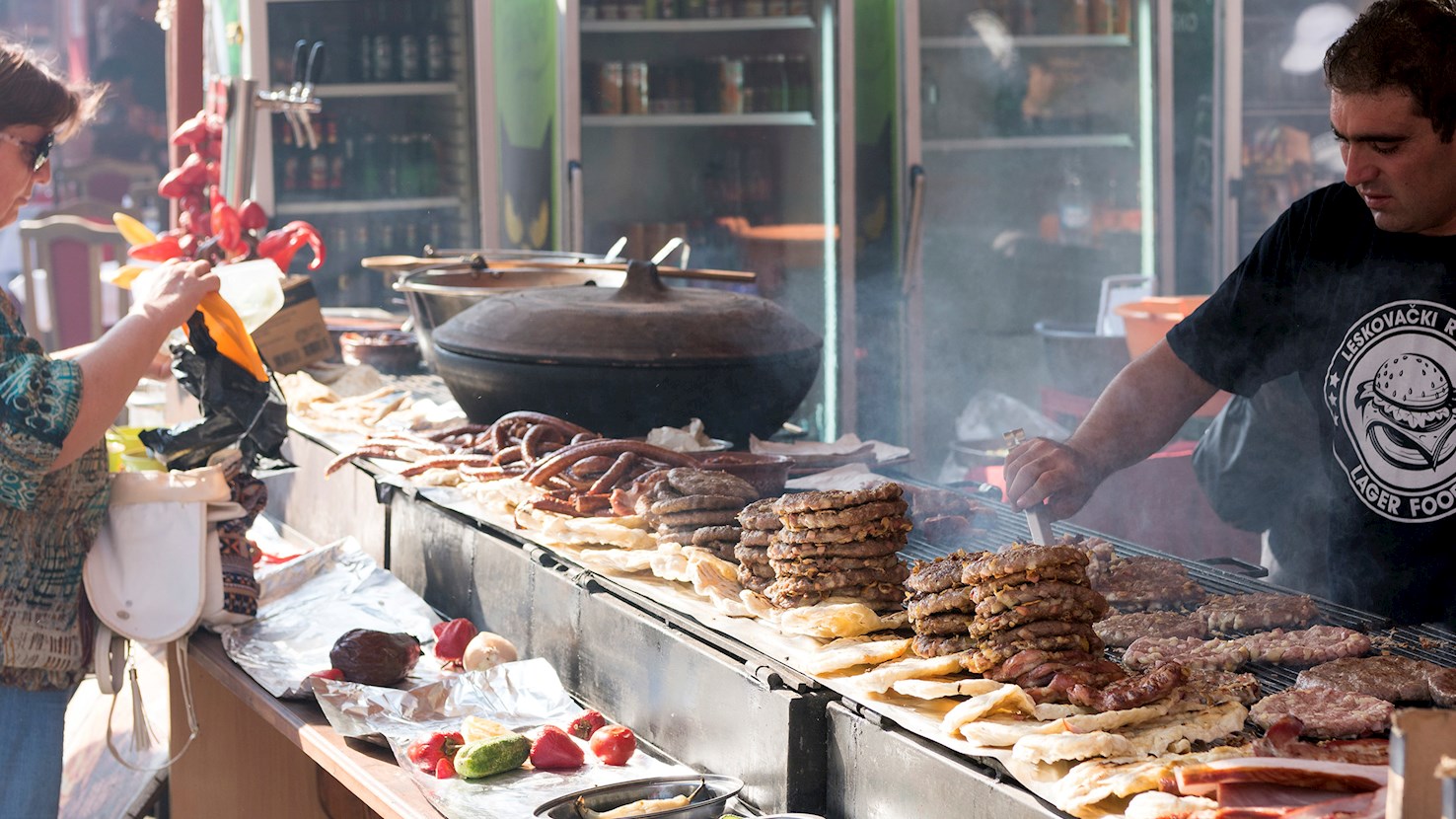
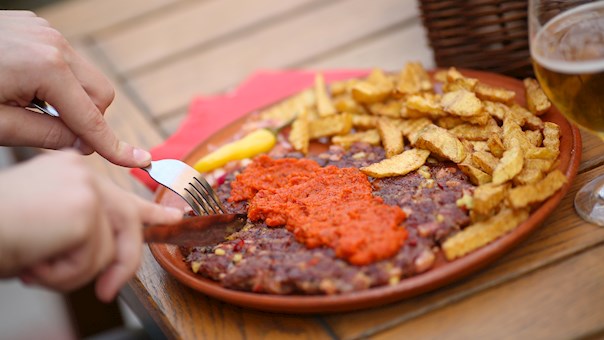
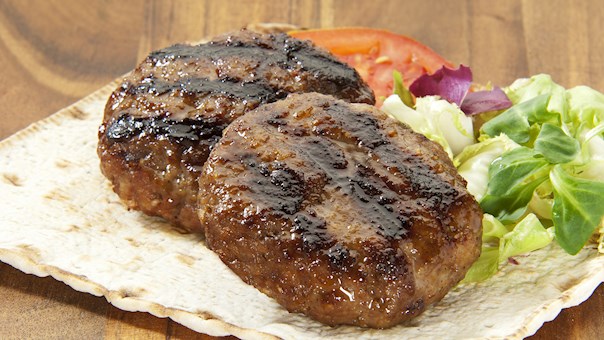
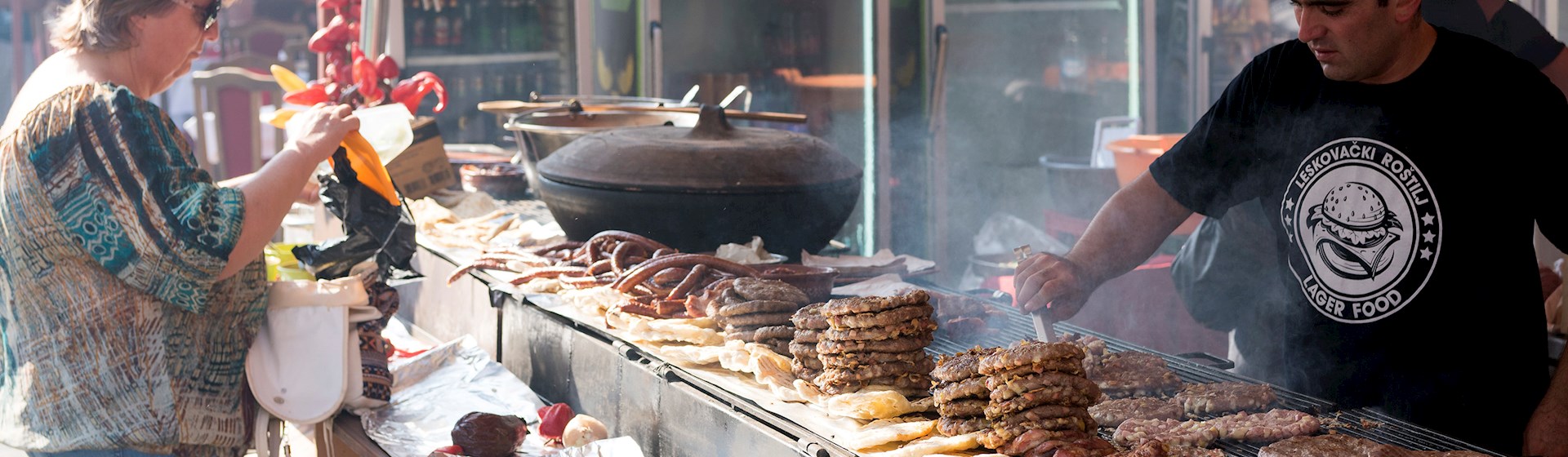
Leskovački roštilj refers to a traditional method of grilling meat which is considered the highest form of barbecue art in Serbia and beyond. Hailing from Leskovac, the technique, according to local belief, is thought to have been brought over from the Caucasus via Turkey, Greece, and Macedonia hundreds of years ago. Although the exact preparation of the meat remains a secret known only to Leskovac barbecue masters, what is generally known is that the ground mixture traditionally consists of beef that is chopped, ground (first coarsely and then finely), seasoned, and allowed to sit for at least 48 hours before cooking. Apart from the meat, the ground mixture also typically contains chopped onions and ground pepper. Leskovac grilling method calls for cooking the meat on a grill over glowing coals, a process that produces juicy flesh with a pleasant, smoky fragrance. Although beef is the most traditional choice, pork and chicken specialties are also featured on a Leskovac grill. The traditional meat specialties that go on the Leskovac grill include pljeskavica (a Serbian-style burger or meat patty), ćevapi (small skinless sausages, similar to kebabs), mućkalica (mixed meat dish), smoked sausages, uštipci (meatballs), vešalica (pork steak in lambrequin), and skewered meat, among others. Leskovac barbecue is not just a cooking technique but an essential part of local and national cuisine, tradition, and culture. This barbecue style has become internationally known over the years, and nowadays, restaurants serving Leskovac-style barbecue specialties can be found in numerous countries in Europe, USA, and Australia. To honor Leskovac barbecue, a barbecue festival called Roštiljijada is held annually in Leskovac in September. As of November 1, 2018, Leskovac barbecue has officially become a protected regional brand in Serbia.

05

Polpette al sugo (Meatballs in Tomato Sauce)

4.3 ·

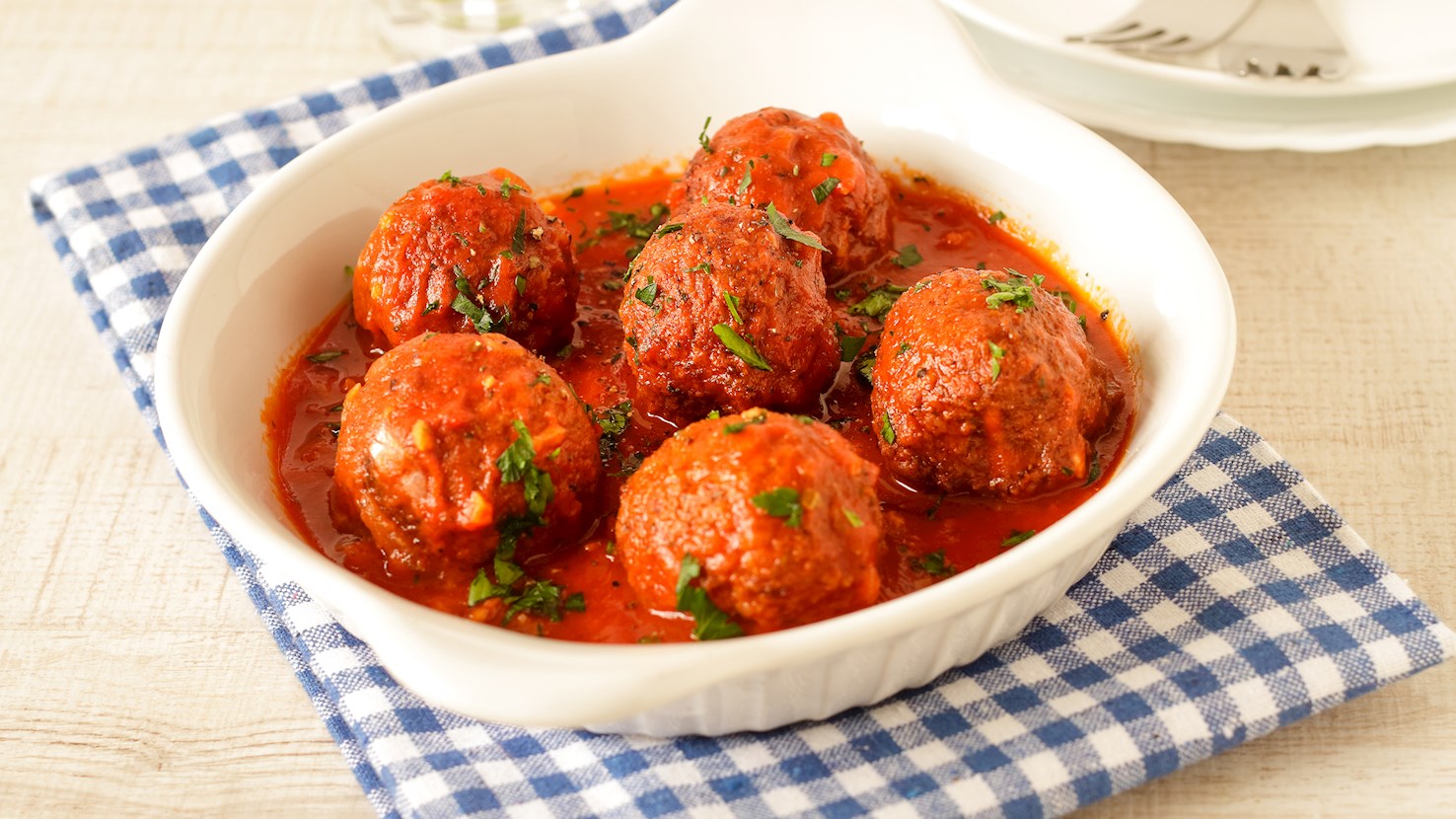
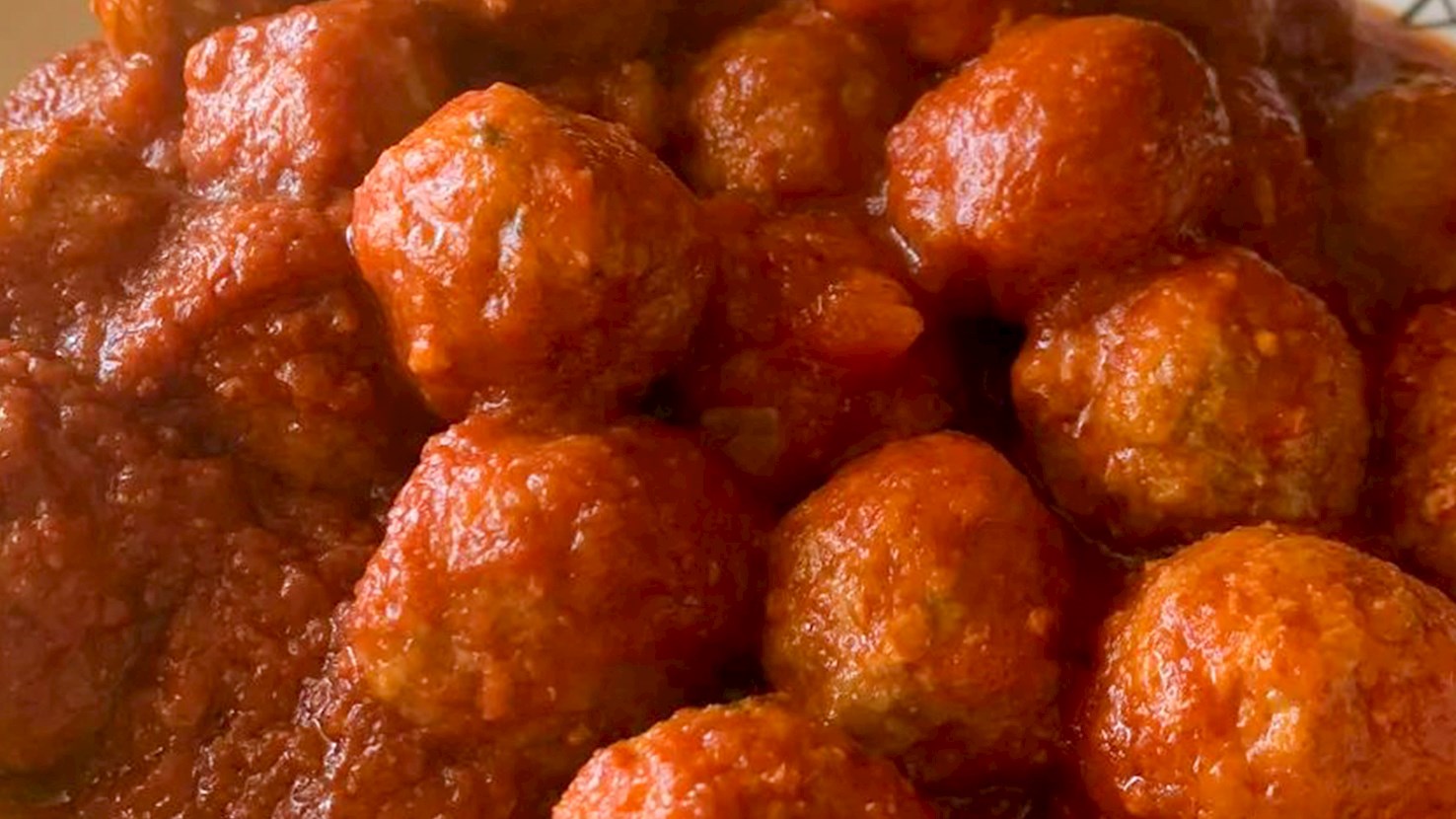
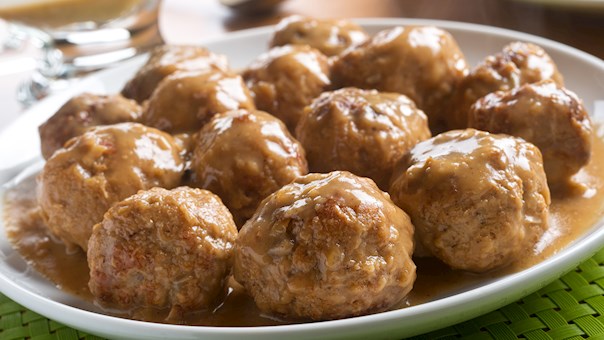
Polpette al sugo is a traditional dish consisting of meatballs in sauce. Although there are numerous recipes, the meatballs are usually made with a combination of ground meat (beef or veal), eggs, bread soaked in milk, Parmigiano-Reggiano cheese, parsley, salt, and pepper. Once shaped, the meatballs are browned in a pan and then cooked in a sauce consisting of onions, olive oil, tomatoes, and seasonings. The dish is covered with a lid and cooked over low heat until the sauce thickens and the meatballs are fully cooked. Polpette al sugo are often sprinkled with chopped parsley before serving. In Italy, it is considered unaccaptable to pair them with pasta or potatoes, but it's recommended to accompany the dish with polenta on the side.

06

Banjalučki ćevapi

4.3 ·

Although other varieties of ćevapi are made in individual pieces, banjalučki ćevapi differ from all others because they are prepared as a meat tile typically consisting of four ćevapi connected in a row. They are usually made just with ground beef, salt, and pepper, just like sarajevski ćevapi, but ground veal and garlic are sometimes also added to the mix. After they have been grilled, banjalučki ćevapi are traditionally tucked into a round-shaped bread called lepinja, and the dish is accompanied by lots of raw onions.

07

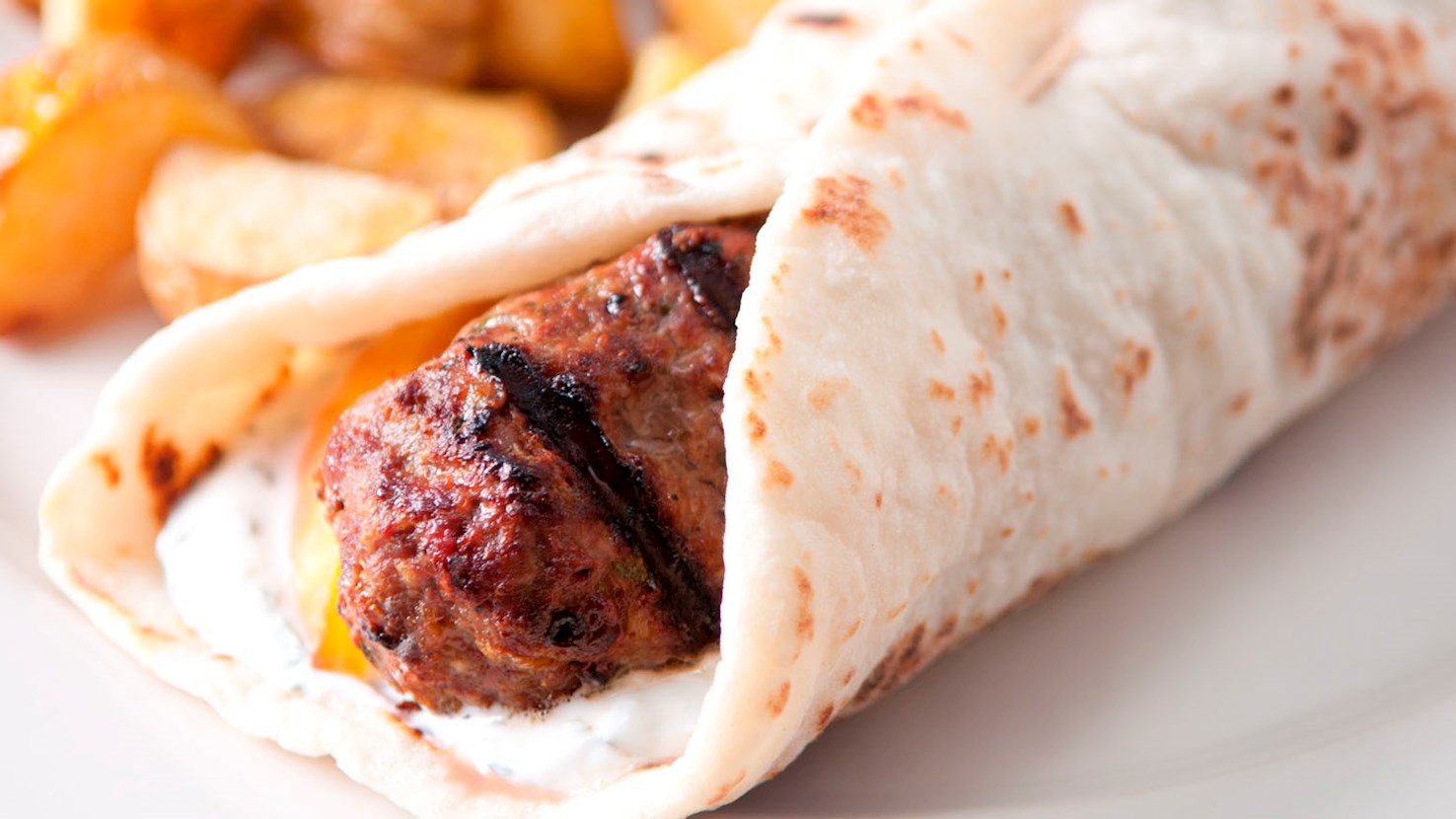
Sheftalia

4.3 ·

This traditional Cypriot sausage is made from a mixture of minced pork and lamb, chopped red onion, and parsley wrapped in caul fat, a thin fatty membrane that lines the stomach of cows, sheep, and pigs. There are two theories as to how the dish got its name – either from the Turkish word şeftali, which means peach, most likely as a reference to its texture, or from the name of the street vendor who is credited with having invented it. The meat mixture is seasoned with salt, pepper, and cinnamon, and then formed into small sausages which are skewered and grilled. As the meat cooks, the caul fat renders, giving the sausages a crispy, caramelized exterior while keeping the meat on the inside tender and juicy. Sheftalia is commonly served in a pita, topped with salad and tzatziki, a sauce made with yogurt, cucumber and olive oil.

08

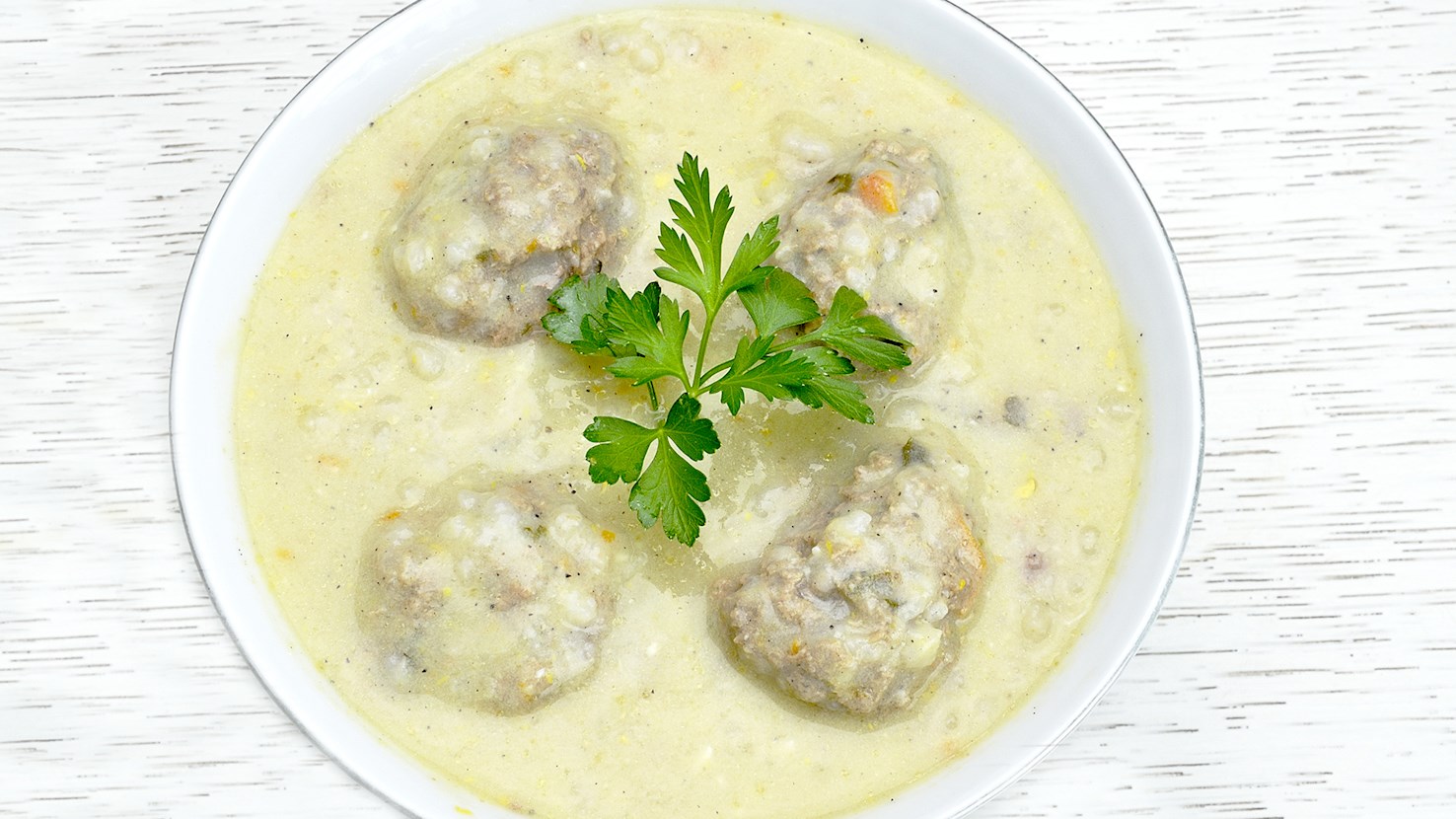
Youvarlakia

4.3 ·

This hearty Greek soup couples tender beef meatballs and a creamy, flavorful broth. The meatballs and the broth are usually seasoned with various fresh herbs, and the whole dish is finished with the addition of avgolemono—the creamy egg and lemon sauce—which thickens the broth and adds the characteristical zesty flavor. Traditionally associated with wintertime, youvarlakia is usually accompanied by bread and enjoyed as a nutritious main course.

09

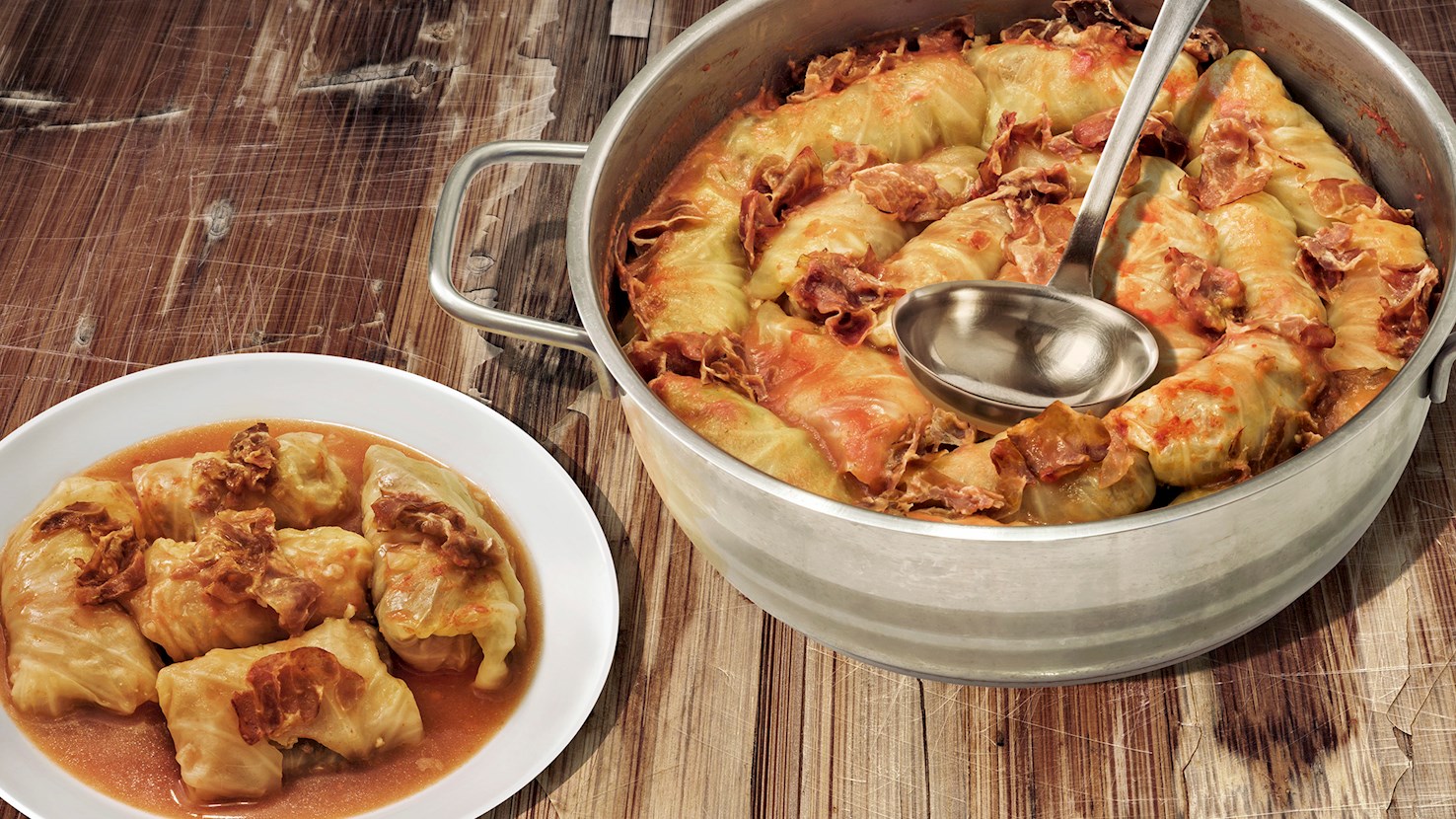
Sarma

4.2 ·

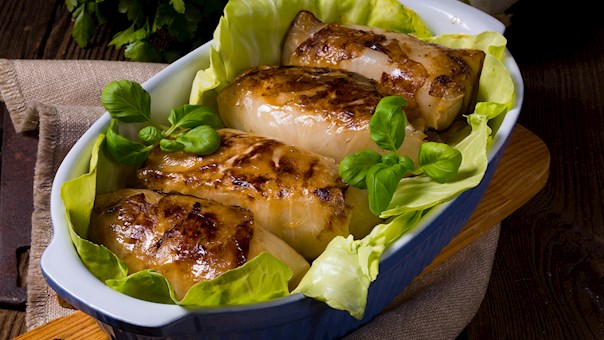
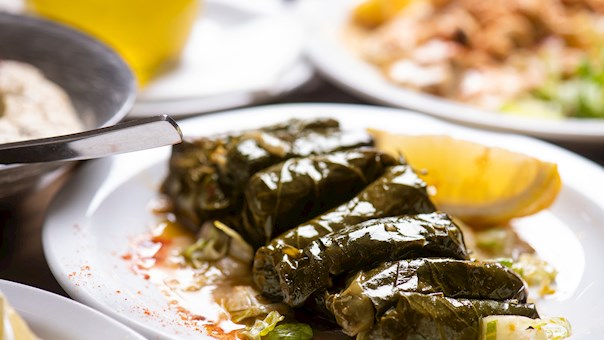
One of the staples of traditional Turkish cuisine, sarma consists of a filling that is snugly surrounded by leaves or leafy vegetables. There are numerous versions of this dish but the mixture typically combines ingredients such as minced meat, rice or bulgur, various herbs, seasonings, red pepper, paprika, ground sumac, or tomato sauce, while the typical wrapping usually includes vine, cabbage, or sauerkraut leaves, or a variety of leafy vegetables such as collard greens and swiss chard. Having its roots in the Ottoman Empire, sarma is also traditionally consumed in the Balkans, the countries of Central Europe, the South Caucasus, and the Middle East. Although it is commonly enjoyed as a filling lunch or dinner (typically during the winter season), sarma is often prepared on special occasions and holidays. The dish is usually accompanied by plain yogurt, mashed potatoes, and crusty bread on the side.

10

Polpette

4.2 ·

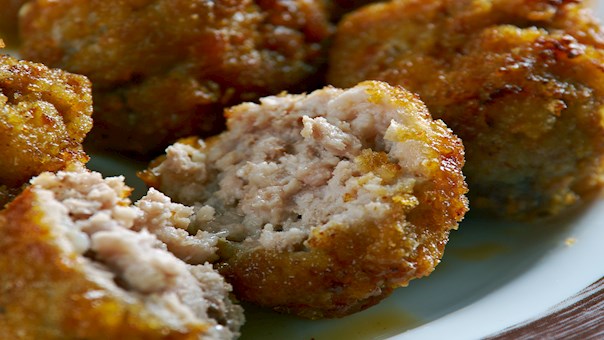
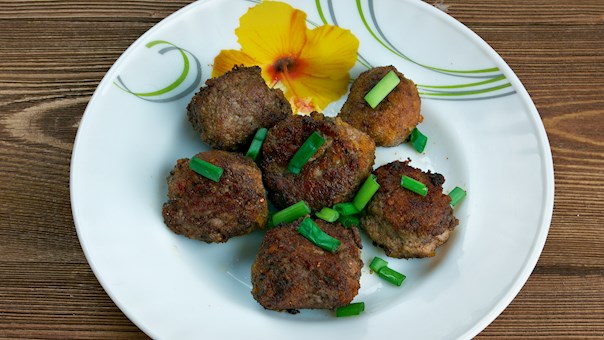
Polpette is a word denoting Italian meatballs, traditionally consisting of ground beef or veal (and sometimes pork) that is shaped into small balls. These meatballs are usually enriched with a wide variety of ingredients such as parsley, eggs, garlic, and sometimes even mortadella or Parmigiano Reggiano. Although some might think that polpette are served with pasta, that is mostly an American thing, and Italian polpette are typically consumed on their own as a snack, appetizer, or finger food that is especially beloved by children of all ages.

11

Köttbullar

4.2 ·
12

Lyulya kebab

4.2 ·
13

Pljeskavica

4.2 ·
14

Balandėliai

4.2 ·
16

Keftedakia

4.2 ·
17

Biftekia

4.1 ·
18

Fylla

4.1 ·
20

Gołąbki

4.1 ·

Best European Ground Meat Dishes

01

Vinzenzmurr

4.0 ·
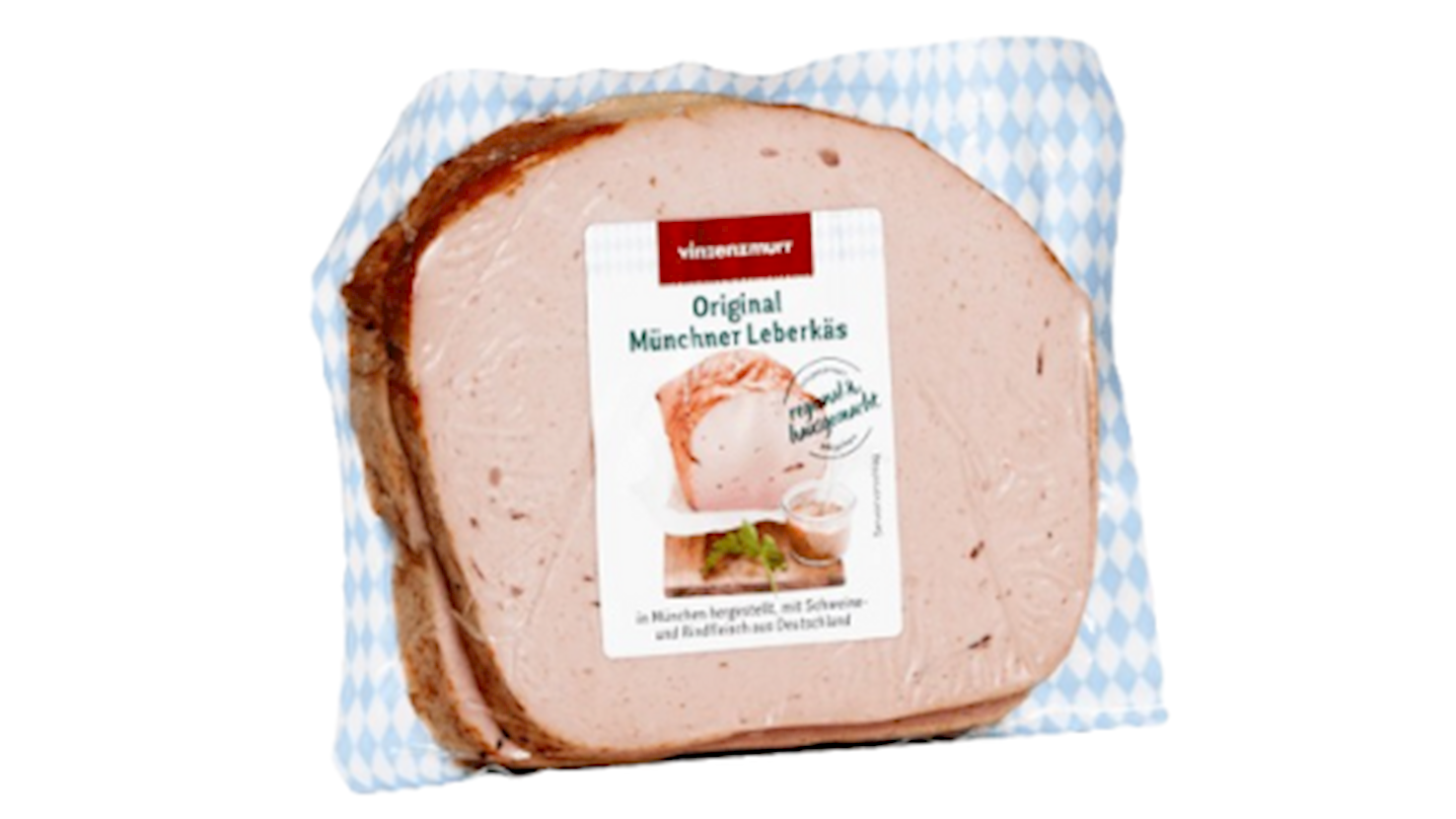
Vinzenzmurr is a traditional Bavarian butcher and delicatessen company based in Munich, founded in 1902 and deeply embedded in the city’s food culture. Built on classic butcher craftsmanship, the brand combines in-house production with a strong focus on freshness, traceability, and regional sourcing, working closely with Bavarian farmers. Vinzenzmurr is best known for its range of traditional specialties such as Münchner Weißwurst, Leberkäse, sausages, hams, and prepared meat dishes, produced according to long-established recipes and strict quality standards. Centralized production in Munich supplies a wide network of retail shops across the city and southern Bavaria, ensuring consistent quality while maintaining a local, neighborhood presence. Beyond everyday retail, the brand is also visible in Munich’s culinary traditions, including its long-standing presence at Oktoberfest. Vinzenzmurr positions itself not as a gourmet brand, but as a reliable, heritage-driven butcher rooted in everyday Bavarian cuisine, where craftsmanship, volume, and regional identity meet.
Read more
View all
View map
About this ranking

TasteAtlas food rankings are based on the ratings of the TasteAtlas audience, with a series of mechanisms that recognize real users and that ignore bot, nationalist or local patriotic ratings, and give additional value to the ratings of users that the system recognizes as knowledgeable. For the “Top 100 European Ground Meat Dishes” list until June 15, 2026, 13,185 ratings were recorded, of which 7,780 were recognized by the system as legitimate. TasteAtlas Rankings should not be seen as the final global conclusion about food. Their purpose is to promote excellent local foods, instill pride in traditional dishes, and arouse curiosity about dishes you haven’t tried.

The initial list of top producers was compiled based on available reviews, awards, local recommendations, media and blog coverage, and consumer reviews. The list will be updated with ratings from TasteAtlas local ambassadors and TasteAtlas users.

Similar lists