shutterstock

Top 7 German Ground Meat Dishes

Last updated on July 16, 2026

Best German Ground Meat Dishes
01

Vinzenzmurr

4.0 ·

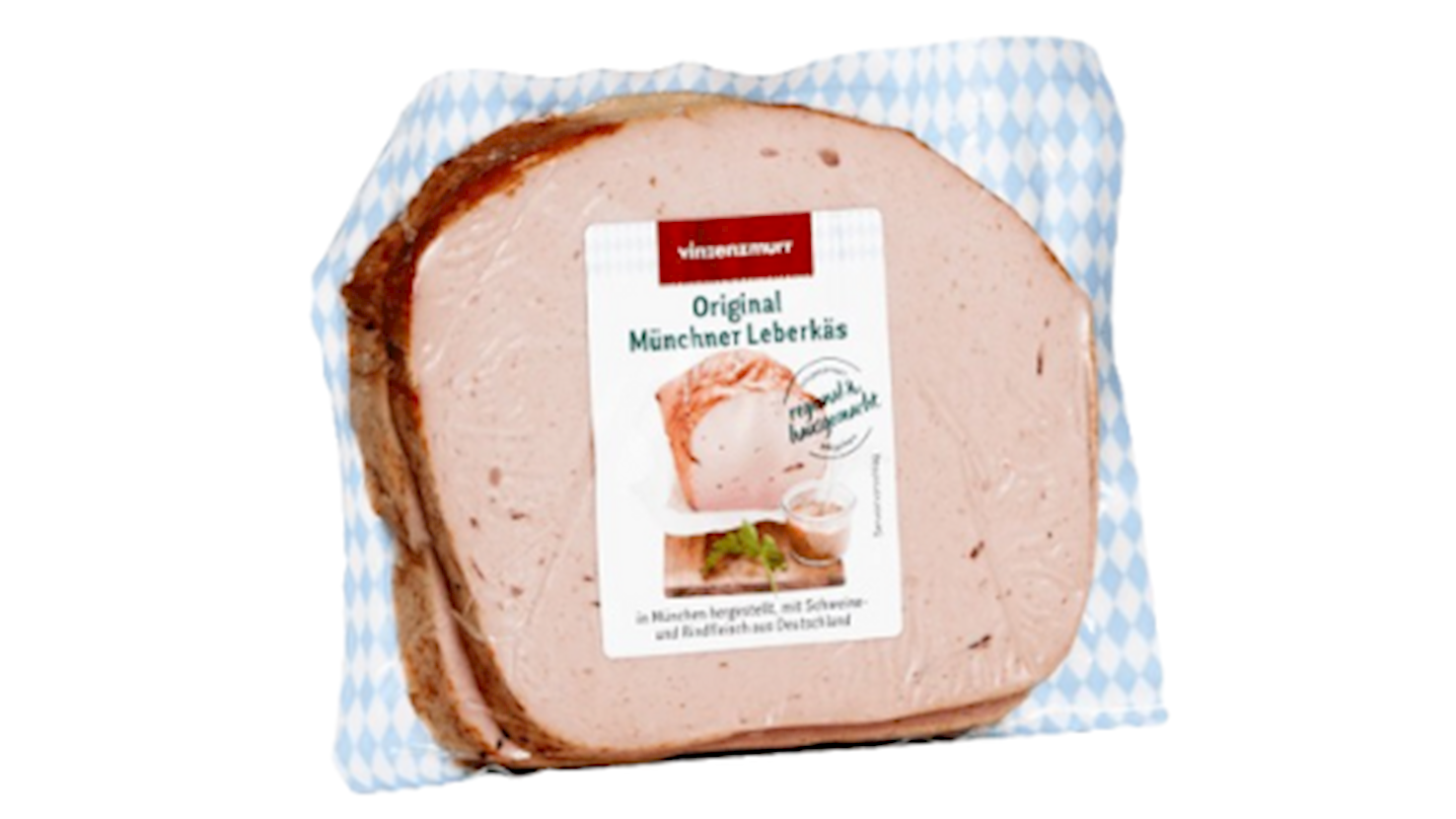
Vinzenzmurr is a traditional Bavarian butcher and delicatessen company based in Munich, founded in 1902 and deeply embedded in the city’s food culture. Built on classic butcher craftsmanship, the brand combines in-house production with a strong focus on freshness, traceability, and regional sourcing, working closely with Bavarian farmers.

Vinzenzmurr is best known for its range of traditional specialties such as Münchner Weißwurst, Leberkäse, sausages, hams, and prepared meat dishes, produced according to long-established recipes and strict quality standards. Centralized production in Munich supplies a wide network of retail shops across the city and southern Bavaria, ensuring consistent quality while maintaining a local, neighborhood presence.

Beyond everyday retail, the brand is also visible in Munich’s culinary traditions, including its long-standing presence at Oktoberfest. Vinzenzmurr positions itself not as a gourmet brand, but as a reliable, heritage-driven butcher rooted in everyday Bavarian cuisine, where craftsmanship, volume, and regional identity meet.

Best German Ground Meat Dishes

01

Mett

4.0 ·

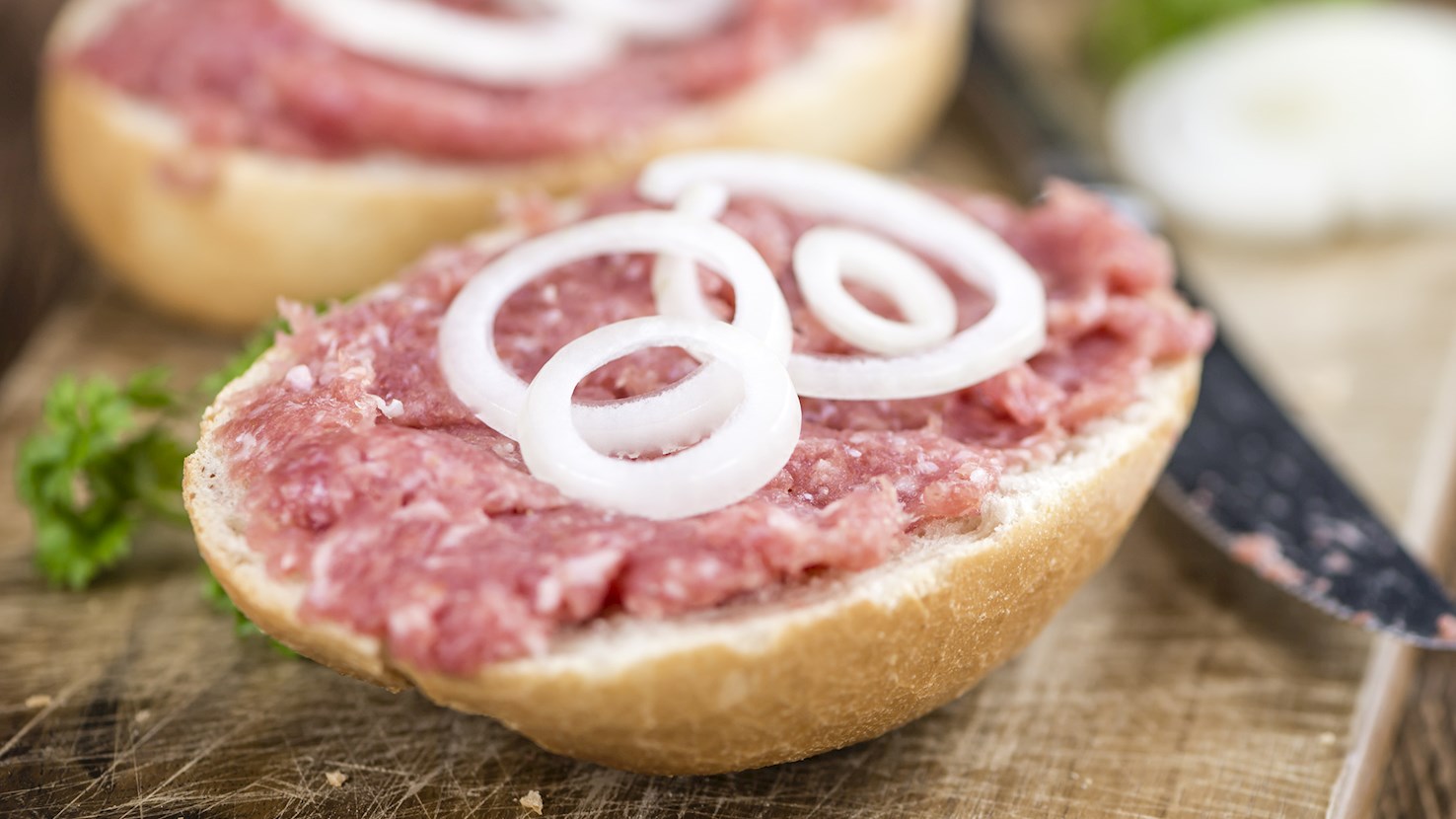
Called hackepeter or mett, this unusual German specialty consists of raw pork mince which is meant to be eaten as it is - fresh and raw. The raw meat is typically seasoned with salt and pepper, though it is usually enhanced with crushed caraway, marjoram, nutmeg, and garlic for added flavor. When raw onions are added to the basic mett, the resulting concoction is called zwiebelmett, while the addition of onions and marjoram makes what is known as a thüringer mett. In Germany, seasoned raw pork mince is typically enjoyed slathered over bread rolls (mettbrötchen) or slices of bread, usually sprinkled with raw onion rings on top. Another common way of serving this delicacy is in the form of a mettigel (also known as hackepeterigel or hackepeterschwein), referring to the hedgehog-shaped presentation of mett which was popularized in the 1970s.

Best restaurants
02

Frikadelle

3.9 ·

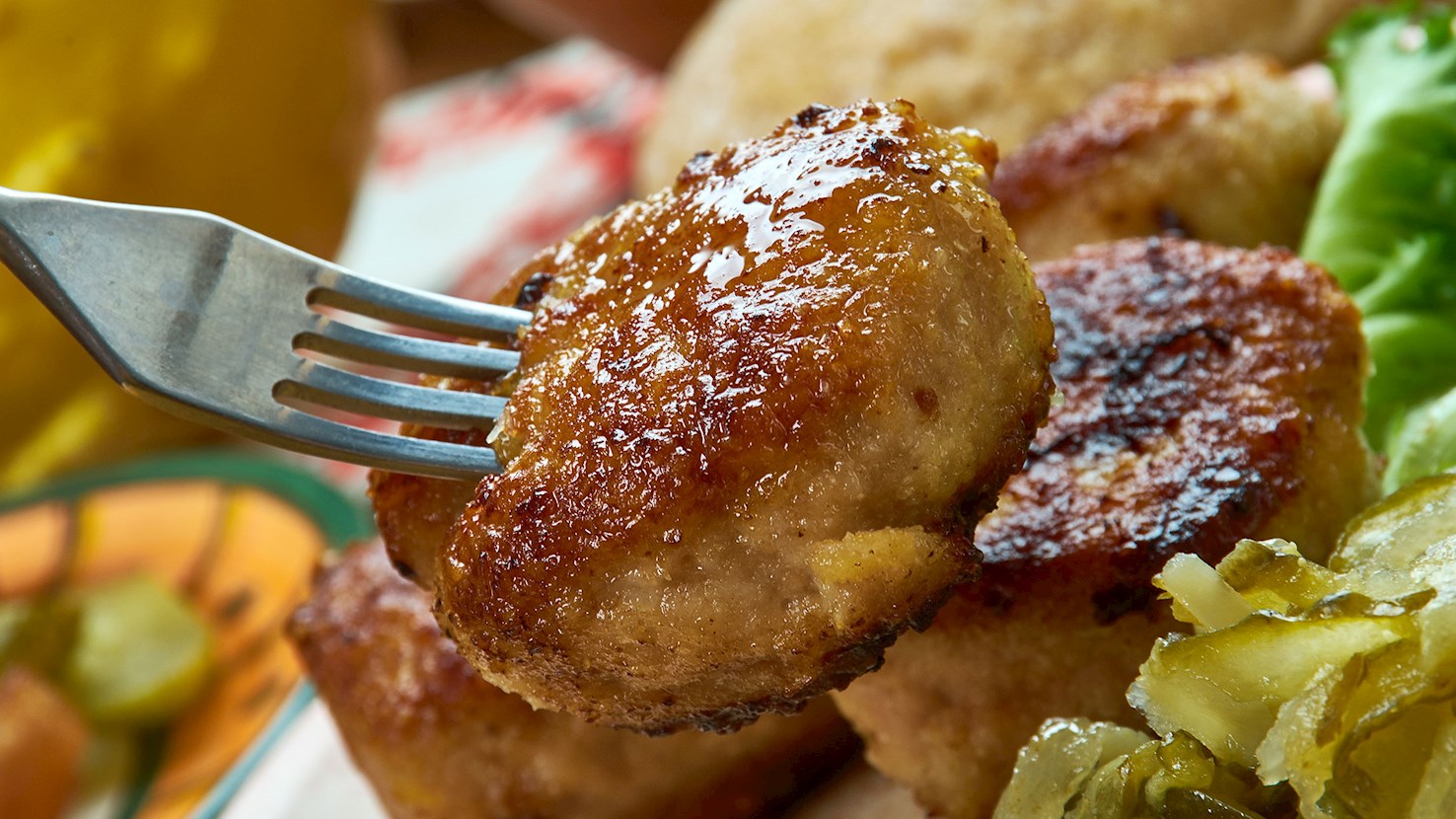
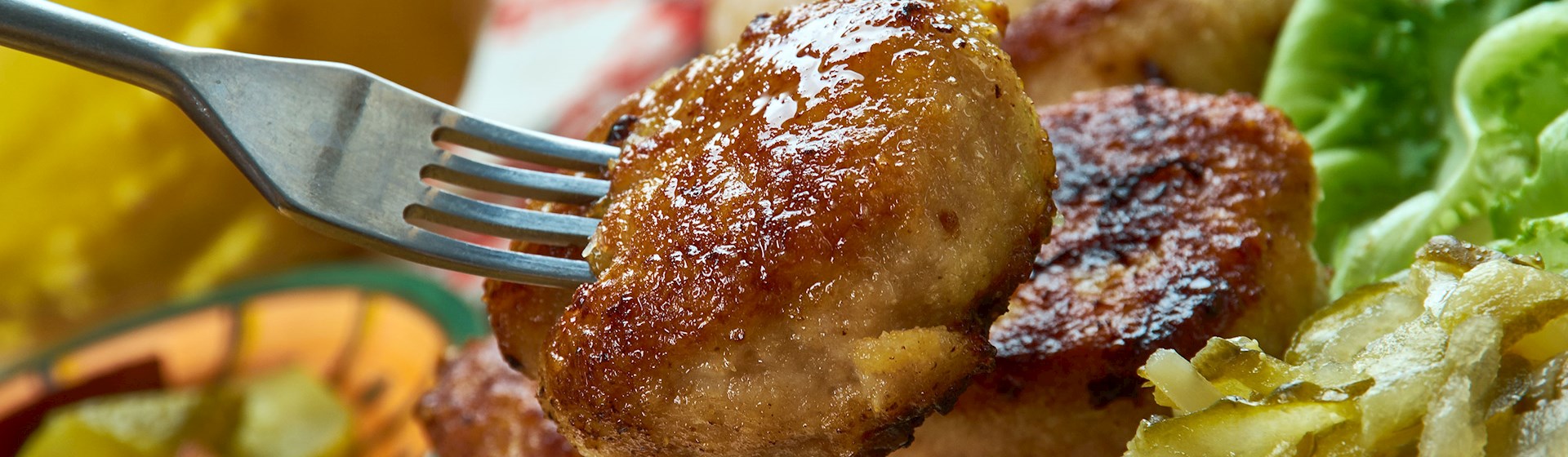
Frikadeller are popular Danish and German meatballs that are usually made with ground pork, with the occasional addition of ground veal. These small meatballs have been prepared and consumed in that part of Europe for more than 200 years. The term frikadelle is German, and there are also many frikadeller sold as street food in Germany, Poland, and throughout Scandinavia. Frikadelle are typically served with boiled potatoes and traditional creamy sauces (for example, Danish brown sauce) on the side, a dish that is usually enjoyed as a hearty weekend meal. Pickled vegetables, mustard, rye bread, potato salad and a variety of other vegetables can also be served alongside frikadeller. However, modern versions use frikadeller in the creation of new dishes such as frikadeller sandwich or frikadeller smørrebrød.

03

Königsberger Klopse

3.8 ·

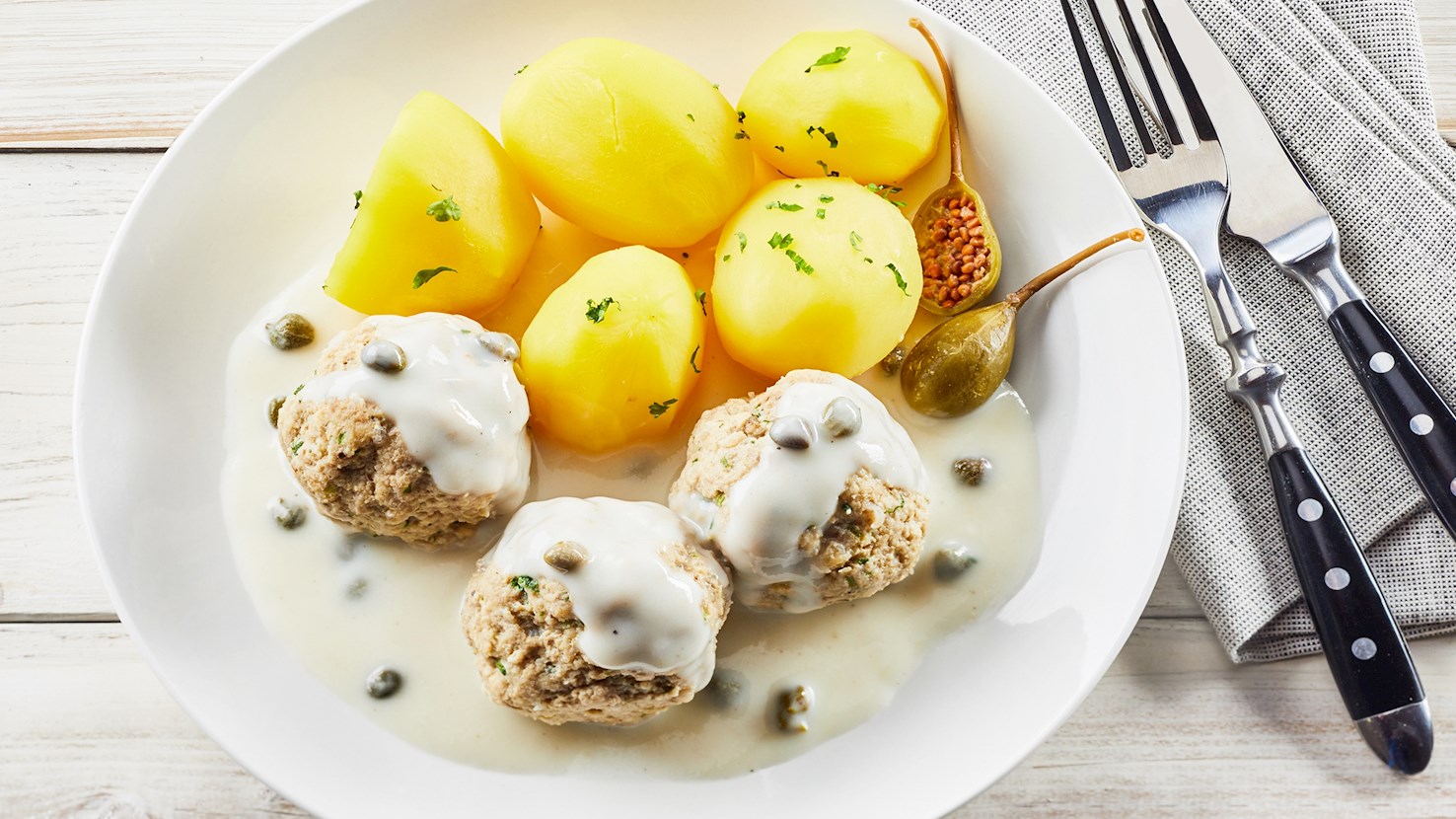
Königsberger Klopse is a savory meal consisting of meatballs in a white sauce served with a side of boiled potatoes and sliced pickled beets. Similar dishes have existed since the Middle Ages, but klopse (lit. meatballs) were invented in Königsberg (now known as Kaliningrad) back in the 18th century. These meatballs are mostly made with minced veal and a small amount of either anchovies, sardines, or herrings, which are nicely contrasted by capers in the white sauce.

04

Kohlroulade

3.7 ·

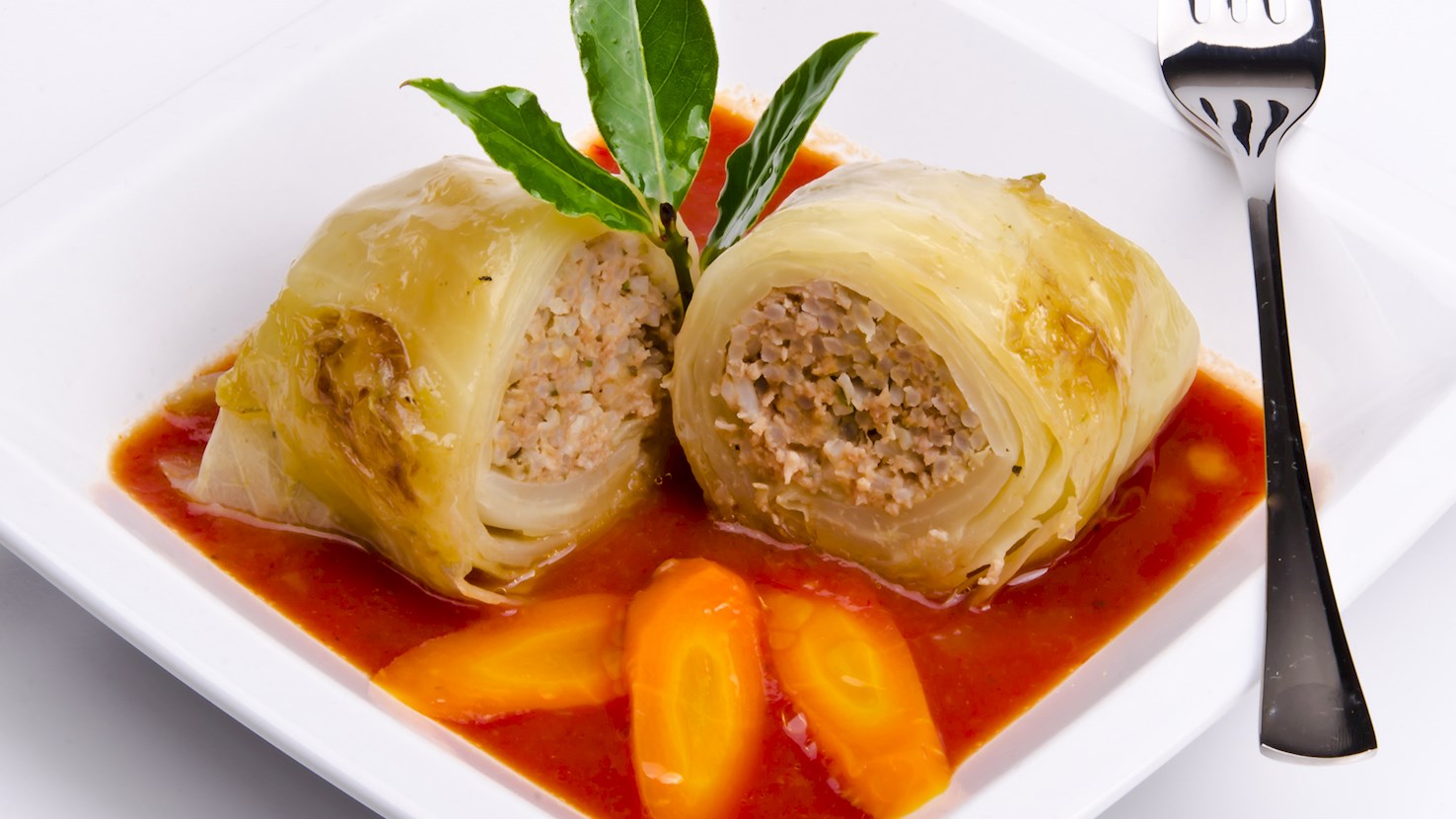
Kohlroulade is a German version of stuffed cabbage rolls, consisting of blanched cabbage leaves that are tightly rolled around a filling of ground meat, breadcrumbs, eggs, onions, and a variety of spices. After assembling the cabbage rolls, they are first lightly browned before being simmered in meat broth until fully cooked and tender. Caraway, mustard, or tomato sauce can optionally be added to the sauce or the meat mixture for extra flavor. These stuffed cabbage rolls are typically enjoyed with a side of potatoes, cucumber salad, and a glass of beer. In Germany, kohlroulade is commonly prepared during winter, and it can be made with different types of meat including beef, pork, turkey, or chicken.

Best restaurants
05

Leberkäse

3.6 ·

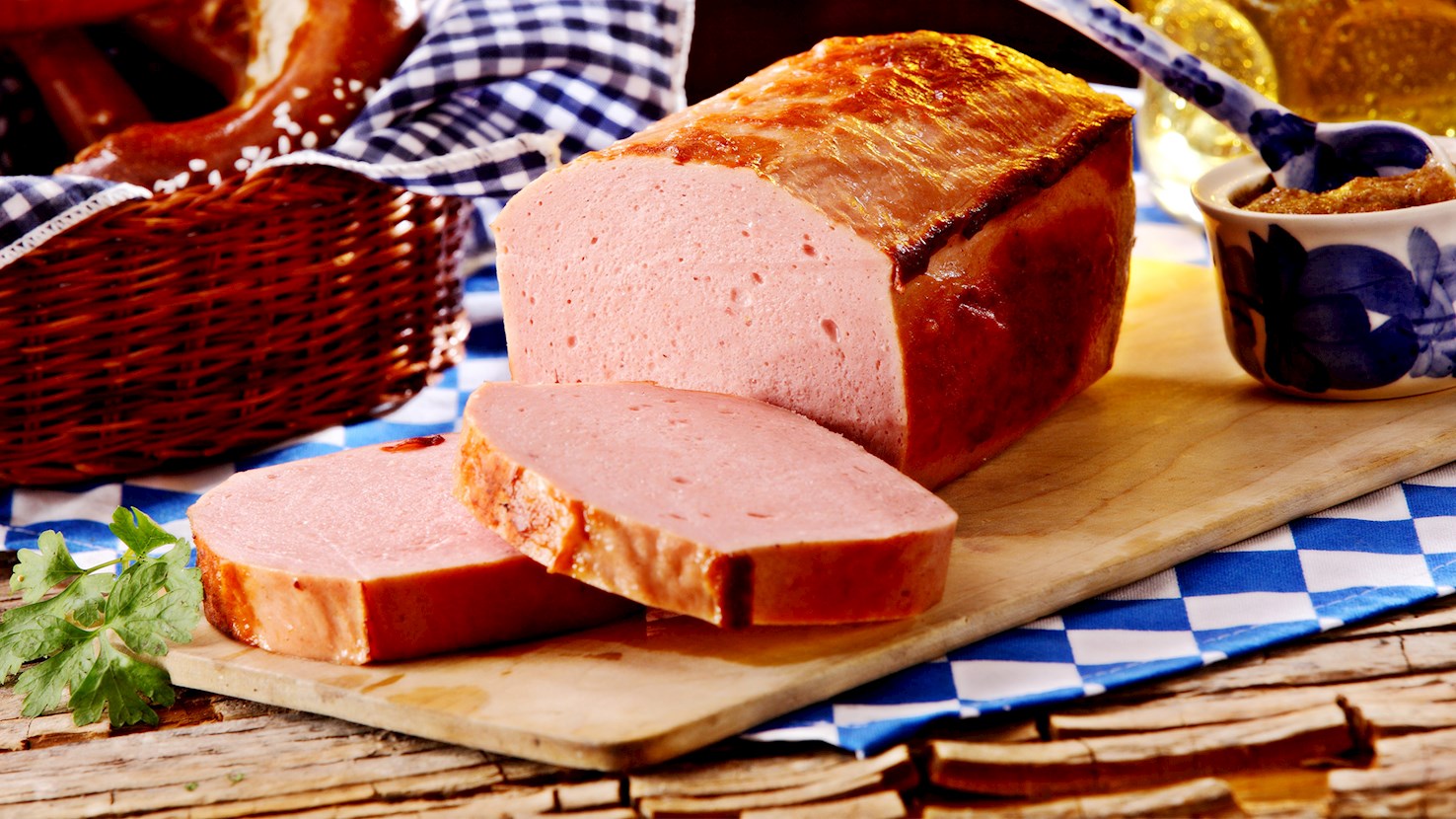
Leberkäse is a traditional product consisting of ground meat that is flavored with onions and baked into a meatloaf. The loaf is characterized by a crispy crust on the exterior, while the interior remains juicy and pink. The dish can be served either hot or cold, and it is recommended to pair it with mustard and bread, while some like to fry the slices of meatloaf in a pan and consume it as a quick snack.

06

Krautshäuptchen

n/a ·

Krautshäuptchen is a stuffed cabbage dish from northern Hesse, where blanched cabbage leaves are layered with seasoned minced meat and cooked in a mold until firm. The dish emerged in the rural kitchens of northern Hesse where simple, filling foods were made from locally available white cabbage and ground meat, and it was especially suited to economies of scale in farmhouse and communal cooking. Preparation begins by separating and blanching fresh cabbage leaves in boiling water, preparing a seasoned mixture of mixed ground pork and beef with soaked stale bread, eggs, salt, and pepper, then lining a tall mold or pudding form with cabbage leaves and alternating layers of cabbage and meat mixture, covering the filled mold, and cooking it closed in a hot water bath on the stovetop or in an oven until the contents are firm enough to unmold. Once set, the krautshäuptchen is inverted from the form and cut into slices, which may be served as is or lightly browned in a pan; it is commonly accompanied by boiled potatoes and a mustard sauce or béchamel sauce, adding moisture and mild acidity. Common variations involve the choice between white cabbage and Savoy cabbage for different leaf texture and flavor, slight modifications in the seasoning of the meat filling, and whether the slices are served straight from the mold or pan-fried before plating. krautshäuptchen is eaten warm and is served in homes and restaurants in northern Hesse, most often with plain boiled potatoes and a sauce on the side, and it pairs well with simple condiments like mustard and with everyday beverages such as beer or light wines.

07

Bamberger Zwiebeln

n/a ·

Bamberger Zwiebeln is a regional Franconian specialty from the historic city of Bamberg in northern Bavaria, that consists of large hollowed-out onions filled with a savory meat mixture, typically composed of minced pork or a blend of pork and beef, seasoned with herbs, spices, and usually breadcrumbs or eggs to bind. Once stuffed, the onions are slow-roasted or braised until tender, then often finished in a rich beer gravy made with dark Franconian beer, which imparts a slightly sweet, malty depth to the dish. The result is a comforting and flavorful combination of sweet, soft onion and hearty, well-seasoned meat, often served with potato dumplings or mashed potatoes to soak up the sauce. This dish is closely linked to the culinary identity of Bamberg, a city known not only for its medieval architecture and UNESCO World Heritage status but also for its smoked beer and robust regional cuisine. Bamberger Zwiebeln is typically enjoyed in local taverns and beer halls. The use of beer in the cooking liquid is not merely a flavor enhancer but also a nod to the area’s rich beer culture, especially its rauchbier, which usually finds its way into the sauce.

Read more
View all
View map
About this ranking

TasteAtlas food rankings are based on the ratings of the TasteAtlas audience, with a series of mechanisms that recognize real users and that ignore bot, nationalist or local patriotic ratings, and give additional value to the ratings of users that the system recognizes as knowledgeable. For the “Top 7 German Ground Meat Dishes” list until July 16, 2026, 788 ratings were recorded, of which 680 were recognized by the system as legitimate. TasteAtlas Rankings should not be seen as the final global conclusion about food. Their purpose is to promote excellent local foods, instill pride in traditional dishes, and arouse curiosity about dishes you haven’t tried.

The initial list of top producers was compiled based on available reviews, awards, local recommendations, media and blog coverage, and consumer reviews. The list will be updated with ratings from TasteAtlas local ambassadors and TasteAtlas users.

Similar lists