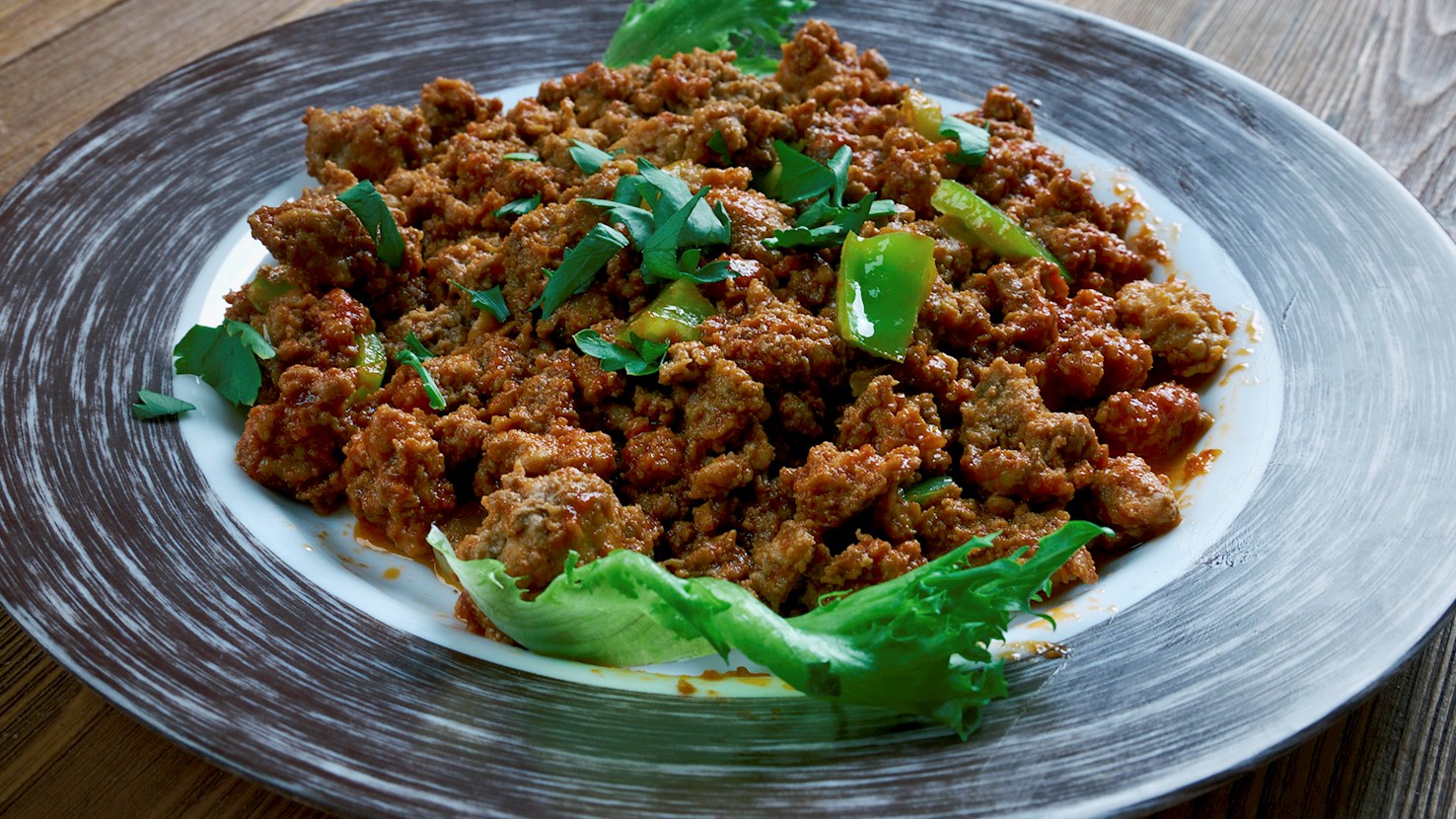
Keema is a stew that is usually prepared as a curry with ingredients such as minced lamb or chicken meat, green peas, ginger-garlic paste, chili, onions, ghee, and garam masala spices. The name of the dish means minced meat in Urdu. Although keema is most popular in north India, Pakistan, and Bangladesh, some believe that the dish has Persian origins due to the fact that it was first mentioned as a recipe in Ain-I-Akbari (a document about emperor Akbar's empire). Keema is commonly served as a main dish, accompanied by pav buns or naan and other flatbreads. It can also be used as a filling for samosas and parathas.
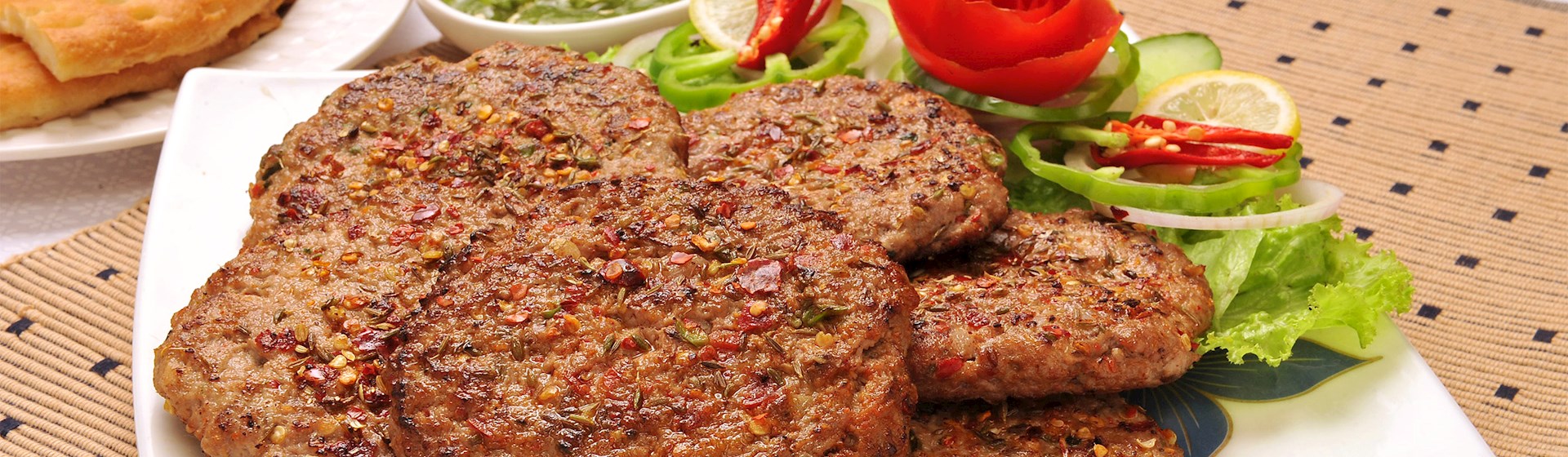
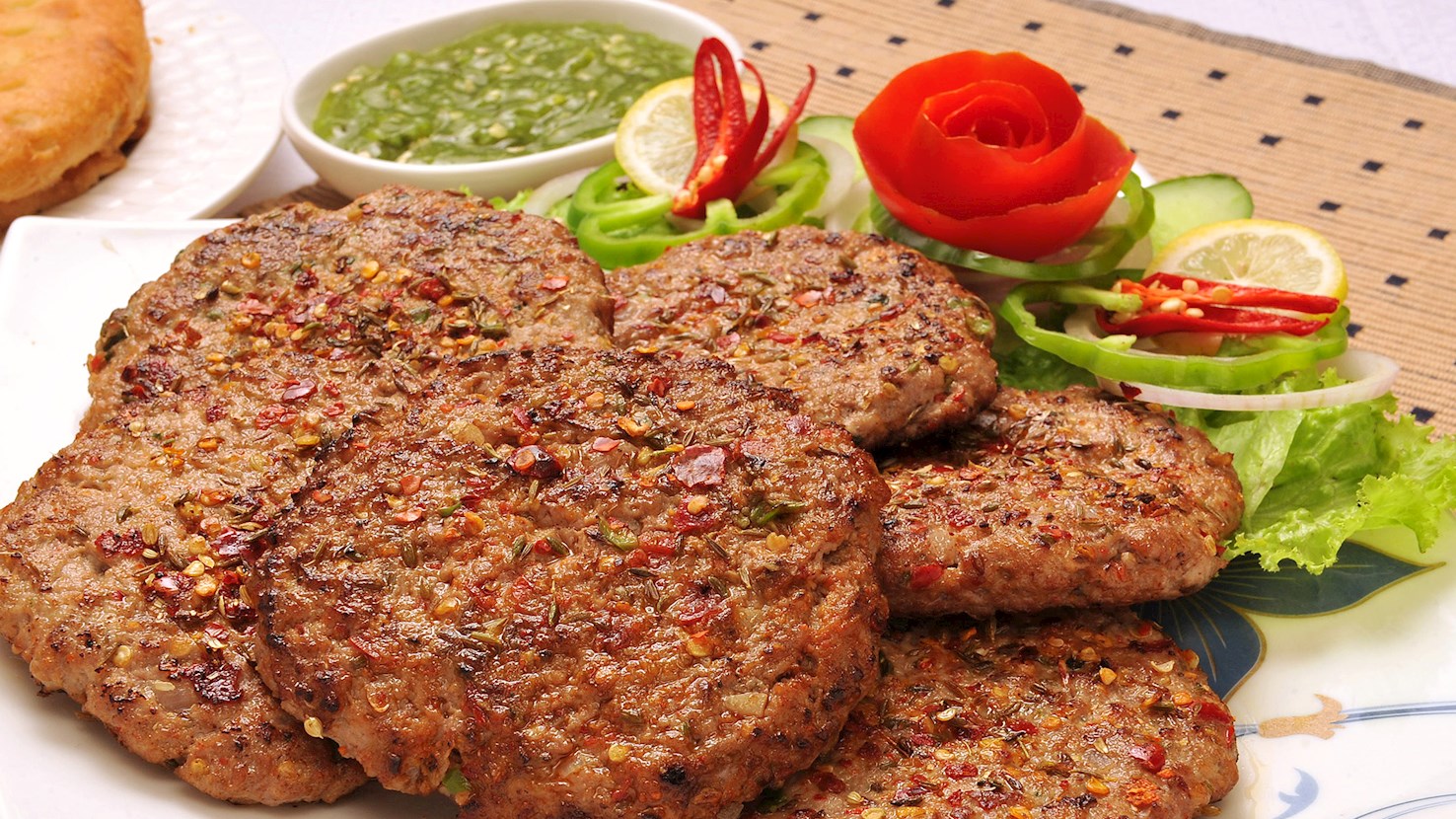
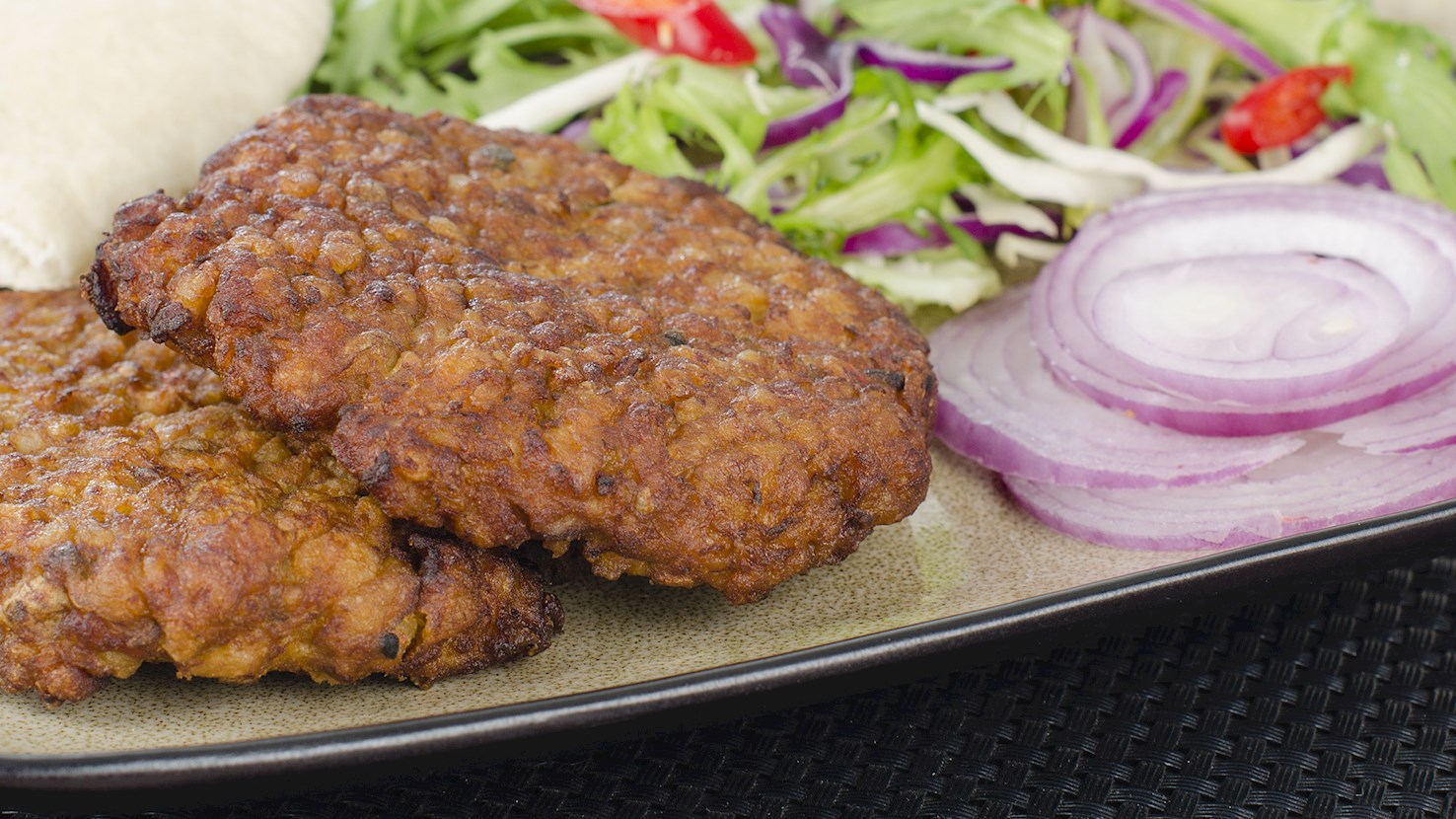
A specialty of Pashtun cuisine, this spicy meat patty is prepared with a combination of minced beef or mutton. The unique taste of chapli kabab comes from spices such as dried coriander and pomegranate seeds, green chillis, and mint. Its name is derived from a Pashto word chaprikh, meaning flat, and even though chapli kabab is often said to have originated in Peshawar, today it stands as a favorite throughout Pakistan, Afghanistan, and India. Chapli kababs are traditionally served with yogurt sauce, salads, and naan bread.
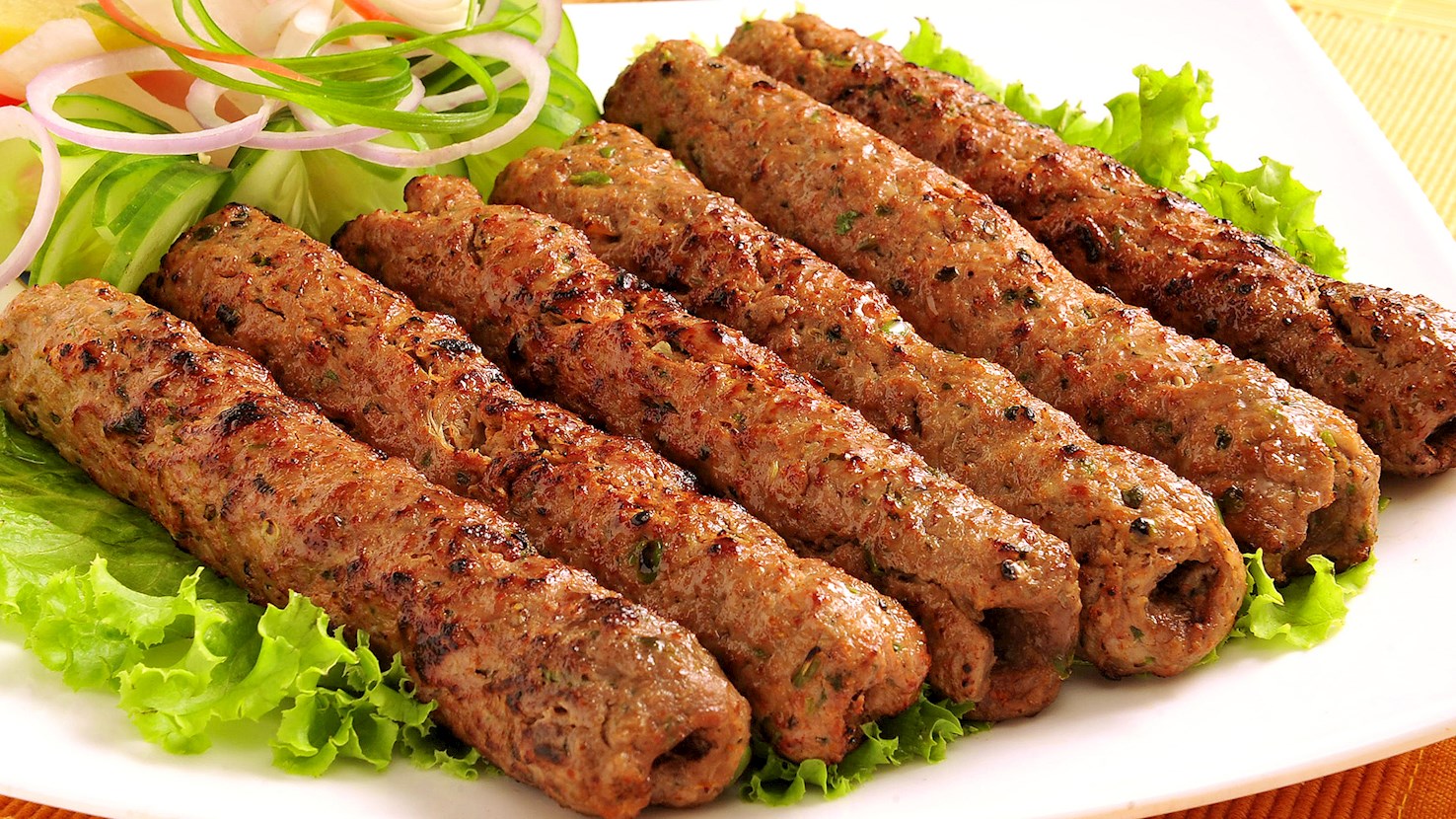
Seekh kabab is a delicious, juicy Pakistani kebab variety made with a combination of minced meat (typically lamb), onions, garlic, ginger, coriander, lemon juice, yogurt, and garam masala. The spices used in the dish can be modified according to personal preferences. The meat mixture is placed on skewers, and the kebabs are then grilled over hot coals, giving them a nice smokey flavor in the process, although they can also be prepared in a tandoor oven. Seekh kabab is traditionally served piping hot with salads, onions, fries, mint chutney, or flatbreads on the side. The dish can be served either as an appetizer or as the main dish.
Shami kebab is a variety of kebab made by combining minced lamb, mutton, beef or chicken with split bengal grams, onions, chilis, ginger, garlic, and various herbs and spices such as cumin, red chili flakes, garam masala, and mint leaves. The meat mixture is then seasoned with salt and pepper and shaped into round patties, which are then coated with beaten eggs and pan-fried until their exterior becomes crispy, but the patties remain silky and tender on the inside. These kebabs are commonly enjoyed in India, Afghanistan, and Pakistan, and make for an excellent snack, appetizer, or an accompaniment to the main course. Believed to have originated in Lucknow, shami kebabs pair well with onions, lime or lemon wedges, roti or naan, and various chutneys on the side.
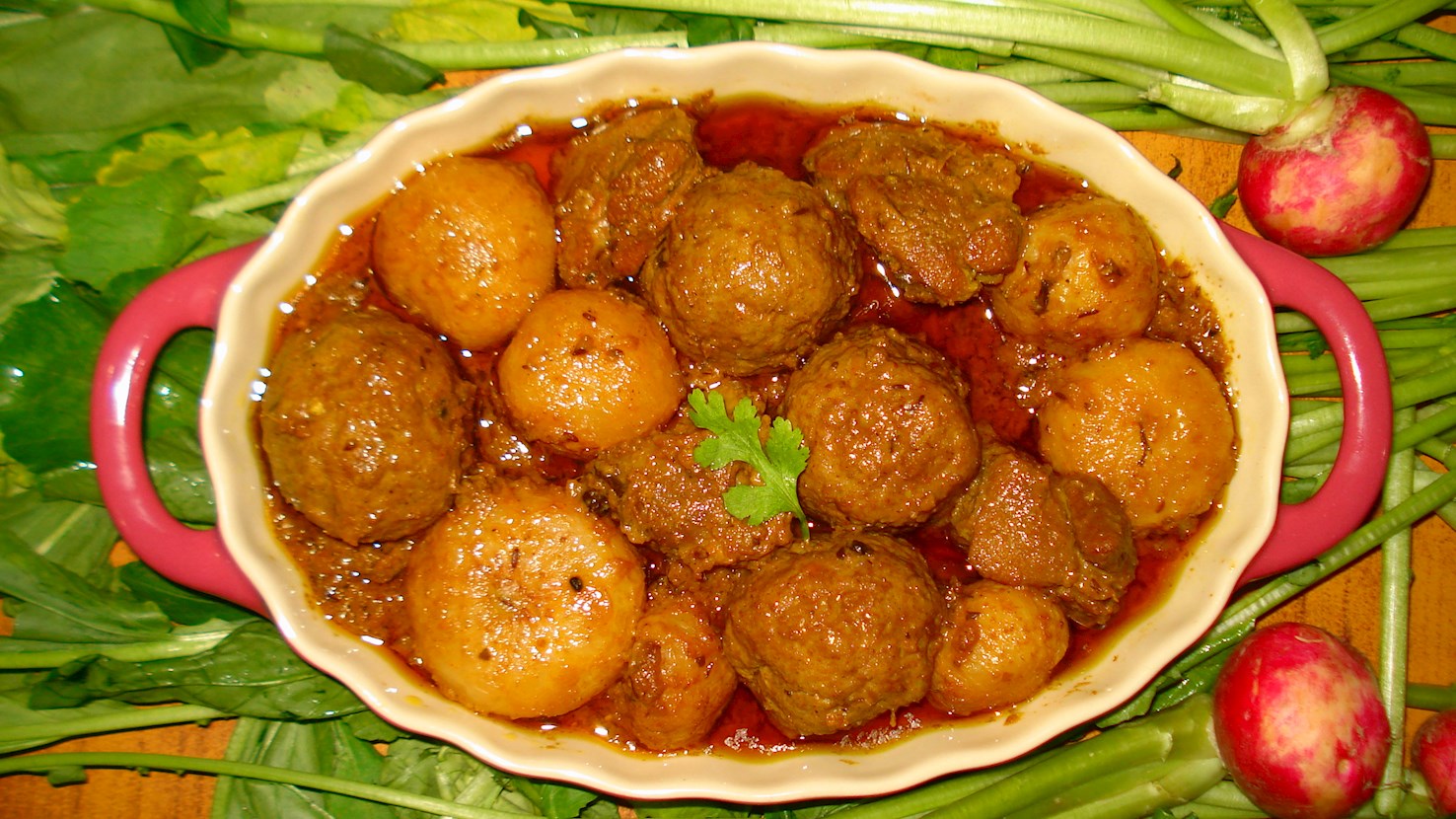
Shab daig, from the words shab, meaning night, and daig, which is a large cooking pot or cauldron, is a traditional winter specialty hailing from the Kashmir region. The name of this dish is derived from the traditional technique of slowly cooking it overnight in a dough-sealed cooking vessel over a firewood-lit hearth. Such an elaborate method of preparation would inevitably result in a uniquely aromatic and flavor-packed delicacy, which was usually eaten with rice the following day. It was traditionally made with sautéed pieces of a big, fatty rooster and turnips, which were then cooked together in a rich broth flavored with spices such as garlic, ginger, fennel seeds, saffron, cardamom, Kashmiri garam masala, and cinnamon. Lamb, beef, mutton, or chicken could also be used instead of a rooster. Back in the days, most people in the Kashmir region raised poultry and crops or even spices; thus all ingredients needed for the dish were often readily available. Since this dish was typically reserved for the coldest of winter, when heavy snow used to cut off Kashmiri residents from the rest of the country, eating and sharing this hearty meal with family members and close neighbors was an incomparable experience. Nowadays, shab daig often consists of meatballs, chunks of meat, and turnips, and it is usually accompanied by flatbreads or steamed rice.
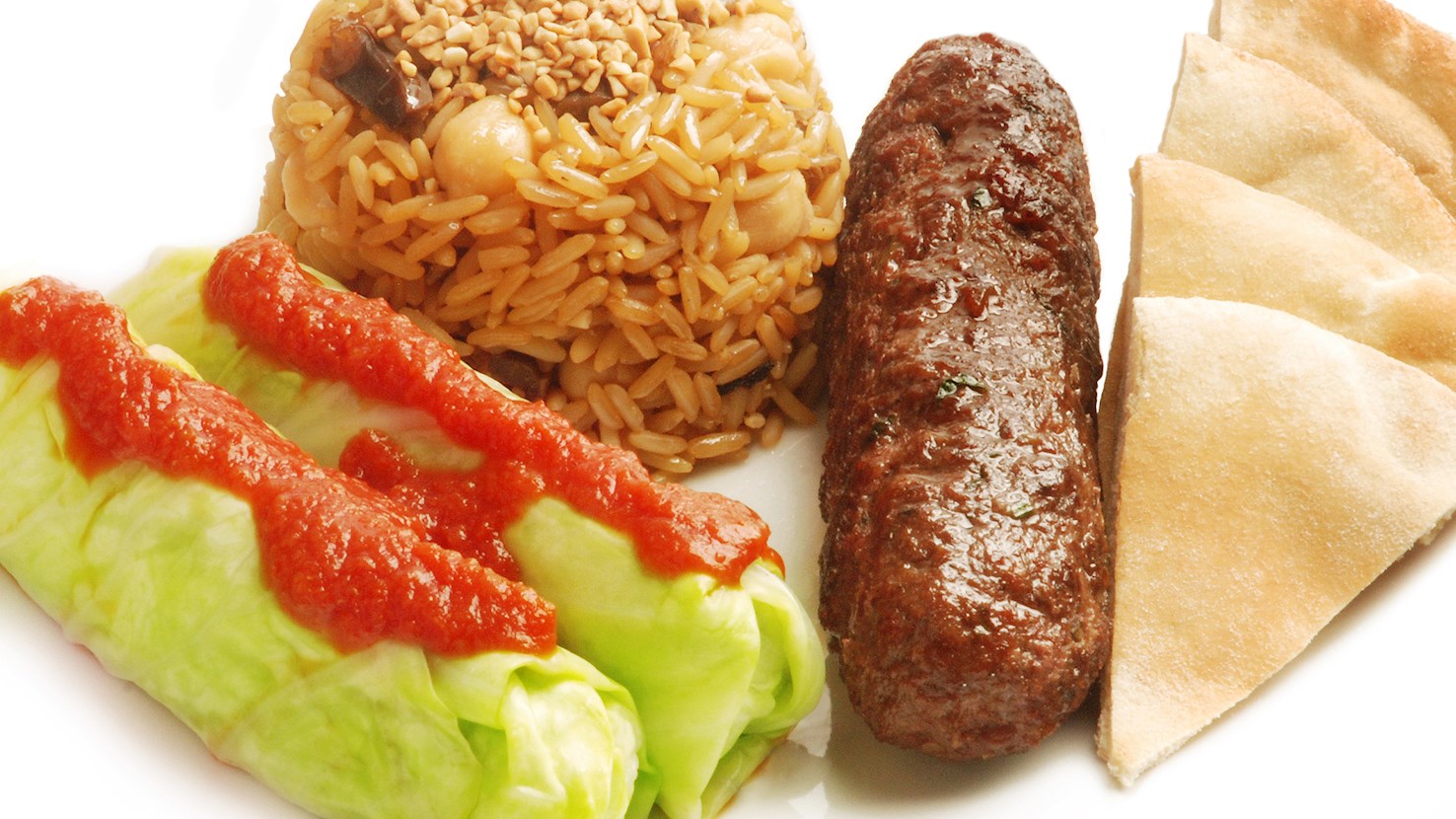
Malfuf is a dish made of cabbage leaves wrapped around a seasoned filling and cooked slowly, widely prepared in the Levant and neighboring eastern Mediterranean areas, particularly in Lebanon, Syria, Palestine, and Jordan, where it is known as a winter dish tied to the availability of cabbage rather than grape leaves. Its development is linked to cold-season agriculture and the long-standing practice in the region of stuffing vegetables with rice and meat mixtures, a method that adapted easily to cabbage once it became widely cultivated, especially during periods when vine leaves were unavailable, leading to a parallel dish that followed similar cooking logic but required adjustments in seasoning and handling due to the thicker, sturdier leaves. Preparation begins by separating whole cabbage leaves and blanching them until pliable, then trimming the thick central ribs to allow even rolling, after which a filling of rice mixed with minced lamb or beef, finely chopped onion, salt, and restrained spicing is placed near the base of each leaf and rolled into compact cylinders that are arranged tightly in a pot lined with leftover leaves or sliced vegetables, covered with water or light stock, weighted to prevent movement, and simmered gently until the rice and meat are fully cooked and the cabbage becomes tender without breaking apart. Serving is usually hot, with the rolls transferred carefully to maintain their shape and often finished with garlic-infused lemon juice poured over them after cooking, a step that differentiates malfuf from other stuffed vegetables and sharpens its overall profile without altering the filling itself. The dish stands out for the way cabbage absorbs cooking liquid and seasoning more deeply than vine leaves, producing a softer texture and a milder vegetal base that allows garlic and lemon to be added at the end rather than incorporated early, a method that is closely associated with malfuf rather than being universally applied across stuffed-leaf dishes. It is eaten at home meals more often than as part of mixed small-plate spreads, commonly accompanied by plain yogurt, simple salads, or pickled vegetables, and pairs well with rice-based side dishes, grilled meats served separately, and beverages such as yogurt drinks, lightly carbonated water with lemon, or dry white wines that complement the acidity added at serving.
TasteAtlas food rankings are based on the ratings of the TasteAtlas audience, with a series of mechanisms that recognize real users and that ignore bot,
nationalist or local patriotic ratings, and give additional value to the ratings of users that the system recognizes as knowledgeable.
For the “Top 6 Pakistani Ground Meat Dishes” list until June 15, 2026, 338 ratings were recorded, of which 238 were recognized by the system as legitimate.
TasteAtlas Rankings should not be seen as the final global conclusion about food. Their purpose is to promote excellent local foods,
instill pride in traditional dishes, and arouse curiosity about dishes you haven’t tried.