soldan.com

Top 4 European Hard Candies

Last updated on May 31, 2026

Best European Hard Candies
01

La Violeta

4.5 ·
La Violeta is a traditional Madrid confectionery founded in 1915, specializing in violet-flavored sweets that have become one of the city’s recognizable gastronomic symbols. The family-owned business has preserved its original recipe and artisanal production methods across generations. Its most iconic product is the small crystallized violet candy, shaped like a flower and defined by an intense floral aroma and clean, pronounced sweetness. The shop is located at Plaza de Canalejas 6 in central Madrid, functioning both as a local landmark and a destination for visitors. The brand’s visual identity relies on vintage-style packaging and decorative metal tins that emphasize its historical continuity. In addition to classic candies, the assortment includes candied violet petals, chocolates, and curated gift boxes for special occasions. Over time, La Violeta has become embedded in Madrid’s cultural identity, often associated with traditional gifts and local customs. Today, products are also distributed through an online store, extending the reach of this local specialty to international customers. La Violeta represents a focused, heritage-driven confectionery that has built long-term recognition around a single distinctive product.
02

Caramelos Paco

3.9 ·
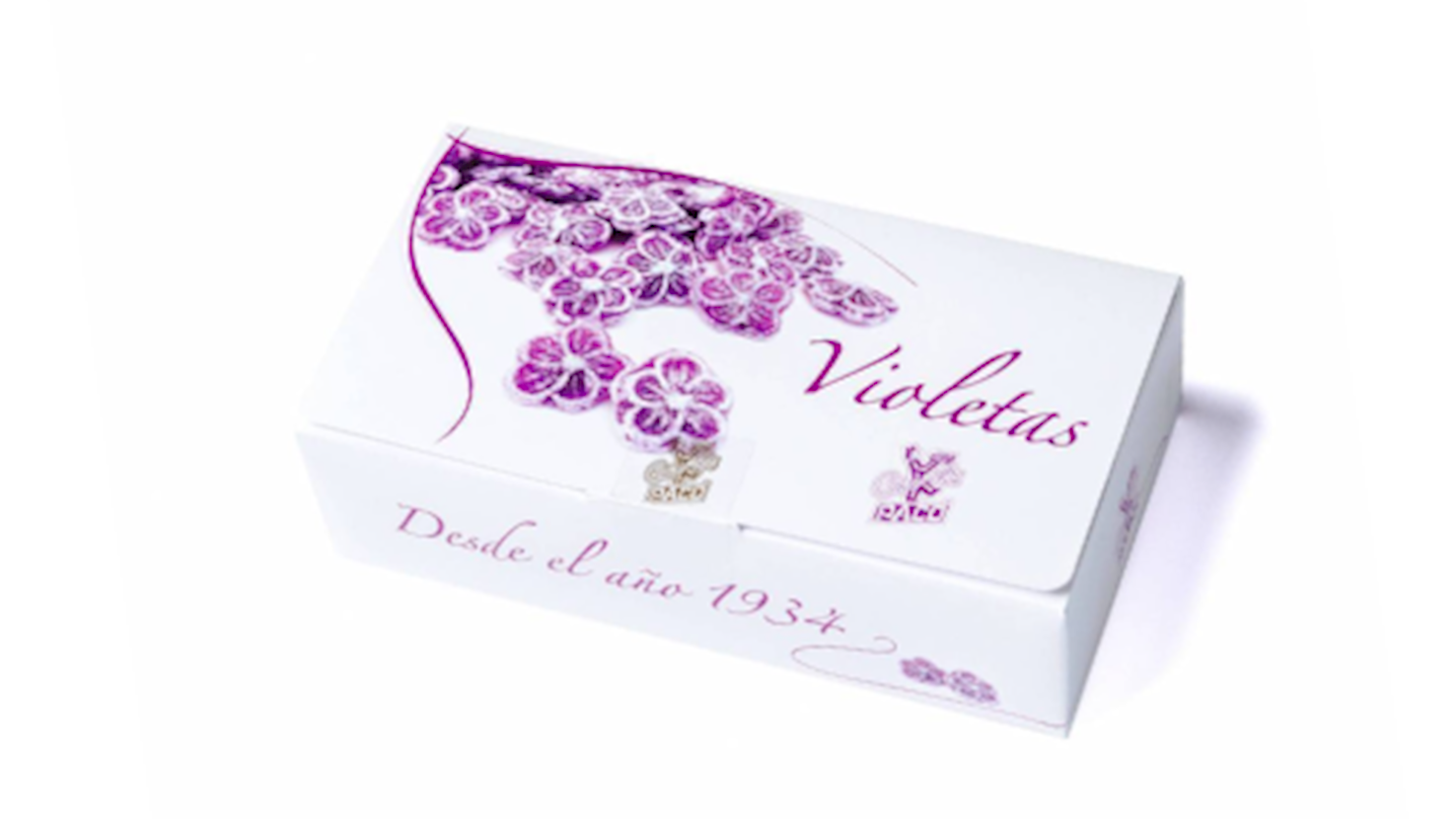
Caramelos Paco is a historic confectionery shop in Madrid, founded in 1934 on Calle Toledo, in one of the city’s most traditional neighborhoods. It was established by Francisco Moreno Redondo, known as Paco, originally as a small grocery store before gradually specializing in sweets and confectionery. Today, the brand is recognized for its blend of nostalgic character, extensive candy selection, and remarkable continuity at the same historic location. Its assortment includes classic sugar candies, sugar-free sweets, gummy candies, peladillas, licorice, violet candies, lollipops, and other traditional Spanish confectionery products. A defining part of its identity is its retro atmosphere, preserving the charm of old Madrid sweet shops with colorful displays and products strongly associated with childhood memories and local tradition. Caramelos Paco is not an industrial confectionery manufacturer in the conventional sense, but rather a well-established specialty retailer and a recognizable Madrid institution dedicated to traditional sweets.

Best European Hard Candy Types

01

Hopje

3.3 ·

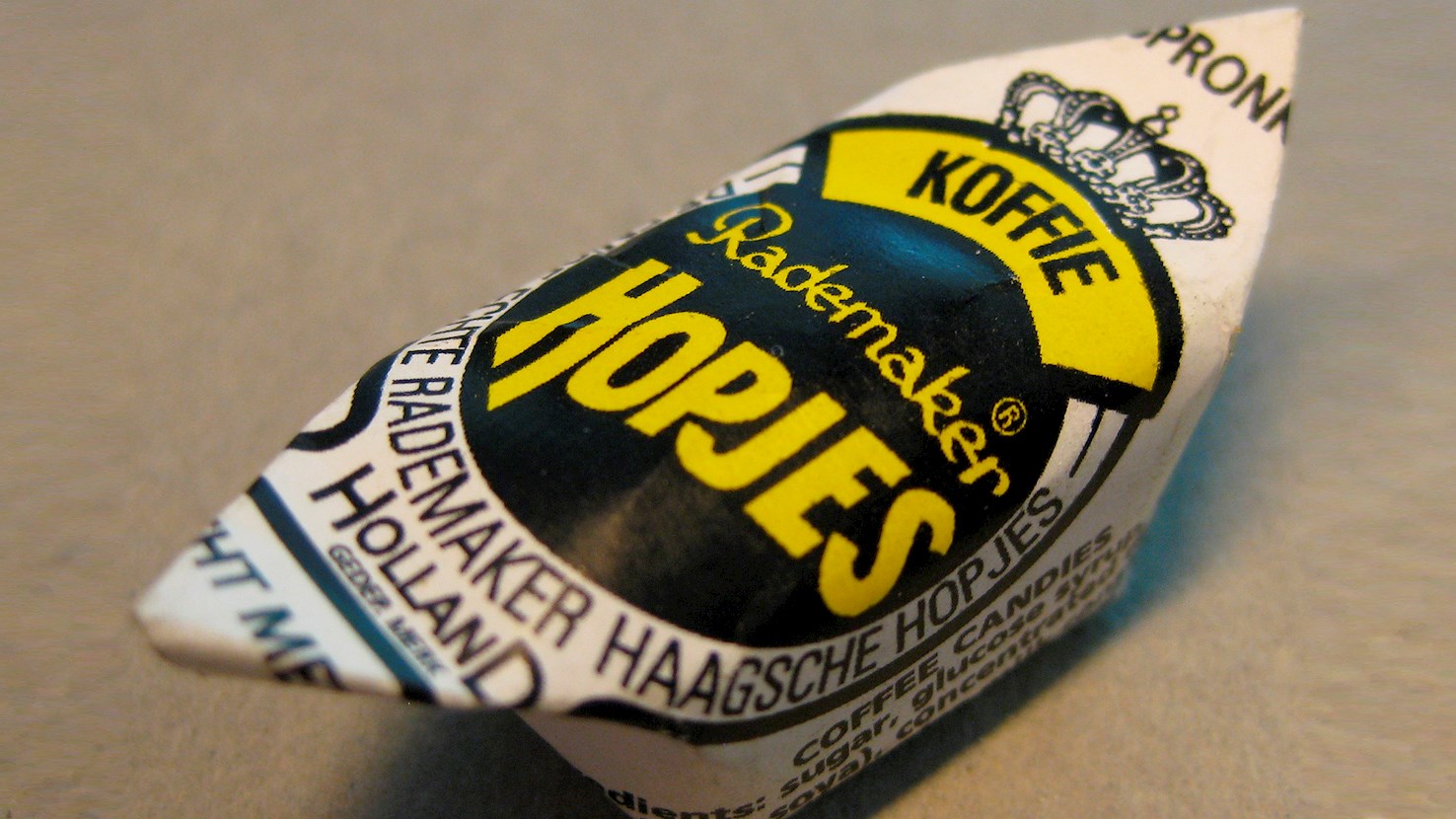
Hopje is a popular Dutch coffee-and-caramel-flavored hard candy. These candies come individually wrapped in printed paper and they do not stick, nor do they go soft over time. They are named after Baron Hendrik Hop, who asked the confectioner Theodorus van Haaren to make him some coffee lumps, as he was addicted to coffee. After some time, the confectioner made a sweet consisting of caramel, coffee, butter, and cream, and the rest is history.

02

Bayrisch Blockmalz

3.3 ·

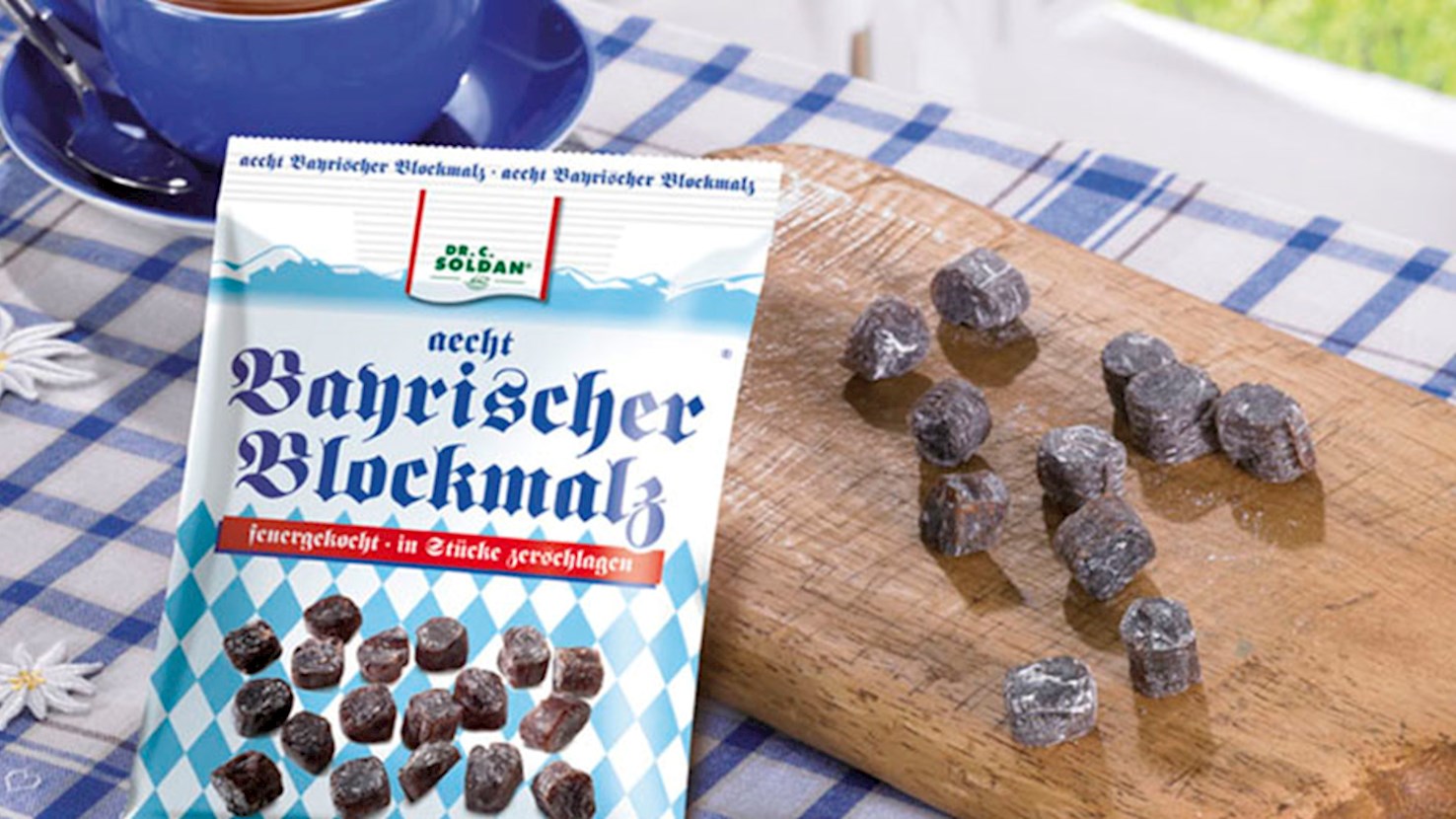
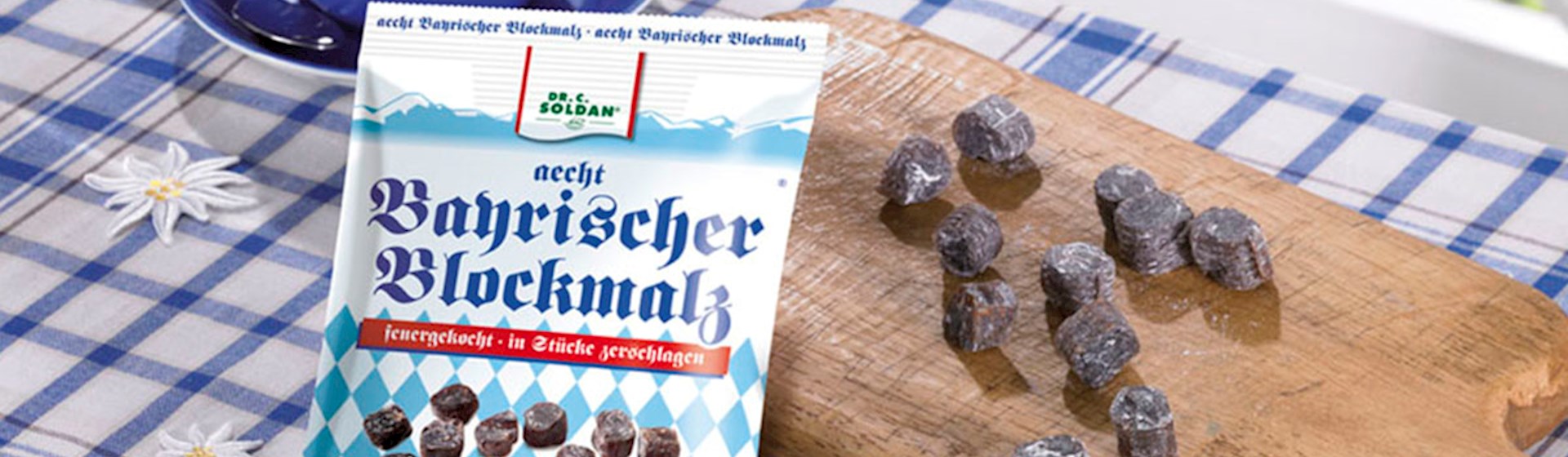
This Bavarian hard candy is filled with malt extract, which gives the candy its distinctive sweetness. The candy owes its existence to Carl Soldan, who first sold it in his drugstore in Nürnberg, which later evolved into a family wholesale business distributing Blockmalz. The dark brown, roughly shaped candy serves as an invigorating sweet treat between meals. Traditionally, it can also be dissolved in a glass of hot milk as a home remedy for coughs and sore throats. About 200 tons of Blockmalz are produced in Bavaria annually, and this candy can be found in pharmacies and drugstores all across Germany.

03

Niniches

n/a ·

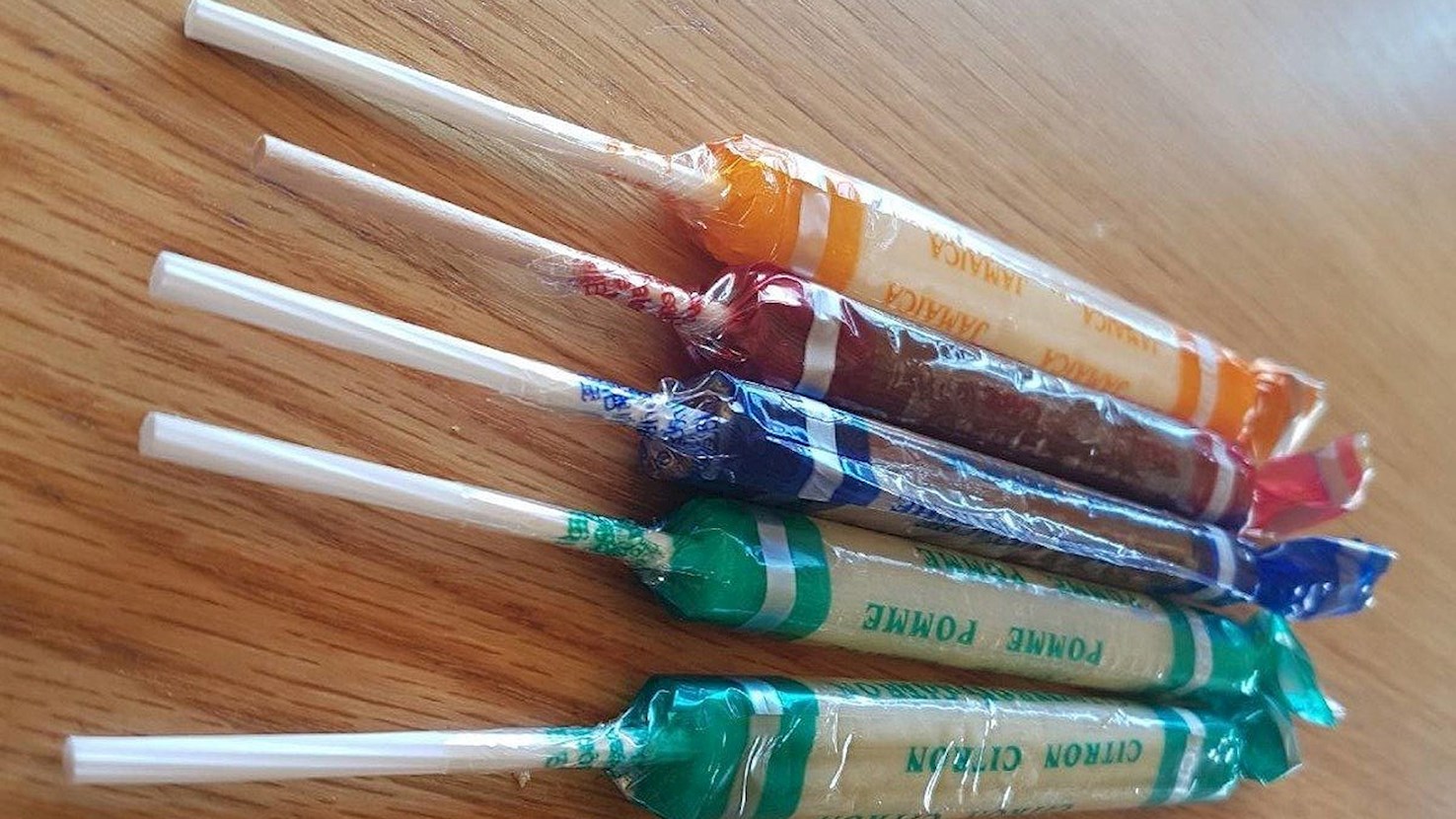
Niniches are traditional and trademarked French confectionery items originating from Quiberon in Brittany. These hard candies in the shape of a long lollipop in a colored wrapping are made from a combination of sugar, glucose, flavorings, and citric acid for the fruit version. There are a few varieties, and the salted butter-caramel lollipop one is made from glucose, condensed milk, butter, dried fruit, salt, and alcohol or flavorings. The fruit version is flavored with strawberries, pears, banana, melons, or coconut. The niniches were invented by Raymound Audebert in 1946, and the recipe is now a part of French culinary heritage.

04

Bergamote de Nancy

n/a ·

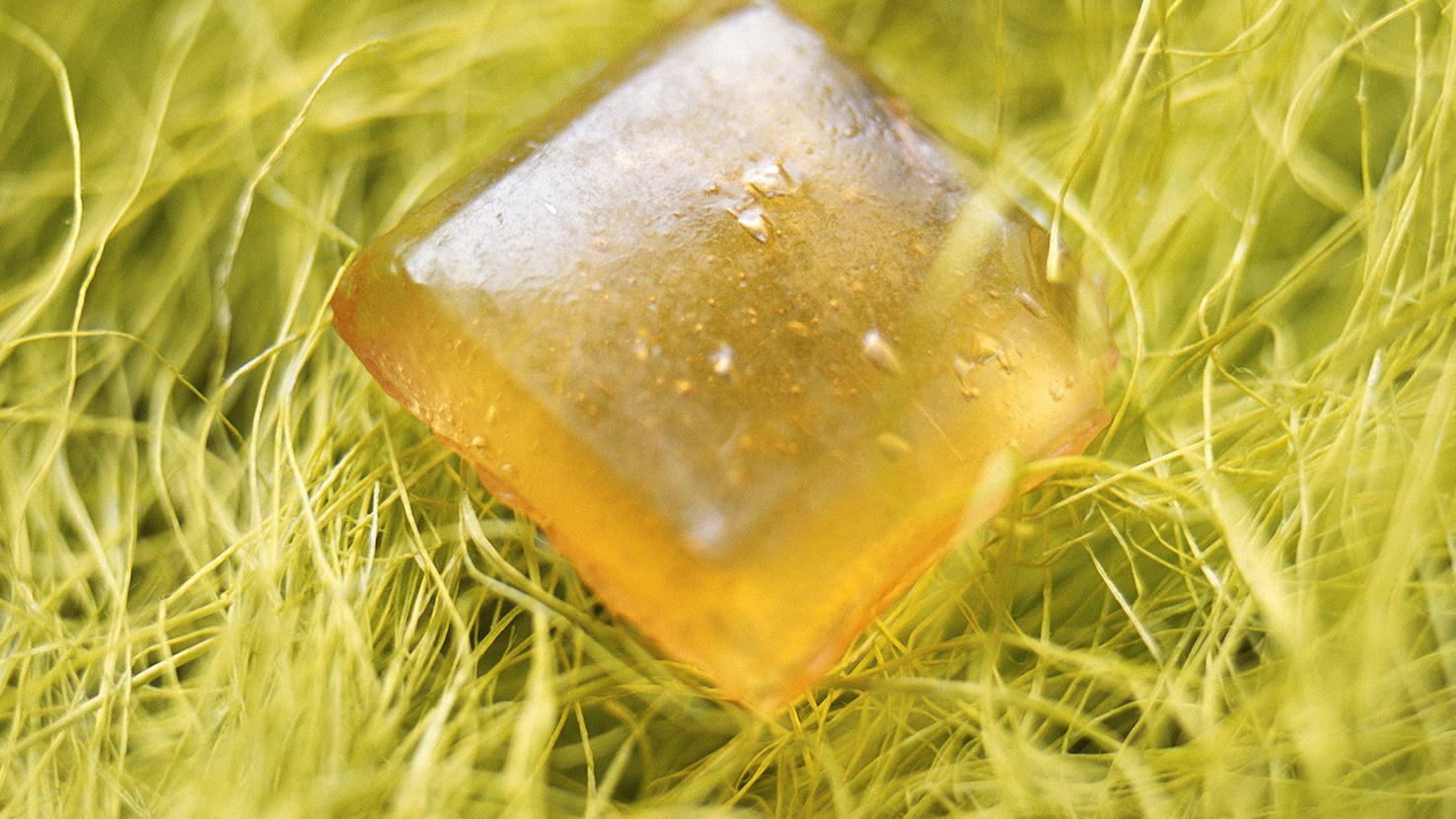
Since 1857, this shiny, small, hard candy is made from cooked sugar and bergamot essential oil in the French region of Lorraine. First, sugar is heated over the flame, and then the bergamot essence is added. When the mixture cools, it gets cut by hand into tiny pieces. Bergamot oil is extracted by pressing the rind of bergamot orange, which is a hybrid between lemon and wild orange and is a symbol of the city of Nancy. The square shaped Bergamote de Nancy is translucent amber and has a refined, sweet, slightly bitter, inimitable taste. No artificial colors or additives are allowed in the final product. In the culinary world, they can be used crushed, as a sprinkling powder for soufflés.

Read more
View all
View map
About this ranking

TasteAtlas food rankings are based on the ratings of the TasteAtlas audience, with a series of mechanisms that recognize real users and that ignore bot, nationalist or local patriotic ratings, and give additional value to the ratings of users that the system recognizes as knowledgeable. For the “Top 4 European Hard Candies” list until May 31, 2026, 49 ratings were recorded, of which 45 were recognized by the system as legitimate. TasteAtlas Rankings should not be seen as the final global conclusion about food. Their purpose is to promote excellent local foods, instill pride in traditional dishes, and arouse curiosity about dishes you haven’t tried.

The initial list of top producers was compiled based on available reviews, awards, local recommendations, media and blog coverage, and consumer reviews. The list will be updated with ratings from TasteAtlas local ambassadors and TasteAtlas users.

Similar lists