Kurtes is a Cretan producer specializing in extra virgin olive oil alongside a broader range of local products, including aromatic herbs, spices, honey, and infused oils, all rooted in the island’s agricultural traditions. The company combines olives from its own family groves with carefully selected partner producers, maintaining control over raw material quality and production standards.
Their olive oil is positioned within the extra virgin category, characterized by low acidity and a balanced nutritional profile, reflecting both the quality of the olives and the processing methods used.
A distinctive aspect of Kurtes is the integration of olive oil with native Cretan herbs such as oregano and thyme, resulting in a range of flavored oils that expand beyond the standard product. These infused oils introduce additional aromatic layers while maintaining the base characteristics of the olive oil.
In sensory terms, their products typically display a fruity profile with herbal notes and moderate bitterness, consistent with Cretan olive varieties.
Beyond production, Kurtes also functions as a space where visitors can explore olive oil making and local ingredients, connecting the product with its cultural and geographical context. Overall, the company represents a diversified approach where olive oil is positioned as a central element within a wider Mediterranean product range.
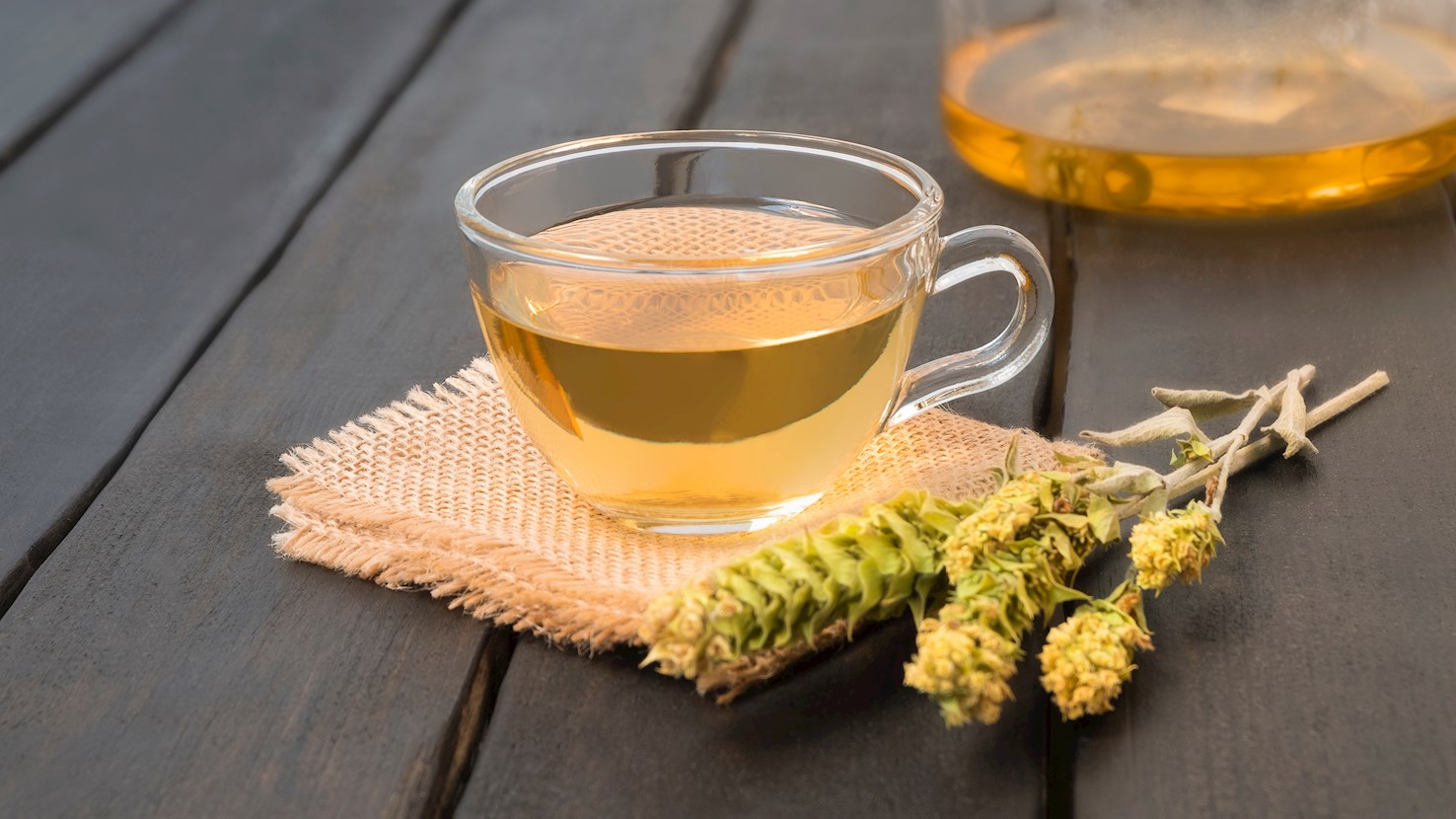
Mursalski chai is a herbal infusion that originates from Smolyan Province, Bulgaria. The infusion, or tea as it is usually called, is brewed from Sideritis scardica, a perennial plant endemic to the Balkan Peninsula. The plant is mainly found in the Rhodope Mountains. The preparation of the drink is simple and includes steeping the dried plant in boiling water. The brew is strained, and it is traditionally sweetened with honey. Many believe that this herbal tea has numerous health benefits. It is said that it eases respiratory problems, reduces risks of cardiovascular diseases, has anti-inflammatory effects, and acts as an antioxidant.
Wild lily (Lilium martagon), Turk’s cap lily, or Martagon lily, known locally as bar tamthi, has traditionally been gathered in early to mid-summer from the alpine meadows by the Kelmendi community in Lëpushë, a mountainous village situated in the Northern Albanian Alps. Distinguished by beautiful, turban-like flowers, this wild plant has been harvested for its bulbs and leaves, which are dried and used to prepare traditional teas, infusions, and decoctions. Regarded as "herb of the liver" in traditional medicine, the plant’s bulbs are believed to help with various liver diseases and digestion problems.
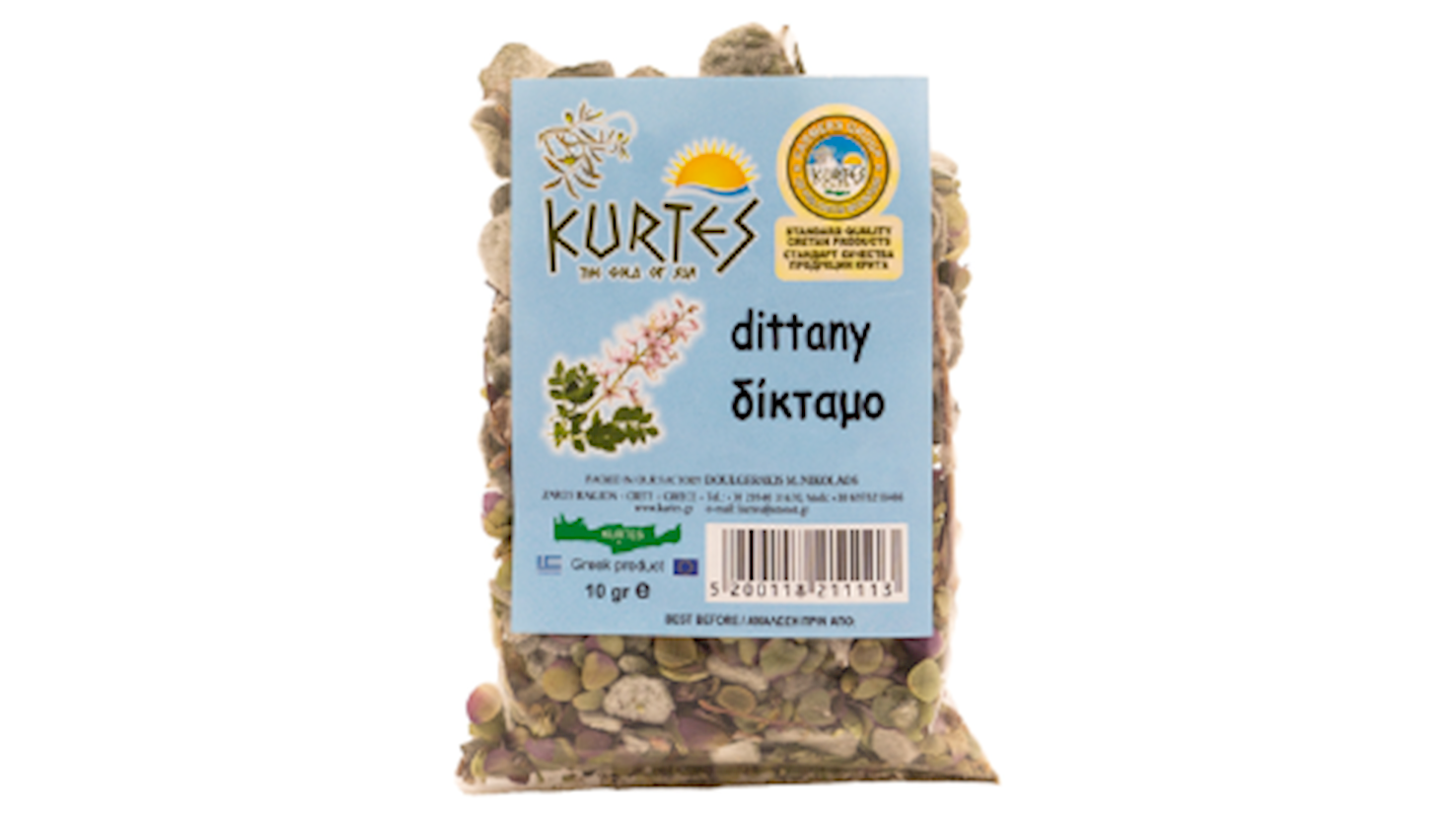
Diktamo (lat. Origanum dictamnus), widely known as Cretan dittany, is a branched aromatic perennial plant endemic to the island of Crete in southern Greece. Archeological data and textual remains from Mediterranean antiquity document its continuous usage, with representation in Minoan fresco iconography at Knossos and written analyses by Hippocrates, Aristotle, and Dioscorides, who recorded its topical application for wound healing and its consumption for gastric relief. The plant grows natively in rocky calcareous soil formations, anchoring inside the vertical crevices of limestone cliffs, steep ravines, and mountainous gorges such as Samaria at altitudes up to fifteen hundred meters, though modern commercial yield is supplemented by organized agricultural cultivation in the rural districts of Heraklion. The biological structure features small, round, greenish-grey leaves covered in dense velvet-like white hairs that function to minimize moisture loss under intense solar radiation, producing pinkish-purple flowers during the summer blooming phase. Preparation protocols require harvesting the aerial components during the flowering period, followed by dehydration in shaded, low-humidity environments to preserve the volatile essential oils, which contain high concentrations of carvacrol, p-cymene, and thymol. For consumption as a herbal infusion, three to five grams of the dried leaves and bracts are steeped in water heated to approximately ninety-five degrees Celsius for five to seven minutes, then strained and served hot or cold in standard ceramic vessels. Diktamo's high concentration of carvacrol, an organic phenol compound that imparts a sharp, pungent flavor profile combining elements of wild oregano, thyme, and pepper, led to its inclusion as a primary botanical flavoring agent in the formulation of commercial European vermouths, bitters, and herbal liqueurs. This herb is consumed as a dietary beverage across specialized health networks, domestic Greek households, and international culinary establishments, and it is also utilized topically in modern dermatological cosmetics for its antimicrobial properties. The intense, warm, slightly bitter taste profile of the brewed herbal infusion provides analytical pairings for natural honey, fresh citrus fruits, toasted nuts, and mild goat cheeses, while its use as a dried culinary seasoning pairs precisely with slow-cooked lamb, roasted root vegetables, tomato-based stews, and grilled fish drizzled with olive oil.
TasteAtlas food rankings are based on the ratings of the TasteAtlas audience, with a series of mechanisms that recognize real users and that ignore bot,
nationalist or local patriotic ratings, and give additional value to the ratings of users that the system recognizes as knowledgeable.
For the “Top 3 Southeastern European Herbal Infusions” list until July 22, 2026, 35 ratings were recorded, of which 11 were recognized by the system as legitimate.
TasteAtlas Rankings should not be seen as the final global conclusion about food. Their purpose is to promote excellent local foods,
instill pride in traditional dishes, and arouse curiosity about dishes you haven’t tried.
The initial list of top producers was compiled based on available reviews, awards, local recommendations, media and blog coverage, and consumer reviews.
The list will be updated with ratings from TasteAtlas local ambassadors and TasteAtlas users.