shutterstock

Top 25 Central European Herbal Liqueurs

Last updated on July 01, 2026

Best Central European Herbal Liqueur Types
01

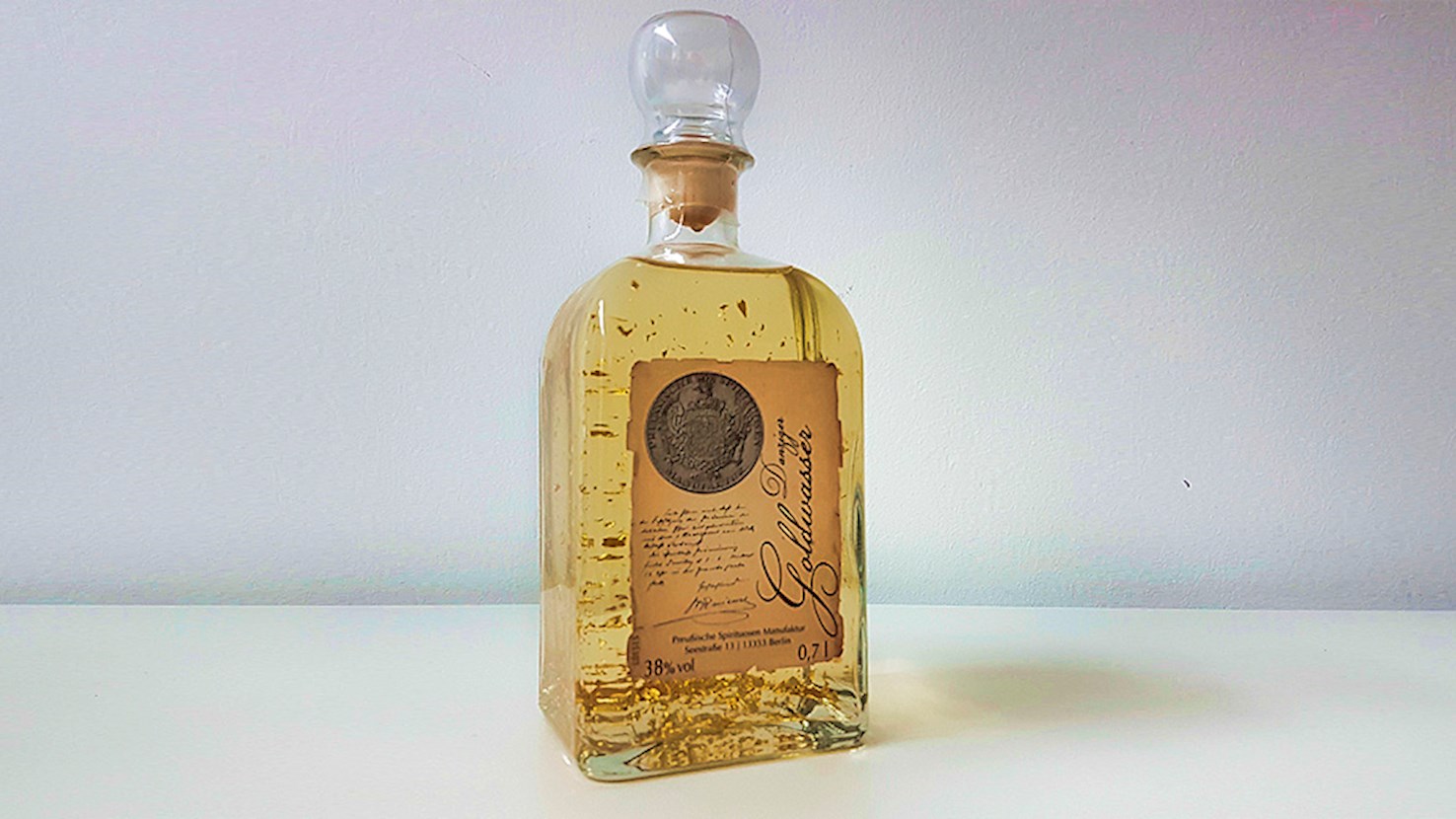
Goldwasser

4.0 ·

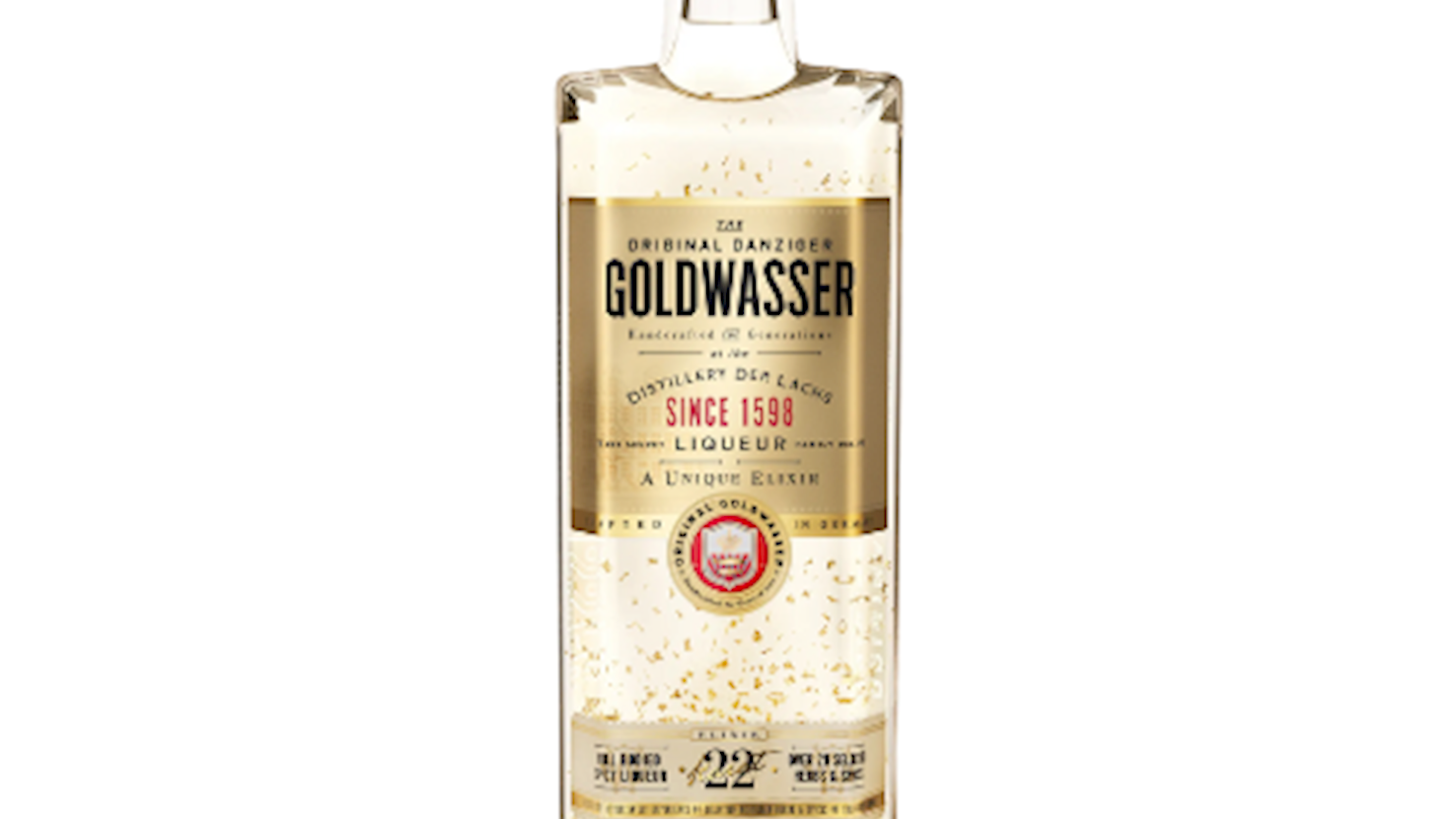
Hailing from Gdańsk, this herbal liqueur is easily distinguished by the flakes of real gold. According to the written records, it first appeared in 1598, and it was an invention of a Dutch Ambrose Vermollen who created a recipe that was based on a secret combination of 20 different herbs and roots. Considered as one of the oldest liqueurs in the world, Goldwasser comes at 40% ABV and displays both sweet and spicy cinnamon aromas, with underlying notes of licorice and mint. Though its history is closely intertwined with Poland, following the political turmoil and the Second World War Goldwasser is now produced in Germany, but it remains a symbol of the city of Gdańsk.

02

Becherovka

3.5 ·

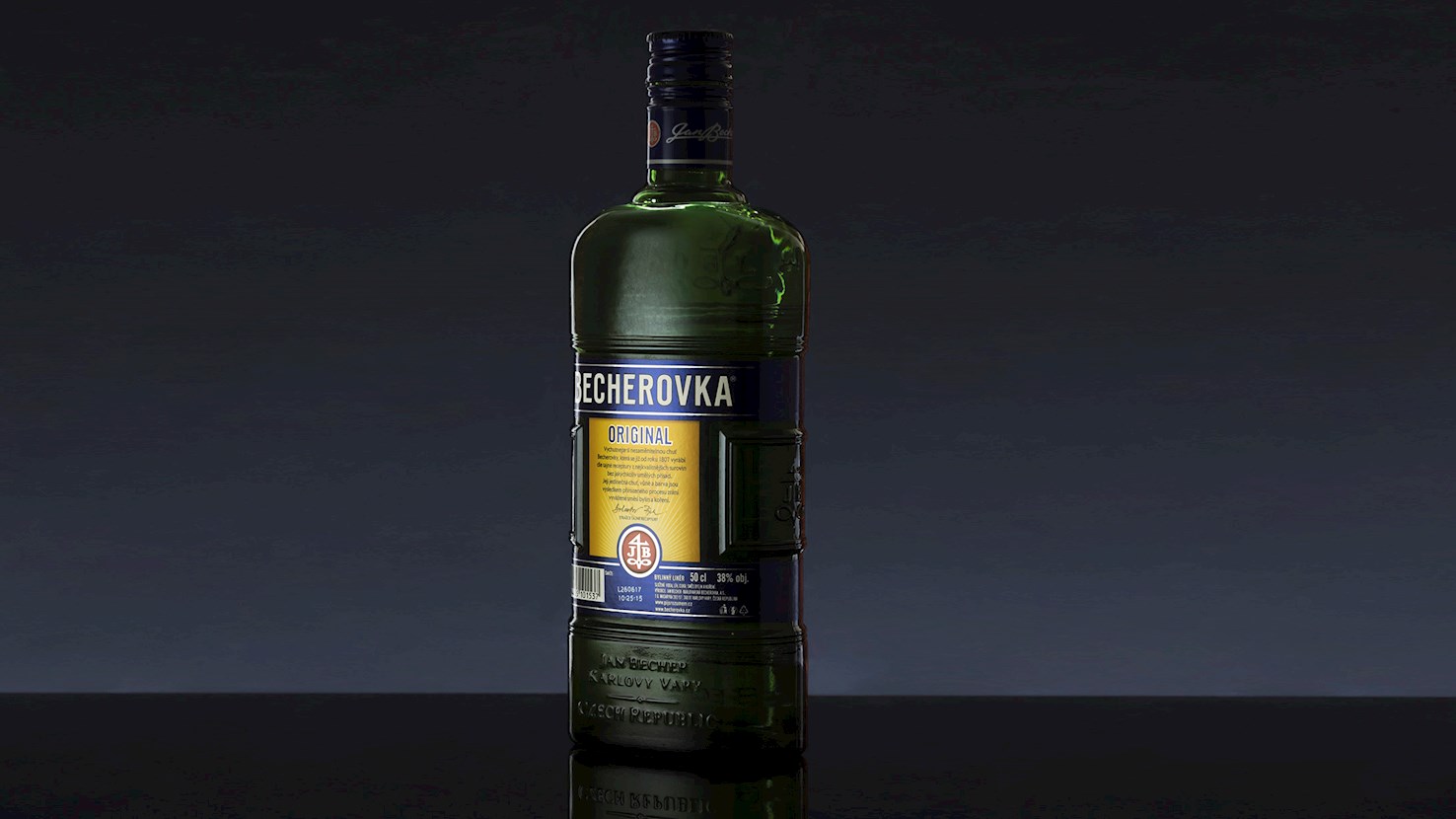
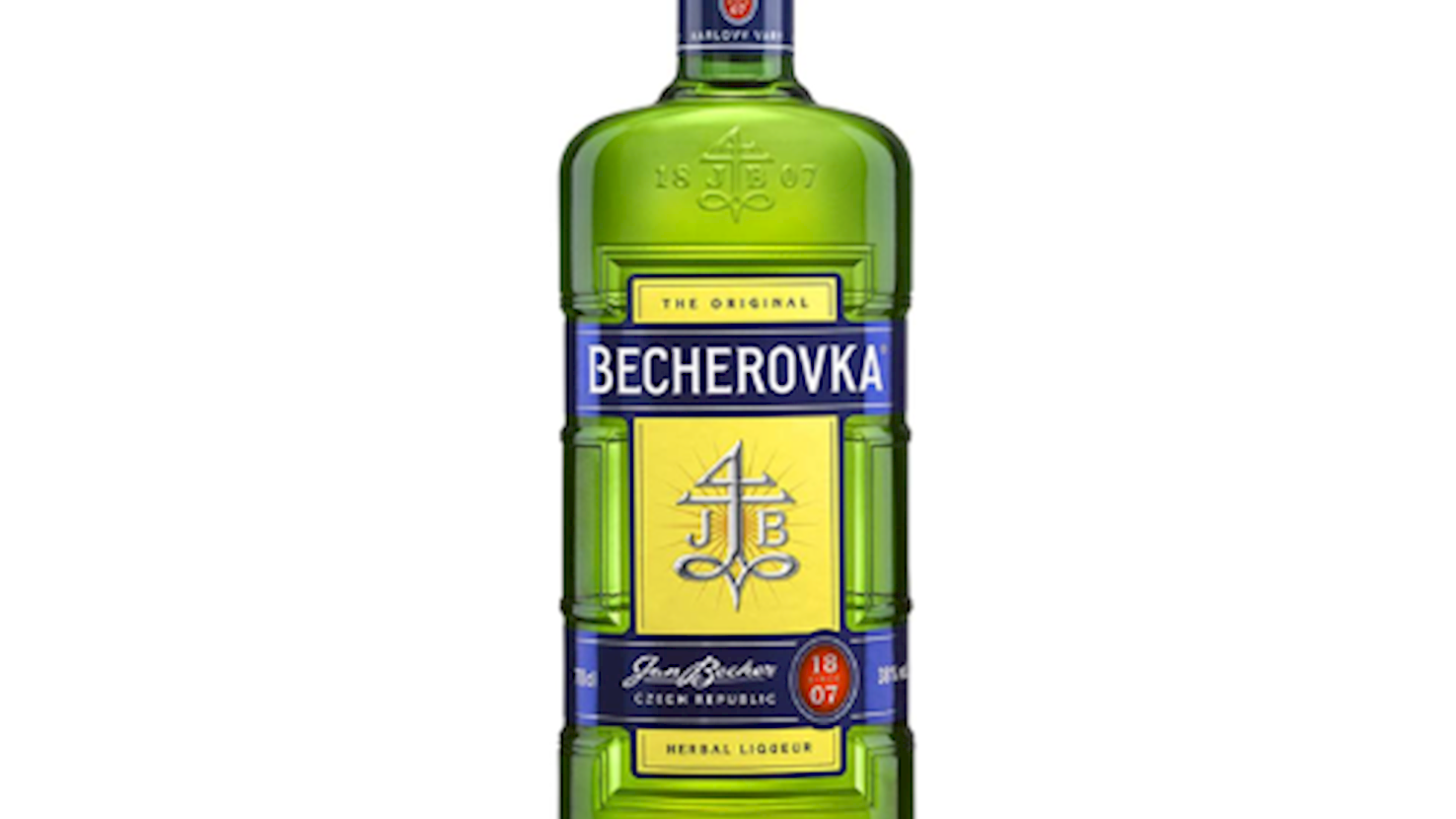
The original Becherovka was created by a British doctor Frobrig. He passed down the recipe to Josef Becher who perfected it and initially put it on the market as a medical remedy in 1807, under the name English Bitter. Despite the political and war turmoil in the 20th century, Becherovka remained a leading Czech product and is still produced according to the original, secret recipe. It is made with a combination 20 different spices and herbs that are macerated in alcohol to create a base which is then cut with water and sugar and left to age in oak casks. Becherovka is traditionally enjoyed neat or over ice, but it can also work well in cocktails, out of which the most popular is Beton—a combination of Becherovka and tonic water that was invented in 1967 for the international EXPO exhibition in Montreal.

03

Jägermeister

3.4 ·

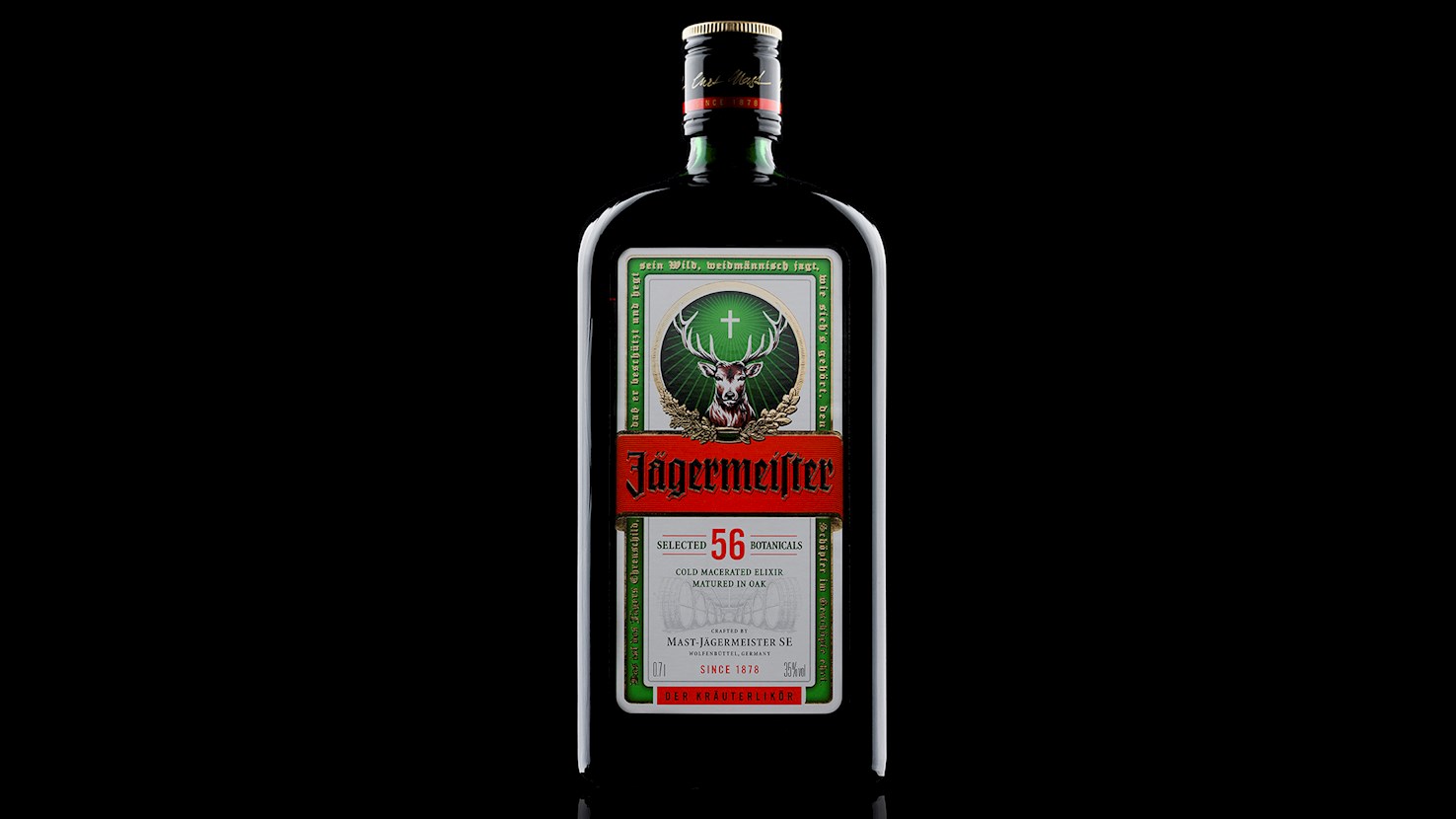
This popular German herbal liqueur was developed in 1934 by Curt Mast. He created the base of the drink with 56 different herbs, roots, and fruits that are macerated in a combination of alcohol and water. The procedure is repeated several times, and the drink is left to age in oak casks before it is combined with alcohol, caramel, sugar, and water to achieve a drinking strength of 35% vol. Since Mast was a hunter, he drew the inspiration for the now classic Jägermeister logo—a stag with a glowing cross between its antlers—from the tale of St. Hubertus, the patron saint of hunters. Nowadays, Jägermeister is a renowned international drink that should always be served ice-cold and is predominantly enjoyed as a shot, but it can also blend well in cocktails.

04

Pelinkovac

3.3 ·

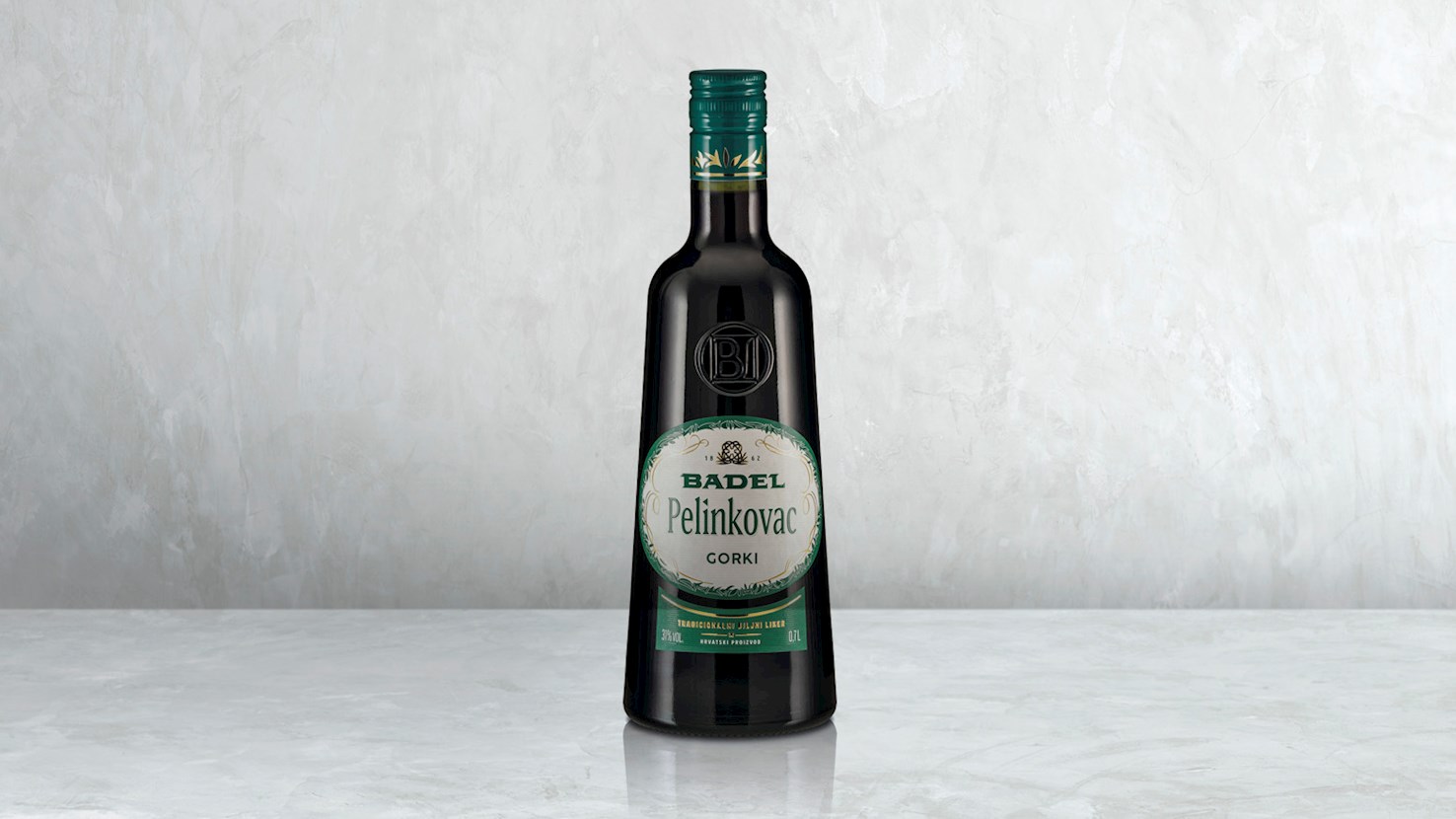
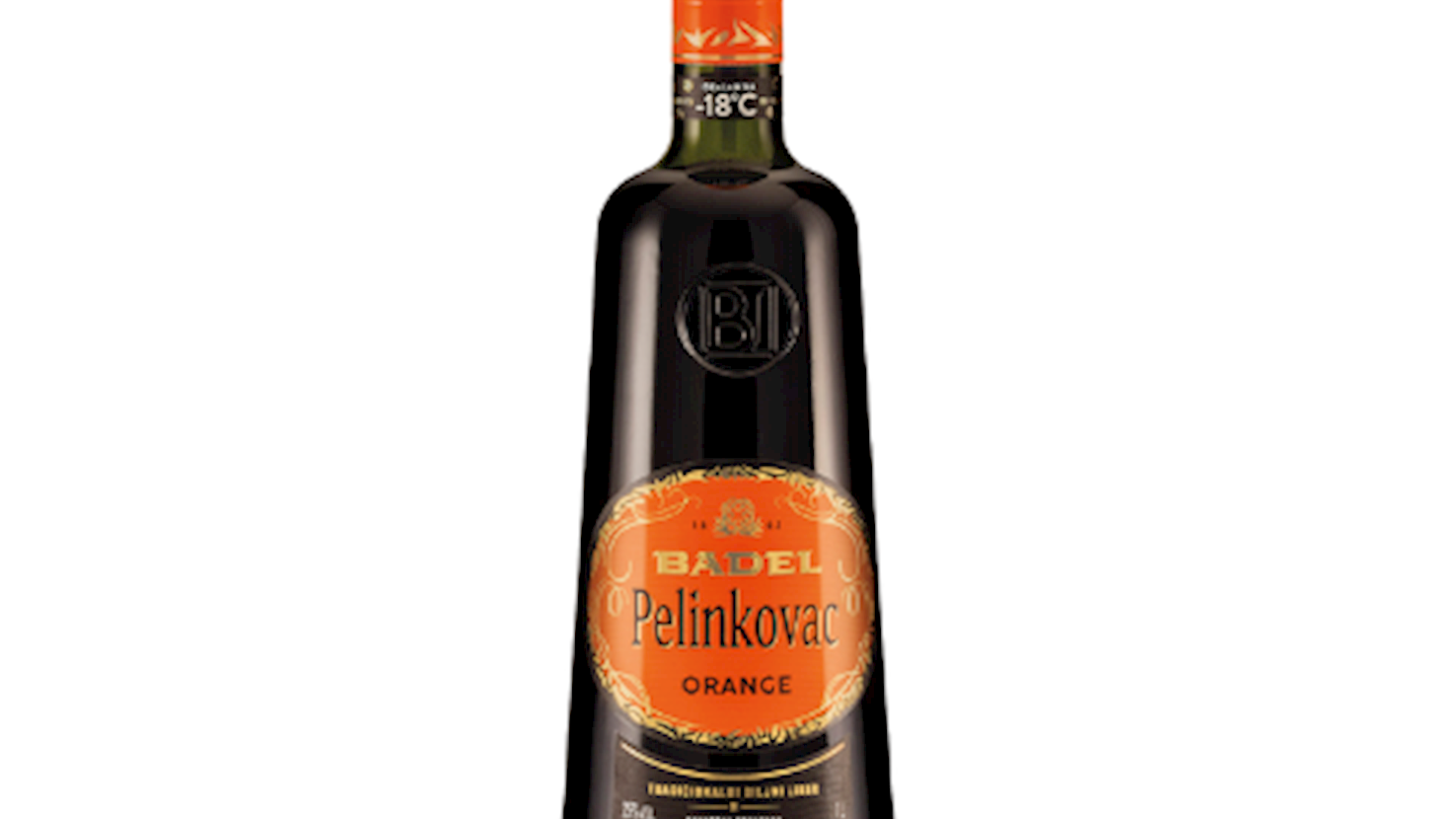
Pelinkovac is a traditional herbal liqueur produced with a distillation of herbal macerates. The distillate is adjusted and blended with water, alcohol, and the macerate base. Pelinkovac should always have dominant wormwood (Artemisia absinthium) element, typically complemented by fennel, sage, and peppermint, but the final herbal composition can vary depending on the region and the season. Pelinkovac is generally dark brown, full-bodied, and aromatic. The aroma is intense and herbaceous, usually dominated by wormwood, while the flavor should always have a distinctive bitter-sweet note. Pelinkovac is traditionally enjoyed as an aperitif or a digestif, usually served neat or on the rocks, often with a lemon slice. It also works well mixed with lemon juice or tonic water. The liqueur was introduced in 1862, and since then, it has been continuously produced in Croatia, and most local distilleries make their version of the liqueur. This first commercial version was produced by Badel, a company that was was founded in 1862 by Franjo Pokorny. Badel has a basic version of the drink and a more exclusive Pelinkovac Antique, allegedly crafted on the original version. Pelinkovac was initially promoted as a health remedy, and many locals still believe in its healing properties. The name pelinkovac stems from pelin, which is the Croatian term for wormwood.

Best producers
05

Zirbenlikör

3.3 ·

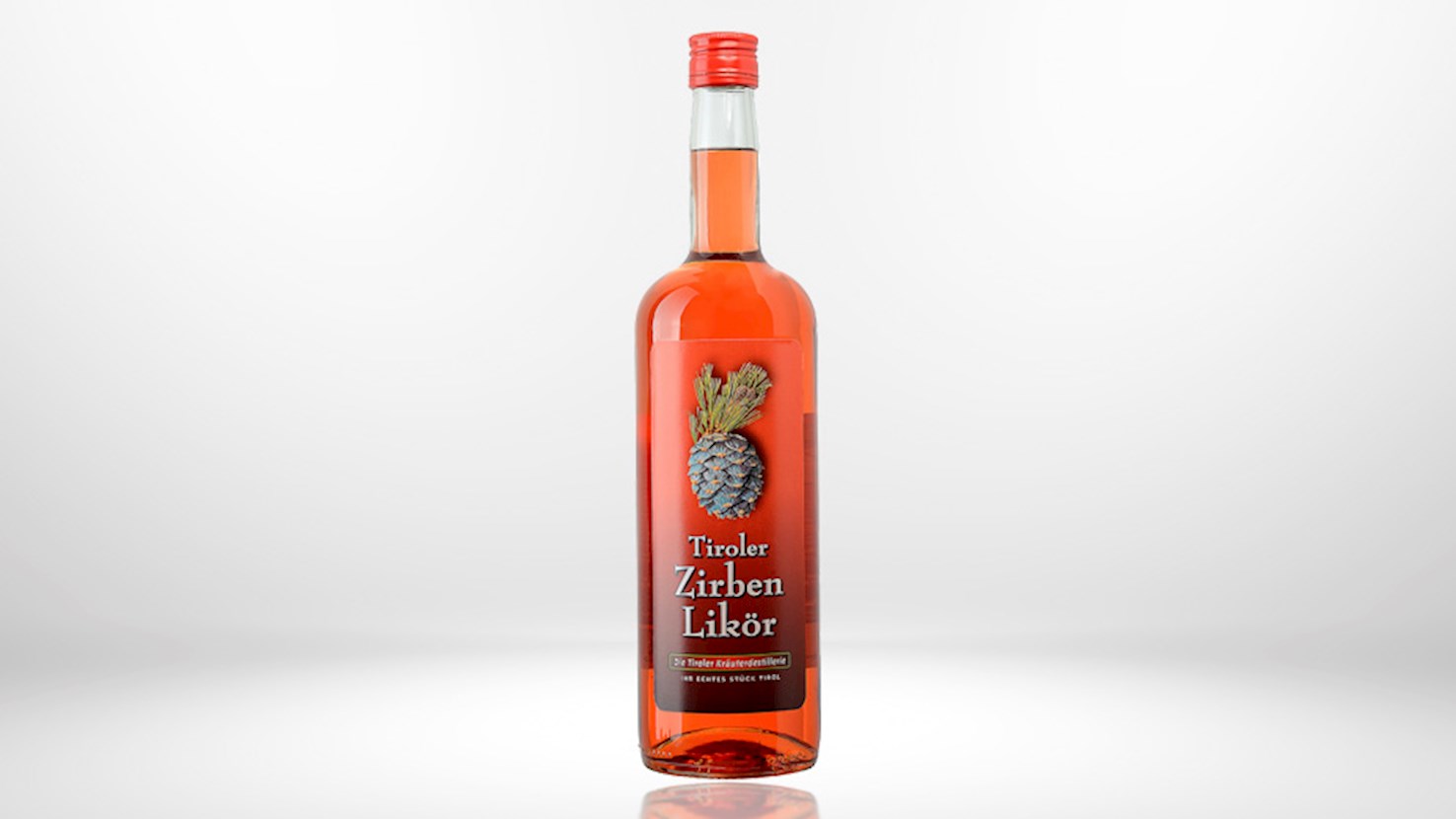
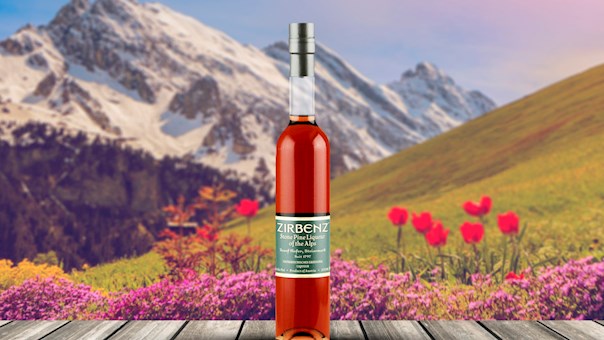
Zirbenlikör is a pine liqueur that is produced in Alpine countries, but which is mostly associated with Austria. The spirit is made with pine cones, usually Arolla Stone Pines, which are harvested during summer, when they are still green. They are then sliced and macerated in grain spirit or fruit brandy. While they mature in the spirit, they impart the base with a distinctive reddish hue. Zirbenlikör is warming, fresh and smooth with typical floral and pine notes. It is often enjoyed on its own as an après-ski drink, but it also incorporates well into cocktails or long drinks. Tonic, soda water, whisky, rum, gin, and ginger ale pair especially well with Austrian pine liqueur.

06

Kräuterlikör

3.2 ·

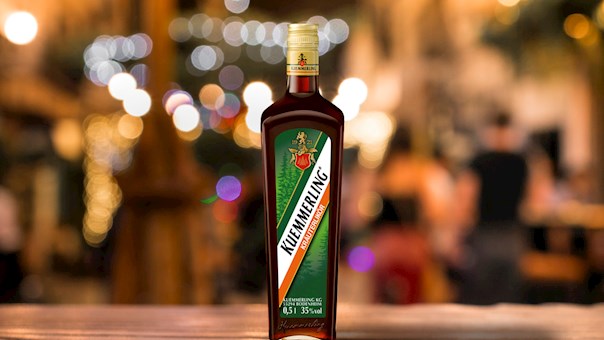
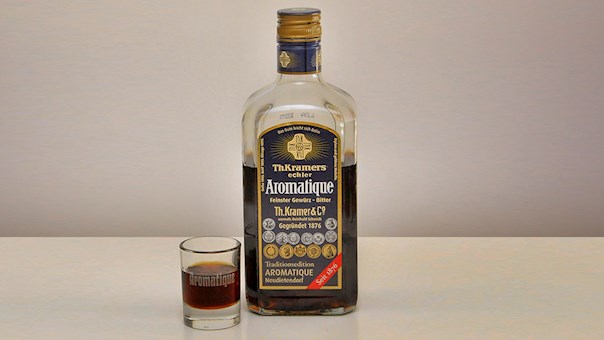
The term kräuterlikör denotes different types of European herb liqueurs, predominantly German, which are also known as halbbitter (half bitters). They appeared soon after the introduction of distillation and were primarily invented as medical remedies. The most notable kräuterlikör brands include Jägermeister, Underberg, Becherovka, Unicum, Riga Black Balsam, Killepitsch, Kuemmerling, and Aromatique. Although all varieties can be incorporated into cocktails and long drinks, they are traditionally enjoyed well-chilled and neat, preferably as a digestif.

07

Unicum

2.9 ·

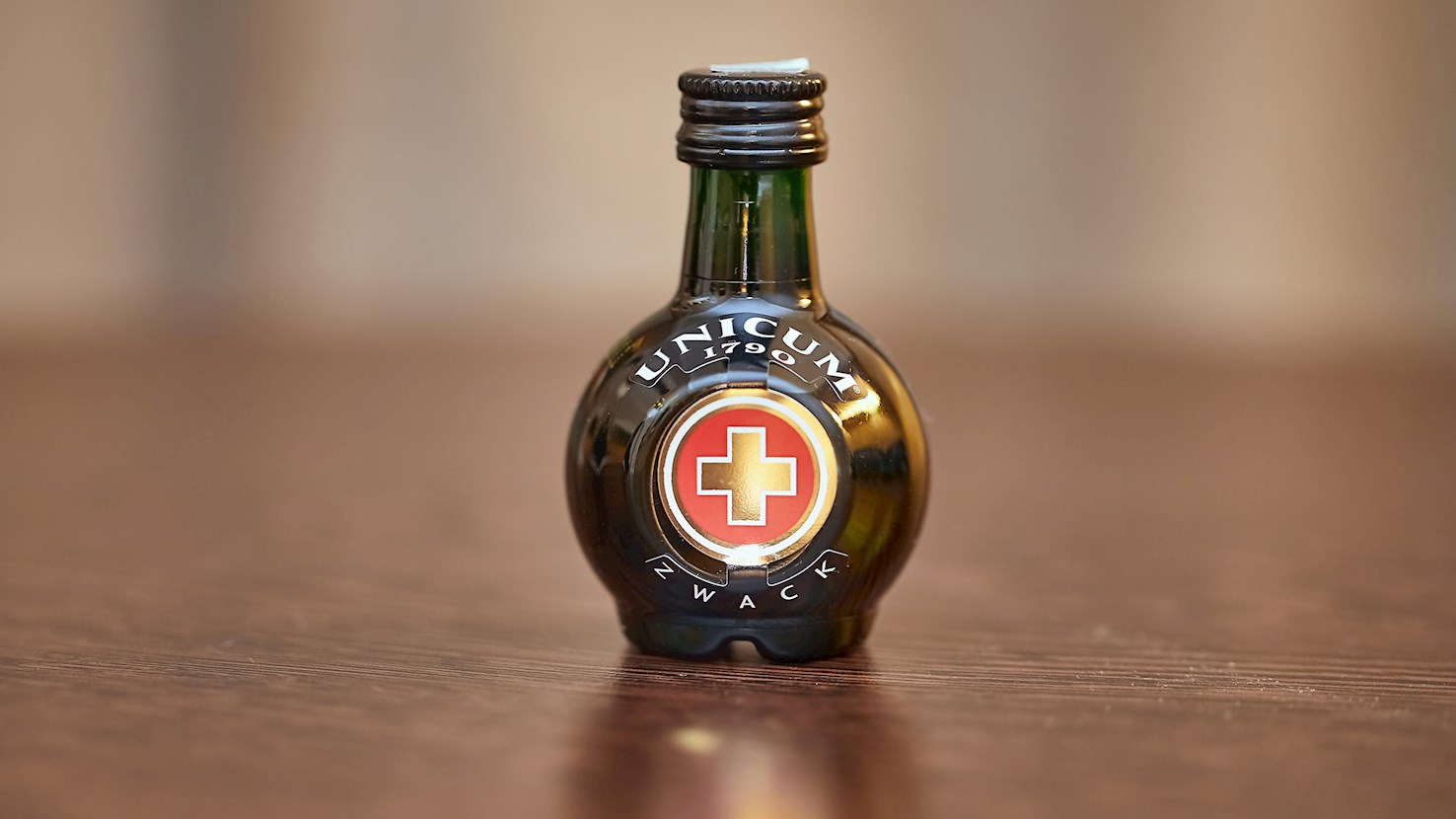
This herbal liqueur is produced with a combination of 40 carefully selected herbs and spices, including ginger, angelica root, lemongrass, and orange peel. The blend is aged in oak casks for six months until it achieves its herbal, bittersweet flavor. Originally invented as a stomach remedy, Unicum was first produced in 1790 by Dr. József Zwack. The mass production of the liqueur started in 1840 when the doctor founded the first Zwack Company, followed by the central distillery in 1892. In the aftermath of the Second World War, the company was overtaken by state, while the Zwack family fled the country, taking with them the original recipe. With the end of Communism, the family bought back the company in 1989 and continued the production according to the original recipe, which is still kept secret. Nowadays, the drink is regarded as the iconic Hungarian liqueur that is served well-chilled or lukewarm, preferably in a shot glass or over ice. It is typically enjoyed as an apéritif or digestif, though it can also work well in cocktails.

08

Killepitsch

2.8 ·

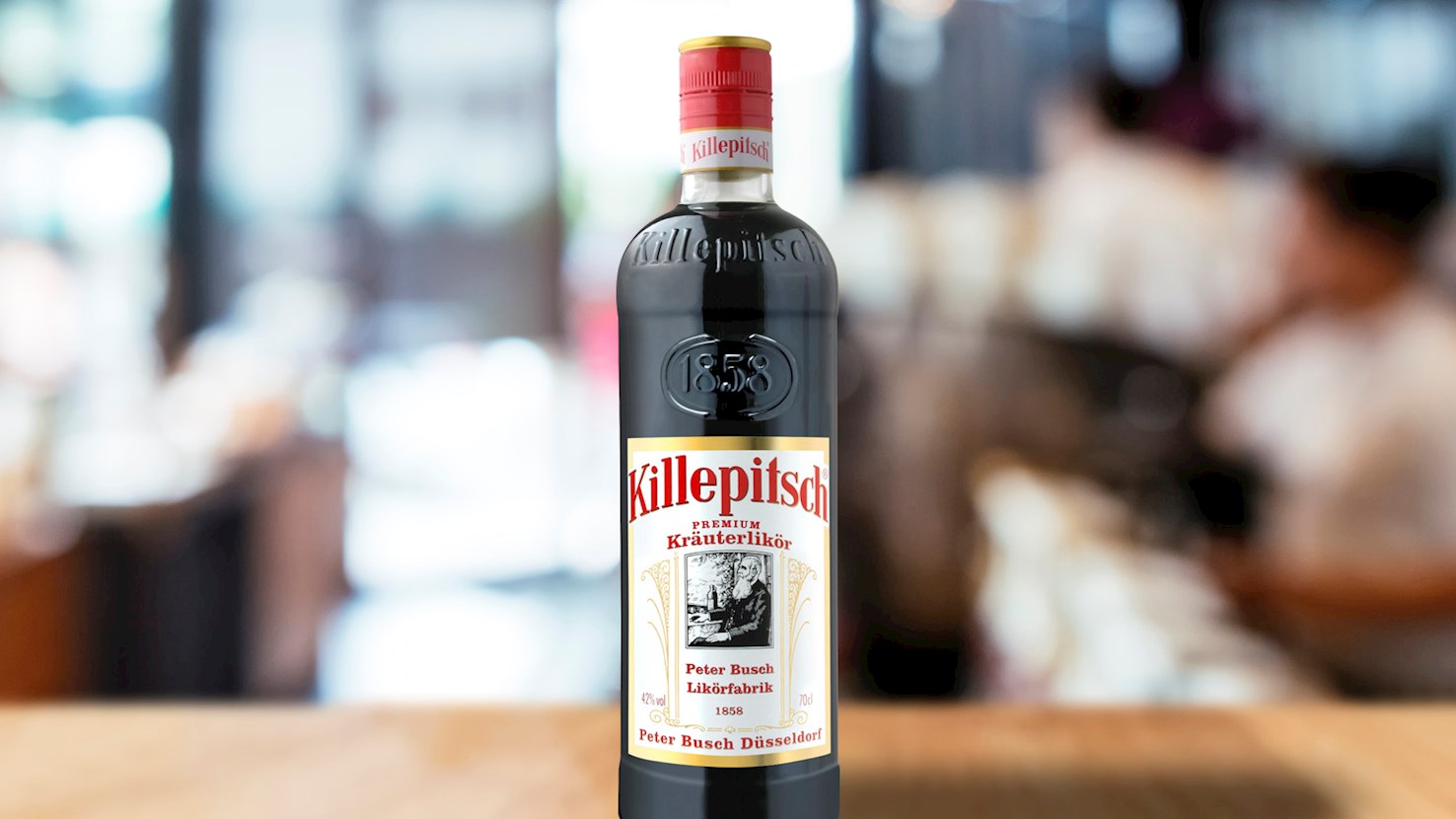
Killepitsch is a German herbal liqueur (kräuterlikör) that is made with 98 different herbs and spices. The drink has been produced since 1858 by the Busch family from Düsseldorf, and the original recipe is still kept secret. Killepitsch is a rich and smooth dark red liqueur that is characterized by bittersweet flavor and aromas of dried fruit and warming spices. It is best served well chilled, and it is mostly enjoyed as a digestif. Killepitsch is bottled at 42% ABV.

09

Berliner Luft

2.8 ·

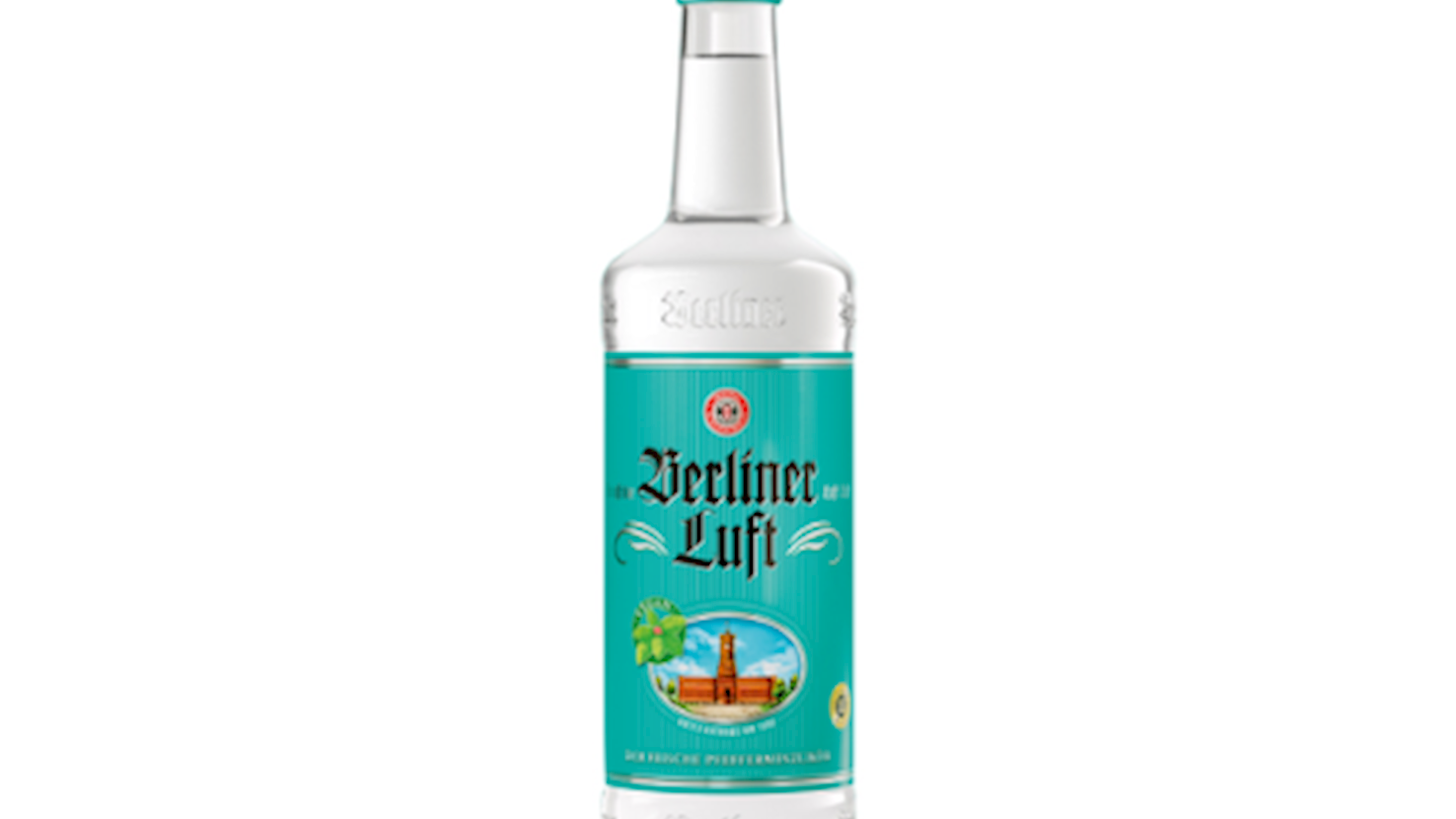
Berliner Luft is a popular peppermint liqueur that originates from Berlin, Germany. This clear schnapps is characterized by a refreshing and sharp peppermint flavor, which often leaves a cool feeling in the mouth. Berliner Luft has grown in popularity both in and outside of Germany, and it's often consumed as a shot after meals or as part of various cocktails. The peppermint flavor makes it an ideal digestif, as it can feel quite refreshing after a hearty meal. The liqueur has become something of a cultural icon in Berlin and is often associated with the city's vibrant nightlife and party scene.

10

Schrobbelèr

2.8 ·

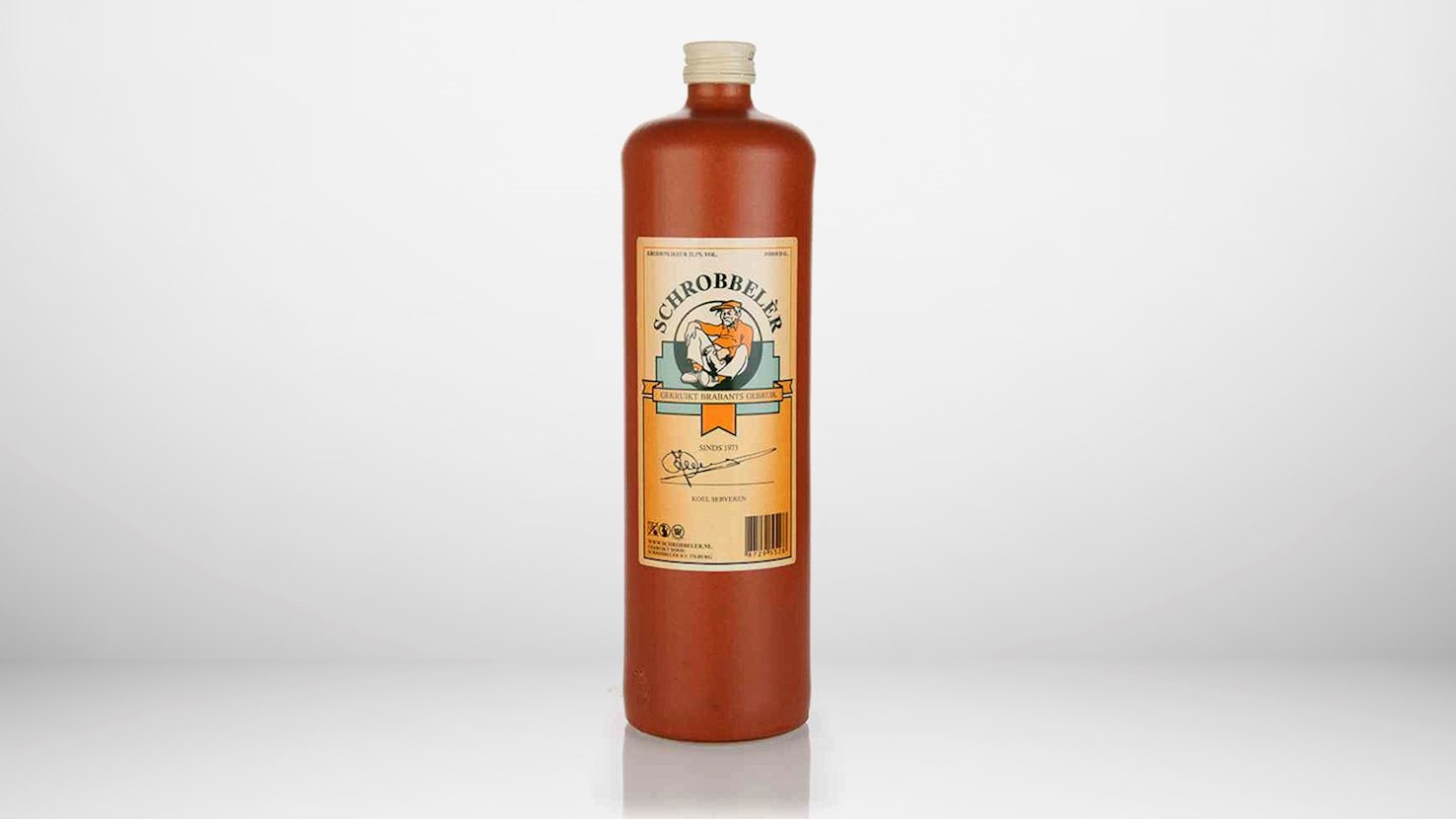
Schrobbelèr is a herbal liqueur hailing from Tilburg, Netherlands. It was created by Jan Wassing, a local who could not handle traditional liquors and spirits, so he decided to make a drink he could enjoy during the Carnival. The recipe is still a family secret, but it is known that the liqueur is flavored with 43 herbs. Schrobbelèr is a smooth, light amber liqueur with herbal flavor and aroma. It is intended for sipping and should be enjoyed chilled. Schrobbelèr is traditionally served neat or on the rocks, and it is sometimes paired with coffee. The name stems from the wool industry that was once important for the locals—schrobbelèr was the person who would untangle wool. Schrobbelèr is packed and sold in distinctive stone bottles. It has 21.5 % ABV.

Best Central European Herbal Liqueurs
01

Rossi Distillery

5.0 ·

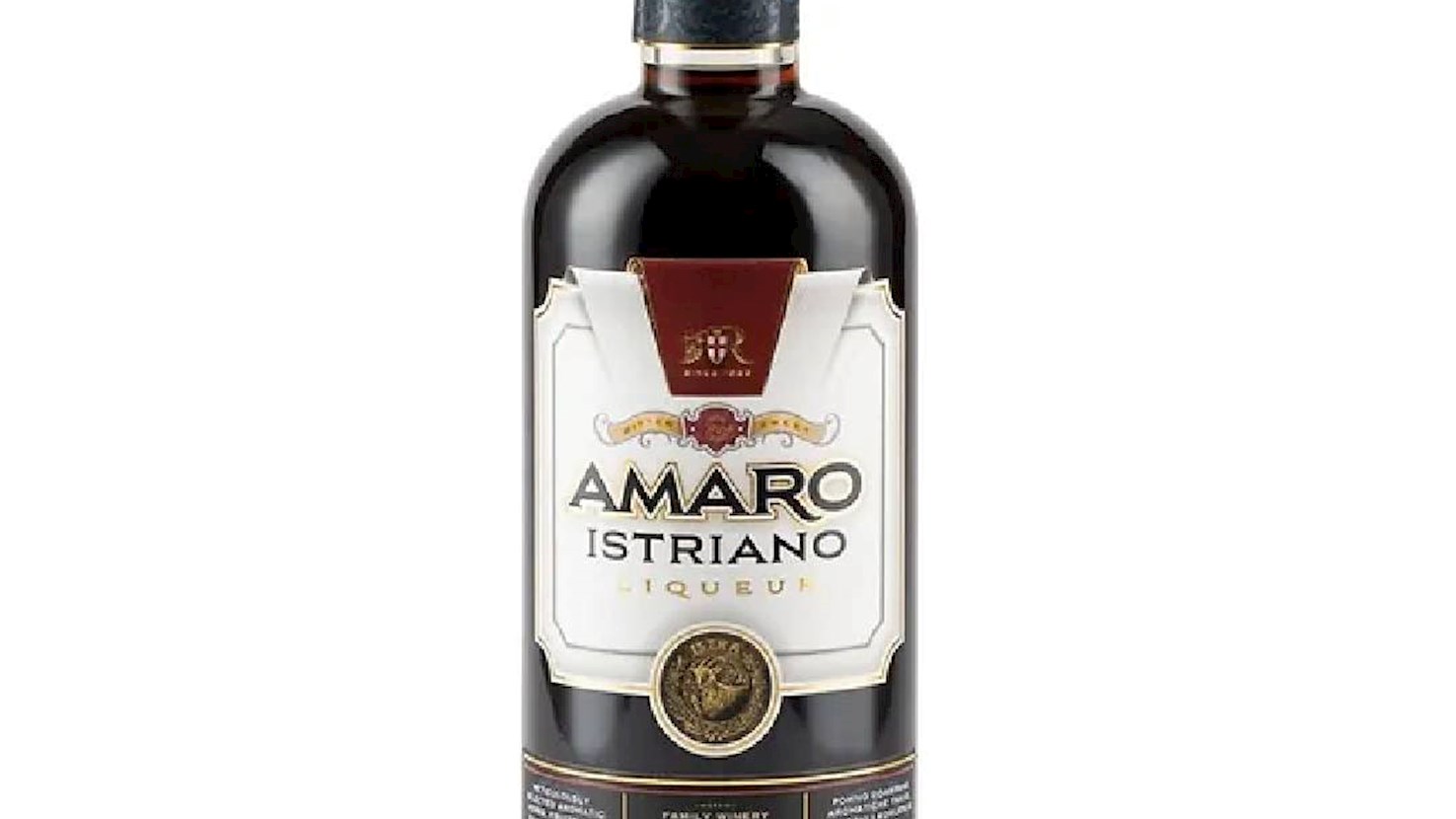
Rossi Winery is a family-owned winery and distillery with a long-standing tradition and a deep passion for viticulture and artisanal production. Since 1885, the Rossi family has been cultivating authentic grape varieties and crafting wines and spirits that reflect quality, character, and meticulous attention to detail.

Every step—from the vineyard to the bottle—embodies a blend of tradition and modern expertise. The winery is known for its outstanding Malvazija wines, complex reds, and innovative products such as Malvazija-based gin and aged brandies. All creations are produced in limited batches, with great respect for nature, terroir, and varietal expression.

Their work is recognized through numerous awards and the trust of those who value honest and refined craftsmanship. Rossi wines and spirits are not just products of skill and knowledge—they are expressions of family values and a deep connection to heritage. Enjoying their creations is a true wine and sensory experience.

Rossi Winery stands as a symbol of quality, consistency, and a modern approach to lasting tradition.

Awards
European Spirits Challenge - Gold (2024)
European Spirits Challenge - Silver (2024)
02

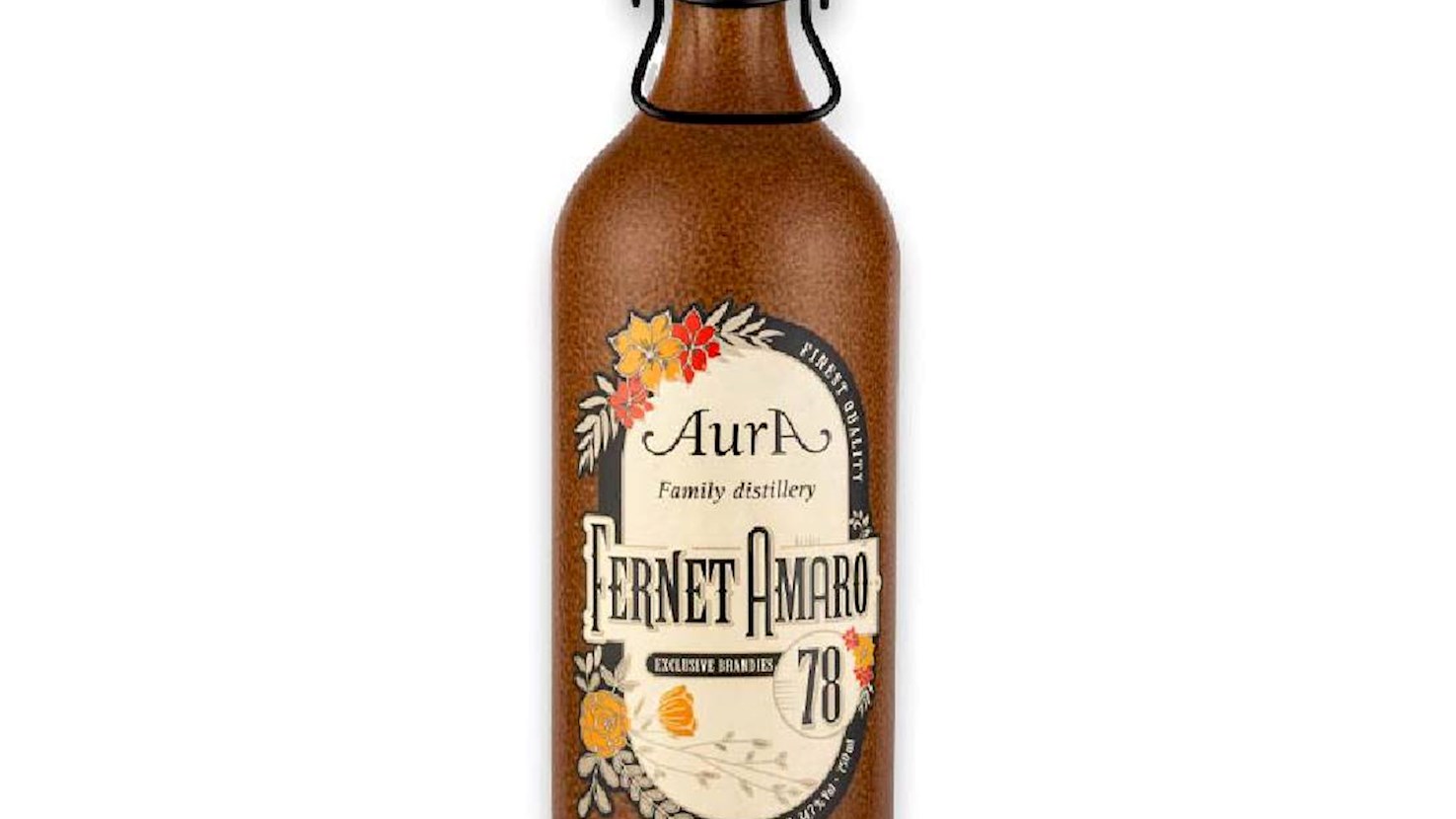
Aura Distillery

4.8 ·

Aura Distillery is a family-run business specializing in the production of spirits, liqueurs, jams, and gins made from wild herbs and fruits harvested in unspoiled nature. Their products are entirely natural, with no additives, artificial flavors, or colorings.

The distillery offers a diverse range of 25 types of brandies and liqueurs, four types of gin, and nine types of jams, alongside products like extra virgin olive oil and elderflower vinegar. Their flagship product, Teranino, is a liqueur made from Teran red wine and ten spices, renowned for winning numerous gold medals at prestigious global competitions. Visitors to the distillery can experience the entire production process, from fermentation and distillation to bottling and packaging.

Aura’s dedication to quality and tradition has made their products highly regarded both locally and internationally, with specialized stores across Istria, Rijeka, and several islands. Aura products reflect the richness of Istrian nature and heritage, earning recognition through awards at international events in the UK, France, Germany, and more. The brand is committed to preserving tradition while offering authentic and premium Istrian delicacies.

Awards
European Spirits Challenge - Gold (2024, 2023)
London Spirits Competition - Gold (2024)
03

Der Lachs

4.7 ·

Der Lachs is a historic liqueur producer whose origins date back to the 16th century and is now part of the German distilling group Hardenberg-Wilthen, one of the oldest and most prestigious companies in Germany’s alcoholic beverage industry. The brand is best known for its Original Danziger Goldwasser liqueur, distinguished by 22-carat gold flakes and a unique blend of selected herbs and spices, with an original recipe dating back to 1606.

The name “Der Lachs” (the salmon) comes from a house sign in the shape of a salmon that adorned the building of the original workshop of the Vermöllen family, the brand’s founders, and became the emblem of their production. Over the centuries, Der Lachs earned a reputation as a luxurious and symbolic drink, enjoyed at European courts and among high society.

Today, as part of the Hardenberg-Wilthen portfolio, the brand preserves its authentic identity, maintaining hand-selected ingredients, traditional production methods, and a distinctive visual style. In addition to Goldwasser, Der Lachs offers other specialty liqueurs that reflect its historical heritage and mastery of distillation, combining centuries-old tradition with modern quality standards.

04

Mampe Berlin

4.3 ·

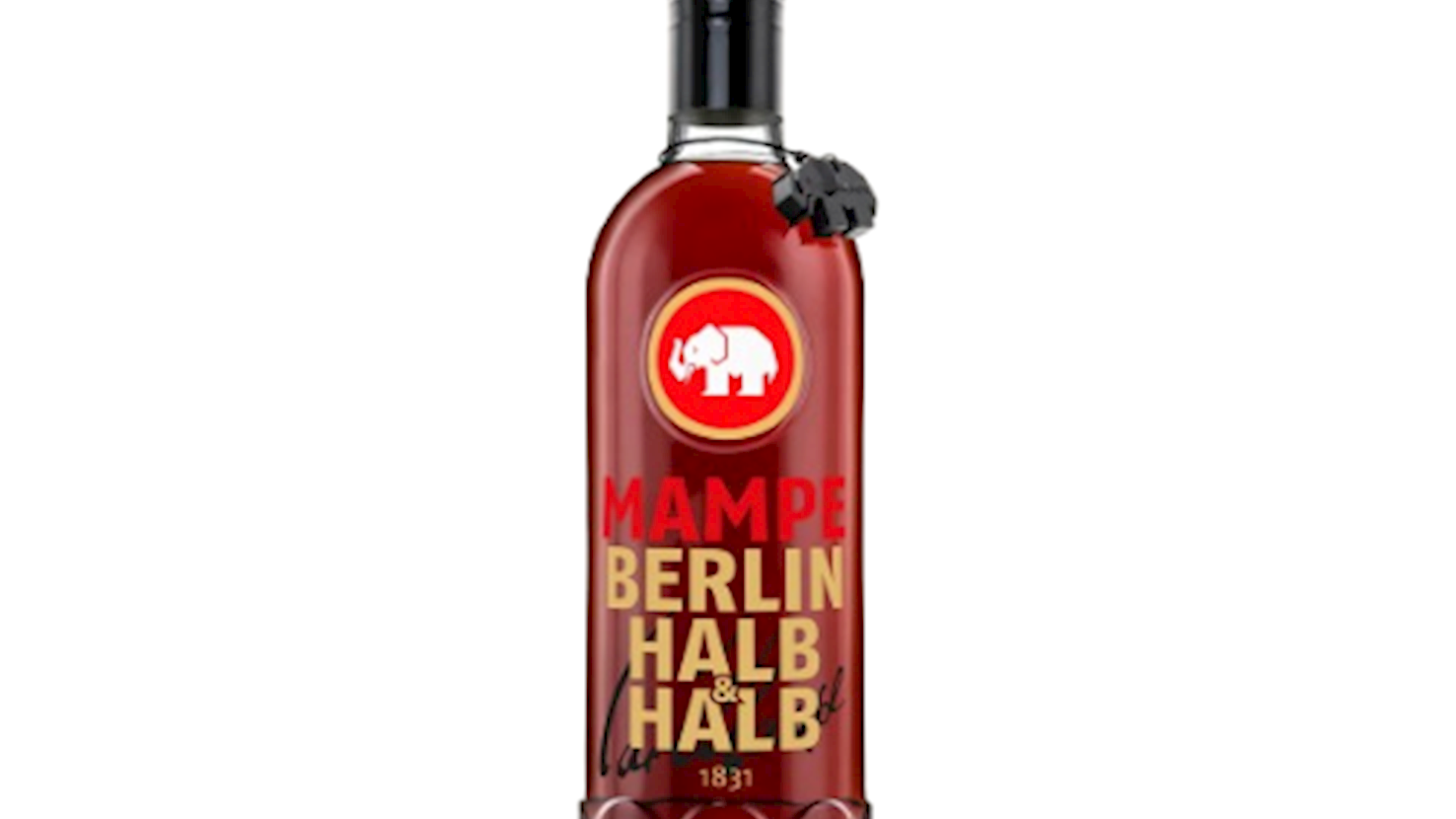
Mampe Berlin is one of Berlin’s oldest spirit manufacturers, with a history dating back to 1831 when Dr. Carl Mampe developed a herbal liqueur that quickly became part of the city’s drinking culture.

Over the decades, the brand has maintained a reputation built on precise formulations, botanical recipes, and a distinctly Berlin character. Its best-known product, “Halb&Halb”, is based on bitter orange and a blend of selected herbs, offering a pronounced, slightly bitter and aromatic profile.

Today, Mampe produces a broad range of liqueurs, gin, and other spirits, focusing on small batches and controlled production methods. The manufactory is located in the Kreuzberg district, where visitors can explore the distillery, take part in tastings, and learn about the brand’s historical development.

The spirits are characterized by clear, structured flavors with noticeable herbal and citrus notes, without excessive sweetness. Mampe positions itself at the intersection of historical heritage and Berlin’s contemporary bar scene.

05

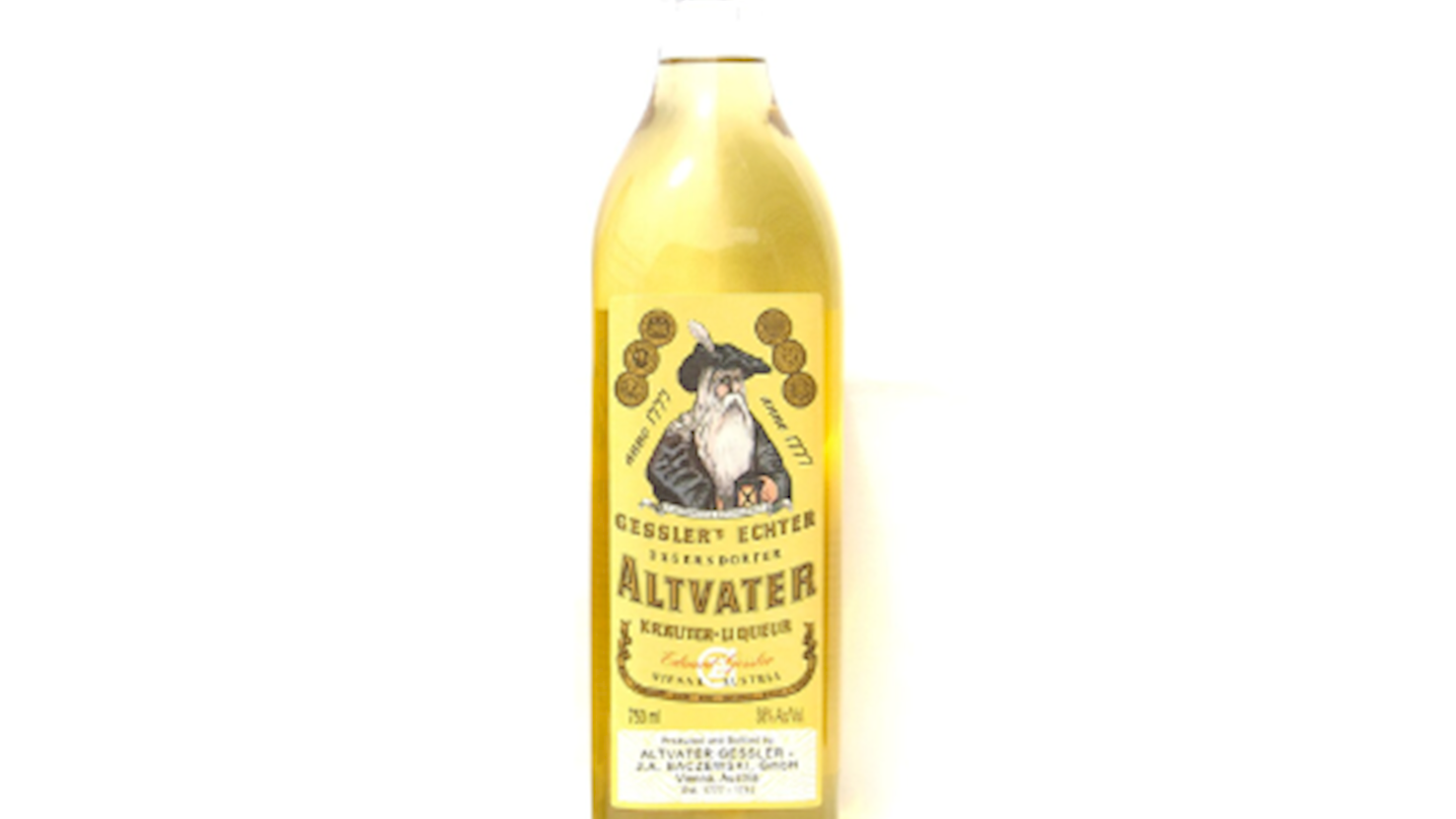
Altvater Gessler - J.A. Baczewski

4.2 ·

Altvater Gessler - J.A. Baczewski is an Austrian spirits company that brings together the heritage of two historic Central European distilling traditions, Gessler and J.A.

Baczewski. The company’s roots reach deep into history, with the Gessler name tracing back to the 17th century, while J.A.

Baczewski was formally established as a distilling brand in 1782 in Lviv. Following historical upheavals and ownership changes after World War II, Eduard Gessler reestablished and united both legacies in Vienna under the name Altvater Gessler - J.A.

Baczewski, preserving the continuity of the brand within an Austrian context. The company is particularly known for premium vodkas, liqueurs, gin, and other traditional spirit products, including Monopolowa vodka and the historic Altvater herbal liqueur.

Its identity is strongly rooted in old Central European distilling heritage, family ownership, and historic recipes. Although the brand’s origins are linked to present-day Poland and Ukraine, the company’s modern operations are based in Vienna, where its headquarters are located.

Altvater Gessler - J.A. Baczewski remains one of the rare historic spirits brands actively building its identity around a layered Austro-Hungarian and Central European legacy.

06

Badel 1862

4.2 ·

Badel 1862 is one of the oldest and largest Croatian companies specializing in the production of wines and spirits, headquartered in Zagreb, with a continuous tradition dating back to 1862. The company was formed through the development and consolidation of several historic Zagreb distilleries and wine cellars, establishing the industrial foundations of modern beverage production in Croatia.

Over more than a century and a half, Badel has built a strong identity grounded in industrial expertise, standardized production processes, and the preservation of classic recipes. Its portfolio covers a broad range of products, including fruit brandies, liqueurs, bitter aperitifs, vodka, gin, cognac-style spirits, wines, and non-alcoholic beverages.

Iconic brands such as Badel Pelinkovac, Stara Šljivovica, and Viljamovka hold a prominent position, enjoying strong regional recognition and long-standing market presence. In addition to its own production, the company plays an important role as a distributor of international brands, further strengthening its market position across the region.

Operations are organized through a network of affiliated companies in Croatia and neighboring countries, supported by significant export activities. In a contemporary context, Badel 1862 is undergoing a process of modernization and restructuring, with a clear focus on improving quality, refining its portfolio, and enhancing corporate governance.

Today, the company represents a balance between industrial heritage, regional identity, and adaptation to modern trends in beverage production.

Awards
IWSC- International wine & spirit competition - Spirit Gold Outstanding (2022)
07

Karlovarská Becherovka

4.1 ·

Becherovka is a historic Czech heritage brand with a strong identity deeply connected to Karlovy Vary, making it one of the most recognizable names to emerge from this renowned spa city and an important part of Czech cultural and industrial history. The brand dates back to 1807, when Josef Vitus Becher developed the original recipe, while his son Johann Nepomuk Becher later transformed the family business into a commercially established name with international reach.

The brand identity is built around a combination of tradition, secrecy, and regional origin, with Karlovy Vary remaining central to its story. Visually, Becherovka is instantly recognizable through its iconic flat green bottle, introduced in the early 20th century, which became a defining element of its brand image.

Over more than two centuries, the brand evolved from a local product into one of the Czech Republic’s most internationally recognized export symbols. Today, Becherovka operates under Jan Becher – Karlovarská Becherovka and is part of the global Pernod Ricard group, giving it international distribution strength while preserving its local heritage.

The brand extends beyond manufacturing through The Home of Becherovka in Karlovy Vary, an experiential visitor center dedicated to its history and production legacy. Its core brand values are continuity, authenticity, heritage, and a distinctive Czech identity.

As a brand, Becherovka successfully combines historical origin with modern global positioning while maintaining its status as one of the Czech Republic’s most enduring heritage names.

08

Schilkin

3.6 ·

Schilkin is a Berlin-based distillery whose roots date back to the early 20th century, when the Schilkin family began producing spirits drawing on Russian-Baltic heritage and traditional craftsmanship. Today, the company remains one of the established spirit producers in Berlin, with production facilities located in the Kaulsdorf district.

Its best-known product is Berliner Luft, a peppermint liqueur defined by a clear, intense mint flavor, mild sweetness, and a refreshing finish. Beyond this flagship label, the portfolio includes vodka, gin, fruit liqueurs, and herbal spirits developed through a balance of classic recipes and contemporary adaptations.

The style of the products is generally straightforward and aromatic, focusing on clarity and drinkability rather than heavy complexity. Throughout Berlin’s changing political and economic periods, Schilkin has maintained continuous production and a strong local identity.

Today, it represents a blend of historical continuity and urban drinking culture with a distinctly Berlin character.

Read more
View all
View map
About this ranking

TasteAtlas food rankings are based on the ratings of the TasteAtlas audience, with a series of mechanisms that recognize real users and that ignore bot, nationalist or local patriotic ratings, and give additional value to the ratings of users that the system recognizes as knowledgeable. For the “Top 25 Central European Herbal Liqueurs” list until July 01, 2026, 861 ratings were recorded, of which 726 were recognized by the system as legitimate. TasteAtlas Rankings should not be seen as the final global conclusion about food. Their purpose is to promote excellent local foods, instill pride in traditional dishes, and arouse curiosity about dishes you haven’t tried.

The initial list of top producers was compiled based on available reviews, awards, local recommendations, media and blog coverage, and consumer reviews. The list will be updated with ratings from TasteAtlas local ambassadors and TasteAtlas users.

Similar lists