Top 4 Eastern German Herbal Liqueurs

Last updated on June 10, 2026

Best Eastern German Herbal Liqueurs
01

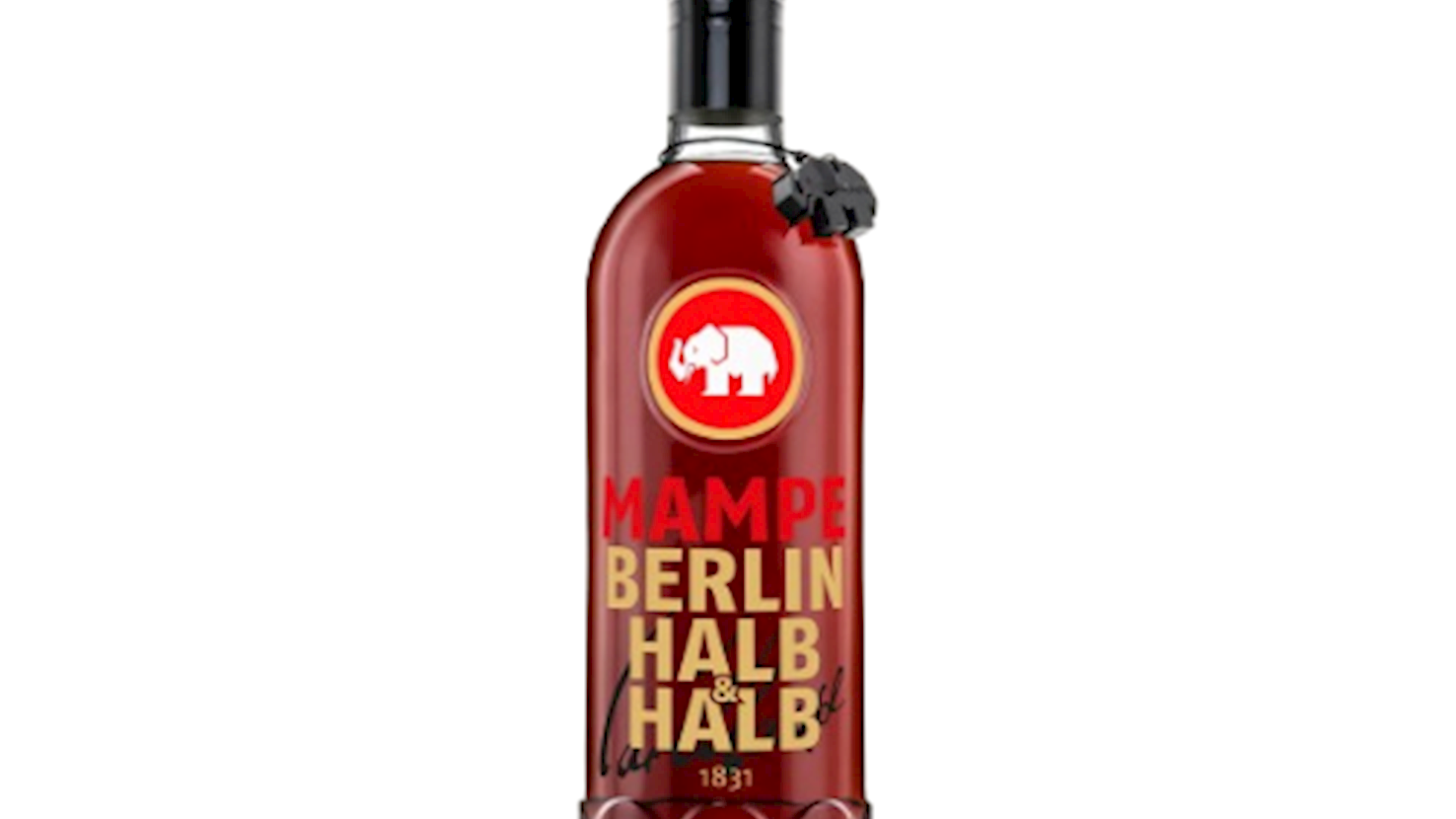
Mampe Berlin

4.3 ·
Mampe Berlin is one of Berlin’s oldest spirit manufacturers, with a history dating back to 1831 when Dr. Carl Mampe developed a herbal liqueur that quickly became part of the city’s drinking culture. Over the decades, the brand has maintained a reputation built on precise formulations, botanical recipes, and a distinctly Berlin character. Its best-known product, “Halb&Halb”, is based on bitter orange and a blend of selected herbs, offering a pronounced, slightly bitter and aromatic profile. Today, Mampe produces a broad range of liqueurs, gin, and other spirits, focusing on small batches and controlled production methods. The manufactory is located in the Kreuzberg district, where visitors can explore the distillery, take part in tastings, and learn about the brand’s historical development. The spirits are characterized by clear, structured flavors with noticeable herbal and citrus notes, without excessive sweetness. Mampe positions itself at the intersection of historical heritage and Berlin’s contemporary bar scene.
02

Schilkin

3.6 ·
Schilkin is a Berlin-based distillery whose roots date back to the early 20th century, when the Schilkin family began producing spirits drawing on Russian-Baltic heritage and traditional craftsmanship. Today, the company remains one of the established spirit producers in Berlin, with production facilities located in the Kaulsdorf district. Its best-known product is Berliner Luft, a peppermint liqueur defined by a clear, intense mint flavor, mild sweetness, and a refreshing finish. Beyond this flagship label, the portfolio includes vodka, gin, fruit liqueurs, and herbal spirits developed through a balance of classic recipes and contemporary adaptations. The style of the products is generally straightforward and aromatic, focusing on clarity and drinkability rather than heavy complexity. Throughout Berlin’s changing political and economic periods, Schilkin has maintained continuous production and a strong local identity. Today, it represents a blend of historical continuity and urban drinking culture with a distinctly Berlin character.

Best Eastern German Herbal Liqueur Types

01

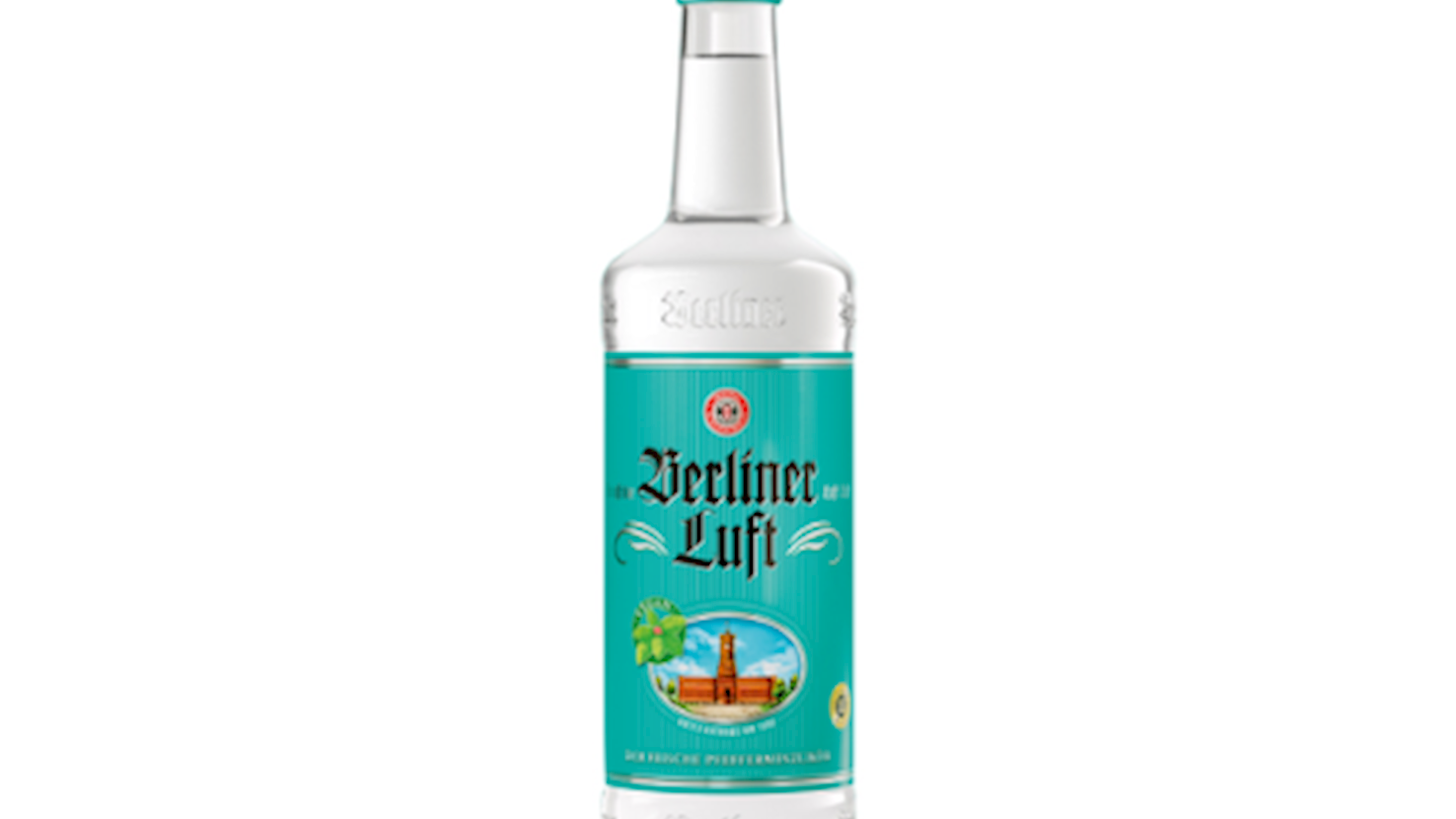
Berliner Luft

2.8 ·

Berliner Luft is a popular peppermint liqueur that originates from Berlin, Germany. This clear schnapps is characterized by a refreshing and sharp peppermint flavor, which often leaves a cool feeling in the mouth. Berliner Luft has grown in popularity both in and outside of Germany, and it's often consumed as a shot after meals or as part of various cocktails. The peppermint flavor makes it an ideal digestif, as it can feel quite refreshing after a hearty meal. The liqueur has become something of a cultural icon in Berlin and is often associated with the city's vibrant nightlife and party scene.

02

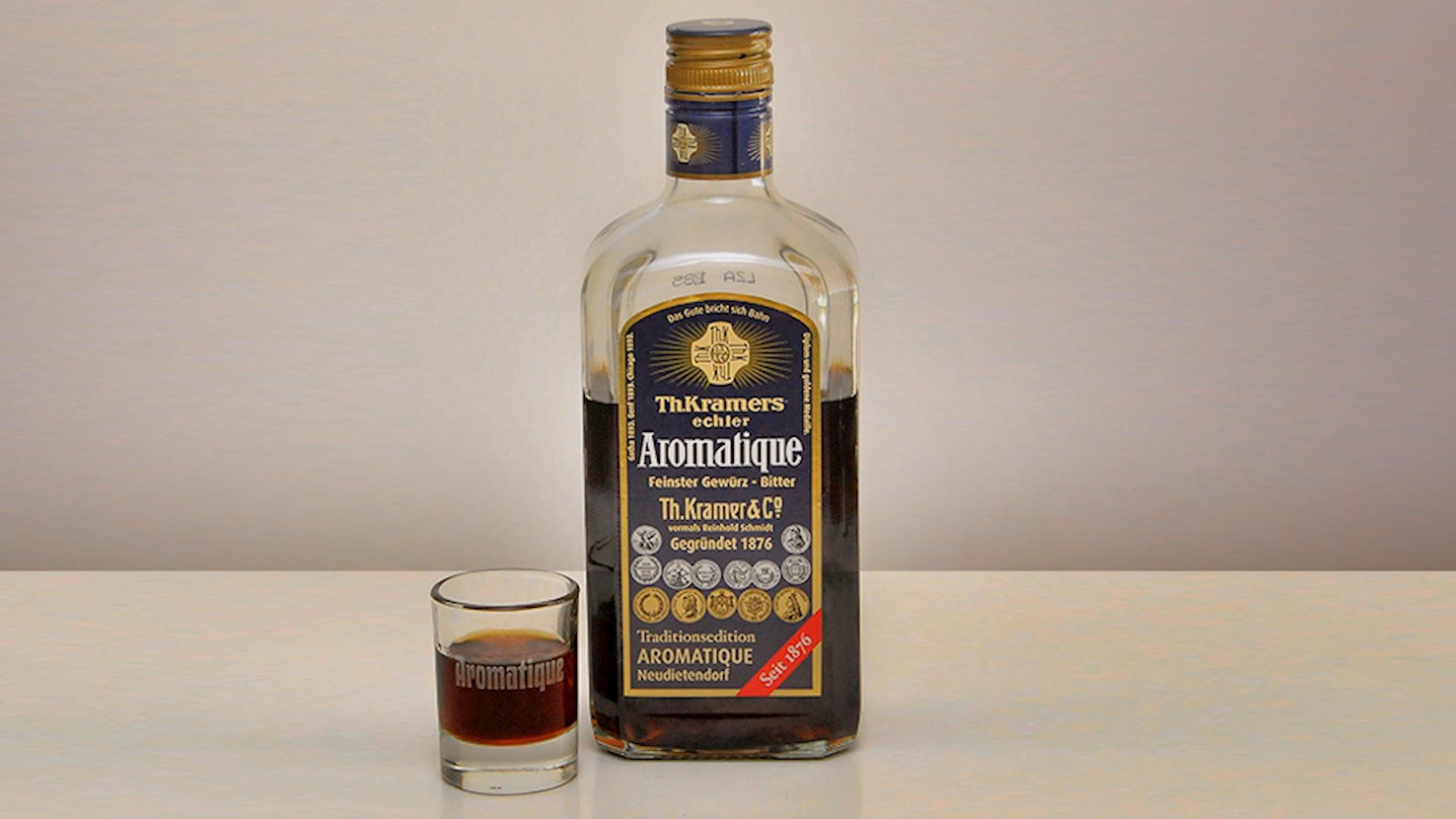
Aromatique

n/a ·

Aromatique is a German spice liqueur that dates back to 1828 when it was first conceived by a pharmacist Daniel Thraen. The base of the liqueur is the essence of carefully selected spices that is oak-aged for a year before it is bottled at 40% ABV. Although the drink was manufactured by numerous brands, today it is almost synonymous with Kramer's Aromatique, which is produced following a secret recipe dating back to 1876. Praised for its perfect balance of spices, sweetness, and bitterness, it is best served neat, preferably at room temperature or slightly chilled. It is usually enjoyed as an aperitif or digestif, but its complex aromas can also work well in cocktails and long drinks, as well as in mulled wine.

03

Pfefferminzlikör

n/a ·

Pfefferminzlikör is a peppermint-flavored liqueur with a high sugar content and a varying alcohol by volume usually ranging from 15% to 25%, most prominently associated with Germany and specifically the city of Berlin. The development of the beverage is linked to the industrial production of essential oils from Mentha × piperita and the rise of commercial distilleries in the late 19th and early 20th centuries. In the post-World War II era, the production of a specific clear or vibrant green variant became a significant industrial output in East Germany, notably under the brand Berliner Luft, which was manufactured by the state-owned enterprise VEB Getränkekombinat Berlin. Preparation of the liqueur involves the maceration of dried peppermint leaves in a neutral grain spirit or the direct integration of peppermint oil into a hydro-alcoholic solution. This mixture is then combined with a sugar syrup to achieve the required density and sweetness. A specific property of many German Pfefferminzlikör varieties is the absence of color in the premium versions, which relies on the purity of the menthol extraction to provide the flavor without vegetal pigments. The liqueur is served chilled, often at temperatures between 4°C and 8°C, and is frequently consumed as a "short" in shot glasses or integrated into cocktails such as the Grasshopper. In Germany, it is largely consumed in social nightlife settings, bars, and festivals, where it is often referred to by the colloquial name "Pfeffi." Because of the cooling sensation caused by the menthol triggering the TRPM8 sensory receptors, it is functional as a digestif after heavy or lipid-rich meals. It is paired with dark chocolate-based desserts to create a flavor profile similar to confectionary mints or used as a topping for vanilla ice cream. In beverage pairings, it is sometimes combined with cocoa-based drinks or served alongside a neutral lager to contrast the intense sweetness and cooling effect of the peppermint with the bitterness of hops.

Best producers
04

Berliner Kümmel

n/a ·

Berliner Kümmel is a caraway-flavored spirit from Berlin, belonging to the family of clear herbal liqueurs known as Kümmel. It is produced by infusing neutral grain alcohol with caraway seeds, often alongside secondary botanicals such as cumin, fennel, or anise, to create a sharp yet slightly sweet aromatic profile. The drink typically contains around 38 to 40 percent alcohol by volume and has long been regarded as a digestif associated with Berlin’s culinary and social life. The production of caraway-based spirits in northern Europe dates back to the late Middle Ages, but Berliner Kümmel emerged as a distinct local product in the 19th century, when Berlin’s distilleries became known for refining spiced schnapps and herbal liqueurs intended to accompany hearty Prussian and northern German dishes. Early recipes emphasized purity of flavor and clarity, relying on caraway grown in the sandy soils of northern Germany and the Baltic coast. The maceration process involves soaking the seeds and herbs in high-proof neutral spirit, followed by slow distillation to extract essential oils while retaining a smooth texture. The resulting distillate is sometimes lightly sweetened with sugar syrup before being filtered and bottled, producing a clear, fragrant schnapps with the characteristic balance of spicy and herbal notes. Berliner Kümmel is most often served neat and well chilled in small glasses, particularly after meals featuring rich meats, sausages, or cabbage dishes. Some Berlin taverns and restaurants also serve it alongside beer as part of a casual pairing, where the crisp bitterness of lager complements the sweetness and spice of the Kümmel. While Kümmel liqueurs are produced in several regions, the Berlin version is known for its dry, clean finish and restrained sweetness compared to Dutch or Baltic interpretations. Its association with Berlin’s social drinking culture remains strong, appearing in both old-style Kneipen and upscale establishments.

Read more
View all
View map
About this ranking

TasteAtlas food rankings are based on the ratings of the TasteAtlas audience, with a series of mechanisms that recognize real users and that ignore bot, nationalist or local patriotic ratings, and give additional value to the ratings of users that the system recognizes as knowledgeable. For the “Top 4 Eastern German Herbal Liqueurs” list until June 10, 2026, 29 ratings were recorded, of which 26 were recognized by the system as legitimate. TasteAtlas Rankings should not be seen as the final global conclusion about food. Their purpose is to promote excellent local foods, instill pride in traditional dishes, and arouse curiosity about dishes you haven’t tried.

The initial list of top producers was compiled based on available reviews, awards, local recommendations, media and blog coverage, and consumer reviews. The list will be updated with ratings from TasteAtlas local ambassadors and TasteAtlas users.

Similar lists