Top 16 German Herbal Liqueurs

Last updated on July 22, 2026

Best German Herbal Liqueurs
01

Der Lachs

4.7 ·

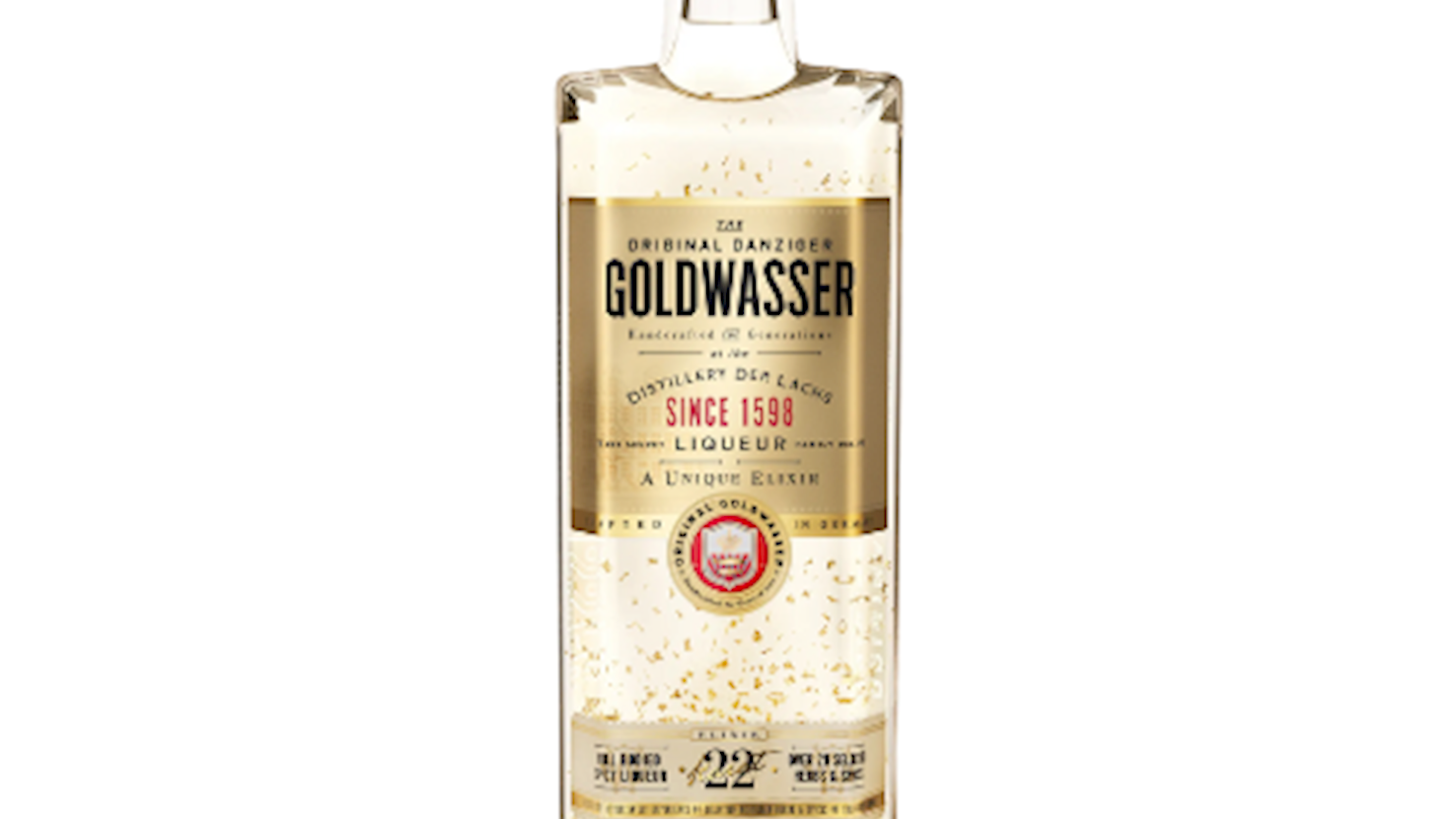
Der Lachs is a historic liqueur producer whose origins date back to the 16th century and is now part of the German distilling group Hardenberg-Wilthen, one of the oldest and most prestigious companies in Germany’s alcoholic beverage industry. The brand is best known for its Original Danziger Goldwasser liqueur, distinguished by 22-carat gold flakes and a unique blend of selected herbs and spices, with an original recipe dating back to 1606.

The name “Der Lachs” (the salmon) comes from a house sign in the shape of a salmon that adorned the building of the original workshop of the Vermöllen family, the brand’s founders, and became the emblem of their production. Over the centuries, Der Lachs earned a reputation as a luxurious and symbolic drink, enjoyed at European courts and among high society.

Today, as part of the Hardenberg-Wilthen portfolio, the brand preserves its authentic identity, maintaining hand-selected ingredients, traditional production methods, and a distinctive visual style. In addition to Goldwasser, Der Lachs offers other specialty liqueurs that reflect its historical heritage and mastery of distillation, combining centuries-old tradition with modern quality standards.

02

Mampe Berlin

4.3 ·

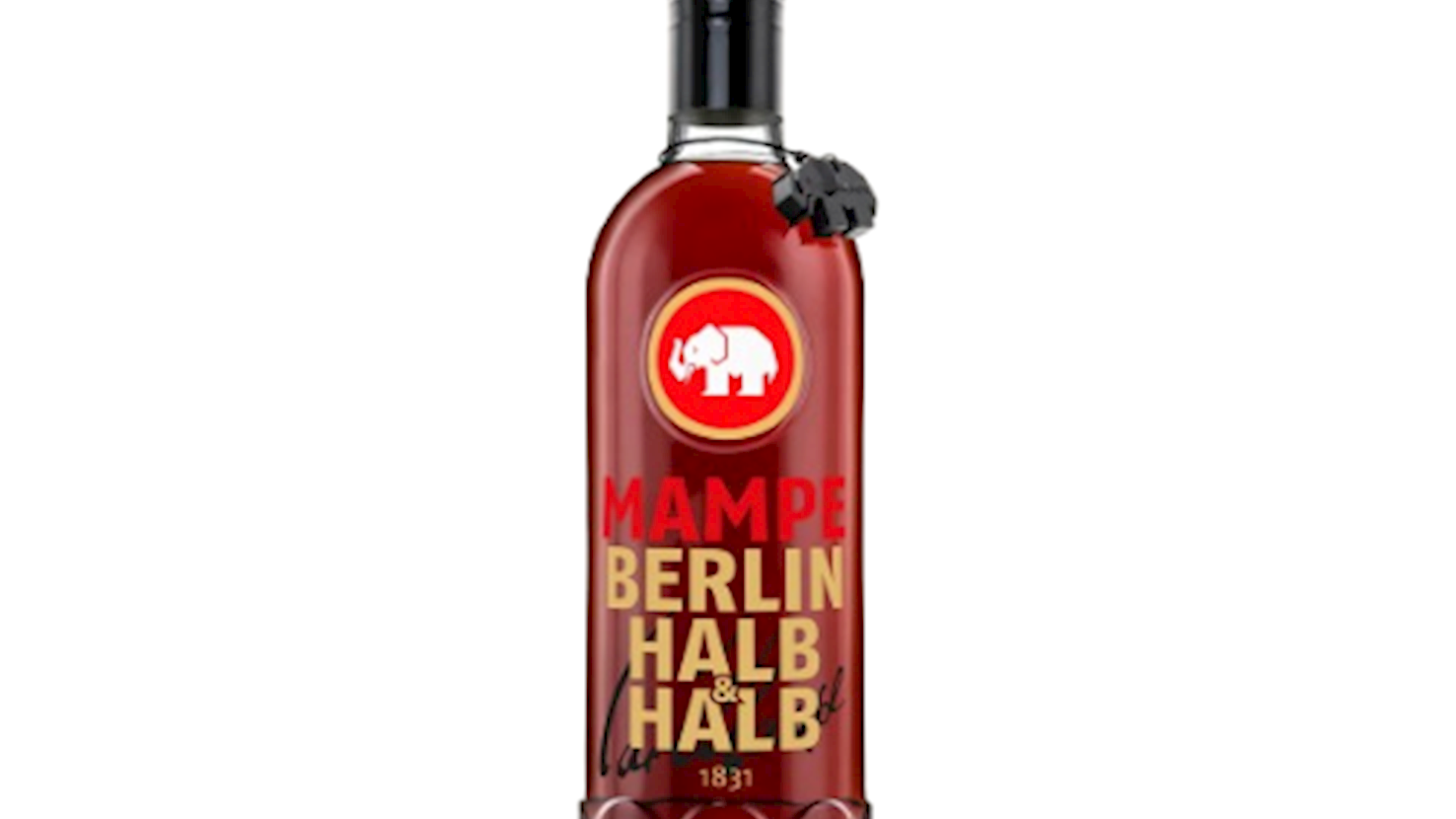
Mampe Berlin is one of Berlin’s oldest spirit manufacturers, with a history dating back to 1831 when Dr. Carl Mampe developed a herbal liqueur that quickly became part of the city’s drinking culture.

Over the decades, the brand has maintained a reputation built on precise formulations, botanical recipes, and a distinctly Berlin character. Its best-known product, “Halb&Halb”, is based on bitter orange and a blend of selected herbs, offering a pronounced, slightly bitter and aromatic profile.

Today, Mampe produces a broad range of liqueurs, gin, and other spirits, focusing on small batches and controlled production methods. The manufactory is located in the Kreuzberg district, where visitors can explore the distillery, take part in tastings, and learn about the brand’s historical development.

The spirits are characterized by clear, structured flavors with noticeable herbal and citrus notes, without excessive sweetness. Mampe positions itself at the intersection of historical heritage and Berlin’s contemporary bar scene.

Best German Herbal Liqueur Types

01

Jägermeister

3.4 ·

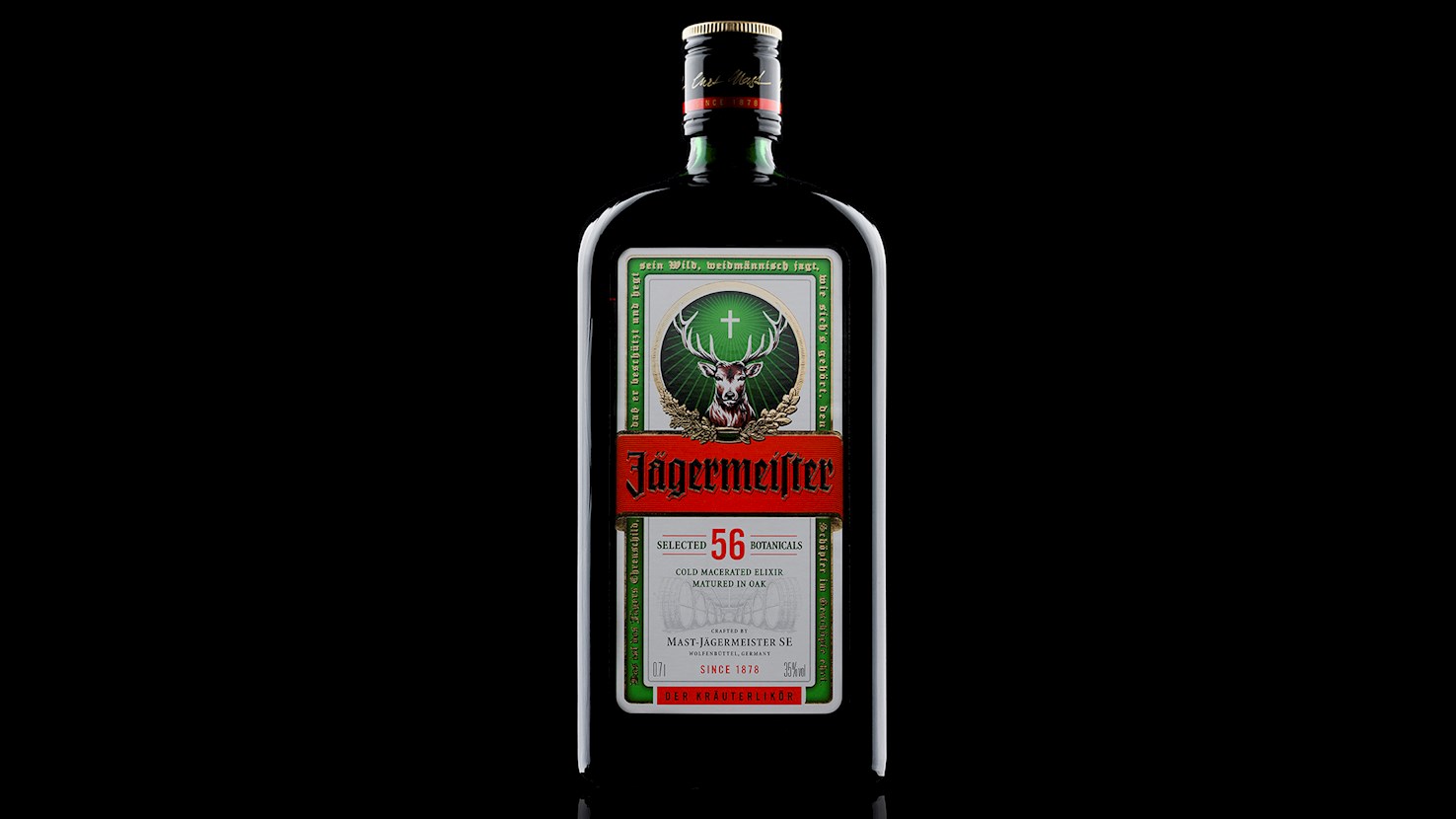
This popular German herbal liqueur was developed in 1934 by Curt Mast. He created the base of the drink with 56 different herbs, roots, and fruits that are macerated in a combination of alcohol and water. The procedure is repeated several times, and the drink is left to age in oak casks before it is combined with alcohol, caramel, sugar, and water to achieve a drinking strength of 35% vol. Since Mast was a hunter, he drew the inspiration for the now classic Jägermeister logo—a stag with a glowing cross between its antlers—from the tale of St. Hubertus, the patron saint of hunters. Nowadays, Jägermeister is a renowned international drink that should always be served ice-cold and is predominantly enjoyed as a shot, but it can also blend well in cocktails.

02

Kräuterlikör

3.2 ·

The term kräuterlikör denotes different types of European herb liqueurs, predominantly German, which are also known as halbbitter (half bitters). They appeared soon after the introduction of distillation and were primarily invented as medical remedies. The most notable kräuterlikör brands include Jägermeister, Underberg, Becherovka, Unicum, Riga Black Balsam, Killepitsch, Kuemmerling, and Aromatique. Although all varieties can be incorporated into cocktails and long drinks, they are traditionally enjoyed well-chilled and neat, preferably as a digestif.

03

Killepitsch

2.8 ·

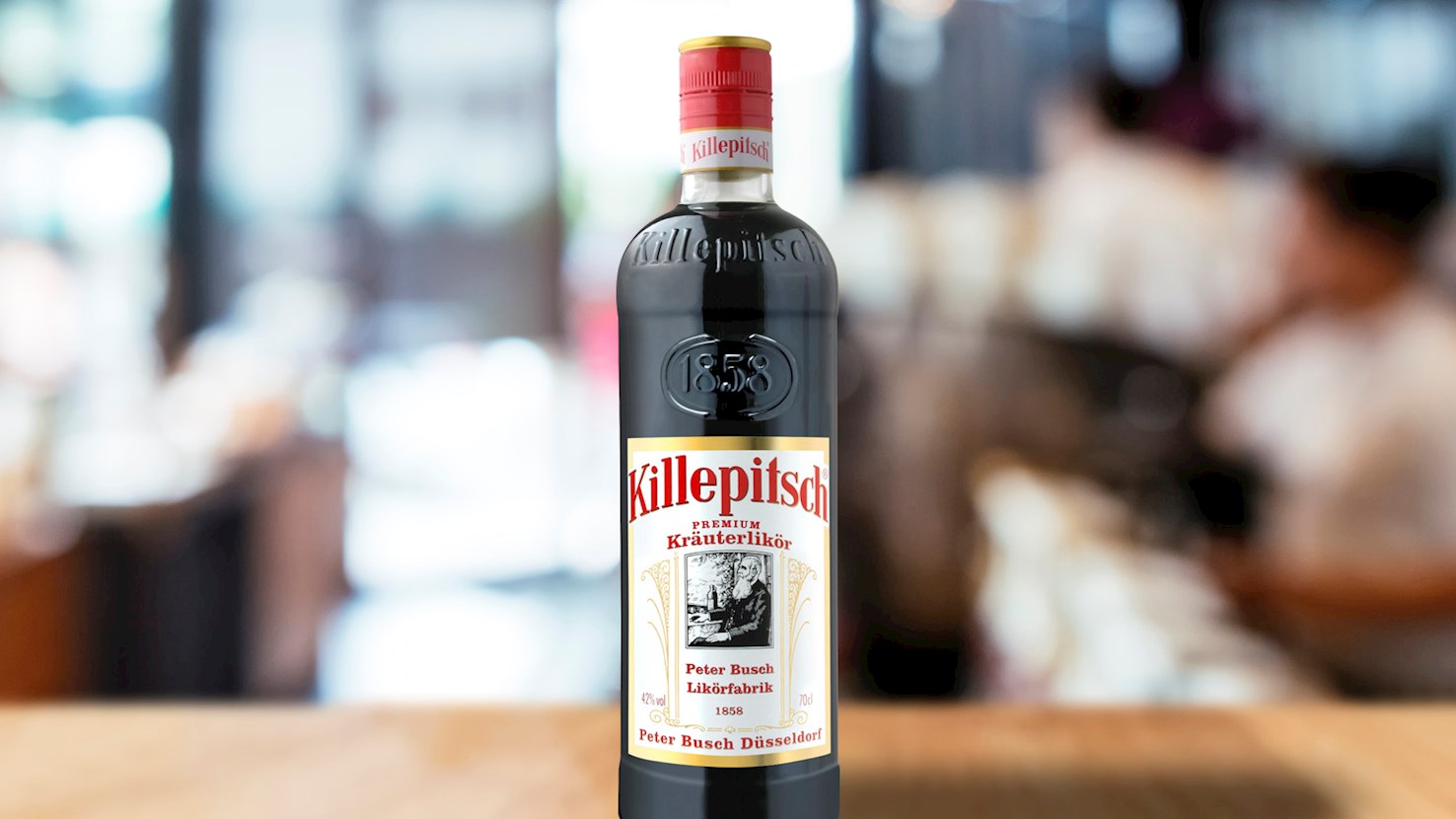
Killepitsch is a German herbal liqueur (kräuterlikör) that is made with 98 different herbs and spices. The drink has been produced since 1858 by the Busch family from Düsseldorf, and the original recipe is still kept secret. Killepitsch is a rich and smooth dark red liqueur that is characterized by bittersweet flavor and aromas of dried fruit and warming spices. It is best served well chilled, and it is mostly enjoyed as a digestif. Killepitsch is bottled at 42% ABV.

04

Berliner Luft

2.8 ·

Berliner Luft is a popular peppermint liqueur that originates from Berlin, Germany. This clear schnapps is characterized by a refreshing and sharp peppermint flavor, which often leaves a cool feeling in the mouth. Berliner Luft has grown in popularity both in and outside of Germany, and it's often consumed as a shot after meals or as part of various cocktails. The peppermint flavor makes it an ideal digestif, as it can feel quite refreshing after a hearty meal. The liqueur has become something of a cultural icon in Berlin and is often associated with the city's vibrant nightlife and party scene.

05

Underberg

2.8 ·

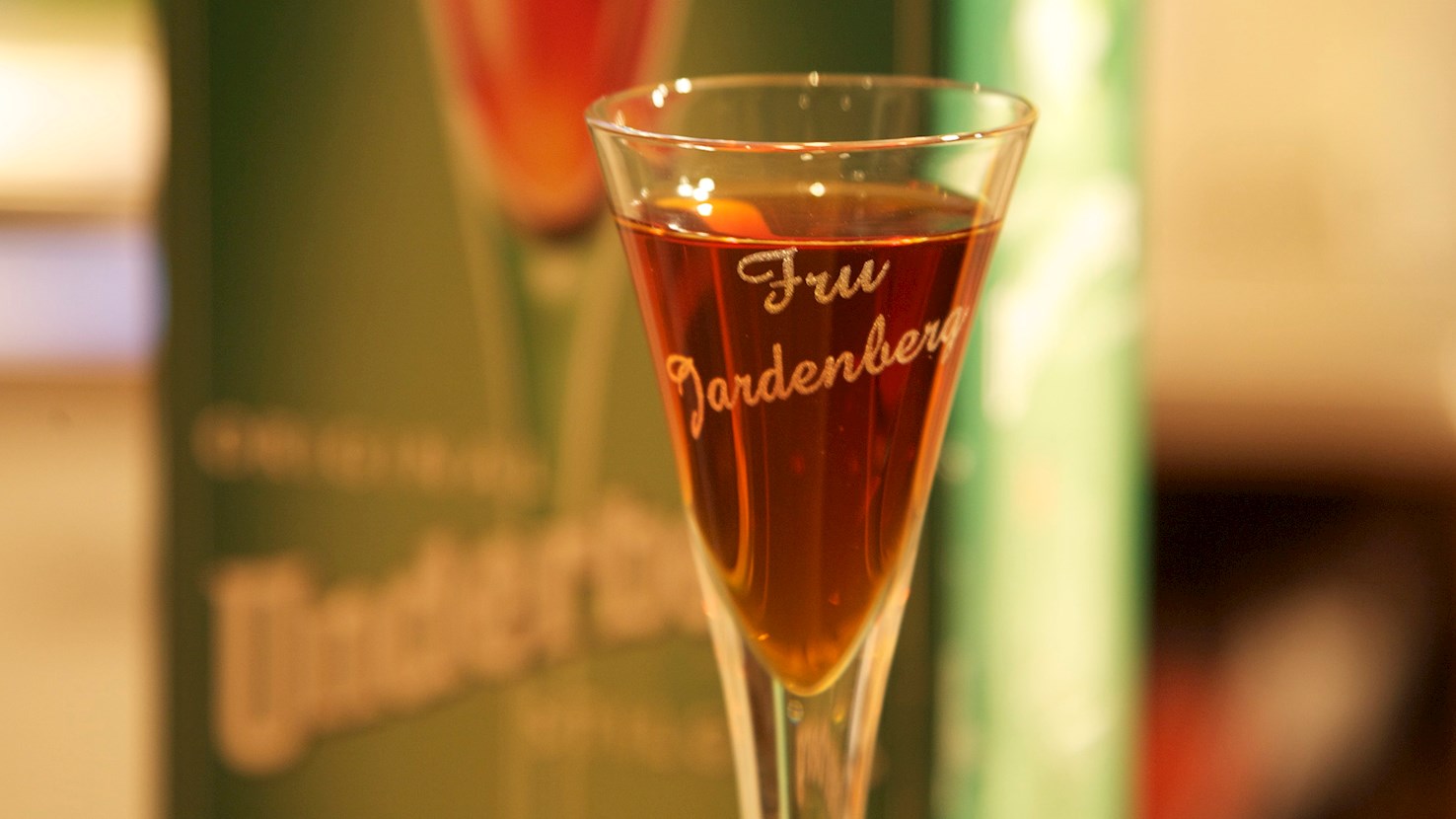
This German herbal liqueur is produced with the aromatic extraction of 43 herbs that results in an amber-colored, herbal drink, with notes of spices and licorice. The base is then aged in oak casks before it is adjusted with fresh spring water to reach the 44% ABV. Underberg is still produced following the original recipe, which dates back to 1851 and is only known by the members of Underberg family. The drink is traditionally enjoyed as a digestif, typically served in the signature tall glasses. It is sold in copyrighted 20ml bottles that are wrapped in straw paper.

06

Kuemmerling

2.6 ·

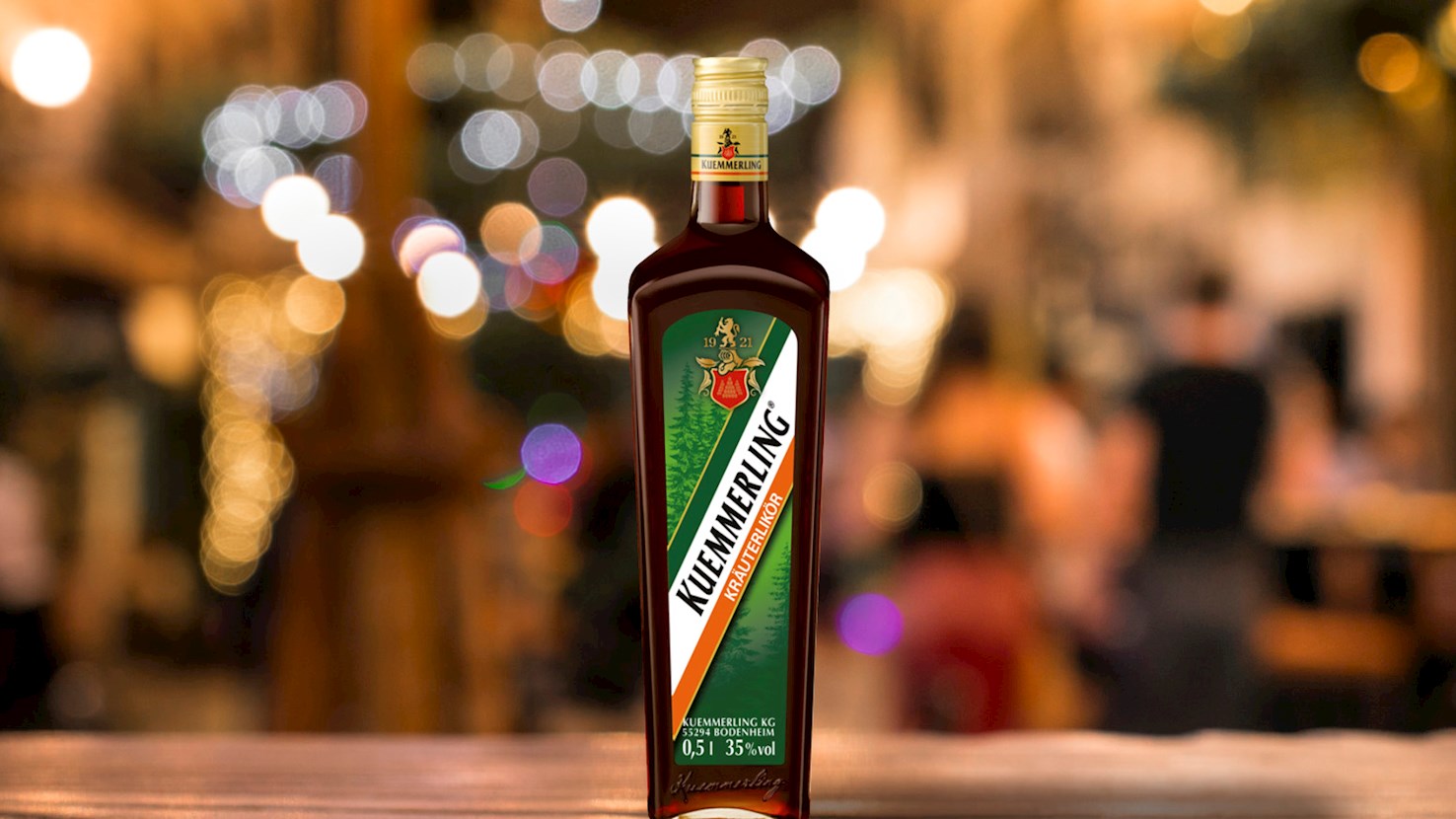
Kuemmerling is a type of herb liqueur that is classified as a kräuterlikör. It was created by Hugo Kümmerling in 1938, and since 1963 the drink has been produced in Bodenheim. Although the exact recipe is kept secret, Kuemmerling is created with a large selection of herbs and spices such as cloves, cinnamon bark, licorice, wormwood, mint, calamus, and angelica root. It is an amber-colored drink that is characterized by herbaceous and bittersweet flavors. The drink is bottled at 35% ABV, and it is usually sold in the 20ml miniature spirit bottles. Kuemmerling is best served well chilled, preferably in a shot glass, and it is mostly enjoyed as a digestif, although it can also be incorporated into cocktails and long drinks.

07

Münchener Kümmel

n/a ·

Münchener Kümmel is a clear, caraway-flavored liqueur that originates from Munich. It belongs to a category of herbal spirits that are commonly consumed throughout German-speaking regions, especially in the context of digestifs or post-meal drinks. The defining ingredient is caraway seed, which imparts a sharp, aromatic profile that sets it apart from sweeter or more anise-forward liqueurs. While the precise recipes may vary by producer, the base formula typically involves distilling neutral alcohol with caraway and occasionally blending it with other subtle botanicals such as fennel or coriander, followed by sweetening and dilution to a drinkable strength. Münchener Kümmel has roots in the distilling history of the city and was once produced by several Munich-based operations, though its presence has fluctuated over time due to shifts in consumer preferences and industry consolidation. Unlike mass-market spirits, this liqueur is more closely tied to regional drinking customs and is generally encountered in local taverns, specialty shops, or through small-batch distilleries that continue to maintain the recipe. Its taste is clean, dry, and herbaceous, with a slightly oily mouthfeel and a long-lasting caraway finish, making it a drink favored by those who appreciate assertive, spice-driven flavors without added complexity for its own sake. The alcohol by volume (ABV) of Münchener Kümmel typically ranges between 35% and 40%, depending on the producer, placing it on par with many other clear liqueurs in strength. Often served neat and chilled, it remains a niche but respected component of southern German drinking culture. Its authenticity and geographic specificity are recognized by the European Union through the designation of Protected Geographical Indication (PGI).

08

Bayerischer Kräuterlikör

n/a ·

Bayerischer Kräuterlikör is a herbal liqueur from Bavaria in southern Germany, known for its robust blend of aromatic herbs, roots, and spices steeped in alcohol to create a deep, bittersweet flavor. This category of liqueurs has long been associated with Alpine regions where herbal preparations developed both as beverages and as digestive remedies. In Bavaria, Kräuterlikör emerged as part of monastic and rural distilling practices that drew on locally foraged botanicals. The origins of Bayerischer Kräuterlikör date back several centuries when monks and apothecaries experimented with preserving medicinal plants in alcohol. Over time, these preparations evolved from purely medicinal tinctures into flavored spirits enjoyed socially and valued for their reputed digestive benefits. By the 19th century, Kräuterlikör had become established as a specialty of Bavarian distilleries, each developing proprietary recipes with unique combinations of herbs such as gentian root, wormwood, anise, and angelica. These recipes were often closely guarded and passed down within families or monastic communities. Preparation begins by macerating a carefully measured selection of dried and fresh herbs, barks, and spices in neutral grain spirit. The mixture is left to steep for a period ranging from several days to several weeks, depending on the distillery’s methods and the desired intensity of aroma. After maceration, the infusion is pressed and filtered, then blended with sugar syrup to achieve a balanced sweetness that softens the bitter elements. Some producers age the liqueur in oak barrels to develop complexity, while others bottle it after a brief resting period. Producers in Bavaria often emphasize the use of alpine herbs and regional ingredients, which give Bayerischer Kräuterlikör its distinct local character compared to other German herbal liqueurs. Alcohol content varies but is usually between 30 and 40 percent ABV. Bottles are typically dark glass to protect the herbal extracts from light. Bayerischer Kräuterlikör is usually served neat in small glasses, often chilled or at cellar temperature. It is a customary digestif after hearty Bavarian meals such as roast pork, sausages, or dumplings. In alpine inns and beer halls, it is common to offer a small glass alongside coffee or dessert. Some locals also use a splash to enrich cakes or to flavor whipped cream. Whether enjoyed slowly after dinner or shared in a toast among friends, this liqueur remains a distinctive expression of Bavarian herbal craft.

09

Aromatique

n/a ·

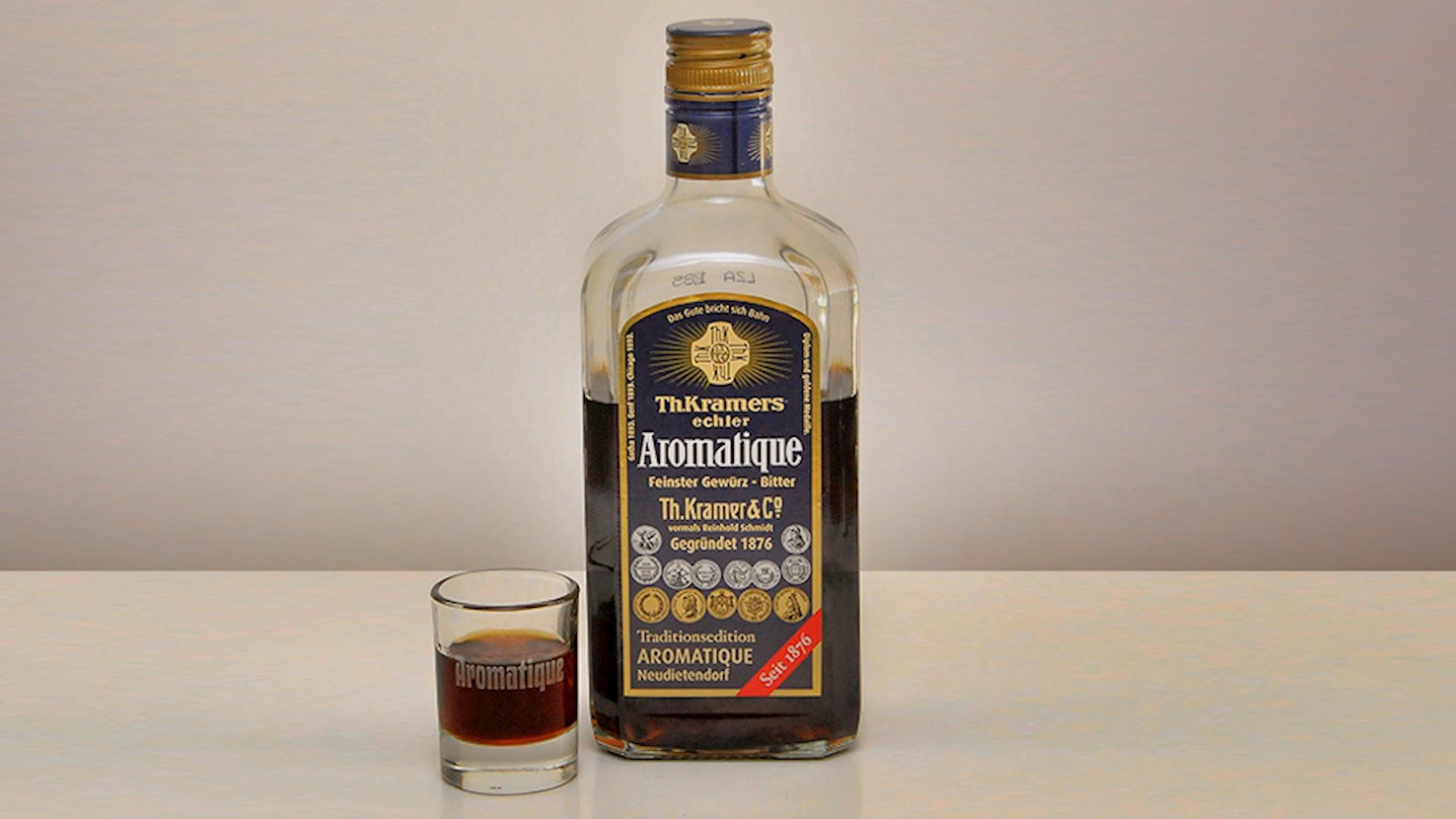
Aromatique is a German spice liqueur that dates back to 1828 when it was first conceived by a pharmacist Daniel Thraen. The base of the liqueur is the essence of carefully selected spices that is oak-aged for a year before it is bottled at 40% ABV. Although the drink was manufactured by numerous brands, today it is almost synonymous with Kramer's Aromatique, which is produced following a secret recipe dating back to 1876. Praised for its perfect balance of spices, sweetness, and bitterness, it is best served neat, preferably at room temperature or slightly chilled. It is usually enjoyed as an aperitif or digestif, but its complex aromas can also work well in cocktails and long drinks, as well as in mulled wine.

10

Bayerischer Blutwurz

n/a ·

Bayerischer Blutwurz is a herbal liqueur that comes from Bavaria, Germany, particularly the Lower Bavaria region where it has been produced for generations. The drink takes its name from the potentilla root known locally as Blutwurz, a plant with reddish underground parts that contain high levels of tannins. These tannins contribute a dry, bitter taste and a deep amber color that set the liqueur apart from other herbal spirits. The preparation begins by harvesting the potentilla roots, cleaning and drying them thoroughly, then steeping them in high-proof neutral alcohol to extract their intense flavors. The infusion is filtered and combined with other botanicals, which can vary by producer, before being blended into a finished liqueur with a moderately high alcohol content, often around 40 to 50 percent. The result is a spirit with a pronounced earthy bitterness, slight astringency, and a lingering herbal finish. Bayerischer Blutwurz is commonly consumed neat in small glasses as a digestif, often after a rich meal. In parts of Bavaria, it is also drizzled over desserts or incorporated into cocktails to add complexity. The liqueur’s distinctive character comes not only from the root but also from the way each producer adjusts the proportion of botanicals and sweeteners to create their own interpretation. Because the recipes are closely guarded, different brands can taste noticeably different, ranging from sharper and more tannic versions to smoother blends with hints of warm spices. Historically, potentilla root was used in folk remedies for digestive issues and to treat wounds, which contributed to its adoption in alcoholic preparations meant to soothe the stomach. Modern production methods are regulated to ensure consistent quality, and bottles are often sold in distinctive packaging that highlights their Bavarian origin.

Read more
View all
View map
About this ranking

TasteAtlas food rankings are based on the ratings of the TasteAtlas audience, with a series of mechanisms that recognize real users and that ignore bot, nationalist or local patriotic ratings, and give additional value to the ratings of users that the system recognizes as knowledgeable. For the “Top 16 German Herbal Liqueurs” list until July 22, 2026, 513 ratings were recorded, of which 449 were recognized by the system as legitimate. TasteAtlas Rankings should not be seen as the final global conclusion about food. Their purpose is to promote excellent local foods, instill pride in traditional dishes, and arouse curiosity about dishes you haven’t tried.

The initial list of top producers was compiled based on available reviews, awards, local recommendations, media and blog coverage, and consumer reviews. The list will be updated with ratings from TasteAtlas local ambassadors and TasteAtlas users.

Similar lists