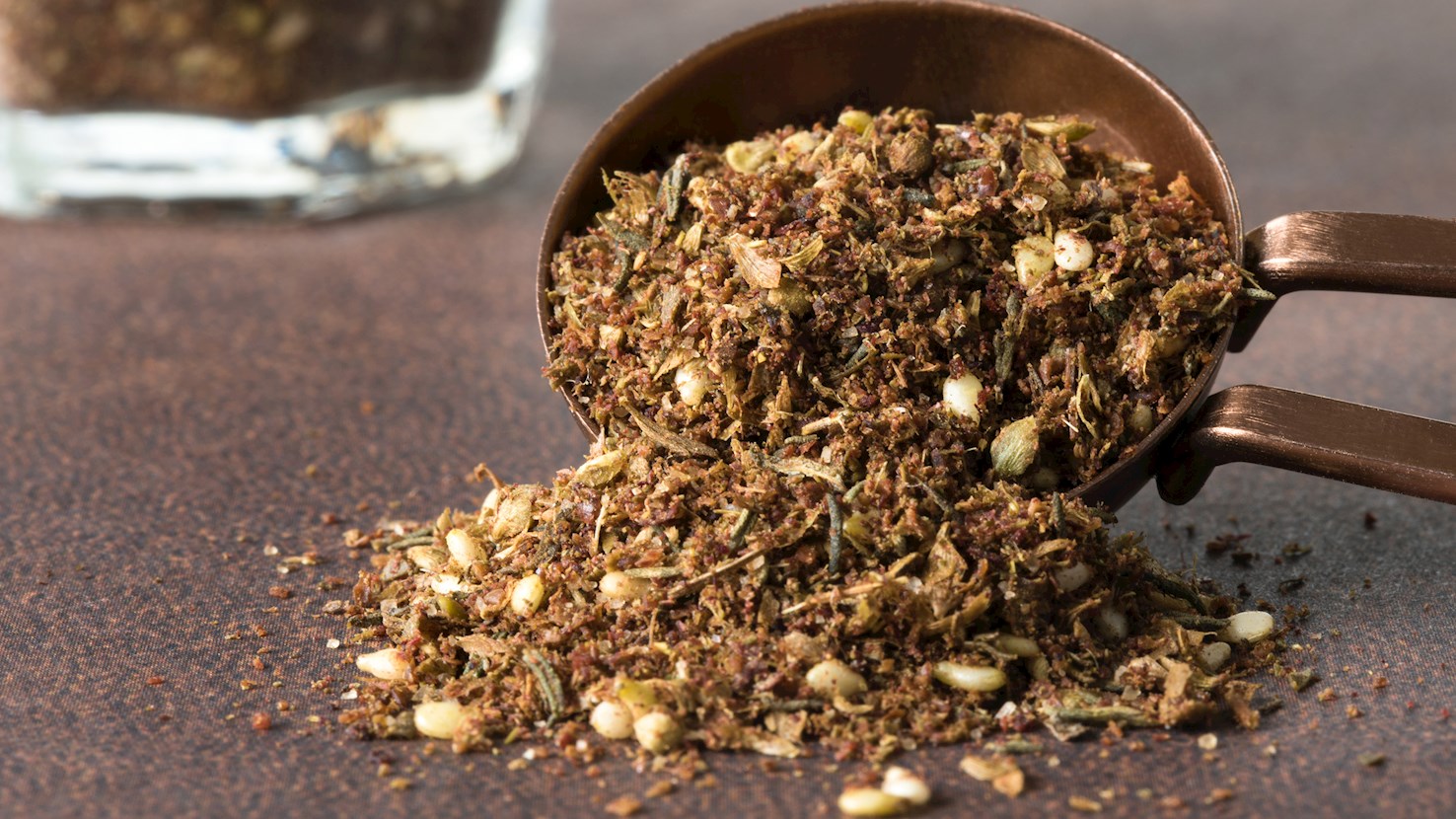
Za’atar is a herb and spice blend that comes from the Levant region, especially associated with Lebanon, Syria, Jordan, and Palestine, though its use extends across much of the Middle East. It is recognized by its earthy, tangy, and slightly nutty flavor, often made with a base of dried thyme or other herbs, combined with sumac, sesame seeds, and salt. Its name in Arabic refers both to the herb thyme itself and to the mixture that has become a defining element of Levantine cooking. References to za’atar go back to ancient times, with mentions of similar herb mixtures found in texts from the Eastern Mediterranean. For centuries it has been linked not just to culinary use but also to medicinal and cultural practices, as thyme and sumac were valued for both flavor and health properties. Families often developed their own preferred balance of ingredients, leading to variations from one region to another. In village markets, it became a product sold by weight, ground fresh and mixed with sesame, sumac, or other herbs like oregano and marjoram depending on local preferences. Preparation of za’atar starts with drying the chosen herbs until they can be crumbled into a fine texture. These are then blended with ground sumac, which adds acidity and a deep reddish hue, and sesame seeds, which are usually toasted to highlight their nutty aroma. Salt is added to preserve the mixture and balance the flavors. In some cases, other spices or wild herbs are included, reflecting regional differences. Za’atar is not eaten as a dish on its own but as a seasoning, yet its importance in daily meals is substantial. It pairs particularly well with fresh bread, labneh, roasted vegetables, and grilled meats. Its flavor stands out when combined with olive oil from the same regions, emphasizing the agricultural ties between land, spice, and table.
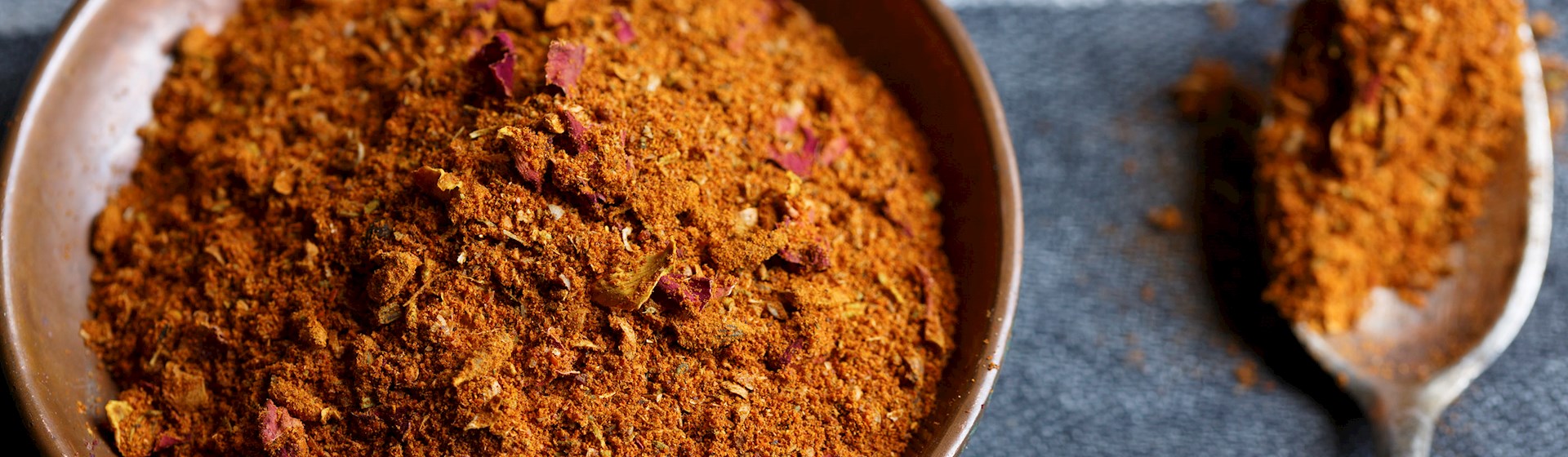
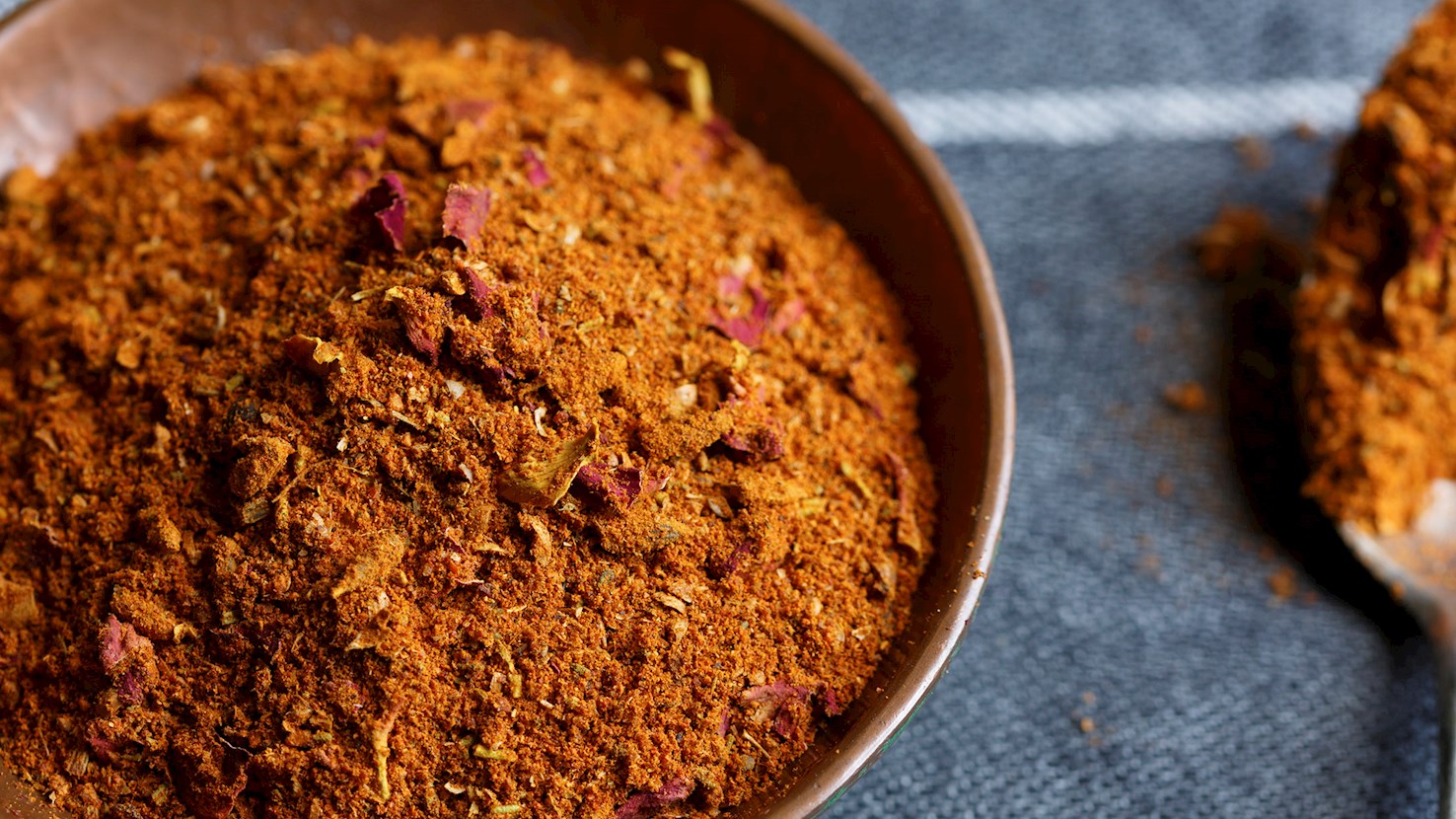
Ras el hanout is a mixture which often includes up to 40 different spices, while some blends claim to include over 100. Literally translated, ras el hanout means top of the shop, suggesting that the spice blend is the best and finest thing a consumer can buy from the merchants. Overall, the spice mix should be aromatic, warm, sharp, and slightly pungent, including some common, and some unusual ingredients such as dried lavender, caraway, galangal, a variety of peppers, dried rosebuds, and Japanese white ginger. Sometimes, ras el hanout can even contain hashish or a Spanish fly. It is quite versatile, so it can be rubbed into meat or stirred into rice dishes, and it is especially significant for giving the spicy and sweet aromas to the famous Moroccan tajines. Although each spice blend varies and no particular spice will stick out of the blend, when working together, ras el hanout gives serious flavor and punch to a number of dishes.
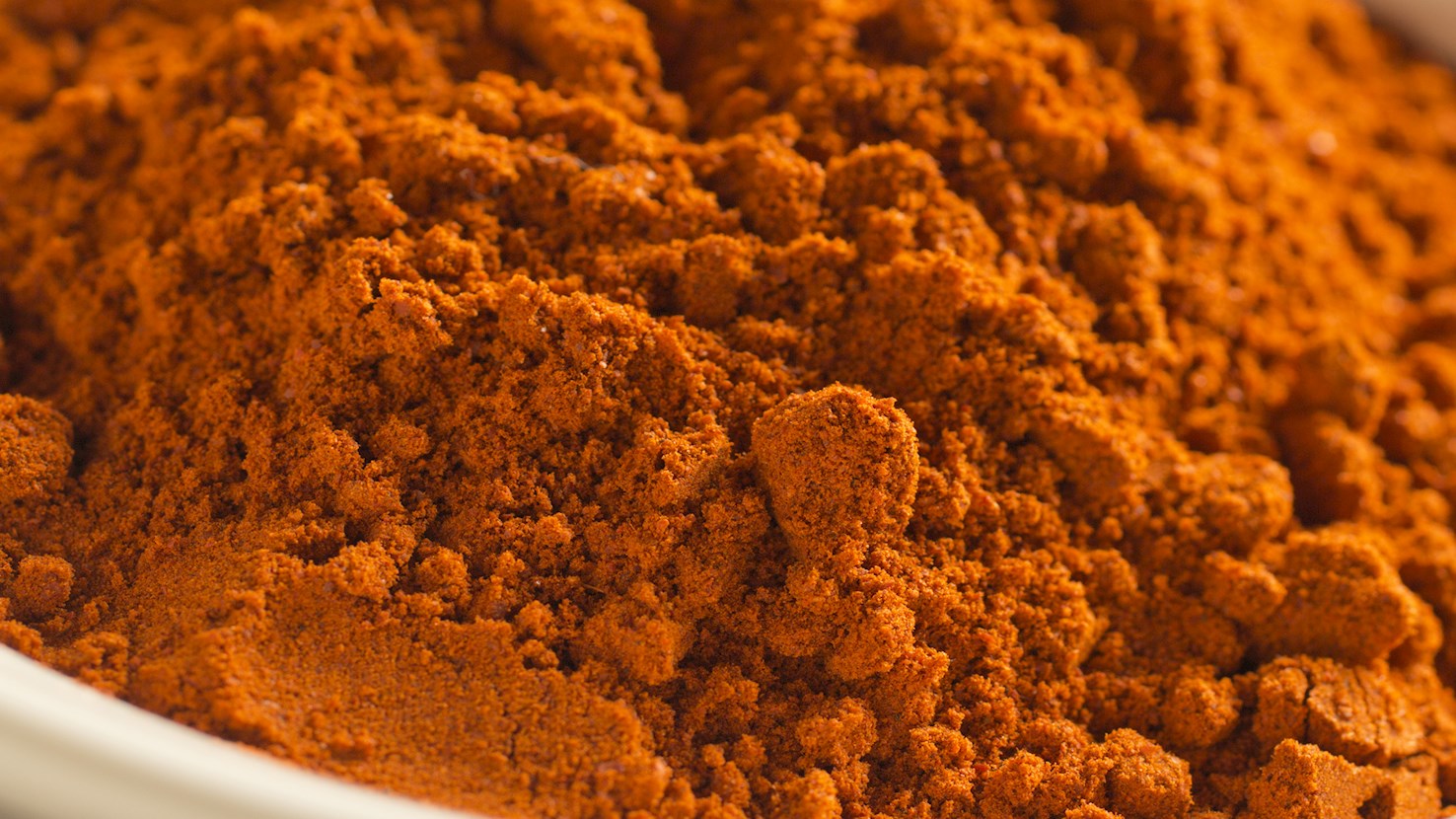
Berbere is an Ethiopian spice blend full of flavor and heat, made with a combination of spices such as chili, garlic, cumin, ginger, coriander, cinnamon, nigella, fenugreek, and ajwain. This spice blend can be used in its dry, powdery form, or as a paste, where the powder is combined with oil. It is traditionally used in numerous meat dishes and stews, providing them with spiciness and depth of flavor.
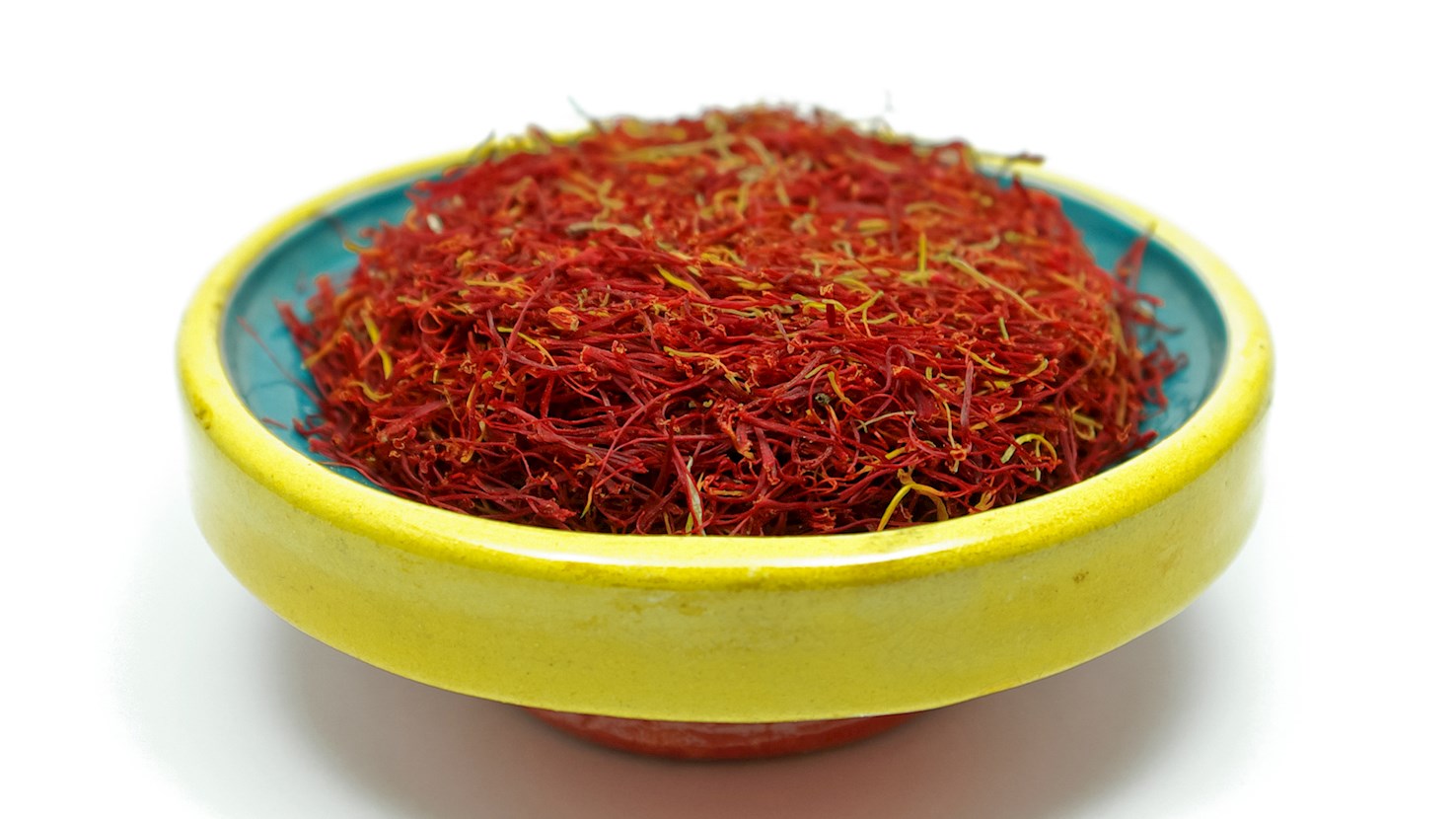
Taliouine saffron hails from the eponymous mountain village, located on the Souktana plateau, at an altitude of 1300-1500 meters above sea level, in Morocco’s region of Souss-Massa. The saffron is cultivated by a small number of producers, all of whom are members of the Coopérative Agricole de Taliouine, and the harvest typically takes place from October till November. With a more intense flavor and aroma but less vivid colors than other types of saffron, this highly-prized saffron variety is considered to be the result of a unique combination of perfectly suited territory, the region’s unique climate, and the indispensable knowledge of the people who are involved in its production. Saffron used to be sold by Jewish merchants, who commonly treated saffron pistils with olive oil - a method that is no longer practiced, while today, the primary saffron merchants are Arabs and Berbers. Although it is quite inexpensive when purchased and sold locally, this highly sought-after spice becomes a luxury food item as it reaches big markets in the country and Europe. In Taliouine, apart from using the spice in traditional Moroccan specialties, the local population typically adds saffron to their tea to warm themselves up and prevent disease in winter.
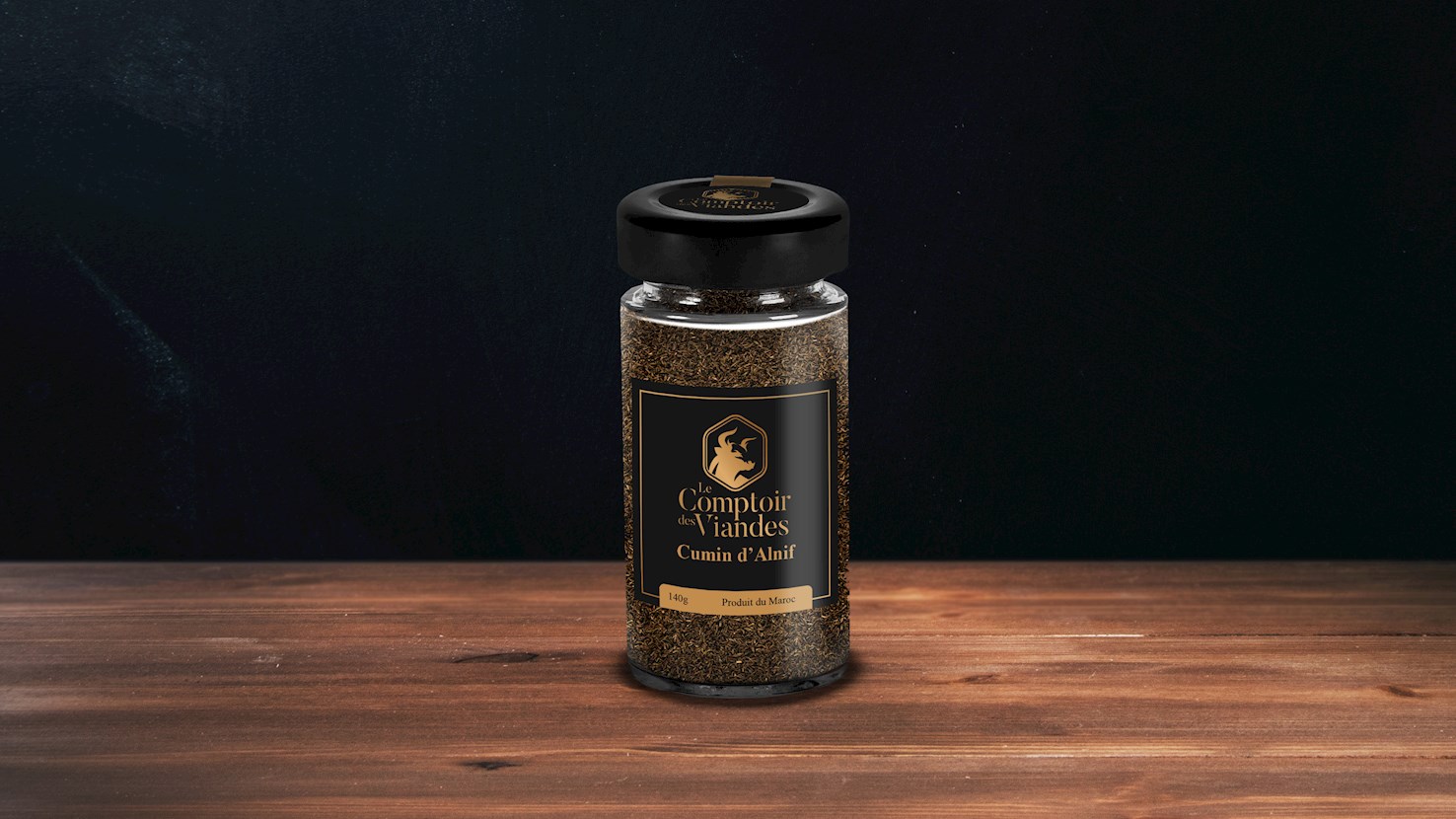
Produced by local women in the eponymous Moroccan village, set at the foothills of the eastern Anti-Atlas mountain range, Alnif cumin is traditionally gathered and processed from the end of April till the beginning of May. Bunches of hand-cut cumin plants are first dried, then beaten to extract the seeds, and finally sieved through a palm-leaf-woven container to filter out fine straw and dust. Distinguished by excellent quality and intense aroma, this cumin variety can be used both whole and ground, and it commonly enhances the flavor of various traditional Moroccan specialties such as couscous, tajine, and soups. Alnif cumin also goes well in combination with boiled meat and vegetables and is highly appreciated for its curative properties and for having a relatively long shelf life.
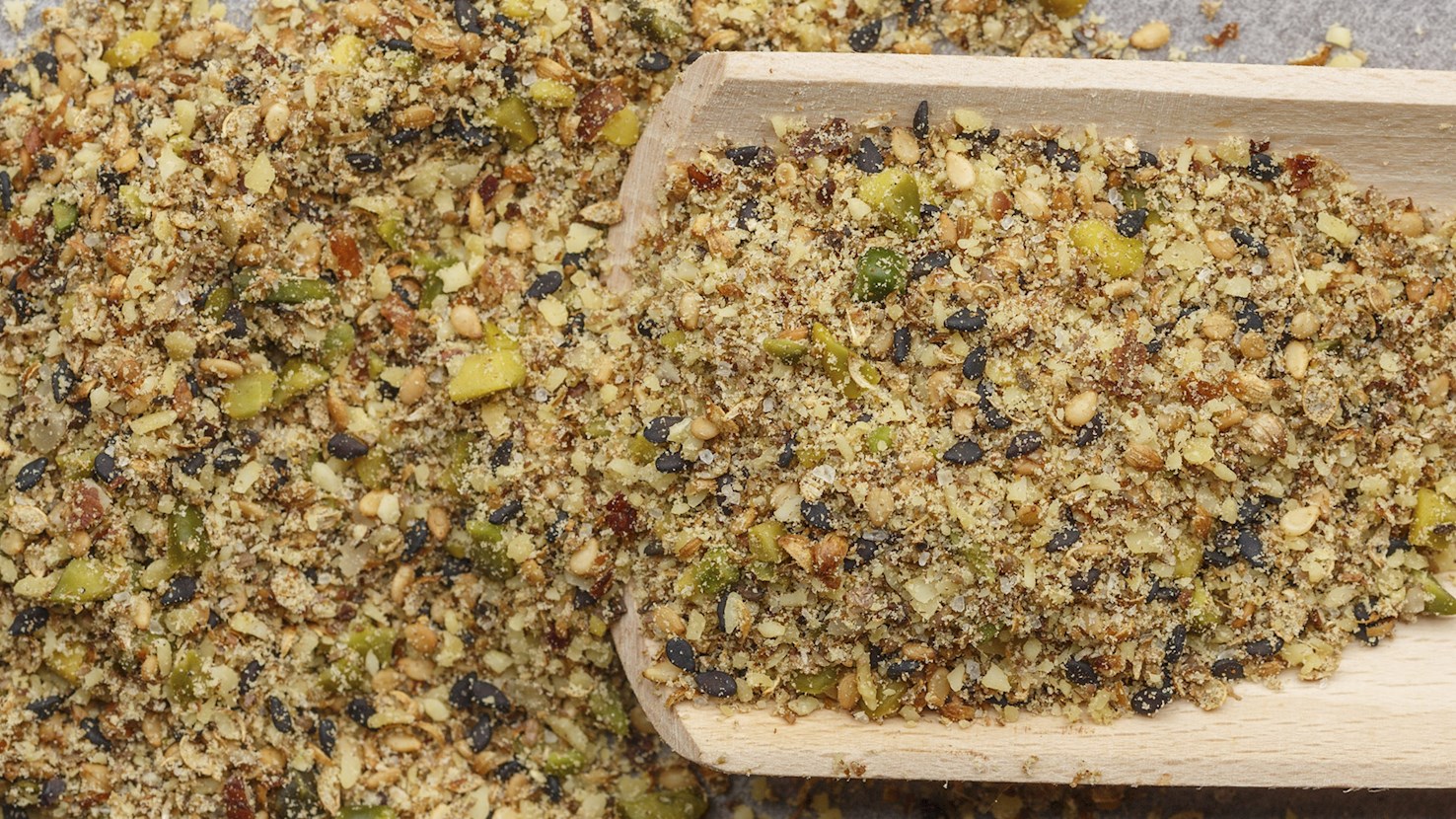
Duqqa is an Egyptian blend of herbs, toasted nuts, and spices such as cumin, sesame seeds, and coriander. The combination of these ingredients is ground into a coarse powder which can be used as a salad topping, a dip with olive oil and bread, or as a seasoning. Its name is derived from the Egyptian Arabic word for to crush or to pound, referring to the method of production. Duqqa originated as peasant food and people mostly consumed it as a seasoning for bread. Due to its high protein and fat content, it provided sustenance throughout the day. The blend has recently taken off in Australia, where it is consumed on its own, as a bar snack.
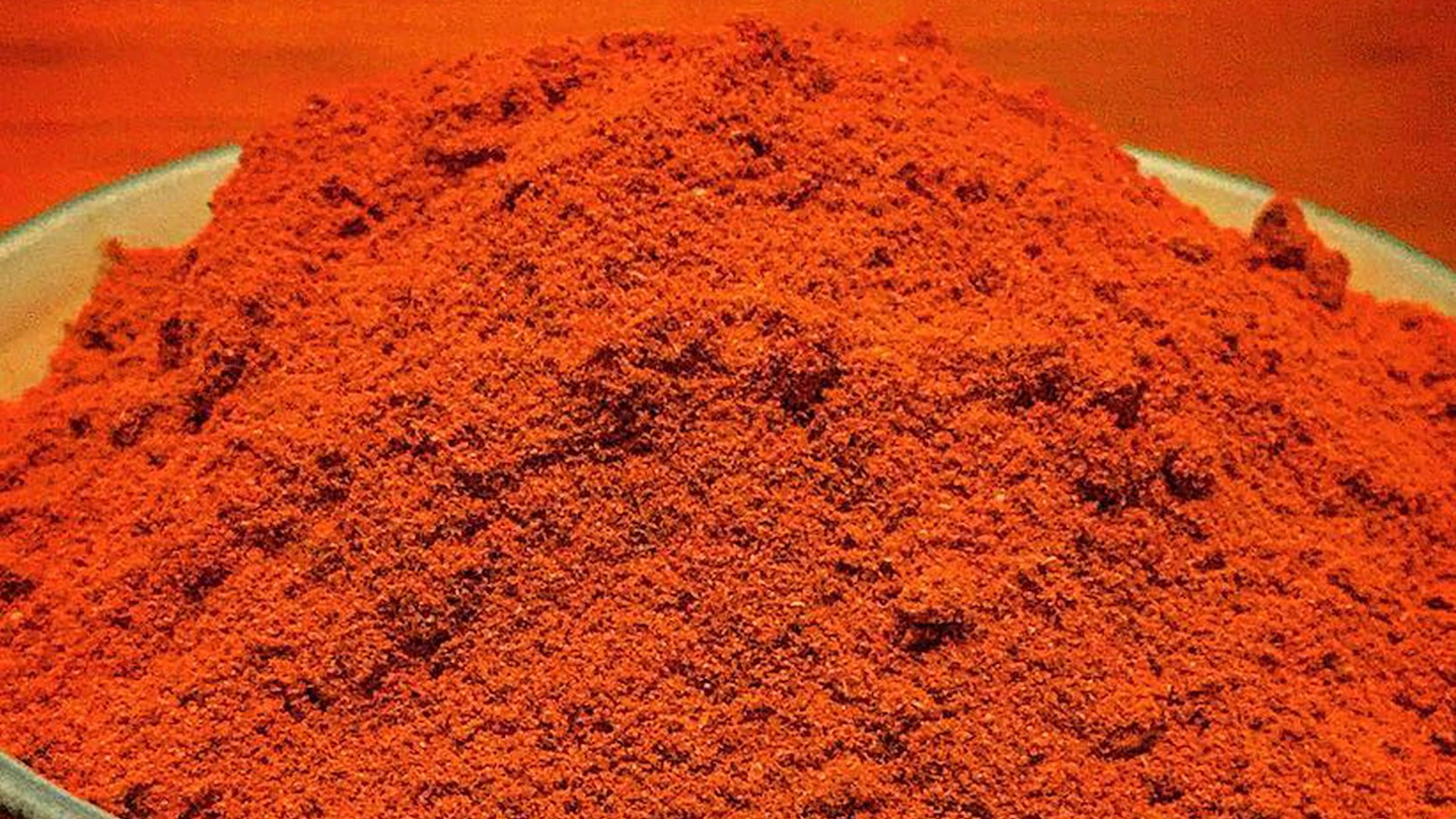
Mitmita is an Ethiopian spice blend sold in the form of powder, consisting of ingredients such as cloves, cardamom, salt, cumin, ginger, cinnamon, and bird's eye chili. It is traditionally used as a dip for cooked and raw meat dishes, but it can also be used as a rub, or sprinkled on different foods. Mitmita is even hotter than berbere, and it is often used in dishes such as kitfo or ful medames.
Mahlep is a fragrant spice derived from the seeds of the mahaleb cherry (lat. Prunus mahaleb), native to the Mediterranean region, particularly prevalent in Middle Eastern and Mediterranean cuisines. It is created by grinding the pits of the cherry into a fine powder that imparts a distinctive aroma combining subtle hints of almond, cherry, and mild bitterness. Mahlep is commonly used as a flavoring agent in baked goods such as breads, pastries, and cookies, lending an aromatic complexity that enhances the sensory experience of these dishes. The use of mahlep dates back centuries, rooted in the culinary traditions of countries such as Iran, Lebanon, Syria, Greece, and Türkiye. Its cultivation and incorporation into food reflect the longstanding agricultural and gastronomic heritage of the Mediterranean basin, where local resources were transformed into unique flavor profiles that define regional dishes. Preparation of mahlep involves first extracting the small seeds from the cherry pits, drying them, and then grinding them into a powder. The resulting spice is used sparingly due to its potent aroma and flavor. In baking, mahlep is mixed into doughs or batters, often alongside other spices like cinnamon or cardamom, to enrich breads such as pita or festive sweets. Its flavor profile complements both sweet and savory preparations, providing a nuanced background note that elevates the dish without overpowering other ingredients. Mahlep remains popular in contemporary Middle Eastern and Mediterranean kitchens, appearing in both home cooking and artisanal baking. It is typically purchased as a ground powder, but some cooks prefer to grind the seeds fresh for maximum potency. Mahlep-spiced breads and pastries are enjoyed with tea or coffee and are often part of celebrations and religious festivals.
Njansa is a spice native to tropical Africa, used in West and Central African cuisine, particularly in countries like Cameroon, Nigeria, Ivory Coast, and Ghana. The spice comes from the seeds of a tree scientifically named Ricinodendron heudelotii. The njansa tree produces a fruit that, when ripe, splits open to reveal an inner seed. This seed is typically dried in the sun and can be used whole, crushed, or ground as a flavoring in a variety of dishes. Njansa seeds have a flavor profile that can be described as a mix of nutty, spicy, and bitter. They are often used in soups, stews, and sauces to add a unique depth of flavor. They're also sometimes combined with other spices to create unique blends for various recipes. Additionally, the seeds have a high oil content and can be processed to extract edible oil. Beyond their culinary uses, njansa seeds are also known for their medicinal properties in traditional African medicine.
Hararat is a traditional spice mix commonly used in Libya. The word "hararat" in Arabic means "spices" or "heat," indicating its role as a warming and aromatic blend that enhances the flavors of various dishes. It is versatile and used to season a variety of dishes, such as meats, rice dishes, soups, and stews, making it a staple in regional cuisine. The exact composition of hararat can vary depending on the region and household, but it often includes spices like cinnamon, cumin, coriander, allspice and chili flakes. These ingredients combine to create a complex and aromatic flavor profile that is both warm and slightly spicy. Hararat is particularly popular in dishes like kabsa and machboos, which are spiced rice dishes cooked with chicken, lamb, or fish. It’s also used in marinades for grilled meats or to flavor soups and stews, enhancing the aroma and depth of traditional Libyan dishes.
TasteAtlas food rankings are based on the ratings of the TasteAtlas audience, with a series of mechanisms that recognize real users and that ignore bot,
nationalist or local patriotic ratings, and give additional value to the ratings of users that the system recognizes as knowledgeable.
TasteAtlas Rankings should not be seen as the final global conclusion about food. Their purpose is to promote excellent local foods,
instill pride in traditional dishes, and arouse curiosity about dishes you haven’t tried.









What People Say