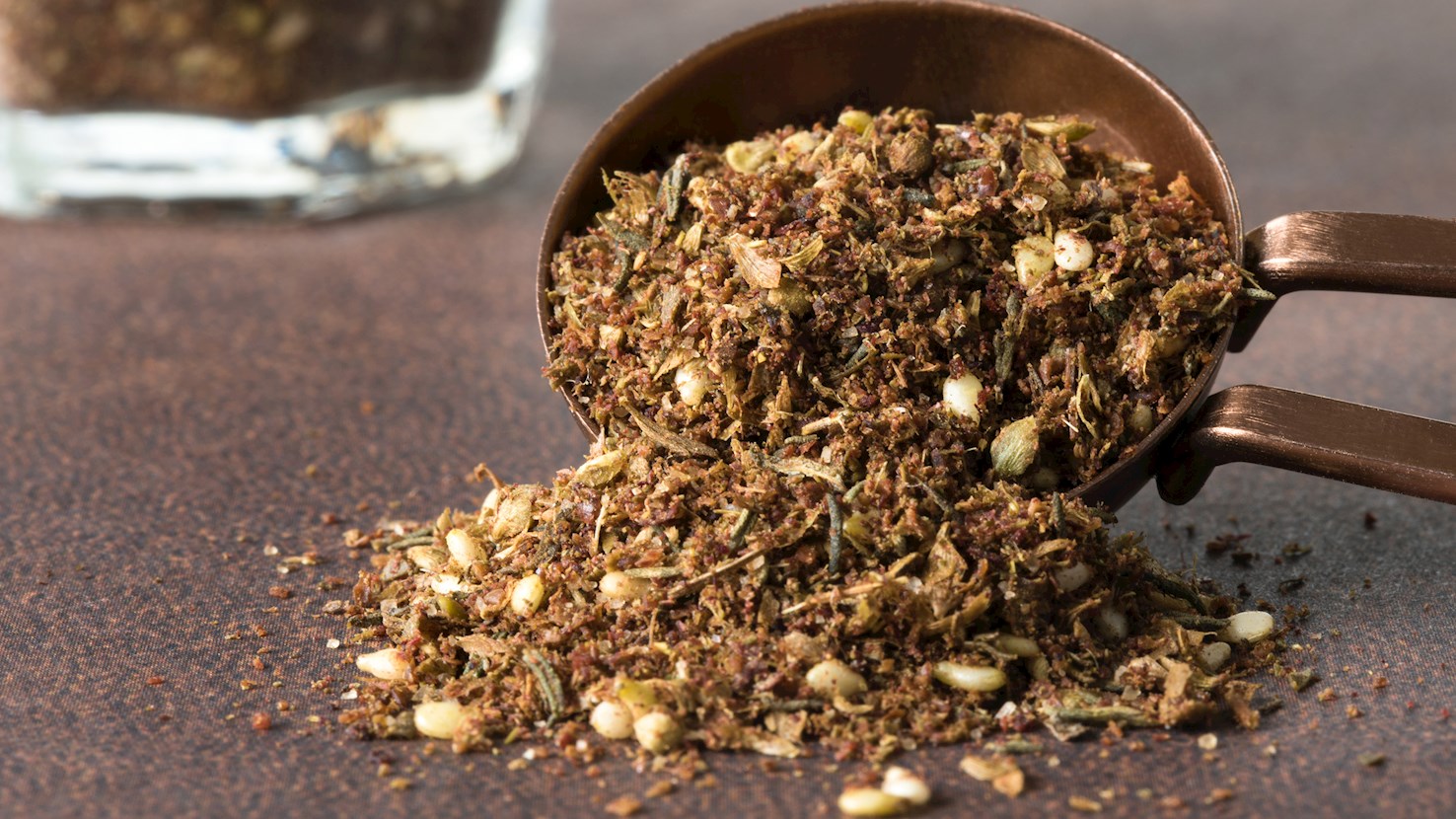
Za’atar is a herb and spice blend that comes from the Levant region, especially associated with Lebanon, Syria, Jordan, and Palestine, though its use extends across much of the Middle East. It is recognized by its earthy, tangy, and slightly nutty flavor, often made with a base of dried thyme or other herbs, combined with sumac, sesame seeds, and salt. Its name in Arabic refers both to the herb thyme itself and to the mixture that has become a defining element of Levantine cooking. References to za’atar go back to ancient times, with mentions of similar herb mixtures found in texts from the Eastern Mediterranean. For centuries it has been linked not just to culinary use but also to medicinal and cultural practices, as thyme and sumac were valued for both flavor and health properties. Families often developed their own preferred balance of ingredients, leading to variations from one region to another. In village markets, it became a product sold by weight, ground fresh and mixed with sesame, sumac, or other herbs like oregano and marjoram depending on local preferences. Preparation of za’atar starts with drying the chosen herbs until they can be crumbled into a fine texture. These are then blended with ground sumac, which adds acidity and a deep reddish hue, and sesame seeds, which are usually toasted to highlight their nutty aroma. Salt is added to preserve the mixture and balance the flavors. In some cases, other spices or wild herbs are included, reflecting regional differences. Za’atar is not eaten as a dish on its own but as a seasoning, yet its importance in daily meals is substantial. It pairs particularly well with fresh bread, labneh, roasted vegetables, and grilled meats. Its flavor stands out when combined with olive oil from the same regions, emphasizing the agricultural ties between land, spice, and table.
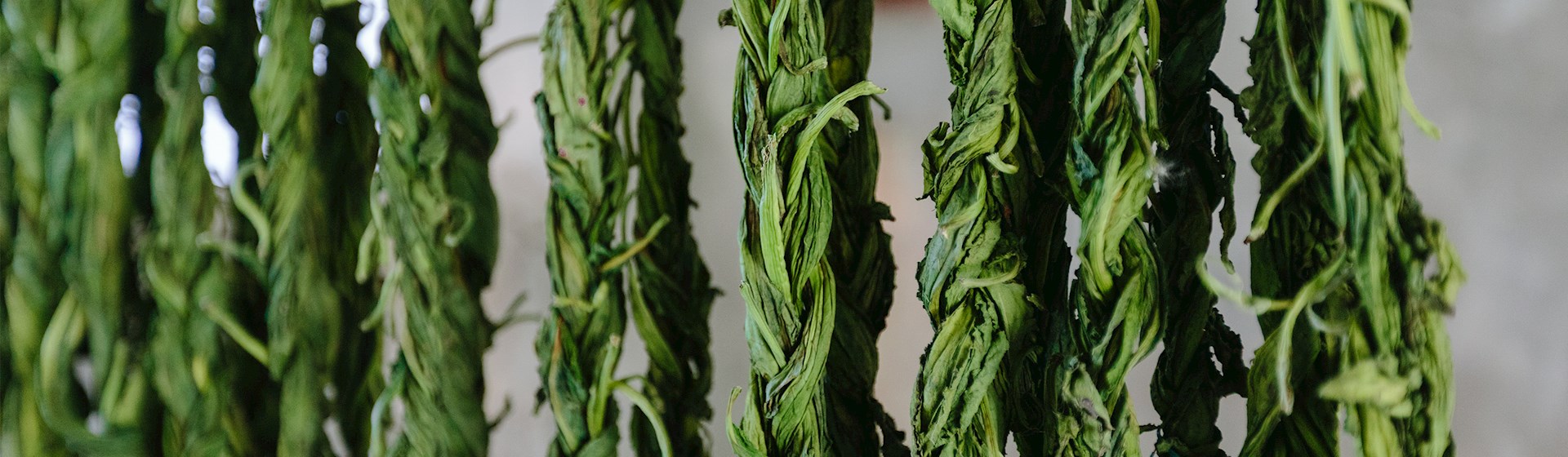
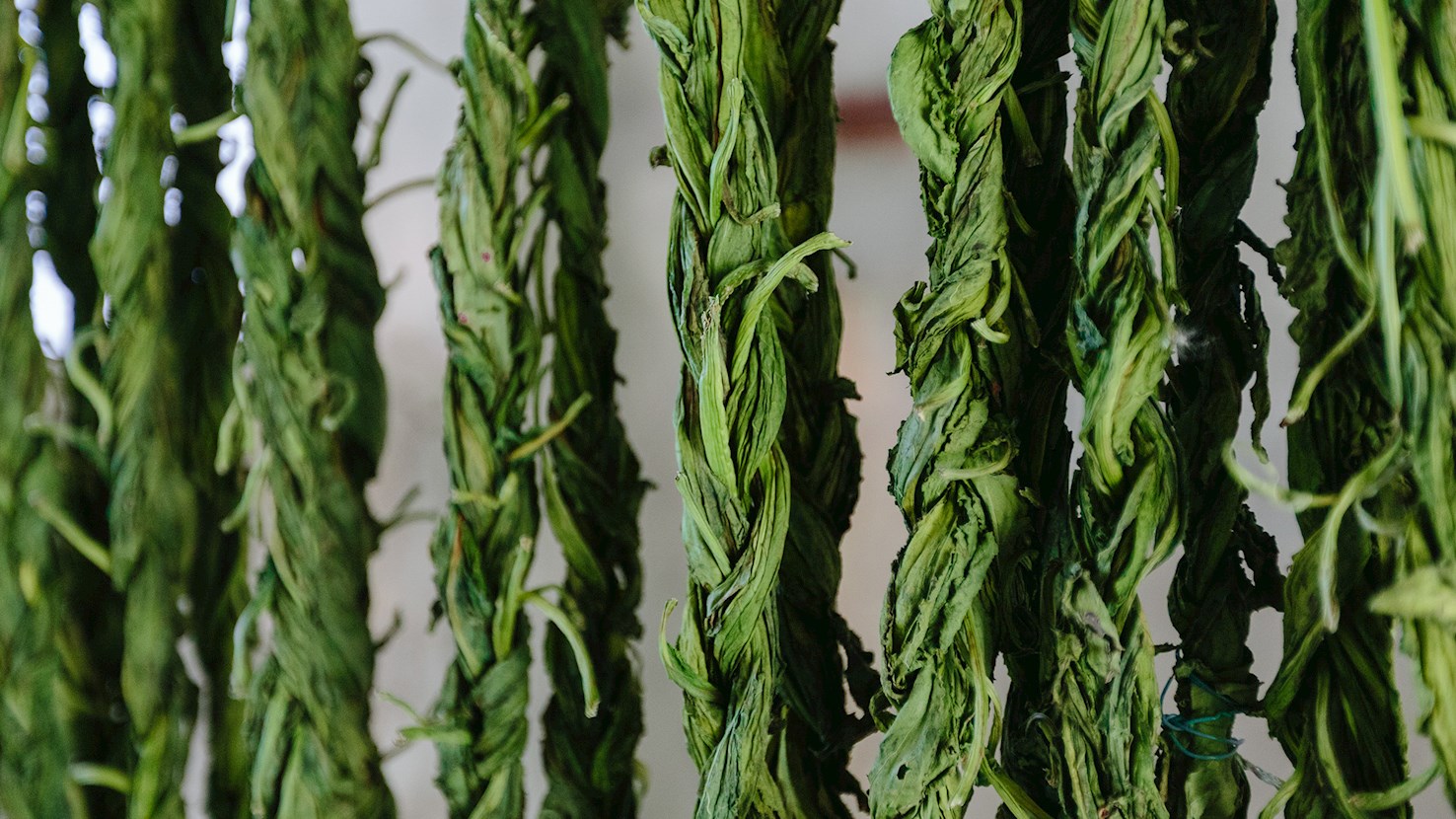
Aveluk is a type of native Armenian wild or mountain sorrel with a slightly sour flavor. It is a traditional ingredient typical of authentic Armenian cuisine that finds wide usage in dishes such as aveluk soup and aveluk salad. The leaves of aveluk are typically collected during the spring season, and they are then made into braids, which are either used fresh or hung to dry in a windy place, away from direct sunlight. In Armenia, the aveluk braids are traditionally made by women and are usually very long, even up to four times the height of the one who’s making them. Praised for their exquisite flavor and remarkable medical benefits, fresh or dried braids of aveluk are available at numerous markets.
Chaimen is an authentic Armenian spice blend that provides tons of flavor to numerous meat and vegetable dishes, as well as casseroles. However, it is mostly used for curing meats and sausages, although it can also be used in soups, stews, or as a dipping sauce for flatbreads. The blend is typically prepared with ingredients such as fenugreek, paprika, salt, black pepper, cumin, allspice, garlic, and cayenne pepper. When used as a marinade, the dry spice blend is added to tomato paste, parsley, crushed garlic cloves, and either olive oil or yogurt.
TasteAtlas food rankings are based on the ratings of the TasteAtlas audience, with a series of mechanisms that recognize real users and that ignore bot,
nationalist or local patriotic ratings, and give additional value to the ratings of users that the system recognizes as knowledgeable.
For the “Top 3 Armenian Herbs and Spices” list until June 10, 2026, 707 ratings were recorded, of which 222 were recognized by the system as legitimate.
TasteAtlas Rankings should not be seen as the final global conclusion about food. Their purpose is to promote excellent local foods,
instill pride in traditional dishes, and arouse curiosity about dishes you haven’t tried.