


shutterstock

Top 4 Oceanian Herbs and Spices

Last updated on June 02, 2026
01

Lemon Myrtle

3.6 ·

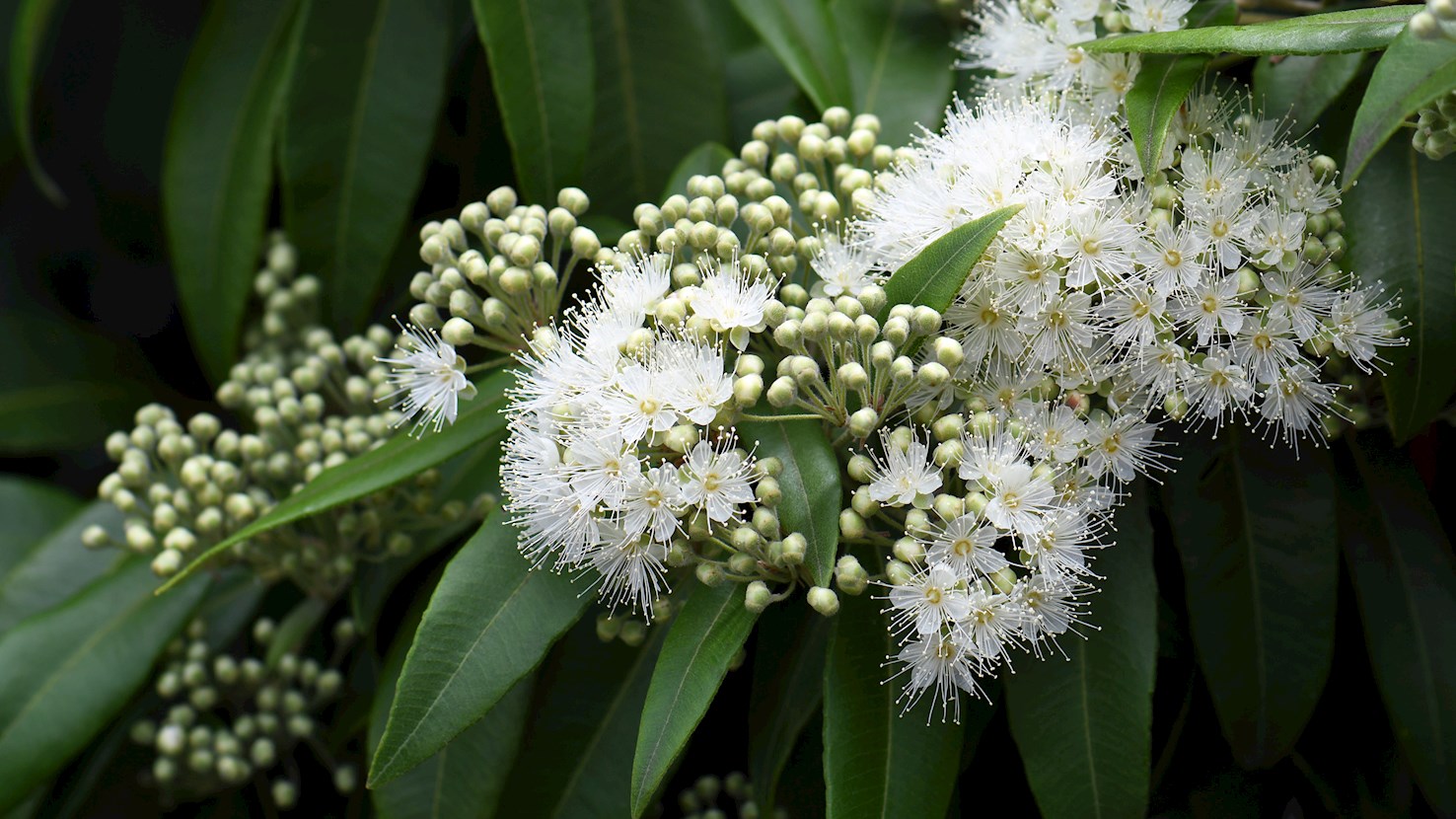
Lemon myrtle is a shrub or tree native to Queensland, Australia. Fresh or dried leaves are used for human consumption, and lemon myrtle is a great producer of citrol, the oil responsible for its signature flavor and aroma. Some say that these leaves have more lemony aromas than actual lemons, which is not surpirising considering that myrtle has more than 90% citrol, while lemons have about 5%, making lemon myrtle an ingredient with the most intense lemon aroma in the world. Due to its tangy and citrusy flavors, it’s often used as a substitute for lemon zest or lemongrass. The spice is often used in marinades, pancake batter, and meat rubs. In Australia, lemon myrtle is traditionally used with prawns, shortbread, whole baked fish, and roast chicken. It pairs well with spices such as coriander, fennel, cloves, and cinnamon.

02

Vanille de Tahiti (Tahitian vanilla)

n/a ·

Tahitian vanilla is a unique variety of vanilla bean grown primarily in French Polynesia, particularly on the islands of Tahiti and Bora Bora. It comes from the orchid species Vanilla tahitensis, which differs from the more commonly known Vanilla planifolia variety, typically grown in Madagascar and other regions. Tahitian vanilla is renowned for its distinctive, floral, and fruity aroma, with hints of cherry, anise, and other sweet, complex notes. This unique flavor profile makes it highly prized in gourmet cooking and baking, especially in desserts, pastries, and even in the creation of fine perfumes. The beans themselves are usually plumper, shorter, and more moist than other types of vanilla, with a soft, pliable texture and a darker color. Grown in small quantities, Tahitian vanilla is rarer and more expensive than other varieties. The beans are hand-pollinated, contributing to their high quality and premium price. Due to its delicate and complex flavor, Tahitian vanilla is often used in recipes where the vanilla flavor is meant to be prominent, such as in ice creams, custards, creams, and high-end perfumes.

03

Tasmanian Pepper

n/a ·

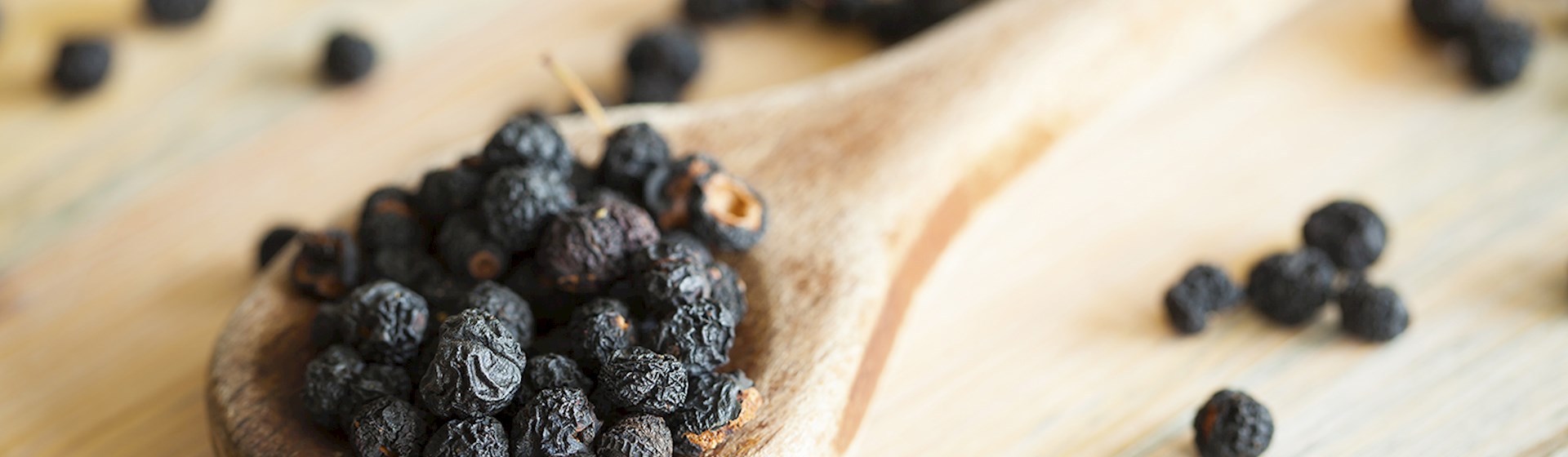
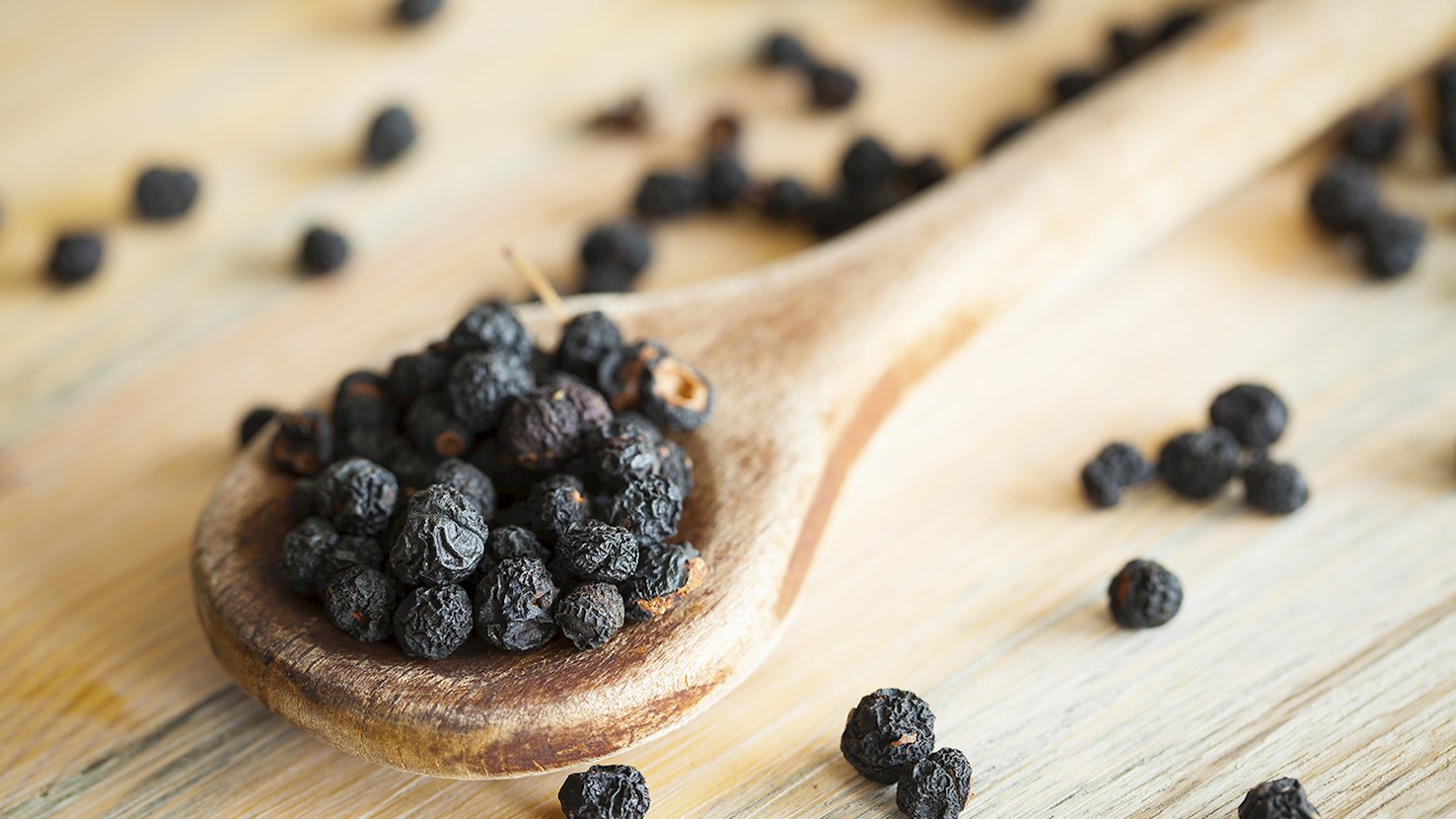
Tasmanian pepper is a pepper variety native to southeastern parts of Australia, such as Tasmania, Victoria, and New South Wales. These pepper berries have a piney, resin-like, floral, and sweet aromas. The flavors are pleasantly sweet and acidic, but after a few seconds, the tongue-numbing heat starts to take effect. However, Tasmanian pepper is not overwhelmingly hot. Due to the fact that the Tasmanian pepper is a bit softer and larger than regular black pepper, the berries can be chopped and added to raw or cooked dishes such as foie gras and meat stews, but they’re also used in marinades for emu hamburgers and dry rubs for lamb. The leaves of Tasmannia lanceolata are also edible, pungent, and flavorful, and they’re often dried and ground into a powder. If used whole, the leaves will lose the pungency but impart heat and acidic and fruity notes to selected dishes. Tasmanian pepper is traditionally used on kangaroo steaks, beef stews, grilled vegetables, and in salad dressings. The spice pairs well with cumin, paprika, verbena, ginger, and basil.

04

Tasmanian Saffron

n/a ·

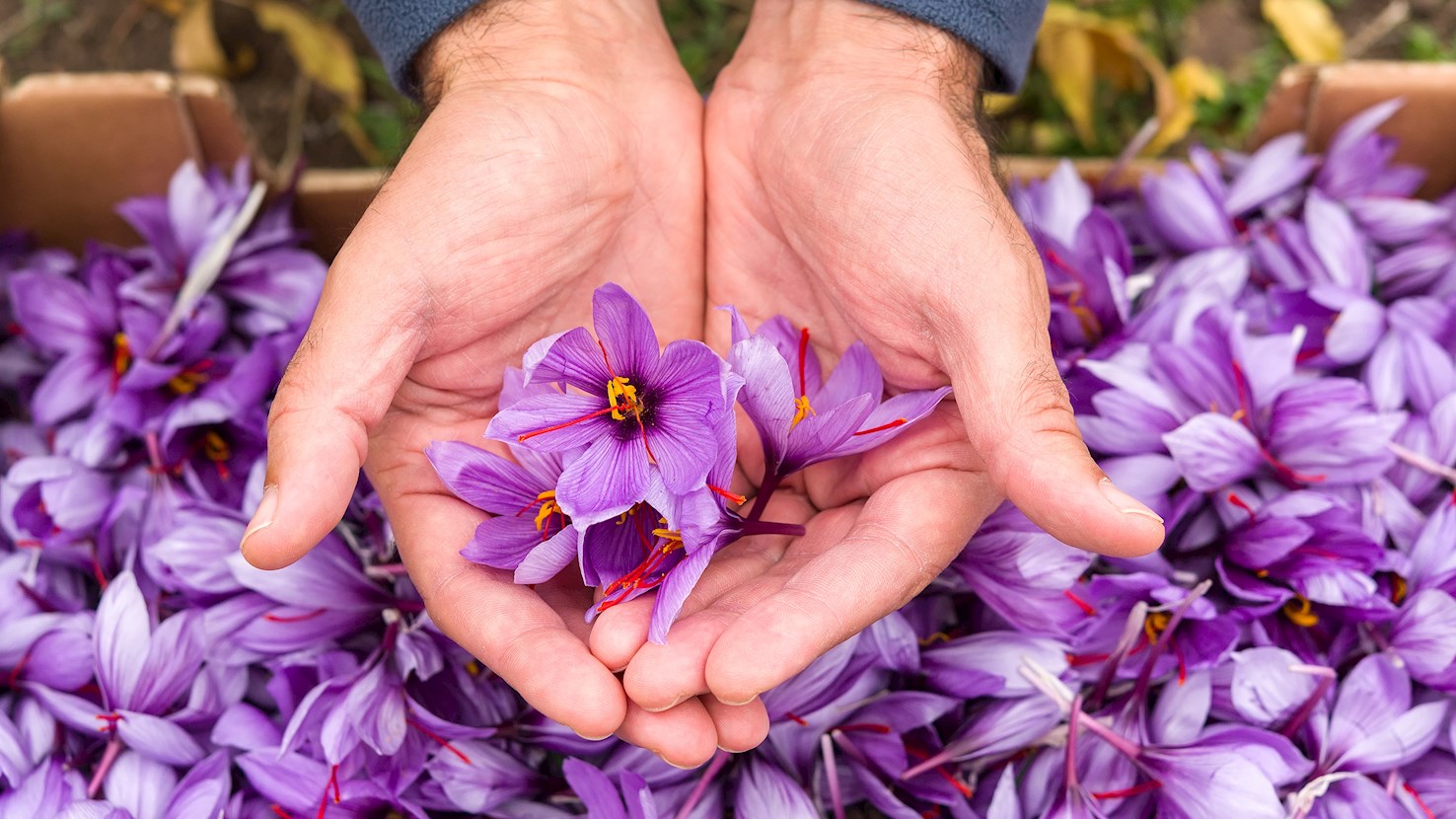
Saffron was introduced in Tasmania by an Australian couple, Terry and Nicky Noonan, who founded the first Tasmanian saffron company Tas-Saff in Huon Valley, back in 1990. Tasmanian saffron is renowned for its high-quality characteristics due to the exceptional growing conditions provided by the pristine Tasmanian environment in which it grows. In Tasmania, the saffron season takes place in April, and it typically lasts for about four or five weeks. During this period, the saffron crocus flowers are hand-picked, dried, processed, and then strictly graded to ensure that the spice meets international standards. Tasmanian saffron is supplied to both local and Australian mainland markets, and it is also exported to numerous countries in Asia and the Middle East. This expensive and highly sought-after spice is a versatile food item that is widely used in the kitchen, but also for personal health and lifestyle purposes. Tasmanian saffron is also used in the production of a range of saffron products including saffron tea, saffron chocolate, and saffron gin.

Read more
View all
View map
About this ranking

TasteAtlas food rankings are based on the ratings of the TasteAtlas audience, with a series of mechanisms that recognize real users and that ignore bot, nationalist or local patriotic ratings, and give additional value to the ratings of users that the system recognizes as knowledgeable. For the “Top 4 Oceanian Herbs and Spices” list until June 02, 2026, 19 ratings were recorded, of which 17 were recognized by the system as legitimate. TasteAtlas Rankings should not be seen as the final global conclusion about food. Their purpose is to promote excellent local foods, instill pride in traditional dishes, and arouse curiosity about dishes you haven’t tried.

Similar lists